Hi-Fi Amplifiers
Naim Uniti Atom vs Cambridge Audio Evo 150: Two All-in-One Streaming Amplifiers Compared
A practical comparison of two super integrated streaming amplifiers, covering sound character, inputs, controls, and who each one suits.
Introduction
All-in-one streaming amplifiers keep growing in appeal because they collapse a whole system into a single box. A network streamer, a DAC, and a power amplifier all live inside one compact chassis, so you add loudspeakers and start playing.
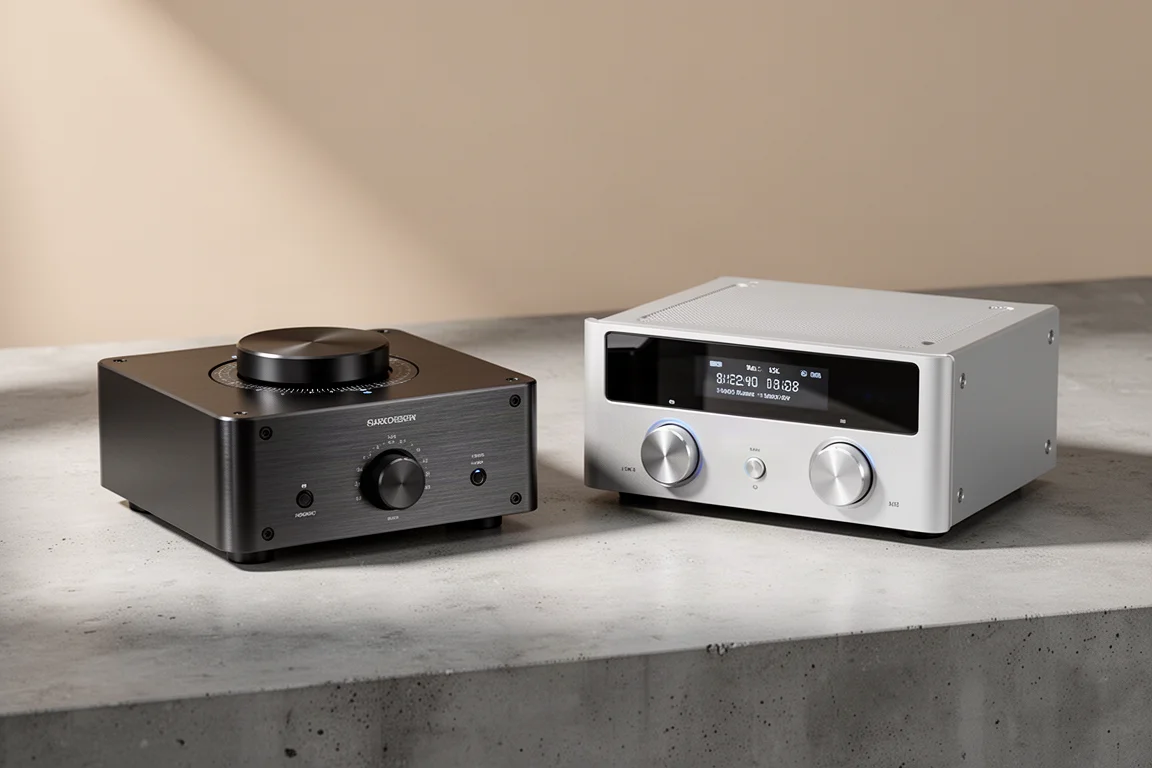
The Naim Uniti Atom and the Cambridge Audio Evo 150 are two of the most convincing examples of that idea. One is a shoebox-sized class A/B design rated at 40 watts per channel. The other is a class D design rated at 150 watts per channel, built around Hypex NCORE modules. Both are streaming amplifiers, both are easy to live with, and both raise the same question: which one is actually better?
That question is harder than it looks. The two amplifiers have genuinely different characters, different strengths, and different priorities. The honest answer is that the better choice depends on your speakers, your room, and how you like to listen.
What These Amplifiers Actually Do
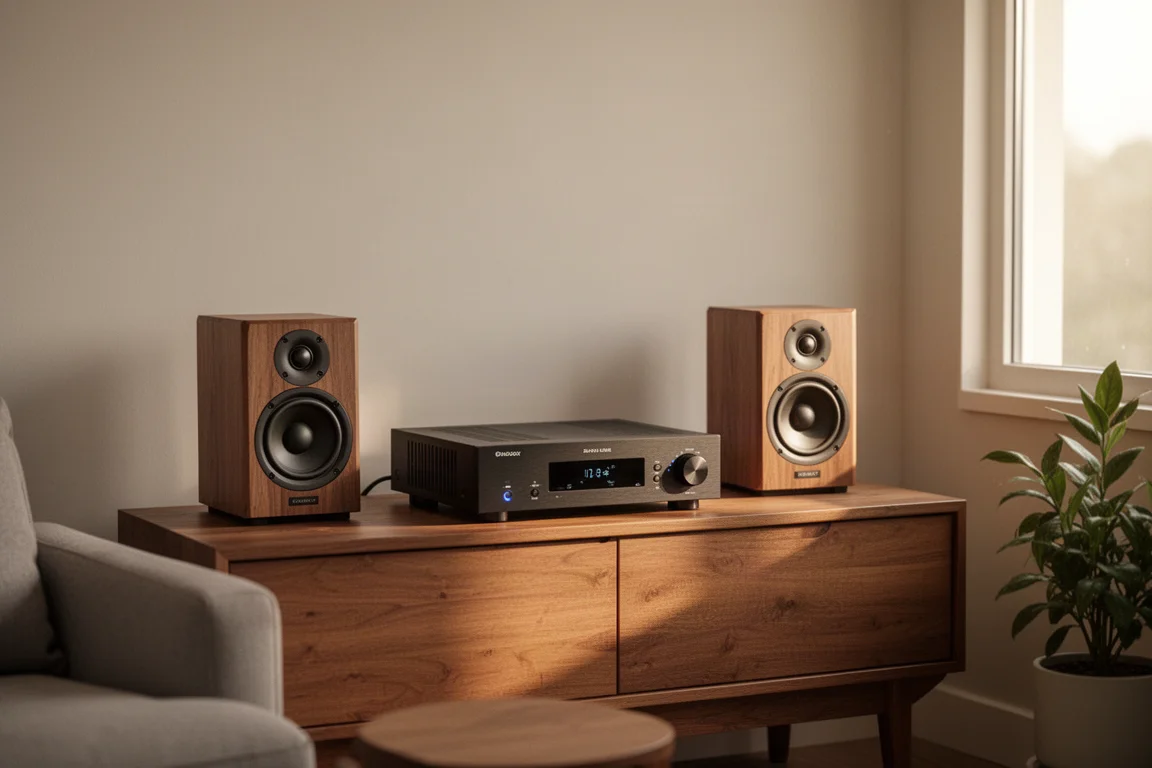
The appeal of a super integrated amplifier is simple. You get streaming, digital-to-analog conversion, and amplification in one box, which means less fussing over cables and component matching and more time playing music.
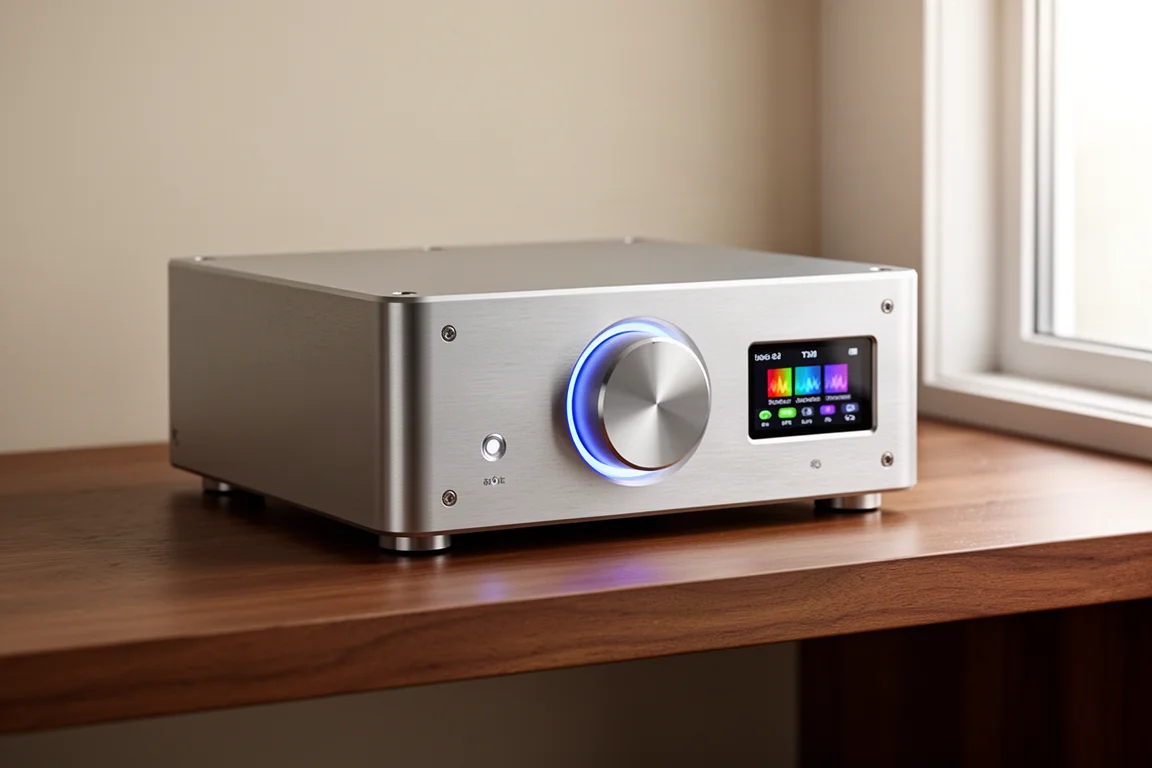
The Naim Uniti Atom gives access to Roon, TIDAL, Qobuz, and Chromecast, which in practice covers anything that runs Chromecast, including services like SoundCloud. Setup is quick: a power cable, a network cable or Wi-Fi, and loudspeaker cable, and you are running in under ten minutes.
The Cambridge Audio Evo 150 covers the same streaming ground. It is also designed to be an all-in-one integrated streaming amplifier where you simply add loudspeakers.
Sound Character: Detail Against Drive
These two amplifiers do not chase the same sound.
The Cambridge Audio Evo 150 pulls more of the finer detail out of dense electronic material. It sounds more stately, with better focus lock and therefore better image specificity. Paired with a pair of stand-mount speakers, it produced the widest and deepest soundstage of the two, and it came across as more internally spacious.
The Naim Uniti Atom is plainly the more lively sounding piece. It offers more straight-ahead rhythmic expression and more dynamic punch, and it is more predisposed to extracting maximum drama from a track. If your listening leans on momentum and drive, that character is exactly the point.
The difference shows up clearly with acoustic material. The Cambridge amplifier’s smoother top end suits quieter, more nuanced recordings well. The Naim is more of a lean-in listen, while the Cambridge is more of a lean-back listen.
Design, Size, and Haptics
Here the Naim takes the advantage on feel.
The Cambridge unit is the slightly larger of the two, but it is also the lighter one. The Naim is squat and heavy, largely because it is a class A/B design with a substantial toroidal transformer inside, something the class D Cambridge does not need.
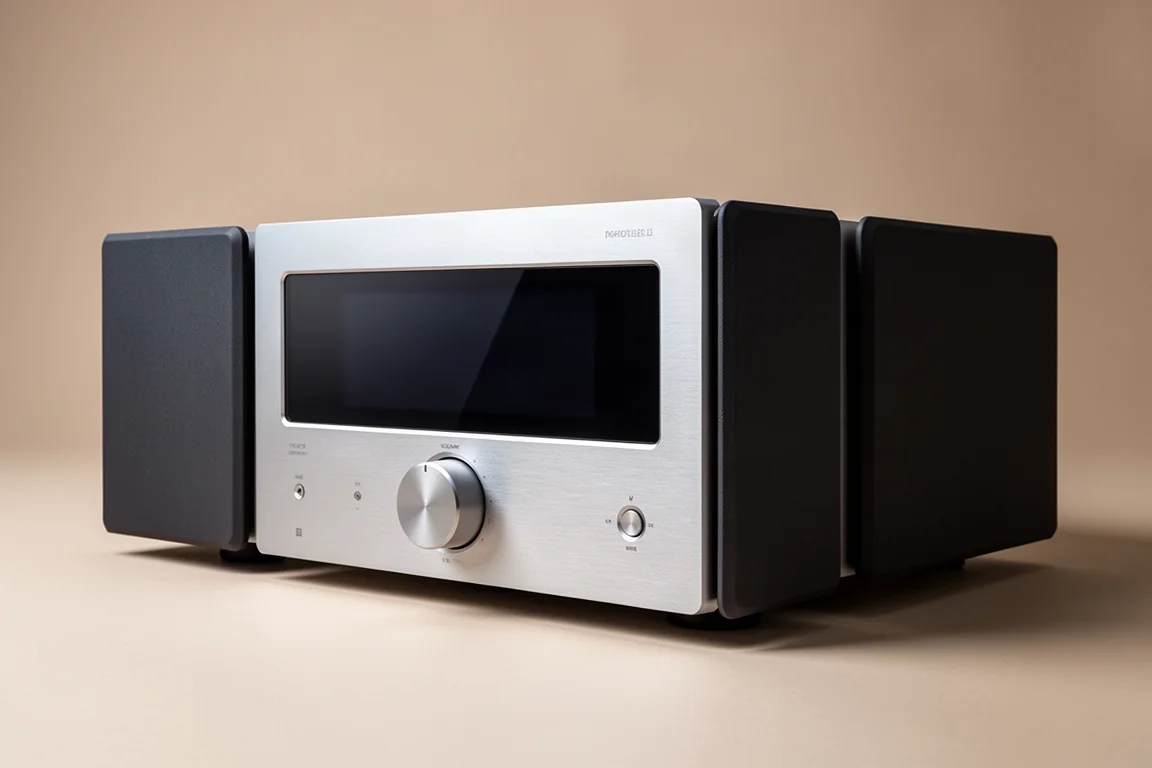
The Cambridge has a genuinely useful trick: substitute side panels are supplied in the box. You can remove the patterned black panels and fit a pair of walnut panels instead, which changes how the amplifier sits with your furnishings. It is a small thing, but a thoughtful one.
The Naim’s standout physical feature is its volume wheel on the top panel, one of the best in the business. The Cambridge uses two concentric wheels on the front, with the black inner wheel handling volume and the silver outer wheel handling source selection. The arrangement is neat, but it does not feel as good in the hand.
Controls, Remotes, and Everyday Usability
The remotes split opinion, and for practical reasons.
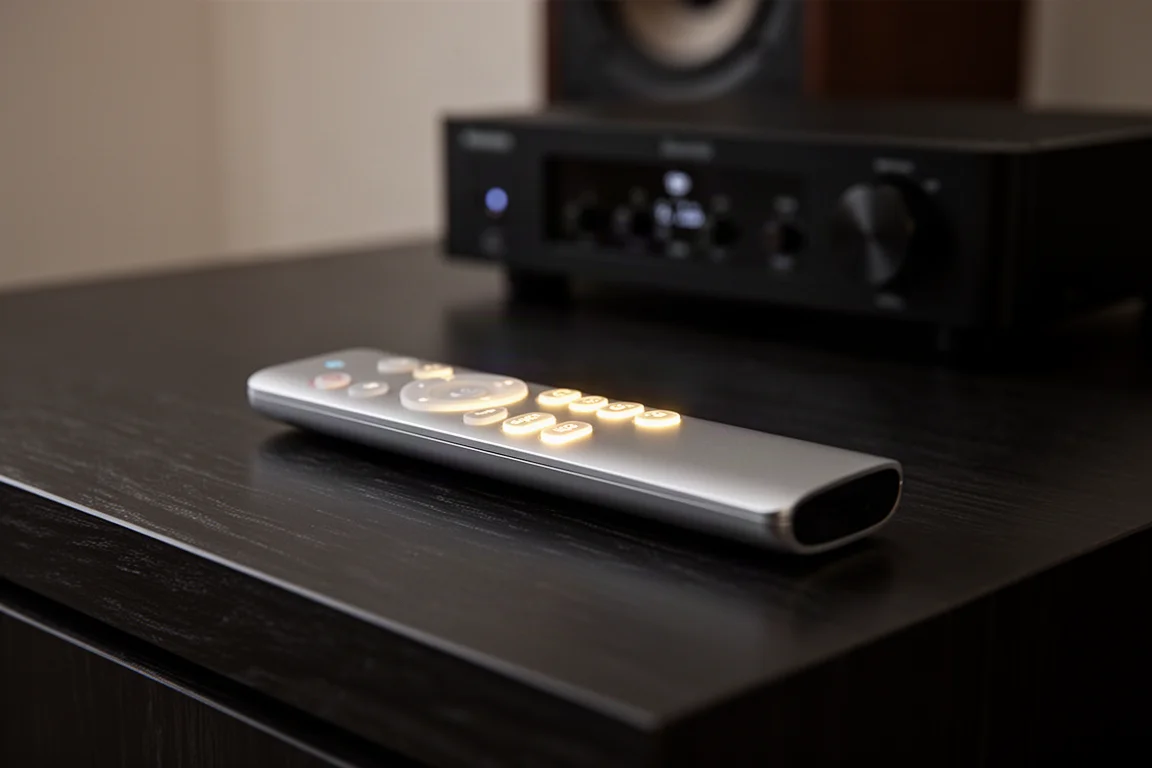
The Naim ships with a backlit remote, which means you do not have to point it at the amplifier for it to work. The Cambridge remote is infrared, so you do need to aim it, and its buttons are thin and small. The backlit buttons on the Naim are easier to live with.
The Cambridge GUI is just as good as the Naim’s overall. One small frustration is the sizing of information: on a Toslink input, the sample rate is shown in small type next to a large input logo, which is hard to read from a listening position. That is a detail worth knowing if you plan to check signal lock from across the room.
The Cambridge claws back ground on input handling. Many streaming inputs on both amplifiers auto-detect, so starting playback in Roon, Spotify, or TIDAL switches the amplifier over automatically. On the Cambridge, the outer silver wheel also lets you rotate manually through every input, including the hardwired ones, which makes it the friendlier option for less experienced users.
Connectivity and Inputs
This is where the Cambridge pulls clearly ahead on flexibility.
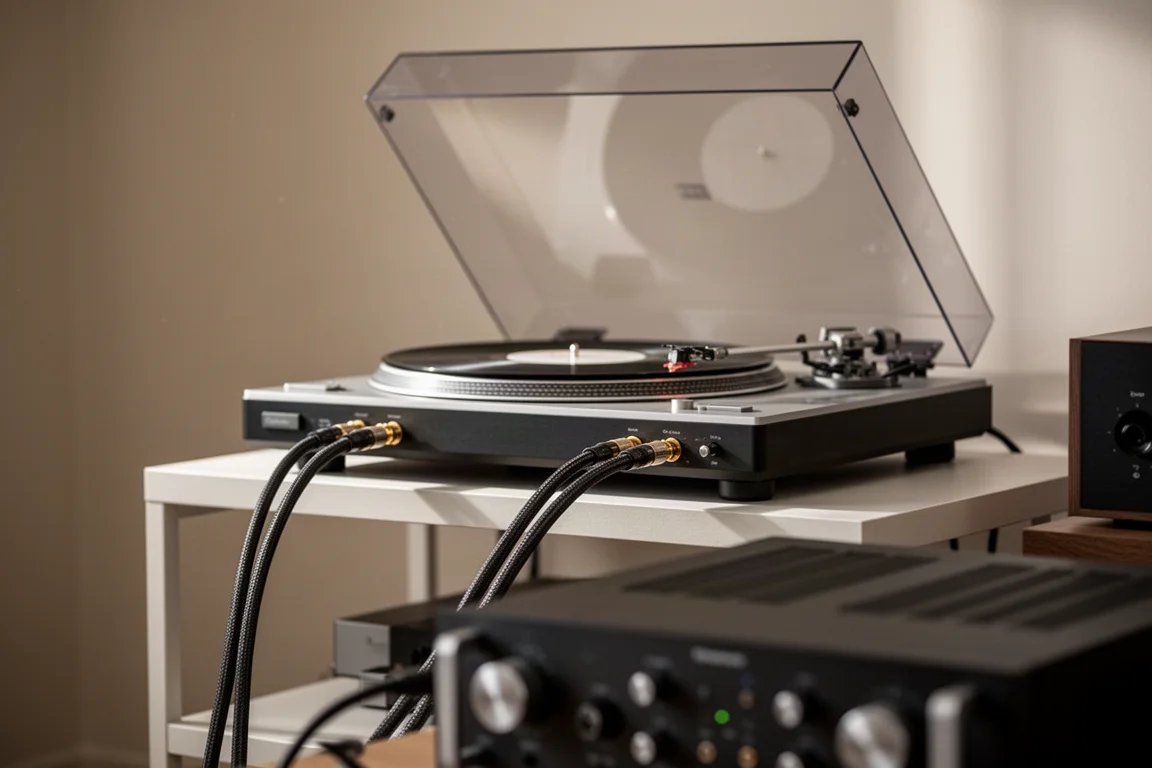
The Evo 150 includes an MM phono stage. It is not an exceptional phono stage, but it is not a poor one either, and it sits at a reasonable working level for a moving-magnet cartridge. It also offers balanced analog inputs. That matters if you run a turntable through a phono stage some distance away, because balanced cables handle longer runs better.
The Naim Uniti Atom does not include balanced inputs, so a longer balanced run from an external phono stage is not an option.
Worth noting on value: the Cambridge Audio Evo 150 is a few hundred euros cheaper than the Naim Uniti Atom.
Speaker Matching and Room Fit
Loudspeaker pairing is not a neutral exercise with these two, and the amplifier you choose should follow the speakers you own or plan to buy.
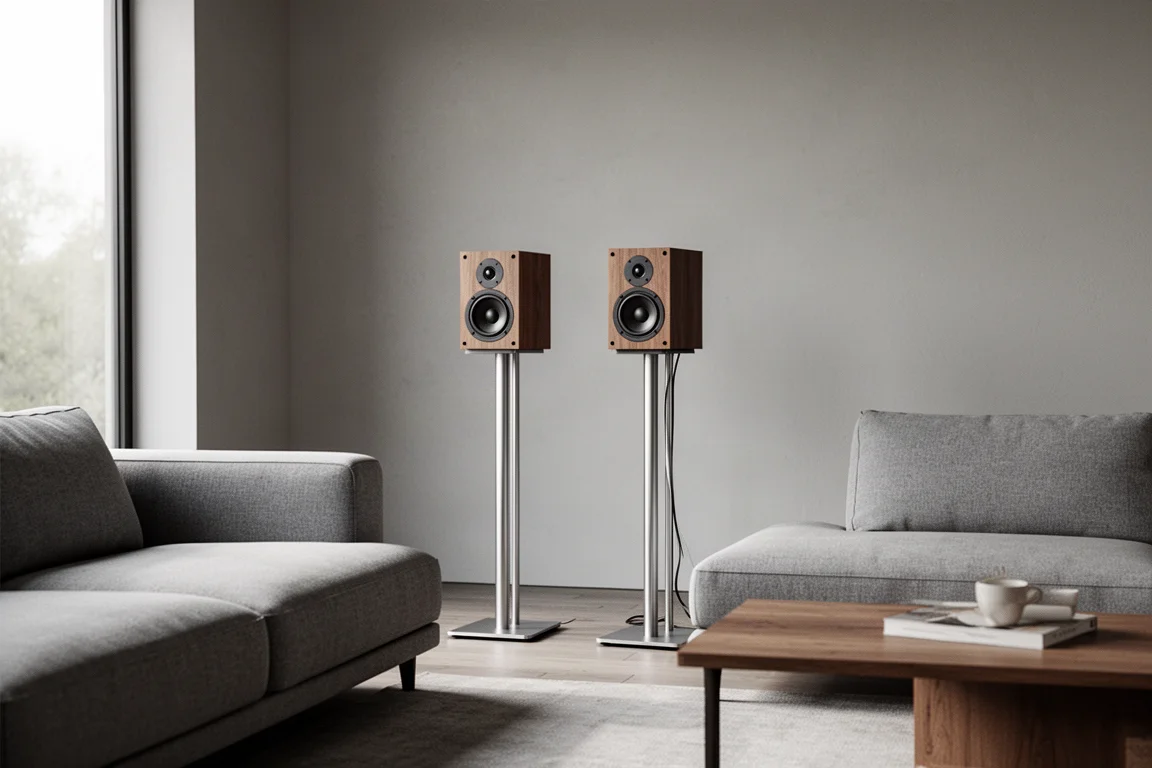
The Naim Uniti Atom paired particularly well with the larger floorstanding speakers on hand, where its rhythmic drive and punch had room to work. The Cambridge Audio Evo 150 paired particularly well with a pair of stand-mount loudspeakers, where its wider, deeper soundstage and detail retrieval came through most clearly.
Both amplifiers are small enough to sit on a sideboard or a low shelf, and both keep a room looking like a room rather than a sound lab. For listeners who care about the physical footprint of their hardware, that is a real part of the value.
Buying Advice
Neither of these amplifiers is aimed at the inveterate upgrader. Once you buy one, there is little to upgrade in the traditional sense, because the streamer, DAC, and amplifier are already settled. They are for people who want to set up once and then forget about the hardware.
That is precisely their strength. With an all-in-one, the manufacturer has already worked out the synergy between the streaming section, the converter, and the amplifier, so the only connection you really need to think about is the loudspeaker cable. It removes a good deal of the agonizing that comes with building a system from separates.
If your priority is a livelier, more rhythmically expressive presentation and you value a beautifully weighted volume control and a backlit remote, the Naim Uniti Atom is the more satisfying choice. If you want a wider and deeper soundstage, a smoother top end for acoustic material, a phono stage, balanced inputs, user-swappable side panels, and a lower price, the Cambridge Audio Evo 150 makes the stronger case.
Match the amplifier to the speakers you actually own. That single decision will do more for your satisfaction than any specification on a page.
Conclusion
Both of these super integrated amplifiers do the same job and arrive at it from different directions. The Naim Uniti Atom leans into drive, punch, and tactile controls. The Cambridge Audio Evo 150 leans into detail, space, flexibility, and value.
Either one will replace a rack of separates with a single box and a pair of speakers, and either one will have you playing more music from more sources with far less fuss. Choose on sound character and inputs, and you are unlikely to regret the decision.
Further reading
Related Reviews
Hi-Fi Amplifiers
Accuphase E-280 Review: Entry-Level Accuphase With Flagship Attention to Detail
A close look at the Accuphase E-280 integrated amplifier, covering its champagne build, AAVA volume control, sound quality, and the speakers and sources that suit it best.
Hi-Fi Amplifiers
Advance Paris A10 Classic vs Yamaha A-S301: Two Integrated Amplifiers Compared
A practical comparison of a $350 integrated amplifier and a $2,500 reference model, covering the differences that matter and the ones that do not.
Hi-Fi Amplifiers
Affordable Chinese Amplifiers Worth Buying: Five Budget Hi-Fi Amps Compared
A practical look at five affordable amplifiers, what each one does well, and the trade-offs to weigh before you buy.