Hi-Fi Audio
Naim Nait 5si and CD5si Review: The Entry Point to Naim Separates
A paired review of the Naim Nait 5si amplifier and CD5si CD player, covering build quality, sound, speaker matching and who should buy the pair.
Introduction
Naim has spent the better part of five decades earning its standing in high-fidelity audio, and the brand’s separates have long been a reference point for listeners who value pace, rhythm and timing. Today, the entry point into that separates range is a two-box pairing: the Nait 5si integrated amplifier at £1,499 in the UK and the matching CD5si CD player at £1,399.
That puts the pair just under £3,000, roughly £300 more than the cost of the one-box route. The obvious question is whether the extra boxes and the extra outlay are worth it. This article looks at what each component does well, where each one holds back, and how the two behave as a system.
Design and Build Quality
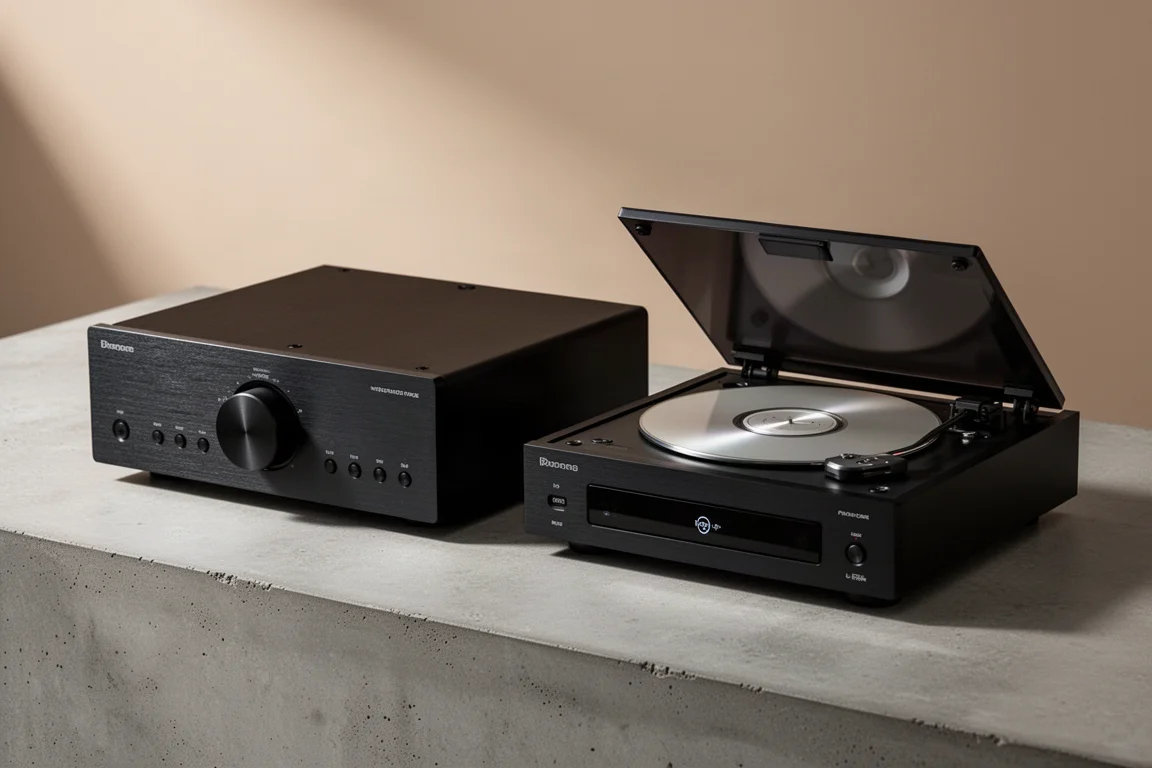
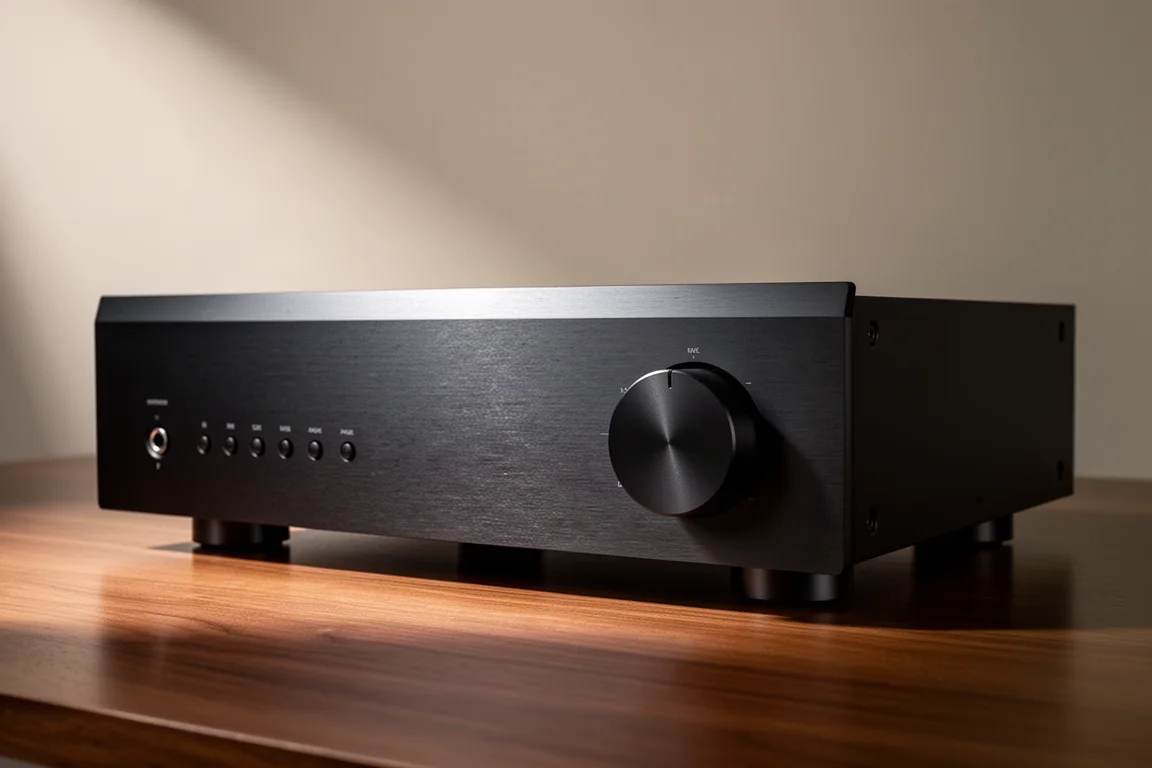
Both units are full rack width and share a matching chassis measuring 432 x 301 x 70 mm (17 x 11.8 x 2.75 inches). Construction feels solid, and much of the pride of ownership comes from thicker black anodised aluminium plate work than the thin folded metal sheets that are common at this price.
The amplifier keeps things deliberately simple. The front panel carries an illuminated logo and buttons, no screws or mounting points are visible, and the controls are limited to a volume dial and input selectors. The result is an elegant, understated, minimalist look.

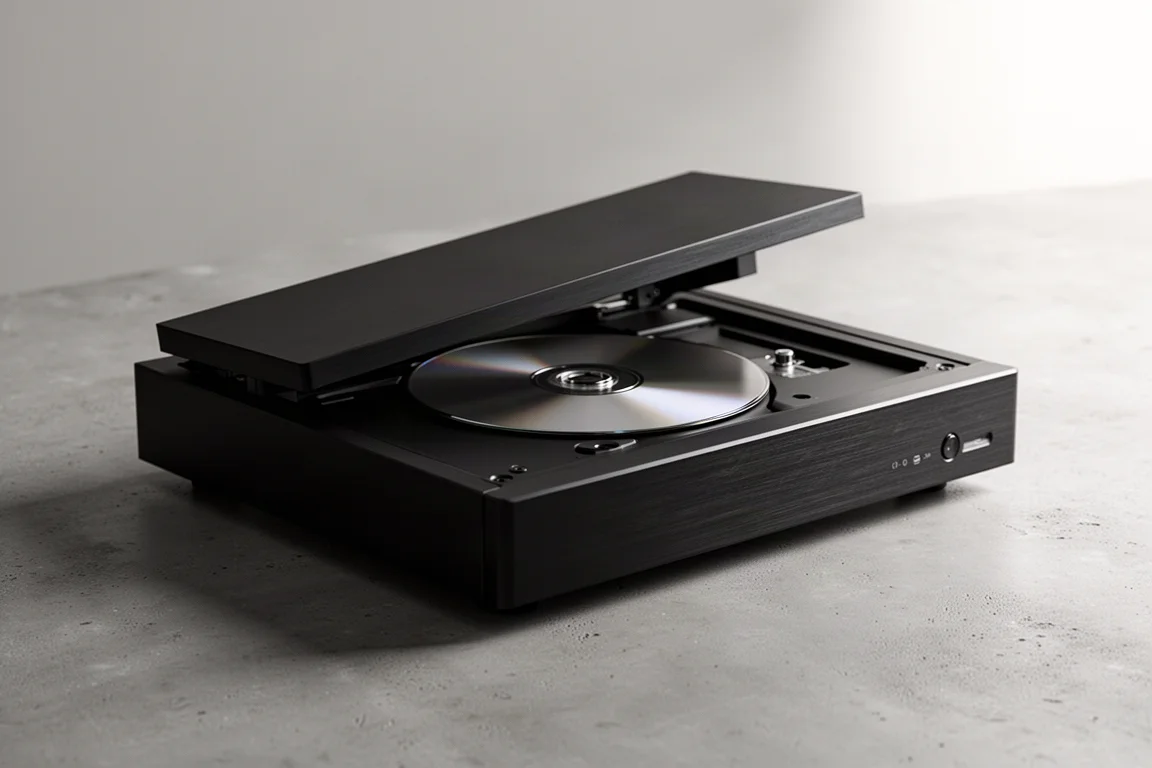
The CD5si is the more tactile of the two. It is a top loader, and the magnetic attraction of the catch, the disc securing puck and the silky smooth rotation of the hinge make it far more gratifying to use than a conventional slot or tray mechanism. Because the disc loads from above rather than sliding out at the front, it also will not compete with a turntable for top shelf space. Even the previous, next, stop and play buttons have a reassuring spring when pressed. Both components ship with the same multi-function remote, which is plastic but of decent size and weight.
Inside the Nait 5si
The amplifier uses a 300 VA transformer and four power supply filter caps in two different sizes, a layout that suggests more has been spent on the power supply than is typical at this price. The volume control is motorised, and the circuit board is neatly laid out. Rated output is 60 watts into 8 ohms and 90 watts into 4 ohms.
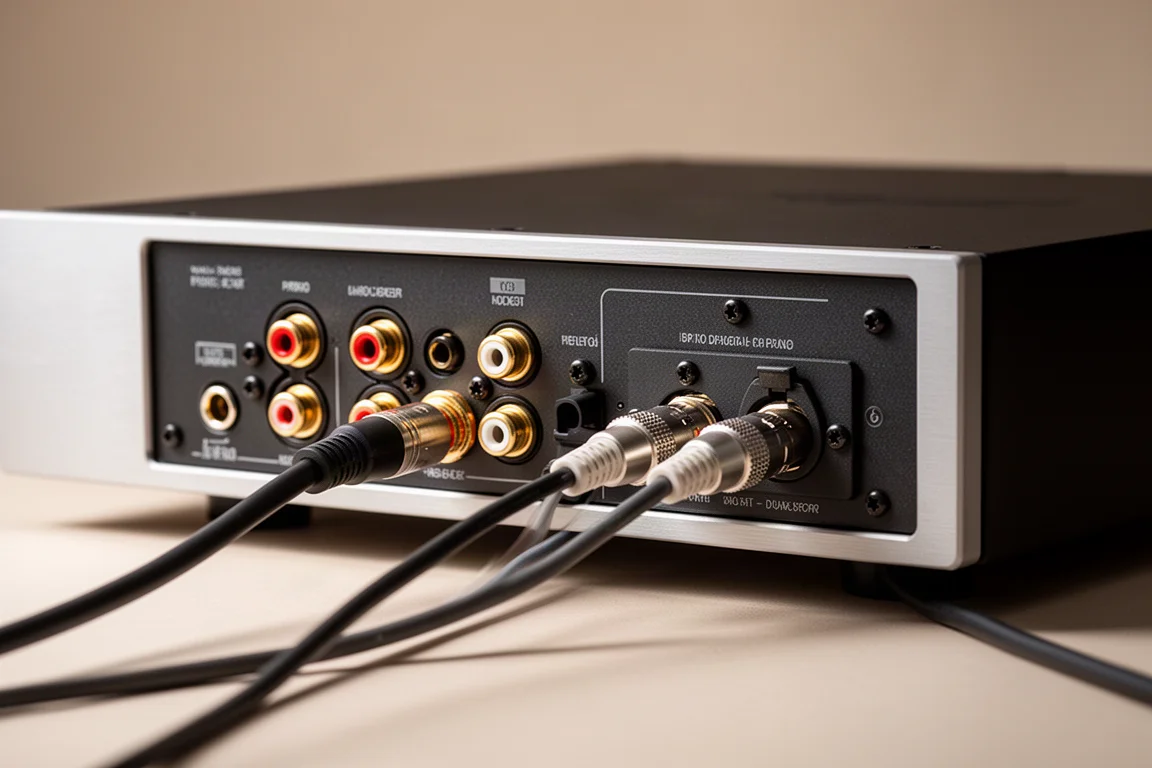
Around the back you get speaker binding posts for banana plugs only, an AV input for straightforward integration with a home cinema receiver, an HDD input and output for recording devices, and tuner and CD inputs that accept either conventional RCA or Naim’s preferred five-pin DIN connection, which is reputed to be the superior option. The CD5si offers RCA and DIN outputs only.
Naim Nait 5si: Listening Impressions
The Nait 5si is arguably the star of the pair. Clarity is right up with the class leaders, and bass definition and control are the standout quality: it is difficult to find another amplifier under £2,000 that holds on to a fast bass rhythm as well. Weight is supremely well judged too. Amplifiers with this kind of speed often sound anemic, and there is no hint of that here. Kick drums arrive with authority, and it is the definition, speed and control that make the low end so convincing.
The midrange is largely neutral, helped by the absence of bleed from the bass frequencies into the lower midrange, and the way the leading edge of notes is delivered is clean and impressive. Vocals come through clearly, instrument separation is good enough to follow individual players through a mix, and there is enough body to avoid a lean character without tipping over into a rich one.
The upper midrange still carries a little added emphasis and forwardness, the region where Naim amplifiers have traditionally divided opinion. Across a range of speakers it never became fatiguing, and long listening sessions stayed comfortable. High frequencies are slightly recessed, so the amplifier is not the last word in resolving the uppermost octaves, and decays are short. The main criticism is the soundstage. It is relatively flat, with lead instruments and vocals projected forward, which adds a feeling of intimacy but limits width to barely beyond the speakers.
Alternatives behave differently. The Exposure 2510 gives up some bass control and transient attack in exchange for a fuller midrange, a more resolving top end and a much wider and deeper soundstage. A Wilsenton R8 with upgraded PSVane tubes trades bass definition for extra bass weight, more midrange body and more top-end extension, and it is the most dynamic of the group with the widest soundstage. The Hegel H190 sits at a higher price point again.
Naim CD5si: Listening Impressions
The CD5si shares much of the amplifier’s tonal character: tight, punchy bass, a fairly neutral midrange, a little added emphasis in the upper midrange and slightly recessed high frequencies. It also inherits the same limitation in soundstage width.
The main criticism is resolution. The player does not quite match the resolving ability of the Nait 5si. In this pairing that is barely noticeable, but a £1,399 CD player should scale up to more expensive amplifiers and speakers, and partnered with something like the Hegel H190 the limits in transient attack and instrument separation become more apparent. It is still a good performer, just not an exceptional one at the price.
Against an Auralic Aries Mini upgraded with an MCRU linear power supply, a combination that cost around £800, the Naim player gives up some detail and top-end extension and draws a narrower soundstage. In return it sounds more refined, where the Auralic can show a grainy midrange and sibilance on brighter recordings. The Primare CD15 Prisma costs more at £1,650 but includes a streaming module and outperformed the Auralic combination across the board.
One thing to note is that the CD5si has no integrated streaming and no external digital inputs, so it cannot double as a DAC for a television over optical or a Blu-ray player over coaxial. Affordable streamers are plentiful, but a digital input or two would have been welcome at this price.
How the Two Work Together
With both boxes in place you have a choice of connection between them: conventional RCA with whichever cable you prefer, or the five-pin DIN connection that Naim favours. The CD5si ships with a five-pin DIN cable, and in a direct comparison against a professional studio-grade cable costing around £50 to £60 with decent connectors, the two sounded essentially identical.
The wider point is that the pairing is clearly voiced to work as a unit. The amplifier’s strengths are played to, its weaknesses are not drawn attention to, and the result is a system that sounds more coherent than the sum of its parts might suggest. Most buyers will treat the two as a pair rather than mixing and matching them into other systems, which is very much in keeping with the way Naim approaches system building.
Speaker Pairings and System Matching
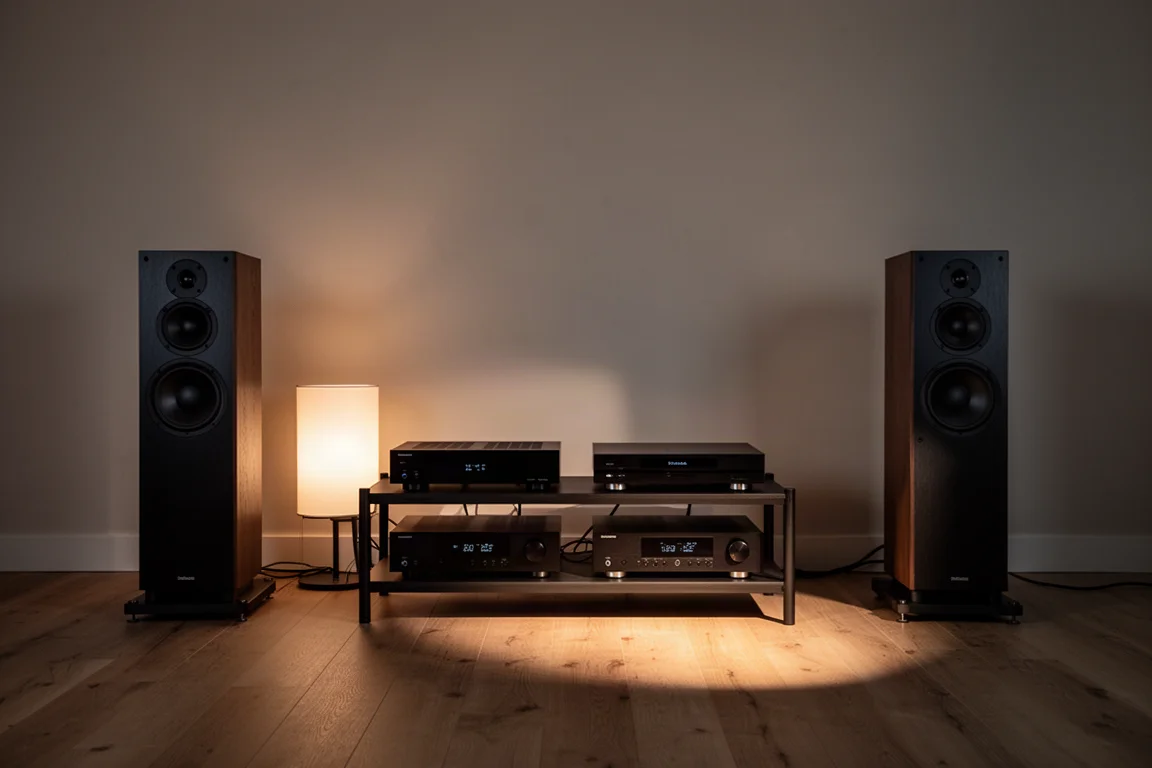
The Nait 5si is free enough from coloration to pair well with a wide variety of speakers, and it has good driving capability, managing to drive older ProAc speakers reasonably well when many amplifiers at this price struggle with them.
The most satisfying combination was the Amphion Argon 1: clean, dynamic and with all the pace, rhythm and timing you could ask for at this price. Switching to the Dali Menuet SE, the extra midrange information those speakers offer was delivered in an accomplished manner. The JBL 4309, with its horn-loaded tweeter and slightly forward character, looked like a mismatch on paper, yet the feeling of intimacy and presence was enhanced with very few drawbacks. The Neat Petite Classics, still running in, showed their clarity clearly enough to suggest the traditional Naim and Neat pairing still holds up.
Buying Advice
At just under £3,000 for the pair, the value question comes down to how you want to build a system. The one-box alternative at £2,500 bundles a 40 watt per channel amplifier, a wide spread of digital and analogue connectivity, a built-in streamer and a well-developed control app into a single chassis with a rotary volume dial. It is a genuinely good option for anyone who wants fewer boxes and a tidier rack.
The separates route, however, offers extra upgrade flexibility and better sound quality, and that is the case for the Nait 5si and CD5si. The amplifier in particular is competitive on sound quality and build quality at its price, and it is the attention to detail that makes both devices a pleasure to live with. The CD player is the weaker half of the pairing in absolute terms, but it is a strong match for the amplifier and will satisfy most listeners who keep a disc collection.
If you are buying one piece at a time, start with the amplifier. It delivers the more distinctive performance and it will work with a wide range of sources and speakers while you save for the matching player.
Conclusion
The Naim Nait 5si and CD5si make a compelling entry point into Naim separates. The amplifier earns its place with class-defining bass control, a neutral and well-resolved midrange and a clean transient attack, with the main compromises being a limited soundstage width and a slightly recessed top end. The CD5si offers good performance across the board and shares the amplifier’s tonal signature, though its resolution and sense of scale fall short of what its price would ideally allow when it is partnered with more expensive components.
Bought together, the two play to each other’s strengths and the weaknesses largely disappear. Bought separately, the amplifier is the more persuasive purchase. Either way, this is a pairing worth hearing before you commit to a one-box system.
Further reading
Related Reviews
Hi-Fi Audio
Accuphase C-57 vs Allnic H-7000V: Two High-End Phono Stages Compared
A fully balanced solid-state phono stage with a pitch-black noise floor meets a tube design built for well-loved records. Here is how to choose between them.
Hi-Fi Audio
Active vs Passive Hi-Fi: Five Components for a Modern System
Five components that define modern active and passive hi-fi systems, with the strengths, trade-offs and setup details worth weighing before you buy.
Hi-Fi Audio
Advance Paris A10 Apex Review: A Hybrid Integrated Amplifier That Covers a Lot of Ground
A French hybrid integrated amplifier with a class A tube preamp stage, analogue power meters, and an internal DAC and phono stage good enough to make extra boxes unnecessary.