Streaming Amplifiers
Naim CI Uniti 102 Review: Streaming Power With Custom-Install Flexibility
A compact streaming amplifier that keeps the Uniti Atom's ease of use, adds far more power and setup control, and lands under $2,000.
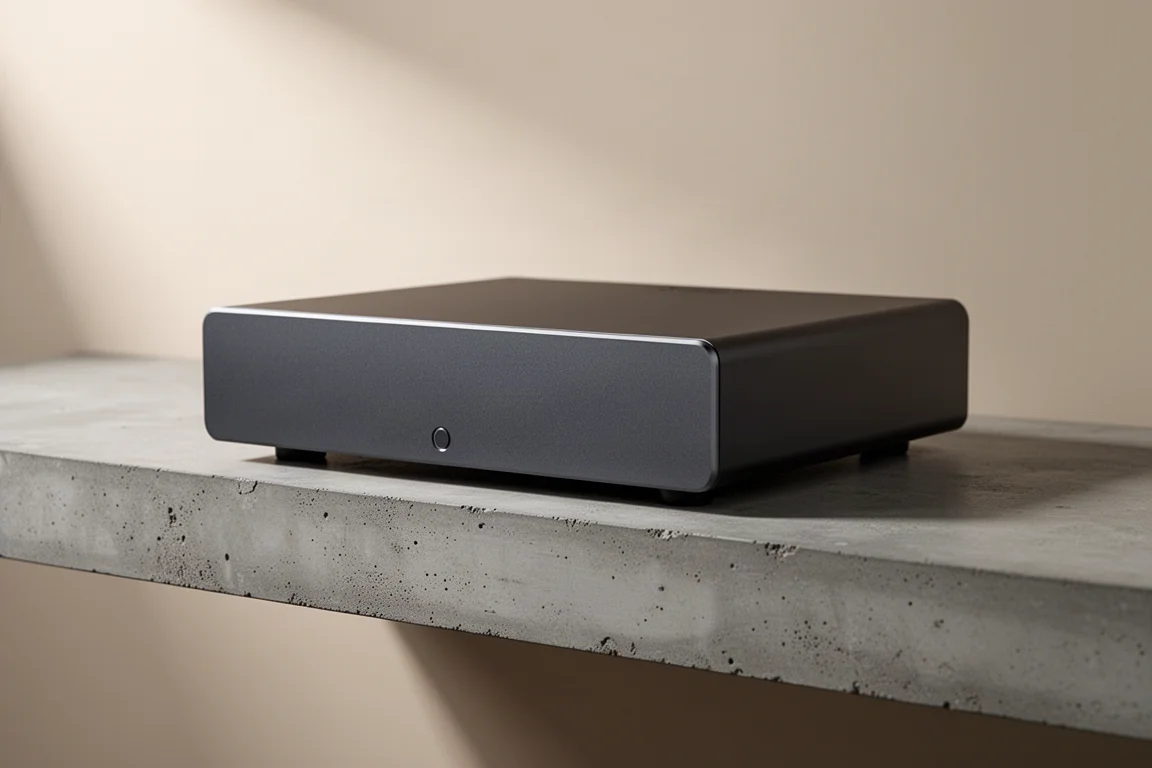
Introduction
The Naim Uniti Atom built its reputation on making high-end audio feel genuinely easy to live with. It combined Wi-Fi streaming, a built-in DAC, app control and HDMI in a chassis small enough to vanish into a living room, and it did so at a time when much of the hi-fi world still treated HDMI as an afterthought. It was articulate without sounding sterile, slightly warm, and it controlled woofers better than amplifiers with two to three times its modest 40 watts.
The CI Uniti 102 takes that foundation and points it at a different kind of buyer. It keeps the Wi-Fi streaming, the Naim app, the built-in DAC and HDMI with eARC support, then adds substantially more power and much deeper setup control, while costing roughly half the Uniti Atom’s $3,800 MSRP. The CI in the name stands for custom install, and that single detail explains a great deal about where Naim expects this amplifier to live.
Who the Naim CI Uniti 102 Is For
This is an amplifier for listeners who want their system to behave more like a dependable appliance than an ongoing project. It suits a living-room setup where the electronics sit on a low shelf or inside a cabinet, the television feeds audio over HDMI eARC, and nobody in the household wants to think about firmware quirks or network dropouts.
It also makes sense for custom installation work. Because the CI Uniti 102 can be driven by a control system such as Crestron or Control4, it slots naturally into distributed audio and multi-room projects where the amplifier itself is never touched.
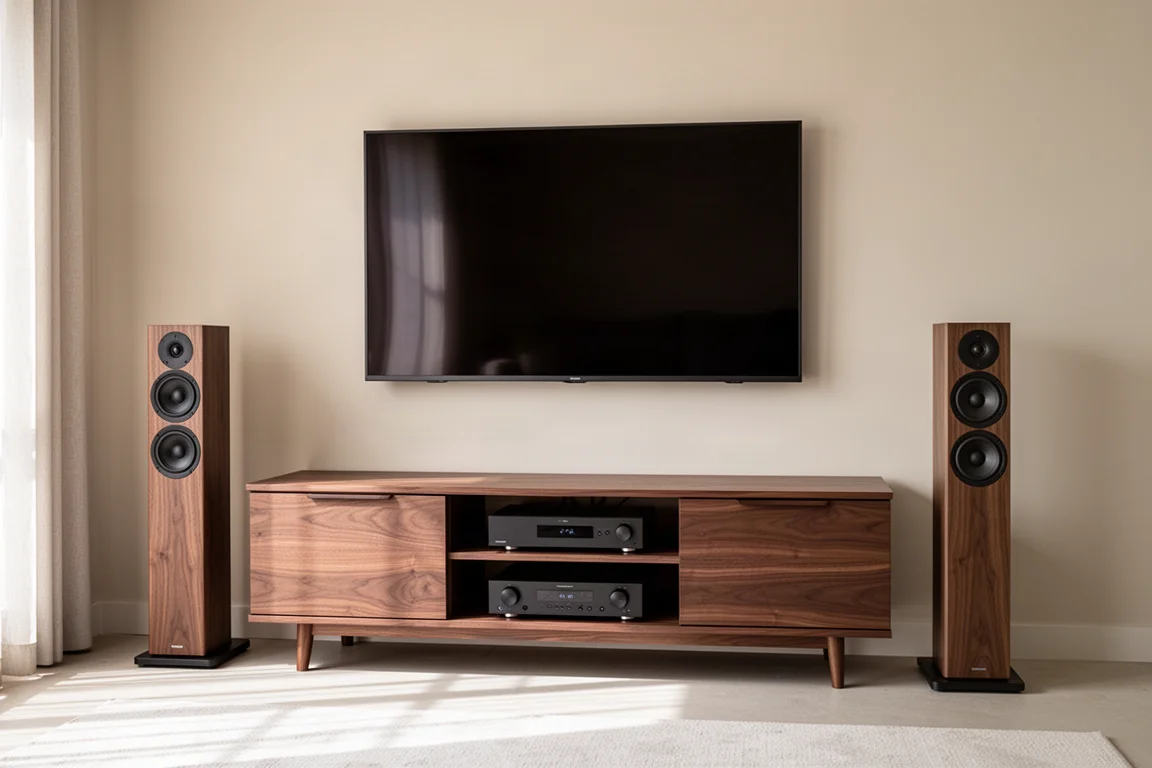
The other half of the audience is the listener with demanding loudspeakers. Naim rates the CI Uniti 102 at 150 W into 8 ohms and 260 W into 4 ohms, and the company confirmed that the amplifier remains stable down to 2 ohms, where output rises to 480 W. That is a meaningful specification for anyone whose speakers dip into difficult impedance territory.
Power and Drive: Real-World Headroom
The CI Uniti 102 is a class D amplifier built around the well-known TI TPA3255 chipset, but Naim does not run it the way most budget designs do. The amplifier operates in a parallel bridge mode paired with a custom 1.2 kW switch-mode power supply, which is the reason it does not fold under a hard load the way cheaper implementations of the same platform often do.
That headroom showed up immediately with loudspeakers that can dip as low as 2 ohms. The CI Uniti 102 drove full-range speakers at spirited to genuinely loud levels in a 450 square foot listening room, sustaining around 90 dB with peaks above 100 dB, and it never sounded strained. It also handled SVS Titans, Wilson loudspeakers and Harbeth 30.3s without hesitation.
The chassis does get a little warm to the touch when it is pushed hard. With easier loads, the amplifier becomes more effortless still and its case temperature drops accordingly. For an amplifier under $2,000 wearing a Naim badge, that combination of power and stability is unusual.
Tone and Control Across Loudspeakers
Plenty of class D amplifiers built on the same chipset scream class D, with a brittle, sterile presentation. The CI Uniti 102 does not. It sounds closer to the class AB character of the Uniti Atom: natural, never abrupt, and never overly grippy the way some high-powered designs can be.
The top end is particularly revealing. Naim does a fine job controlling and, in effect, softening the highest registers so they never tip into harshness. Bass control is strong as well. Even on an 8-inch woofer, the CI Uniti 102 delivered excellent low-frequency grip, and energetic techno alongside a well-known drum break sounded lifelike rather than bloated.
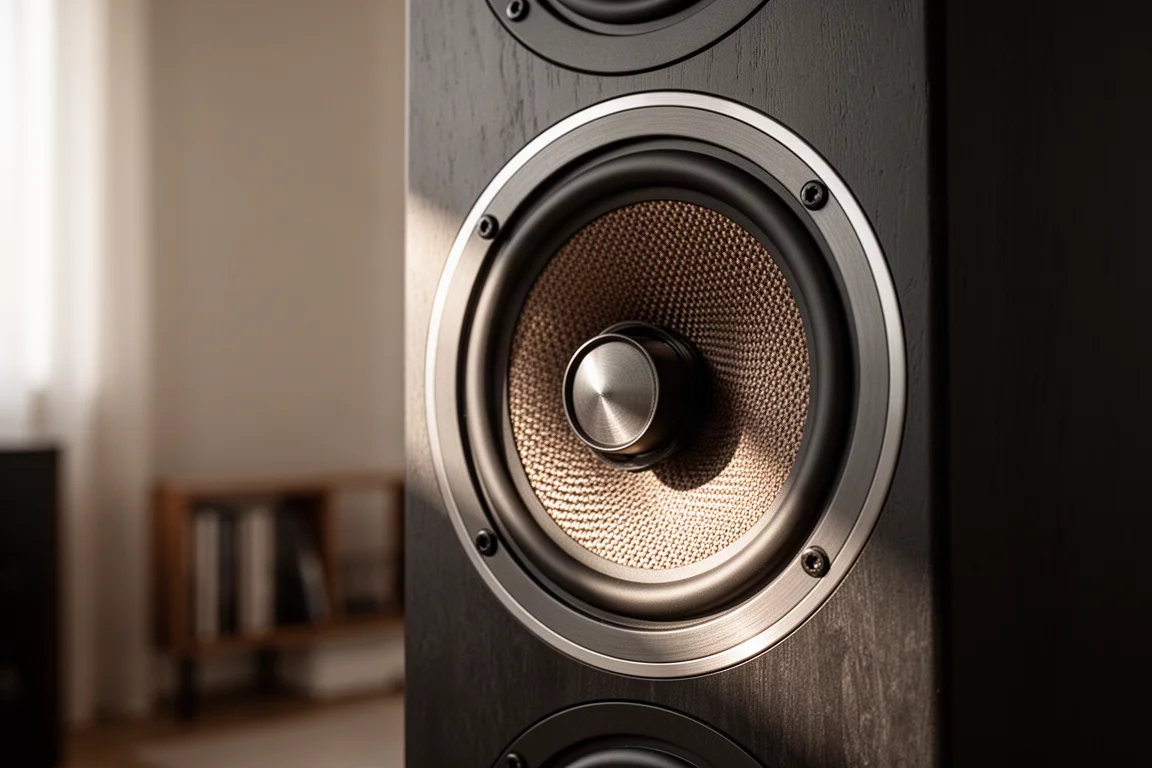
There is a sense of scale here that the compact chassis does not advertise. Against a roughly $20,000 reference amplifier, the costlier design still holds a slight edge in absolute headroom and agility, but the gap is far narrower than the price difference would suggest. Against a similarly priced class D alternative such as the Marantz Model M1, the Naim delivered more power, more control and a better experience with demanding Wilson loudspeakers.
Setup, App Control, and Installation Flexibility
Setting up the CI Uniti 102 in a traditional hi-fi system is as straightforward as setting up the original Uniti Atom. The difference is that this amplifier is clearly designed for installers. It drops the Atom’s colour display and physical controls, leaving power as the only manual button on the unit.
Everything else happens through the Naim app, the Focal Naim Manager software, a television remote, or a control system such as Crestron or Control4. There is no remote in the box, which will give some buyers pause, but basic functions are easily handled by a TV remote and deeper adjustments live in the app. An account is not required to get connected, though Naim recommends one for certain services and support.
Focal Naim Manager is where the flexibility really opens up. It provides bass management, multi-band parametric EQ, and custom settings for speakers and subwoofers, including purpose-built profiles for Focal loudspeakers, all at no extra cost. It is not as plug-and-play as Dirac, which the Marantz Model M1 supports, and adding full-bandwidth Dirac to that amplifier brings its price to $1,249. Buyers who are comfortable with Room EQ Wizard can tune the Naim manually in comparable ways instead.
Living With the CI Uniti 102 Day to Day
Because the amplifier can be hidden from view and controlled without a direct line of sight, it changes how a passive speaker system feels to use. Loudspeakers start to behave almost like active ones, since the electronics never demand attention and the remote you already own handles the basics.

That has a practical benefit beyond aesthetics. Family members and guests cannot easily disturb the setup, because there is almost nothing on the front panel to press. There is also no cycle of chasing updates to fix quirks, and no wrestling with Wi-Fi or network hiccups. The amplifier simply works, day in and day out, across virtually any speaker you connect to it.
Things to Consider Before Buying
The trade-offs are mostly about inputs and features rather than sound. There is no built-in phono preamp, so a turntable needs its own stage or a wireless connection. Digital inputs are limited to optical and HDMI, which means no coaxial or USB connection for those who want them. There is also no Dirac room correction, and no remote in the box.
Power alone is not the whole story either. If your speakers are mass-market designs with an impedance that stays at or above 4 ohms, the benefits of Naim’s parallel bridge output stage and custom power supply may be less meaningful than they are with harder loads. In that situation, the Marantz Model M1 and the WiiM Amp Ultra both save money while remaining genuinely capable, and the Eversolo Play is cheaper and more consumer-friendly again, though it is a less powerful and less sonically accomplished amplifier.
Buying Advice
At under $2,000, the CI Uniti 102 sits in an interesting place. It costs roughly half the Uniti Atom’s $3,800 MSRP while offering more power, more control and more flexibility than the amplifier that inspired it. For a curated living-room system that is dialled in once and then left alone, that combination is hard to argue with.
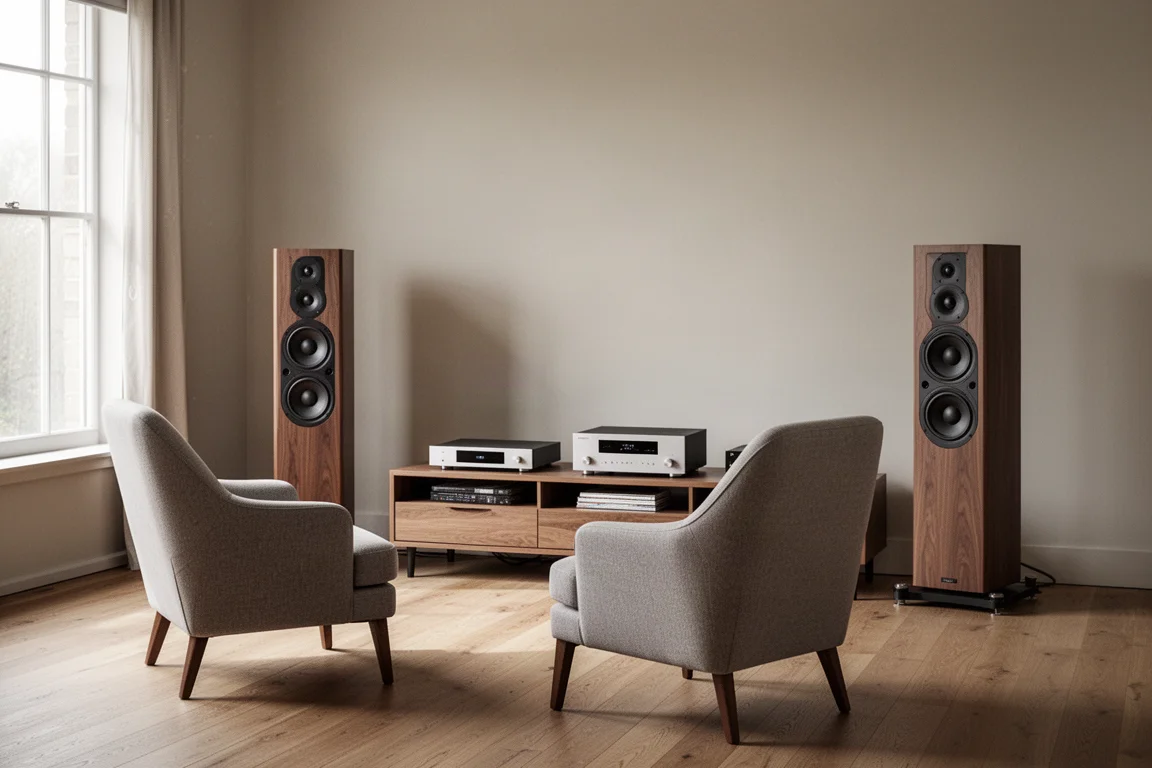
The decision really comes down to your speakers and your priorities. If you own loudspeakers that dip below 4 ohms, or you want an installer-friendly amplifier that disappears into a rack or cabinet and integrates with a control system, the CI Uniti 102 makes a strong case for itself. If you need Dirac, a phono stage, coaxial and USB inputs, or you simply prefer a remote in the box, one of the more feature-led alternatives will serve you better for less money. Buyers who want maximum flexibility per dollar should weigh the feature lists carefully; buyers who want a system that stays out of the way should weigh them less.
Conclusion
The CI Uniti 102 is not a nostalgia piece. It takes the traits that made the Uniti Atom memorable, the streaming convenience, the app control, the HDMI integration and the natural tone, and rebuilds them around a far more powerful amplifier with far deeper setup control. It is a class D design that avoids the sterile character of its chipset peers, it stays composed with difficult loudspeakers, and it does all of this for roughly half the price of the model it echoes. For anyone building a lifestyle-friendly system that has to sound serious without demanding attention, this is a compelling place to start.
Product link
View more details for Naim CI Uniti 102
This product is mentioned in the review. Check the specifications, options, and compatibility before buying.
View more details for Naim CI Uniti 102Further reading
Related Reviews
Streaming Amplifiers
Best High-Performance Streaming Amplifiers: Seven Full-Size One-Box Picks
Seven full-size streaming integrated amplifiers for serious two-channel systems, each chosen for a different priority: room correction, power, minimalism, musicality, or reference build.
Streaming Amplifiers
Best Mid-Tier Streaming Amplifiers: NAD M10 V2 vs Naim Uniti Atom
Two compact all-in-one streaming amplifiers compared on interface, app experience, sound character, and connectivity.
Streaming Amplifiers
Bluesound Power Node N331 Review: A Streaming Amplifier Built for More Than Stereo
The Bluesound Power Node N331 keeps the compact chassis of its predecessor and adds a more powerful amplifier, a dedicated center channel output, and a THX AAA headphone stage.