Hi-Fi Amplifiers
NAD D 3045 Review: A Compact All-in-One Amplifier and Its Closest Alternatives
A close look at the $900 NAD D 3045, plus four compact amplifier alternatives that solve the same small-space problem in different ways.
Introduction
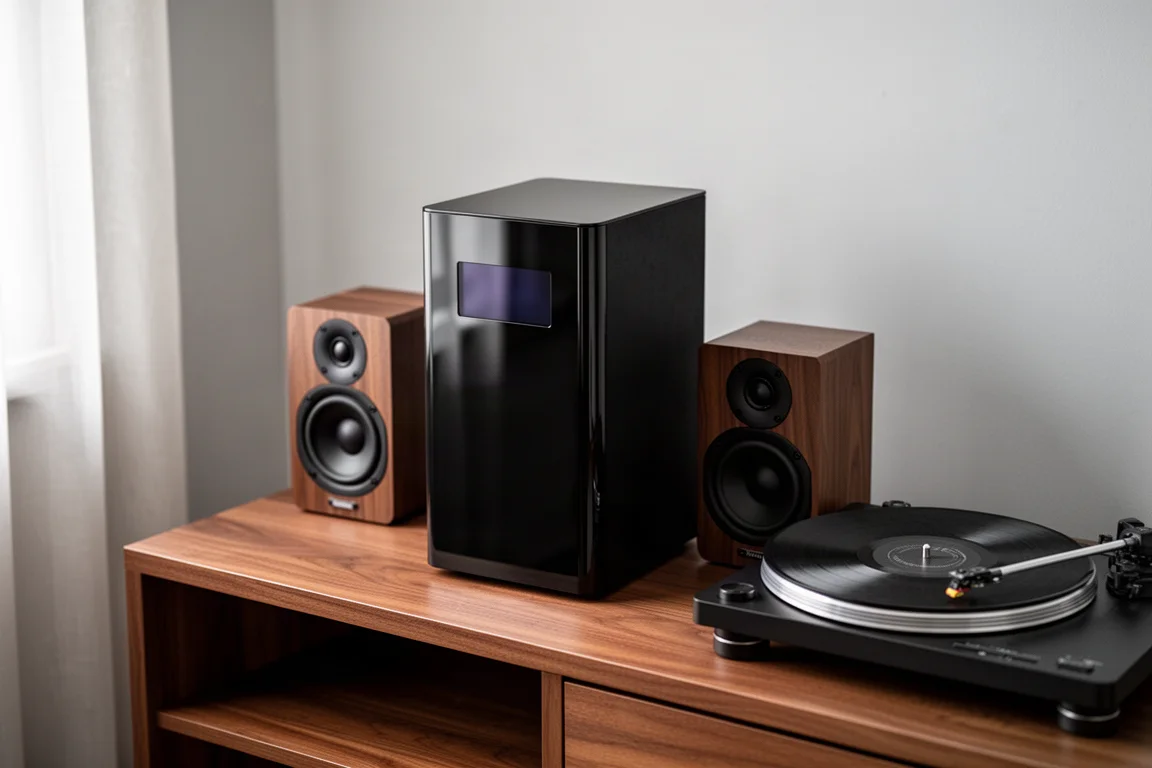
A compact amplifier exists to solve one problem: getting real stereo sound, a turntable, and a television into a room that has no space for a full-size receiver and a rack of separates. The NAD D 3045 is aimed squarely at that brief, and it sells for $900.
That price is the whole story here. At $900, the D 3045 sits alongside slimline receivers and streaming amplifiers that offer more functionality for similar money, and it also has to justify itself against the idea that a small desktop amplifier should cost less. Working out whether the convenience is worth the premium is the point of this review, and the four alternatives below are the models that make that question harder to answer.
What the NAD D 3045 Offers
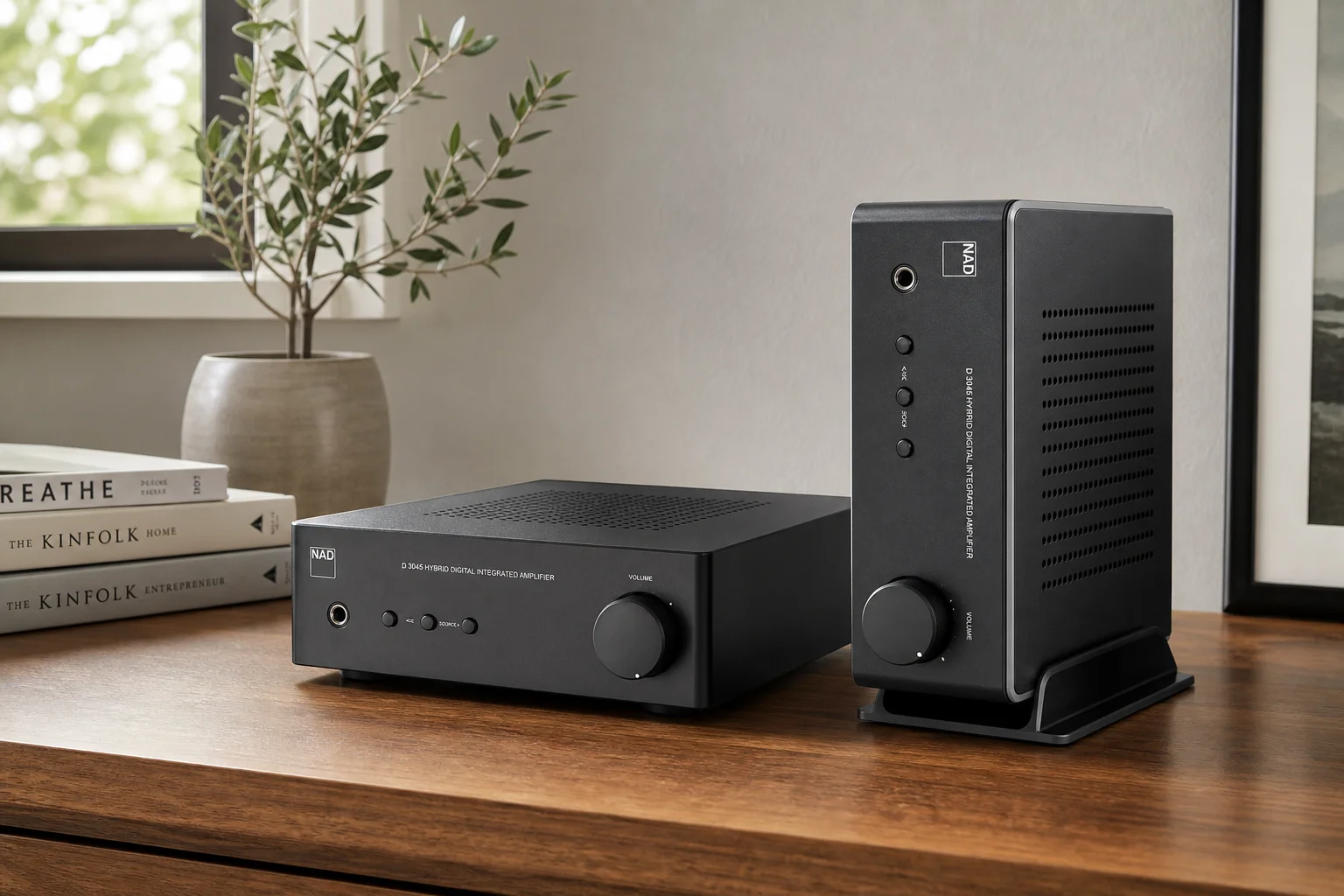
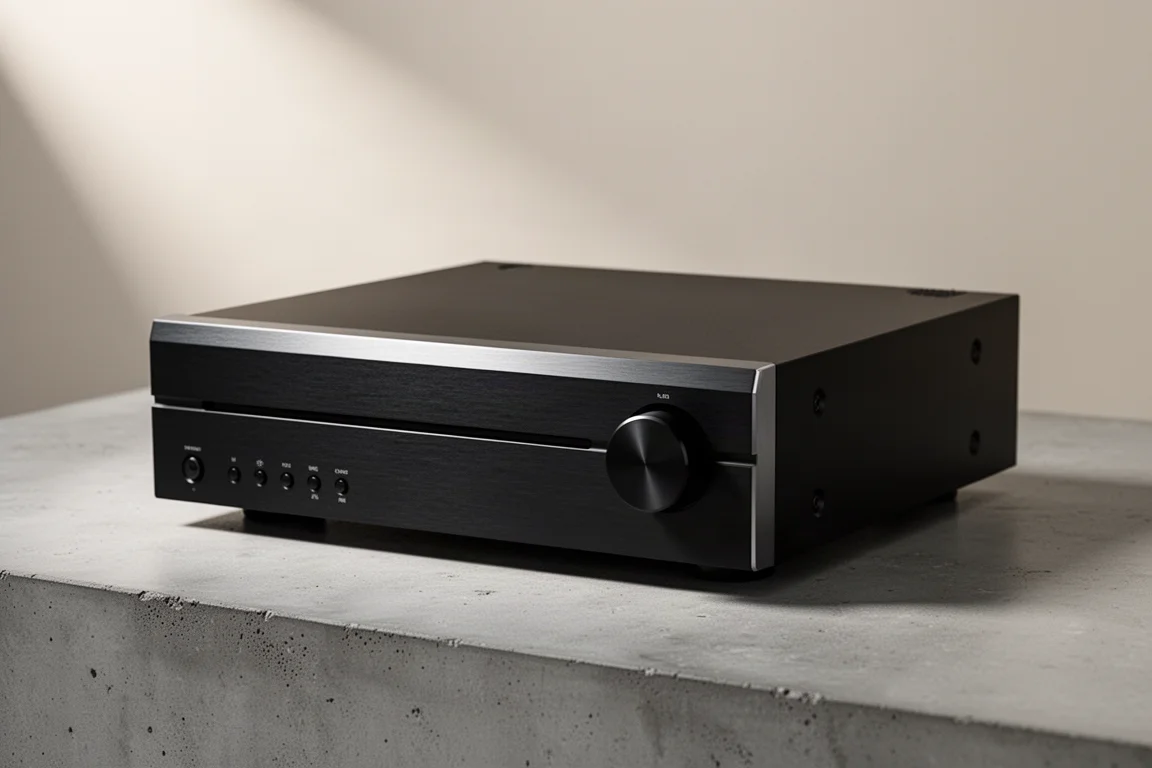
The D 3045 is an integrated amplifier with a built-in DAC, packaged in a compact vertical chassis that is designed and engineered in Canada and manufactured in China. The finish is the first thing anyone notices, and not always for the right reasons. A highly reflective, almost mirror-like plastic panel covers the top and front, and it collects fingerprints more aggressively than almost anything else in this category. It is a cosmetic issue rather than a sonic one, but keeping a cloth nearby is a practical accessory.
The front panel is simple: a display window and two rotary knobs. The lower knob handles input selection, the upper knob handles volume. Construction is plastic throughout, including the sides, the top, and both knobs, with a small ventilation section and blue lettering that gives the design some character. The look is a genuine love-it-or-hate-it proposition, and the same goes for the build.
Connectivity is where this amplifier earns its keep. Along the rear panel, from left to right, there is a moving-magnet phono stage with a ground screw, two optical inputs, a coaxial input, a 3.5mm input, a second line input, a USB digital input, an HDMI ARC input, and a 12V trigger input, followed by the speaker binding posts and an IEC power inlet. In practice that means two analog inputs plus the phono stage, three digital inputs, one USB digital input, and HDMI ARC for a television.
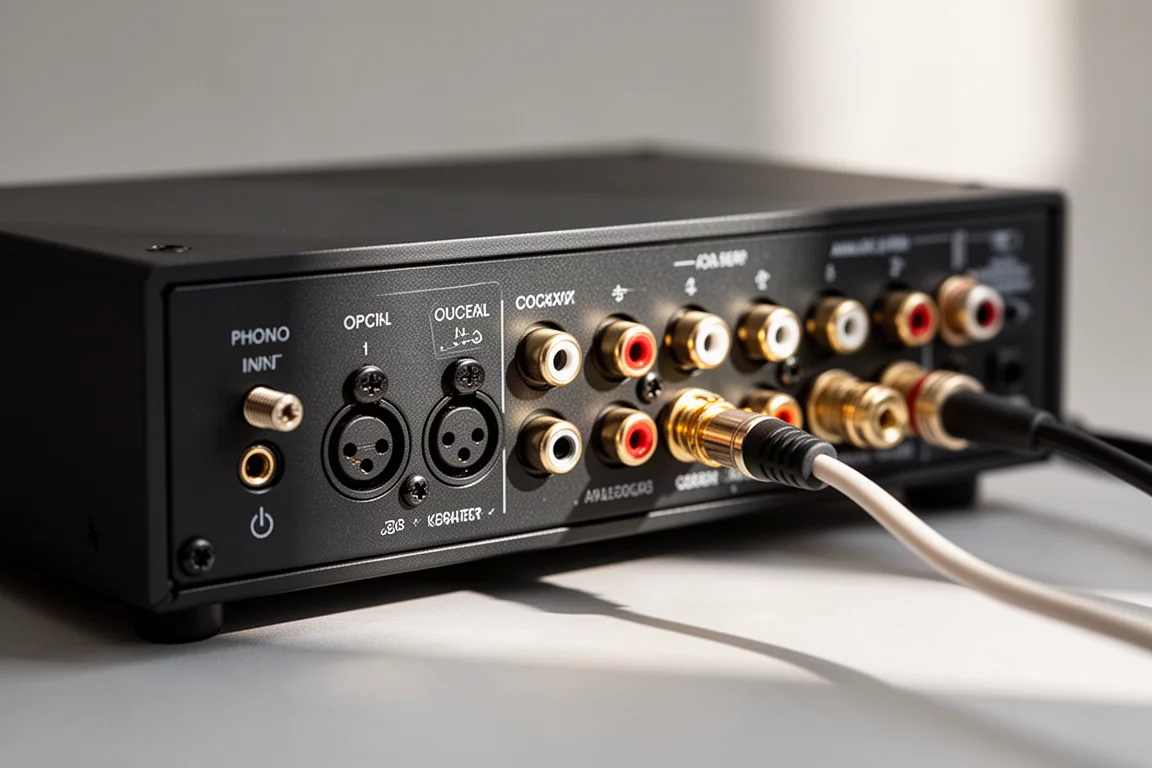
The feature list continues with Bluetooth, an MQA-capable DAC rated up to 24-bit/386kHz, and a bass boost. What it does not include is tone controls or a balance control, which matters more than it first appears. There is a high-pass filter with three settings at 120Hz, 80Hz, and 40Hz, so some bass management is possible, but there is no dedicated subwoofer output. Instead there are pre-amp outputs, which means a subwoofer needs pre-amp inputs of its own, otherwise it receives only one channel of bass information.
Two smaller details round out the ownership experience. The power control on top is a touch surface with no tactile feedback, so there is no way to feel whether a press registered until the light changes. And the supplied remote is a credit-card-size unit powered by a CR2025 battery, a notably basic handset for a product at this price.
How the NAD D 3045 Sounds
On sound, the D 3045 has a clear personality. There is genuine body at the bottom end, so it never comes across as thin, but the top end is where it divides opinion. Percussive material is the tell: snare hits and cymbals land as metallic and slightly harsh, giving upper frequencies an unnatural edge. At lower volumes the balance tilts toward the top end, and the character stays consistent across material.
The bass boost is the other half of that story. It is heavy-handed, adding boom that covers and even veils parts of the midrange rather than simply adding weight. Without it, the amplifier is usable but uneven at higher volumes, and because there are no tone controls and no loudness button, there is no way to dial in a middle ground. How much that matters will depend on the speakers and the room, so this is a feature worth checking against your own setup.
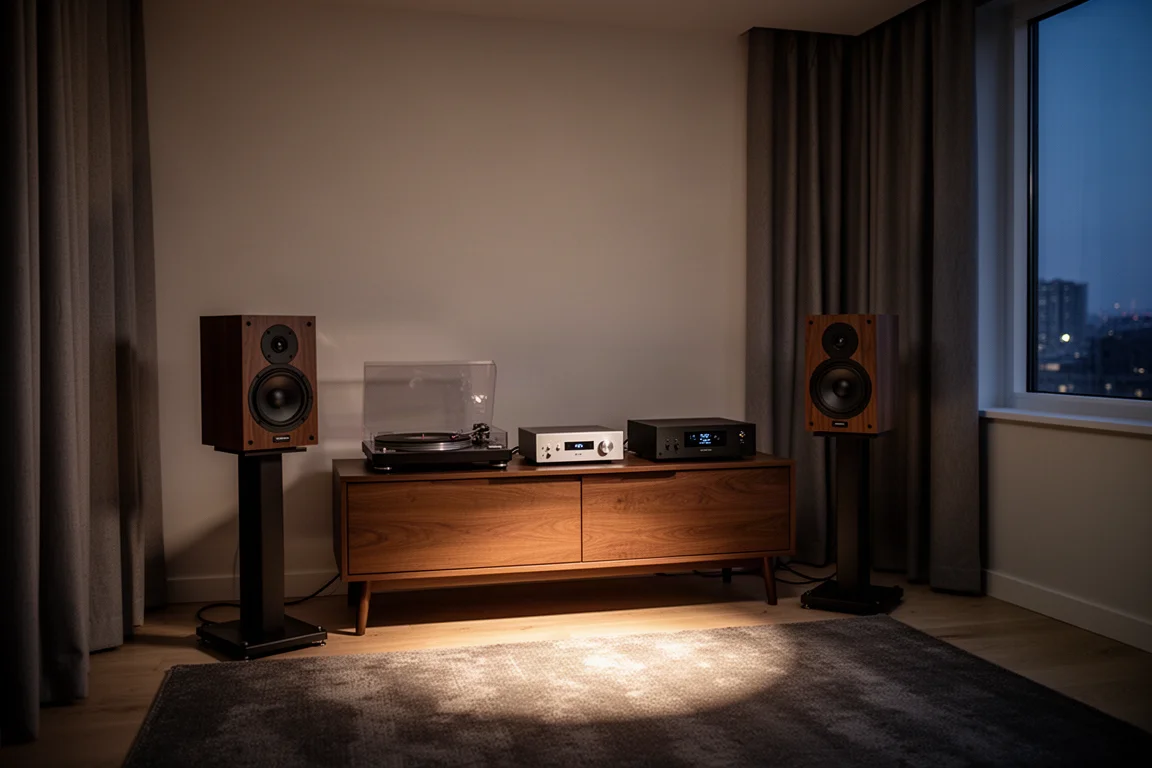
The high-pass filter is genuinely useful for anyone running a subwoofer, since the 40Hz, 80Hz, and 120Hz settings let you hand off low frequencies. It is the closest thing here to real bass management, and it is something many compact amplifiers skip entirely. The overall sound signature is essentially identical to the NAD C 338, so if you have heard that amplifier, you already know what to expect.
SVS SoundBase: The Closest Relative
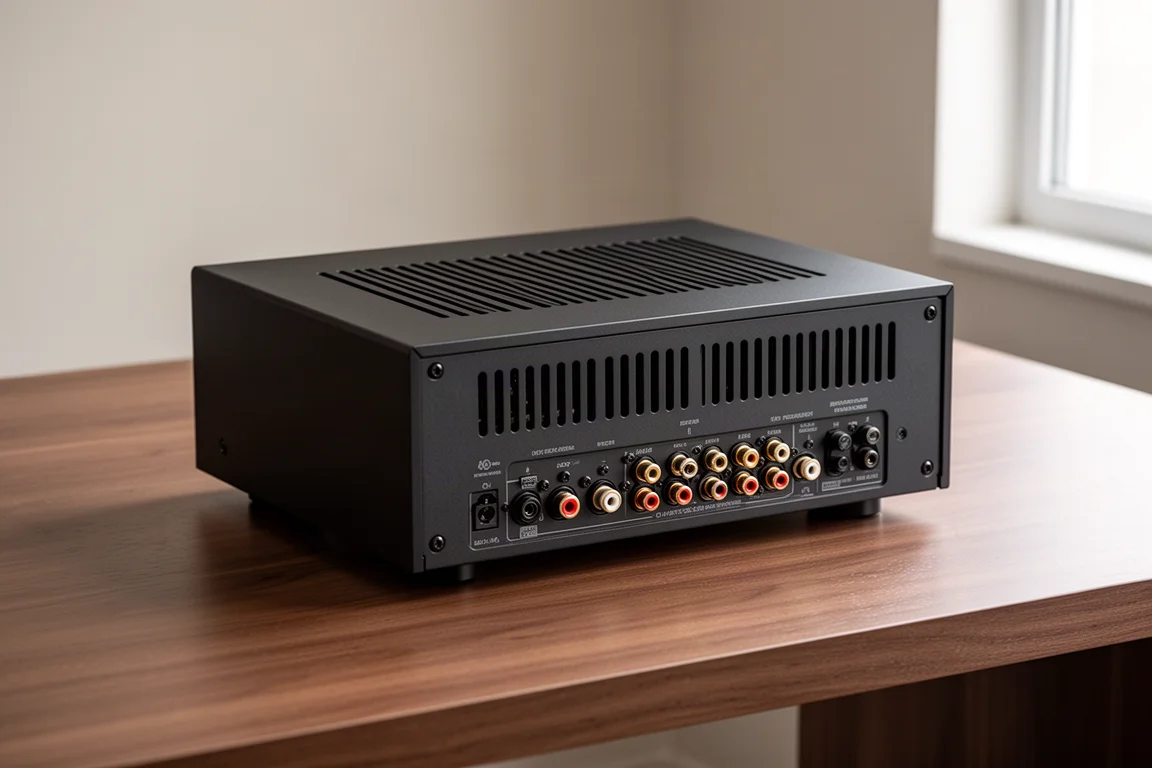
The SoundBase is the amplifier the D 3045 most closely resembles, both physically and in construction. Both use plastic housings, both use Class D amplification, and both are nearly the same size. They share offset speaker binding posts and a very similar typeface, and the rear panels are alike enough that it is easy to lose track of which unit is in hand. The SoundBase also picks up fingerprints, though not as severely.
Where they diverge is price and inputs. The SoundBase previously retailed around $500, well below the D 3045, and it includes a built-in streamer. What it does not have is a phono stage, and its input count is far smaller. For a system built around a turntable, that difference is decisive.
NAD C 338: Same Sound, Fewer Inputs
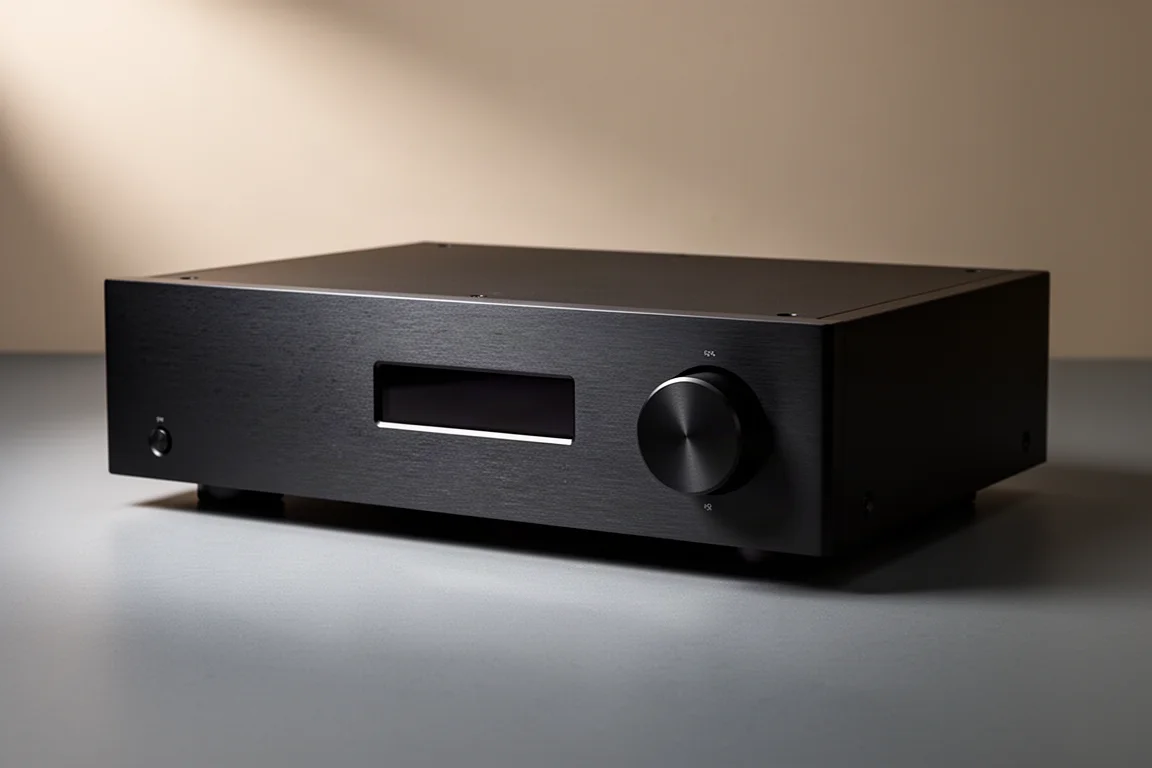
The C 338 is a two-channel integrated amplifier from the same brand, priced around $700. It includes Chromecast built in, which the D 3045 does not. Its sound is essentially the same as the D 3045’s, and so is its bass boost behavior, which is equally heavy-handed. It also lacks tone controls and a loudness button.
The choice between the two comes down to inputs rather than sound. The D 3045 costs more but adds the phono stage, HDMI ARC, a USB input, and the high-pass filter. If those specific connections matter, the premium has a purpose. If they do not, the C 338 covers much of the same ground for less.
Bluesound Powernode: Streaming in the Same Family
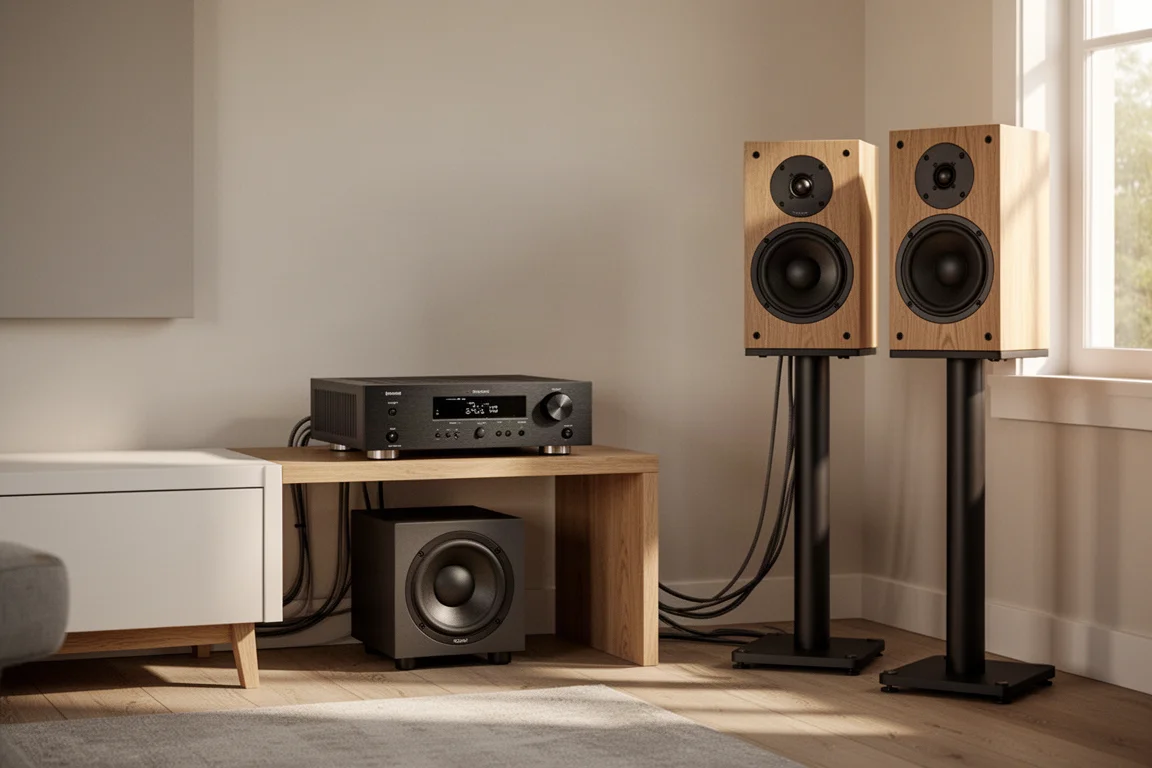
The Powernode comes from the same corporate family as NAD, and it sits only a little above the D 3045 on price. It covers everything the D 3045 does and adds streaming, high-pass filtering, and a subwoofer output, which makes it the more complete small-system amplifier of the two. What it gives up is the phono input, so a turntable would need a separate phono stage.
For anyone whose sources are digital first, that trade is easy to accept. For anyone with a record collection and no external phono preamp, it is a real limitation.
Marantz NR1711: A Slimline Receiver Alternative
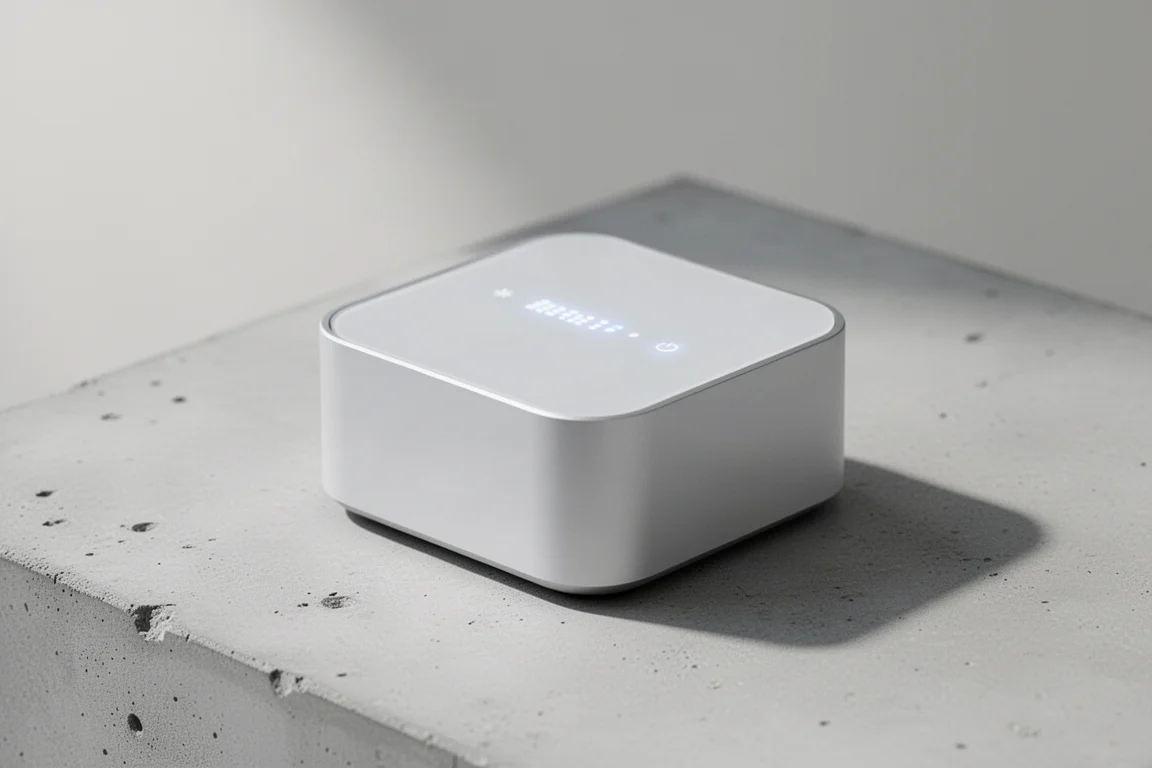
The NR1711 is a slimline AV receiver that lands at roughly the same price as the D 3045, although it has risen since launch. It brings a much longer feature list: room correction, tone controls, a pure direct mode, a fully functioning equalizer, Dolby Atmos surround processing, HEOS streaming, and a phono stage.
For music, it is the stronger performer of the two, and it adds the tone and balance adjustments the D 3045 does not have. It also takes up less room than the receiver label suggests, since it can be stood vertically and then occupies barely more space than a compact amplifier. If the goal is one box that handles films and records in a small room, this is the more versatile answer.
Buying Advice: Matching the Amplifier to Your Space
The D 3045 is a genuinely convenient product, and it does things few amplifiers in this form factor can match: a phono stage, HDMI ARC, a USB DAC, Bluetooth, and a high-pass filter in a box small enough for a desk or a shelf beside a television. The premium you pay for that convenience is the decision point, and so is the fact that it never quite commits to being either a desktop amplifier or a home theater component.
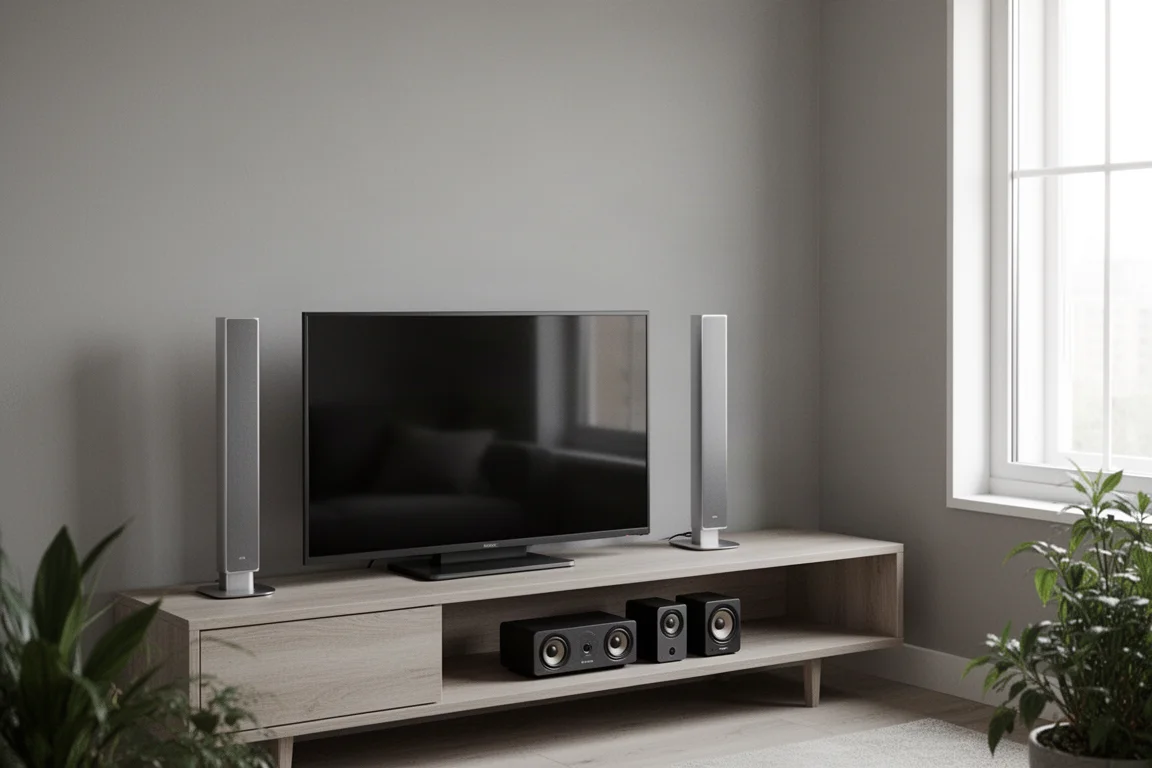
If streaming is central to how you listen, the Powernode does the same job with network playback, a subwoofer output, and high-pass filtering built in, at a small increase in price. If you want surround sound and music from a single component, the NR1711 adds room correction, tone controls, and Atmos processing for similar money, and it can be placed vertically when space is tight. If you do not need a phono input and want to spend less, the SoundBase covers the basics. And if you like the NAD sound but do not need HDMI ARC or a phono stage, the C 338 delivers it for less.
The case for the D 3045 rests on one specific buyer: someone who needs a phono stage and an HDMI ARC input in a small chassis, and who values that combination above tone controls, streaming, and a more substantial remote. That buyer gets a tidy, capable all-in-one. Everyone else will likely find more value at this price.
Conclusion
The NAD D 3045 is a well-equipped compact amplifier with a distinctive look, a wide input set, and a sound signature that favors the top end. It solves a real problem for small rooms and desktop systems, and its phono stage, HDMI ARC, and high-pass filter are genuinely useful.
At $900, though, the value argument is difficult. The basic remote, the fingerprint-prone finish, the heavy-handed bass boost, and the absence of tone controls are all easier to accept at a lower price. Buyers who need exactly this combination of inputs will be well served; buyers who are flexible about inputs will find more capability for the same money in a slimline receiver or a streaming amplifier. Matching the amplifier to your sources and your room is the decision that matters most.
Further reading
Related Reviews
Hi-Fi Amplifiers
Accuphase E-280 Review: Entry-Level Accuphase With Flagship Attention to Detail
A close look at the Accuphase E-280 integrated amplifier, covering its champagne build, AAVA volume control, sound quality, and the speakers and sources that suit it best.
Hi-Fi Amplifiers
Advance Paris A10 Classic vs Yamaha A-S301: Two Integrated Amplifiers Compared
A practical comparison of a $350 integrated amplifier and a $2,500 reference model, covering the differences that matter and the ones that do not.
Hi-Fi Amplifiers
Affordable Chinese Amplifiers Worth Buying: Five Budget Hi-Fi Amps Compared
A practical look at five affordable amplifiers, what each one does well, and the trade-offs to weigh before you buy.