Backpacking Gear
Must-Have Backpacking Gear Under $50: Six Small Essentials Worth Packing
Six lightweight backpacking essentials that each cost under $50, covering water treatment, water storage, cook gear, a cathole trowel, and trail hygiene.
Introduction
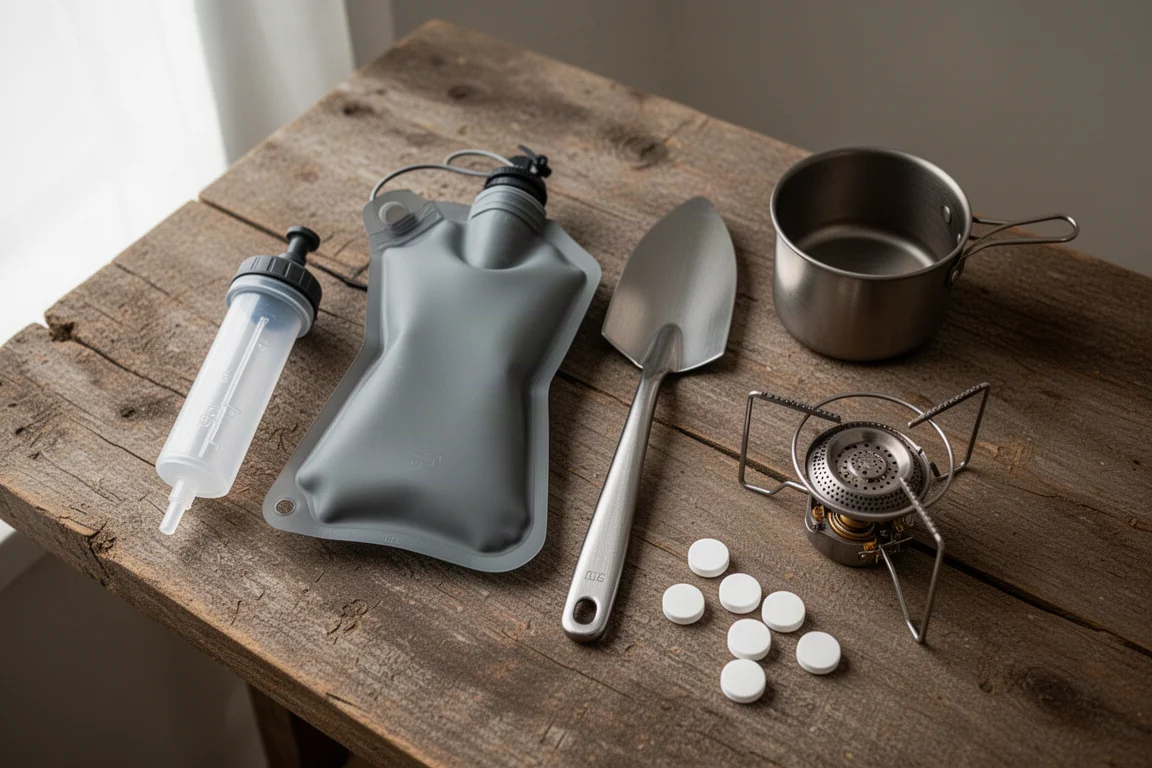
The biggest purchases in a backpacking kit are usually the shelter, the pack, and the sleep system. The items that change how a trip actually feels, though, tend to be the small ones: how easily you get water, how well your stove performs, whether you can dig a proper cathole, and whether you brush your teeth at all. Every item in this roundup costs under $50, and each one solves a specific problem on the trail rather than adding weight for its own sake.
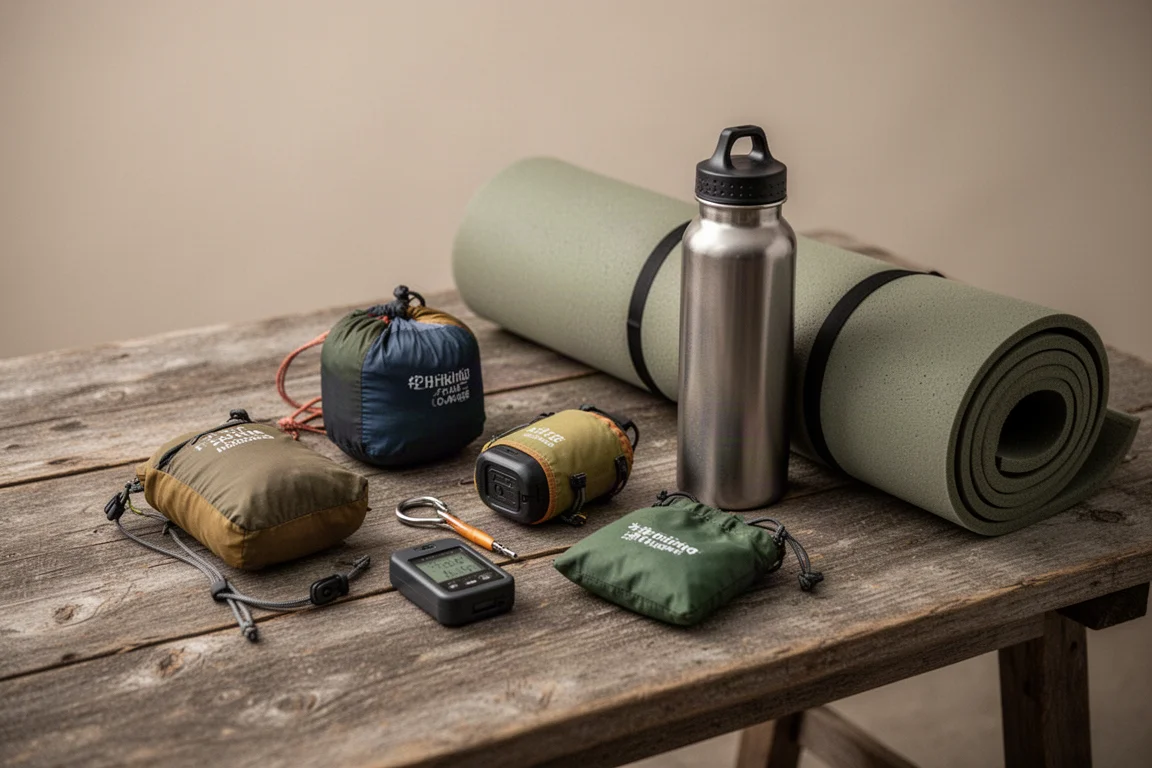
Small gear is also where weight savings add up fastest. A lighter filter, a lighter pot, and a lighter stove all reduce what you carry without touching the three heaviest items in your pack, and they usually cost far less than upgrading a tent or a sleeping bag.
What to Look For in Gear Under $50
At this price point, the goal is reliability rather than a long feature list. Look for items with one clear job, simple construction, and as few moving parts as possible. A filter that keeps working in the middle of a trip, a pot sized for exactly the meals you eat, and a stove that stays stable under a full pot are all worth more than extra features. Weight matters, but so does whether you will genuinely use the item every day. All six picks below meet that standard: they are light, they are inexpensive, and they earn their place in a pack.
Sawyer Squeeze: The Filter That Never Fails
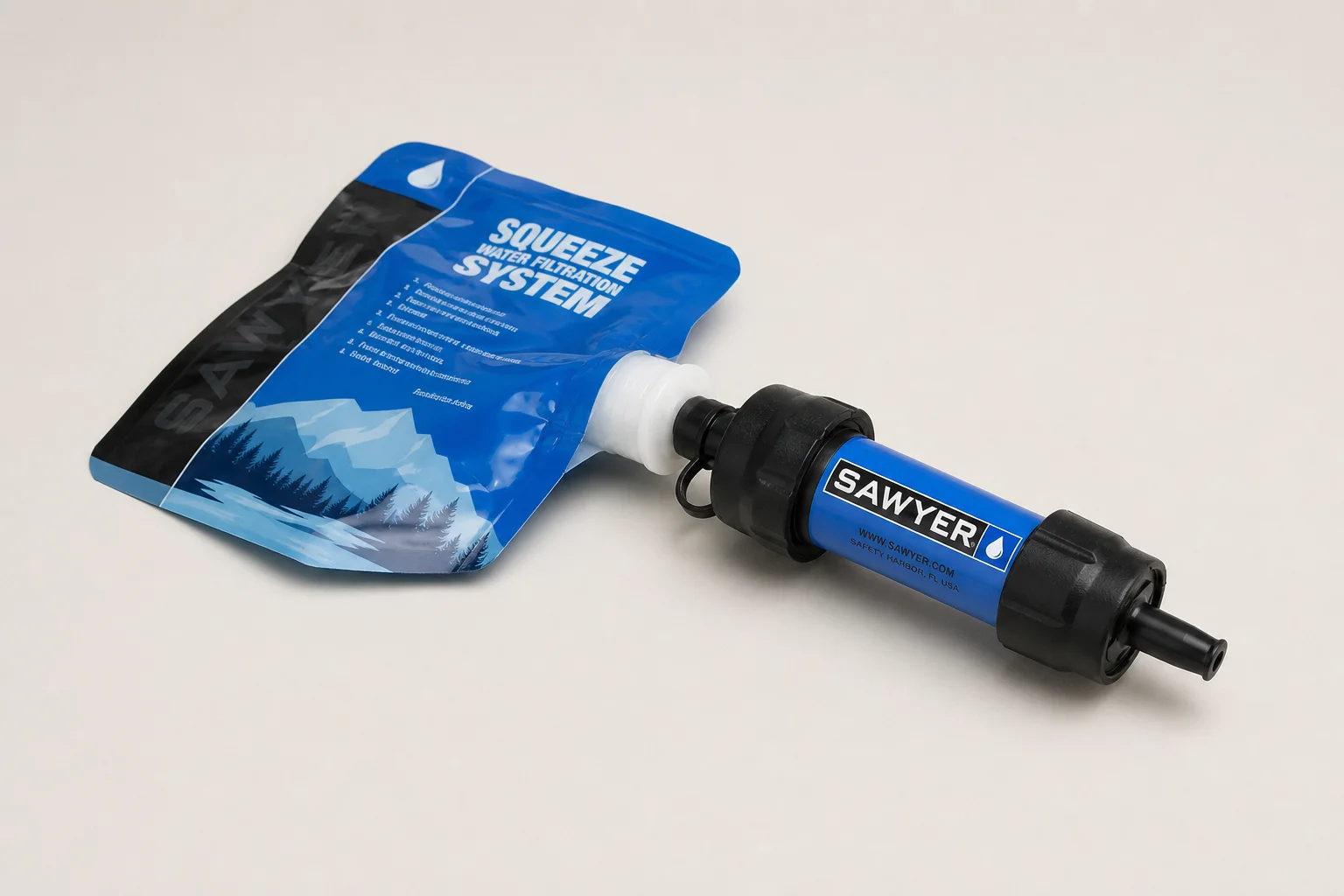
The Sawyer Squeeze is the water filter to build a kit around. It is a squeeze-style filter that has proven dependable across a wide range of trips, which is exactly why it stays in the pack instead of being swapped out for something newer. Reliability counts for more than specifications when you are filtering water several times a day, and this filter has a track record of simply continuing to work. It pairs naturally with a collapsible reservoir, and it is small enough to live in a side pocket or a hipbelt pouch. For a first kit or a replacement for an unreliable filter, this is the safest starting point.
Vecto Water Bag: A High-Quality Collapsible Reservoir
The Vecto water bag is the natural companion to a squeeze filter. It comes in multiple sizes, including two-liter and three-liter options, and it is built as a durable collapsible reservoir that folds down to almost nothing when empty. It works as a gravity setup, as a dirty-water container for squeezing, and as a spare container when a trip needs extra capacity. One honest caveat: it is not indestructible, and it can develop issues with heavy use, but it remains the primary choice here because the design and overall quality are excellent.
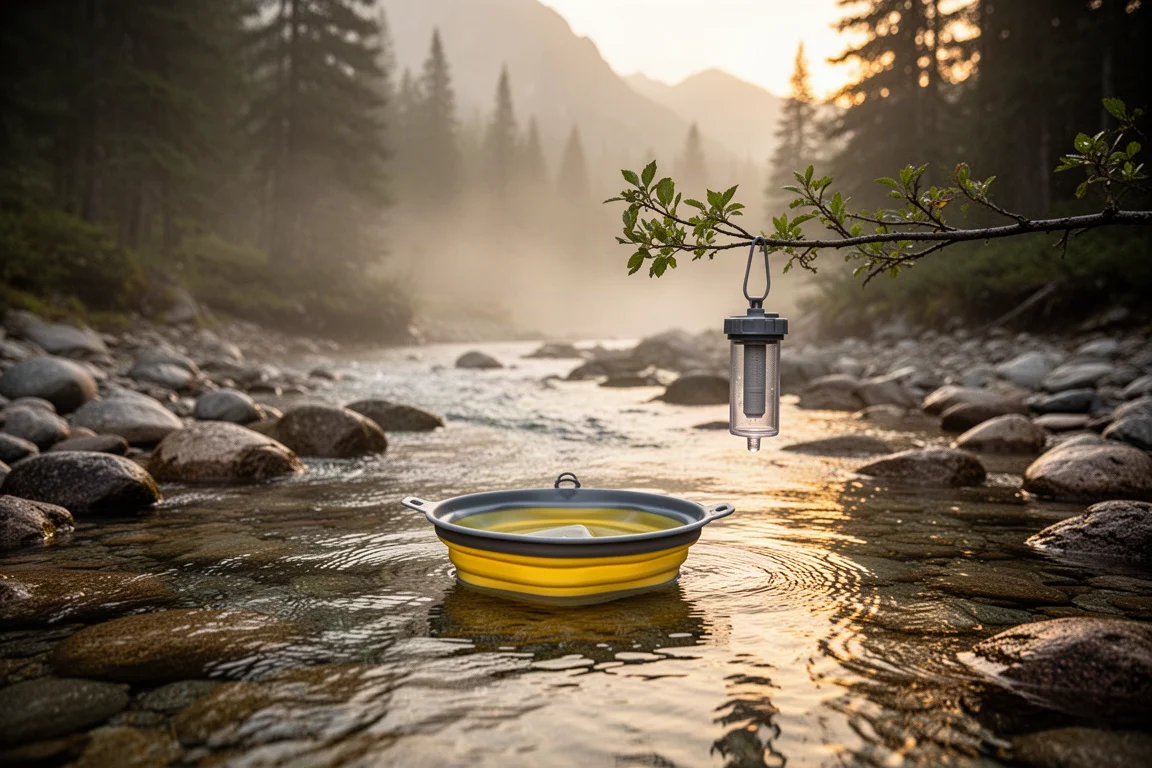
For most three-season trips, a two-liter bag covers drinking, cooking, and a small reserve for camp. The three-liter version suits longer dry stretches or two people sharing a filter setup.
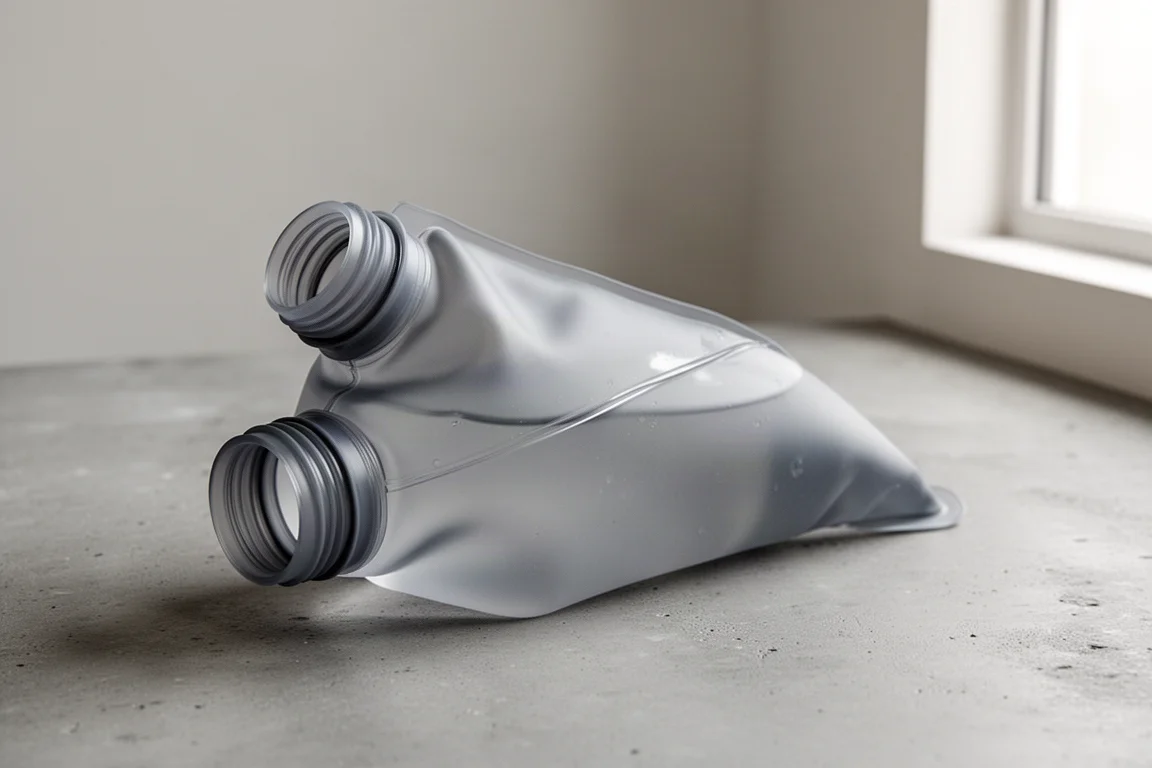
Bogler Trowel: A Lightweight Poop Kit Upgrade
The Bogler trowel is a small piece of gear that makes a real difference to leave-no-trace practice. It is very light, it digs well in ordinary soil, and it has small serrations along one edge that help work through roots and tougher ground. That combination makes it a genuine upgrade over heavier or less capable trowels, including common alternatives. It belongs in a dedicated cathole kit with a little toilet paper and hand sanitizer, and because it weighs so little there is no reason to leave it behind.
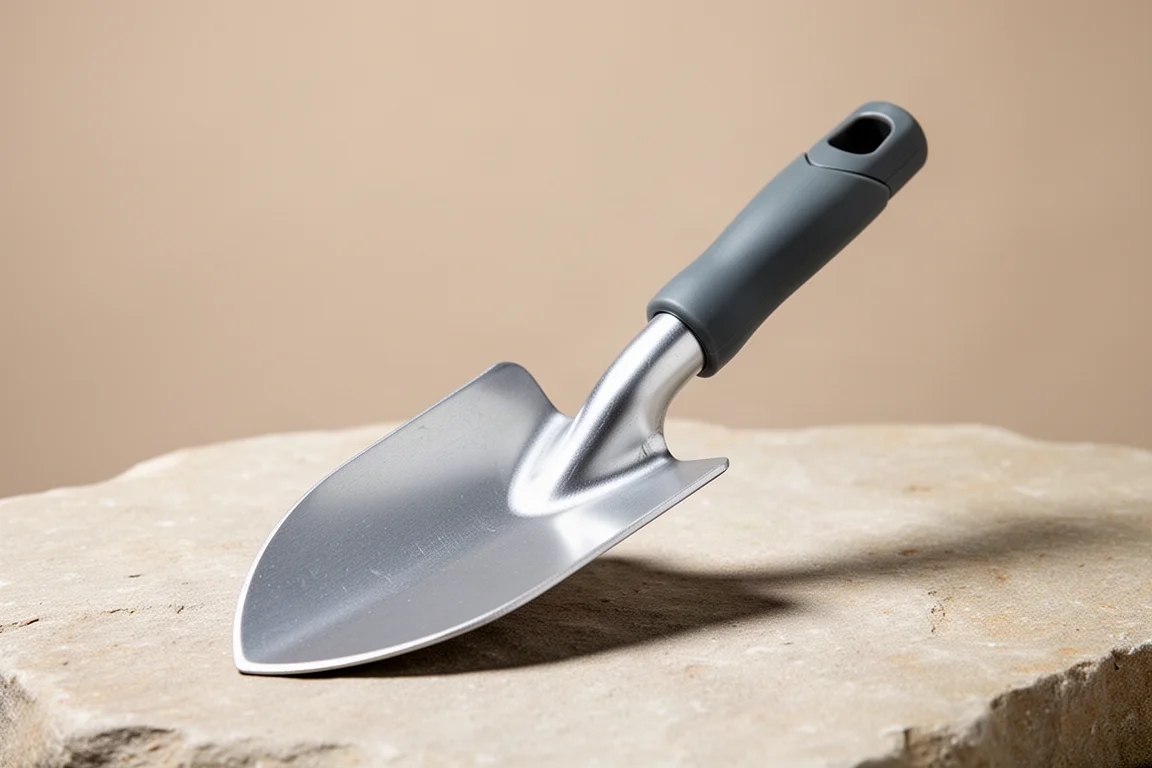
Toaks 550ml Pot: The Right Size for Boiling Water
The Toaks 550ml pot is close to the ideal size for a solo backpacker. It holds enough water for a hot drink and enough for a freeze-dried or dehydrated meal, which covers the two jobs a cook pot really needs to do. It is also very lightweight, and the titanium construction means it adds almost nothing to your pack. Paired with a long-handled titanium spoon, which reaches the bottom of a deep meal pouch without getting your hands messy, it forms a complete cook kit. If you only boil water and rehydrate meals, this size is the sensible choice.
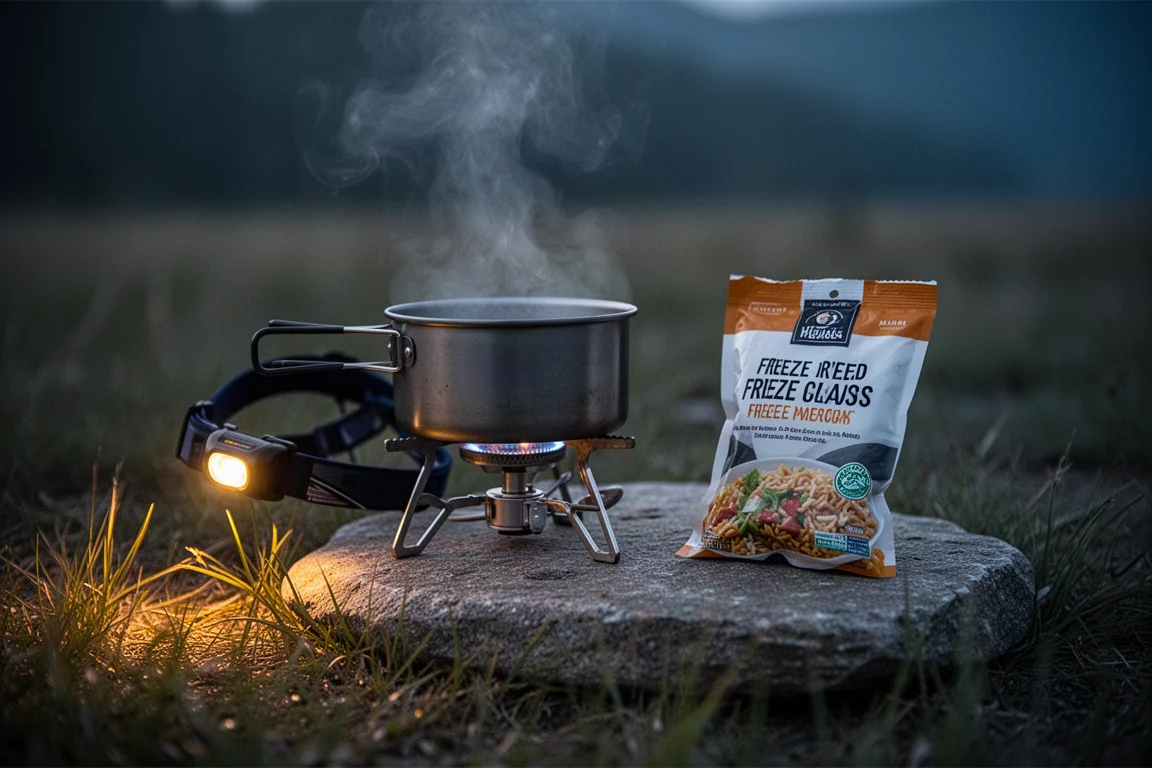
A 550ml pot is a deliberate compromise: large enough for a full meal and a drink, small enough that it packs down and nests with a stove and a lighter.
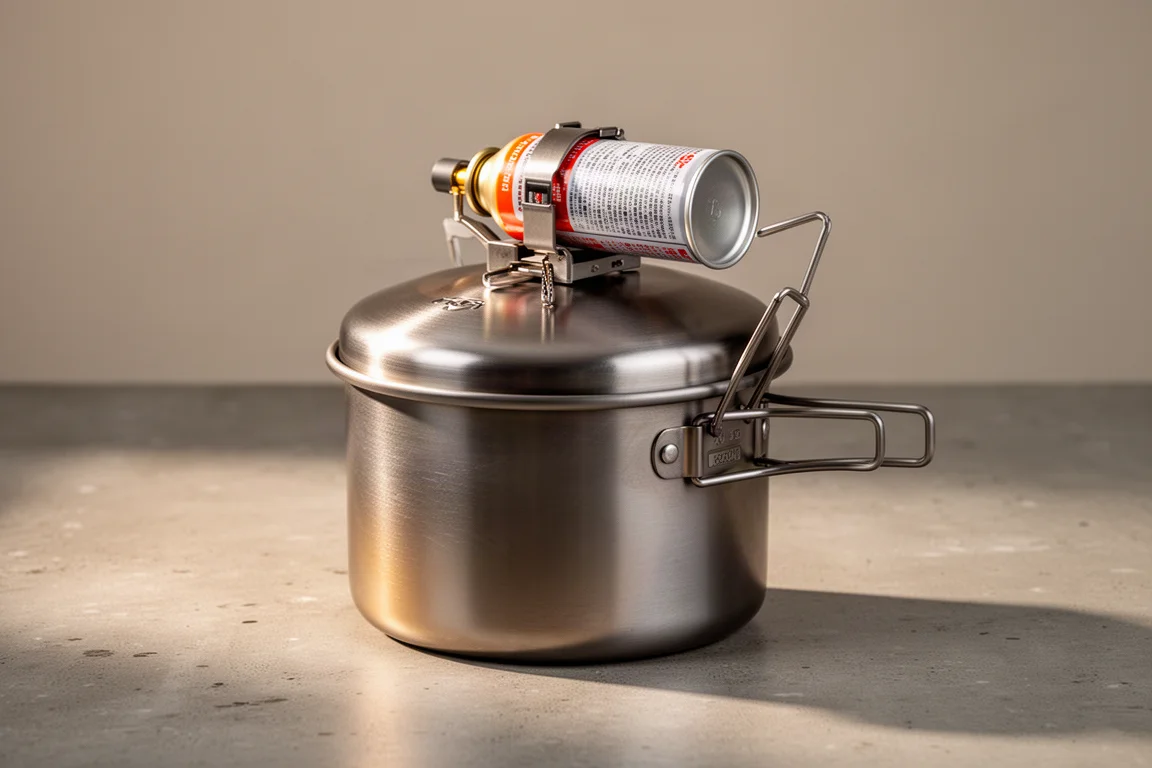
White Box Stove: An Alcohol Stove With a Real Pot Stand
The White Box Stove is an alcohol stove that addresses the most common complaint about alcohol burners. It uses a simple design where fuel sits in the top and blooms around the side, similar to a soda-can style stove, but it adds a proper pot stand. That pot stand is the part that matters: stability under a full pot is usually the weak point of alcohol systems, and this one sets up quickly and holds a pot securely. It is not heavy, it comes with a windscreen, and it works particularly well in dry, open country where alcohol fuel is easy to manage.
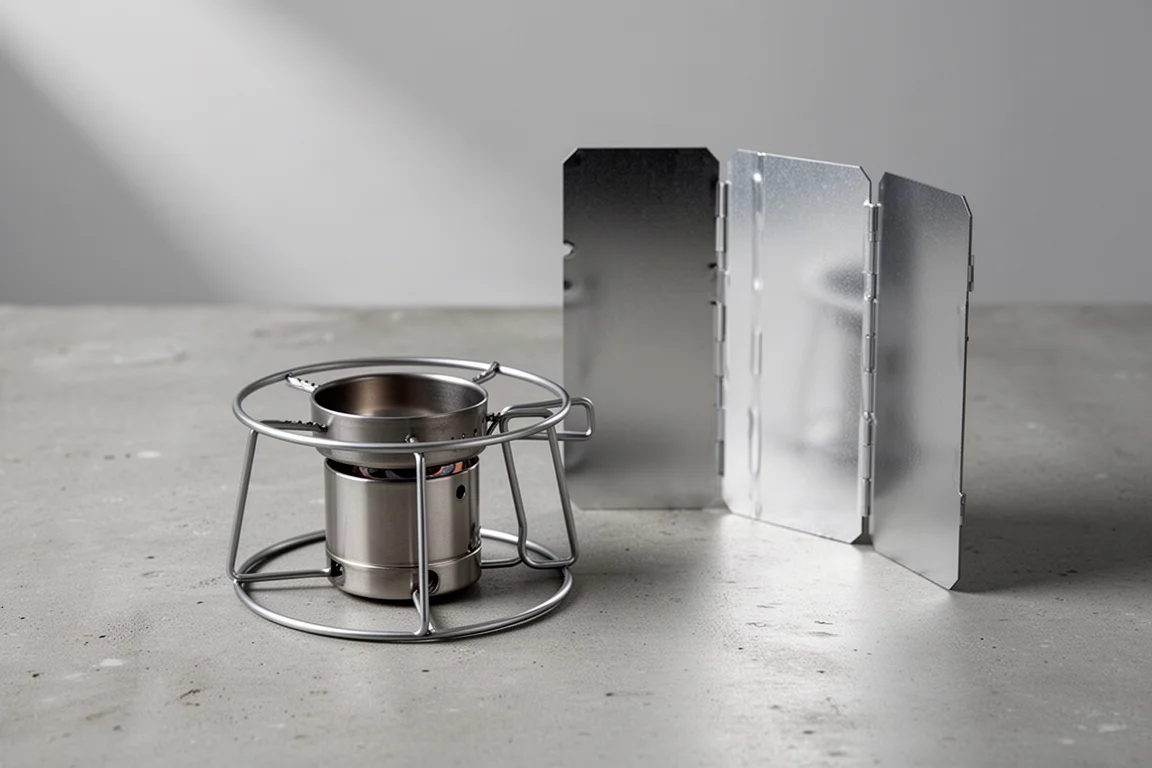
Unpaste Toothpaste Tablets: Lightweight Oral Care
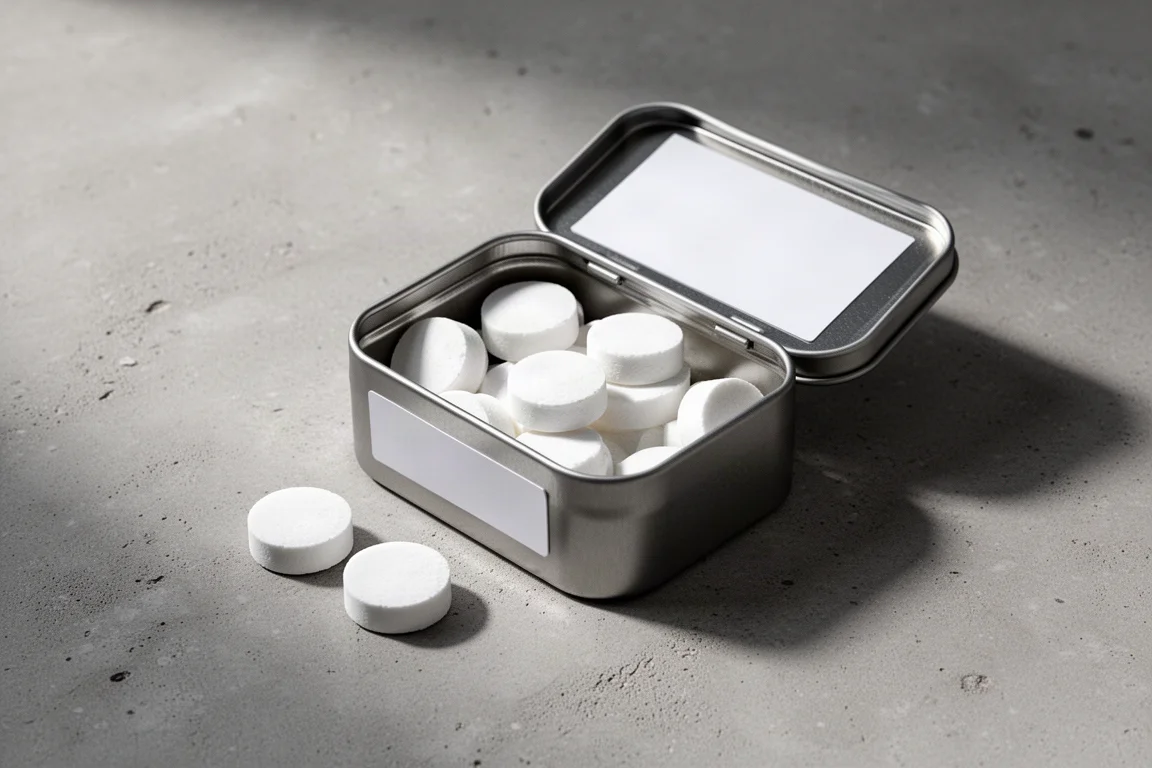
The Unpaste toothpaste tablets are a simple fix for a chore that is easy to skip on the trail. They are mint flavored, they weigh almost nothing, and they let you carry only as many as you need: six tablets cover a three-day trip with brushing morning and night. There is no tube to squeeze, no paste to leak into a food bag, and no extra trash to pack out. For anyone whose trail hygiene slips, this is an easy habit to keep and a small upgrade to camp routine.
Buying Advice: Matching Gear to Your Trip
None of these items cost much on their own, and together they cover water treatment, water storage, cookware, a stove, a cathole tool, and personal hygiene. That is a large share of the small items in a backpacking kit for a modest total. The order to buy them in depends on what your current setup lacks. If you are filtering water by hand or boiling untreated water, start with the filter and the reservoir. If your cook kit is heavy or oversized, move to the pot and the stove next. The trowel and the toothpaste tablets are inexpensive enough to add at any point, and both make leave-no-trace practice easier.
It also helps to test new small gear at home before a long trip: fill the reservoir, light the stove, and pack the kit the way you would carry it. Small items are cheap to replace, but only if you notice a problem before you are miles from the trailhead.
Conclusion
Good backpacking gear does not have to be expensive. These six items each cost under $50 and each one earns its place by being light, dependable, and useful every day on the trail. Start with the pieces your current kit is missing, and add the rest as trips demand.
Further reading
Related Reviews

Backpacking Gear
Building a 10 lb Base Weight: An Ultralight Backpacking Gear List
A practical walkthrough of the ultralight pieces behind a 10 lb base weight, from a 765 g pack and a roomy one-person tent to a full camp chair and a dependable water filter.

Backpacking Gear
A 15-Pound Lightweight Backpacking Gear List for Solo Trips
A beginner-friendly 15-pound backpacking setup built from easy-to-find gear, with notes on what each piece does, how it packs, and where to spend your attention.

Backpacking Gear
8 Ultralight Backpacking Gear Upgrades Worth Carrying
Eight small, affordable backpacking upgrades that solve real trail annoyances, from a pillow that stays put to a fuel valve that rescues leftover canister gas.