Integrated Amplifiers
Musical Fidelity NuVista 600.2 Review: Tube Warmth Meets Solid-State Grip
A close look at the Musical Fidelity NuVista 600.2, a 36 kg dual mono integrated amplifier pairing a class A tube buffer with 160 W per channel of class AB power.
Introduction
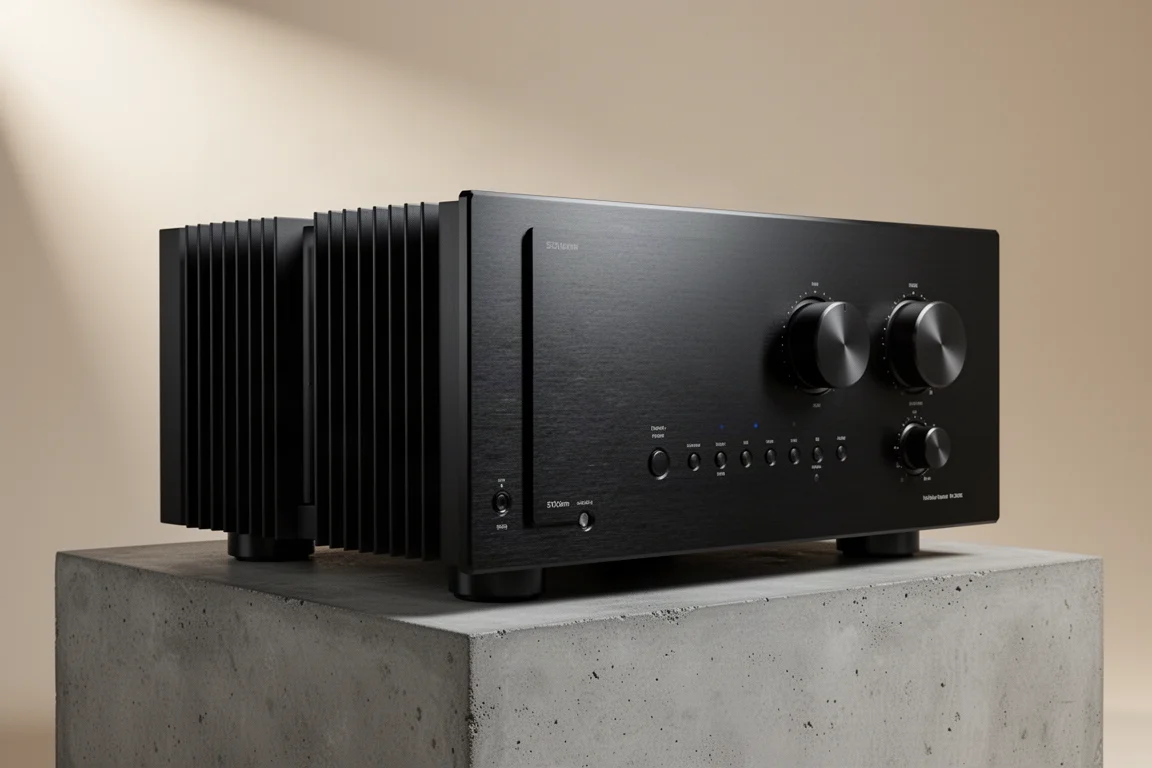
The Musical Fidelity NuVista 600.2 is the junior member of the brand’s flagship NuVista integrated amplifier line, priced at £7,999 and available in silver or black. It is a substantial component: 483 mm wide, 187 mm tall, 510 mm deep, and 36 kg, or just under 80 lb, on the scale. The NuVista range sits at the top of the Musical Fidelity catalogue, where the flagship pre-power combination costs in excess of £40,000 and the larger NuVista 800.2 integrated asks £10,999. Seen against that backdrop, the 600.2 is the most accessible route into the family, though accessible is a relative term.
What the money buys is a purist analogue design that combines two technologies. A class A tube buffer built around 6S51N NuVista tubes handles the preamplifier stage, while a dual mono class AB power amplifier delivers 160 W per channel into 8 ohms. The promise is tube richness with solid-state control, and it is the reason this amplifier deserves a careful look rather than a quick glance at the price tag.
Who the NuVista 600.2 Is For
This is an amplifier for listeners who have already settled the rest of their system and want the amplification to be the final, decisive upgrade. It offers no digital inputs, no streaming, no room correction, and no tone controls. Its six analogue inputs and pre-outs exist for source components and, if required, a separate power amplifier or subwoofer arrangement.
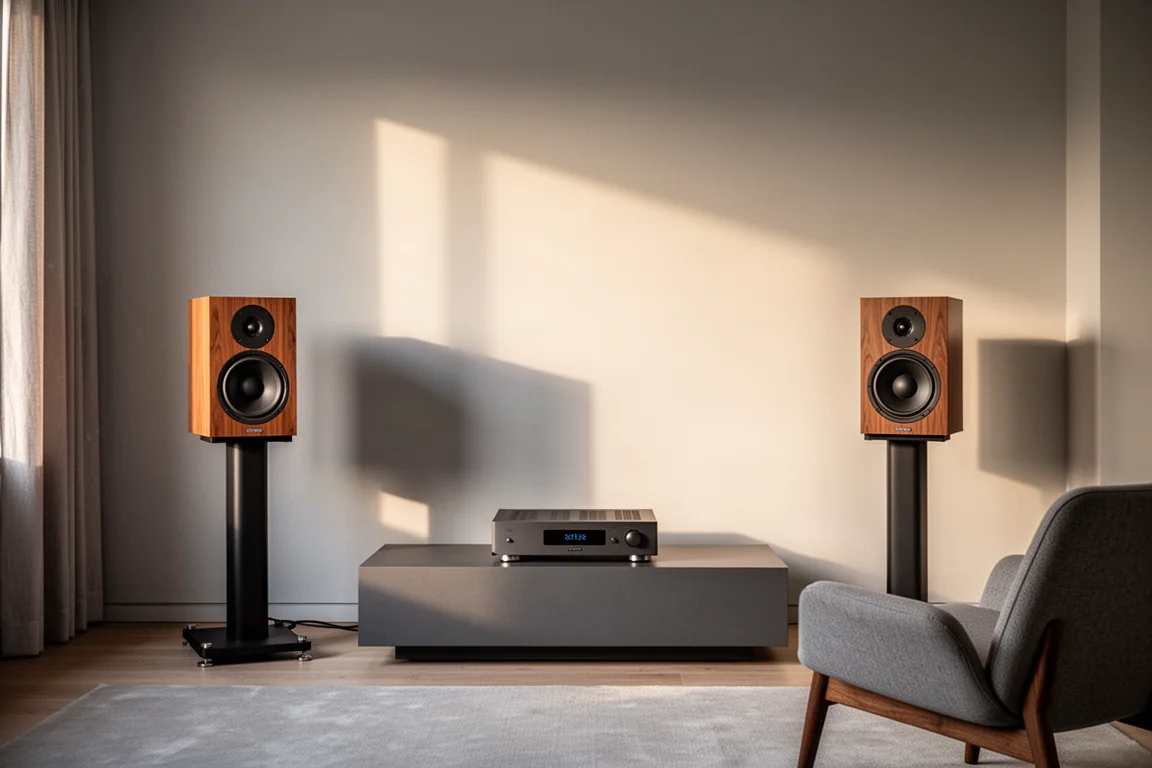
It also suits owners with the space and the shelving to accommodate a genuinely heavy component. At 36 kg and 510 mm deep, it needs a rack or platform that can carry it properly, and lifting it into position is a two-person job rather than a solo one.
Design, Build, and Connectivity
The chassis, buttons, and dials are all machined from aluminium, and the result is unmistakably a premium object. The power button sits discreetly beneath the input selector dial, and the volume control adjusts in half dB steps, which gives unusually fine command over listening level. Two further buttons below the volume dial handle the display settings.
Connectivity is generous for a purist design: four single-ended RCA inputs, two balanced XLR inputs, a balanced XLR output, a fixed volume line-level output, and a set of pre-outs. There are also two sets of speaker terminals, so bi-wiring is possible. The supplied remote is machined from a single piece of aluminium and mirrors the front panel functions, with direct buttons for each of the six inputs.
Tube Buffer and Power Amplifier Design
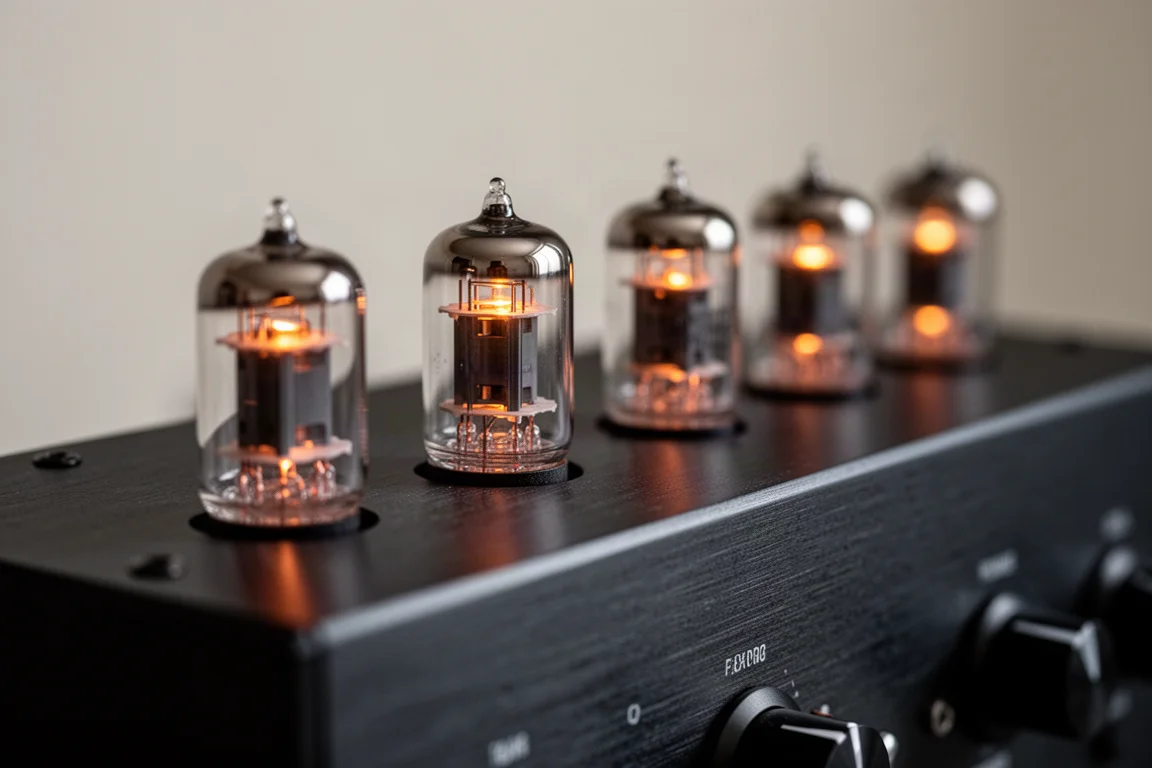
Inside, the preamplifier section is mounted on a tray above the power supply, while the power amplifier boards attach to the left and right heat sinks in a dual mono layout. The preamplifier has separate power supplies for each channel and uses a class A tube buffer built around 6S51N NuVista tubes. These small ceramic tubes were first introduced in 1959 and never became widespread, but they offer high reliability, low microphony, and lower noise than conventional glass tubes. In a preamplifier application they should last the lifetime of the amplifier, and Musical Fidelity holds a stockpile of them.
The power stage uses Sanken STD03 output devices, which combine Darlington pairs with built-in temperature-compensating diodes to maintain optimal biasing. There are four output devices per side in a push-pull class AB configuration, delivering 160 W into 8 ohms, 300 W into 4 ohms, and 500 W into 2 ohms, with peak-to-peak maximum output current rated at 50 amps. Each output device has its own high-current bulk supply capacitor, an approach Musical Fidelity says lowers signal impedance and distortion by keeping energy stored close to where it is needed. The power amplifier modules are based on a scaled-down version of the Titan amplifier that Musical Fidelity launched in 2009 and discontinued in 2018. Power supply hardware includes two 400 VA toroidal transformers and eight filter capacitors totalling 48,000 microfarads.
Sound Quality and Control
The defining characteristic of the 600.2 is the way it holds a performance together. Bass control is tight and free of bleed into the midrange, transient attack is quick, and dynamic swings are handled without strain. Tonally it stays natural rather than warm or bright, and resolution holds up across the frequency range.
Sound staging is a particular strength. Images are clearly defined within a wide, deep canvas, and complex material such as a full jazz orchestra keeps its sections separated and firmly located even when the whole ensemble is playing at once. Vocals and instruments carry convincing texture, which makes it easy to follow individual lines inside a dense recording. The amplifier also behaves well at low listening levels, which matters for late evening sessions where the volume stays modest.
Display, Lighting Modes, and Setup
The top panel makes the NuVista tubes visible, and they can be illuminated. They glow red at startup, shift to amber, and settle on blue once the amplifier is up to temperature. Four lighting modes are available: display and tube illumination both off, display off with tubes lit, display on with tubes dark, and both on. Four display options cover input and volume readouts, with or without graphical VU meters, and each is offered on a black or a white background. Brightness can be adjusted using the display button together with the standby or lighting mode buttons.
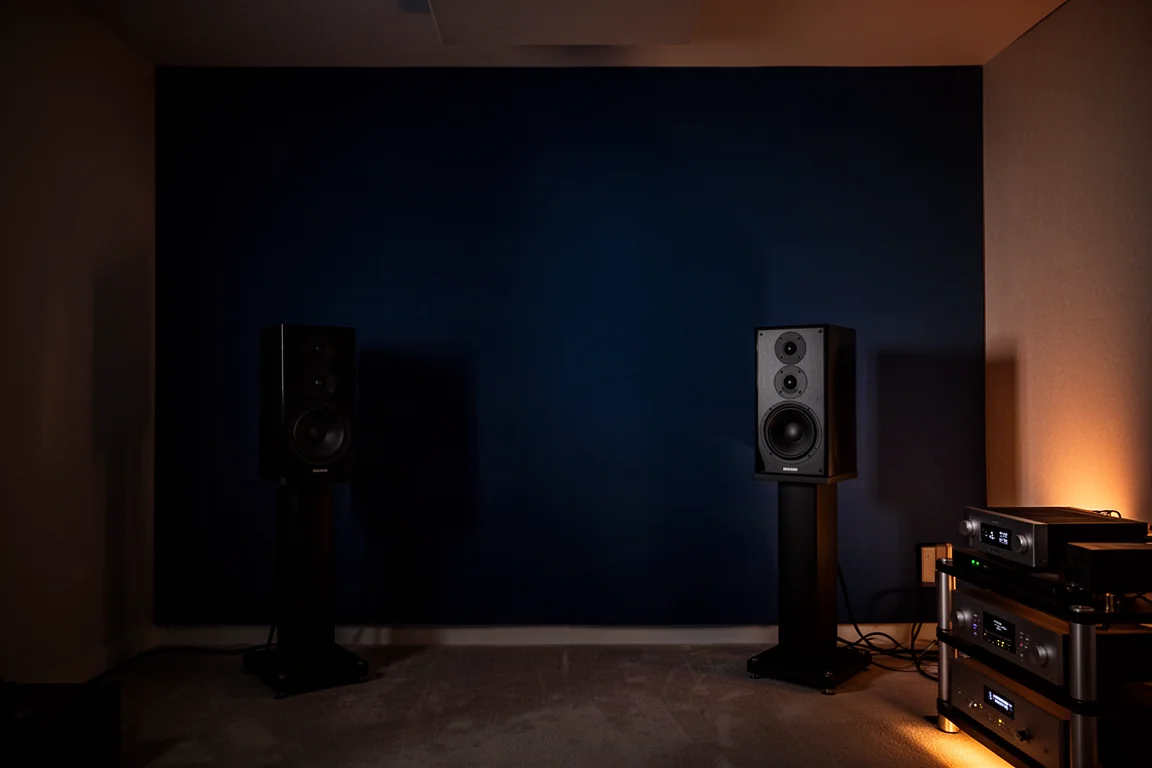
Setup is straightforward, but the amplifier rewards good partners. It is not fussy about the equipment connected to it, yet the better the source, DAC, and speakers, the more it gives back. A revealing pair of standmount speakers in the region of £5,000 is enough to expose what the amplifier can do, and it is worth leaving room in the budget for cabling and a platform that suits its weight.
Things to Consider Before Buying
There are practical points to weigh before committing. The first is physical. A 36 kg chassis measuring 483 by 187 by 510 mm will not fit on every rack, and the depth in particular can rule out shallower furniture. Decide where it will live before it arrives, because improvising afterwards is not much fun.
The second is philosophical. This is a purist analogue integrated amplifier, so anyone who wants built-in streaming, digital inputs, or room correction will need to add those elsewhere. The flip side is that there is less inside to date or to go wrong.
The third concerns component choice. The amplifier uses filter capacitors from a mid-tier Taiwanese manufacturer, which some buyers at this price point may find less exotic than expected. Capacitor quality is far from the whole story of how an amplifier sounds, and the results here speak for themselves, but it is a detail worth knowing. The NuVista tubes themselves are not a concern, since they should outlast the amplifier in this application.
Buying Advice
The NuVista 600.2 sits towards the top of what most listeners will ever spend on amplification, and it should be judged on that basis. If your system is already built around quality sources and speakers, and you want the final piece to deliver control, resolution, and a large, precisely drawn sound stage, this amplifier supplies all of those things in a single box with no obvious weak point.
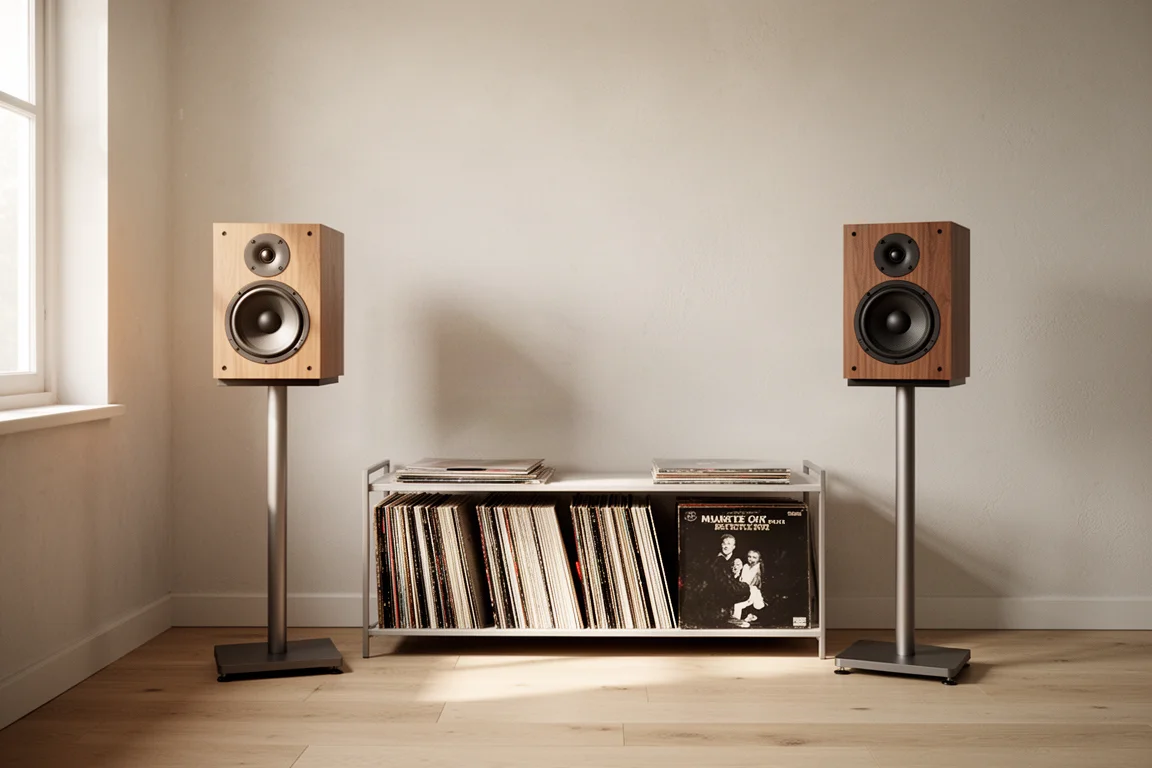
If, on the other hand, your budget has to cover sources and speakers as well, the honest advice is to spend less on amplification and more on the rest of the chain. A well-chosen £5,000 pair of speakers and a capable DAC will reveal more of this amplifier’s character than a compromised system will, and the 600.2 is transparent enough to make that difference plain. Buy it when the rest of the system is ready for it, not before.
Conclusion
The Musical Fidelity NuVista 600.2 is a luxury component in every sense: heavy, beautifully machined, and built around a design that mates the richness of tubes with the grip of a powerful solid-state output stage. Its 160 W per channel, dual mono layout, and class A tube buffer add up to a performance with exceptional dynamics, natural tone, and a sound stage that is both wide and precisely imaged. It is not a casual purchase, and it asks for space, careful partnering, and a budget that does not leave the speakers short. For listeners whose systems are ready for it, it is a compelling end point.
Product link
View more details for Musical Fidelity NuVista 600.2
This product is mentioned in the review. Check the specifications, options, and compatibility before buying.
View more details for Musical Fidelity NuVista 600.2Further reading
Related Reviews
Integrated Amplifiers
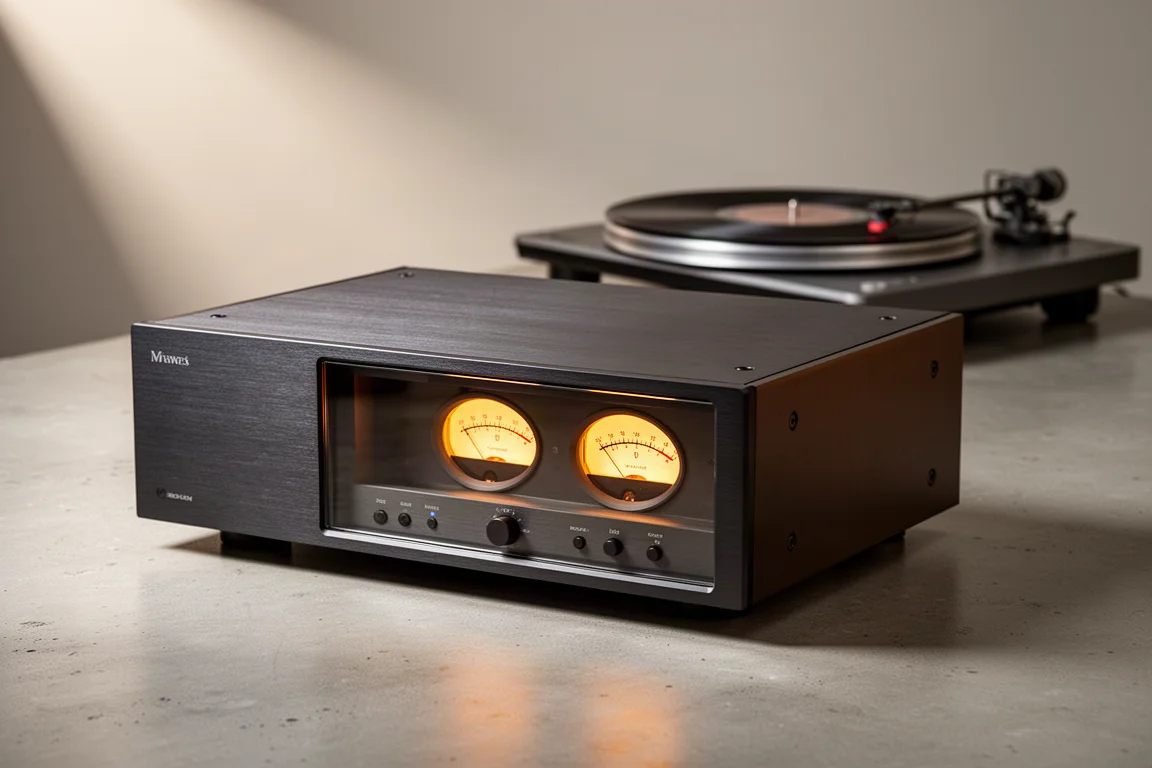
Advance Paris A10 Classic Review: Vintage Looks and a Lively, Punchy Sound
The Advance Paris A10 Classic pairs glowing blue VU meters and a tube stage with one of the widest input sets on any integrated amplifier. Here is what it does well and what to weigh before spending $2,500.
Integrated Amplifiers
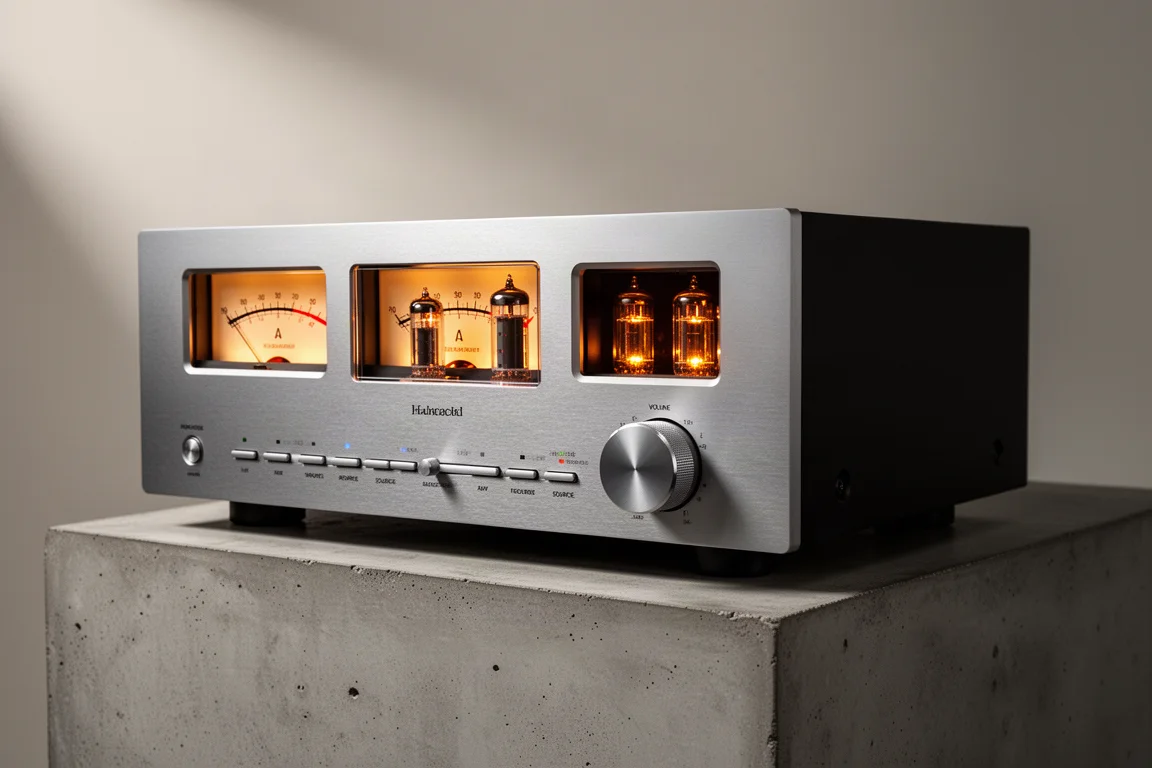
Advance Paris A12 Apex Review: A Modern Integrated Amplifier With Vintage Character
A dual mono integrated amplifier with 180 watts per channel, a tube front end, VU meters, and a connectivity list that covers turntables, televisions, computers, and headphones.
Integrated Amplifiers
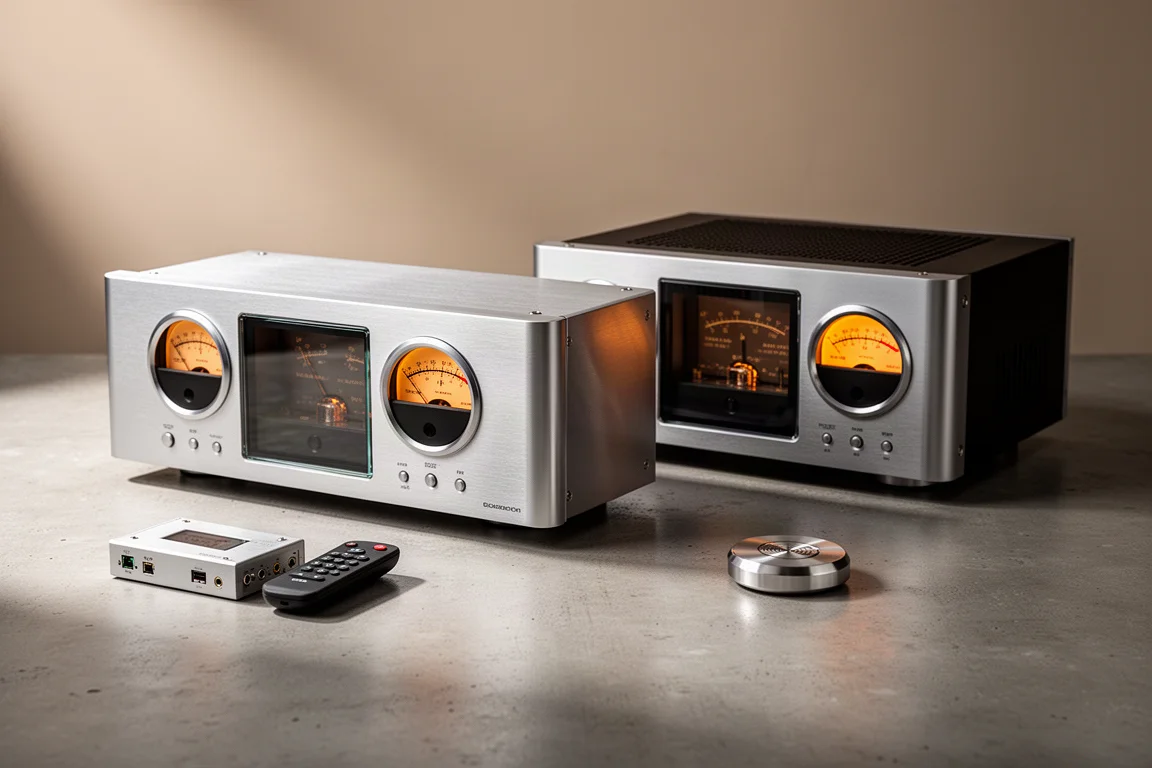
Advance Paris Nova Range Review: AI130, AI190 and Modular Upgrades
A practical look at the Advance Paris Nova range, including the AI130 and AI190 integrated amplifiers and the modular streaming, Bluetooth and remote accessories that expand them.