Hi-Fi Audio
Musical Fidelity Nu-Vista 600.2 Review: An All-Analog Integrated Amplifier Built for Control
An all-analog stereo integrated amplifier with a dual-mono power stage and a Class A tube stage, priced around $10,000 and aimed at listeners who already own their digital and vinyl front ends.
Introduction
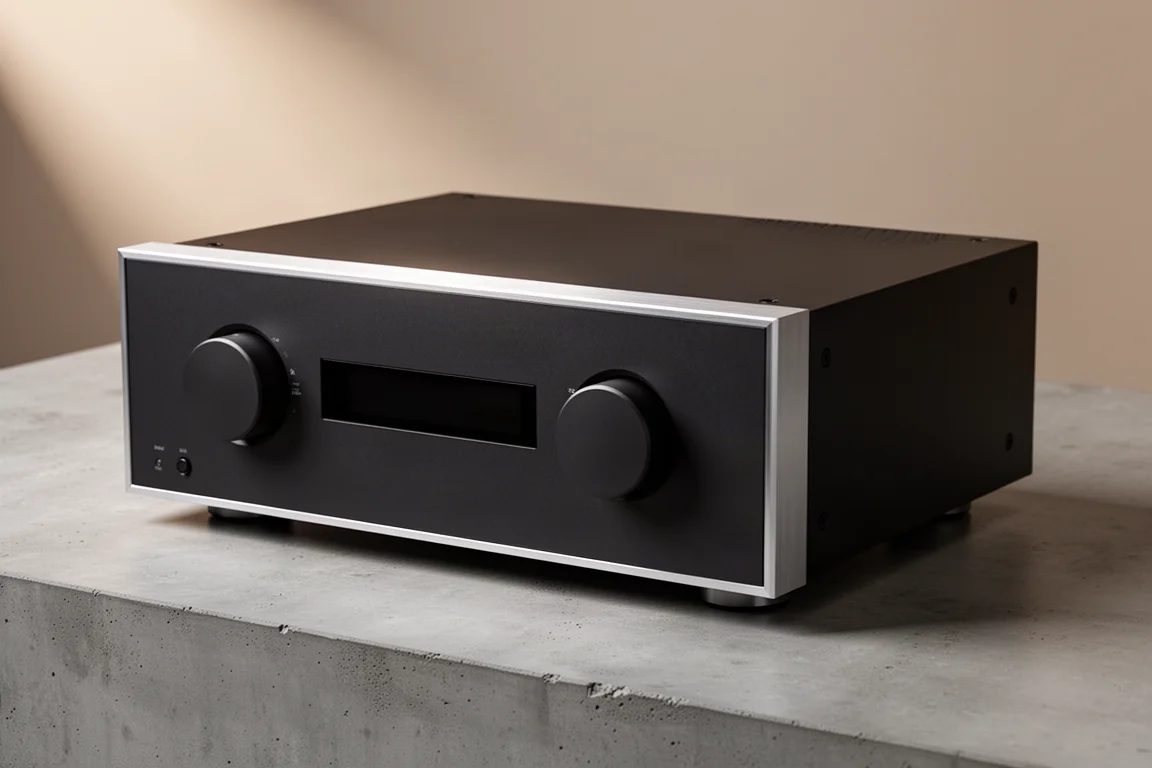
The Musical Fidelity Nu-Vista 600.2 is an all-analog stereo integrated amplifier, and that description is a statement of intent rather than a marketing flourish. Instead of chasing streaming, room correction, or onboard digital processing, it takes a deliberately traditional route: a discrete dual-mono amplifier design adapted from Musical Fidelity’s own Titan amplifiers, combined with a Class A tube stage built around Nu-Vista tubes, all mounted inside a robust and carefully crafted chassis.
Power is rated at 160 watts into 8 ohms, 300 watts into 4 ohms, and 500 watts into 2 ohms, which places it firmly in serious territory for a two-channel integrated. The asking price sits at roughly $10,000, so the real question is not whether it is capable, but whether its particular approach matches the way you listen.
Who This Amplifier Is For
This is an amplifier for listeners who have already settled their digital and analog front ends and now want the best possible amplification for them. It rewards owners who run a separate DAC and streamer, and who either use a dedicated phono preamp or have no vinyl ambitions at all.
It also suits anyone who values neutrality above character. Despite the tube stage in its design, the Nu-Vista 600.2 does not add warmth, bloom, or a romantic glow. If you are shopping for an amplifier that gently reshapes the tonal balance of a bright speaker or a lean recording, this is unlikely to be the right tool.
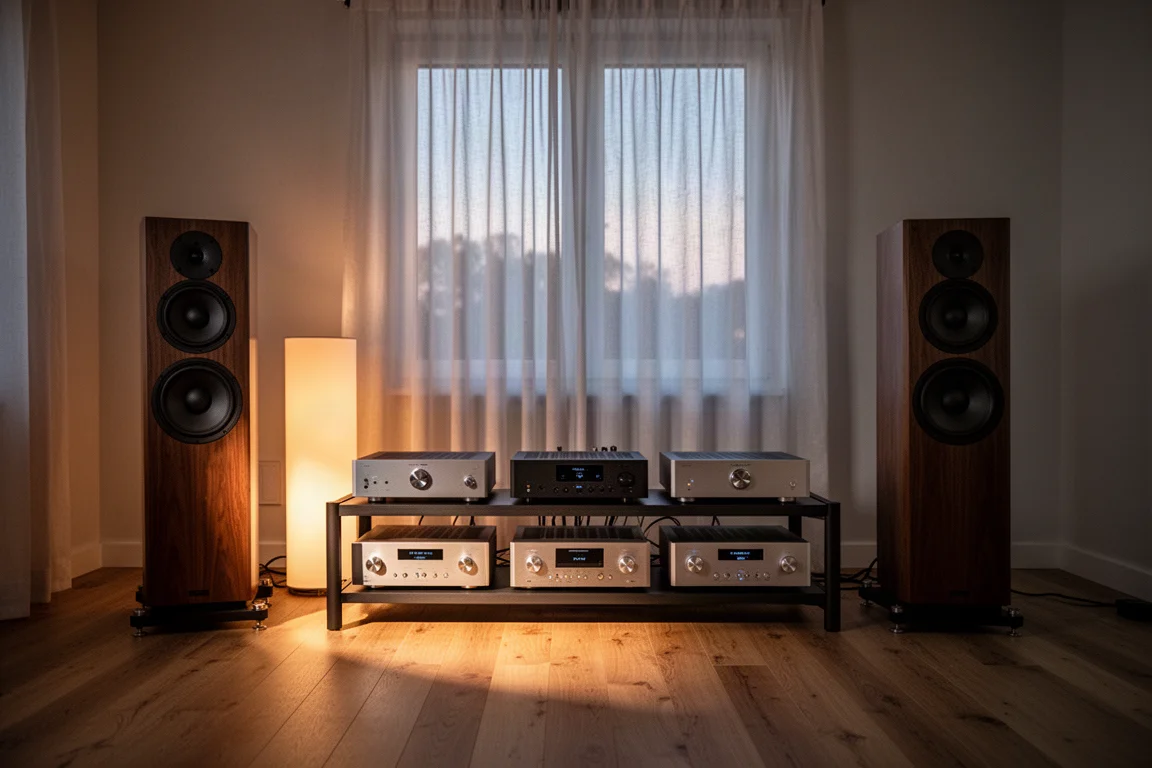
Equally, it fits listeners who want a straightforward signal path: choose a source, turn one large knob, and listen. There is no app to configure, no menu tree to learn, and nothing between your recordings and your speakers beyond the amplification itself.
Design and Connectivity
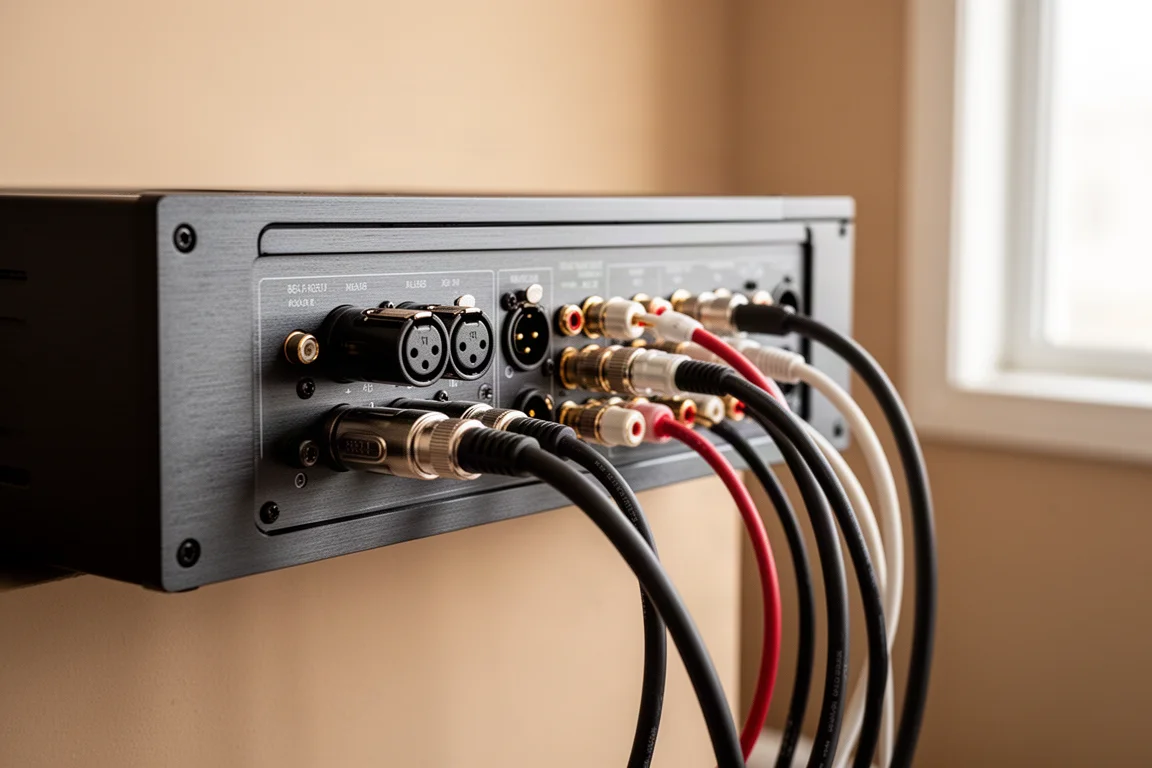
Connectivity is deliberately limited. There are four RCA line-level inputs and two XLR balanced inputs, along with a fixed line output. Balanced and unbalanced preamp outputs are also included, and their level follows the front-panel volume knob, which allows bi-amping or the addition of a powered subwoofer with its own bass management. The fixed line out is a separate connection and should not be confused with those preamp outputs.
There is no built-in DAC and no wireless connectivity. Tone and balance controls are absent as well. The front panel stays minimal: a display that can be adjusted for brightness, plus two substantial knobs for source selection and volume. The supplied remote is basic in terms of buttons, though it is unusually substantial in the hand.
Main Strengths: Control and Articulation
The first quality that stands out is control. The amplifier’s grip on the woofers of large tower speakers is immediately apparent, and it translates into a sensation of greater articulation and detail in the lower registers, along with a feeling of deeper-reaching bass. Bass-heavy material benefits, and so do recordings where the low end is meant to be tight rather than generous.
Just as important is the start-stop immediacy. Notes begin and end without bloat or overhang, unless that overhang is genuinely part of the recording. That quality makes it easier to follow every note upstream in the mix.
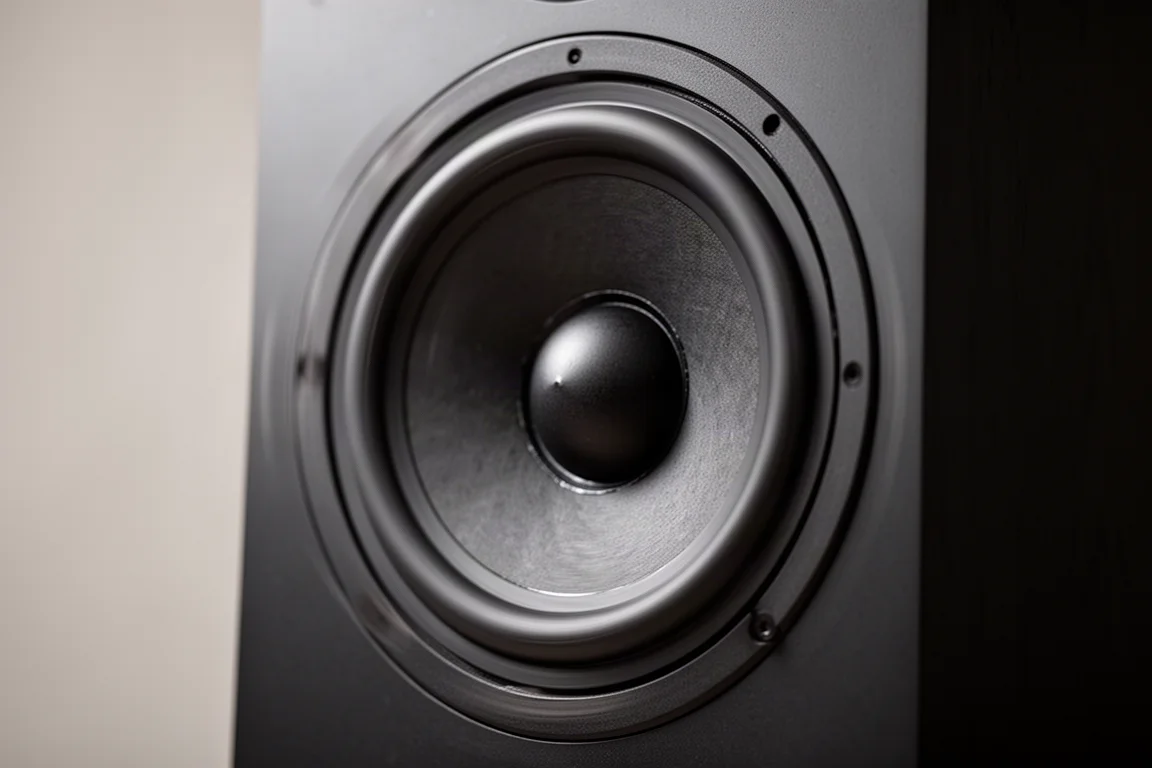
The second defining trait is separation. The Nu-Vista 600.2 holds on to individual notes and then separates them with a degree of ease that is rare at this level. Subtle inflections and harmonies come into more precise focus, and they become more audible without their timbre being altered. Instruments do not simply sound clearer; they sound more three-dimensional, both on their own and in relation to each other, which produces a more vivid sense of realism.
Sound Stage and Dynamics
Imaging is where this amplifier’s approach pays off most obviously. The natural dispersion of a speaker’s drivers and cabinet construction is allowed to reach its full potential, and the result is clearly defined boundaries between performers. Movement from left to right and front to back is rendered with focus, and the audible presence of a vocalist can seem to shift within the room as the performance demands.
Dynamics are handled with the same confidence. Recordings, tracks, and genres are reproduced faithfully in terms of scale and impact, and that holds true regardless of listening volume. There are more powerful amplifiers on paper, but the difference is unlikely to register in normal use.
Matching Speakers and Setup
The Nu-Vista 600.2 was used with several pairs of tower speakers of different sizes and sensitivities, and it worked well with all of them. It is stable into 2-ohm loads, so demanding speakers that dip low should not present a problem, and its grip on larger woofers is one of the reasons it makes such a convincing partner for full-range floorstanders.
Setup is refreshingly simple. Balanced and unbalanced preamp outputs let you bi-amp a compatible speaker or hand the low frequencies to a powered subwoofer with its own bass management, and the fixed line out gives you a clean feed for a recording device or a second system. Because the tube stage is implemented as part of the amplifier rather than as a tone-shaping device, matching is about the quality of the speaker rather than compensating for its voicing.
One practical note: this is a large and heavy component, at approximately 79 lb. It is lighter than some of Musical Fidelity’s bigger designs, but it still needs a sturdy rack, sensible ventilation, and a second pair of hands during installation.
Things to Consider Before Buying
The main consideration is total system cost, not amplifier performance. Because the Nu-Vista 600.2 has no DAC and no streaming, digital listeners need to budget for an outboard DAC or streamer. Vinyl listeners need to budget for a phono preamp. Those additions can raise the cost of ownership well above the amplifier’s own price.
The feature set is worth weighing honestly as well. There are no tone or balance controls, no digital inputs, and no wireless options. Anyone who has grown used to a single-box system that handles everything will need to shop for associated equipment, possibly for the first time in years.
Finally, think about the physical footprint. A stripped-down analog integrated of this size is a commitment in a room, and the weight means placement decisions are easier to make before delivery than after.
Buying Advice
If total system budget is the deciding factor, there are alternatives worth understanding. Musical Fidelity’s own M8xi costs less at around $7,000 depending on where you shop, offers more power on paper, includes a basic DAC with multiple digital inputs, and is stable into 2 ohms. That makes it the more versatile of the two, even if the Nu-Vista 600.2 is lighter and, in a direct comparison, the more engaging listen.
Across brands, a McIntosh separates combination built around the MC312 power amplifier and the C-55 preamp totals roughly $16,500, and that figure includes digital and phono capability the Nu-Vista does not have. Once a comparable set of separates is added to the Musical Fidelity, the two systems land closer in price than the headline numbers suggest. Other integrated amplifiers deliver more features and options for considerably less money, and some offer a larger overall package for the same outlay. Those are legitimate reasons to choose differently.
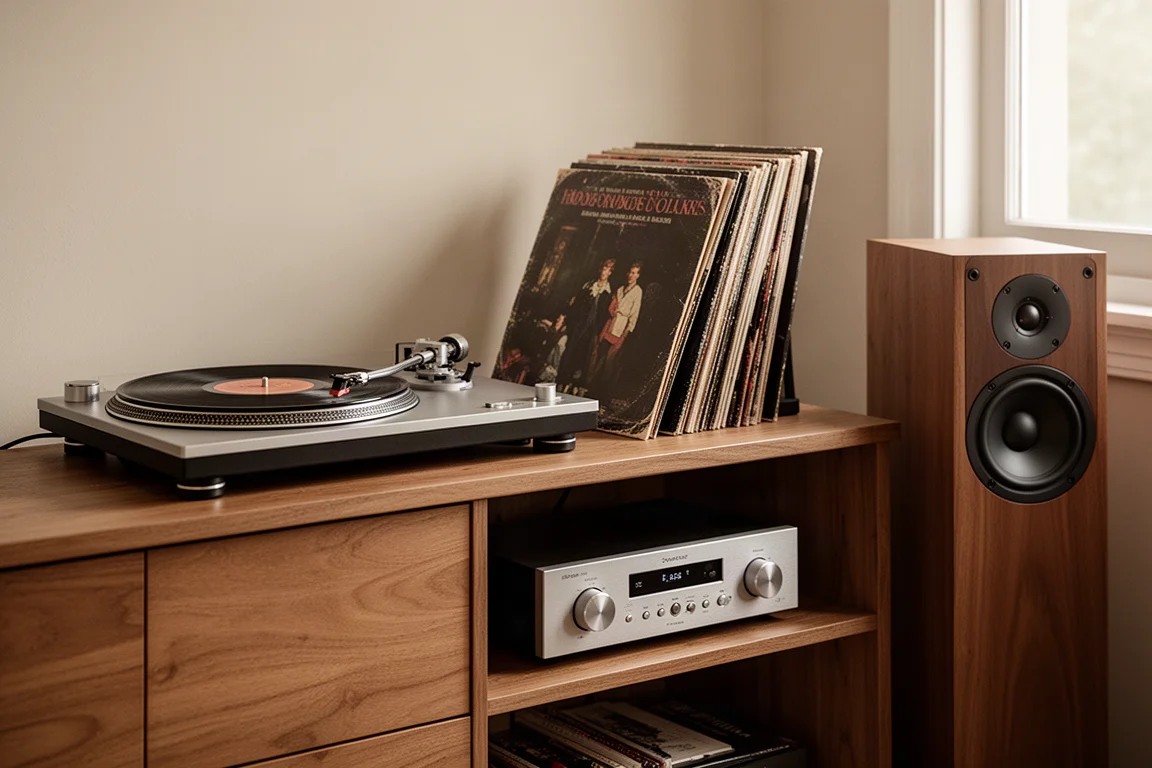
If the priority is the quality of the amplification itself rather than the breadth of the feature list, the Nu-Vista 600.2 makes a persuasive case. It is worth auditioning with your own speakers and your own recordings before committing, because its neutrality means it will reveal exactly what the rest of your system is doing, for better and for worse.
Conclusion
The Musical Fidelity Nu-Vista 600.2 is an all-analog, stripped-down integrated amplifier that competes on performance rather than features. Its dual-mono power stage and Class A tube stage deliver control, separation, imaging, and dynamics that stand out among integrated amplifiers, and its neutrality means it will neither flatter nor disguise the components around it.
Buy it with clear eyes about what it does not include. Budget for a DAC, a streamer, or a phono stage as needed, and confirm that a large, heavy chassis suits your space. Do that, and this is an amplifier that can anchor a two-channel system for a very long time.
Product link
View more details for Musical Fidelity Nu-Vista 600.2
This product is mentioned in the review. Check the specifications, options, and compatibility before buying.
View more details for Musical Fidelity Nu-Vista 600.2Further reading
Related Reviews
Hi-Fi Audio
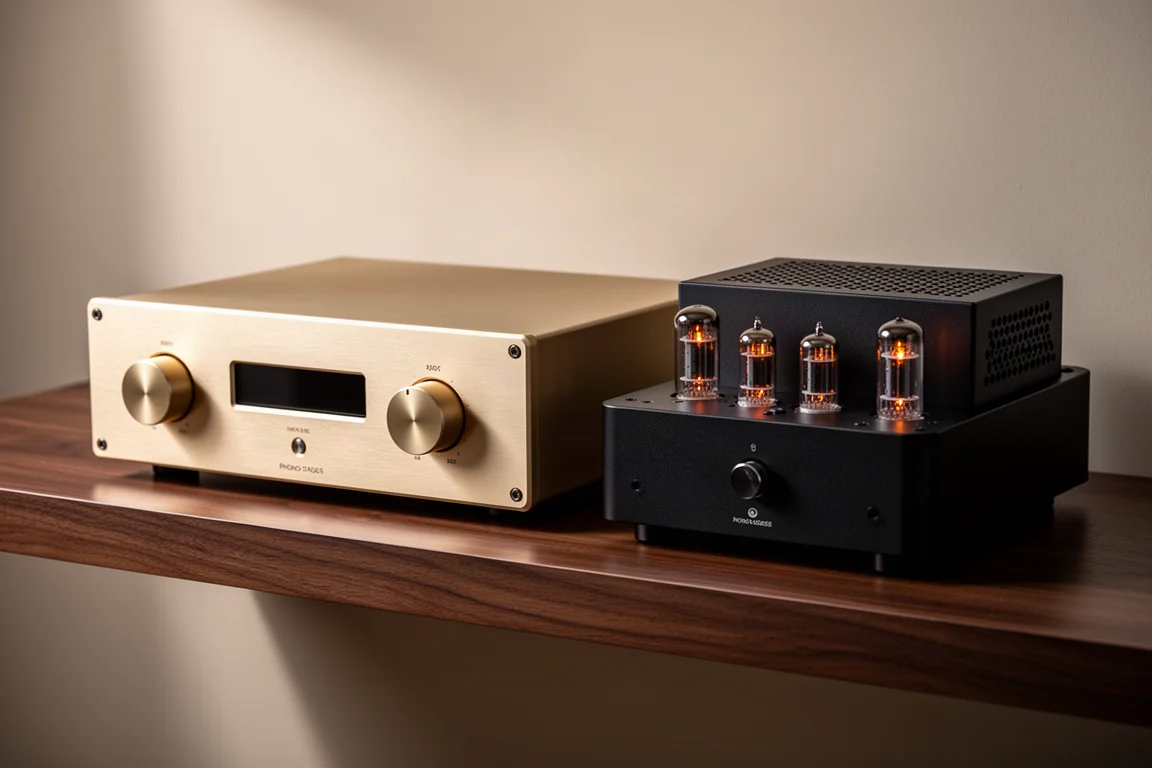
Accuphase C-57 vs Allnic H-7000V: Two High-End Phono Stages Compared
A fully balanced solid-state phono stage with a pitch-black noise floor meets a tube design built for well-loved records. Here is how to choose between them.
Hi-Fi Audio
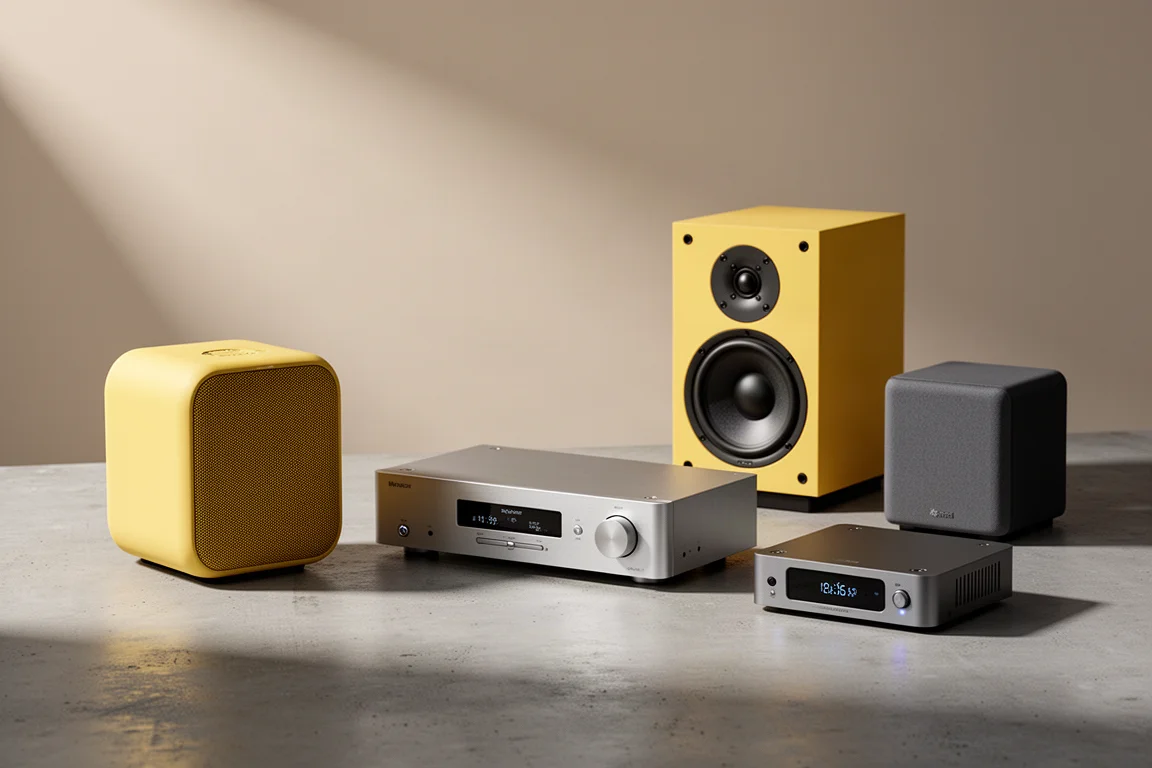
Active vs Passive Hi-Fi: Five Components for a Modern System
Five components that define modern active and passive hi-fi systems, with the strengths, trade-offs and setup details worth weighing before you buy.
Hi-Fi Audio
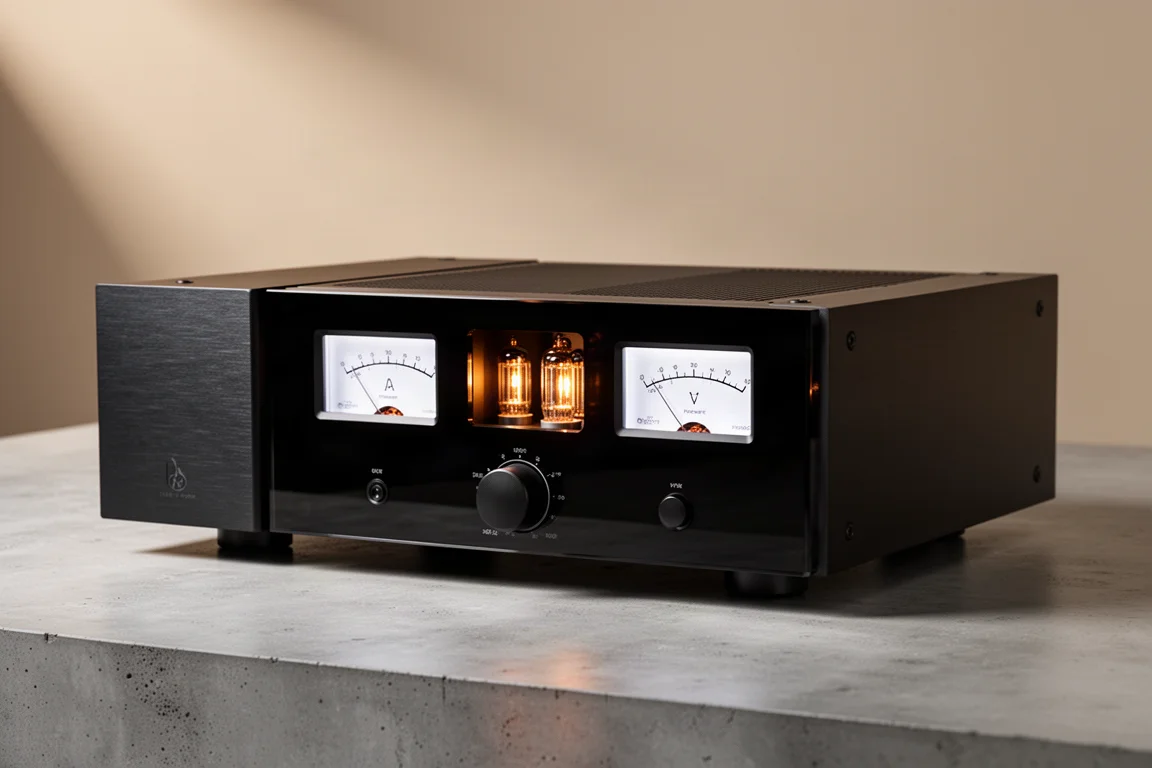
Advance Paris A10 Apex Review: A Hybrid Integrated Amplifier That Covers a Lot of Ground
A French hybrid integrated amplifier with a class A tube preamp stage, analogue power meters, and an internal DAC and phono stage good enough to make extra boxes unnecessary.