Integrated Amplifiers
Musical Fidelity M6xi Review: Reference Performance Without the Reference Price
A neutral, powerful integrated amplifier with a built-in DAC, HDMI eARC, and a capable phono stage, priced under $4,000.
Introduction
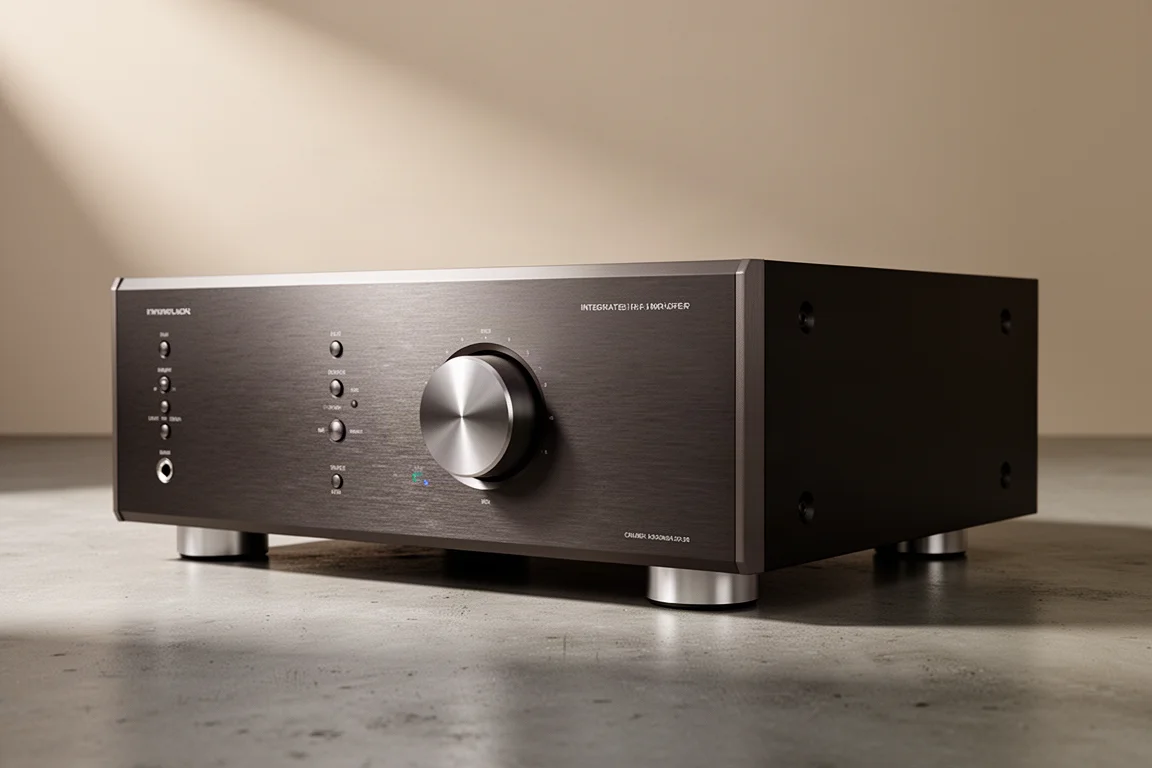
Musical Fidelity has spent more than four decades building solid state Class AB amplifiers, and the M6xi is the company’s answer to the modern all-in-one trend. It skips the screen and the app-centric experience that some listeners consider unnecessary, and instead offers a traditional front panel with physical input buttons and a large centre-mounted volume control. Around back there is a generous set of analog and digital connections, including HDMI eARC and a built-in DAC.
That mix of old-school controls and modern inputs makes the M6xi easy to live with day to day, but the conveniences are only part of the story. Performance matters more, and this amplifier ranks among the best sounding integrated amplifiers we have tested this year, including designs that cost several times as much.
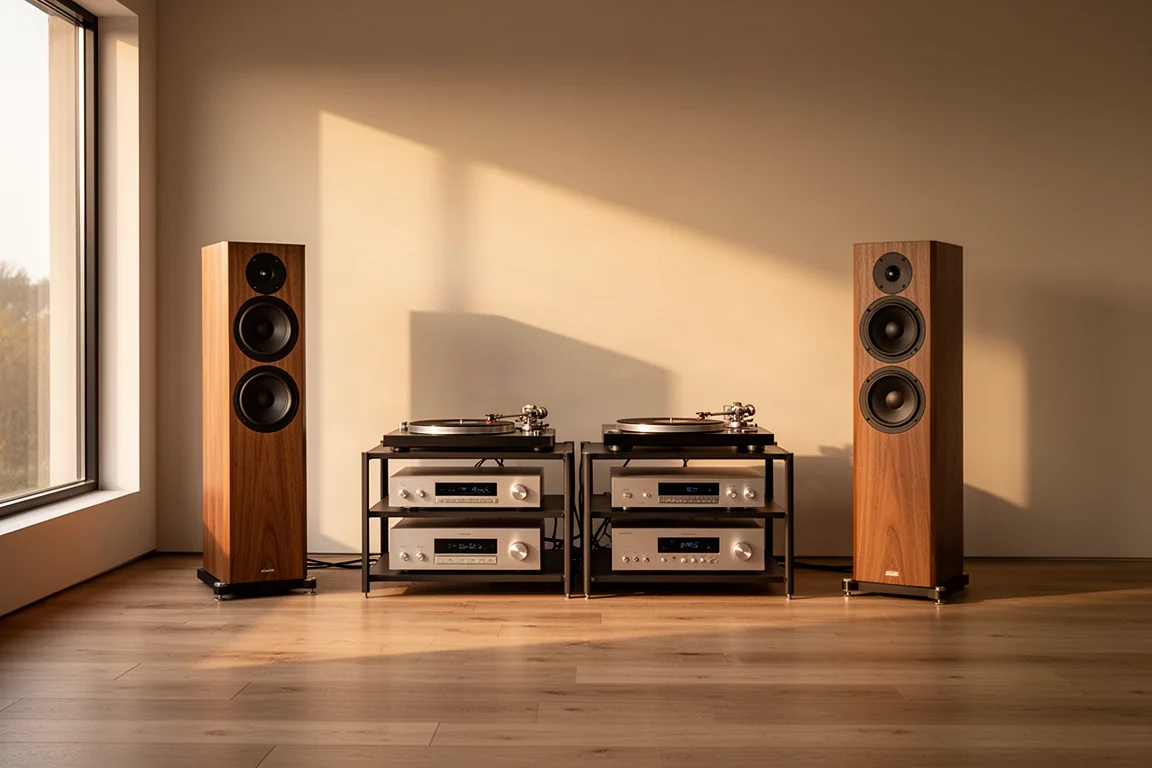
At under $4,000, it also sits in a price band where the case for spending more becomes genuinely difficult to make, which is a large part of its appeal.
Who This Amplifier Is For
The M6xi suits listeners who want a serious two-channel amplifier without a screen, a menu tree, or a companion app. If you prefer physical buttons, a single large volume knob, and a signal path that stays out of the way, this is the kind of amplifier you are looking for.
It also makes sense for anyone running demanding loudspeakers. During testing, the M6xi drove a 4-ohm pair that dips to just over 2 ohms in the bass, and it stayed composed throughout with no audible signs of strain.
Vinyl listeners get a built-in moving magnet and moving coil phono stage. Anyone folding two-channel audio into a home theater setup can use the home theater bypass to hand volume and bass management to a processor while the M6xi handles amplification for the front left and right channels.
What it is not aimed at: listeners who want streaming built into the amplifier itself, or who want app-based room correction and equalization.
Main Strengths: Power, Control, and Headroom
With 220 watts per channel into 8 ohms and 320 watts into 4 ohms, the M6xi has enough output to drive difficult loads comfortably. In direct comparisons it was virtually indistinguishable from a $20,000 reference amplifier in sheer output and control, and it kept a very tight grip on an 8-inch woofer and a 7-inch midrange.
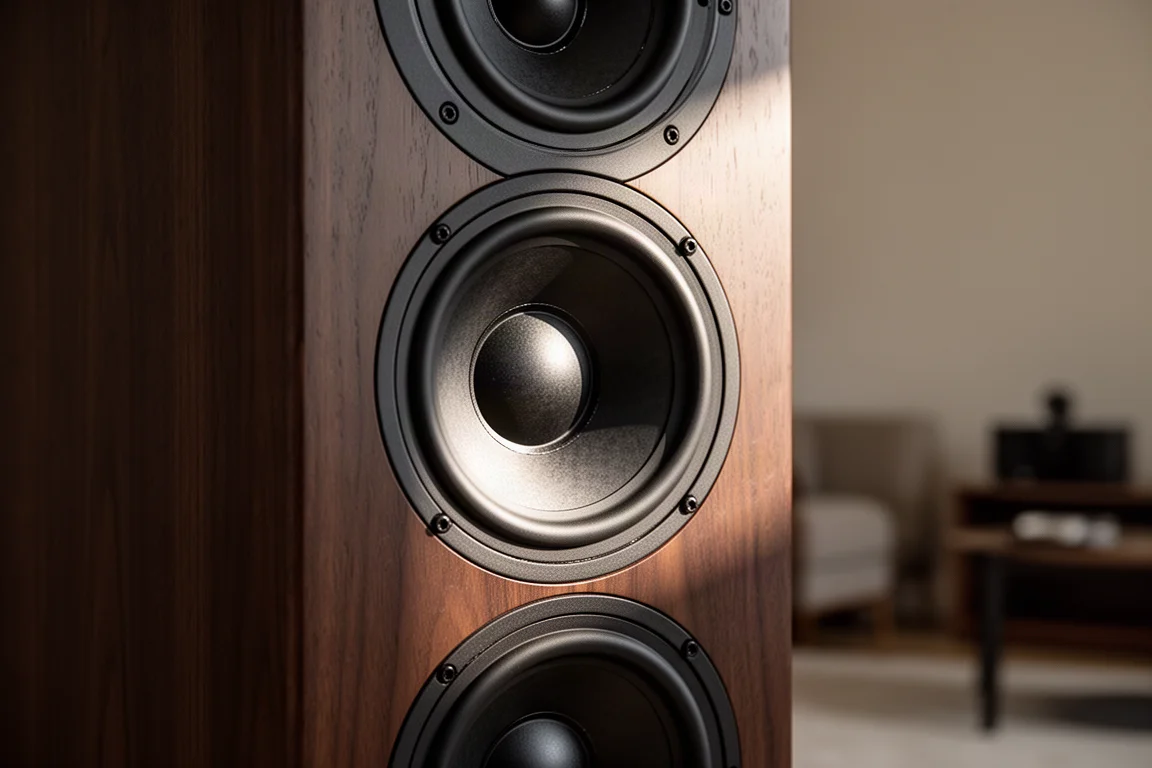
Low-end detail and start-and-stop precision were the only areas where the far more expensive amplifier pulled ahead, and the gap was small enough that a double-blind comparison could plausibly come down to a coin toss.
Main Strengths: Tone, Treble, and Soundstage
The M6xi is a neutral amplifier. It does not noticeably color what you are listening to, but it gives instruments and voices a greater sense of weight, solidity, and physical presence. Voices sound lifelike, and piano recordings carry a weight and control that is rare at this price.
The treble is where the M6xi takes its own path. It does not push a tweeter quite as hard at the extreme top end, sounding slightly more subdued at the limits of its extension. That means some of the attack from a hard cymbal crash or an upper-register piano note can sound a touch softer, but the trade-off is a smoother, more forgiving presentation and greater long-term listening comfort. Recordings with a tendency to glare at the top end stay comfortable rather than tipping into fatigue.
Dynamically, that restrained top end can make the M6xi sound a little less explosive than the most aggressive alternatives, though the difference only becomes obvious in a direct side-by-side comparison. On its own, it never sounds anything less than dynamic.
Where the amplifier excels is the soundstage. Separation is excellent, with instruments and performers precisely placed between the speakers and extending well beyond them when the recording allows it. Across a wide range of loudspeakers it consistently produced realistic, dimensional soundstages.
Connectivity and Everyday Convenience
The built-in phono stage handles both moving magnet and moving coil cartridges, and it performed better than every other integrated amplifier phono stage tested this year, with a single draw against a phono stage that costs extra on a competing model.
The internal DAC is equally easy to live with. Compared with dedicated external converters, there were occasional subtle differences in detail and a touch more decay through the external units, but those differences are likely to be overshadowed by your room, your speakers, or the rest of your setup. Unless you listen specifically for differences or obsess over measurements, there is no urgency to add an external DAC.
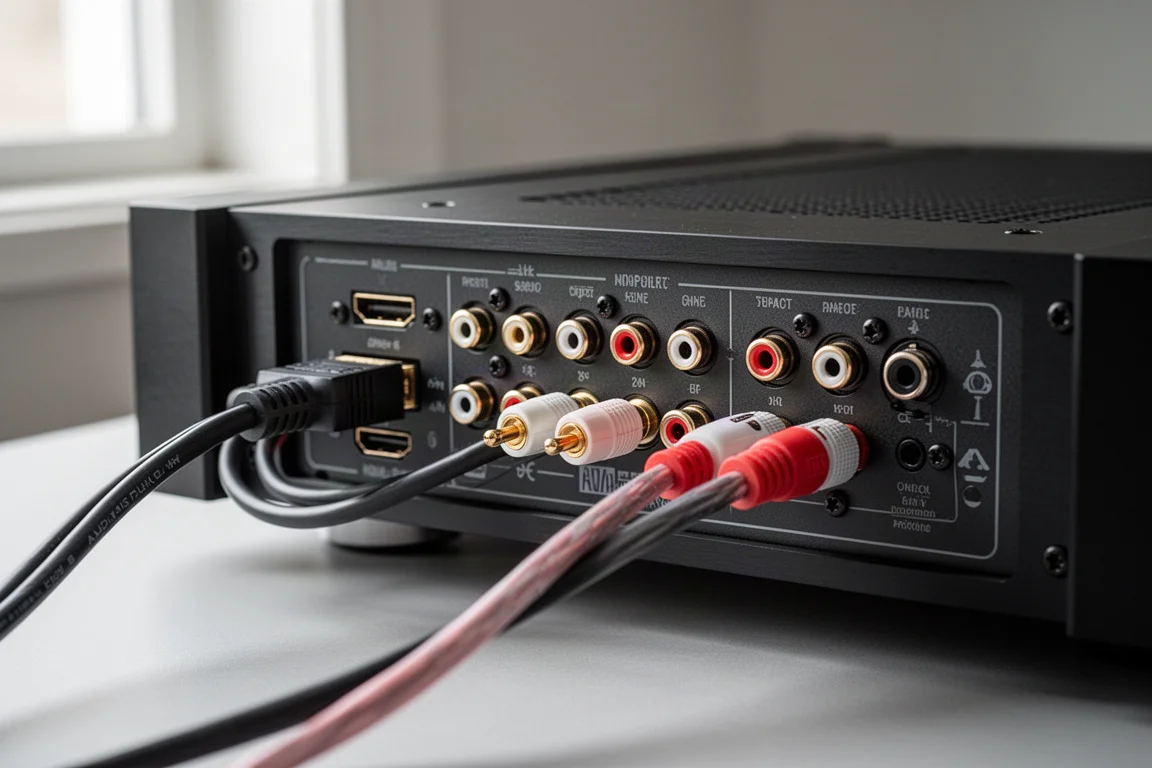
HDMI eARC worked flawlessly across several televisions, and CEC was reliable enough to control volume with either a TV remote or a streaming box remote. That matters, because the redesigned remote, while clearly an improvement, is still not a favorite.
What is missing is easy to add. There is no built-in streaming, but a simple external streamer covers it, and because the internal DAC is capable, you do not need to spend more on a separate converter. There is also no dedicated subwoofer output with bass management, but the variable preamp outputs can feed one or two subwoofers, with crossover, level, and phase handled at the sub itself. Home theater bypass lets a processor or receiver take over volume and bass management while the M6xi handles the left and right channels.
Things to Consider Before Buying
There is no built-in streaming and no dedicated subwoofer output with bass management, so a streaming source and any subwoofer integration are add-ons rather than built-in features. Neither is difficult to solve, but both are worth planning for before you buy.
The interface is deliberately traditional: physical buttons and a large volume control, with no app and no on-screen display. The redesigned remote is an improvement over the previous design but still not a highlight of the package.
At the very top of the treble the amplifier is slightly more subdued than the most extended alternatives, and some listeners may notice a little less bite on hard transients. The compensation is a smoother, more comfortable long-term listen.
Buying Advice: Where the M6xi Fits
At under $4,000, the M6xi may be the clearest example of diminishing returns in this category. Stepping up to a comparably priced alternative such as the Sim Audio Moon 371 adds built-in streaming and a class-leading color display, but not much else, and its sonic character is more relaxed, with less spatial separation and less control than the Musical Fidelity.
Much further upmarket, the M6xi comes very close to a $20,000 reference amplifier. The two sound different, but the differences are subtle rather than transformative, and whether they count as an improvement comes down to personal taste. The M6xi is also the easier of the two to live with on a daily basis, which for many listeners matters more than the last increment of resolution.
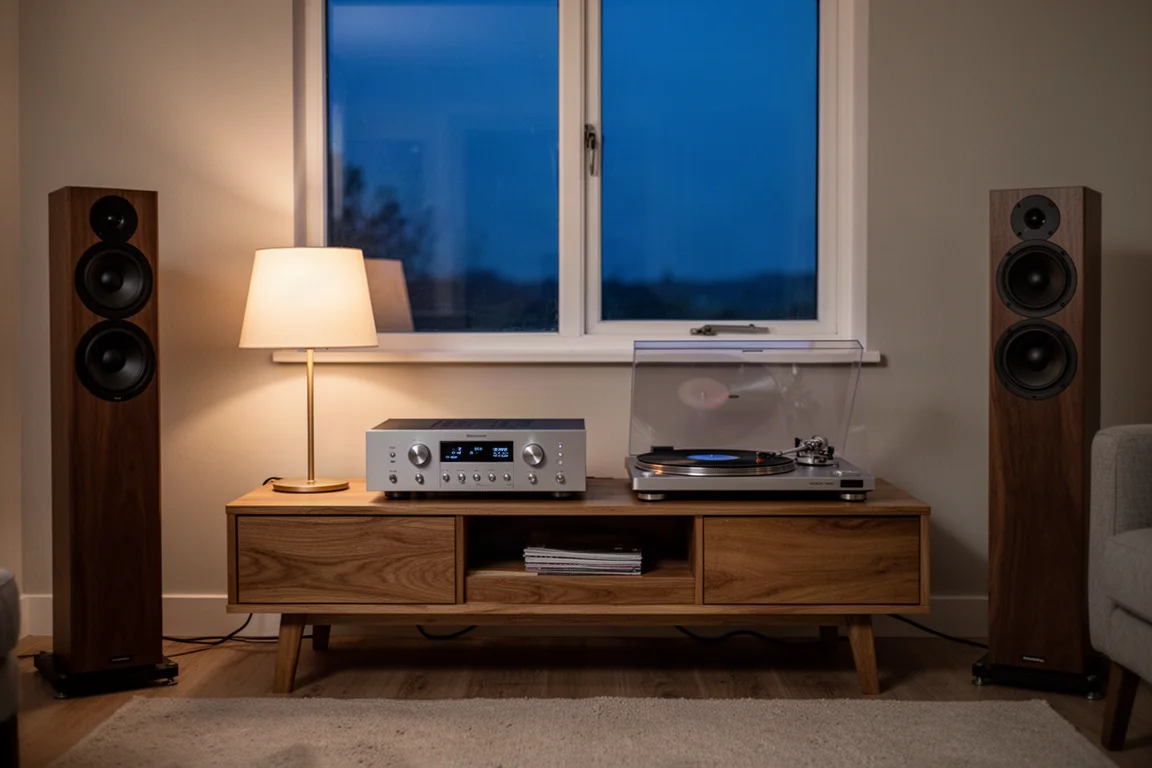
Inside Musical Fidelity’s own range, the M8xi is an outstanding amplifier and a bargain next to far more expensive designs, but it costs considerably more, which makes the M6xi a strong alternative for anyone who does not want to spend that much. The all-analog NuVista 600.2 sits higher again, offering a hint of tube-like dimension in the upper midrange and highs without giving up the bass grip the brand is known for. A Class D alternative saves roughly two thousand and adds DSP and EQ for in-room response, but the M6xi sounds weightier in direct comparisons and carries a more organic, traditional hi-fi character.
Conclusion
In an overly connected world, the M6xi offers an unusual balance of modern convenience and reference-grade performance. It keeps the inputs you actually need, including HDMI eARC, a capable DAC, and a strong phono stage, while leaving the screen and the app behind. That makes it a giant in its own right, and a legitimate giant killer.
Product link
View more details for Musical Fidelity M6xi
This product is mentioned in the review. Check the specifications, options, and compatibility before buying.
View more details for Musical Fidelity M6xiFurther reading
Related Reviews
Integrated Amplifiers
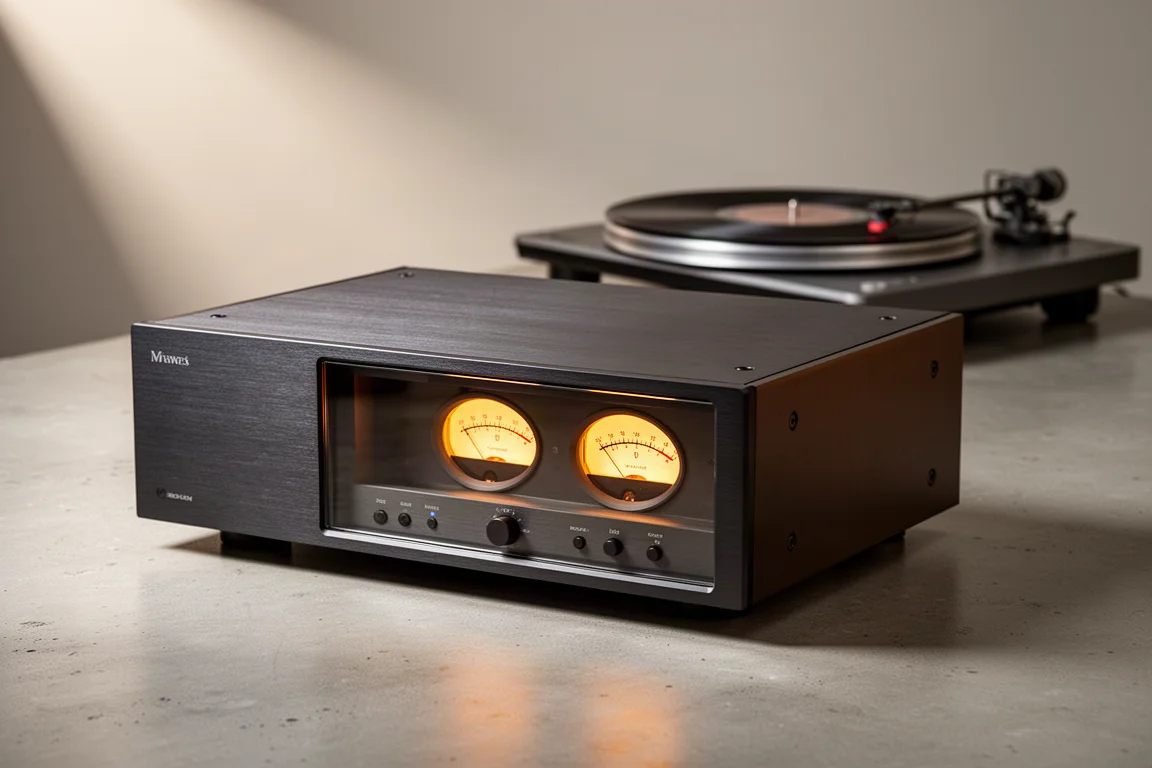
Advance Paris A10 Classic Review: Vintage Looks and a Lively, Punchy Sound
The Advance Paris A10 Classic pairs glowing blue VU meters and a tube stage with one of the widest input sets on any integrated amplifier. Here is what it does well and what to weigh before spending $2,500.
Integrated Amplifiers
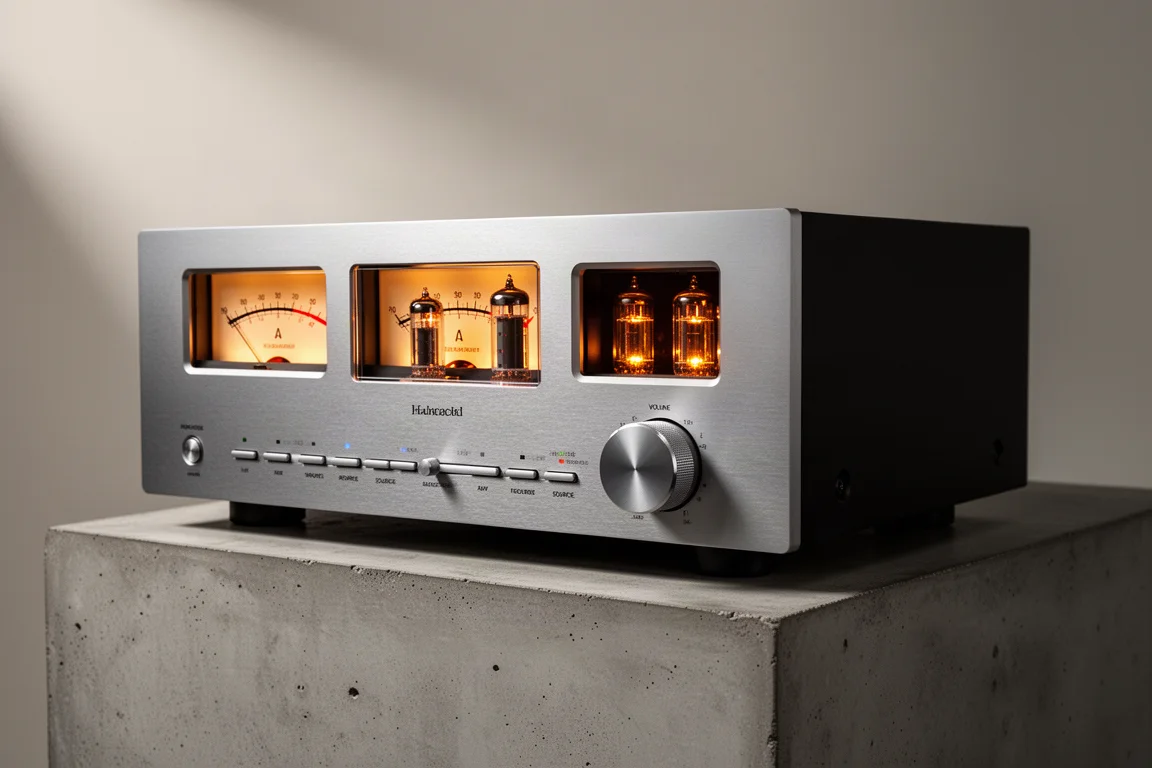
Advance Paris A12 Apex Review: A Modern Integrated Amplifier With Vintage Character
A dual mono integrated amplifier with 180 watts per channel, a tube front end, VU meters, and a connectivity list that covers turntables, televisions, computers, and headphones.
Integrated Amplifiers
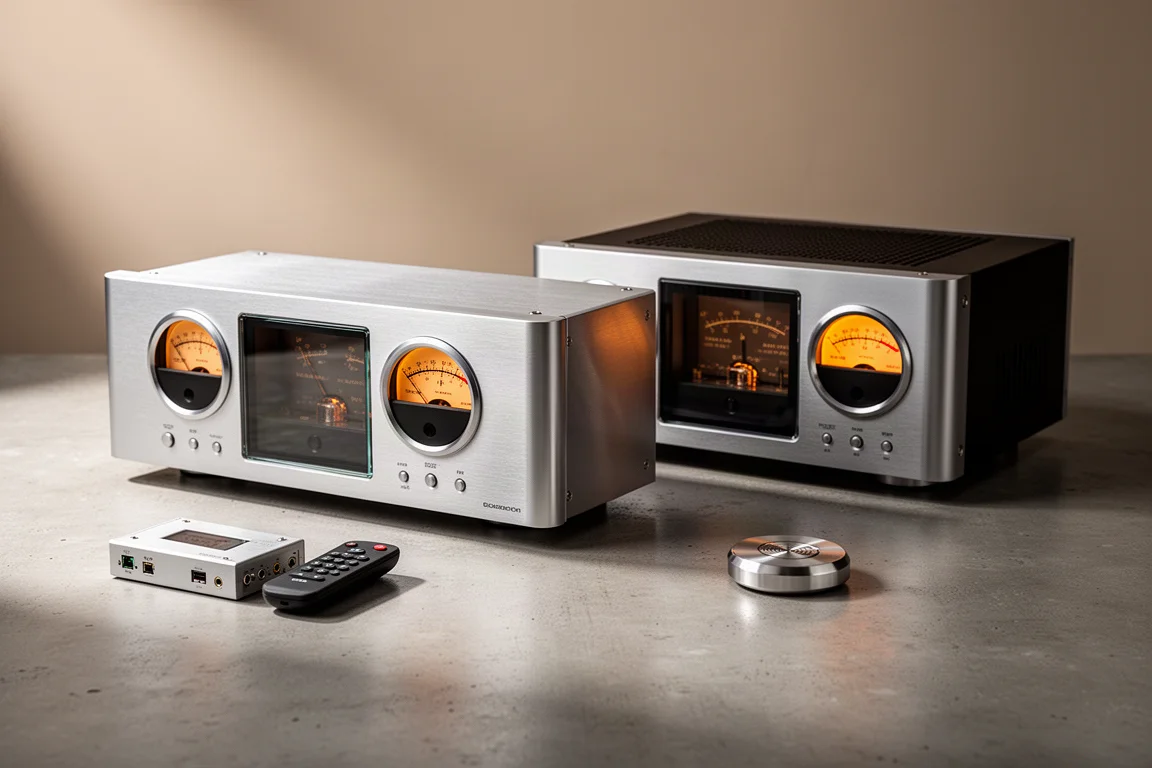
Advance Paris Nova Range Review: AI130, AI190 and Modular Upgrades
A practical look at the Advance Paris Nova range, including the AI130 and AI190 integrated amplifiers and the modular streaming, Bluetooth and remote accessories that expand them.