Integrated Amplifiers
Musical Fidelity B1 XI vs Emotiva BasX TA1: Two Integrated Amplifiers Compared
A practical look at the Musical Fidelity B1 XI and the Emotiva BasX TA1, covering power delivery, connectivity, phono and digital inputs, and the speakers that suit each one.
Introduction
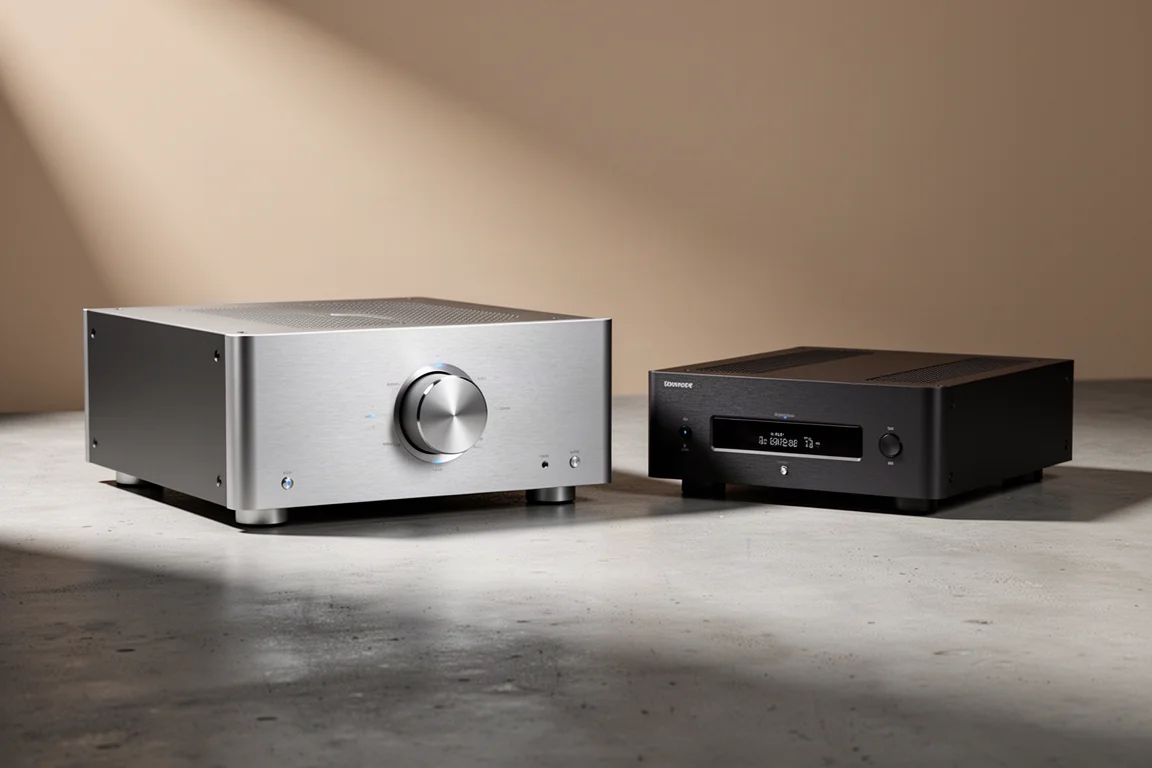
Musical Fidelity has been building hi-fi equipment since 1982, and the B1 badge itself stretches back to the 1990s, so the B1 XI arrives with real heritage behind it. The brand’s identity was shaped in part by the original A1, a 25 watt class A amplifier that remains one of its best known designs. The B1 XI continues that lineage as a class AB integrated amplifier rated at 60 watts per channel into 8 ohms and 85 watts per channel into 4 ohms, with enough current delivery to reach 105 watts per channel into 2 ohm loads. That last figure matters more than it first appears. Very few integrated amplifiers in this price class can drive impedances that low, and it points to a power supply with genuine reserves.
Pricing is $879 in the United States and $1,229 in Canada. This guide covers what the B1 XI does well, how it behaves with vinyl and digital sources, which speakers suit it, and how it stacks up against the Emotiva BasX TA1, a second integrated amplifier that takes a warmer, softer approach to the same job.
What to Look For in an Integrated Amplifier
Current delivery is the specification that separates an adequate integrated amplifier from a confident one. A rating of 60 watts into 8 ohms tells you relatively little on its own. What matters is whether the amplifier keeps delivering as speaker impedance drops. A design that reaches 105 watts into 2 ohms is built to stay composed with speakers whose impedance dips low, and it will generally sound more assured when the music gets loud.
Connectivity is the second consideration, because an integrated amplifier usually becomes the hub of a system. A moving magnet phono stage covers vinyl without extra boxes. Line level inputs handle a CD transport or a streamer. Coaxial and optical digital inputs, Bluetooth, and an HDMI ARC connection let you route television sound through the same system. A front-panel headphone jack and an auxiliary stereo input add convenience for late-night listening and quick sources.
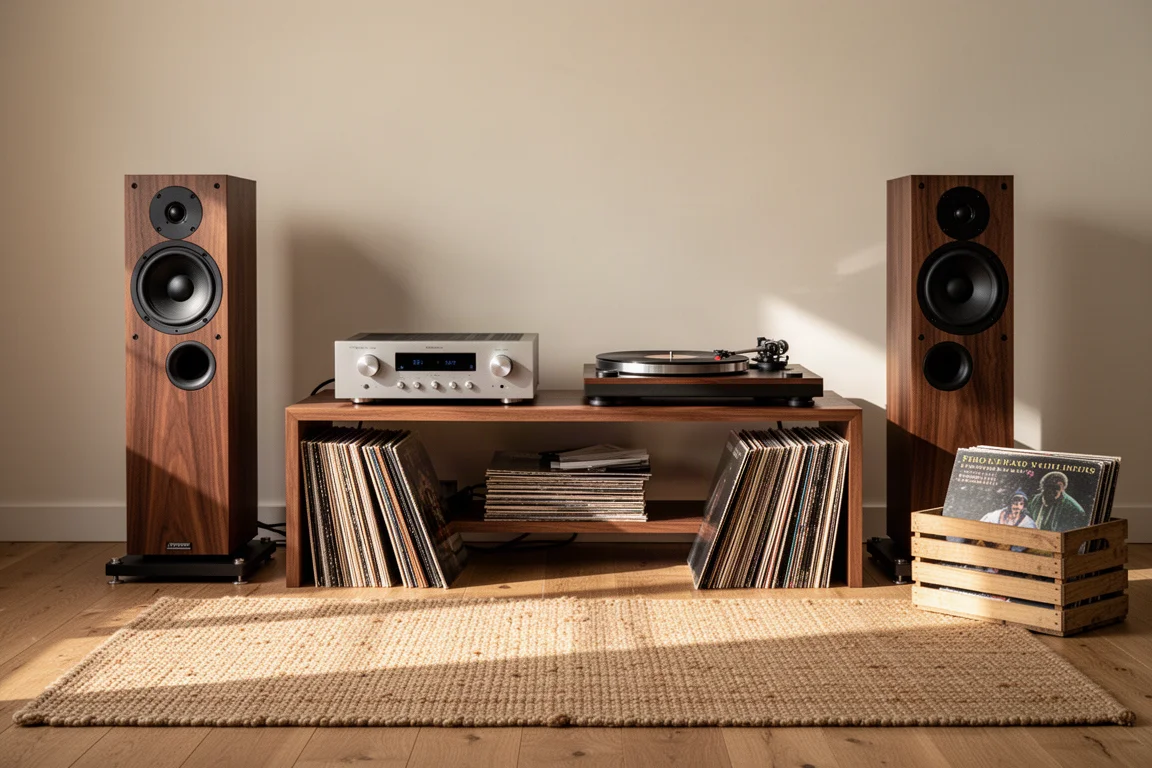
Warranty and physical design deserve attention too. Coverage of up to five years is unusually generous in this category and says something about how the manufacturer views the build. On the usability side, the volume control should feel substantial, input switching should be obvious, and the remote should be pleasant enough to live with day to day. Tone controls are a personal matter: some listeners want bass and treble adjustment available, and others prefer a fixed, uncoloured signal path.
Finally, consider tonality rather than raw power alone. Two amplifiers with similar specifications can sound quite different, one neutral and transparent, the other warm and relaxed. Neither approach is automatically better. The right choice depends on the speakers you own and the sound you enjoy.
Musical Fidelity B1 XI: Design, Power, and Connectivity
The B1 XI is a class AB integrated amplifier with a specification sheet that reads like a considerably more expensive component. Beyond the 60 watt and 85 watt ratings, its ability to deliver up to 105 watts per channel into 2 ohm loads marks it out as a high current design, and the power supply is substantial for the price. In practical terms, that means it can take on speakers that would trouble amplifiers with less headroom.
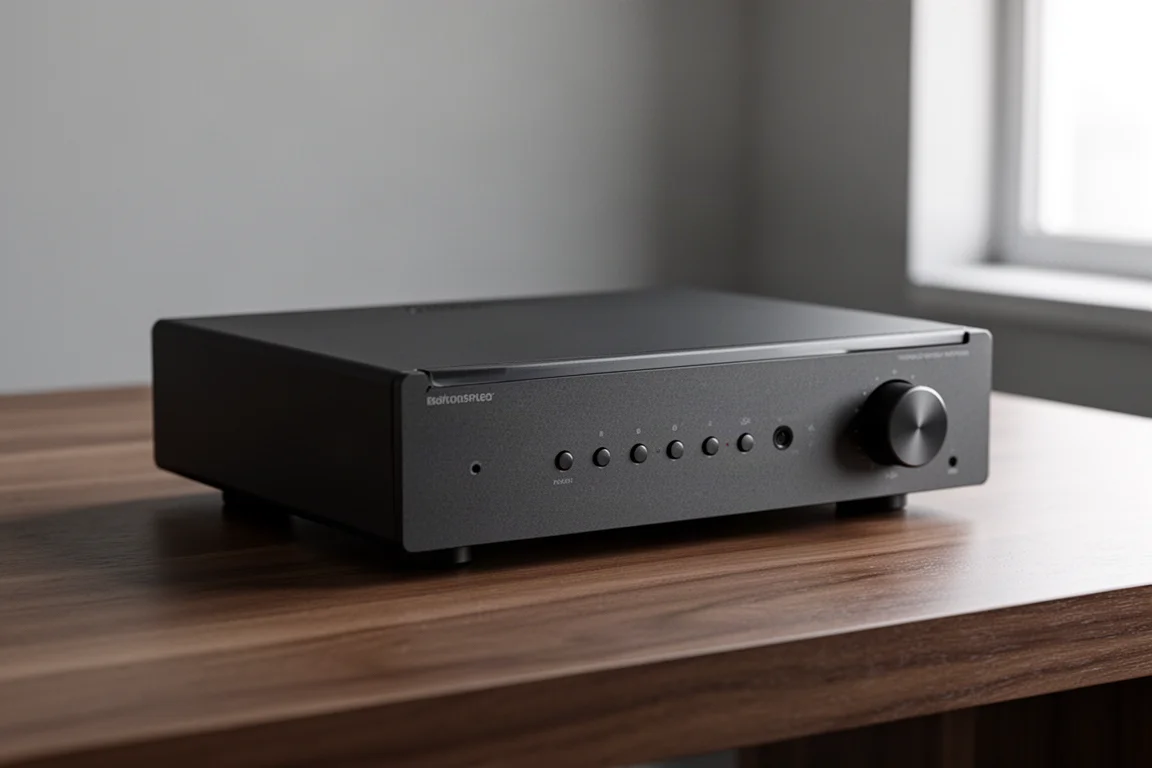
The connectivity suite is unusually complete for the money. There is a moving magnet phono input, three pairs of RCA line level inputs, and a further line level input on the front panel in the form of a 3.5 mm stereo jack. Also on the front is a 6.3 mm headphone jack. On the digital side, the amplifier offers coaxial and optical inputs, Bluetooth, and an HDMI ARC input, so television sound can run through the same system without additional hardware.
Musical Fidelity backs the amplifier with warranty coverage of up to five years, which is unusually generous for an integrated amplifier in this price class and reflects confidence in the design.
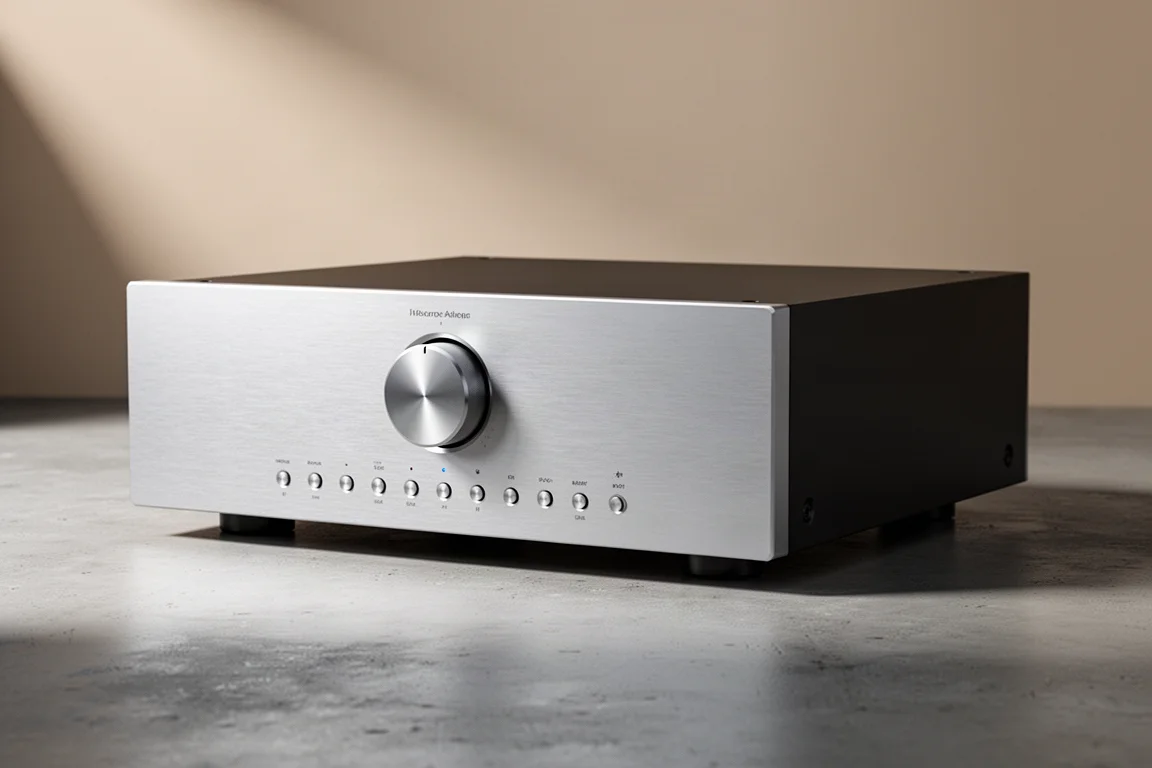
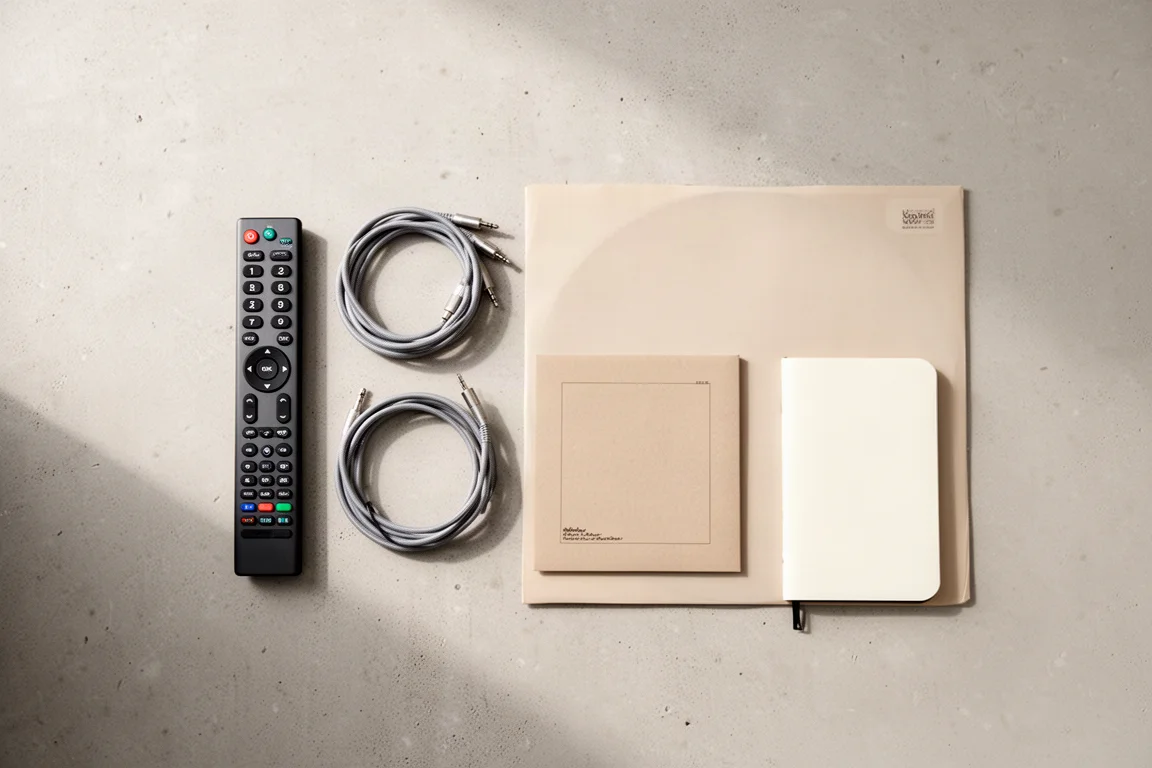
Two points are worth flagging before buying. The remote control is plastic and perfectly functional, but it does not feel special in the hand, which sits oddly against the quality of the amplifier itself. And there are no tone controls, so there is no bass or treble adjustment to nudge the tonal balance. The large central volume knob, by contrast, has excellent feel, and the design follows an aesthetic the brand has refined over many years.
How the B1 XI Sounds in Real Systems
Tonally, the B1 XI leans neutral. It sounds clear and transparent rather than rich or sweetened, and it holds that character across different speakers. With a pair of Zu Audio Dirty Weekend 6 floorstanders, made in the United States with prices starting around $1,600 per pair, the combination was the standout of the group: lively, rhythmic and genuinely fun, with drums in particular sounding energetic and immediate.
A Sound Artist LS3/5A clone, a compact stand-mount with real rosewood veneer at $570 per pair, traded power and scale for intimacy. It did not have the force of the floorstander, but older vocal recordings in particular came across with a strong sense of presence. The KEF LS50 Meta sat between the two, sounding more grown up and more complete.
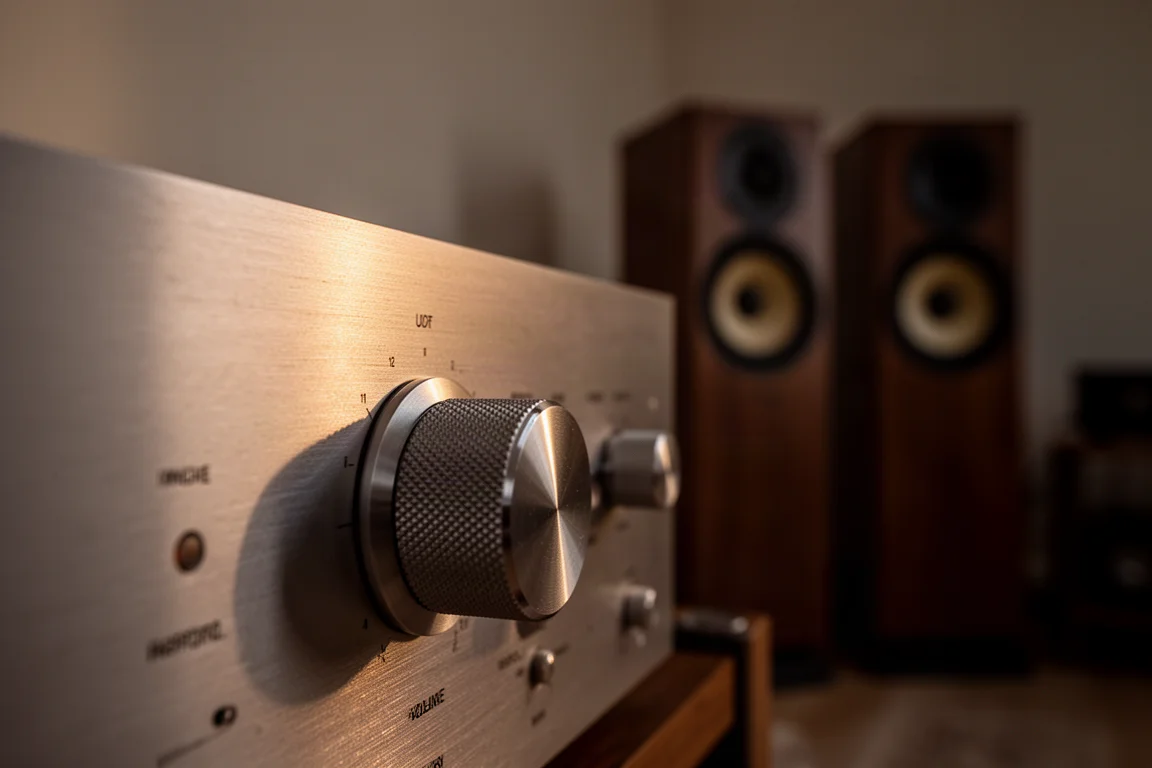
The amplifier clearly enjoys playing loud. Listening sessions ran in the high 80s to low 90 dB range and the B1 XI never sounded strained or short of breath. Anyone judging it by its 60 watt rating alone is likely to underestimate what it can do, because the current delivery is doing the heavy lifting. It also responds strongly to speaker choice: a lively floorstander gets the most out of it, while compact stand-mounts trade weight and impact for intimacy.
Emotiva BasX TA1: A Warmer Alternative
The Emotiva BasX TA1 is also an integrated amplifier, and it includes an internal DAC, which makes it a direct alternative for anyone who wants a single box handling both amplification and digital conversion. Comparing the two using their internal converters, the differences were easy to hear.
The B1 XI is the more neutral of the pair. It is clearer and more transparent, with a firmer grip on detail. The BasX TA1 is softer, warmer and more mellow by comparison. The gap is noticeable rather than enormous, and both amplifiers sound good. They simply pull in different directions.
In practice, the BasX TA1 makes sense for listeners who find a strictly neutral presentation a little cool and would rather have a gentler, more relaxed tonal balance. The B1 XI suits listeners who want the cleanest window on the recording and who value its ability to drive low impedance speakers without complaint.
Vinyl and Digital Sources on the B1 XI
The built-in moving magnet phono stage is perfectly adequate, and importantly it is quiet, with no hiss or hum to distract from the music. Adding a $150 outboard phono preamp brought a modest but real improvement, which makes it a sensible upgrade path rather than a necessary purchase. Anyone building a vinyl system around the B1 XI can start with the internal stage and move up later.

The digital side is where expectations need calibrating. Through the coaxial input, CD playback sounded slightly lean and a touch cooler than neutral, and with no tone controls there is no way to nudge that balance. It remains perfectly serviceable, but it is not the amplifier at its best. A dedicated external DAC, around $699 in the case tested, revealed how much more the amplifying circuitry is capable of, so listeners who live entirely in the digital domain should factor an external converter into the budget. The HDMI ARC input, meanwhile, is a genuine convenience for anyone who wants television sound routed through the hi-fi.
System Matching and Speaker Pairings
Three very different speakers were used with the B1 XI: a Zu Audio Dirty Weekend 6 floorstander, a Sound Artist LS3/5A clone, and the KEF LS50 Meta. The pattern that emerged is straightforward. The amplifier rewards speakers with real dynamic capability, and its stability into 2 ohm loads reduces the risk with demanding designs. Compact stand-mounts still sound clean and engaging, but they will not deliver the same weight and impact as a floorstander.
Source matching matters just as much. A turntable can connect through the phono stage, a CD transport through the coaxial input, and a television through HDMI ARC, all on one amplifier. That flexibility is the point of an integrated design with this much connectivity, and it is worth mapping your own sources against the input list before deciding.
Buying Advice: Which Amplifier Fits Your System
Choose the Musical Fidelity B1 XI if you want a neutral, transparent amplifier with enough current to drive low impedance speakers, if you need a moving magnet phono stage alongside coaxial, optical, Bluetooth and HDMI ARC inputs, and if a warranty of up to five years matters to you. Two caveats are worth accepting up front: the plastic remote does not match the quality of the chassis, and the absence of tone controls means the tonal balance is fixed.
Choose the Emotiva BasX TA1 if your priority is a softer, warmer and more mellow presentation. It is a capable integrated amplifier in its own right, and the difference between the two is one of character rather than competence.
In both cases, the deciding factor should be your speakers and the sound you enjoy. If your speakers dip to low impedances or you like to listen at volume, the B1 XI’s current delivery is the safer bet. If you prefer a gentler tonal balance, the BasX TA1 delivers it.
Conclusion
The Musical Fidelity B1 XI is a strong argument for looking past wattage ratings. Its stability into 2 ohm loads, broad connectivity and quiet phono stage make it a flexible centrepiece for a system, and its neutral, transparent character thrives when the volume goes up. The Emotiva BasX TA1 remains a worthwhile alternative for listeners who prefer a warmer, gentler balance. Match either amplifier to speakers that suit your room and your listening habits, and the system will reward the decision.
Further reading
Related Reviews
Integrated Amplifiers
Advance Paris A10 Classic Review: Vintage Looks and a Lively, Punchy Sound
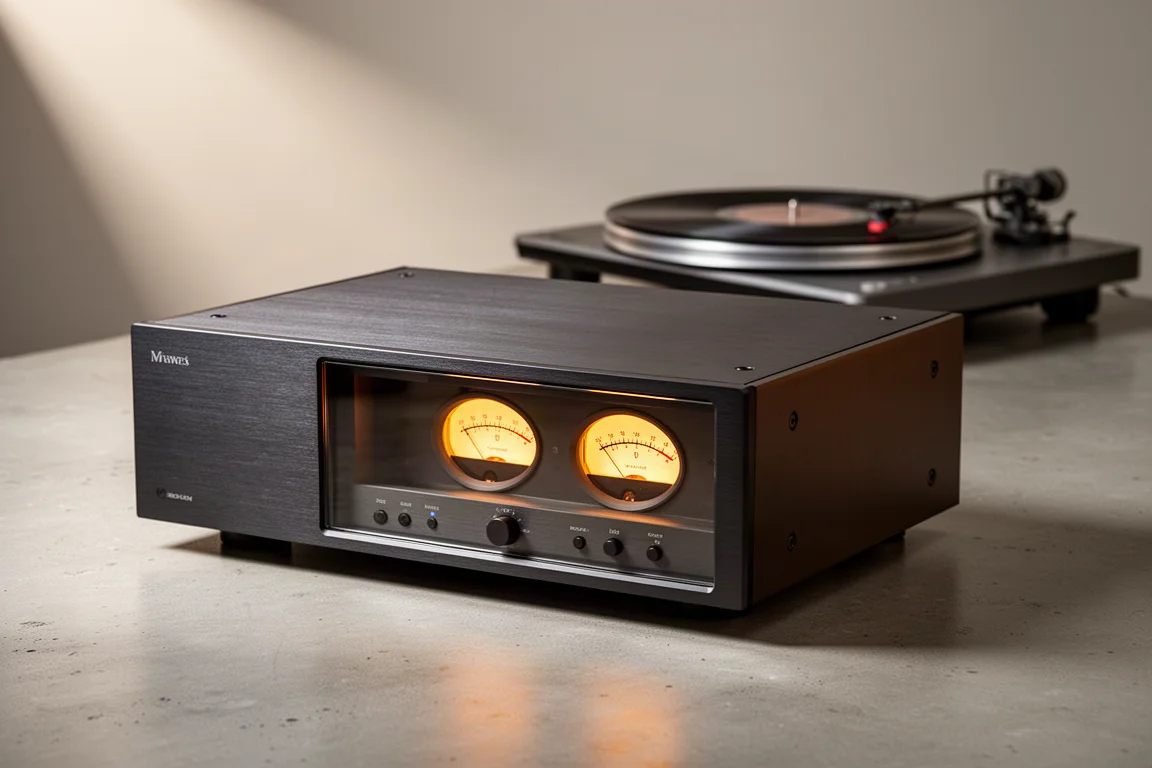
The Advance Paris A10 Classic pairs glowing blue VU meters and a tube stage with one of the widest input sets on any integrated amplifier. Here is what it does well and what to weigh before spending $2,500.
Integrated Amplifiers
Advance Paris A12 Apex Review: A Modern Integrated Amplifier With Vintage Character
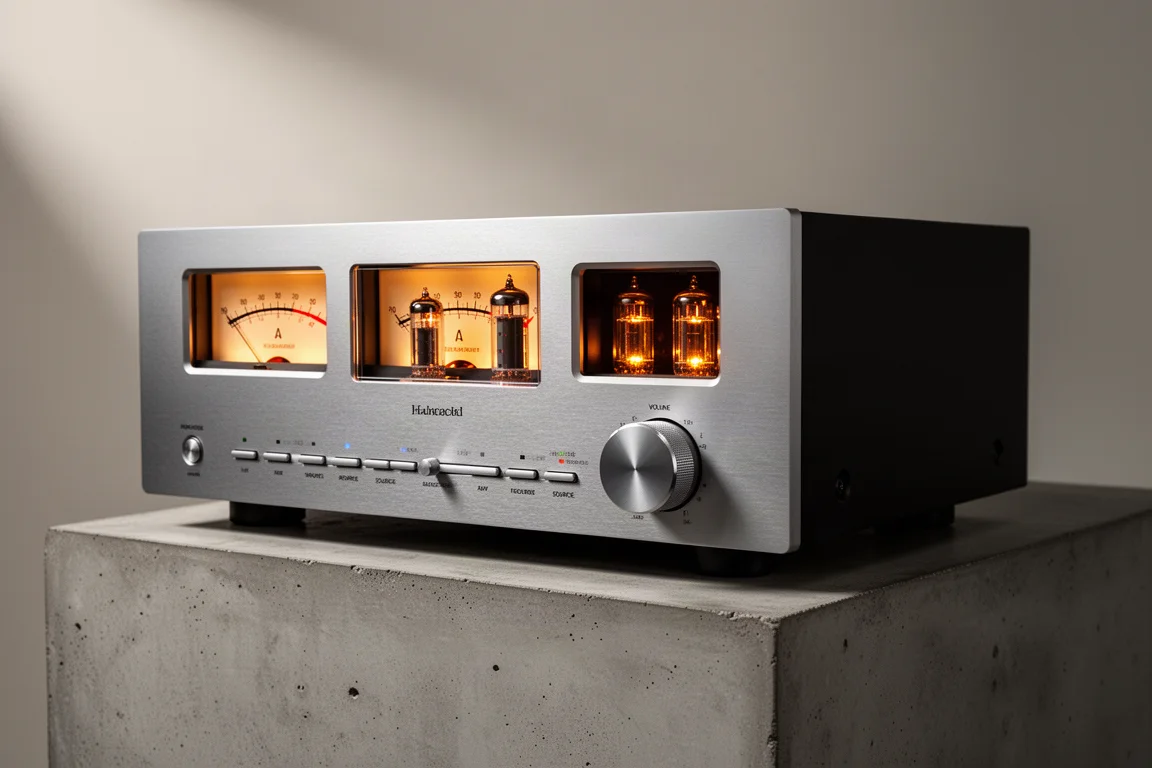
A dual mono integrated amplifier with 180 watts per channel, a tube front end, VU meters, and a connectivity list that covers turntables, televisions, computers, and headphones.
Integrated Amplifiers
Advance Paris Nova Range Review: AI130, AI190 and Modular Upgrades
A practical look at the Advance Paris Nova range, including the AI130 and AI190 integrated amplifiers and the modular streaming, Bluetooth and remote accessories that expand them.