Hi-Fi Amplifiers
Musical Fidelity A1 vs Marantz Stereo 70s vs NAD C3050: Three Integrated Amplifiers Compared
Three integrated amplifiers, three very different philosophies: a 25 watt Class A remake, a streaming Class AB all-rounder, and a modern Class D design with room correction.
Introduction
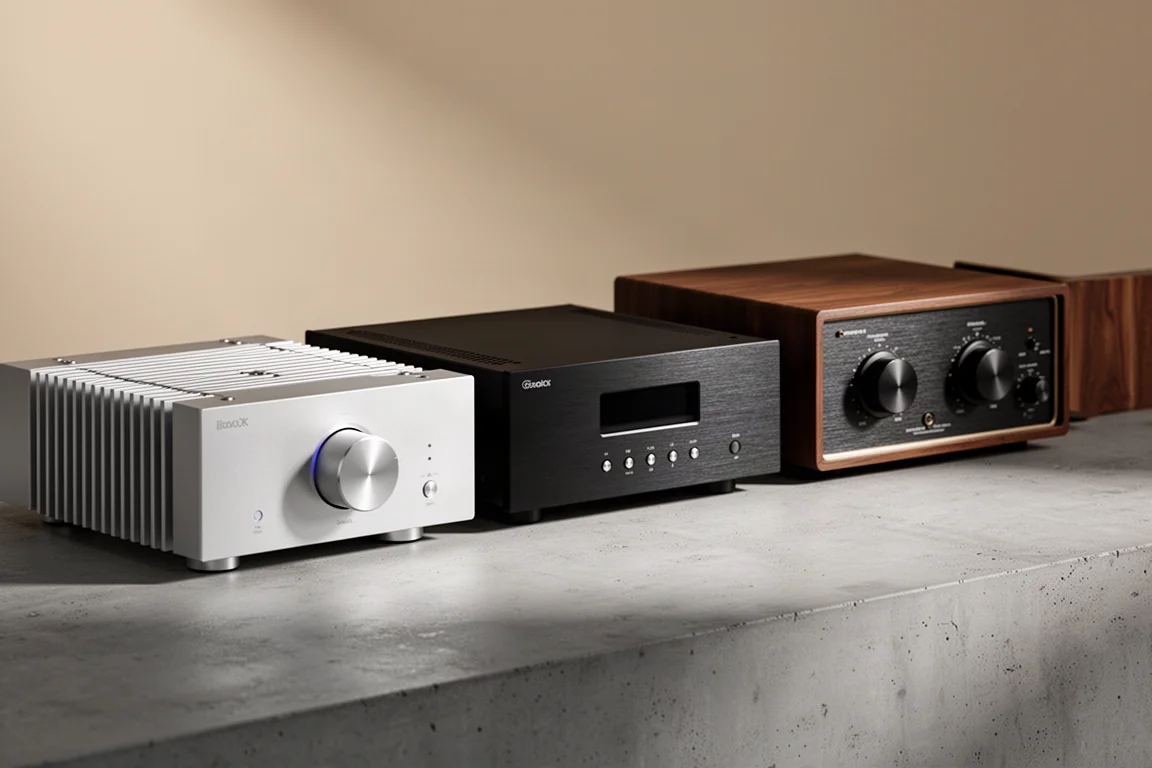
Integrated amplifiers have become one of the more interesting corners of hi-fi, because the routes available to a designer are now genuinely different. One path chases purity with a simple analog circuit. Another packs a streamer and a DAC into a single chassis. A third leans on modern Class D amplification and room correction to solve problems in software rather than in hardware.
The Musical Fidelity A1 takes the first path. It is a remake of a 1985 design, rated at just 25 watts per channel, and it deliberately leaves out a DAC and a network streamer. The Marantz Stereo 70s and the NAD C3050 take the other paths: both add streaming, both add a DAC, and both offer substantially more rated power.
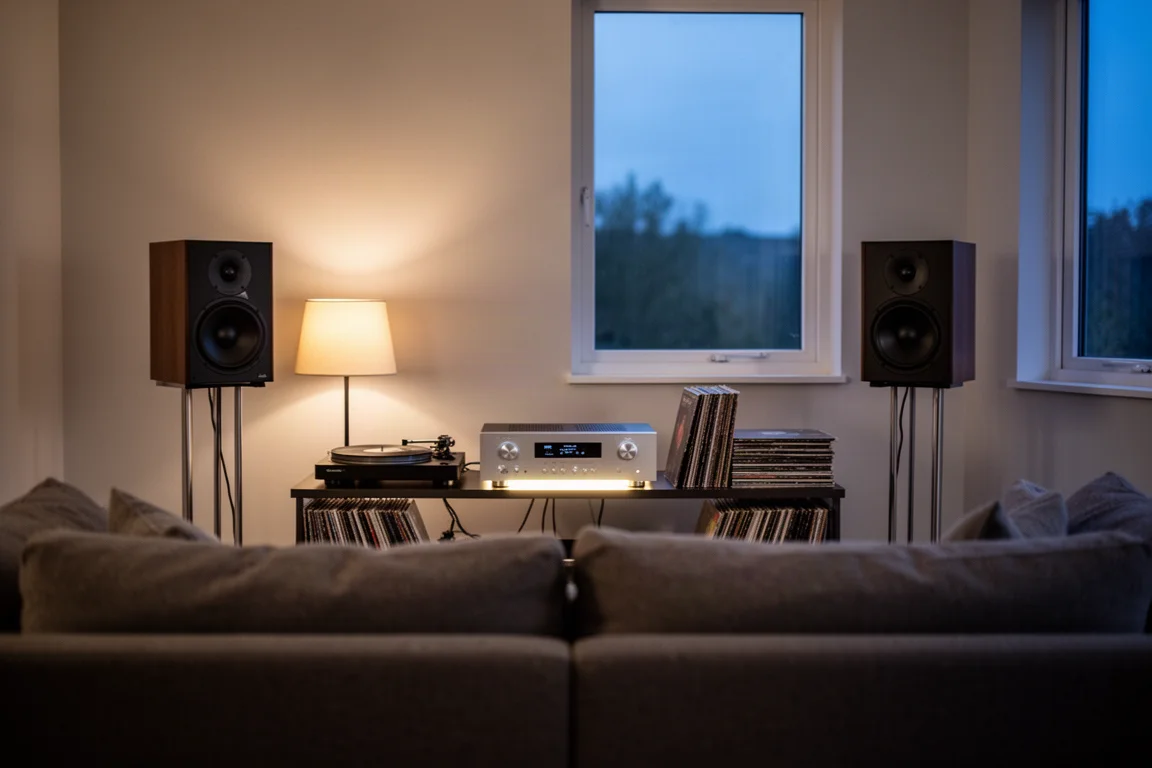
The three amplifiers also differ in price, in the cartridges they accept, and in how much heat they release into a room. This comparison looks at what each one does well, where each one asks for a compromise, and which type of system each one suits.
What Matters in a Modern Integrated Amplifier
Rated power is the first number most buyers look at, but it is a poor predictor of how an amplifier actually behaves. The A1’s 25 watts per channel drove stand-mounted speakers in a 6 by 5 metre room without strain, and independent measurements have put its real output closer to 34 watts per channel. Efficient speakers make life easier, but a modest rating does not automatically mean a modest sound.
Feature count matters just as much, and it cuts both ways. A built-in streamer, a DAC and an HDMI output remove boxes from the rack. An all-analog signal path removes the temptation to keep upgrading the digital side, because there is nothing digital inside to upgrade.
Then there is the question of ownership. Class A amplifiers run hot and consume power continuously. Class AB and Class D designs run cooler and are easier to leave switched on. Phono compatibility is another practical filter, since some amplifiers accept moving coil cartridges and others stop at moving magnet. Room correction can be genuinely useful in an awkward room, but it only exists on some designs.
Musical Fidelity A1: A Class A Remake With Real Drive
The original A1 was designed by Tim de Paravicini under Musical Fidelity founder Anthony Michaelson, introduced in 1985 and discontinued roughly a decade later. A more powerful successor arrived in 2008 with an internal deck and a front-panel display, and the buying public did not take to it. Musical Fidelity has been under Austrian ownership since 2018, and the current A1 is not a carbon copy of the original.
The chassis is slightly wider than the 1985 version, and the circuit is fully discrete with dual mono power supplies. Many internal components have been upgraded for better long-term heat resistance. The volume control is now a motorised Alps RK unit, which is what makes the supplied remote possible. A three-button handset is all Musical Fidelity provides, and its simplicity is a virtue rather than a shortcoming.
On the front panel, the tape monitor toggle of the original has been replaced by a switch that bypasses the preamplifier circuits and adds 10 dB of gain. Output power has risen from 20 to 25 watts per channel. There are six analog inputs and no digital inputs at all, which reads as a deliberate design decision rather than an oversight.

In its normal mode, with the preamplifier gain in the signal path, the A1 sounds vivid and keenly present. Tone colour has real body to it, midrange dynamics radiate outward, and rhythmic drive is the amplifier’s strongest card. Direct mode, with its 10 dB drop in gain, sounds more laid-back and will suit listeners who prefer a gentler presentation. The upper treble is not as refined as a considerably more expensive all-in-one design, and the A1 offers less fine detail than that class of product. What it offers instead is more drive and a stronger sense of performance.
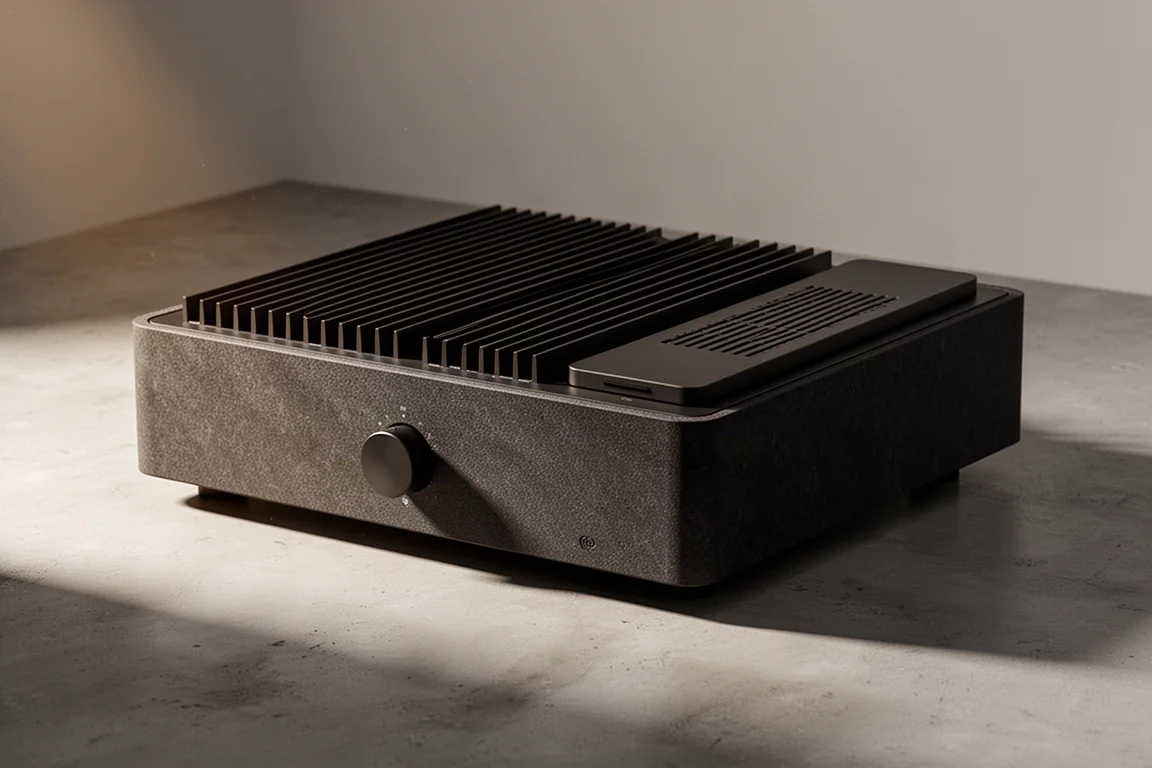
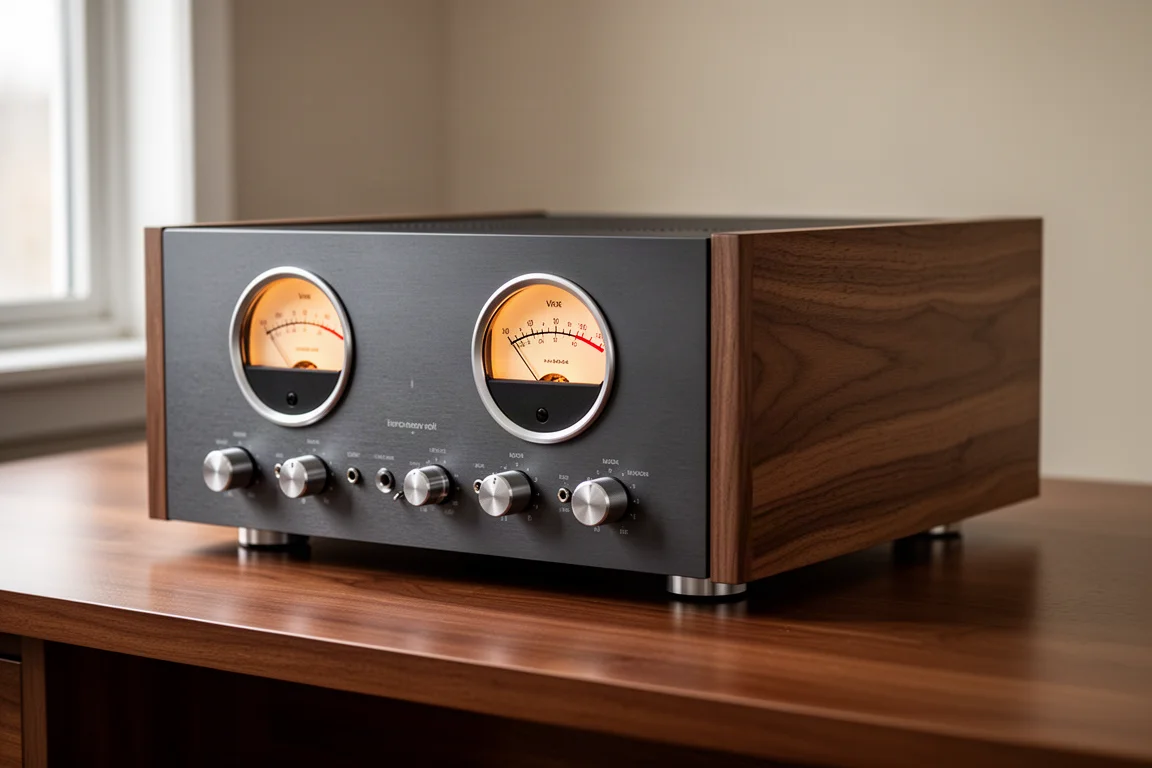
The internal current-mode phono stage handles moving magnet cartridges and will also work with moving coil cartridges where 60 dB of gain is enough. Bass control from a 25 watt Class A design exceeded expectations, and the amplifier drove lower-efficiency stand mounts without sounding strained. The trade-off is heat. Because the Class A output devices are almost always on, the ridged top plate measured around 62 degrees Celsius while playing music and around 67 degrees Celsius when idle. Nothing should be placed on top of the amplifier, and it needs to be kept out of reach of children.
Marantz Stereo 70s: Streaming, DAC and HDMI in One Box
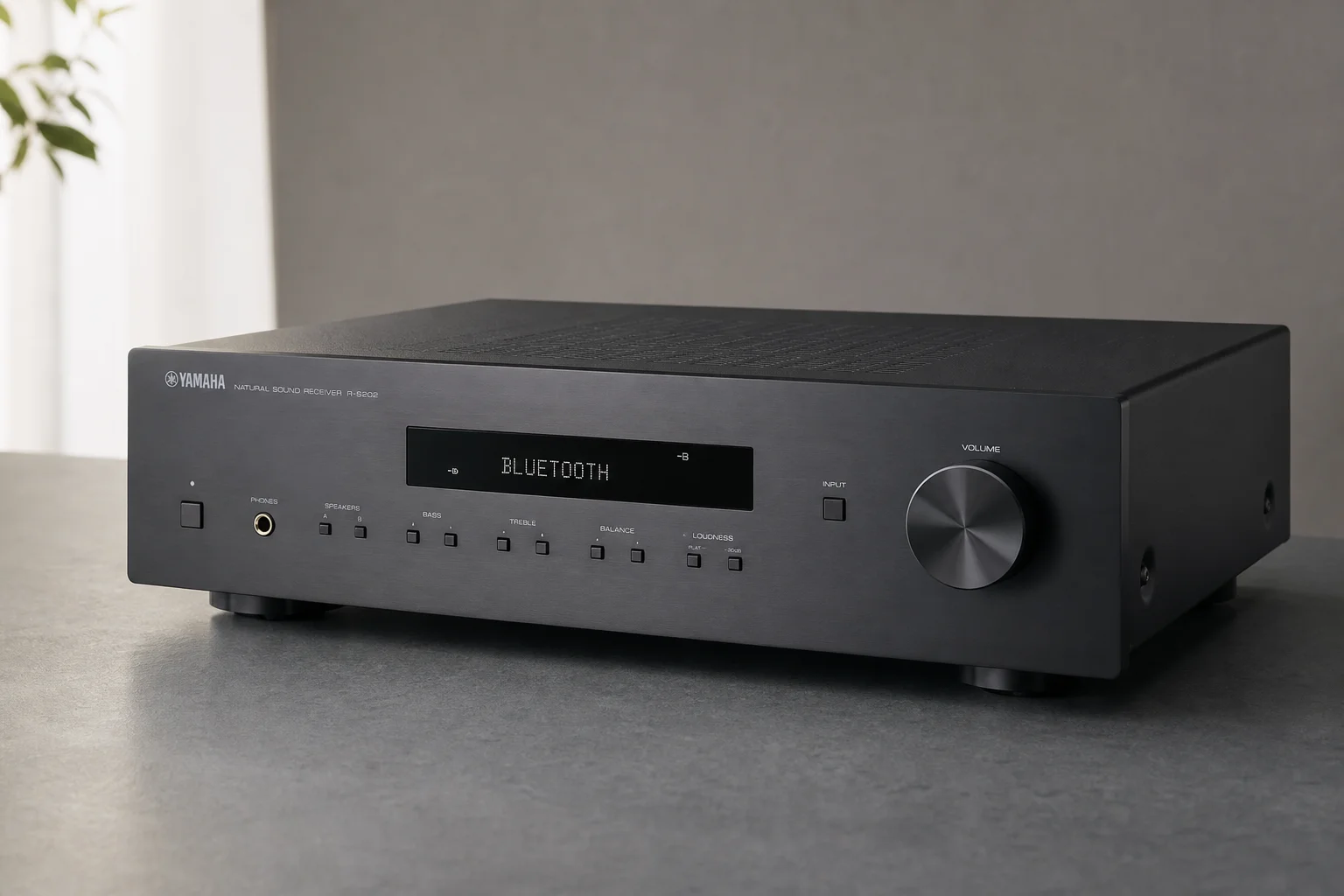
The Marantz Stereo 70s takes the opposite approach: 75 watts per channel of Class AB power, plus an internal network streamer, a DAC and an HDMI output that puts now-playing information on a television screen. At around $1,000, and often available for less, it is the most feature-complete amplifier of the three at its price.
Its phono stage is moving magnet only, which rules out moving coil cartridges. In sound, it is more refined than the A1 and slightly more transparent on dense electronic material, but it goes about its business from a more laidback disposition. Where the A1 invites the listener to reach out and touch the performance, the Marantz asks you to look but not touch.
That character will suit some systems better than others. If you want a single box that handles streaming, television audio and vinyl without extra components, the Marantz covers more ground with less clutter.
NAD C3050: Modern Class D With Room Correction
The NAD C3050 wraps a thoroughly modern amplifier in a vintage-styled chassis. Inside there is a 100 watt per channel Class D design with a network streamer, a DAC and room correction. Moving coil cartridge owners will need to look elsewhere, but the feature list is otherwise the longest here. Its price sits much closer to the A1 than to the Marantz.
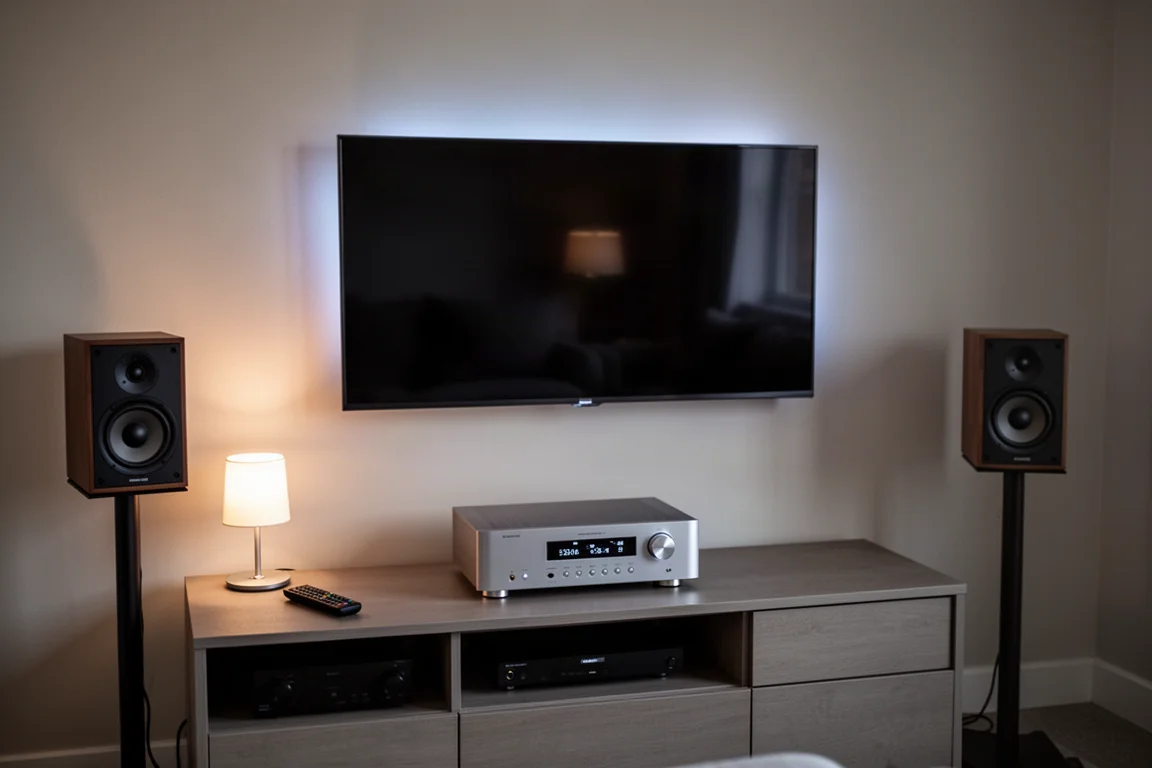
On sound, the A1 still sounds like it has more drive and more poise, and it renders more tone colour and dynamic weight on material such as Lou Reed’s Vicious or Leonard Cohen’s A Thousand Kisses Deep. The NAD holds songs slightly further away, more so than the Marantz does.
Where the NAD pulls ahead is in the fundamentals. If you want the last word in bass driver control or the widest possible sound stage, the NAD is the amplifier to choose. The A1’s driver control is not loose by any means, but 100 watts of Class D and room correction give the NAD an advantage in difficult rooms and with demanding speakers.
Heat, Power Draw and Placement: Living With Class A
The A1’s topology has one unavoidable consequence. Its Class A output devices are almost always on, so a significant share of the power it draws is lost as heat, and that heat leaves through the ribbed top plate. Idle temperatures can be higher than playing temperatures, because the energy has nowhere else to go.
In practice that means generous breathing room above and around the amplifier, nothing stacked on the top plate, and a sensible approach to switching it off when the system is not in use. Anyone watching an electricity bill, or thinking about how much energy a hi-fi system consumes over a year, should weigh that carefully before choosing this kind of design.
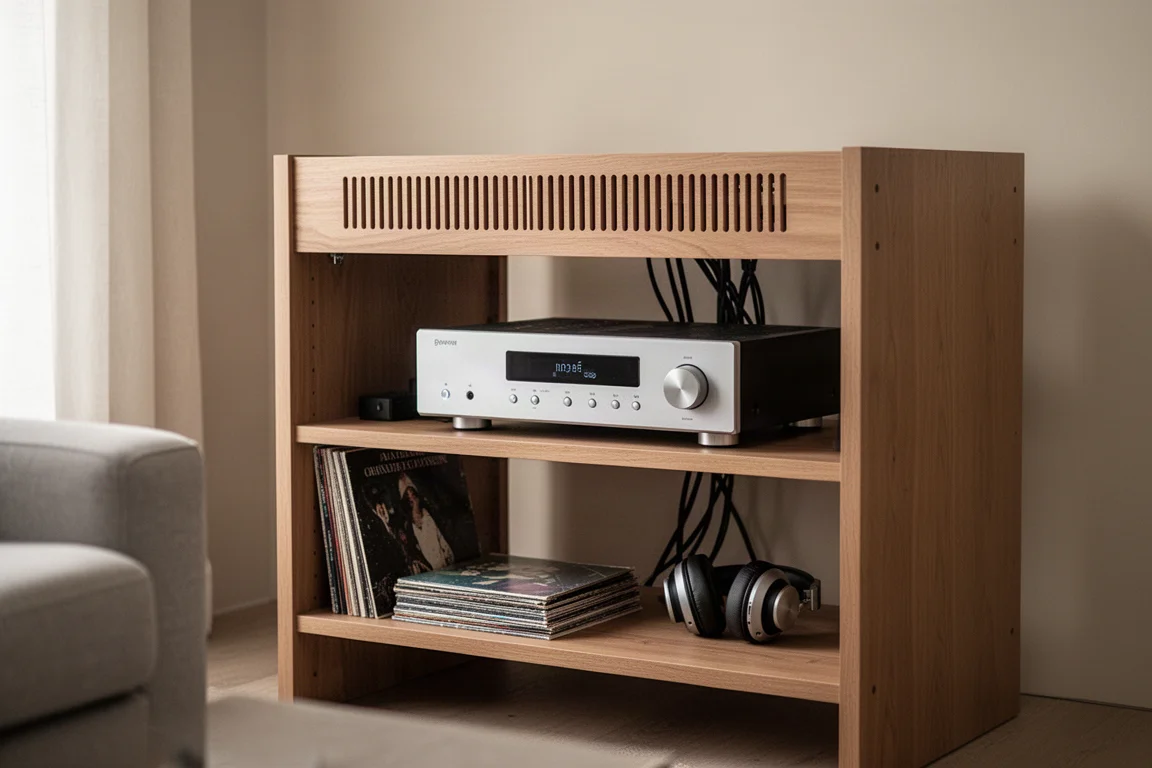
The Marantz and the NAD are easier companions here. Class AB and Class D amplifiers run cooler, which makes them simpler to leave on and simpler to place in a shared living space.
Buying Advice: Matching an Amplifier to Your Room and Speakers
Start with the speakers and the room. If you own efficient or moderately efficient stand mounts and you listen at sensible levels, the A1’s 25 watts will go further than the number suggests. If you have demanding speakers, a large room, or you want the tightest possible grip on bass, the NAD’s 100 watts of Class D power and room correction are the safer choice.
Then decide how much you want inside the box. The Marantz and the NAD both replace a streamer and a separate DAC, and the Marantz adds an HDMI output for television use. The A1 replaces none of that, and it does not try to.
Cartridge compatibility is the next filter. Moving coil owners should look at the A1, provided 60 dB of gain is sufficient for their cartridge. Moving magnet owners can choose any of the three.
Finally, think about heat and habit. If the amplifier lives in a closed cabinet, or if the household includes young children, a Class A design demands more care than a Class D one. If the amplifier is switched off between sessions and sits in open air, the A1’s warmth is simply part of its character.
Conclusion
The Musical Fidelity A1 is the specialist of the group. It gives up streaming, digital inputs and cool running in exchange for a vivid, dynamically driven Class A sound that is hard to find elsewhere, and it asks for careful placement in return. The Marantz Stereo 70s is the all-rounder, combining streaming, a DAC and HDMI with a refined, relaxed presentation. The NAD C3050 is the modern powerhouse, with high power, room correction and the widest sound stage of the three. Match the amplifier to your speakers, your cartridge and your tolerance for heat, and any of the three will serve a well-chosen system.
Further reading
Related Reviews
Hi-Fi Amplifiers
Accuphase E-280 Review: Entry-Level Accuphase With Flagship Attention to Detail
A close look at the Accuphase E-280 integrated amplifier, covering its champagne build, AAVA volume control, sound quality, and the speakers and sources that suit it best.
Hi-Fi Amplifiers
Advance Paris A10 Classic vs Yamaha A-S301: Two Integrated Amplifiers Compared
A practical comparison of a $350 integrated amplifier and a $2,500 reference model, covering the differences that matter and the ones that do not.
Hi-Fi Amplifiers
Affordable Chinese Amplifiers Worth Buying: Five Budget Hi-Fi Amps Compared
A practical look at five affordable amplifiers, what each one does well, and the trade-offs to weigh before you buy.