Integrated Amplifiers
Musical Fidelity A1 Review: A 25W Class A Integrated Amplifier With Real Weight
A classic class A integrated amplifier reborn: 25 watts per channel, a current mode moving coil phono stage, and a warm, muscular sound built for vinyl listeners.
Introduction
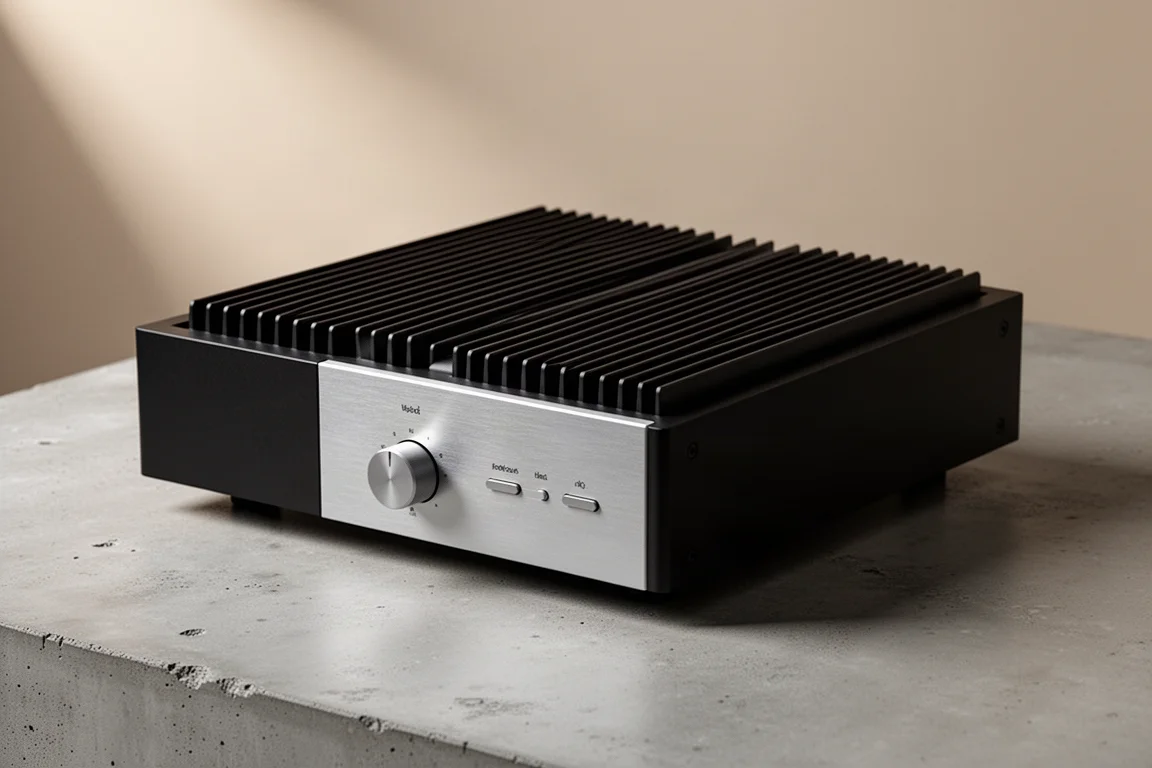
The Musical Fidelity A1 is a 25 watt per channel class A integrated amplifier, and it arrives with a genuine piece of hi-fi history attached. The original A1 appeared in the 1980s and quickly became a cult favourite: a small, distinctive amplifier that sounded far larger than its modest power rating suggested. The new version preserves that identity almost intact. It is slightly larger than the original, and its entire top plate is a ribbed heat sink, which gives it one of the most recognisable silhouettes in the category.
This is not a nostalgia exercise, though. The A1 pairs its class A output stage with a generous analogue input set, including a moving coil phono stage built around a current mode design. At $1,699, it sits in a competitive part of the market, so the real question is whether its particular sound and feature mix line up with how you actually listen.
Who This Amplifier Is For
The A1 is aimed at listeners who value weight, body, and texture over clinical neutrality. It has a bold, three-dimensional presentation that feels substantial for 25 watts, and it gives music a sense of momentum that is easy to enjoy across long listening sessions. Vinyl listeners are especially well served here, because the built-in phono stage is unusually capable for an integrated amplifier at this price.

Speaker matching is more flexible than the power rating might suggest. The A1 had no trouble driving an 87 dB, 4 ohm standmount speaker, and it also worked happily with a 97 dB, 8 ohm design. Even with the lower sensitivity speaker, there was never a sense of missing power delivery. The amplifier energised the room and kept the music feeling alive rather than strained.
If your priority is treble detail, high resolution analysis, or a fully digital system with an internal DAC, this is probably not the amplifier for you. The A1 asks you to value its particular character rather than chase absolute neutrality.
Design and Build: A Heat-Sink Classic
The A1’s most distinctive feature is its chassis. The whole top plate is a ribbed heat sink, and the design is elegant, understated, and unlike almost anything else in the category. It looks and feels like a component designed around a clear idea rather than assembled from a generic parts bin.
That heat sink is doing real work. The amplifier runs very hot to the touch, which is normal for class A operation, and it feels especially warm given its compact footprint and the limited surface area available for dissipation.
The front panel controls are plastic, but they feel good in use and, importantly, they stay cool, so you can adjust volume or switch inputs without worrying about the heat. A tiny remote control is supplied, and it covers volume up, volume down, and mute. That is the entire remote feature set, which keeps the amplifier’s analogue, hands-on character intact.
Sound Quality and Character
The A1 is rated at 25 watts per channel into 8 ohms and 36 watts per channel into 4 ohms. Those figures do not double as impedance halves, so this is not an amplifier bought for headroom bragging rights. What it delivers instead is a bold, three-dimensional, heavyweight sound that feels considerably bigger than 25 watts would normally imply.

Compared with a higher-powered separates combination of roughly four times the output, the A1 gave up some transparency, detail, and dynamic liveliness. In return, it sounded more muscular and, for lack of a better word, more analogue. The rolling rhythm and pulse of well-recorded music came through with more conviction, and the presentation carried a sweetness that made the extra transparency easy to trade away.
A comparison with a far more expensive class A power amplifier and preamplifier pairing told a similar story. The costlier combination was more neutral, but the A1 sounded richer, fuller, and gutsier. Piano had more fullness, and stand-up bass had more texture and body, which is exactly the kind of difference that matters on acoustic and jazz recordings.
One honest limitation: treble detail is not the A1’s strong suit. Listeners who prioritise high resolution and fine detail retrieval will find the presentation a little soft at the top. The amplifier’s strengths lie lower down, in weight, texture, and rhythmic drive.
Connectivity and the Phono Stage
The back panel is generous for an amplifier of this size. There are five line level inputs, a moving magnet and moving coil phono input, a tape output, and preamplifier outputs that can also be used to drive one or two subwoofers. The binding posts are plastic rather than premium hardware, but they are entirely adequate for the job.
There is no digital connectivity at all. No coaxial, no optical, and no USB input, and no internal DAC. This is an all-analogue component, so digital sources need their own converter.
On the front panel, a Direct button bypasses the preamplifier gain stage for a purer signal path. The difference it makes is subtle rather than dramatic, and it also drops the gain by roughly 10 dB.
The moving coil phono stage is the standout feature. It is a current mode design rather than the voltage mode approach used by most phono preamps, and the practical benefit is that you do not have to think about cartridge loading. You connect the leads and play. In practice it performed well with a moving coil cartridge with very low internal impedance, around 5 ohms, and also with one whose internal impedance is considerably higher, roughly 25 ohms.
Placement, Heat, and Everyday Use
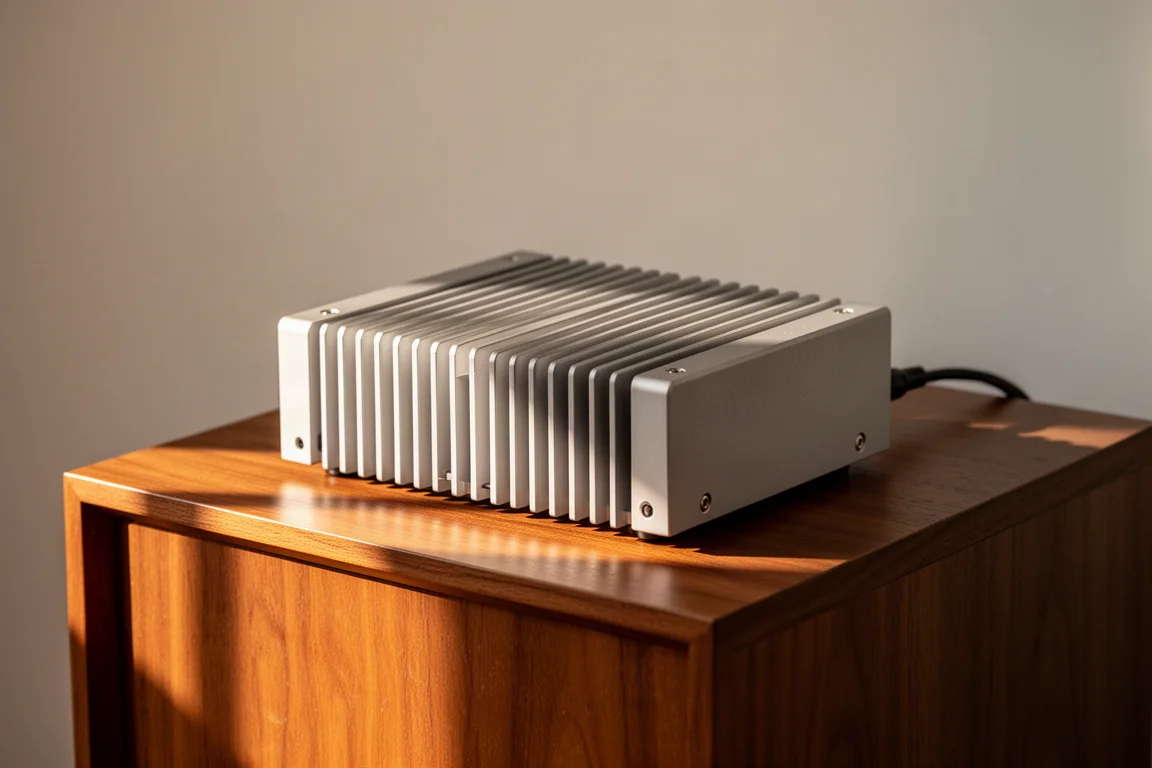
Heat is the single most important practical consideration. Because the amplifier runs so hot, it should not be placed inside a cabinet, and definitely not inside a non-ventilated one. Placing it on top of a cabinet in free air is the sensible approach, and it also happens to show off the heat sink top plate.
Day to day, the A1 is a simple amplifier to live with. The volume control, input selector, and Direct button cover the essentials, and the minimal remote handles the rest. Because there are no digital inputs, you will need a separate DAC for streaming or computer audio, which is worth factoring into your budget if you are coming from a more modern integrated amplifier.
The phono stage deserves a final mention in daily use. Having a genuinely capable moving coil input built in means one less box, one less set of interconnects, and one less power supply in the rack.
Things to Consider Before Buying
Treble detail is the clearest compromise. If your listening leans toward finely resolved high frequencies and a neutral tonal balance, the A1’s sweeter, richer character may not satisfy you.
Power output does not double as impedance drops: 36 watts into 4 ohms against 25 watts into 8 ohms. In practice it drove both an 87 dB, 4 ohm speaker and a 97 dB, 8 ohm speaker without strain, but very demanding, low sensitivity speakers remain a risk worth weighing.
There is no digital section. No DAC, no USB, no optical, no coaxial. Budget for a separate converter if you need one.
Finally, plan the placement. This amplifier needs open air around it and should not go into an enclosed cabinet.
Buying Advice
At $1,699, the A1’s case rests on character and features rather than raw specifications. The built-in moving coil phono stage is exceptional for the price, and it is rare to find an integrated amplifier in this bracket with a phono input this capable. If you play vinyl and want a single-box analogue solution, that alone makes the A1 worth a serious look.
Pair it with speakers that are reasonably efficient, or with 4 ohm designs that do not dip too low, and give it room to breathe. Richer, warmer recordings and acoustic material play to its strengths, and the sense of weight it brings to bass and rhythm is the reason to choose it over a more neutral alternative.
If you need more power, digital inputs, or a more analytical tonal balance, look elsewhere. If you want an amplifier that makes recorded music feel substantial and gives vinyl an unusually good built-in front end, the A1 delivers in a way few alternatives at this price manage.
Conclusion
The Musical Fidelity A1 is a rare thing: a modern amplifier with a clear personality. It runs hot, it keeps things analogue, and it does not chase treble detail. What it offers instead is weight, texture, and a sweetness that makes long listening sessions easy. For vinyl-focused listeners who value those qualities, it is an easy recommendation, provided you give it open air and match it sensibly.
Product link
View more details for Musical Fidelity A1
This product is mentioned in the review. Check the specifications, options, and compatibility before buying.
View more details for Musical Fidelity A1Further reading
Related Reviews
Integrated Amplifiers
Advance Paris A10 Classic Review: Vintage Looks and a Lively, Punchy Sound
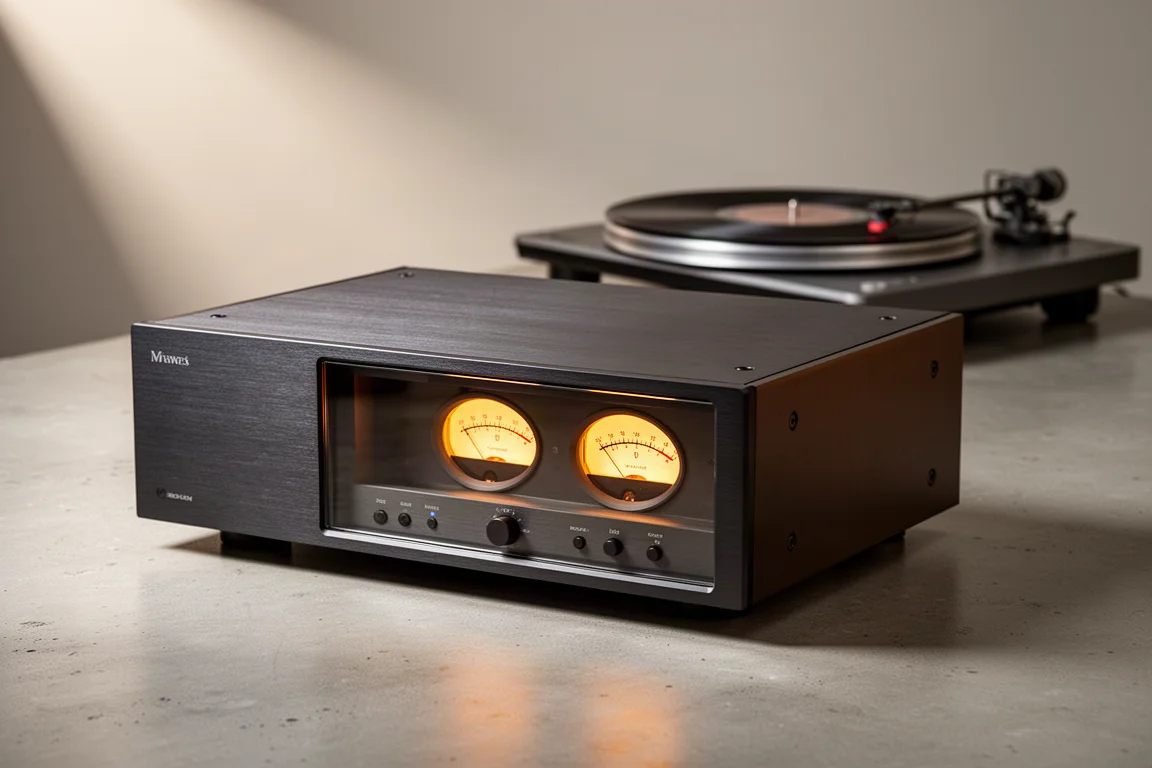
The Advance Paris A10 Classic pairs glowing blue VU meters and a tube stage with one of the widest input sets on any integrated amplifier. Here is what it does well and what to weigh before spending $2,500.
Integrated Amplifiers
Advance Paris A12 Apex Review: A Modern Integrated Amplifier With Vintage Character
A dual mono integrated amplifier with 180 watts per channel, a tube front end, VU meters, and a connectivity list that covers turntables, televisions, computers, and headphones.
Integrated Amplifiers
Advance Paris Nova Range Review: AI130, AI190 and Modular Upgrades
A practical look at the Advance Paris Nova range, including the AI130 and AI190 integrated amplifiers and the modular streaming, Bluetooth and remote accessories that expand them.