Hi-Fi Amplifiers
Musical Fidelity A1 Review: The Revived Class A Classic and Three Alternatives
The 2023 Musical Fidelity A1 revives a 1985 Tim de Paravicini Class A design with modern parts. Here is what it offers, where it asks for care, and how it compares with the Vincent SV-237 MKII, Exposure 2510, and Willsenton R8.
Introduction
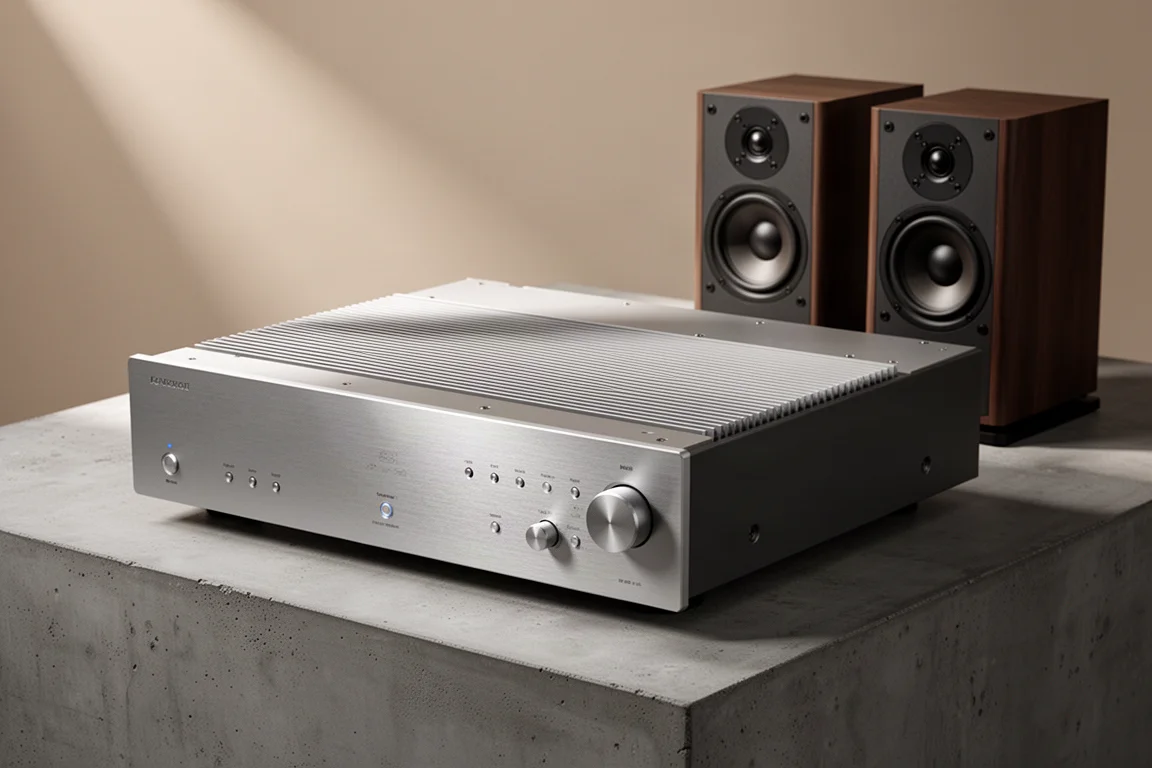
Few integrated amplifiers carry as much history as the Musical Fidelity A1. The original appeared in 1985 as a Tim de Paravicini design, and the 2023 version revives it in a full rack-width chassis at £1,499. It remains a pure Class A amplifier rated at 25 watts per channel into 8 ohms, still built around a heatsink that forms the top plate, and still aimed at listeners who value midrange texture over sheer power. This guide covers what the A1 does well, where it asks for care, and how it sits alongside three other integrated amplifiers worth knowing: the Vincent SV-237 MKII, the Exposure 2510, and the Willsenton R8.
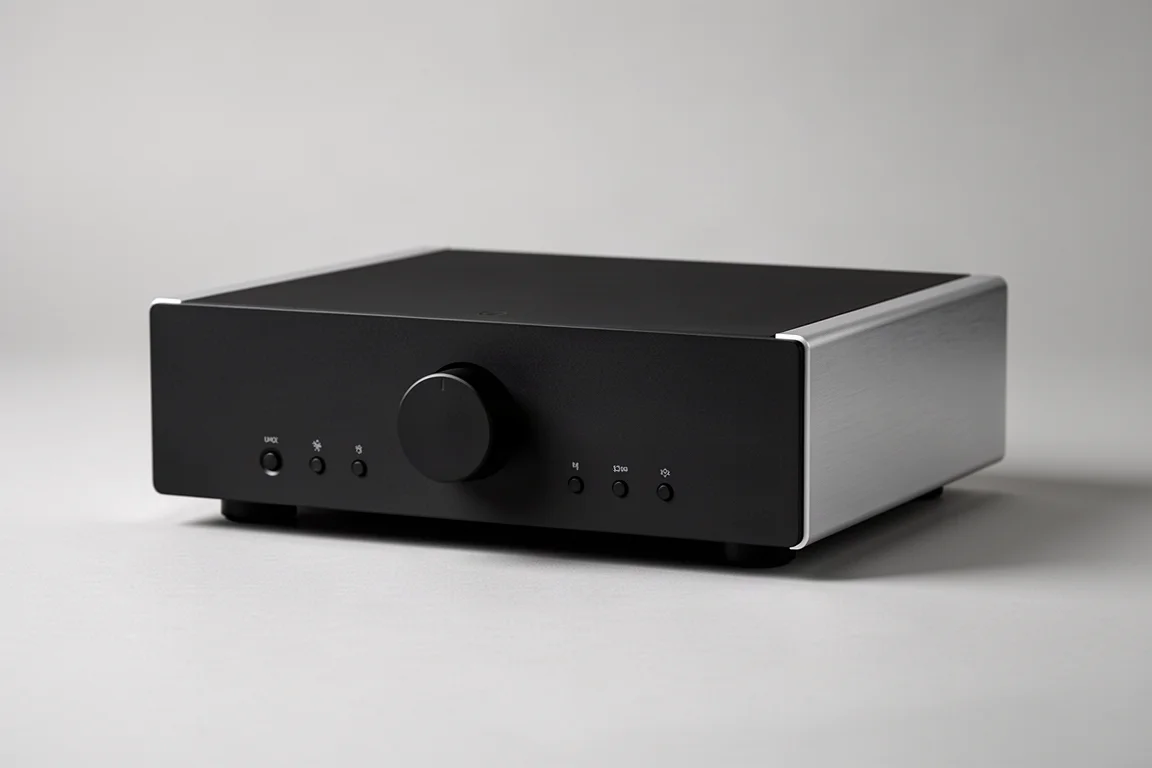
Musical Fidelity A1: The Revived Classic
The A1’s design language is almost unchanged from the original, with one deliberate difference. The surface area of the heatsink that forms the top plate has increased so the amplifier can dissipate heat more effectively, which matters because a Class A output stage draws current continuously and converts much of it into heat.
The practical details around the chassis are thoughtful. Pressing the power button brings up subtle blue illumination. The volume control has reassuring inertia and is adjusted from below, keeping hands away from the hot plate on top. The direct button does not defeat tone controls, because there are none; it reduces gain by 10 dB, which makes the volume dial less sensitive when high-sensitivity speakers are connected.
Six inputs are available, and one of them accepts turntables with moving magnet or moving coil cartridges. A button on the rear engages the phono stage, and alongside it there are four standard RCA line-level inputs, a tape loop for recording devices, a set of pre-outs for external power amplifiers or powered subwoofers, and one set of speaker binding posts. The supplied remote is a compact metal unit with large buttons for volume and muting, though input selection is not included.
Inside, a toroidal transformer of decent size uses dual secondary windings to maintain independent power supplies for the left and right channels, which lowers noise and improves channel separation, an approach that sits one step away from a dual mono layout. Eight power supply filter capacitors rated at 10,000 µF each provide 80,000 µF in total. They come from Jamicon, a mid-tier supplier, so listeners who enjoy modifying equipment may see an upgrade path, but the capacitance itself is generous for a 25-watt design. The power amplifier section uses identical left and right channels built from through-hole discrete components, and the preamplifier and input sections are discrete as well. The preamplifier circuit follows the original 1985 design, while modern components tolerate heat better than the parts used in the original, which had a reputation for heat-related failures. An Alps RK series volume control and four ST Microelectronics bipolar junction transistors mounted to an aluminium plate complete the layout.
Living With the A1: Heat, Power, and Speaker Demands
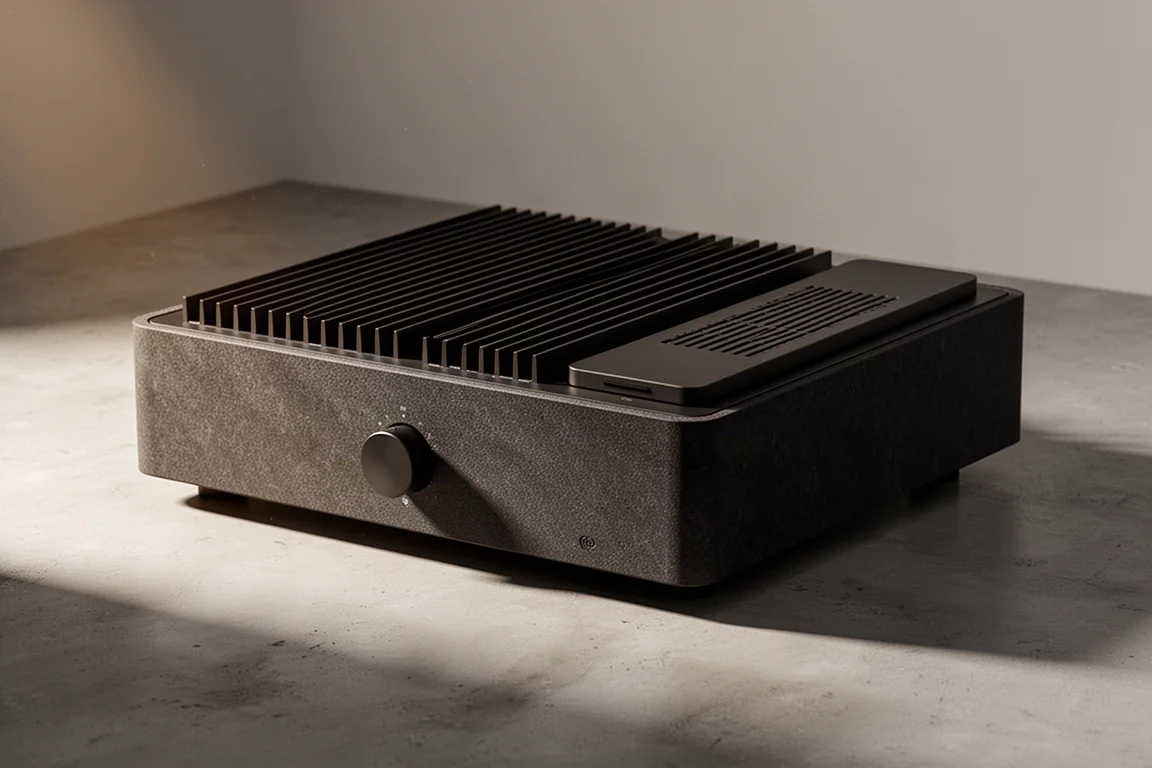
Two considerations come with the A1’s design. The first is heat: the top plate becomes uncomfortable to touch for more than a couple of seconds, so the amplifier belongs in a well-ventilated room rather than a cupboard, and listeners in small rooms or warmer climates may find that harder to manage. The second is power: at 25 watts into 8 ohms, the A1 will not drive insensitive speakers to high levels in large rooms, however capable the power supply is.
Within those limits the A1 is capable. It handled compact standmounts rated at 86 dB sensitivity with a benign load, showing clarity, drive, and control. It also drove 4-ohm horn-loaded standmounts well, combining its fullness in the vocal lower midrange and bass with their upper-midrange presence. On a harder load, bass control and soundstage depth were diminished, but the midrange character remained the highlight.
Vincent SV-237 MKII: Class A Bias With More Muscle
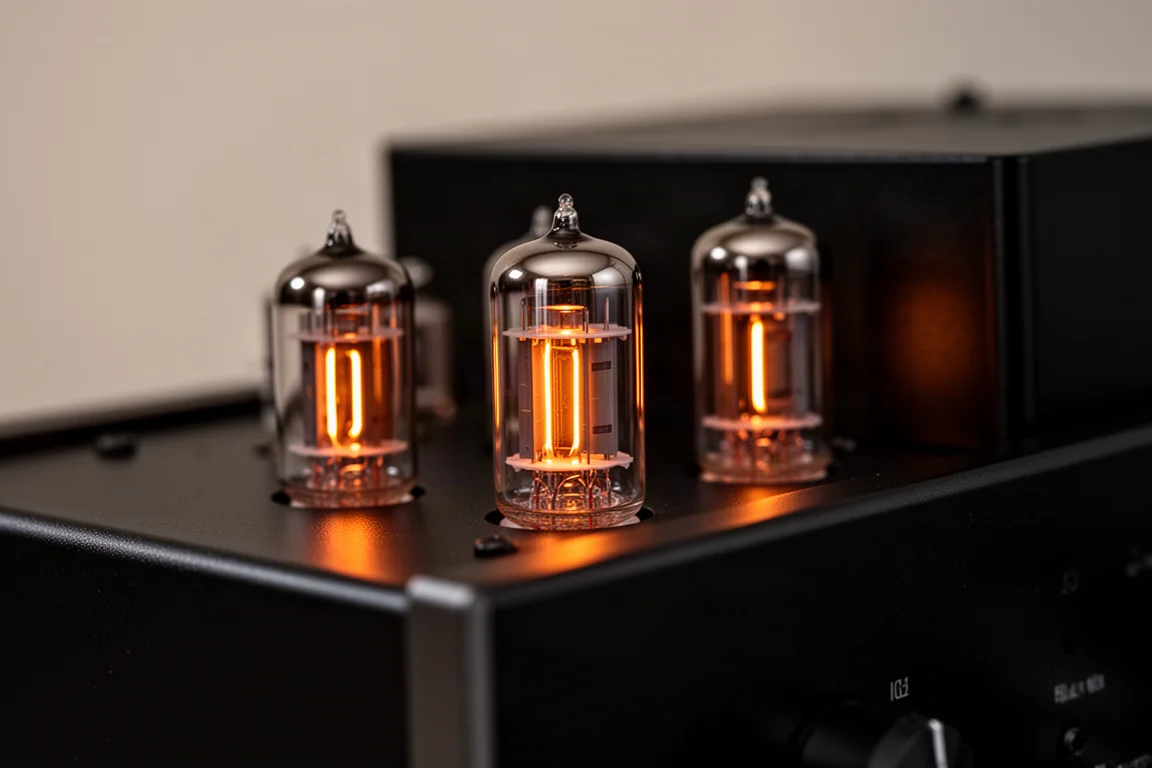
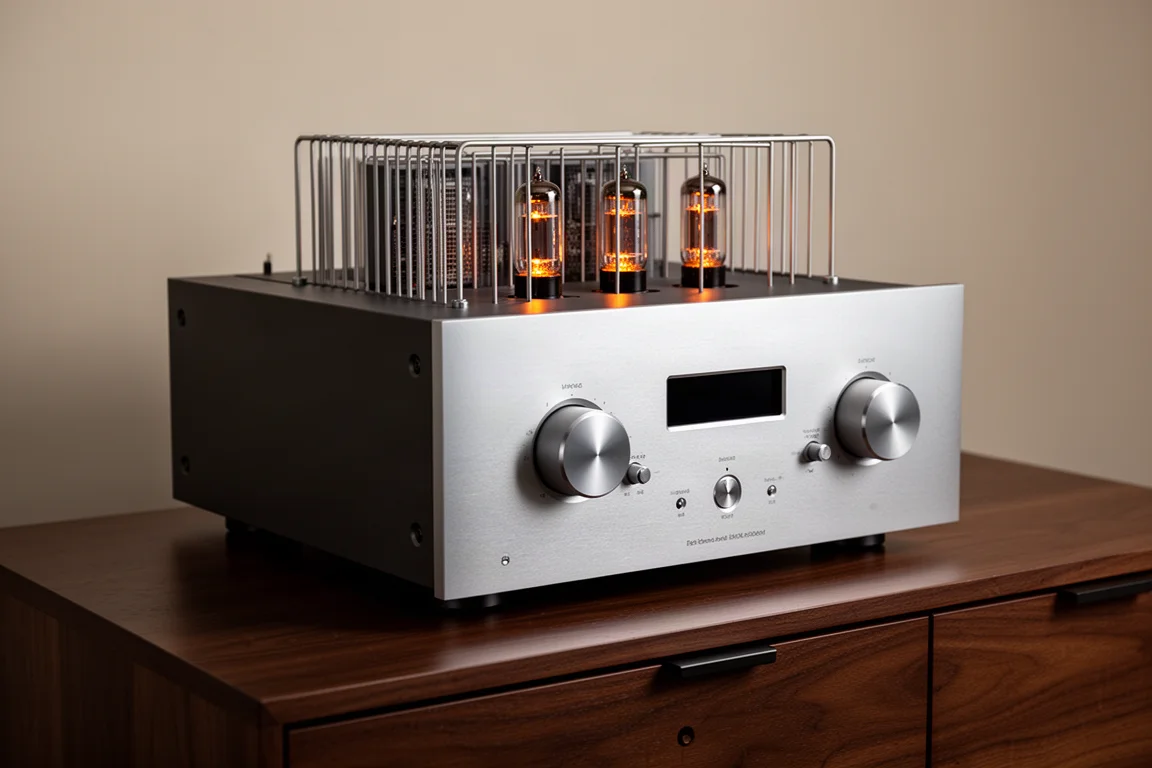
The Vincent SV-237 MKII takes a different route to Class A sound. It runs its first 10 watts in Class A and switches to 150 watts of Class AB when more is required, and it is built like a tank. It also adds features the A1 does not offer: a DAC built around a Burr-Brown PCM5102 chip and a three-tube preamplifier stage, all for around £2,500.
Sonically, the Vincent has a liquid, smooth midrange with real substance, a signature trait of amplifiers with a heavy Class A bias and one that the A1 shares. Where it gives ground is midrange detail, particularly at the top. The A1 avoids that drawback, and in terms of pure fidelity the A1 comes out ahead. The Vincent does drive harder and keeps tricky speakers better under control, so listeners with demanding speakers have a clear reason to consider it.
Exposure 2510: Detail and Natural Warmth
The Exposure 2510 sits below £2,000 and is a wonderfully detailed, natural-sounding integrated amplifier with a lean toward warmth. Set against the A1, it resolves a little more. The A1 is a whisker less detailed, softens the leading edges of notes slightly, smooths over a shade more timbre and nuance, and is a little less airy at the top. Those differences only became clear in a direct comparison, and a case can easily be made for preferring the A1’s sound. It answers with a liquid, smooth midrange, and its combination of harmonic richness, detail, and refinement is uncommon at this price. Dynamic ability is broadly similar between the two.
Willsenton R8: Tube Character and Scale
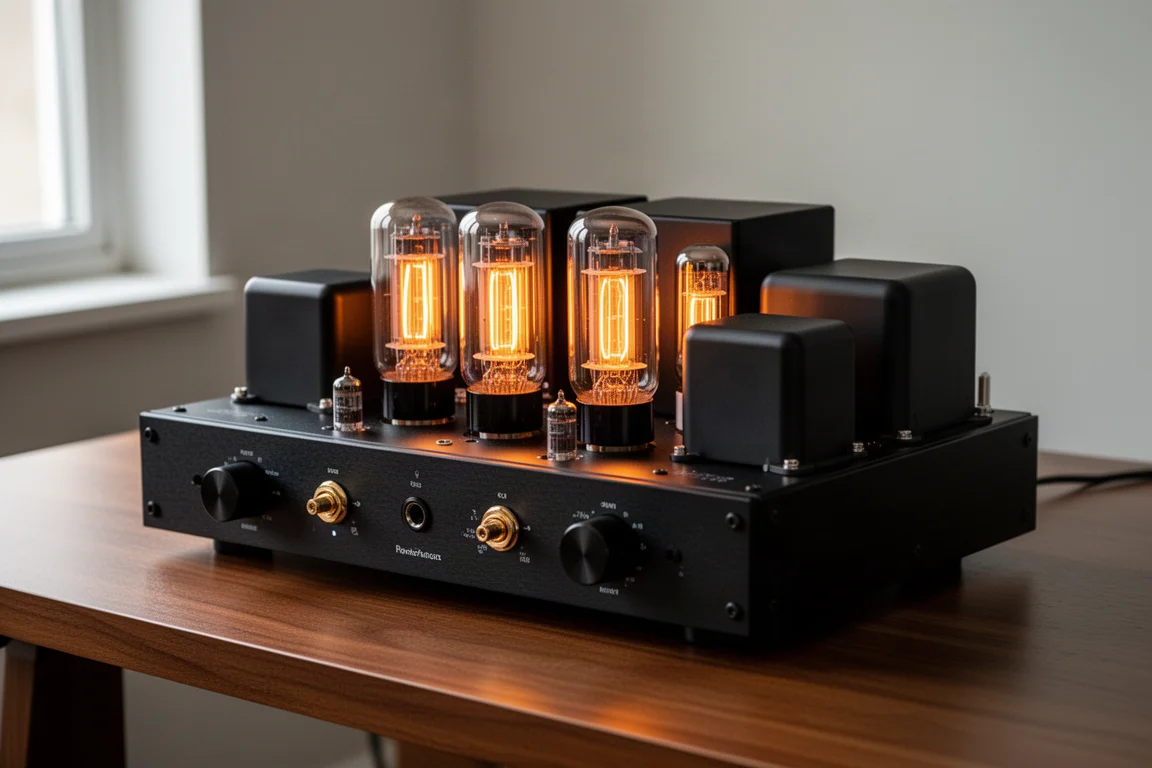
The Willsenton R8, fitted with PSVane upgraded tubes, shares the A1’s fuller midrange and bass, and both trade a little bass definition compared with the Exposure 2510.
Through the midrange the R8 sounds a touch grainier than the A1, even though it is the tube amplifier, and it delivers a greater sense of scale. The A1 gives up some dynamic ability to the R8 but matches it on harmonic richness and adds refinement.
How These Four Amplifiers Compare
Choosing between these amplifiers comes down to taste and to the speakers they will drive. The A1 does not have quite the resolution of the Exposure 2510, but it has similar dynamic ability and adds harmonic richness. It does not have quite the dynamic ability of the Willsenton R8, but it has similar harmonic richness and adds refinement. Against the Vincent SV-237 MKII, the A1 gives up drive and features but wins on fidelity. All four perform at a similar overall level, with differences in character rather than in outright quality.
Matching an Amplifier to Your Speakers and Room
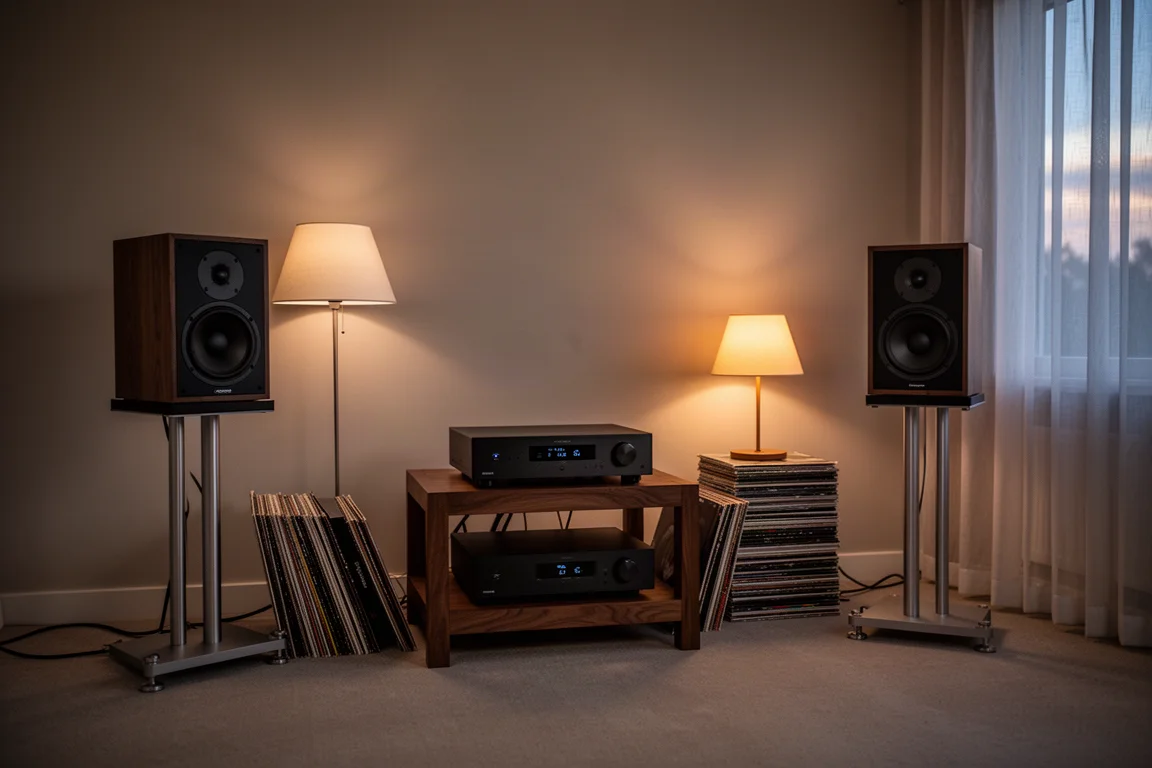
Speaker matching matters more than raw wattage here. A 25-watt Class A amplifier works well with speakers that present a benign load and reasonable sensitivity, as the A1 demonstrated with an 86 dB standmount and with a 4-ohm horn-loaded design. Difficult loads with low impedance dips and low sensitivity are a different story, and that is where the Vincent’s 150 watts of Class AB output becomes useful.
Room and ventilation deserve equal attention. Class A amplifiers run hot, so leave space above and around the chassis rather than enclosing it. Listeners in small rooms or warm climates should weigh that against the sound they are chasing, and anyone who regularly listens at high levels with insensitive speakers should look at the more powerful options first.
Conclusion
The 2023 Musical Fidelity A1 revives an iconic amplifier without tarnishing it. It keeps the design philosophy of the original, updates the power supply and components, and delivers the detailed, liquid, harmonically saturated midrange, solid bass, and extended, refined top end that a modestly sized Class A amplifier should offer. Listeners who want a powerhouse, or who want an amplifier that runs physically and tonally cooler, should look at alternatives. For everyone else, the A1 is a strong proposition at £1,499.
Further reading
Related Reviews
Hi-Fi Amplifiers
Accuphase E-280 Review: Entry-Level Accuphase With Flagship Attention to Detail
A close look at the Accuphase E-280 integrated amplifier, covering its champagne build, AAVA volume control, sound quality, and the speakers and sources that suit it best.
Hi-Fi Amplifiers
Advance Paris A10 Classic vs Yamaha A-S301: Two Integrated Amplifiers Compared
A practical comparison of a $350 integrated amplifier and a $2,500 reference model, covering the differences that matter and the ones that do not.
Hi-Fi Amplifiers
Affordable Chinese Amplifiers Worth Buying: Five Budget Hi-Fi Amps Compared
A practical look at five affordable amplifiers, what each one does well, and the trade-offs to weigh before you buy.