Sleeping Pads
MTAC Sleeping Pads: Single and Double Compared for Ultralight Camping
A practical look at the MTAC single and double sleeping pads: military-issue design, ripstop nylon construction, real comfort limits and honest value at $27 and $54.
Introduction
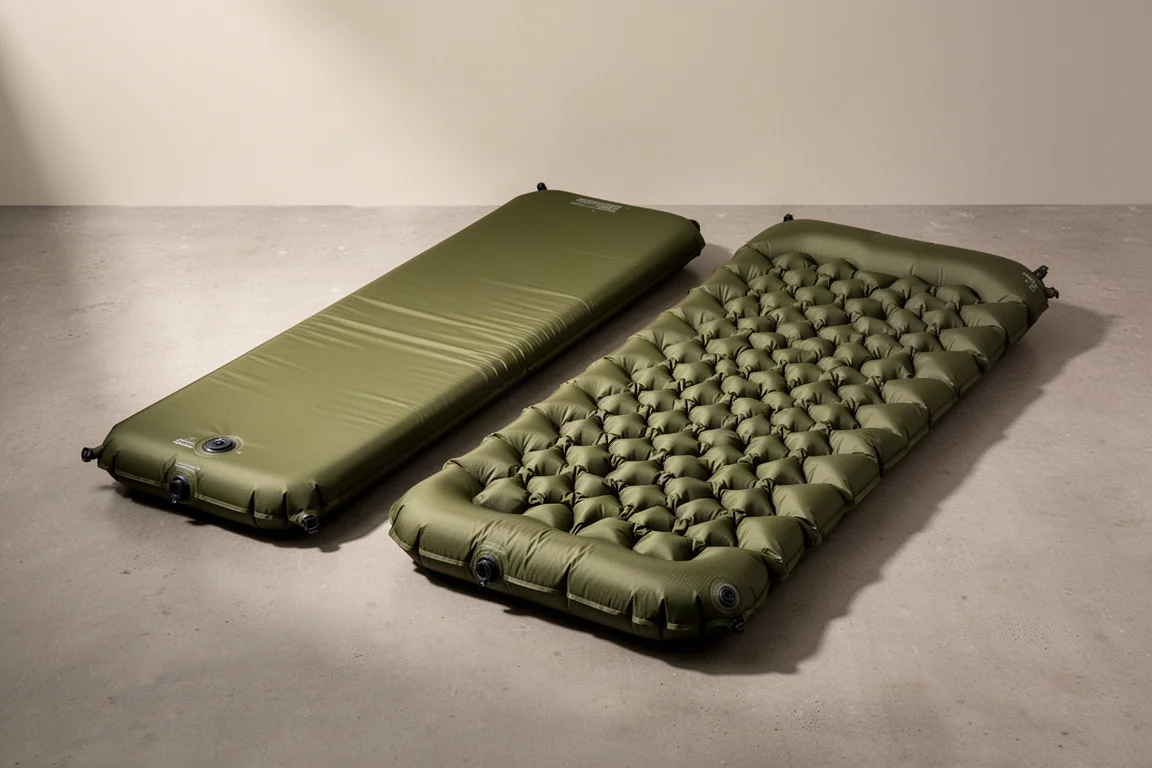
Two inflatable sleeping pads sit at the centre of this guide: a single and a double from MTAC, a Ukrainian manufacturer of tactical and military equipment. Both are military-issued designs that carry surprisingly civilian weights, and both are built around the same priorities: low weight, a small packed size, and a low price.
That combination is unusual. Most pads that pack down this small cost considerably more, and most pads at this price point are heavier and bulkier. What follows is a breakdown of how each size performs, where the design gives ground, and who should consider buying one.
What Sets These Pads Apart
MTAC was founded around 2005 and started out making airsoft products before moving into military equipment after 2014. The company now produces a wide range of tactical clothing, footwear, backpacks, sleeping bags and sleeping pads, and it has built a reputation for durable gear.
Both pads in this pair share the same construction: 40D ripstop nylon coated with TPU, in OD Green only. The single inflates in roughly 15 breaths and the double in roughly 30. They are three-season pads intended for late spring, summer and early fall.
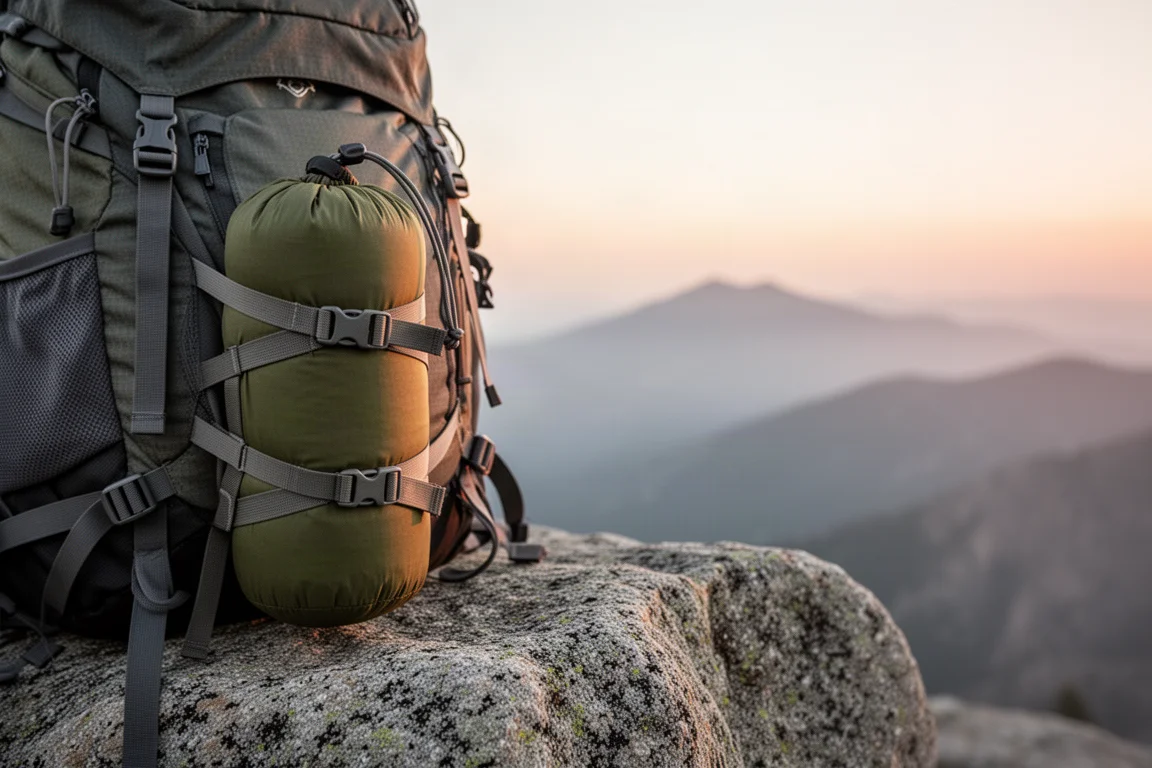
The most striking detail is the material choice. At this price, many pads use polyester and end up far heavier. Ripstop nylon keeps both sizes light and highly compressible, which is what makes the value proposition work.
MTAC Single Sleeping Pad: Ultralight Solo Option
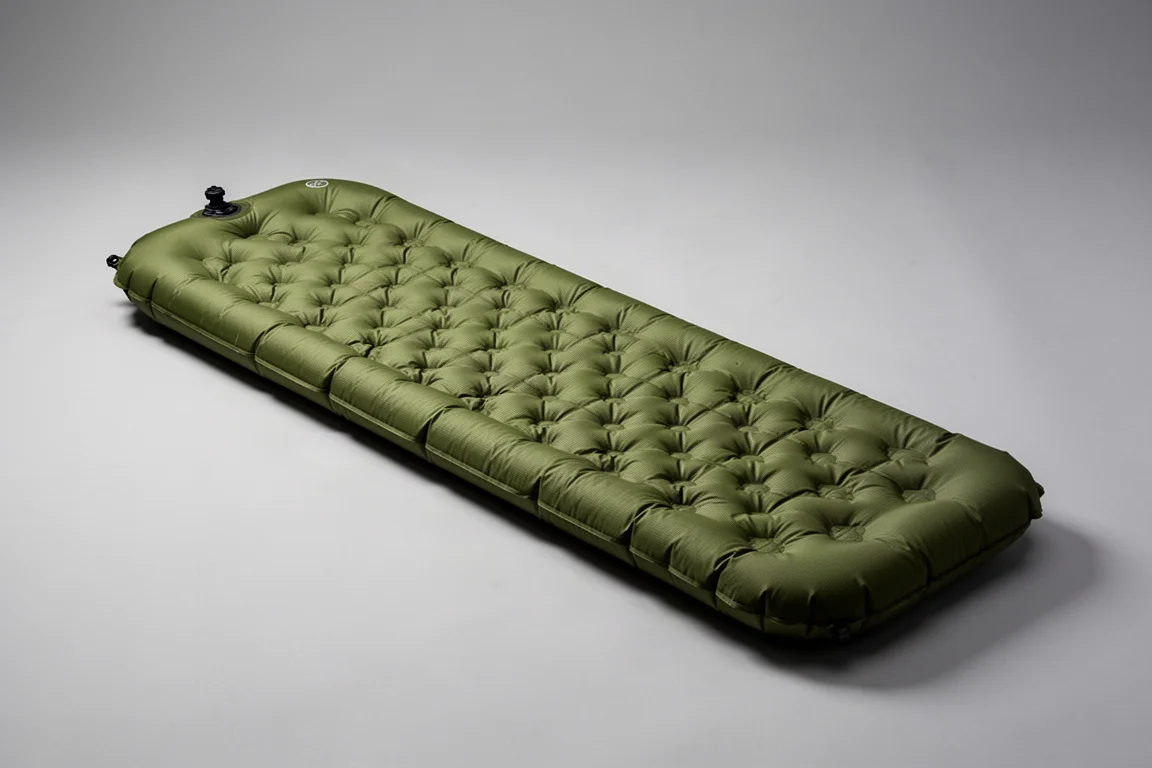
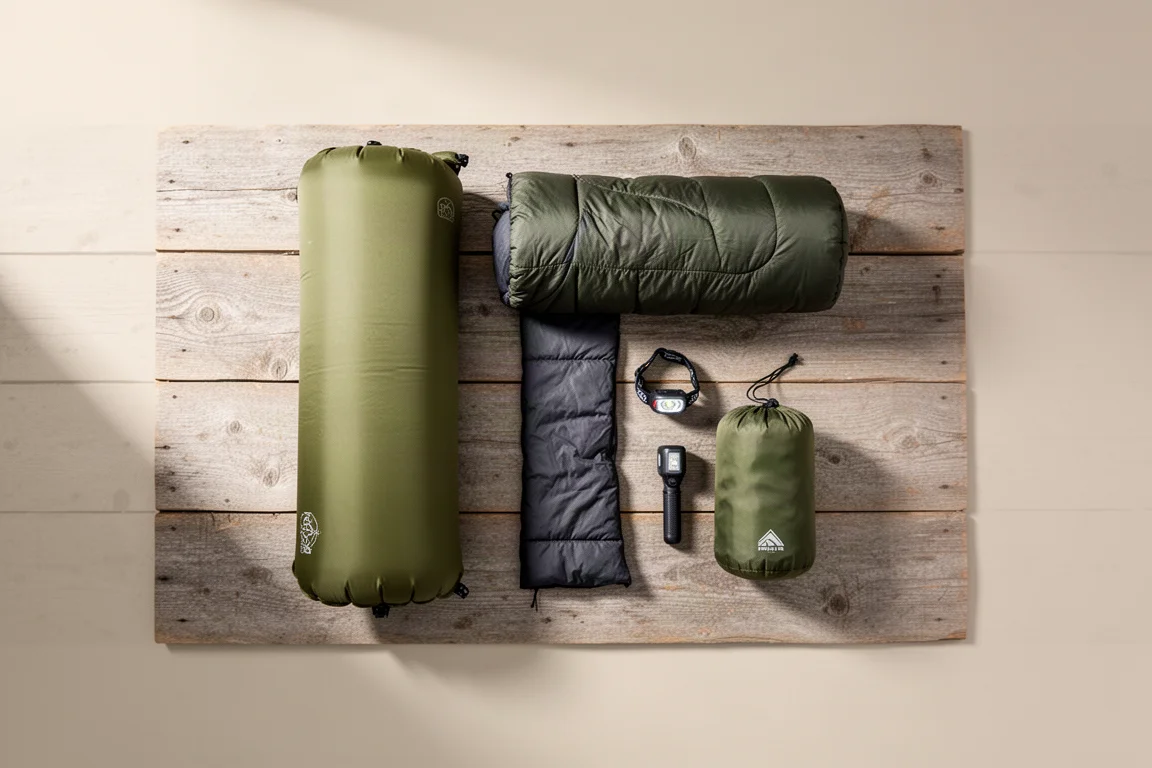
The single version weighs 17.1 oz, just over one pound, and packs to 8.5 by 4.5 inches. Fully inflated it measures 78 inches long, 22 inches wide and about 2 inches thick. Length is generous enough for sleepers up to roughly 6 feet 4 inches.
It ships with a storage bag that has a grab handle on the side, a drawstring closure at the top and an elastic compression strap inside. The bag is large enough to hold the pad without a fight, which is not something every manufacturer gets right.
The main trade-off is width. The pad was designed for a military application, where the goal is enough comfort for a soldier without adding weight or bulk to a pack, and that shows in the narrow footprint.
MTAC Double Sleeping Pad: Room for Two
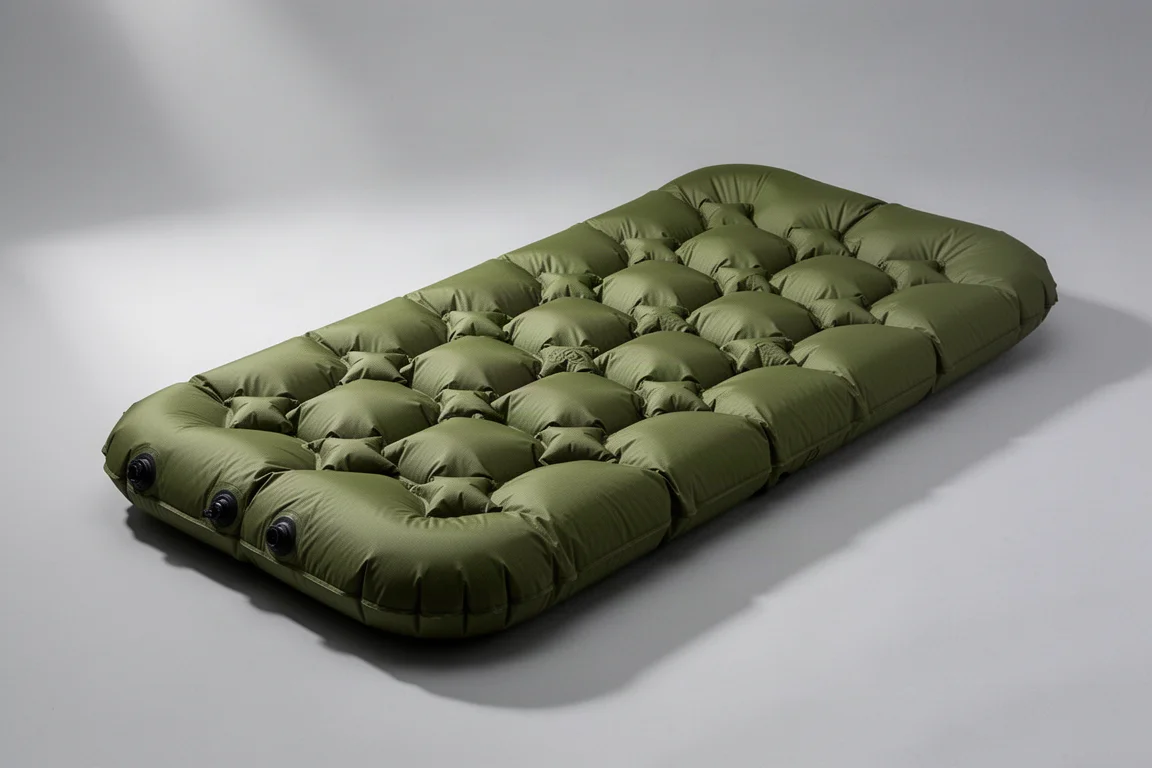
The double version weighs 2.2 lb and packs to 11.5 by 5 inches. Inflated, it measures 77 inches long, 47 inches wide and about 2 inches thick, so roughly double the footprint of the single.
It adds a second air valve. Both valves need to be closed before inflating, or the pad will not fill no matter how long you blow into it. The extra width works well for two smaller sleepers; two larger people may find the surface tight.
Because the double follows the same pattern and thickness as the solo pad, it keeps the weight and pack size advantages but does not add plushness. Two people sharing it are sharing the same modest cushioning.
Comfort and Support: What to Expect
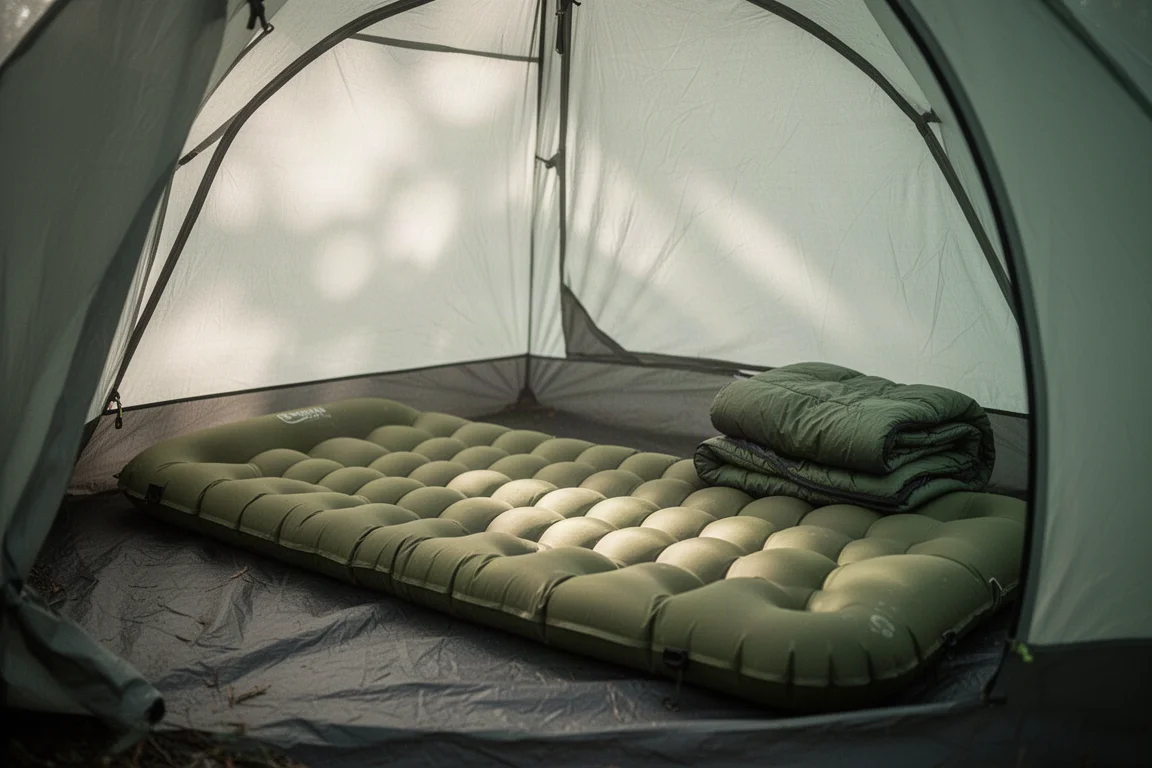
The surface uses a pattern of square and star shaped welded pockets. Air sits inside those pockets while the seams between them stay flat, which keeps weight down but also limits how much the pad can lift you.
Sitting down puts you close to the ground, because the baffles are not tall enough to hold your weight up. Lying down distributes your weight across the pockets and lifts you clear of the ground. Rolling onto your side works, but you will feel your hips press through during the turn.
Judged purely on comfort, both sizes land in the middle: adequate, functional, and clearly not the point of the design.
Durability, Materials, and Packability
Extended use across car camping, truck camping and tent pitches has shown no leaks and no seam failures. The welds are clean, the cuts are consistent and the valves sit properly in their seats.
The ripstop nylon does the heavy lifting here. It is the reason both pads are as light and as compressible as they are, and it is the reason the storage bags can stay generously sized. Each pad rolls back into its bag without drama.
Warmth, Inflation, and Setup
These are warm-weather pads. MTAC refers to some form of insulation, but no R-value is published and the insulation is not something you can feel. With a strong sleep system, the pads can be pushed down to around 40 degrees Fahrenheit. Below that, expect to be cold.
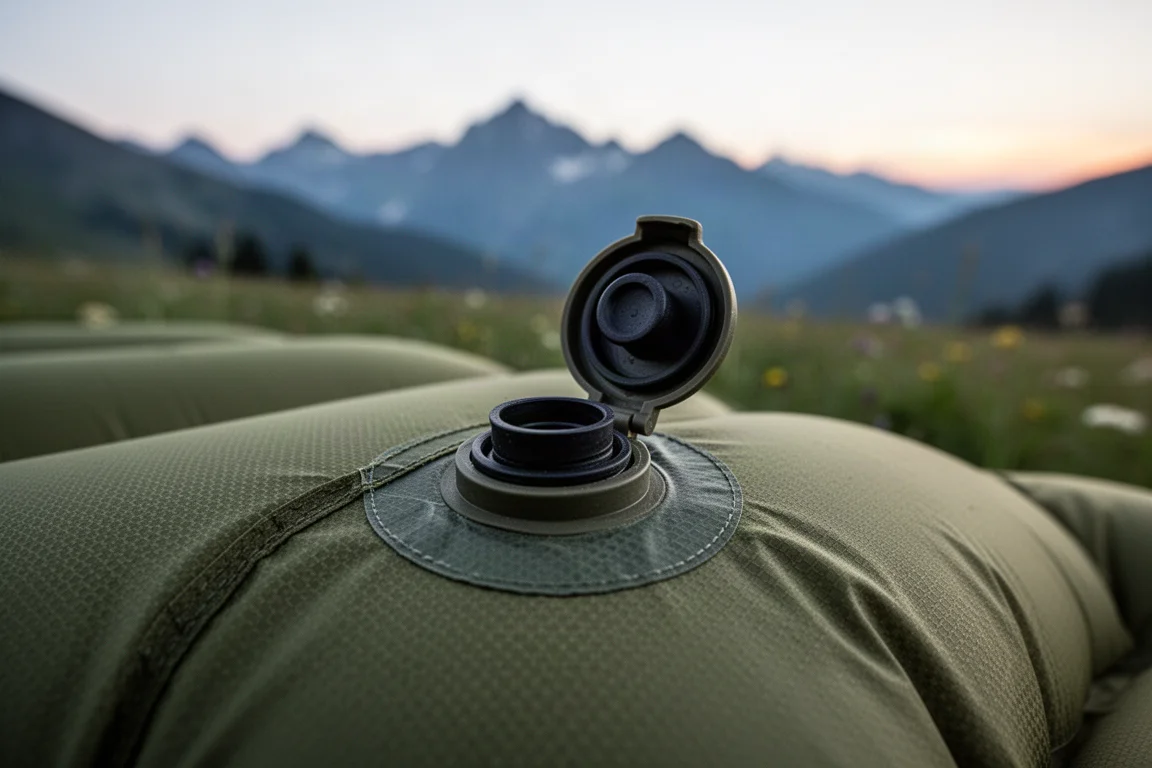
Inflation takes effort. A rubber stopper inside the valve prevents air from escaping, which is exactly what you want, but it also creates resistance, so every breath has to be deliberate. Deflation is the opposite: open the valve and the pad goes flat almost immediately.
Who These Pads Suit
These pads make sense for backpackers counting ounces, budget-conscious campers who still want quality materials, and anyone who appreciates straightforward military-style gear.
They make less sense for comfort-first campers. If you plan to sleep at a vehicle-accessed site and want a thick, wide, plush surface, a heavier and larger pad will serve you better.
Overall Buying Advice
The single version sells for about $27. For that money you get a pad that weighs just over a pound, packs down to the size of a small water bottle and uses the same nylon construction found on far more expensive pads. If weight is your priority, it is one of the strongest value picks available.
The double sells for about $54. That is a fair price for a two-person pad, but the width is the question to answer honestly. On a long backpacking trip where weight matters, it is a reasonable choice for two smaller sleepers. For car camping, a thicker and wider pad will usually be the more comfortable route.
Availability is worth checking before you commit. MTAC has a presence in the United States, with some of its clothing and equipment available through Amazon, and the pads are frequently listed as sold out on the company’s own site.
Conclusion
Both pads deliver on the same promise: low weight, a small packed size and a low price, with comfort that is adequate rather than luxurious. The single is the standout value for solo trips where every ounce counts. The double works best for couples who are packing light and are realistic about how much space 47 inches of width really offers.
Further reading
Related Reviews
Sleeping Pads
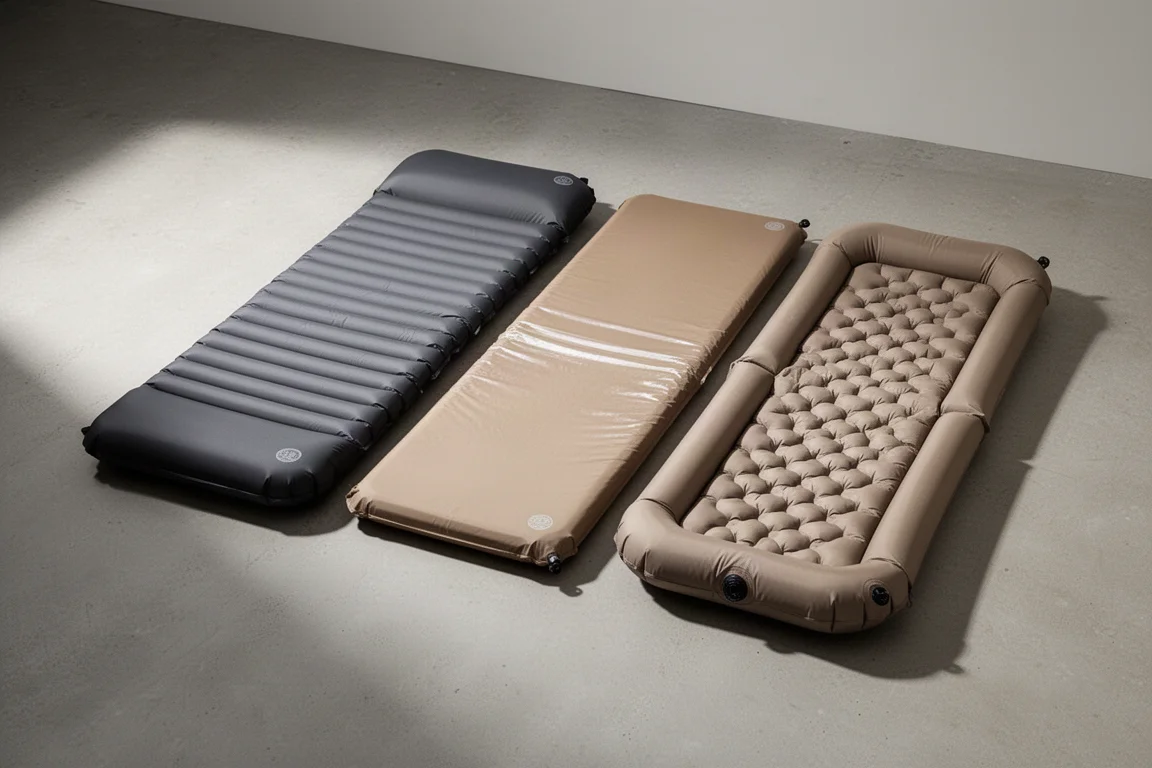
Best Backpacking Sleeping Pads 2026: Nine Pads Rated on Price, Comfort, Warmth, and Weight
Nine backpacking sleeping pads compared on price, comfort, warmth, and weight, from a $65 summer pad to a year-round option rated at R-7.3.
Sleeping Pads
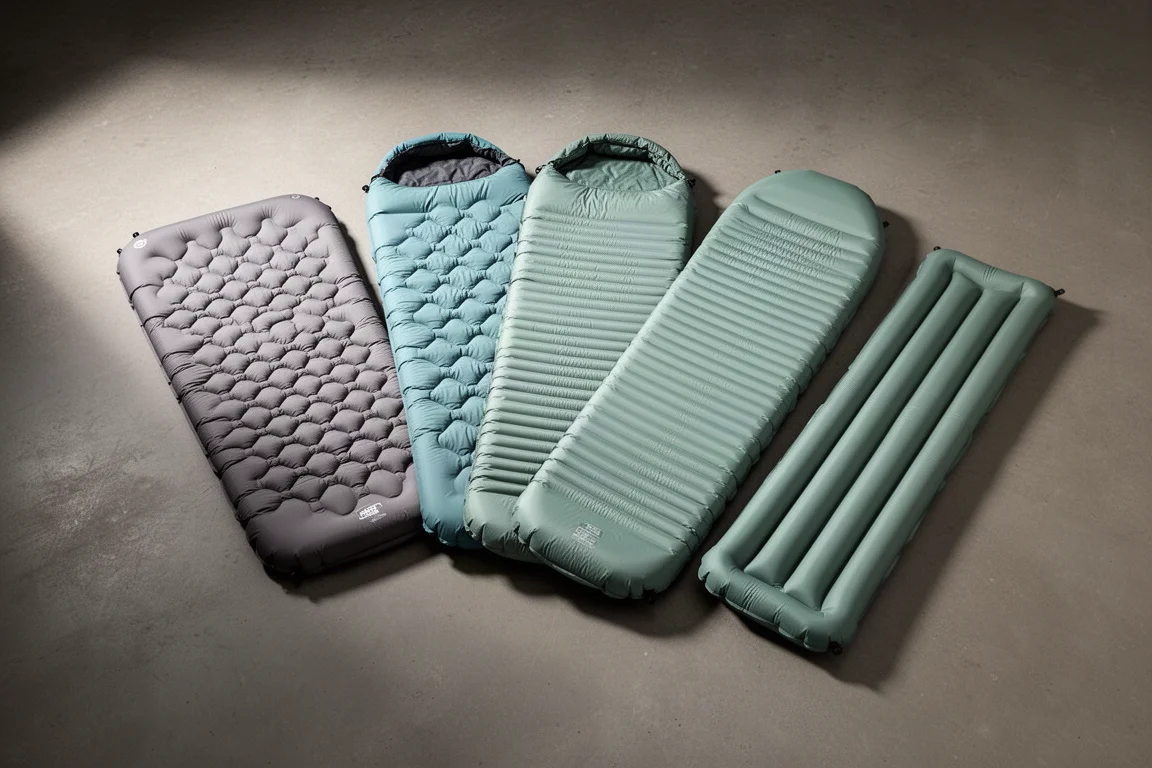
Best Backpacking Sleeping Pads: Comfort, Warmth, and Weight Compared
A practical comparison of the Nemo Quasar 3D, Therm-a-Rest NeoAir XTherm Max, and Big Agnes Rapide SL for backpackers choosing between comfort, warmth, and packed weight.
Sleeping Pads
Best Backpacking Sleeping Pads: Ultralight, Winter, Comfort and Budget Picks
A practical roundup of the sleeping pads that stand out for ultralight weight, winter warmth, pressure relief and value, plus three popular pads that fell short.