Camping Tents
MSR Zoic 2 Review: Strong Build, Good Ventilation, Uncertain Rain Protection
A detailed look at the MSR Zoic 2 two-person tent, covering its materials, setup, ventilation, and how its proprietary waterproofing held up during moderate rain.
Introduction
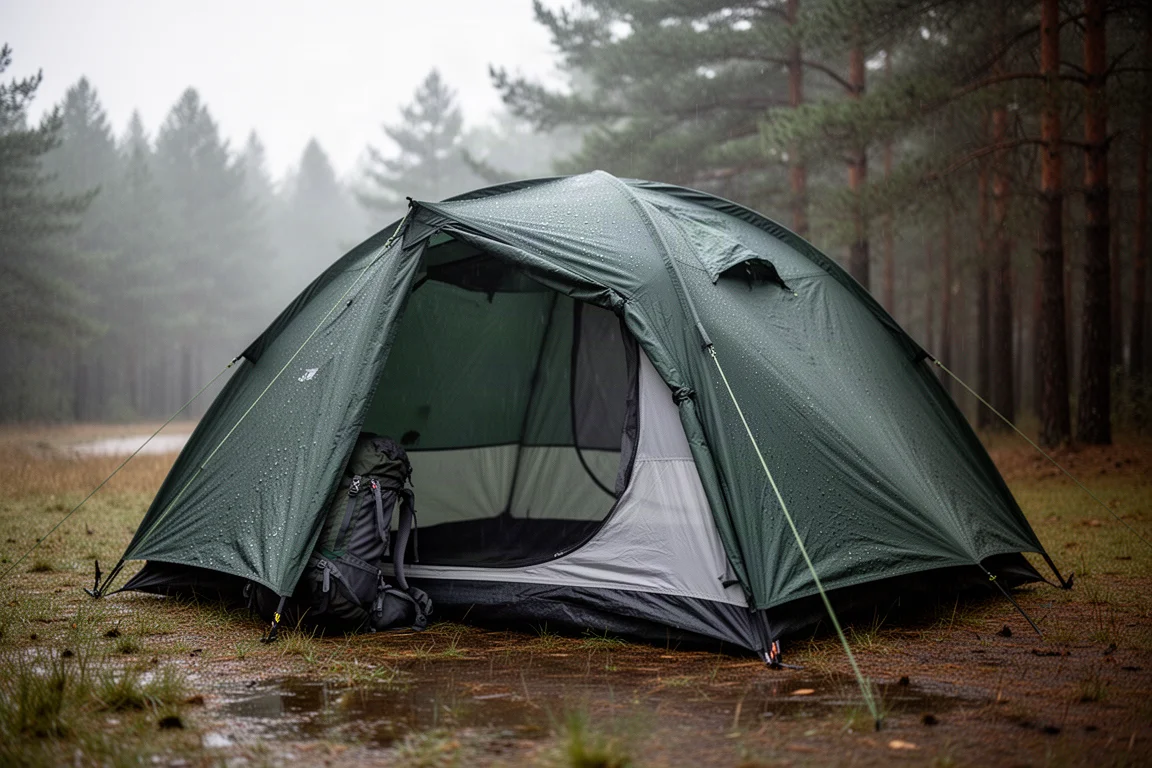
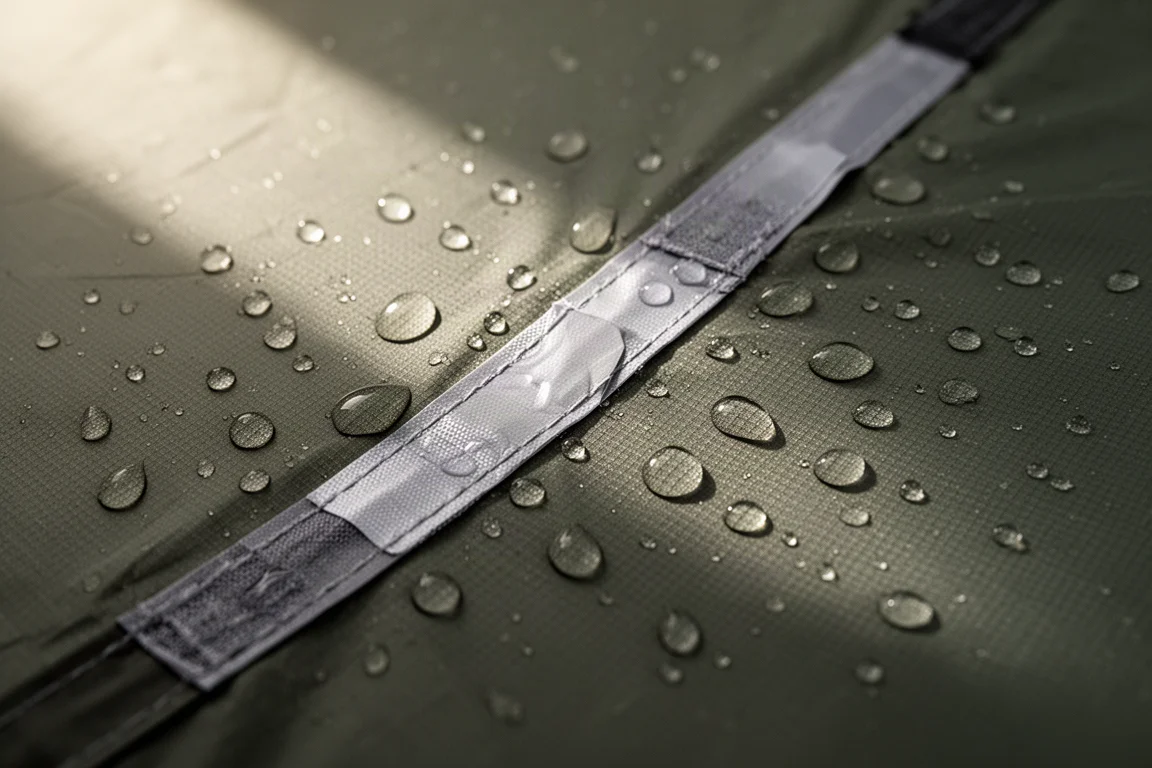
The MSR Zoic 2 is a two-person tent that retails for around $350, and it arrives with a distinctive design claim attached. Rather than sealing seams after the tent is built, MSR relies on a proprietary combination of materials and manufacturing to keep water out. The company describes this as a long-lasting Extreme Shield waterproof coating applied during construction.
That approach is the most interesting thing about the Zoic 2, because it is also the detail most likely to decide whether the tent suits you. The waterproofing method has drawn both praise and criticism over the years, so the practical question is simple: does the interior stay dry when the weather turns, and how much ventilation do you get in return?
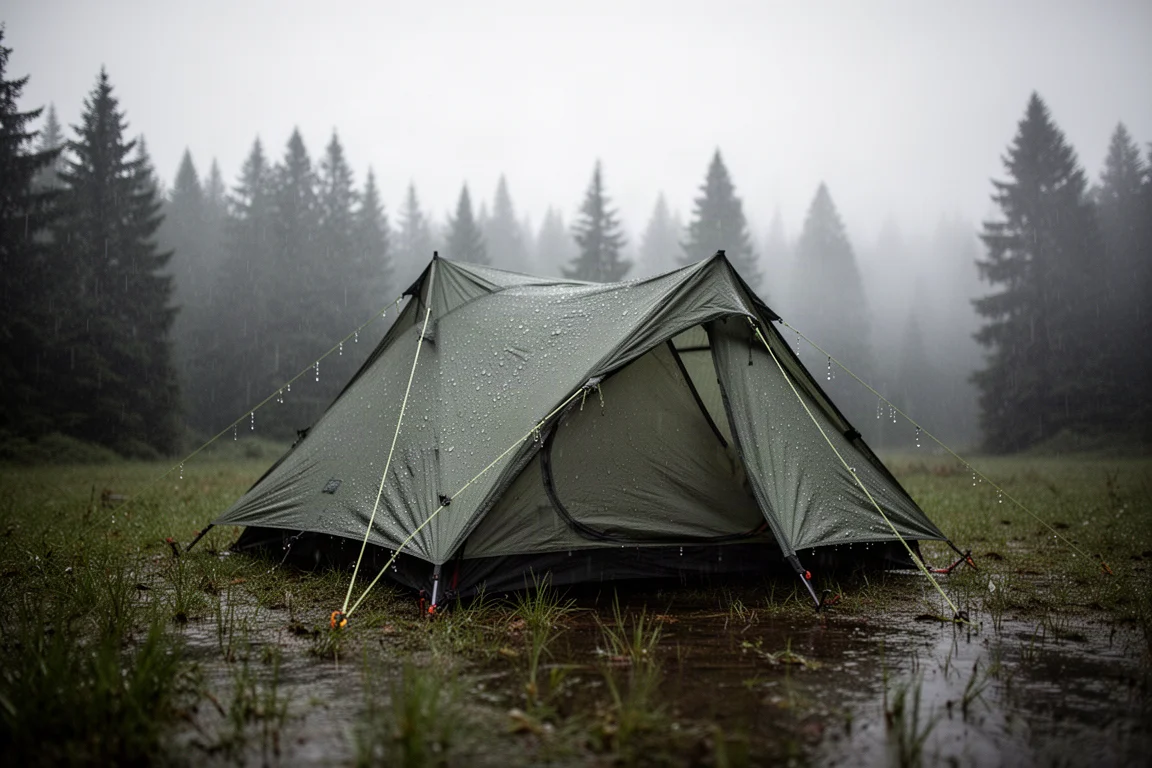
For anyone weighing a purchase, the tent’s build quality is not really in dispute. The materials look good, the stitching is tidy, and the shelter feels solid once it is standing. The open question is weather protection, and that is where this review spends most of its time.
Who This Tent Is For
The Zoic 2 makes the most sense for campers who value a roomy two-person shelter with generous airflow and a straightforward pitch. Ventilation is a genuine strength here, which matters on warm, humid nights when condensation builds quickly inside a closed tent.
It is also a reasonable candidate for campers who spend most of their nights in drier conditions, or who treat a tent as a fair-weather shelter and check forecasts closely before heading out.
Where the Zoic 2 becomes harder to recommend is on trips where dependable rain protection is non-negotiable. If your plans involve multi-day routes, exposed terrain, or a real chance of sustained rainfall, the waterproofing question deserves careful attention before you commit.
Main Strengths: Build Quality, Setup, and Ventilation
Start with the construction, because this is where the tent performs well. The fabrics look durable, there are no loose threads anywhere, and the seam work is clean and consistent throughout. Nothing about the materials suggests a rushed build.
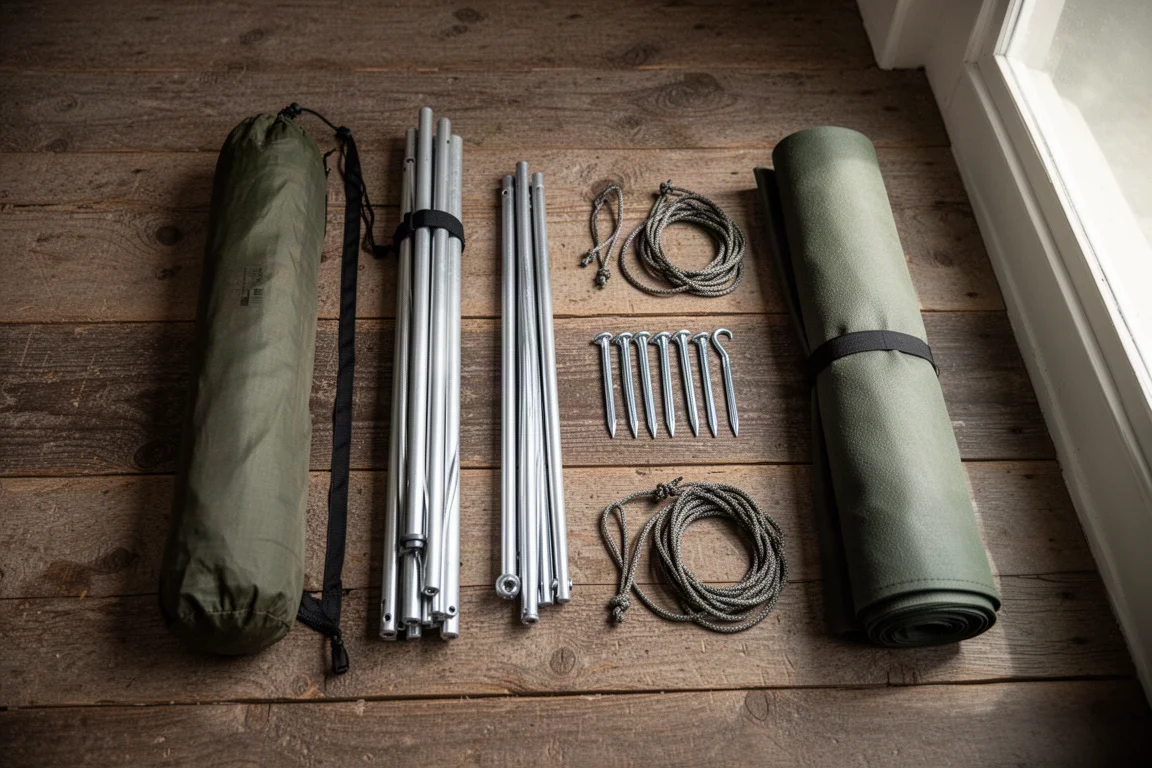
Setup is straightforward. Pitching takes a little time rather than being instant, but the process is logical and not frustrating. Once it is up, the tent feels sturdy, and it holds its shape when staked out properly. On breezier evenings, staking the shelter down makes a noticeable difference to how stable it feels.
Ventilation is the standout feature. Air moves through the tent well, which is exactly what you want from a shelter that has to release moisture while keeping rain out. A tent that traps humid air becomes uncomfortable quickly, no matter how well it sheds water.
That balance is the whole point of a good shelter, and on airflow alone the Zoic 2 delivers. The materials and the pitch quality reinforce the impression of a well-made product.
Waterproofing: What the Rain Test Showed
This is where the picture changes. During a short, light rain event of roughly twenty minutes, the tent stayed dry inside with no leaking at all. That early result was encouraging.
The problems appeared once the rain reached moderate intensity and settled in. After roughly an hour and a half inside the tent, water was making its way through in multiple places. It seeped through the seams around the fly, dripped from the ceiling, and left droplets scattered across the floor. Water also ran down the interior mesh in visible streams. The leak points were not limited to one corner or one panel. They appeared all around the shelter.
MSR states that the tent carries a long-lasting Extreme Shield waterproof coating, and the whole appeal of the proprietary manufacturing process is that it removes the need for conventional seam sealing. In this instance, that process did not hold up. The tent was not waterproof under moderate rain.
It is worth being precise about the conditions, because context matters. This was not an extreme storm. It was a moderate rain event, and the tent had been pitched correctly and staked out. A shelter at this price point is expected to shrug off that kind of weather without the interior turning wet.
Things to Consider Before Buying
The most important consideration is the gap between the waterproofing claim and the observed result. A proprietary process is only valuable if it works in real conditions, and here the seams and the fly let water through during ordinary rainfall.
Second, weigh the price against that outcome. At around $350 retail, the Zoic 2 sits in a bracket where dependable weather protection is a baseline expectation rather than a bonus. A dry first twenty minutes of light rain does not offset a wet interior once the rain settles in.
Third, treat any single result with appropriate caution. This reflects one tent in one moderate rain event, not a guaranteed outcome for every unit. What it does show is that the waterproofing design carries real risk, and that risk is difficult to assess from a showroom or a product listing. If rain protection is central to how you camp, that uncertainty is the thing you are buying into.
Price and Value
At roughly $350, the Zoic 2 competes in a segment where buyers reasonably expect the shelter to handle wet weather without drama. The construction, the clean seam work, and the strong ventilation are genuine positives, and they are not cheap to engineer.
Value, though, depends on what you need from a tent. If you camp in reliably dry conditions and prioritise airflow and build quality, the Zoic 2 offers real strengths. If you need a shelter that keeps you dry through a sustained moderate rain, the observed performance does not match the price, and that is a difficult trade to justify.
Buying Advice
Approach the Zoic 2 with a clear picture of the conditions you actually camp in. For dry-weather trips and warm nights where ventilation matters most, its materials, easy pitch, and airflow make it a credible option.
If reliable rain protection is your priority, be cautious. Test the tent in wet conditions as soon as you can, before you rely on it on a trip where a wet sleeping bag would end the outing. Buying from a retailer with clear return terms gives you a practical way to verify performance while you still have options.
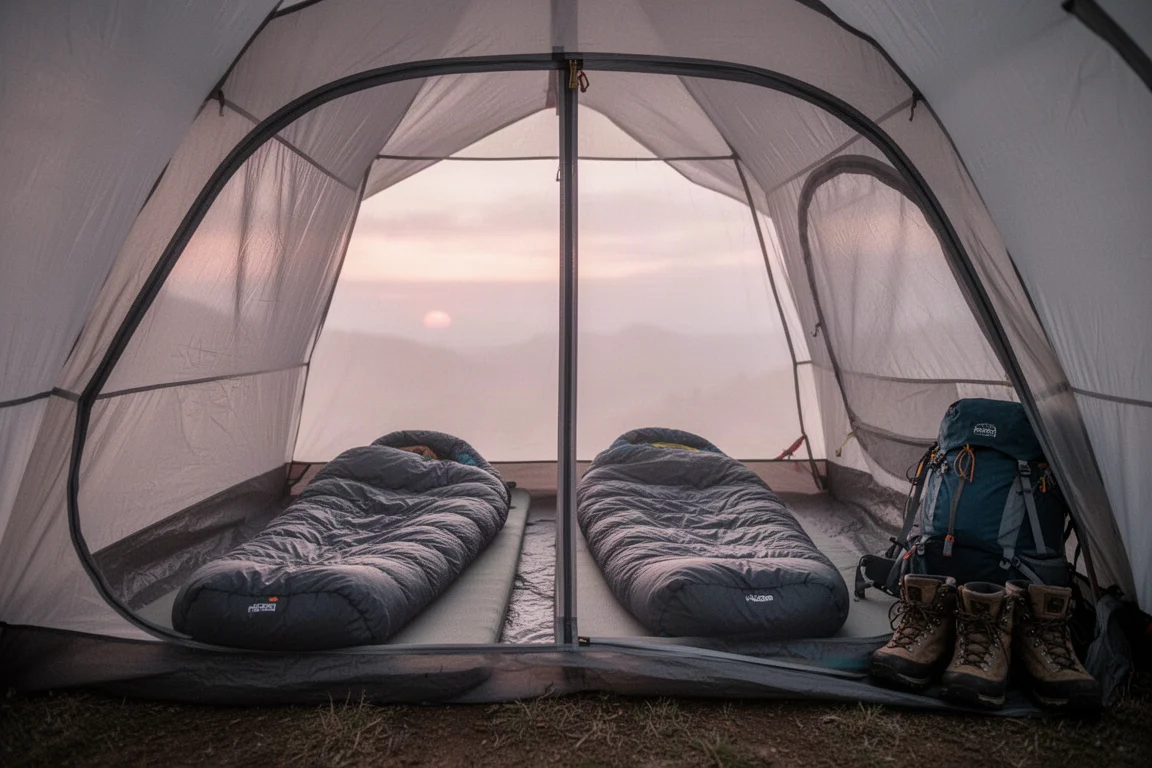
It also helps to think about how you would handle moisture if the fly does let water through. A groundsheet, a well-positioned pitch under natural cover, and a backup plan for wet nights all reduce the consequences of a shelter that underperforms in rain.
Conclusion
The MSR Zoic 2 is a well-made tent with tidy stitching, a straightforward pitch, a sturdy stance, and genuinely good ventilation. Those qualities are worth having, and they are the reason the tent remains interesting despite its weaknesses.
The problem is waterproofing. In moderate rain, water came through the seams and the fly, dripped from the ceiling, and pooled on the floor. For a shelter at this price, that is a meaningful shortfall, and it makes the Zoic 2 a tent to buy only with your eyes open, ideally in dry conditions or with a clear path to return it if the rain protection does not hold up. ent, and MSR has been direct about the limitation and about why it still has not found a lightweight seam tape it trusts. Combined with largely positive owner feedback and reported problems that were resolved, the Zoic 2 looks like a tent that works as intended once the sealing step is done properly.
If you buy one, treat the included sealer as part of the kit, check the seams before your first wet night out, and the tent should hold up as a dependable two-person shelter.
Product link
View more details for MSR Zoic 2
This product is mentioned in the review. Check the specifications, options, and compatibility before buying.
View more details for MSR Zoic 2Further reading
Related Reviews
Camping Tents
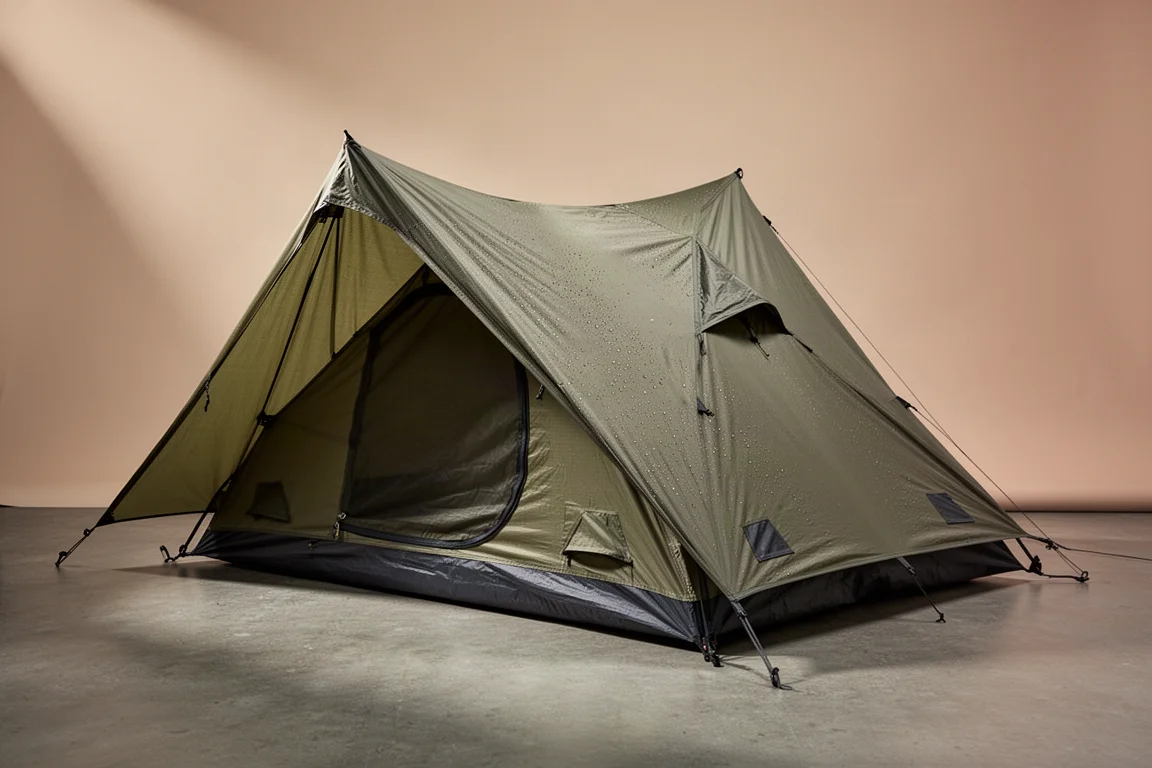
3F UL Gear Taiji Two-Person Tent Review: Field Waterproofing Results and Buying Advice
The Taiji pairs an attached fly with a removable inner, but sustained rain exposed untaped vent seams that need sealing before this shelter can be trusted.
Camping Tents
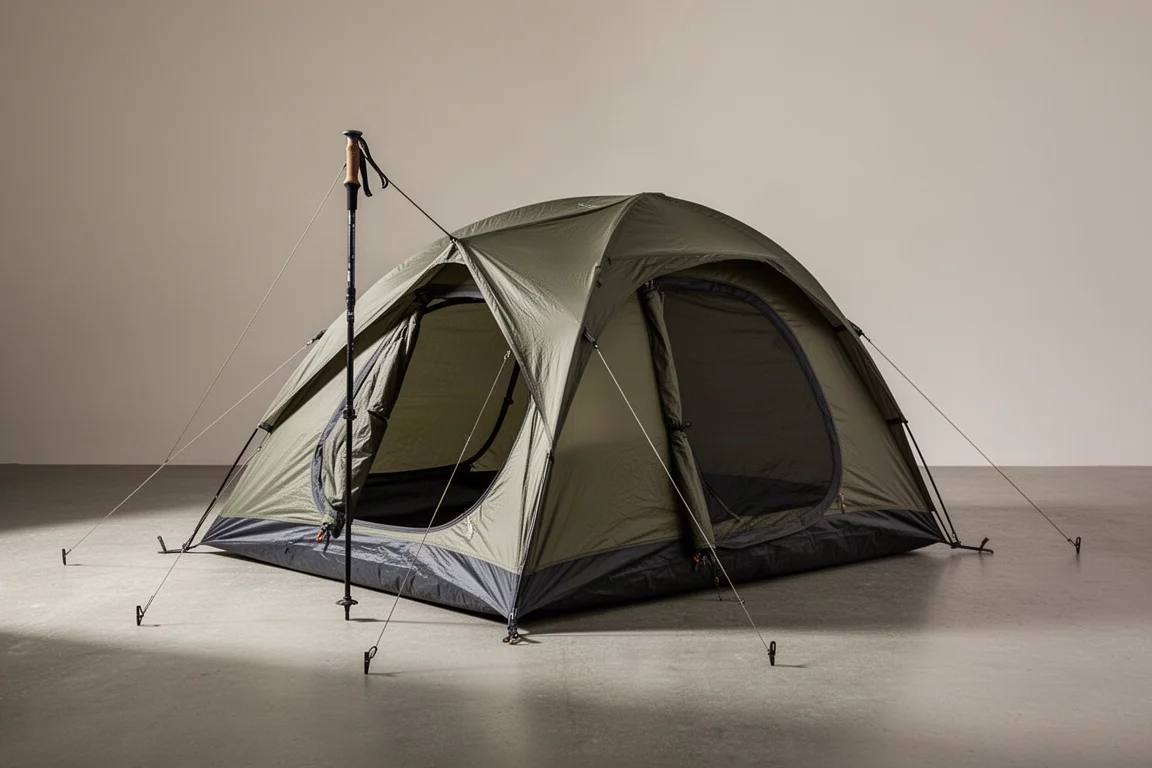
3FUL Gear Lanshan 2 Pro 4-Season Review: A Sub-$200 Single-Wall Trekking Pole Tent
An early look at the 3FUL Gear Lanshan 2 Pro 4-Season, covering its straightforward pitch, generous interior space, and the condensation and seam-sealing questions that come with any single-wall shelter.
Camping Tents
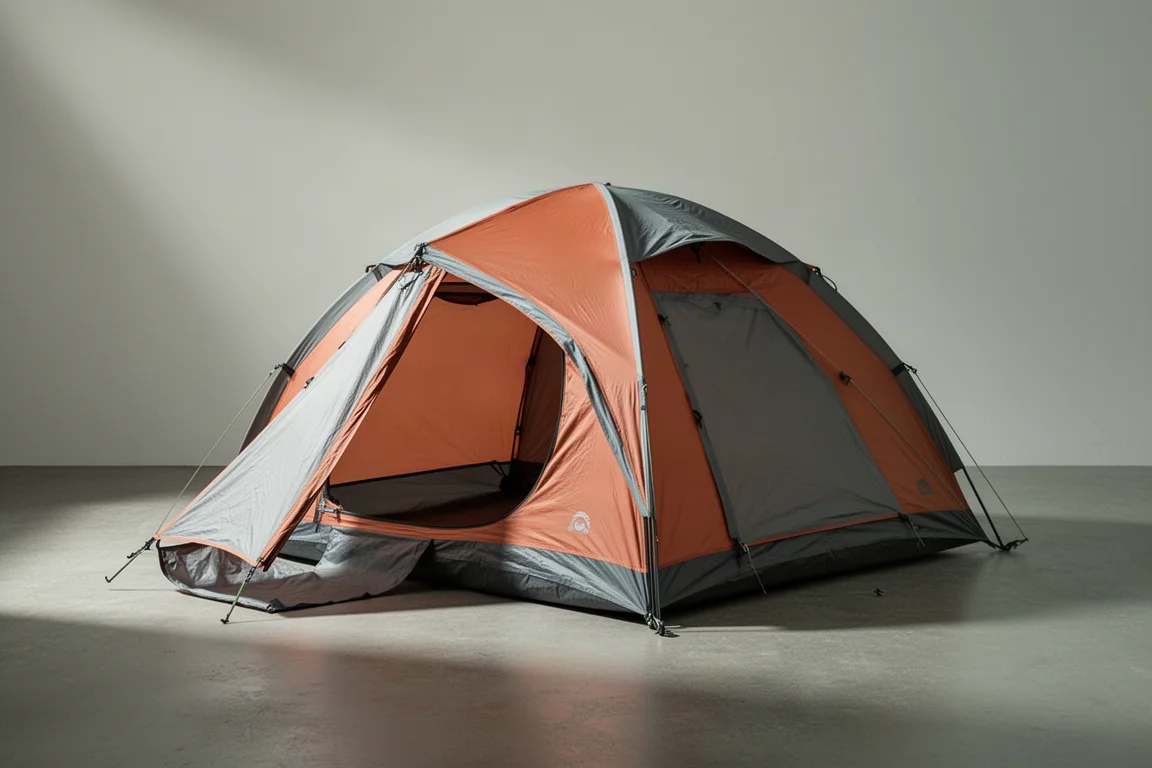
Alps Mountaineering Lynx 1-Person Tent Review: Big Value in a Small Budget Tent
A close look at the Alps Mountaineering Lynx 1-Person Tent, covering real interior dimensions, materials, setup time, ventilation limits, and who should buy it.