Camping Tents
Mountainsmith Morrison II Review: A Spacious Two-Person Tent Built for Car Camping
A detailed look at the Mountainsmith Morrison II, a best-selling two-person three-season tent that trades low weight for interior space, pockets, and a friendly price.
Introduction
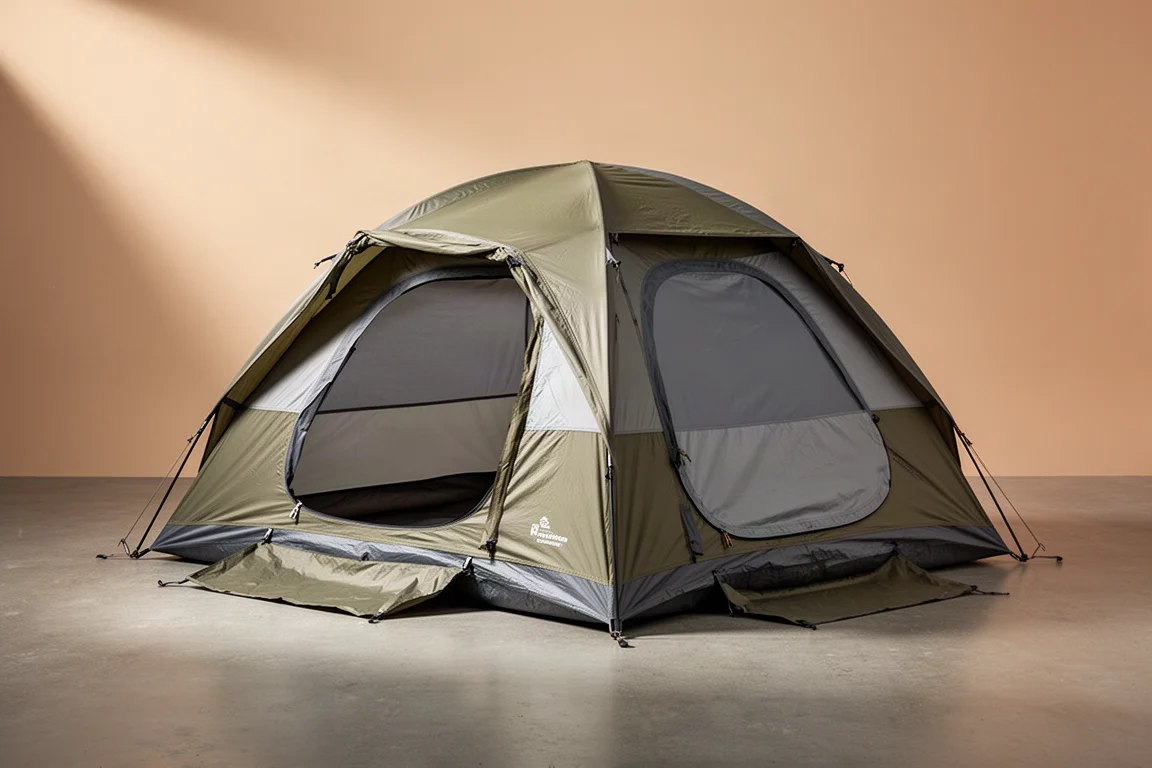
The Mountainsmith Morrison II has been sitting at the top of the best-selling two-person tent listings, and that position makes it worth a careful look for anyone shopping on a budget. It is a three-season freestanding tent with two doors and two vestibules, and it retails for $180, though it has been available for roughly $140.
The number that shapes everything else about this tent is its weight: 5 pounds 13 ounces on a scale. That is heavy for a shelter marketed at backpackers, and it is the reason the Morrison II makes far more sense as a car camping tent than as a long-distance trail companion. What you get in exchange is interior space, storage, and a price that undercuts most of the lightweight competition.
Who the Mountainsmith Morrison II Is For
The clearest use case is car camping and short, casual trips where packed size and weight are not a concern. A tent this heavy takes up real space in a pack and adds noticeable load on the trail, but neither matters when the shelter lives in the back of a vehicle.
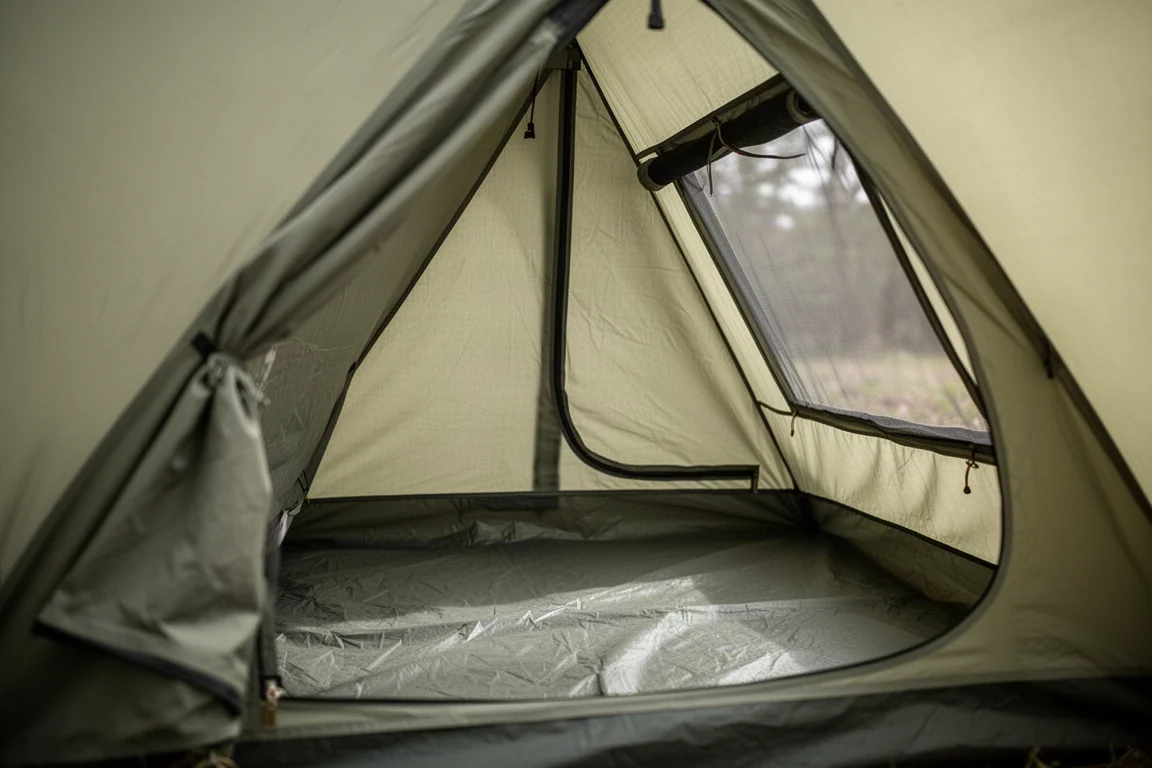
It also suits two people who want to sit up, change clothes, and move around inside rather than lie still in a cramped low-profile design. The interior is genuinely spacious, with enough room for two sleepers and their gear, and the high profile means both occupants can sit upright comfortably. Each side of the tent has a vestibule, so both people get their own covered space for boots and bags rather than sharing one entry.
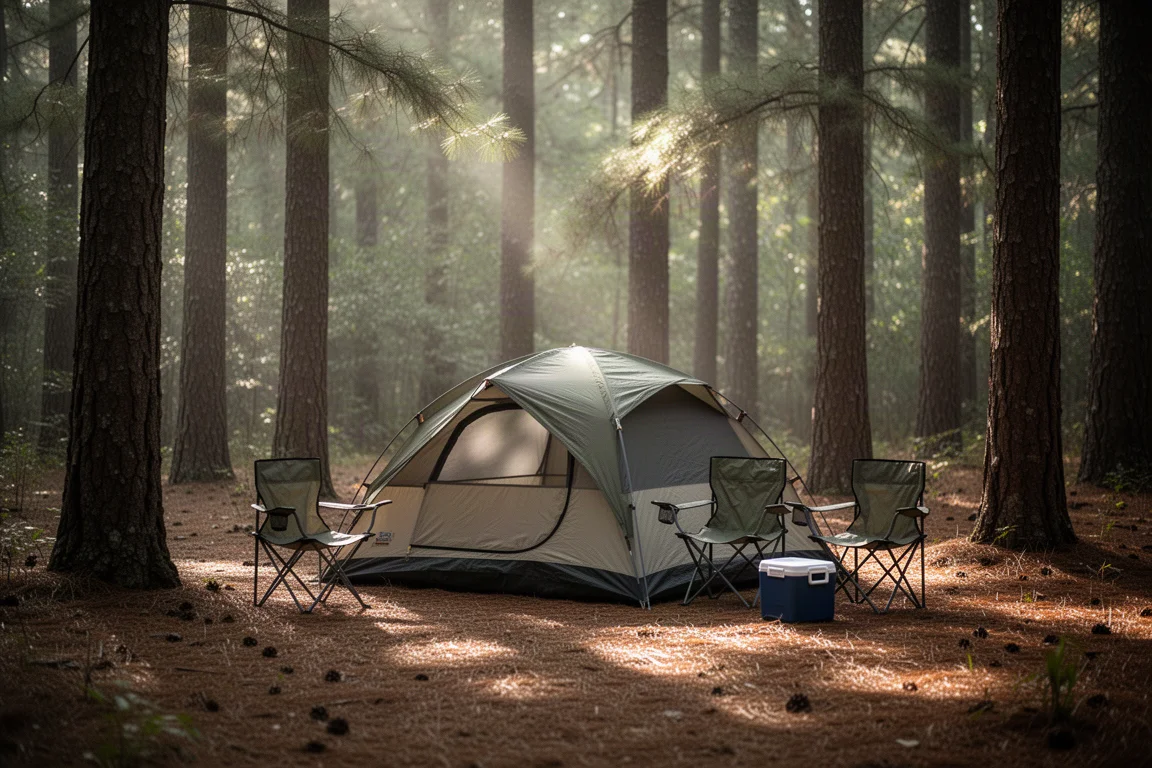
Storage is generous for the price. Each side includes corner pockets in a large and small size, and a mesh gear caddy is included in the box for hanging smaller items out of the way.
Main Strengths
Build quality holds up well on inspection. The stitching is clean with no loose threads, the seam taping looks excellent, and no light passes through the fly material. Taped seams and a bathtub floor round out the weather-ready construction.
The doors are a genuine highlight. Both use two-way zippers and can be unzipped almost completely, which opens the tent up far more than the fixed mesh panels alone would allow. The zippers themselves run smoothly, even though the zipper pulls are not particularly good and are the weakest piece of hardware on the tent.
The vents are thoughtfully designed. There is a substantial amount of material behind each vent, which means wind-driven rain is unlikely to be blown inside. That detail matters more than it might sound for a tent at this price.
Setup is straightforward. With a little experience, the tent pitches in under 10 minutes, and as a freestanding design only the doors need to be staked out.
Setup and Design Details
The materials list is honest about where the money goes. The fly is a 185T polyester with a PU coating and a 2,000 mm hydrostatic head rating. The floor is a 190T polyester with a PU coating and a 5,000 mm hydrostatic head rating. The mesh is a breathable 185T poly, the zippers are YKK, and the storage bag is 30 denier nylon. Poles are 8.5 mm aluminium, and the included stakes are aluminium in the 70 to 75 range.
Packed down, the tent measures 18 inches by 7.5 inches. Pitched, the footprint and height come to 92 inches by 56 inches by 43 inches.
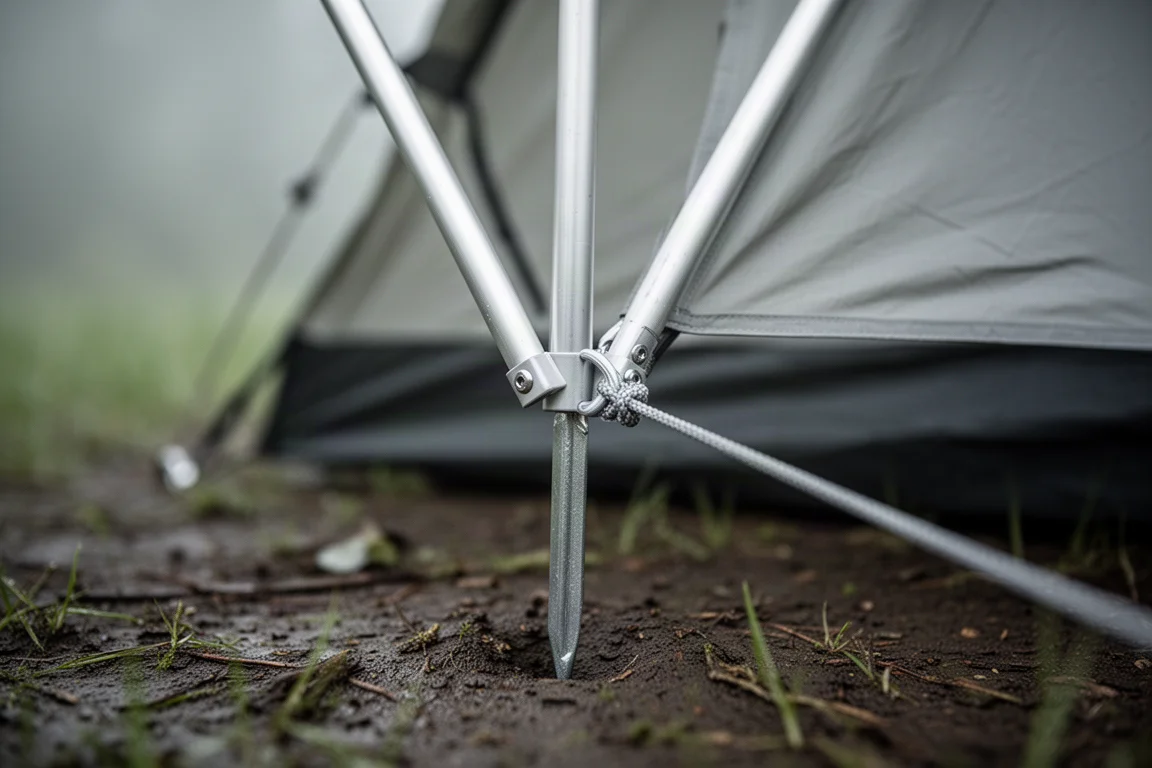
The main setup criticism concerns the stakeout points. They use non-adjustable straps, and the lines cannot be tightened or loosened. On level ground this is a non-issue and the pitch comes out clean. On uneven ground the tent will sit imperfectly, and more importantly, the fly cannot be pulled away from the body at the front and back. That directly reduces airflow, and it is the single change that would improve this tent the most. Adding adjustable guy lines after purchase is a worthwhile and inexpensive fix.
Things to Consider Before Buying
The biggest consideration is heat. The doors are built mostly from polyester fabric with very little mesh, and the side mesh panels are largely covered by the fly. That combination blocks airflow and traps warmth inside the shelter.
The practical consequence is a tent that runs hot in summer. During a check on a roughly 77 degree day, with the tent pitched in shade and a breeze moving through the campsite, the interior was stifling. Anyone camping in a warm climate should either look for a tent with far more mesh or plan to position this one carefully, with the doors facing the breeze and the shelter placed in shade.
There is a reason for the fabric-heavy design, and it comes down to cost. Polyester is less expensive than mesh, which is a common trade-off in lower-priced tents and one of the reasons this model lands where it does on price.
Weight and bulk are the other considerations. At nearly six pounds, the Morrison II is heavy for backpacking and takes up considerable space in a pack. Its high profile also means it should be staked out properly in windy conditions or when storms are possible.
Heat, Airflow, and Weather Considerations
The ventilation story is really a story about the fly. The side windows are a reasonable size, but the fly covers a large portion of them, leaving only a small triangular opening exposed. The same applies to the mesh on the sides. Airflow therefore depends heavily on the doors, which is why the near-fully unzippable door design matters so much here.
The manufacturer-rated hydrostatic head figures suggest the fly and floor are built to handle rain, and the taped seams, bathtub floor, and protected vent design all point in the same direction. That said, sustained heavy rain performance and condensation behaviour have not been confirmed here, so it is worth treating the coating ratings as stated specifications rather than verified field results. Going into cooler shoulder-season conditions, the fabric-heavy construction that makes the tent hot in summer should work in its favour by holding warmth and blocking wind.
Buying Advice
For car camping, this tent is easy to recommend. The interior space is excellent for two people, the two doors and two vestibules remove the usual arguments about entry and storage, and the pocket layout keeps a campsite organised. Build quality looks solid, the seam taping is clean, and the price is competitive for the size you get.
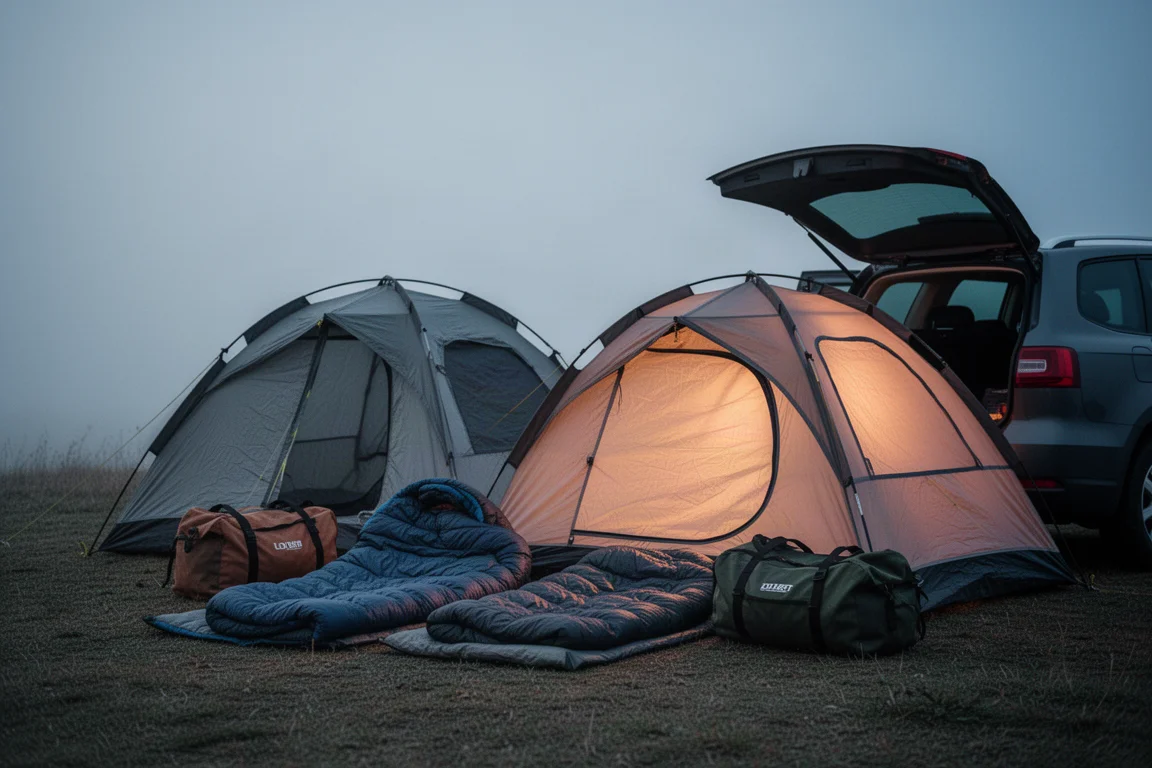
For backpacking, the calculus is different. Almost six pounds is a lot to carry, and the packed size is large. Riders of long trails would be better served by a lighter shelter, even if it costs more. The Morrison II earns its place as a roomy, affordable base camp tent rather than a packable one.
Before buying, plan on adding adjustable guy lines. It is a small expense that resolves the biggest functional weakness in the design by letting you pull the fly away from the body and improve airflow at both ends of the tent.
Conclusion
The Mountainsmith Morrison II is a comfortable, well-built two-person tent with a genuinely spacious interior, sensible storage, and a price that is hard to argue with. Its limitations are clear and predictable: it is heavy, it packs large, and it runs hot when temperatures climb because so little of the door area is mesh.
Buy it if you want an affordable, roomy shelter for car camping and cool-weather trips where weight is irrelevant. Skip it if you plan to carry your tent long distances or camp regularly in hot, humid conditions, where a design with far more mesh will keep you considerably more comfortable.
Product link
View more details for Mountainsmith Morrison II
This product is mentioned in the review. Check the specifications, options, and compatibility before buying.
View more details for Mountainsmith Morrison IIFurther reading
Related Reviews
Camping Tents
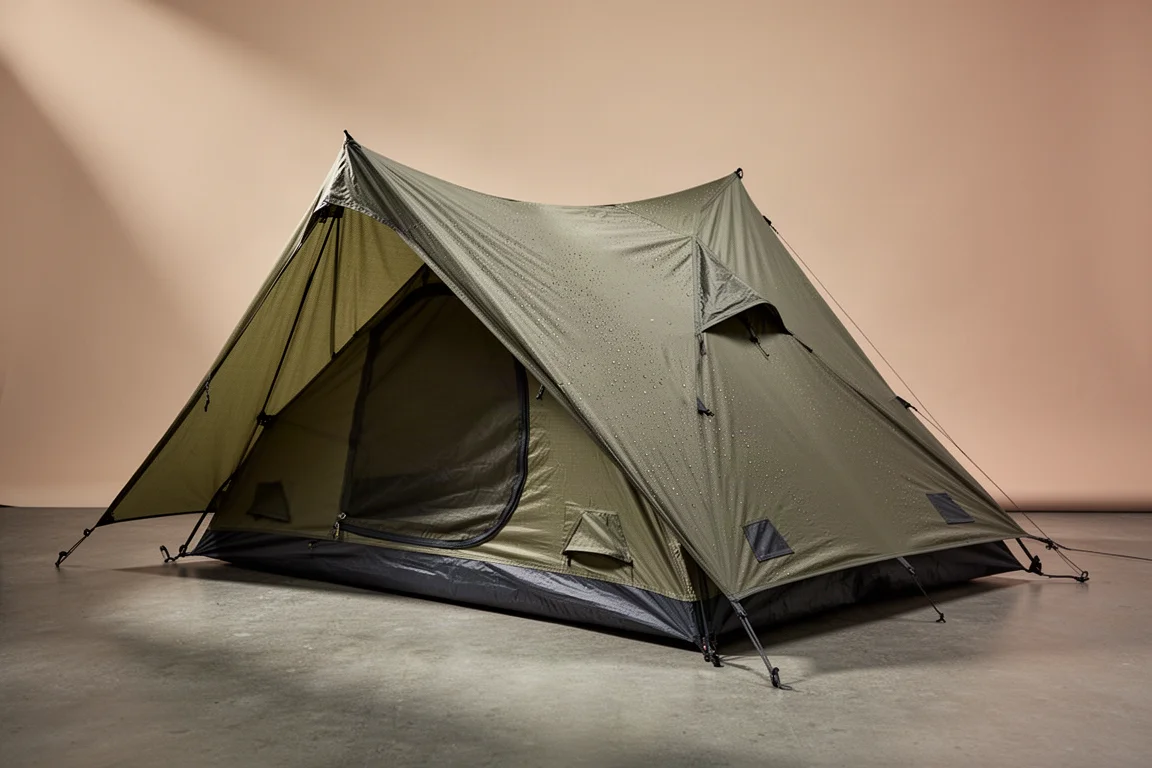
3F UL Gear Taiji Two-Person Tent Review: Field Waterproofing Results and Buying Advice
The Taiji pairs an attached fly with a removable inner, but sustained rain exposed untaped vent seams that need sealing before this shelter can be trusted.
Camping Tents
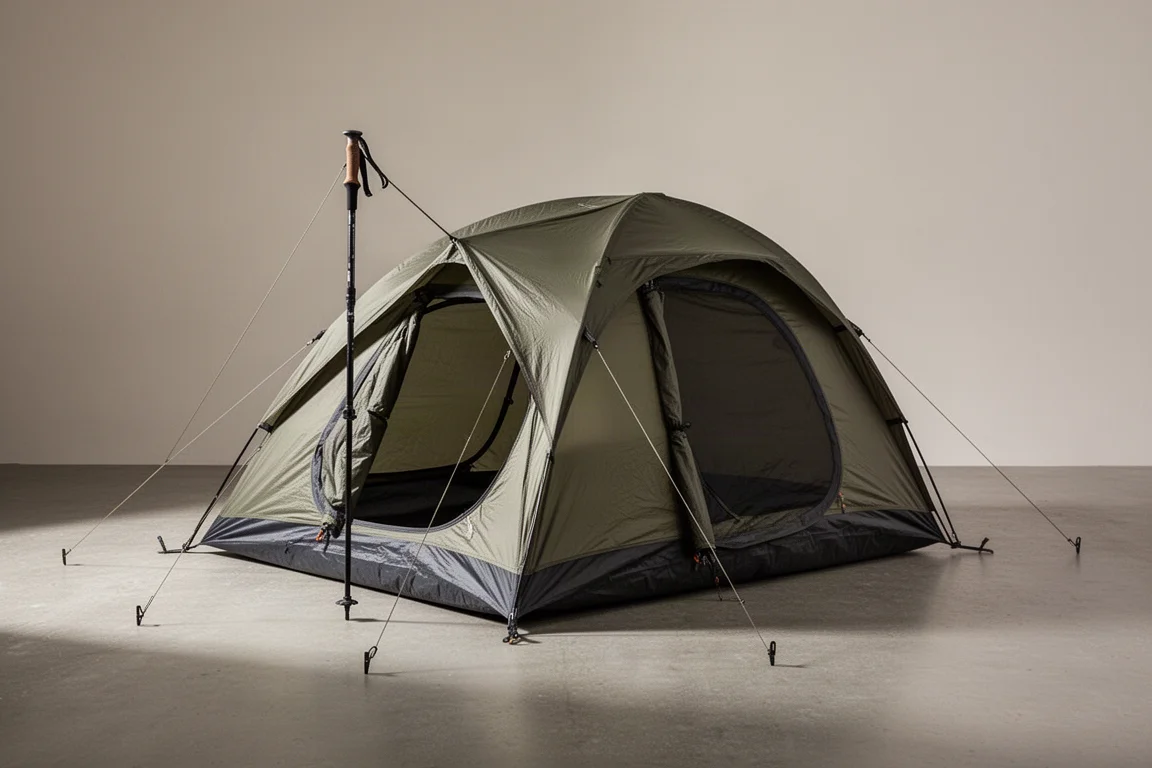
3FUL Gear Lanshan 2 Pro 4-Season Review: A Sub-$200 Single-Wall Trekking Pole Tent
An early look at the 3FUL Gear Lanshan 2 Pro 4-Season, covering its straightforward pitch, generous interior space, and the condensation and seam-sealing questions that come with any single-wall shelter.
Camping Tents
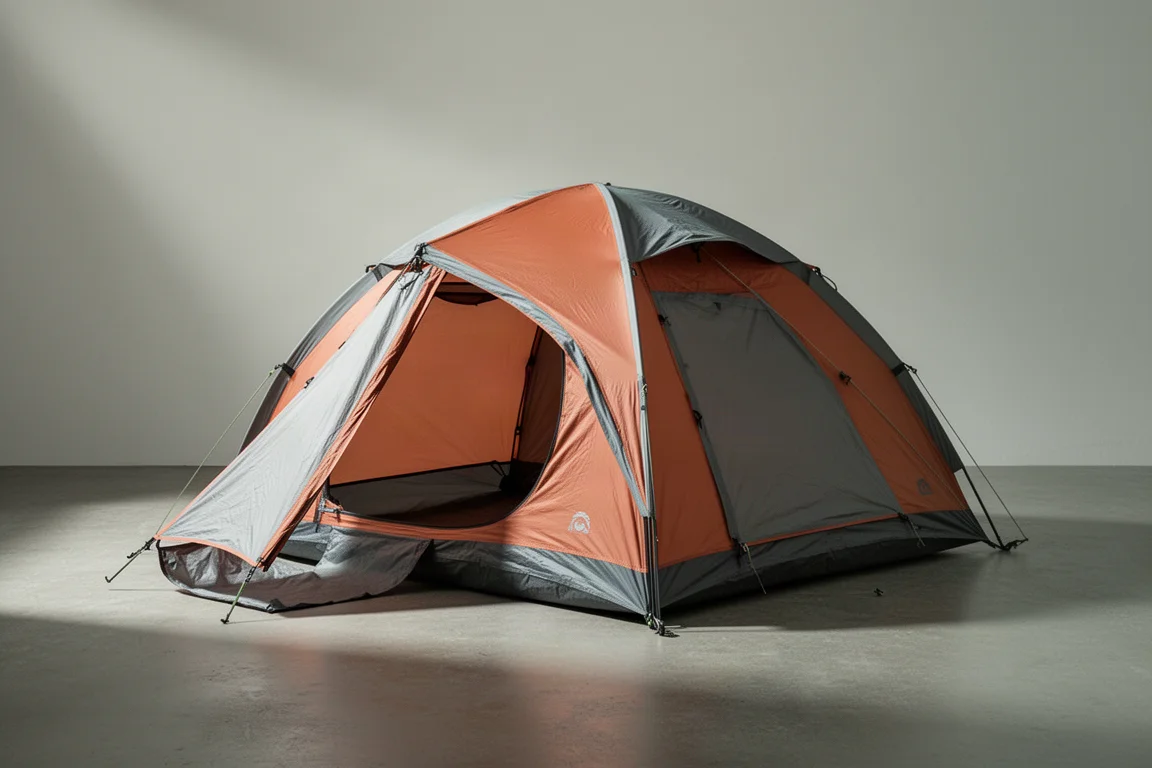
Alps Mountaineering Lynx 1-Person Tent Review: Big Value in a Small Budget Tent
A close look at the Alps Mountaineering Lynx 1-Person Tent, covering real interior dimensions, materials, setup time, ventilation limits, and who should buy it.