Backpacking Shelters
Mountain Laurel Designs SuperLight Bivy Review: A Silnylon Cocoon for Tarp Campers
A long-term look at the Mountain Laurel Designs SuperLight Bivy in silnylon: warmth, wind and bug protection, durability after thousands of miles, and who should actually buy one.
Introduction
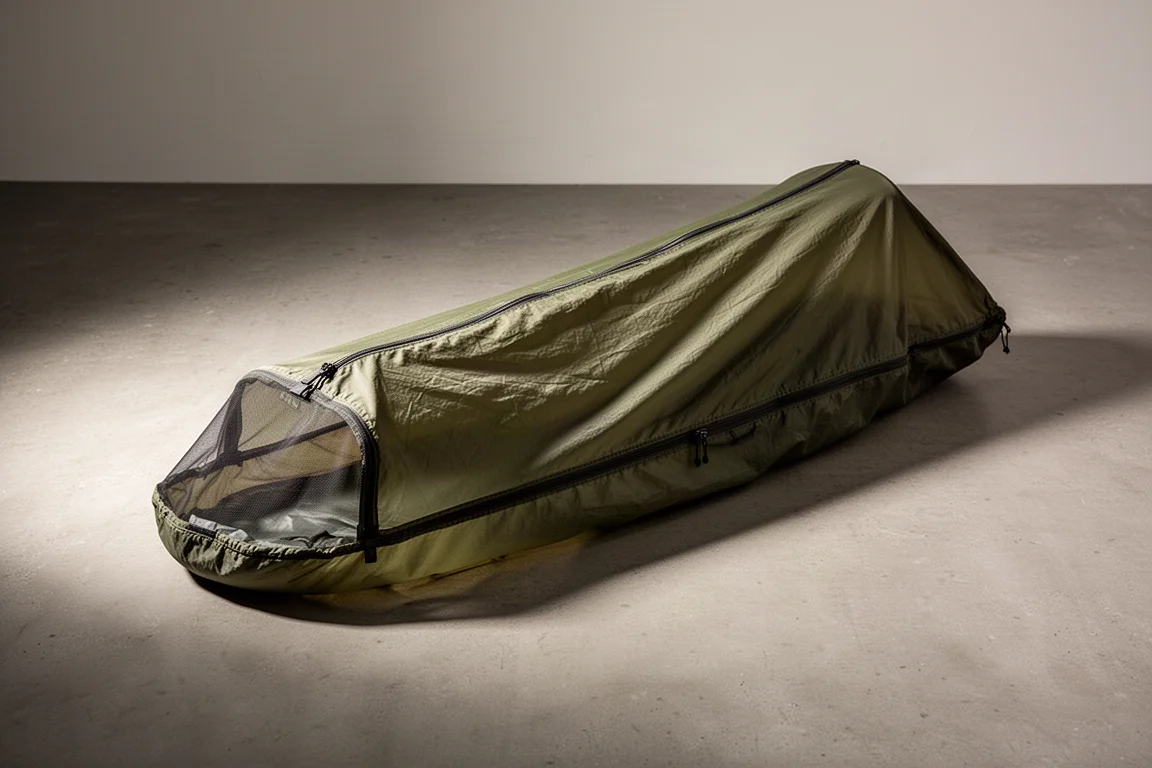
The Mountain Laurel Designs SuperLight Bivy is a silnylon bivy sack built for hikers who already carry a tarp and want more protection without committing to a full tent. It is not a standalone shelter. It is the layer that sits between a sleeping quilt and the weather, and it earns its place when nights turn cold, windy, or buggy.
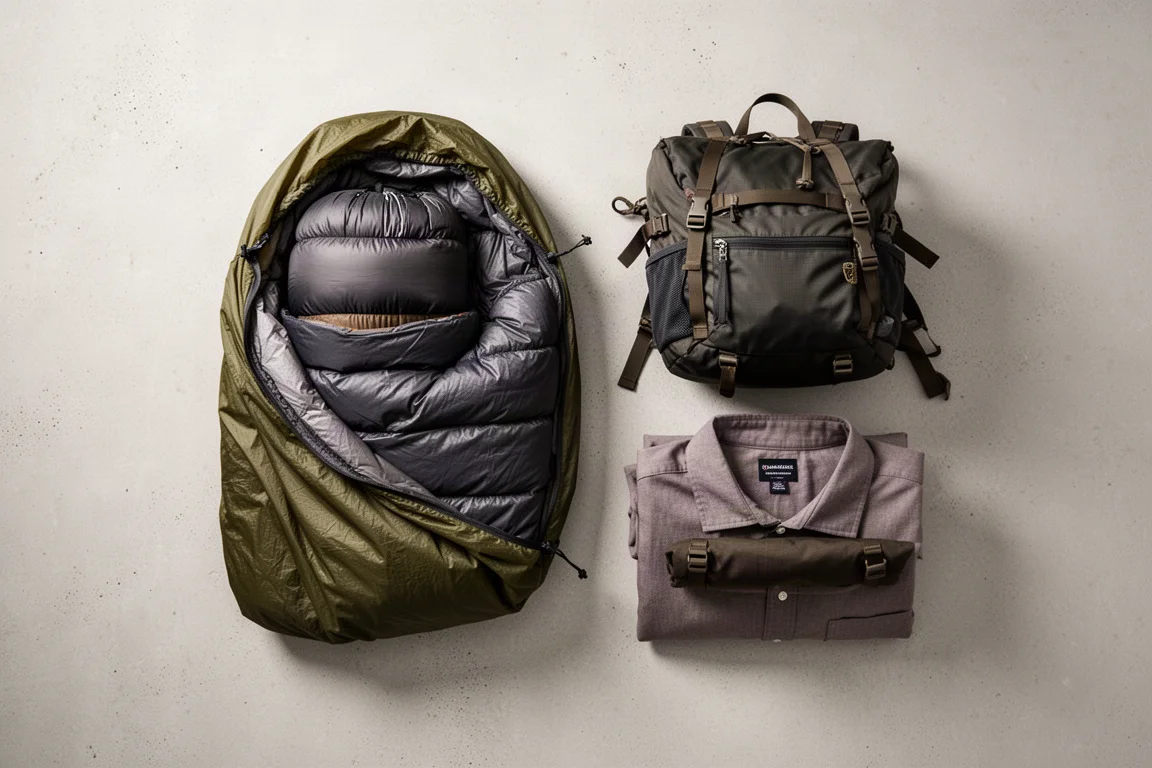
Its most practical trick has nothing to do with pitching it. The bivy doubles as the stuff sack for a quilt or sleeping bag. A quilt goes inside, the whole bundle gets compressed into the backpack, and camp setup begins by pulling the bivy out rather than digging through separate bags. Extra clothing that will not be needed during the day can live in there too, and a dedicated stuff sack becomes unnecessary on trail.
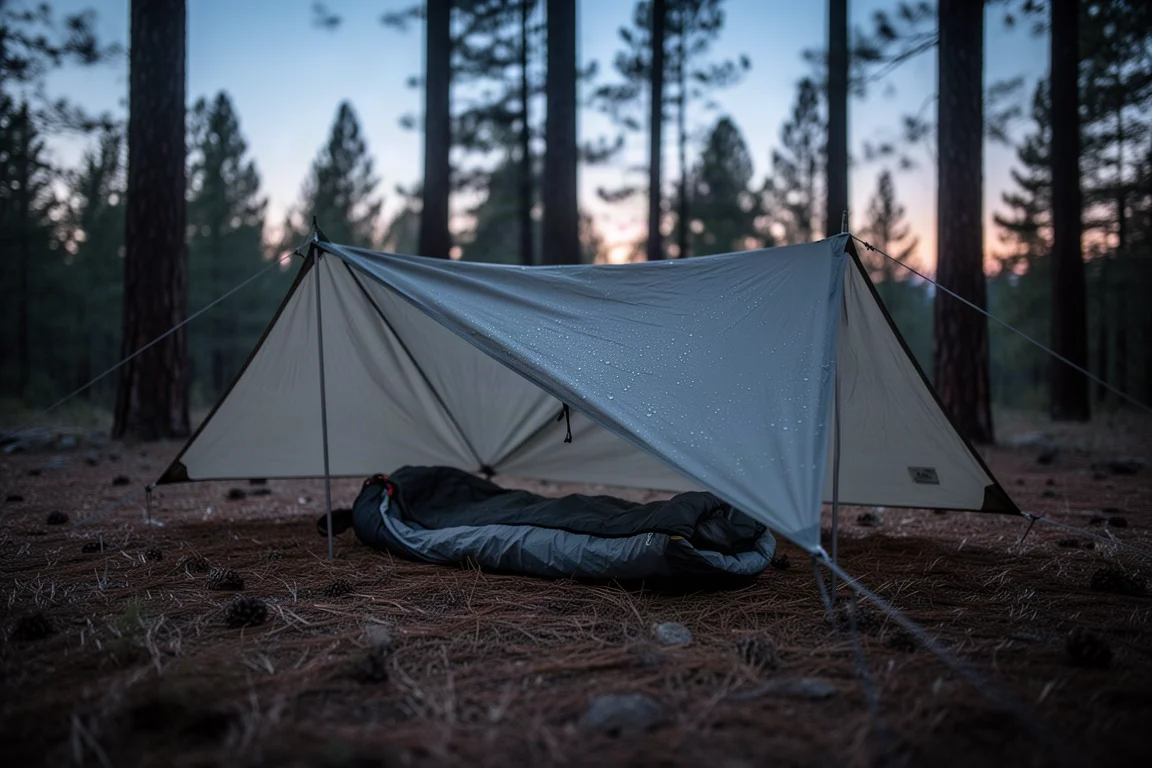
Across more than 5,000 miles of trail use, this bivy has functioned as a modular piece of a tarp-based shelter system rather than a replacement for one. It has been carried on the Appalachian Trail, the International Appalachian Trail, and the Florida Trail, in Canadian summer conditions, autumn on the Appalachian Trail, and the depths of a Florida winter.
Who This Bivy Is For
This is a niche product, and it is worth being direct about that. It suits hikers who have already committed to tarp camping and want an optional layer for specific conditions, such as mosquito-heavy stretches in Florida or the Sierra, or cold shoulder-season nights on a long trail. Roughly half of more than 9,000 miles of tarp camping was covered with a bivy in the mix.
It is a poor fit for anyone who wants living space. A bivy surrounds the sleeper. People who feel claustrophobic in enclosed spaces will likely find it uncomfortable, and when rain and insects arrive together there is nowhere to go but inside the bivy. Anyone who needs dependable bug and wind protection on most nights is generally better served by a tent.
Main Strengths: Warmth, Wind Protection, and Bug Protection
The core benefit is a warmer, calmer microclimate. A bivy of this type can add roughly 5 degrees of warmth and takes the edge off wind, which means a lighter quilt or fewer layers can work in conditions that would otherwise demand more insulation. On nights around 20 degrees, a 40 degree bag plus the clothing being worn was enough to stay comfortable.
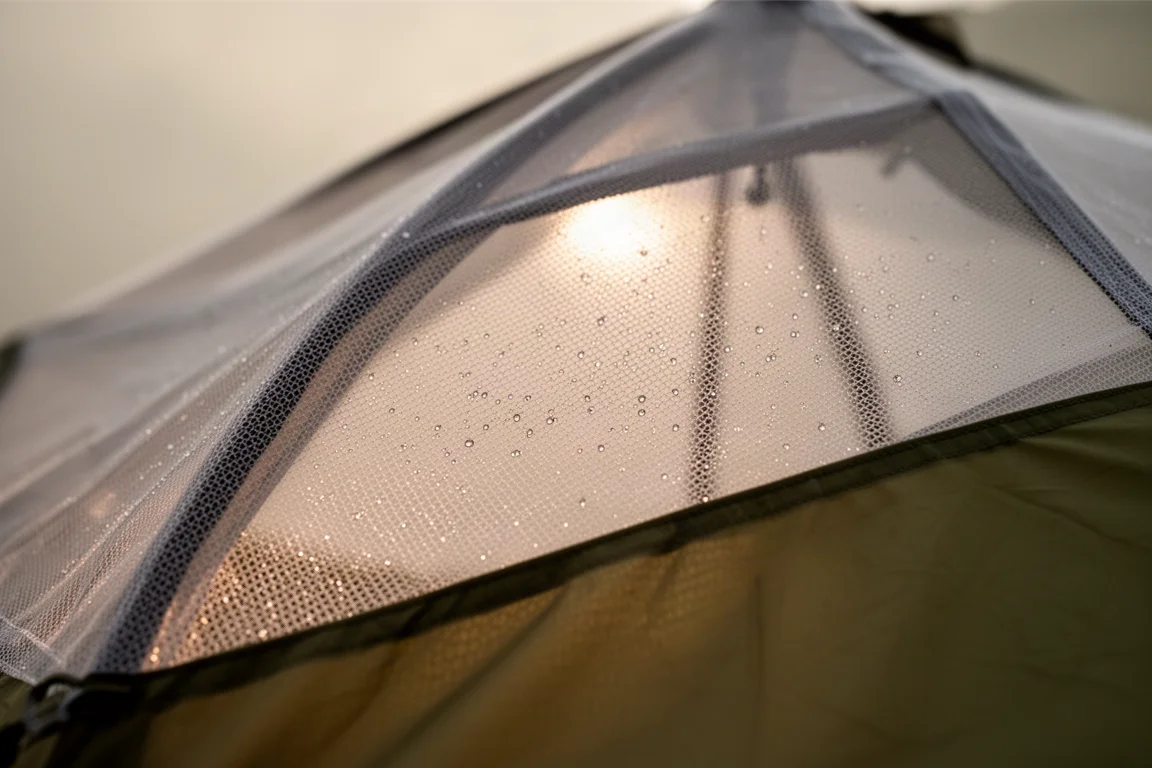
A full bug head net is the version to get. Bivies that leave only a small face slit trap more heat, offer a narrow view outward, and feel more confining, and they tend to collect more moisture inside. A full mesh head net is easier to look out from, more breathable, and reduces the chance of water pooling against a quilt. Full-body coverage is also the clearest advantage over a simple bug head net, which leaves everything below the neck exposed.
Durability and Materials After Long-Term Use
Silnylon was the deliberate choice here over lighter Dyneema composite fabric. Sleeping directly on top of the floor means constant abrasion from a back against the ground, and silnylon handles that punishment while costing considerably less. A lighter composite bivy can run $100 to $200 more, which is hard to justify for a piece that may only come out for a few sections of a long trail. Silnylon may also breathe slightly better than a composite fabric, though that is difficult to confirm.
After thousands of miles, the wear is minor and predictable. The zippers have degraded and can catch on themselves, though they still function. A small hole has appeared in the netting, which is straightforward to sew. Nothing else has failed.
Packing and Modular Shelter Strategy
Because the bivy swallows the quilt, it needs no separate stuff sack on trail. The whole bundle compresses into the pack and comes out as a single unit at camp, which keeps the packing routine simple and removes one loose item from the gear bin.
The larger idea is modularity. A bivy can be mailed ahead to a specific stretch of trail and left out of the pack for the rest. On a Pacific Crest Trail thru-hike, for example, the desert and much of Northern California rarely call for one, while the Sierra, Oregon, and Washington are more plausible candidates. Carrying a very light tarp most of the way and adding a bivy only for the sections that need it keeps base weight lower than a single heavier shelter carried start to finish. Sometimes the mailed bivy turns out to be unnecessary, which is exactly the point.
Things to Consider Before Buying
Condensation is the usual complaint about bivies, and the head-end design matters more than the fabric. A full bug net gives moisture somewhere to go. In this case, condensation was never a meaningful problem.
The real trade-offs are space and weight. There is room to stretch out, but not much more. Lighter bivies exist, including Dyneema composite options, and heavier ones exist as well, so this model sits in the middle of that range rather than at either extreme. It should also not be treated as a primary shelter. A tarp or a tent remains the main system, and a bivy is the optional addition on top of it.
Buying Advice
Start with a tarp. Get comfortable with it, and wait until a specific trip makes the case for a bivy. That moment usually arrives as a buggy stretch or a cold snap where extra insulation and wind resistance would let a lighter quilt do the job.
For roughly 90 percent of backpackers, a tent is the better answer, particularly anyone who wants protected space to sit up, cook, or wait out rain. For dedicated tarp users, though, a bivy like this one is a genuinely useful addition to the kit. The silnylon version makes more sense than a premium fabric for occasional use, and paying $100 to $200 more for a lighter bivy is difficult to justify when it spends most of its life in a gear bin.
Conclusion
The Mountain Laurel Designs SuperLight Bivy is not a shelter for everyone, and it does not try to be. It is a durable, affordable silnylon cocoon that adds warmth, cuts wind, and keeps bugs off entirely, and it doubles as the bag a quilt lives in. Buy it if you are already a tarp camper who wants an optional layer for the hardest nights. Skip it if you want space, dislike confined sleeping, or expect to need bug and wind protection on most trips.
Product link
View more details for Mountain Laurel Designs SuperLight Bivy
This product is mentioned in the review. Check the specifications, options, and compatibility before buying.
View more details for Mountain Laurel Designs SuperLight BivyFurther reading
Related Reviews
Backpacking Shelters
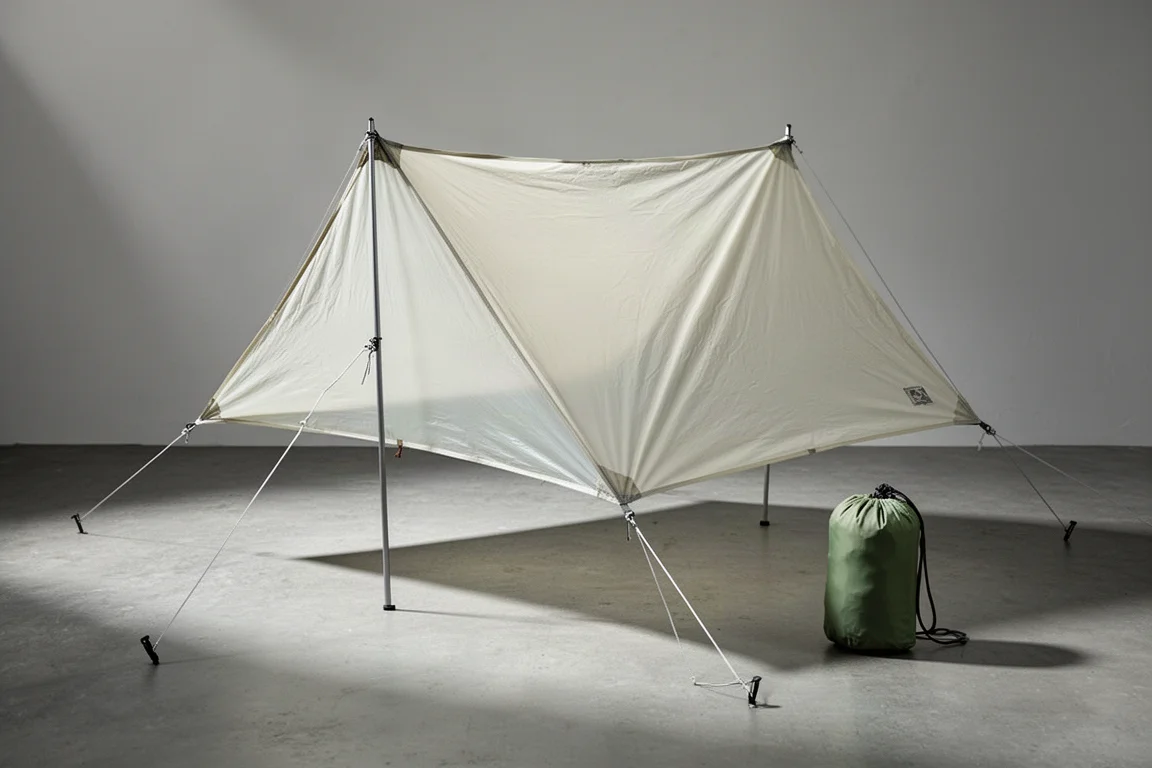
Hyperlite Mountain Gear Flat Tarp Review: A 9 oz Shelter at a Premium Price
A 9 oz Dyneema Composite Fabric tarp with welded seams, 25 tie-out points, and a $369 price tag. Here is what it does well and who should think twice.
Backpacking Shelters
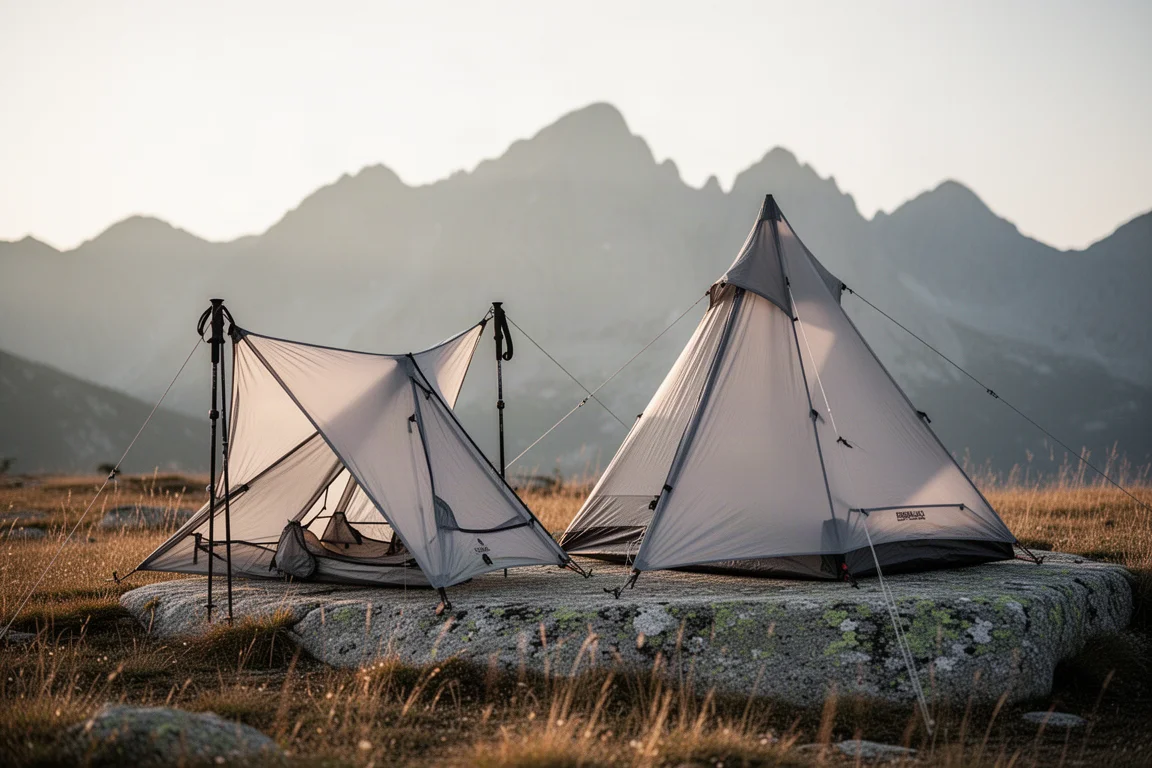
Durston X-Mid Pro vs Zpacks Offset Duo: Two Ultralight Shelters Compared
A practical comparison of two trekking-pole shelters: setup simplicity, interior room, headroom, condensation, and footprint, with clear guidance on which suits your camping style.
Backpacking Shelters
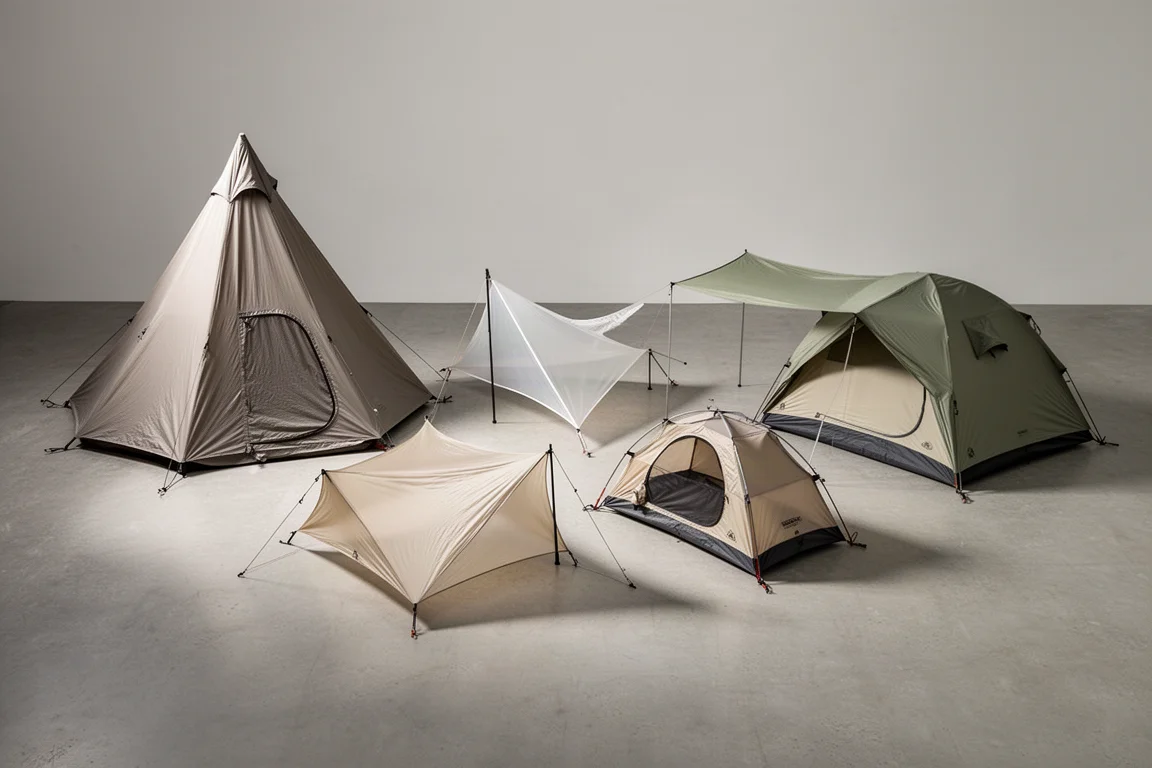
Four Backpacking Shelters for Different Trip Scenarios
A practical look at four backpacking shelters, from a modular four-season tipi style tent to a freestanding two-person option, and how to match each one to a real trip.