Backpacking Shelters
Four Backpacking Shelters for Different Trip Scenarios
A practical look at four backpacking shelters, from a modular four-season tipi style tent to a freestanding two-person option, and how to match each one to a real trip.
Introduction
Shelter choice rarely comes down to a single perfect tent. Different trips ask for different things: a small pitch in a tight spot, a roomy base for cold-weather gear, or enough floor space for two people and a dog. The four shelters below cover that spread of needs, and each one earns its place by doing a specific job well.
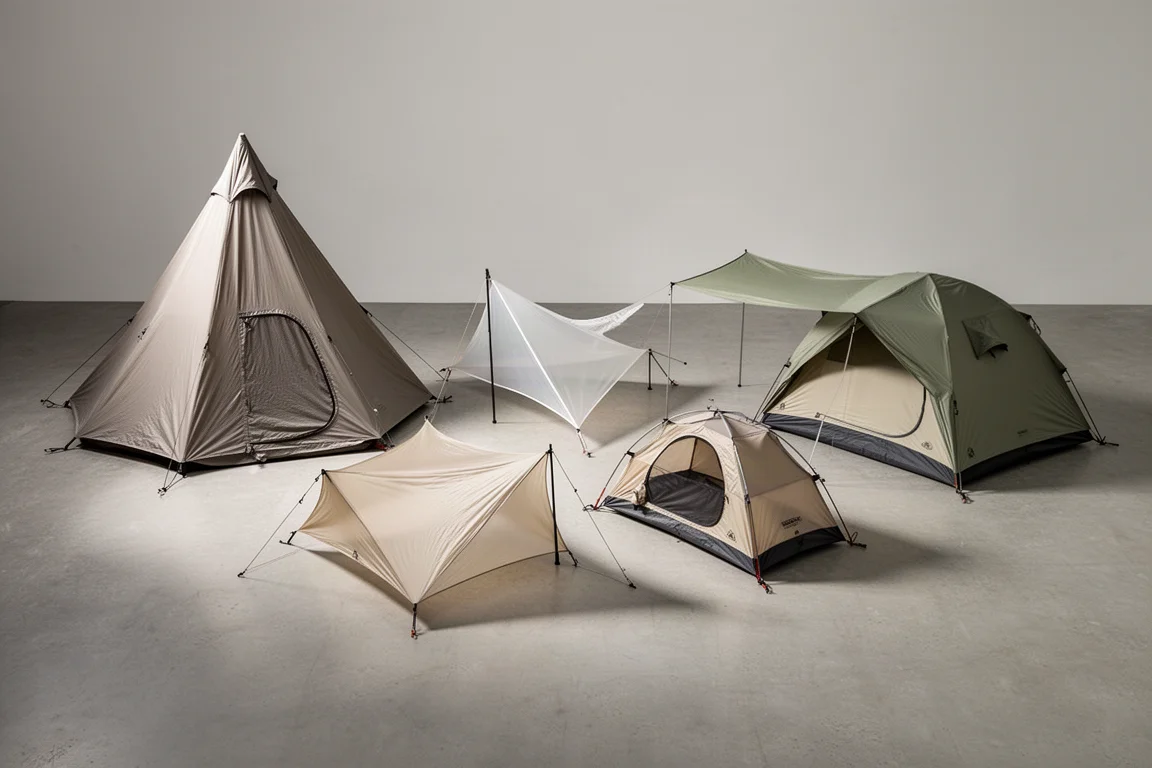
How These Four Shelters Differ
These four shelters sit at different points on the same spectrum. One is modular and accepts a full inner tent for cold weather. One is built from Dyneema and weighs under two pounds with a generous living area. One is a minimal solo shelter with a very small footprint. One is fully freestanding with the most interior organization of the group.
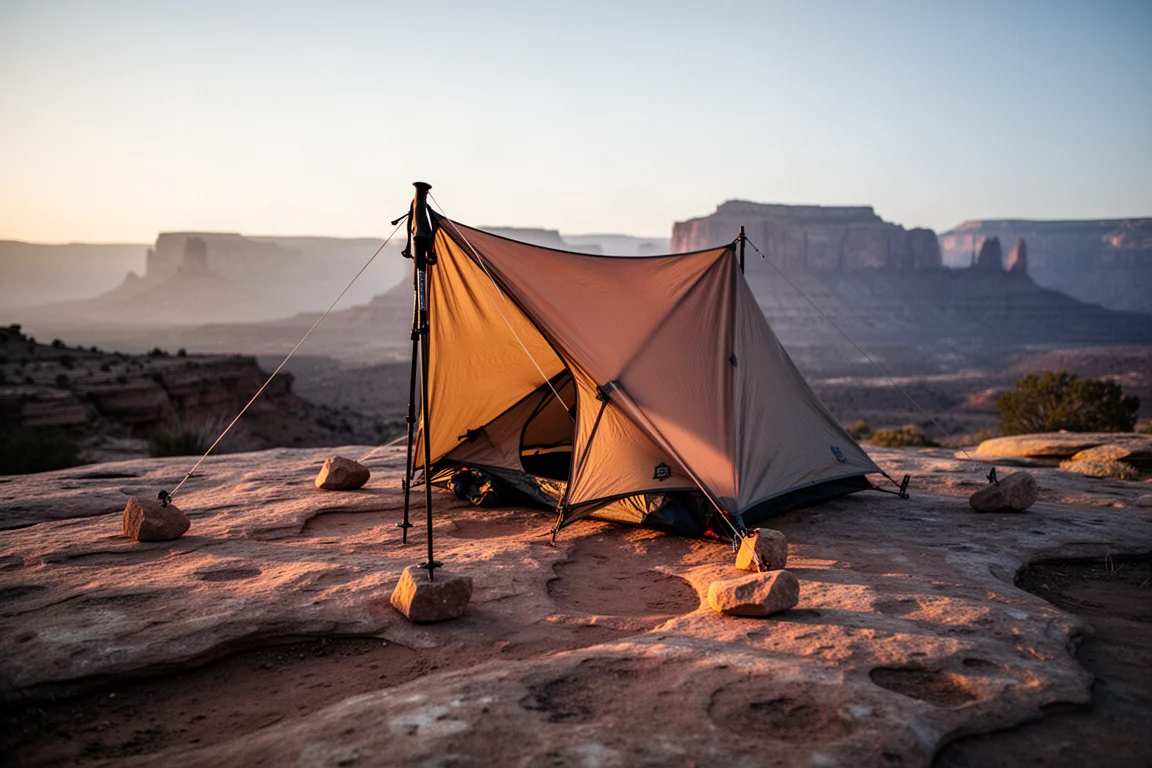
Pitching style matters as much as weight. A freestanding tent can be picked up and repositioned after it is built, which helps on sand or slick rock where stakes struggle to hold. A trekking pole shelter trades that convenience for lower weight and a smaller packed size. Interior volume matters too, especially when weather keeps you inside for hours at a time.
Setup time, packed size, and how much gear you need to store are the practical questions. The sections below look at each shelter on those terms, so you can match a design to the trips you actually take.
Lux Hiking Gear Hex Peak XL: Modular Shelter for Cold Weather
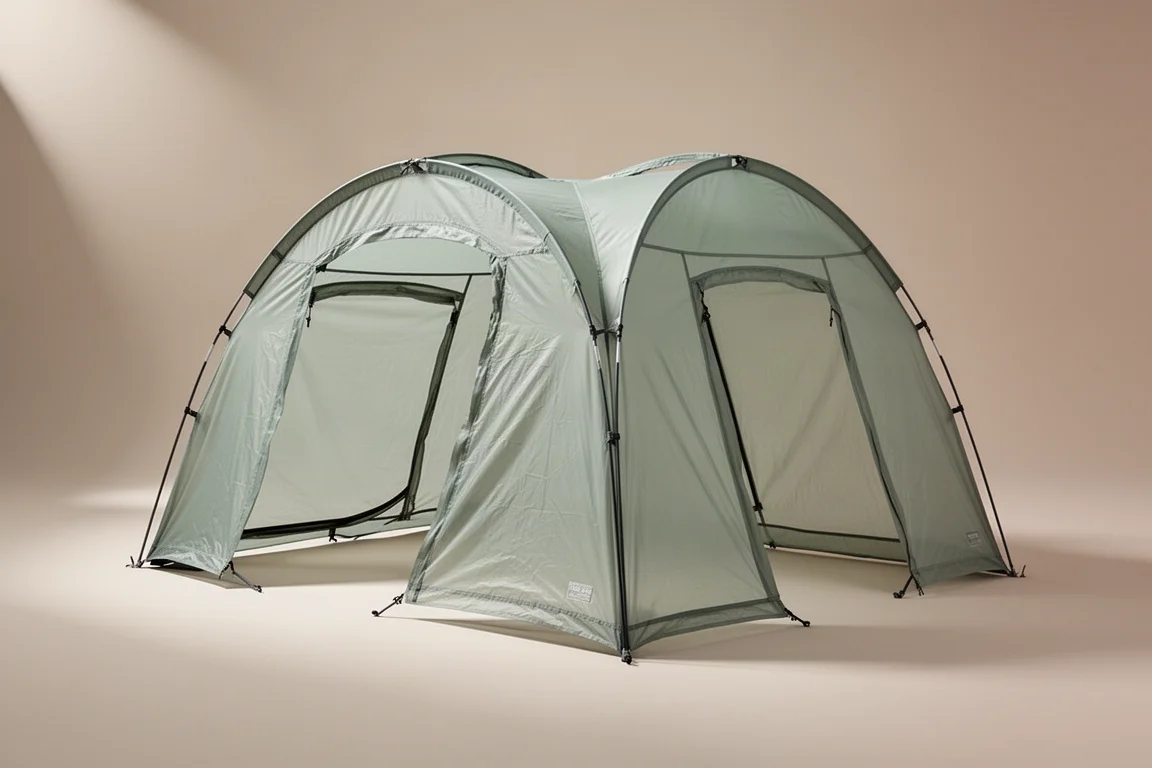
The Hex Peak XL is listed as a two-person shelter, and pairing it with the one-person inner creates an unusual amount of usable space for a single occupant. That extra room matters when a winter or shoulder-season kit includes a bulkier sleeping bag, a stove, and spare layers that all need to stay out of the weather.
The fabric is sil nylon, which tensions easily and can be pulled tight when conditions change and the material wants to sag. It is a genuinely modular system: leave the inner at home, take the outer with a ground sheet, and the weight drops for warmer trips. With the inner in place it works as a three-season shelter that can also handle cold-weather use, which is exactly the flexibility this design is built around.
Tarptent Double Rainbow Li: Space and Low Weight
The Double Rainbow Li is a Dyneema shelter that comes in under two pounds with everything included, around 28 ounces. For the amount of living space it offers, that is a notable figure. It is also a nearly $700 tent, and that price is the main thing to weigh before committing, since Dyneema fabric carries a real premium over sil nylon alternatives.
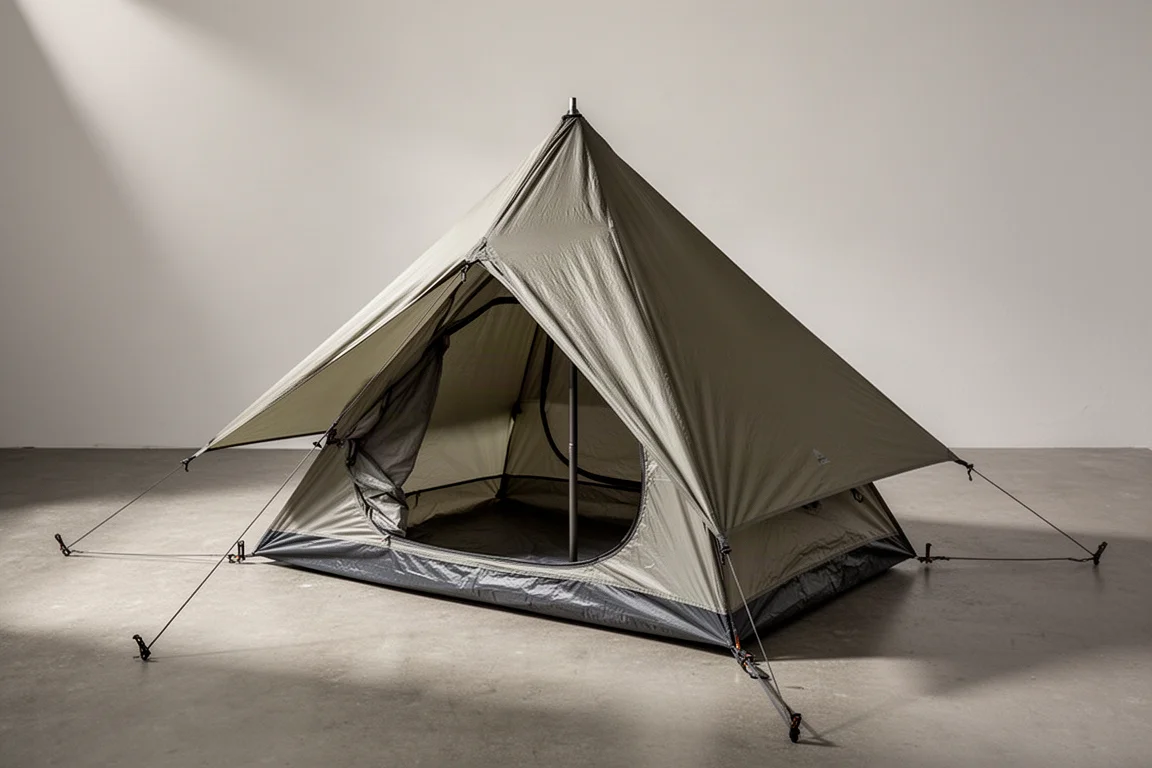
The design uses an arc pole across the top with a spreader bar running perpendicular to it, which opens up the interior and makes the space feel larger than the packed weight suggests. Only two interior pockets are provided, so organization is simple rather than extensive.
A useful detail for desert trips: trekking poles can turn this into a fully freestanding shelter. That helps on sand and slick rock where staking out a pitch is difficult, and it makes the tent far more flexible across different terrain.
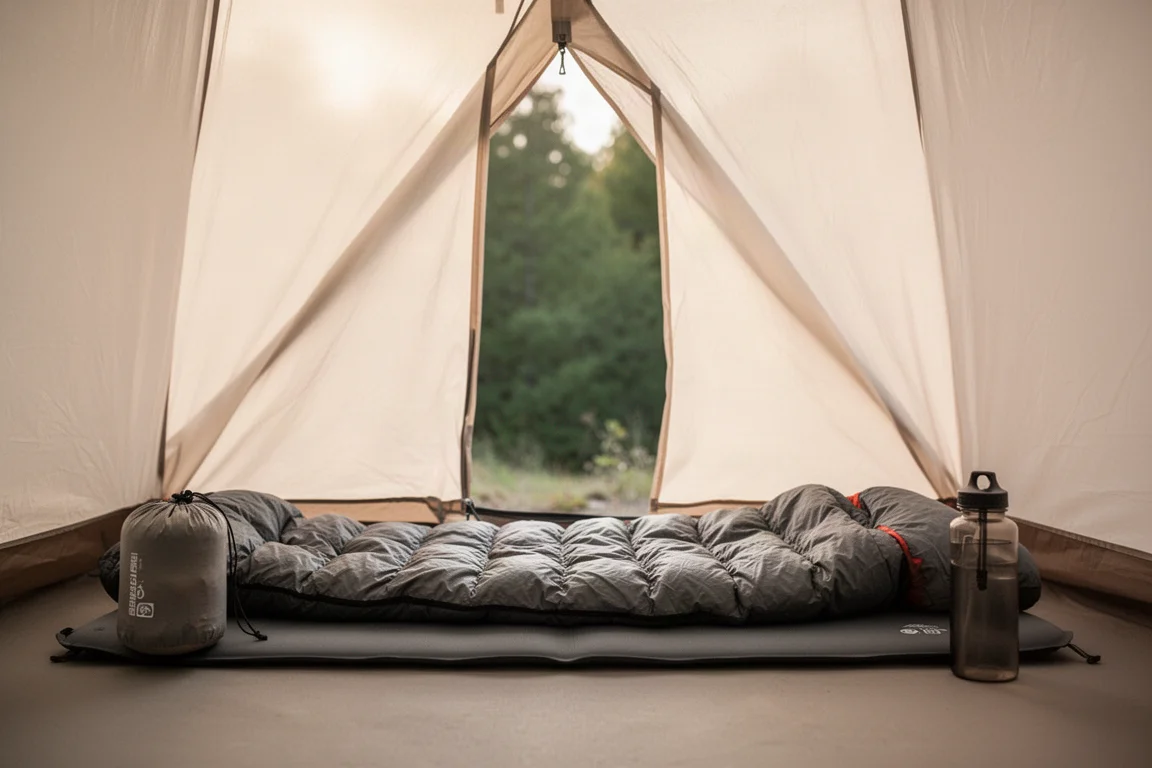
The living area is comfortable for one person plus gear, and it can accommodate a second occupant or a dog, though the space narrows for two. It is not the lightest trekking pole shelter on the market, but it pairs a low weight with the largest living area in this group.
PreTents Soloist: A Minimal Solo Shelter
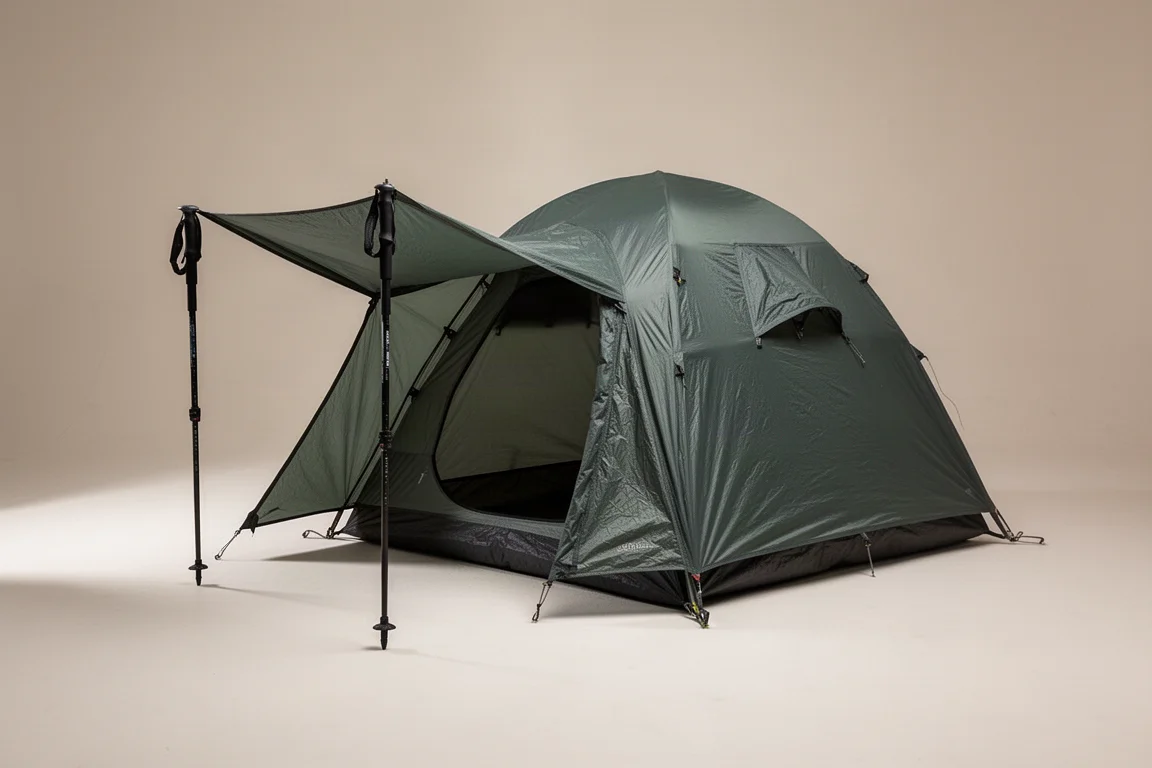
The Soloist is a double-wall trekking pole tent made from sil nylon by a small brand based in China. The design follows familiar lines, but the front door can be pitched out into an awning, which adds a sheltered spot to sit or to stash a pack out of the rain.
Weight is the headline: roughly 750 grams for the shelter itself, and a carbon fiber pole from the same brand keeps the whole package light. It is not a roomy tent. Anyone taller than about 5 feet 8 inches will feel the limits of the interior, and it is best treated as a true solo shelter rather than one that can stretch to a second person.
Where it shines is footprint. When a route leads to a tight pitching spot between rocks or trees, the Soloist is the shelter that fits. It is a simple, minimal option for trips where a large living area is not the priority.
Big Agnes Copper Spur UL2: Freestanding Comfort for Two
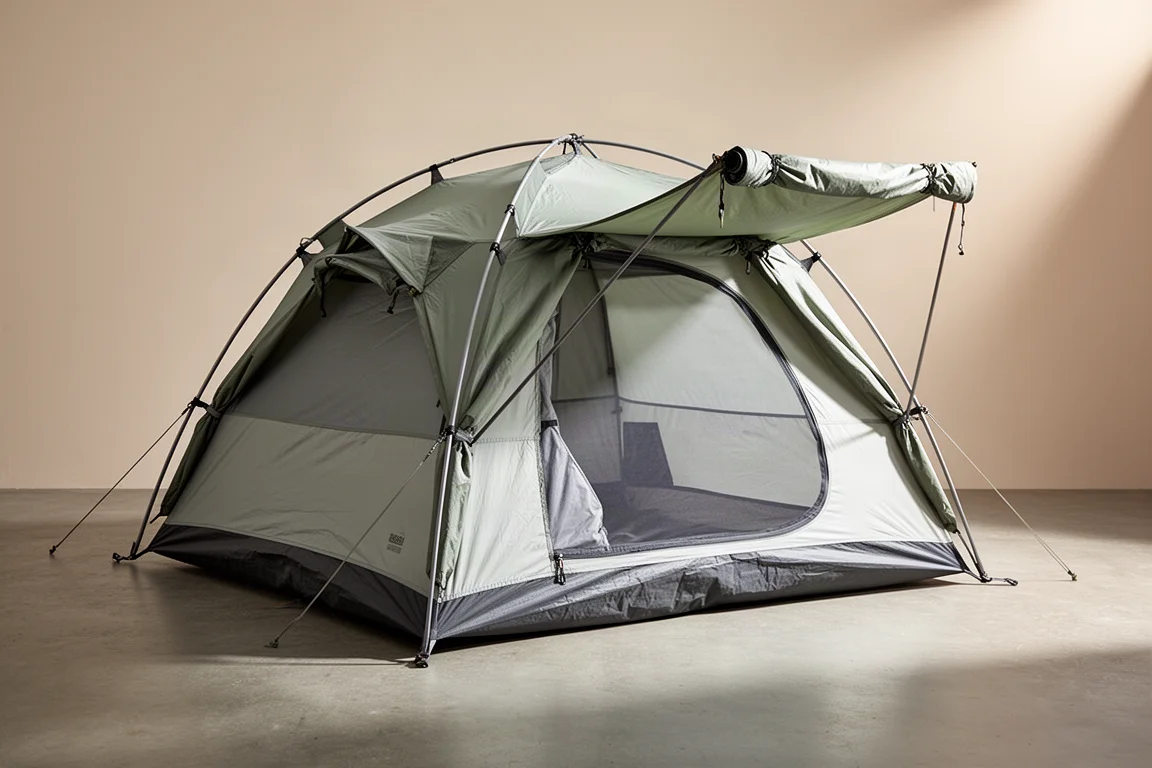
The Copper Spur UL2 is fully freestanding, which makes it the easiest of the four to pitch on hard or loose ground and the easiest to reposition once it is standing. Despite that convenience it remains a lightweight shelter, so the freestanding structure does not come at the cost of a heavy pack.
Interior organization sets it apart. A large three-dimensional pocket and side pockets let you lift gear off the floor, and the awnings roll back fully or extend outward for extra covered space at the door. That combination is what makes it the most comfortable shelter here, and the most practical when two people, or one adult with a child and a dog, are sharing the space.
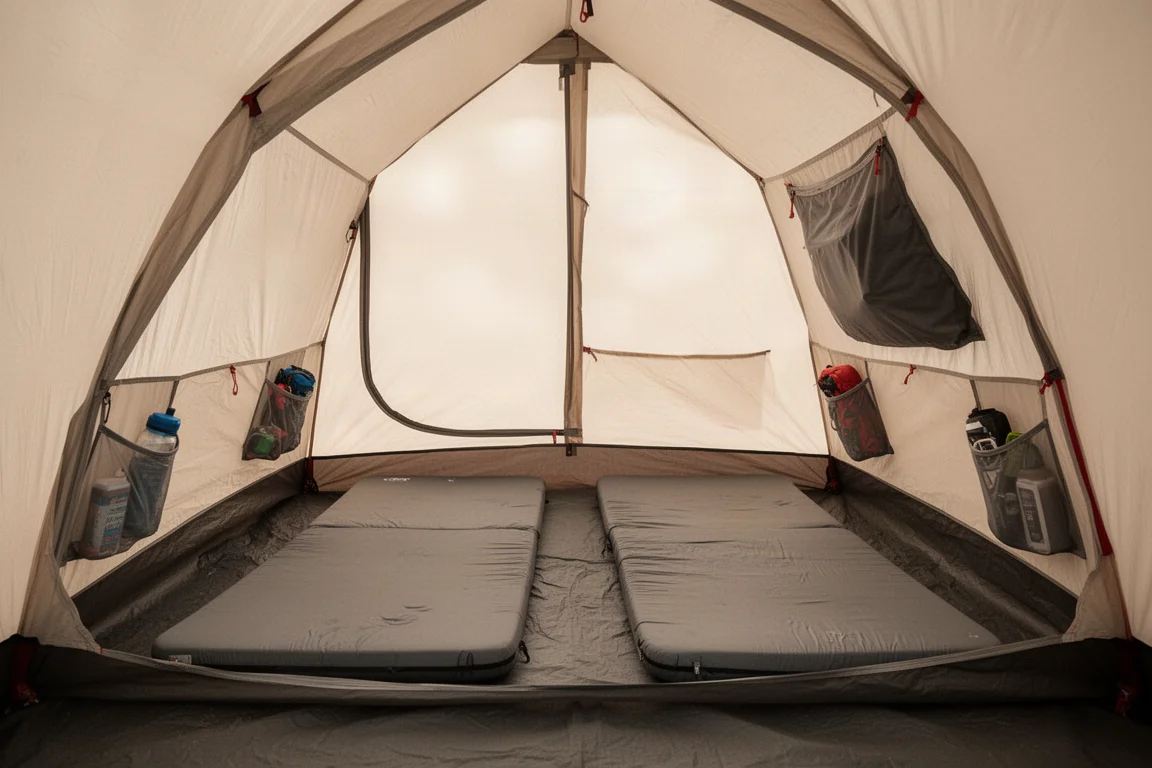
Floor space is the real argument for it. Two occupants can sit up, play cards, or watch something on a tablet without feeling pressed together, and the extra room keeps packs, layers, and dog gear out of the sleeping area. Against the lighter options in this lineup, that comfort is the trade you are making.
Weight, Space, and Setup Trade-Offs
Read together, these four shelters show the trade-offs clearly. Dropping weight usually costs money or living space, and adding interior comfort usually adds structure and a little more packed bulk.
- The Hex Peak XL prioritizes modularity and room for gear in cold conditions.
- The Double Rainbow Li prioritizes living space per gram, at a premium price.
- The Soloist prioritizes a small footprint and minimal weight for one person.
- The Copper Spur UL2 prioritizes freestanding convenience, interior organization, and two-person comfort.
Buying Advice: Matching a Shelter to the Trip
Start with the trips you actually take. If cold-weather camping and bulky gear are common, a modular shelter that accepts an inner tent and a ground sheet will serve you better than the lightest option available. If you cover long distances and want maximum space for the weight, a Dyneema shelter is worth the investment, provided the price is acceptable to you.
For tight pitches and fast solo overnights, a minimal trekking pole shelter keeps the pack light and the setup simple. For trips with a partner, a child, or a dog, freestanding convenience and interior pockets matter more than the last few grams.
It also helps to be honest about limits. The Soloist suits smaller sleepers, and the Double Rainbow Li is at its best with one occupant plus gear. Matching those limits to your own trips is far more useful than chasing a single best tent.
Conclusion
Four shelters, four jobs. The Hex Peak XL handles cold weather and gear-heavy trips with a modular setup, the Double Rainbow Li delivers a large living area at under two pounds for a premium price, the Soloist stays minimal and fits where larger tents will not, and the Copper Spur UL2 brings freestanding ease and two-person comfort. Choosing between them comes down to the trips on your calendar rather than a single ranking.
Further reading
Related Reviews
Backpacking Shelters
Hyperlite Mountain Gear Flat Tarp Review: A 9 oz Shelter at a Premium Price
A 9 oz Dyneema Composite Fabric tarp with welded seams, 25 tie-out points, and a $369 price tag. Here is what it does well and who should think twice.
Backpacking Shelters
Durston X-Mid Pro vs Zpacks Offset Duo: Two Ultralight Shelters Compared
A practical comparison of two trekking-pole shelters: setup simplicity, interior room, headroom, condensation, and footprint, with clear guidance on which suits your camping style.
Backpacking Shelters
Mountain Laurel Designs Pro Rain Poncho Tarp and Superlight Solo Bivy: A Lightweight Shelter System Field Tested
A field-tested look at the Mountain Laurel Designs Pro Rain Poncho Tarp paired with the Superlight Solo Bivy, covering shelter performance, rain gear trade-offs, and who this ultralight setup suits.