Backpacking Shelters
Durston X-Mid Pro vs Zpacks Offset Duo: Two Ultralight Shelters Compared
A practical comparison of two trekking-pole shelters: setup simplicity, interior room, headroom, condensation, and footprint, with clear guidance on which suits your camping style.
Introduction
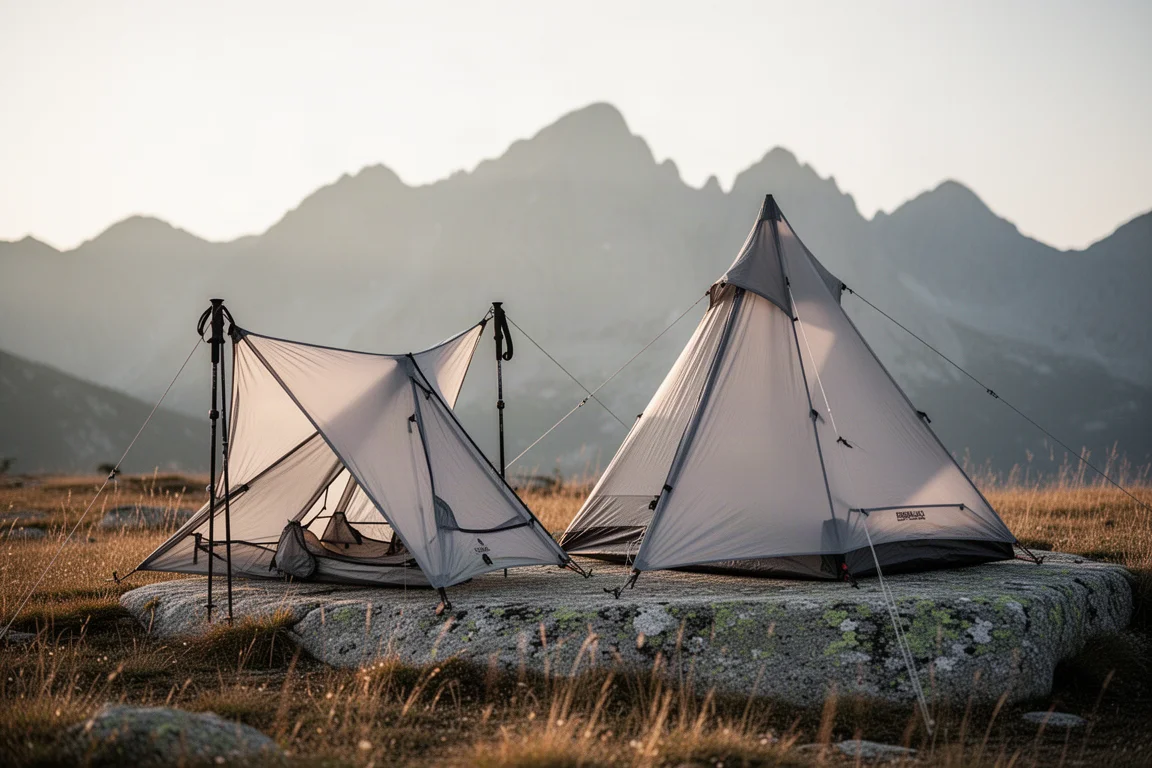
Choosing an ultralight shelter often comes down to how much complexity you are willing to carry in exchange for space. The Durston X-Mid Pro and the Zpacks Offset Duo sit at opposite ends of that trade-off, and both reveal their personalities quickly once you spend a night inside them.
Early field notes put the two shelters in clear contrast. The X-Mid Pro leans on a two-pole asymmetrical layout inside a compact footprint, while the Offset Duo leans on sheer interior volume inside a much larger footprint.
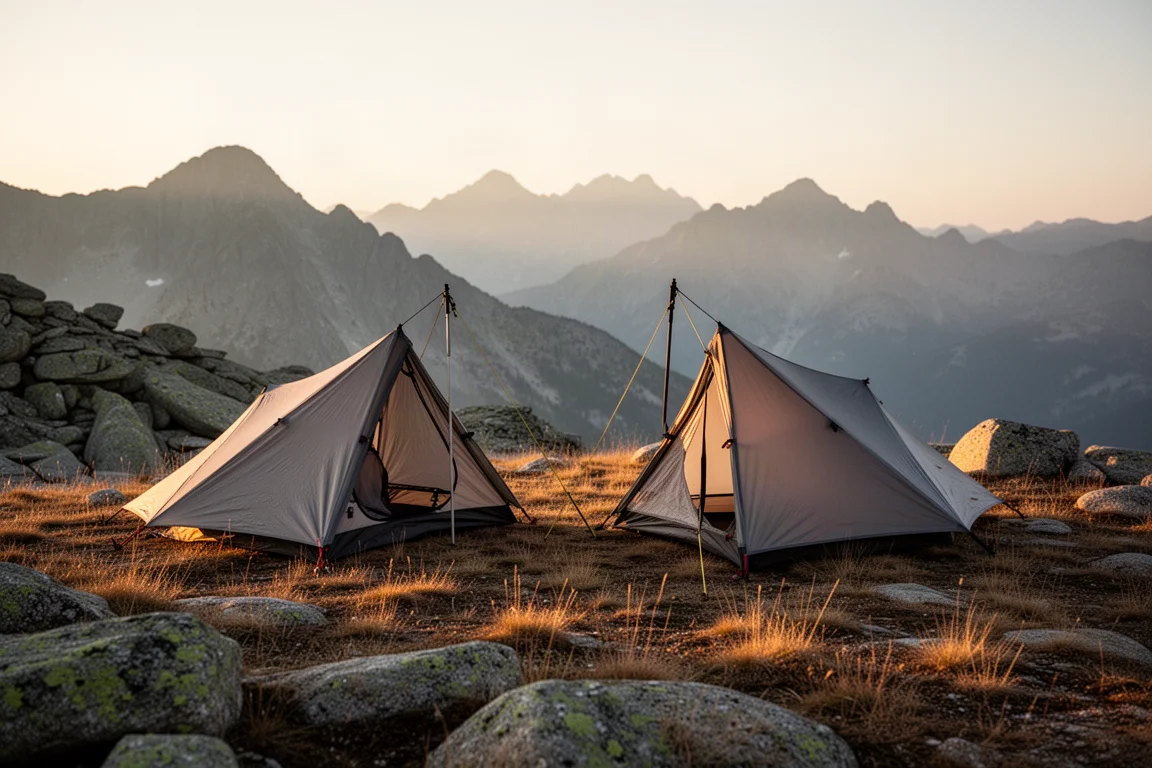
Both shelters are well regarded, and both have quirks that only show up when you are inside them at the end of a long day. The notes below focus on what matters at camp: setup, interior room, ventilation, and the small hardware details that decide whether a shelter feels effortless or fiddly.
How We Compared These Shelters
Four things shaped the comparison, because they are the things that decide whether a shelter works for you on a wet morning.
- Setup simplicity: how many poles, stakes, and guy lines the shelter demands before it is fully taut.
- Interior room and headroom: how much space is available at the head and foot, and whether you can sit up comfortably.
- Ventilation and condensation: how the shelter handles moisture overnight.
- Footprint and hardware: how much ground the shelter needs, and how the finishing details hold up in daily use.
Durston X-Mid Pro: Asymmetrical Two-Pole Design
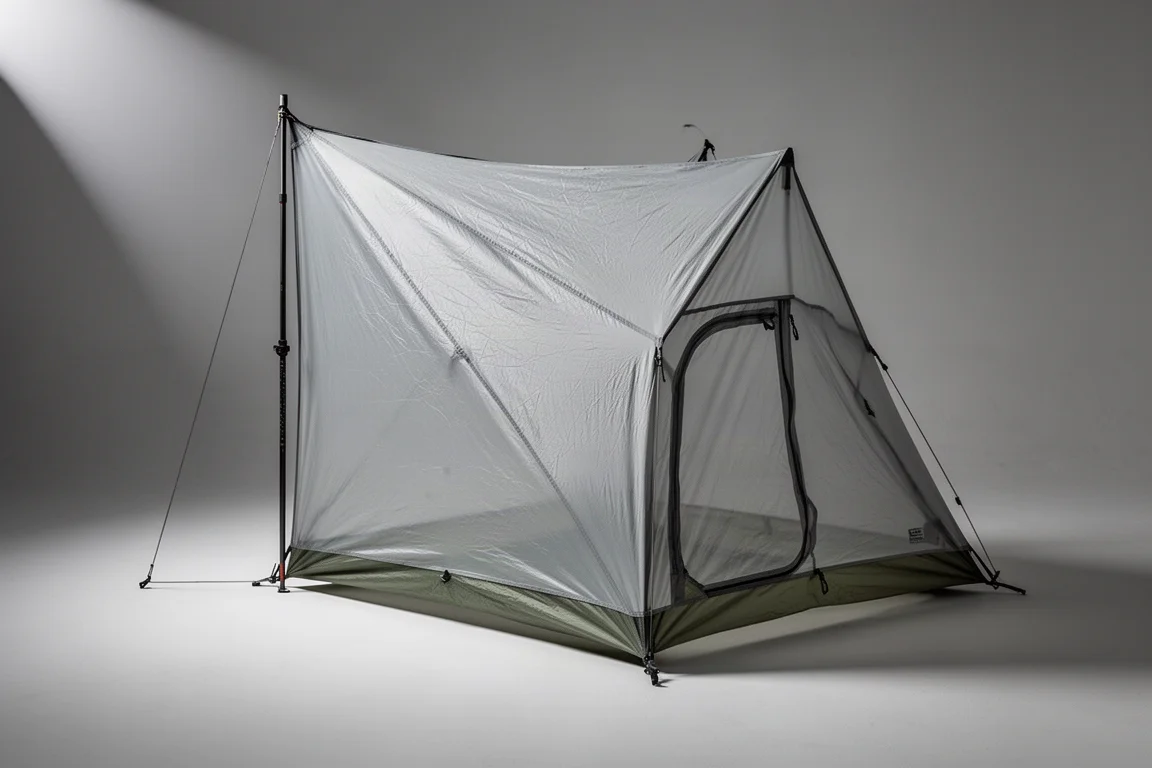
The X-Mid Pro is pitched with two trekking poles in an asymmetrical arrangement, and it uses two vestibules. For a solo shelter, that second vestibule is a matter of taste. Some hikers see extra covered storage, others see a feature they will never use.
Interior room at the head and foot is one of its strengths. The inside has a boxier shape than the flat wall and slanted wall combination found on many hex-style shelters, which gives the sleeping area a more usable profile. The trade-off shows up when you sit up. The sidewall sits close, and the peak is lower than the taller shelters some backpackers are used to, so morning coffee inside the tent means leaning rather than sitting upright.
The fly can be tensioned from its guy line, which helps tighten the pitch. The bathtub floor corners, though, have no tensioners, so a wrinkle in the floor can stay there no matter how carefully the shelter is set up. Adding tensioners at those points would be a welcome change. The shelter ships with a case for its pole, and it has built a large following among backpackers for good reason. It is a capable tent. The sticking point, for anyone who prefers a single-pole pitch, is the second pole.
Zpacks Offset Duo: Interior Volume First
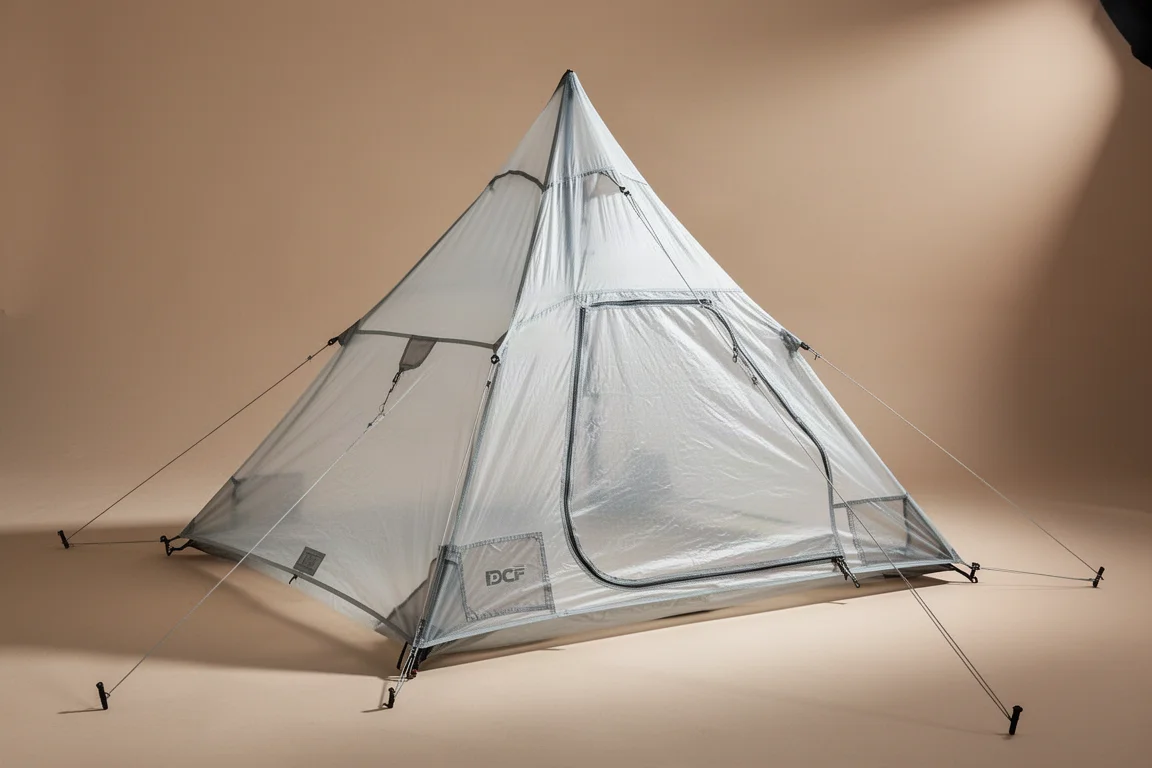
The Offset Duo is enormous inside. Sitting up is easy, and there is no sense of a wall pressing in. The shelter stands roughly two and a half feet tall at its peak, and that height changes how the interior feels compared with a low, close-sided design.
Setup is where it asks for patience. There are many moving parts, and a fully tensioned pitch uses eight stakes. Several guy-out points run around the shelter, and the one at the head end is optional but adds headroom when deployed. The door is L-shaped and curves around the opening, and magnets hold the vestibule panels, which makes stowing them quicker. The floor is made from DCF, a material that feels slick and plasticky under a sleeping pad.
A few details stand out. The guy lines are not reflective, which would have been a nice touch for finding the shelter after dark. The pole comes with its own small case, and a pole that small is easy to misplace. The footprint is very large, close to the Duplex in the same lineup, so campsite selection matters. There is also a single-person version in the lineup for anyone who likes the design but wants less floor area.
Interior Space and Headroom Compared
This is the clearest split between the two shelters. The Offset Duo offers noticeably more headroom, and sitting up inside it feels unrestricted. The X-Mid Pro gives up some of that height but returns a more compact shape and generous room at the head and foot.
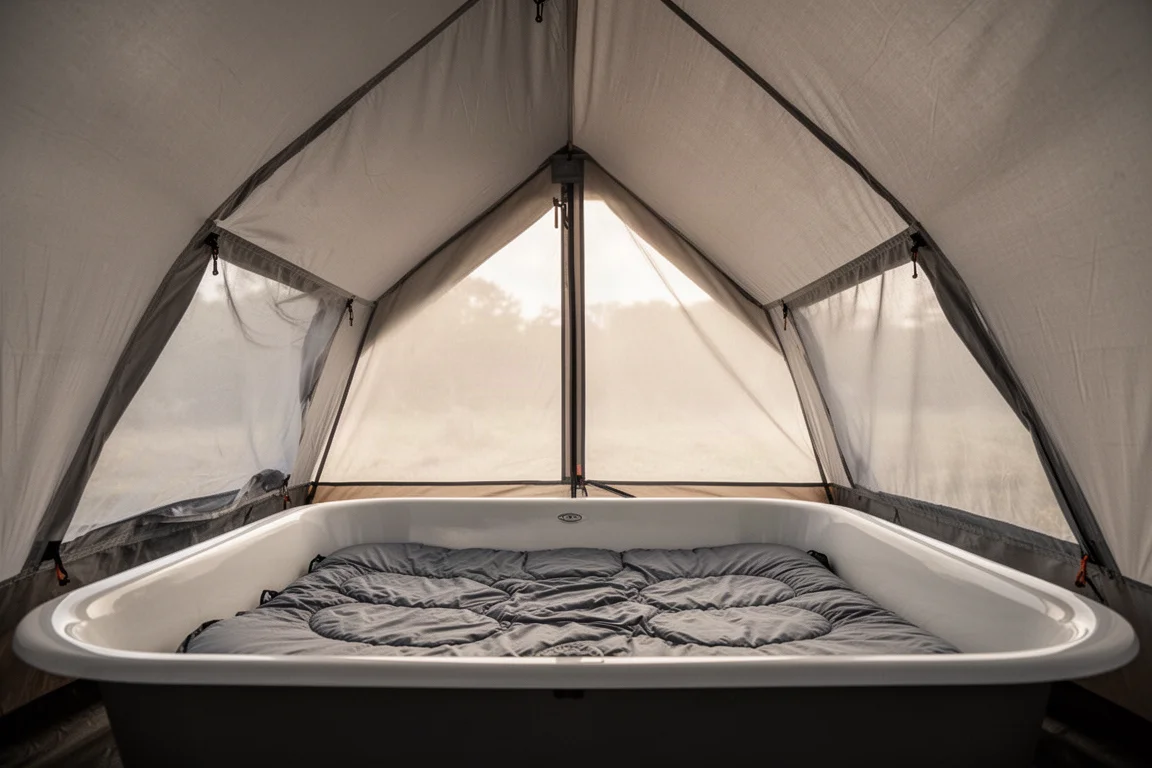
If you read in your shelter, change clothes inside it, or spend long evenings waiting out weather, the extra volume of the Offset Duo is the more comfortable place to be. If you mostly crawl in, sleep, and leave at first light, the head and foot space of the X-Mid Pro is enough, and its lower profile keeps less fabric exposed to the wind.
Setup Complexity and Condensation
Setup splits along the same lines. The X-Mid Pro needs two trekking poles and fewer parts overall, and once the pitch is learned it goes up quickly. The Offset Duo takes longer, because the guy-out points and eight stakes all need attention before the shelter sits properly.
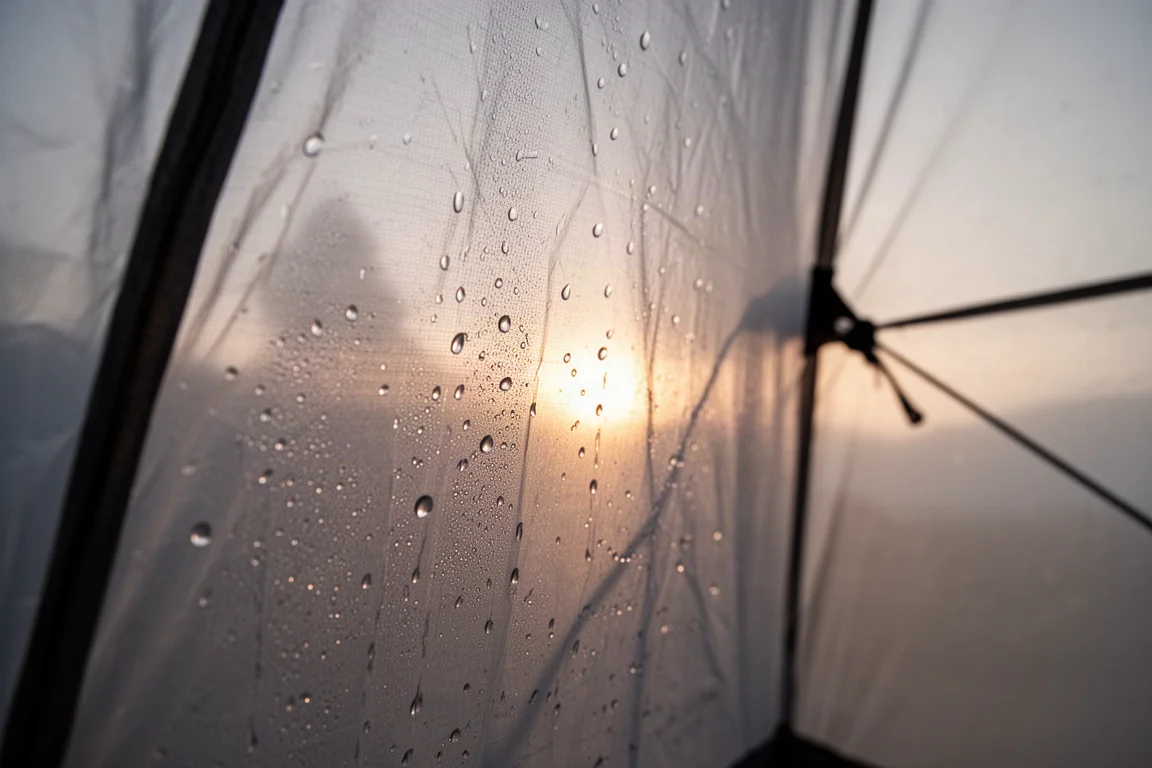
Ventilation deserves an honest note on both. Overnight condensation left the interior wet in each shelter, including on nights when the doors were left open. That is a reminder that moisture management in a single-wall shelter depends as much on campsite choice and airflow as on the design itself.
Who Each Shelter Suits
The X-Mid Pro suits solo hikers who want an asymmetrical shelter with strong head and foot room and do not mind using two poles. Anyone who has built a routine around a single-pole pitch may find the second pole hard to accept, which is the fairest criticism of the design.
The Offset Duo suits campers who want maximum interior volume, including those sharing a shelter with a second person or a child, and who are willing to spend a little longer at pitch time. Its large footprint rewards campsites with open, flat ground. Hikers who like the idea but want less floor area have a single-person version in the lineup to consider.
Overall Buying Advice
Start with the pitch, not the spec sheet. If the fastest possible setup and the smallest possible footprint matter most, the X-Mid Pro is the simpler shelter to live with, and its head and foot room keeps the interior usable for one person.
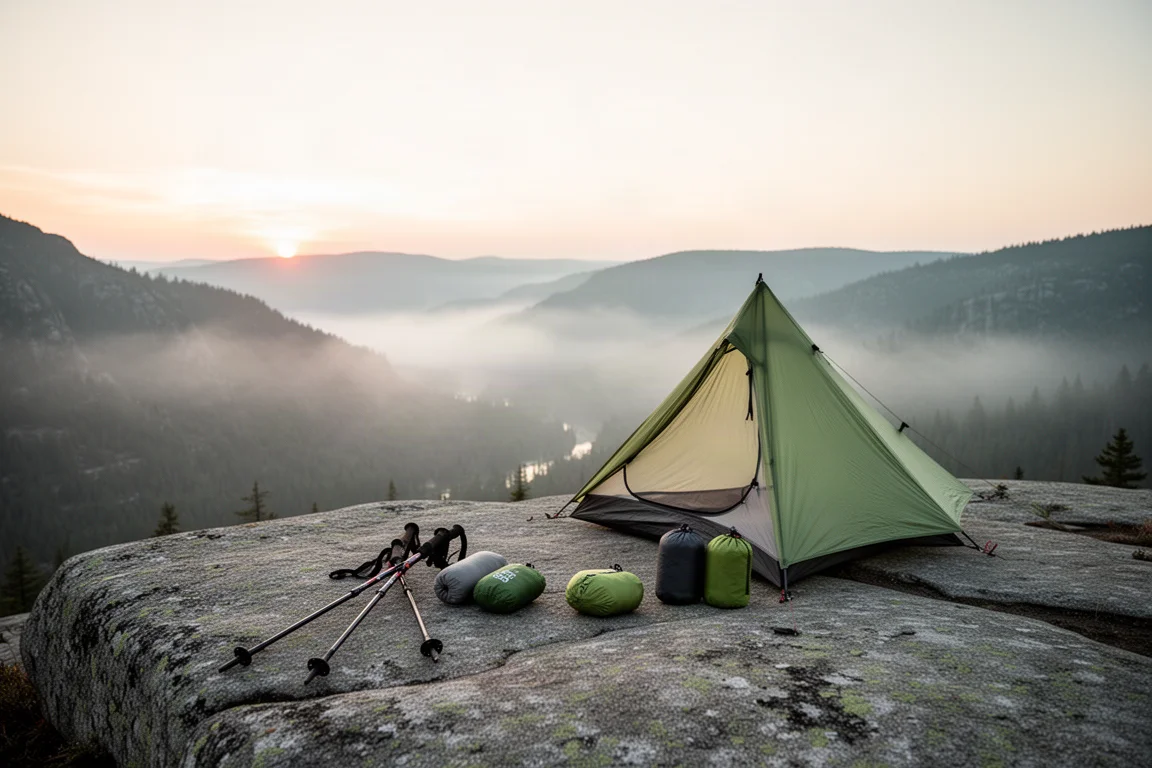
If interior volume and headroom matter more than pitch speed, the Offset Duo delivers the roomier experience, with the understanding that it needs more stakes, more guy lines, and more ground. Neither shelter is a poor choice. They simply reward different priorities.
Conclusion
Both shelters do the job they were designed for. The Durston X-Mid Pro is a compact asymmetrical shelter with good head and foot space and a two-pole setup that will divide opinion. The Zpacks Offset Duo trades setup simplicity for a large, tall interior that is comfortable to spend time in. Match the shelter to the way you actually camp, and either one will serve you well.
Further reading
Related Reviews
Backpacking Shelters
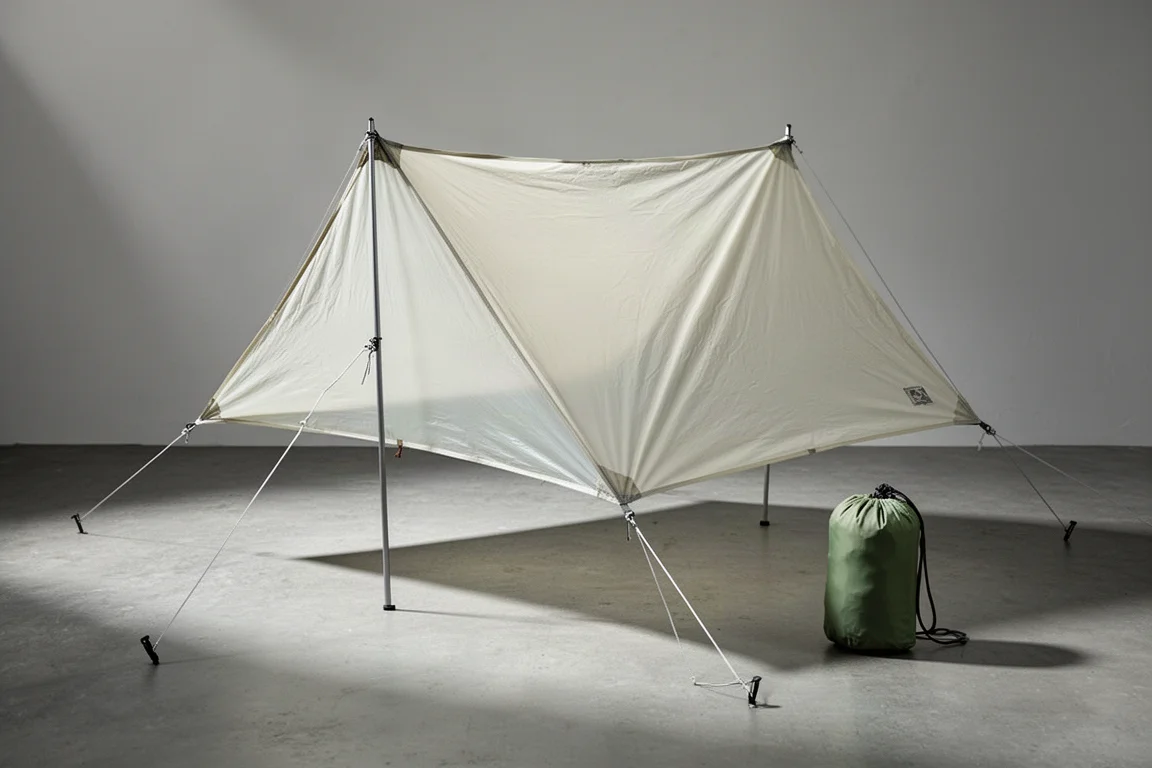
Hyperlite Mountain Gear Flat Tarp Review: A 9 oz Shelter at a Premium Price
A 9 oz Dyneema Composite Fabric tarp with welded seams, 25 tie-out points, and a $369 price tag. Here is what it does well and who should think twice.
Backpacking Shelters
Four Backpacking Shelters for Different Trip Scenarios
A practical look at four backpacking shelters, from a modular four-season tipi style tent to a freestanding two-person option, and how to match each one to a real trip.
Backpacking Shelters
Mountain Laurel Designs Pro Rain Poncho Tarp and Superlight Solo Bivy: A Lightweight Shelter System Field Tested
A field-tested look at the Mountain Laurel Designs Pro Rain Poncho Tarp paired with the Superlight Solo Bivy, covering shelter performance, rain gear trade-offs, and who this ultralight setup suits.