Camping Tents
Mountain Hardwear Mineral King 3-Person Tent Review: Livable Space, Storage, and Rain Protection
A detailed look at the Mountain Hardwear Mineral King 3-Person Tent, covering setup time, interior height, storage, weather protection, materials, and what to weigh before buying.
Introduction
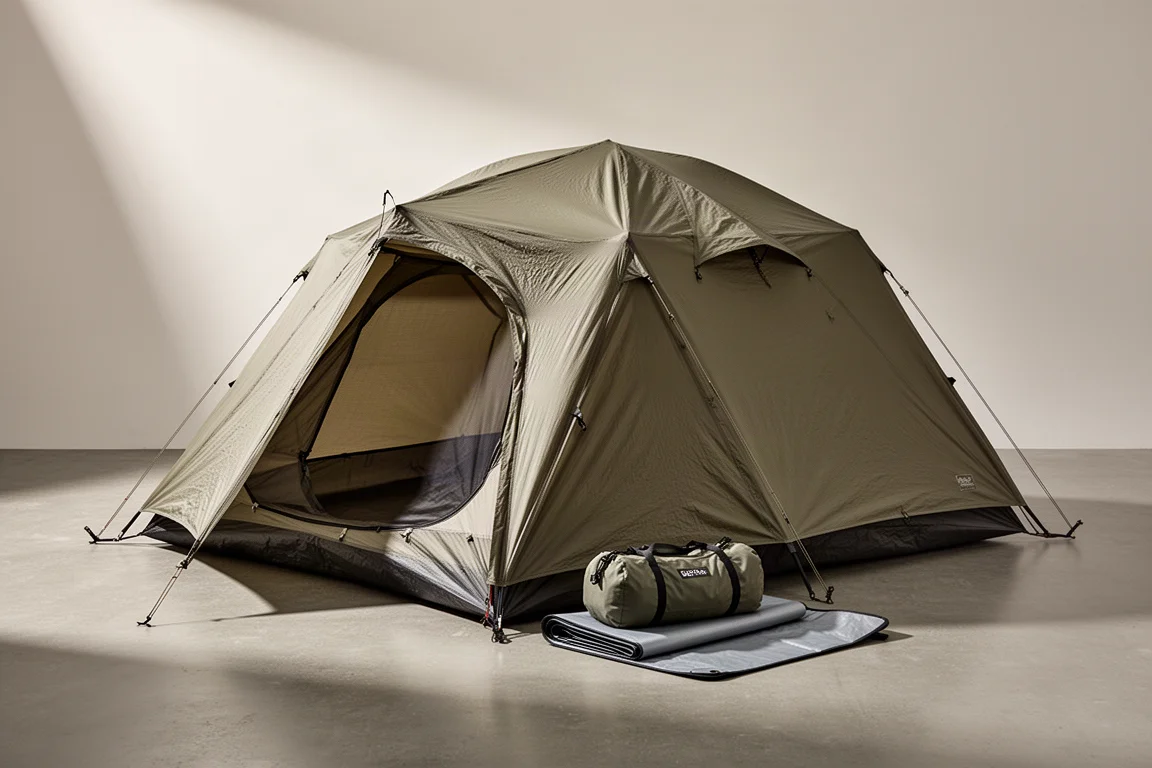
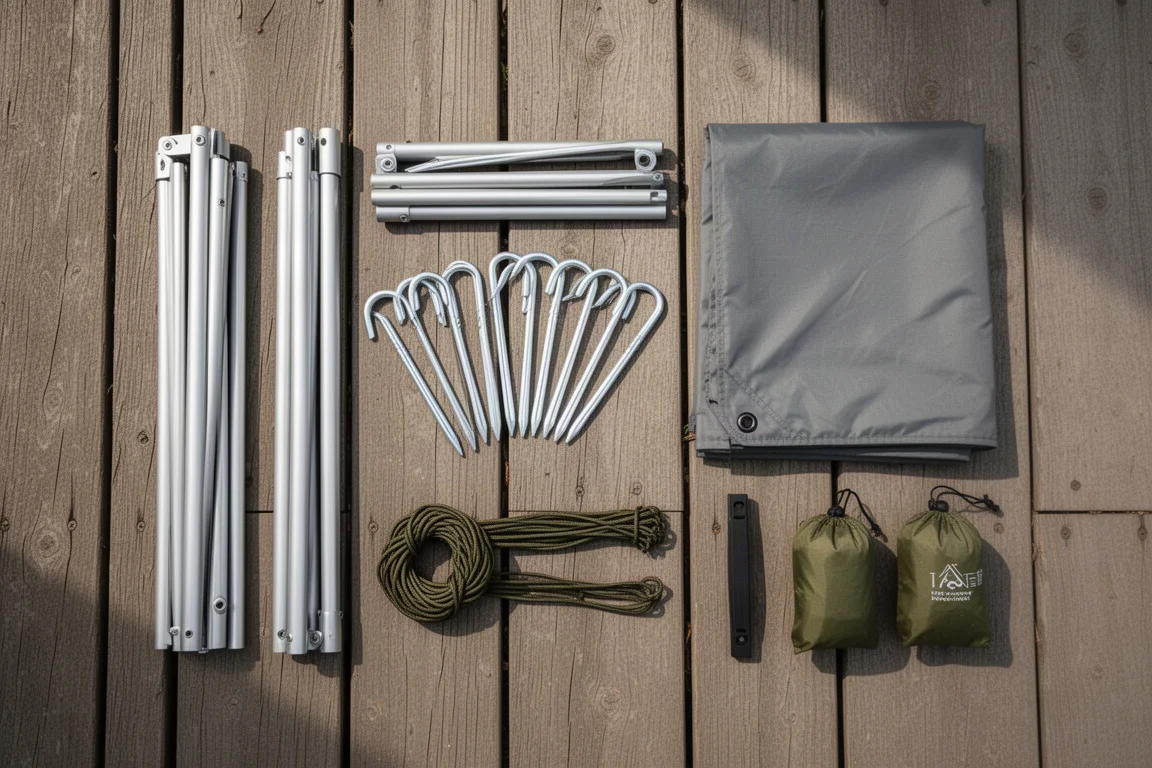
The Mountain Hardwear Mineral King 3 is a three-person camping tent built around livable space and a long feature list rather than minimum weight. The package includes the tent body, two poles, six stakes, a pole repair splint, two guylines already attached to the rainfly, a footprint, and separate stuff sacks for the poles and stakes alongside the main carry bag. Both poles are DAC Pressfit, the zippers are YKK throughout, the tent is made without flame-retardant chemicals, and Mountain Hardwear backs it with a lifetime warranty.
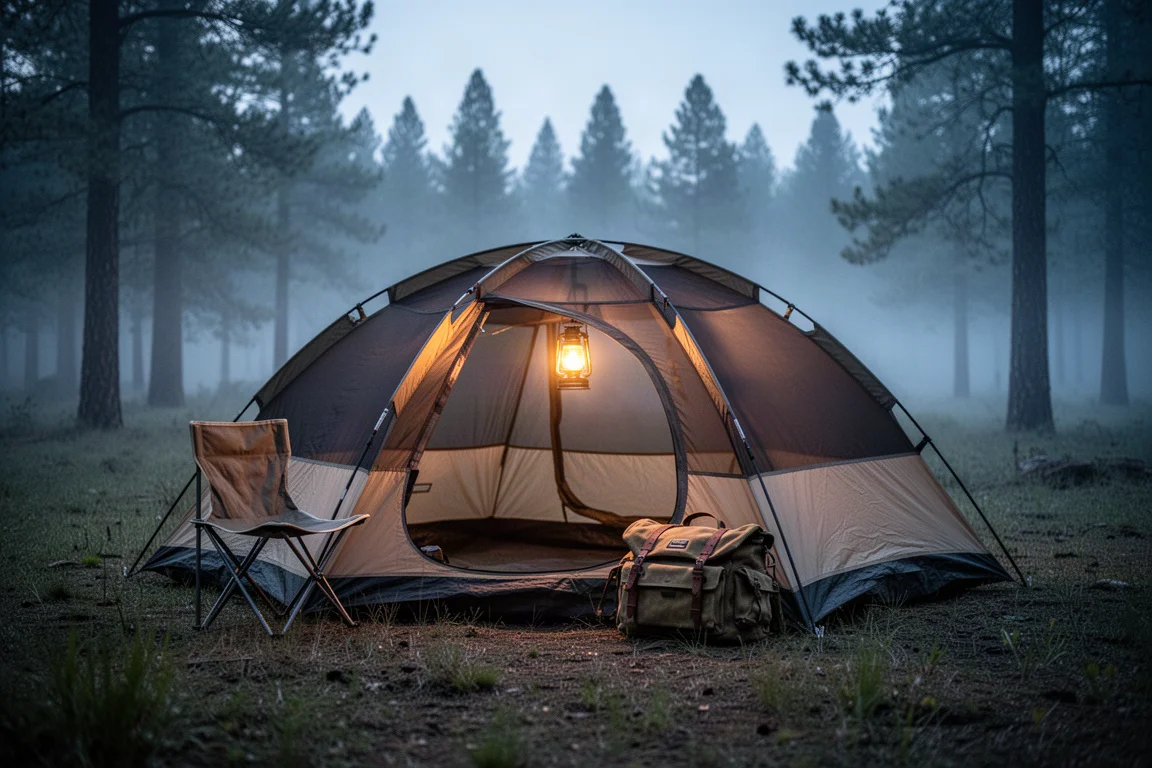
Those inclusions shape day-to-day ownership. The footprint protects the floor and keeps it clean, the carry bag is roomy enough to take every component back without a fight, and the pre-bent hubbed pole lifts the corners of the tent so the walls stay usable instead of sloping away from you.
Who This Tent Is For
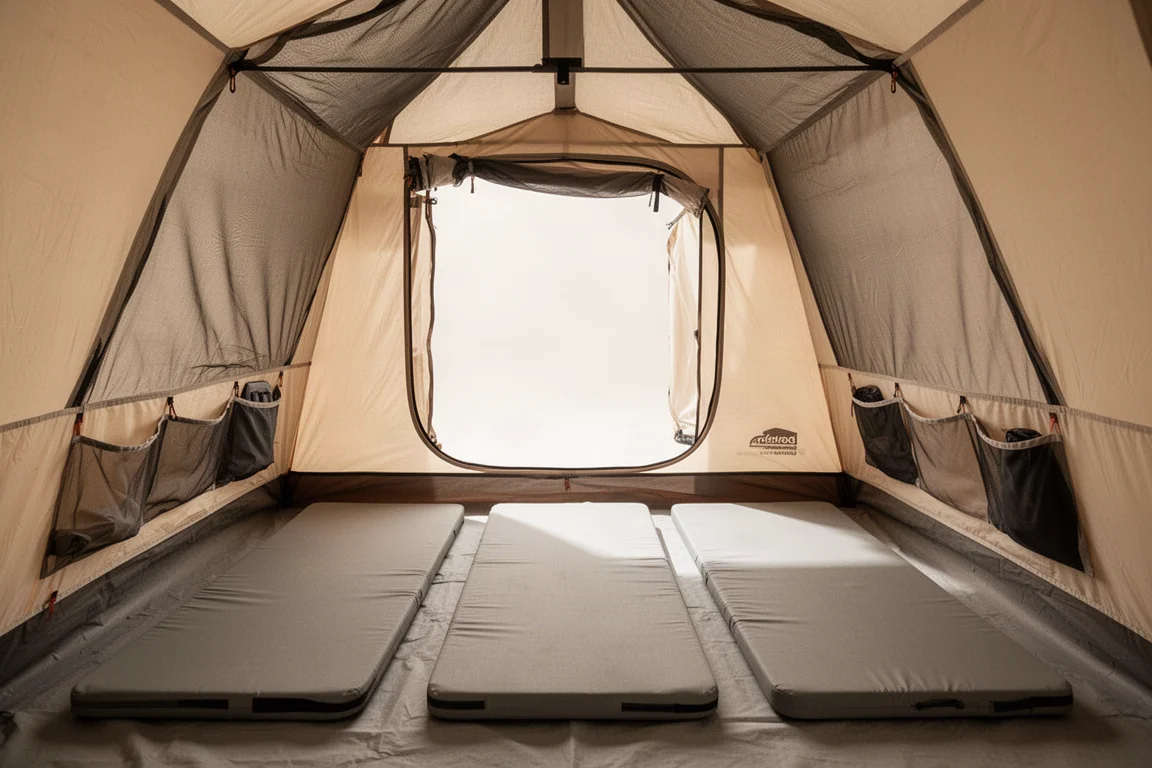
This tent suits campers who value interior comfort, storage, and wet-weather confidence more than a stripped-down pack weight. Three regular sleeping pads fit side by side in one specific configuration, and the near-vertical front and rear walls keep sleepers at the edges from feeling squeezed, with headroom that holds up even at the sides of the floor.
Two-person trips with a large mattress are workable but tight. A queen bed pushed to one side leaves roughly 9.5 inches of length and 6 inches of width, and a queen bed centred away from the walls, which is the recommended position when rain is likely, fills nearly the entire floor.
Weight and packed size keep it in reach for lighter trips as well. The complete setup weighs 7 lb 10 oz, and leaving the 12 oz footprint at home brings trail weight down to 6 lb 14 oz.
Main Strengths: Setup and Portability
Setup follows a clear sequence. The longer main pole forms an X shape with four ends that drop into the corner grommets, and the body attaches through one top clip plus twelve clips around the tent. The short ridge pole sits at the very top and secures with two webbings, one above each door. The rainfly then goes over the top with four Velcro wraps at the corners and four easy-clip buckles, followed by staking the two vestibules and guying out the fly.
Timing reflects how much hardware there is to manage. Setup took about 9.5 minutes and packing away took about 9 minutes, including returning everything to the bag. Averaged across both, that works out to roughly a minute slower than the average of the four-person tents used as a reference set, which is expected given the extra clips, buckles, and ridge pole.
Packed, the tent measures about 23 inches long, 9.5 inches wide, and 6.5 inches tall. The carry bag uses a fully adjustable easy-clip buckle and can be slung over a shoulder like a sling bag, which makes the walk from the car to the campsite easier than a conventional two-strap sack.
Main Strengths: Interior Space and Storage
Peak height at the centre measures about 47.25 inches, which is enough to sit upright with headroom left even with thick mattresses on the floor. The pre-bent sections of the hubbed pole raise each corner to roughly 36.25 inches, still tall enough to sit up in, and the ridge pole lifts the front and back to about 42.25 inches. The effect is to carry the tall zone across the full width of the tent and to create near-vertical walls at both ends.
The floor measures about 89 inches side to side and 66.5 inches front to back, just over 41 square feet in total. Three regular pads fit in a single configuration, but the width rules out more than one extra-wide pad. With pads pushed as far to one side as possible, leftover floor space came to about 16.5 inches of length and 4.5 inches of width.
Storage is where the design stands out. A triangular pocket near the top measures about 18 by 22 inches, and each width of the tent carries three large pockets, each about 62 inches long and 8 inches wide, split by stitching for organisation. Nine loops are spread around the interior, four closed circles and five open or adjustable loops that accept gear with closed loops, and they thread onto the Mountain Hardwear HangTight clothesline, which includes a tensioner for adjusting slack. Loading the line with a full set of gear used only a fraction of the available hanging points.
The two vestibules are identical triangles with an 89-inch base and a 34-inch height, about 10.5 square feet each and 21 square feet combined. Inner and outer space together come to roughly 62 square feet. Each door measures about 69 inches at its longest and 36 inches at its widest, spanning close to the entire wall, and each door pocket is deep enough to stuff the whole panel into in a few seconds. Both vestibules run YKK zippers on a single track with two sliders, plus a kickstand that props the top open for airflow and can be closed from the inside when rain arrives. The half-fly feature lets either half of the rainfly roll back and toggle in place for a view, then return to a sealed position quickly.
Main Strengths: Weather Protection and Materials
The tent was put through more than three hours of heavy rain followed by three hours of light to moderate rain. The tub floor stayed dry, corners included, and the fabric above the tub stayed dry because the full-length fly extends almost all the way to the ground. The interior of the rainfly was essentially dry, though it felt very slightly damp after the heavy stretch, which points to a practical limit somewhere around four to five hours of sustained heavy rain. Vents left open only a little did not leak.
The tub stands 8 inches tall along the widths and about 5.5 inches tall at the lengths where the doors interrupt it, and it was tall enough on both axes to keep water out. Seam taping covers the floor seams and the corner seams up to the top of the tub, and every seam on the rainfly is taped.
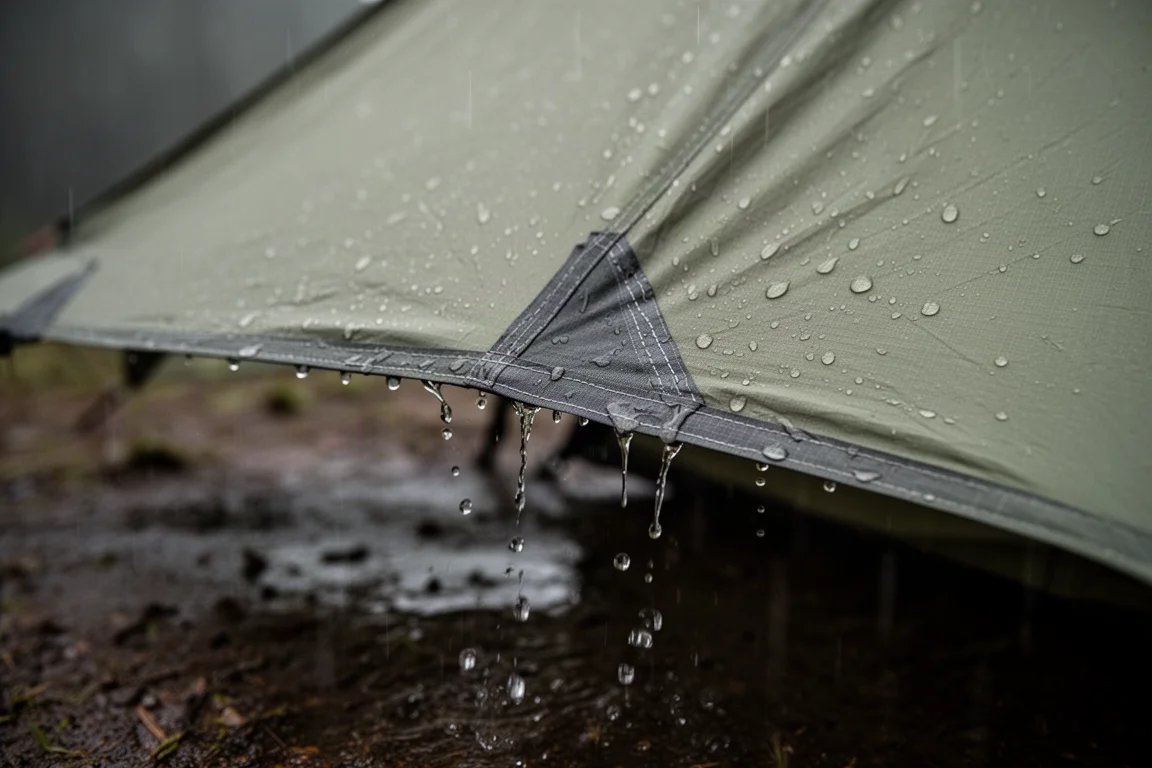
Materials are ripstop polyester throughout. The floor is 68-denier ripstop with a 1,500-millimetre PU coating, backed up by the included 75-denier polyester taffeta footprint. The rainfly uses 68-denier ripstop with a 2,000-millimetre coating, and the body is uncoated 75-denier ripstop. The mesh is 40-denier polyester and covers more than half the tent, including a full mesh roof, which helps with ventilation and with views on warm nights.
The main and ridge poles are both DAC Pressfit, and the measured diameter came in at 10 millimetres, a millimetre above the marketed figure. Guy-out points along the widths let the fly be pulled away from the body for airflow and rain protection, and the shockcord guylines include a tensioner for length adjustment. Stitching is clean all around the tent.
Things to Consider Before Buying
- Setup and pack away are slower than the average of the comparison tents, at roughly a minute more, because there are more components to handle.
- Peak height sits slightly below the midpoint between the average of popular two-person tents at about 42 inches and the four-person average at about 56 inches, which lands at 49 inches.
- The footprint includes a pole-tip grommet but no buckle, so the rainfly cannot be attached to it. That rules out a rainfly-only pitch that would lower trail weight further.
- Closing the doors takes two hands because of tension at the ends of the long span, even though opening them is snag-free.
- The guy-out points are intended to be reflective, but they were not reflective on this unit.
- The supplied guylines and stakes did not cover every guy-out point, so extra cord and stakes may be worth packing.
- The vestibules are too small for even a lightweight backpacking chair and are best treated as gear storage.
- The 68-denier floor is not the thickest available, which is exactly why the footprint matters.
- Pricing sits above the average of comparable tents.
Buying Advice
If interior volume, storage, and wet-weather confidence matter more than a fast pitch and a low price, the Mineral King 3 makes a strong case. It carries more features than most tents in its size class: the largest pocket count and loop count in its comparison group, a full clothesline, three zippers per door, a half-fly option, DAC Pressfit poles, YKK zippers, a footprint, and a lifetime warranty.
Campers who count grams should weigh the 6 lb 14 oz trail weight and the nine-minute pitch against lighter alternatives, and anyone who wants a fly-only pitch should note the missing buckle on the footprint. For everyone else the trade-off is straightforward: pay more, and get more usable space along with more protection when the weather turns.
Conclusion
The Mountain Hardwear Mineral King 3 earns its premium through livable height, generous storage, and a rain test that produced no leaks. It is slower to pitch than a stripped-down shelter and priced above the average, but the feature set and the materials hold up, and the footprint, DAC pole set, and lifetime warranty round out a package that prioritises comfort on the trail.
Product link
View more details for Mountain Hardwear Mineral King 3-Person Tent
This product is mentioned in the review. Check the specifications, options, and compatibility before buying.
View more details for Mountain Hardwear Mineral King 3-Person TentFurther reading
Related Reviews
Camping Tents
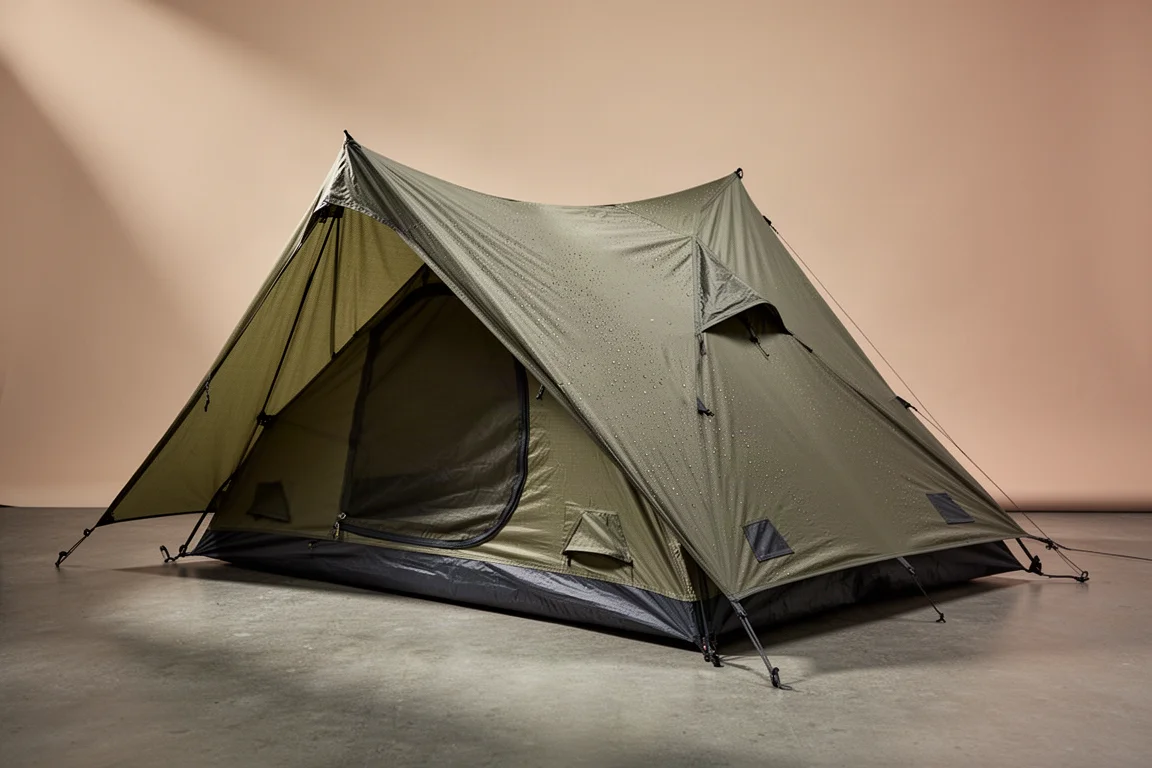
3F UL Gear Taiji Two-Person Tent Review: Field Waterproofing Results and Buying Advice
The Taiji pairs an attached fly with a removable inner, but sustained rain exposed untaped vent seams that need sealing before this shelter can be trusted.
Camping Tents
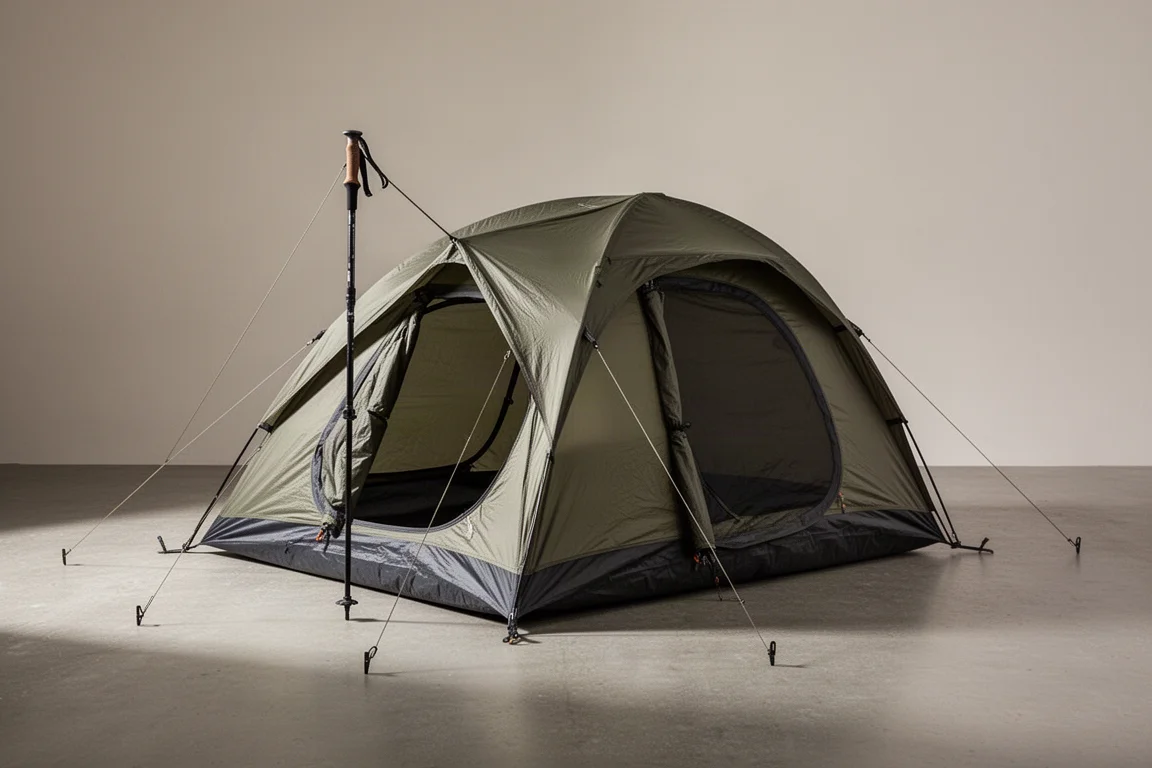
3FUL Gear Lanshan 2 Pro 4-Season Review: A Sub-$200 Single-Wall Trekking Pole Tent
An early look at the 3FUL Gear Lanshan 2 Pro 4-Season, covering its straightforward pitch, generous interior space, and the condensation and seam-sealing questions that come with any single-wall shelter.
Camping Tents
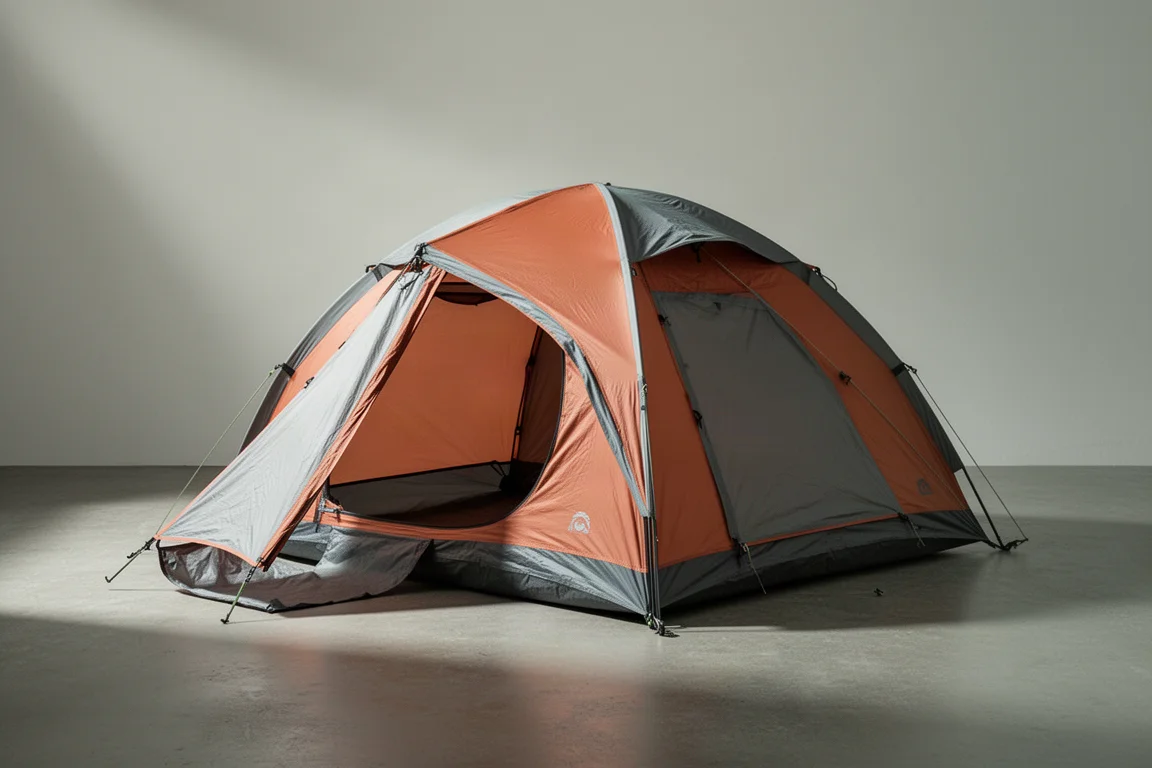
Alps Mountaineering Lynx 1-Person Tent Review: Big Value in a Small Budget Tent
A close look at the Alps Mountaineering Lynx 1-Person Tent, covering real interior dimensions, materials, setup time, ventilation limits, and who should buy it.