Sleeping Bags
Mountain Equipment Xenith Range Review: Xenith 1, 2, and 3 Compared
A close look at the Mountain Equipment Xenith 1, 2, and 3 sleeping bags, covering 900 fill down, weights, temperature ratings, construction, and how to choose between the three.
Introduction
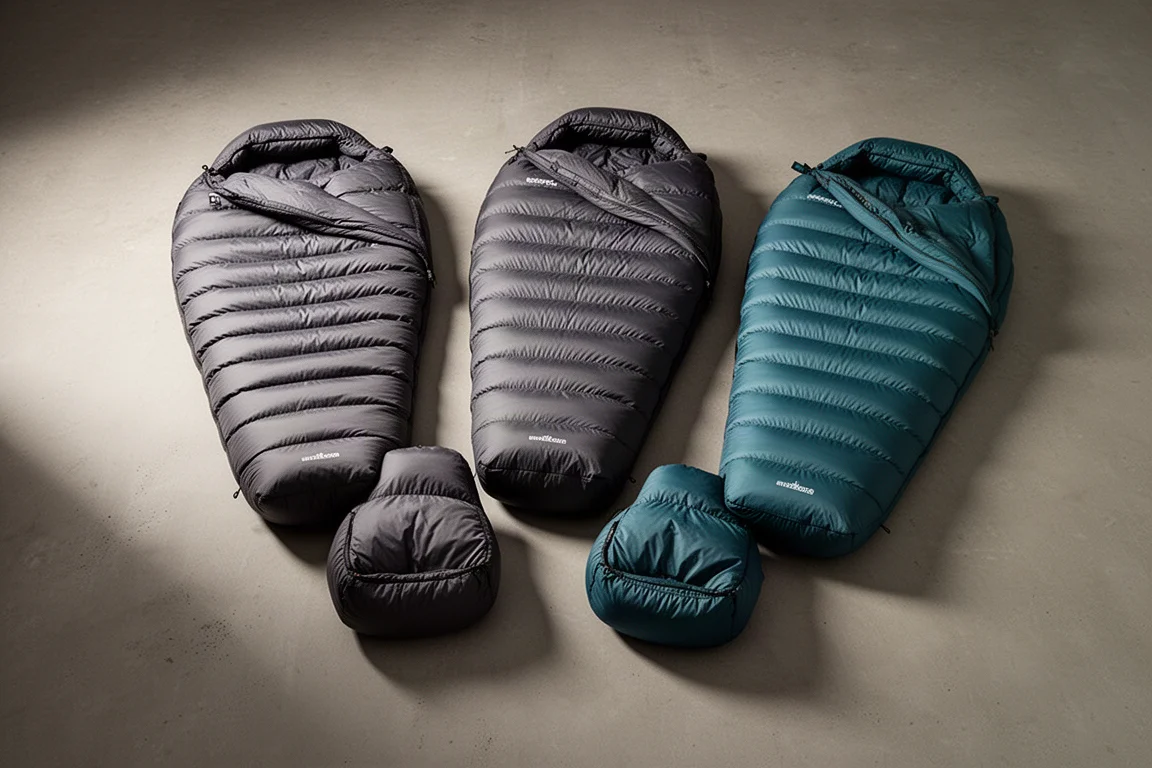
Mountain Equipment builds a broad range of sleeping bags, and the Xenith line sits at the lightest and most compressible end of it. The range covers three models: the Xenith 1, the Xenith 2, and the Xenith 3. The Xenith 3 is the warmest of the three and the clearest expression of what the range is trying to do.
The design brief behind these bags reads as alpinism first, but the appeal runs wider than that. Ultrarunners, lightweight backpackers, bikepackers, and climbers all benefit from the same combination: a bag that compresses down small, weighs very little, and still delivers a strong warmth-to-weight ratio.
What separates the Xenith bags from plenty of other light options is usability. Many very light bags use aggressive alpine fits and end up cramped and awkward in practice. These are comfortable bags with room to move, and where weight could have been stripped out further, Mountain Equipment held back. The full length zip is the clearest example. It is a durable zip rather than an ultralight one, which matters over multi-day trips.
What Makes the Xenith Range Different
All three bags rely on 900 fill down. Fill power describes the quality and loft of the down rather than the warmth of the bag on its own. High fill power down is light and fluffy, so less of it is needed to fill a given volume of baffle space. That is what allows these bags to loft well while staying light, and 900 fill is about as high as fill power gets.
Every bag in the range that uses virgin down can be traced through the brand’s Down Codex system, which records animal welfare and down quality for the specific bag you own.
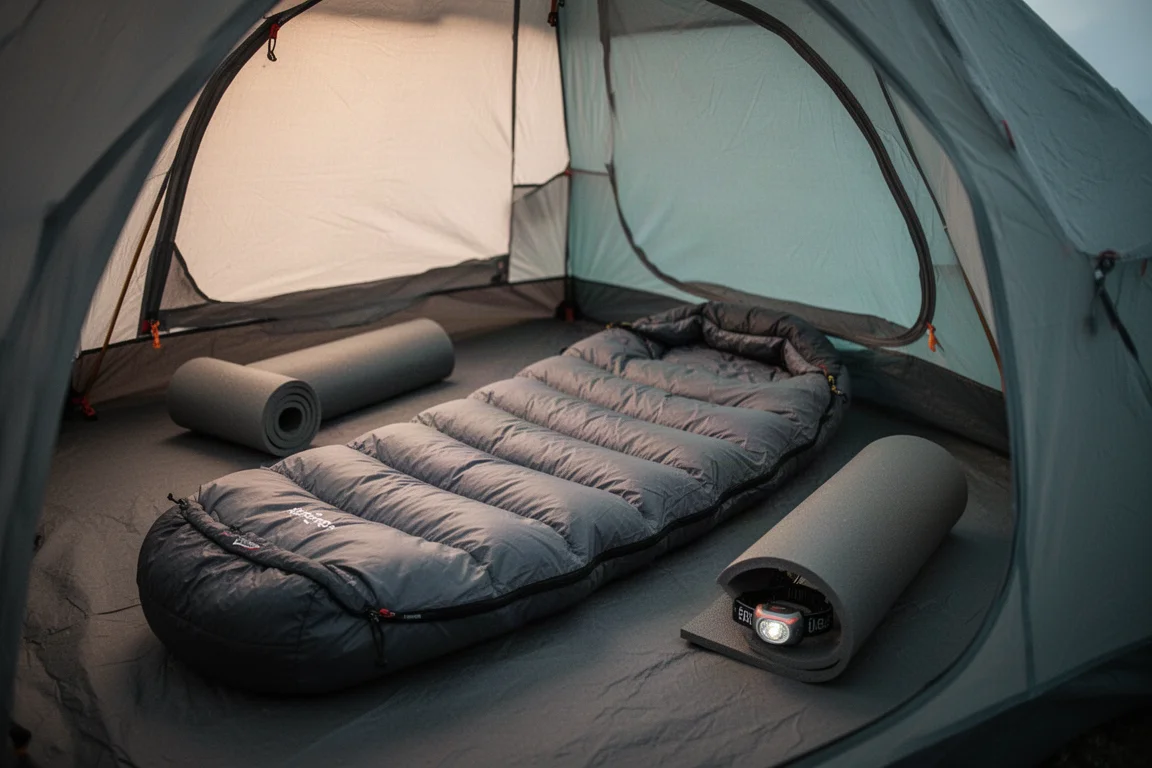
The outer shell is a Plasma 10 denier face fabric. It is fluorocarbon free, very light, and holds up well for how thin it is. It repels water while staying breathable, which makes it a comfortable material to build a sleeping bag from. The result is a bag that packs down small enough to disappear into whatever space is left in a rucksack.
Mountain Equipment Xenith 3: The Warmest Option
The Xenith 3 weighs 690 g, and 373 g of that is the 900 fill down. For a bag this warm, that is a very low total. Mountain Equipment gives it a Good Night Sleep rating of -7°C / 19°F, and the official test results came out higher than that, with the bag capable of around -8°C. The published figure is the conservative one.
Practical details matter as much as the numbers here. The foot box uses four baffles and has enough space to wiggle your feet or to tuck in the liners of alpine boots. The bag has a full length zip and a cut that leaves room to move rather than pinning you in place.
Most people buying a bag in this class will use it as one part of a system. If you already carry a belay jacket or a down jacket, a lighter bag plus those layers can be the more flexible setup, and it keeps the packed weight down.
Mountain Equipment Xenith 2: Lighter Coverage
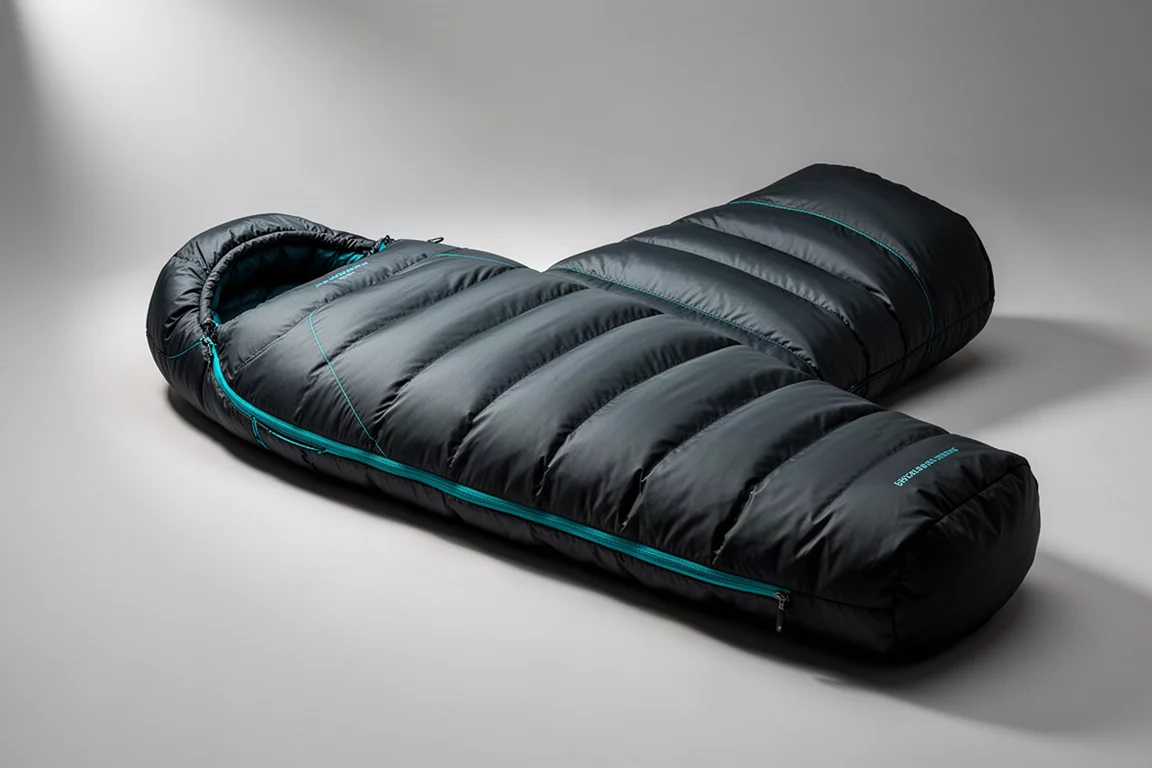
The Xenith 2 drops to 470 g and carries a Good Night comfort limit of 1°C. It shares the 900 fill down, the face fabric, and the overall construction approach of the Xenith 3, so the real difference is how much warmth you are carrying.
That 1°C comfort limit points to milder conditions, or to trips where you are happy to sleep in an insulated layer. It suits fast and light missions where every item in the pack has to justify its place.
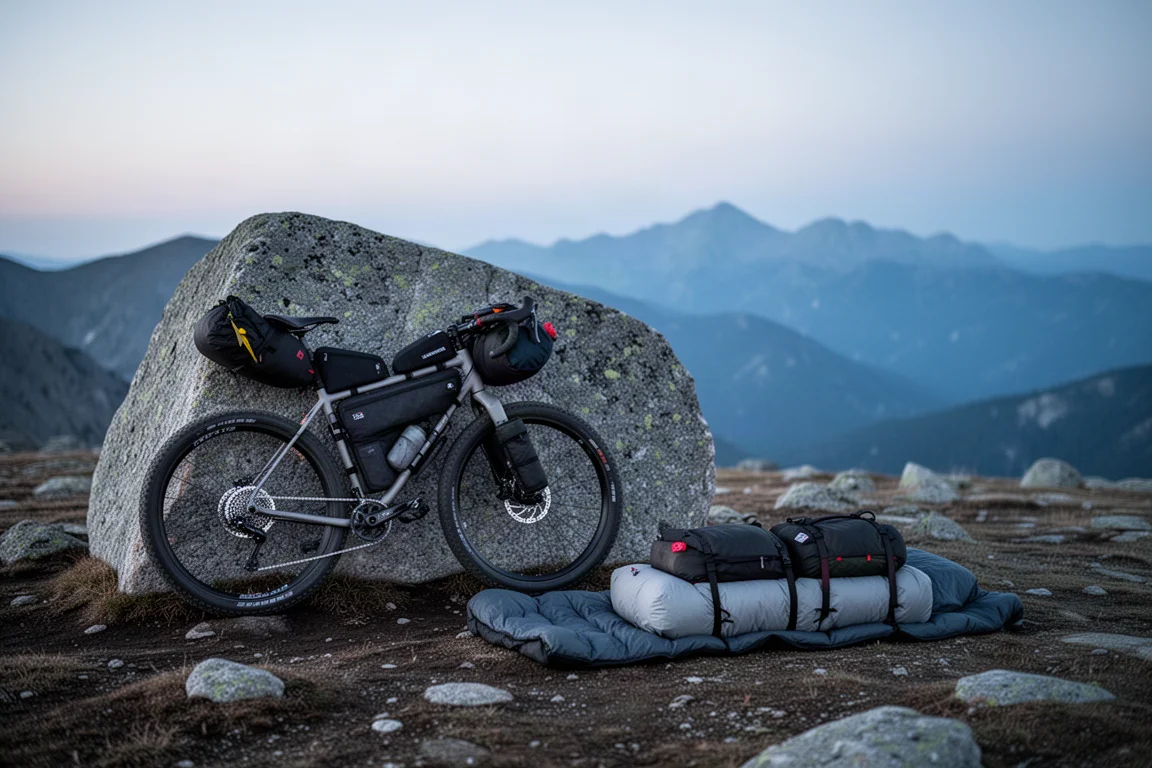
Choosing between the Xenith 2 and the Xenith 3 comes down to the conditions you actually expect and how much you rely on clothing to make up the difference. If your trips sit near or below freezing, the Xenith 3 is the safer pick. If they mostly stay above it, the Xenith 2 saves a meaningful amount of weight and packed volume.
Mountain Equipment Xenith 1: The Lightest Option
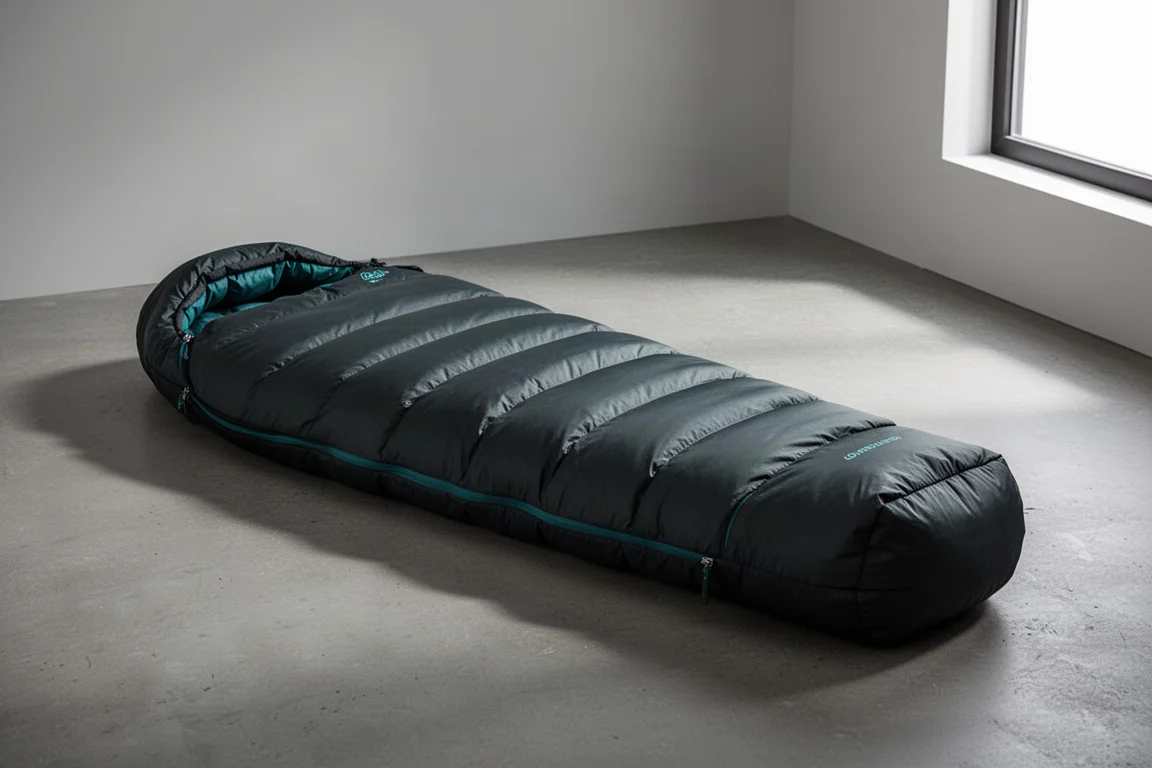
The Xenith 1 is the lightest of the three at 340 g, and it is rated at roughly +5°C. It has no hood, so it does not carry a formal test rating in the same way as the other two. That is deliberate. The bag is designed to work alongside the jacket you already own, so the insulation around your head comes from your clothing rather than from the bag.
This is the model for people counting grams on summer trips, fastpacking routes, or bikepacking setups where space in the pack is tight and the conditions are not extreme.
Down Quality, Fabric, and Baffle Design
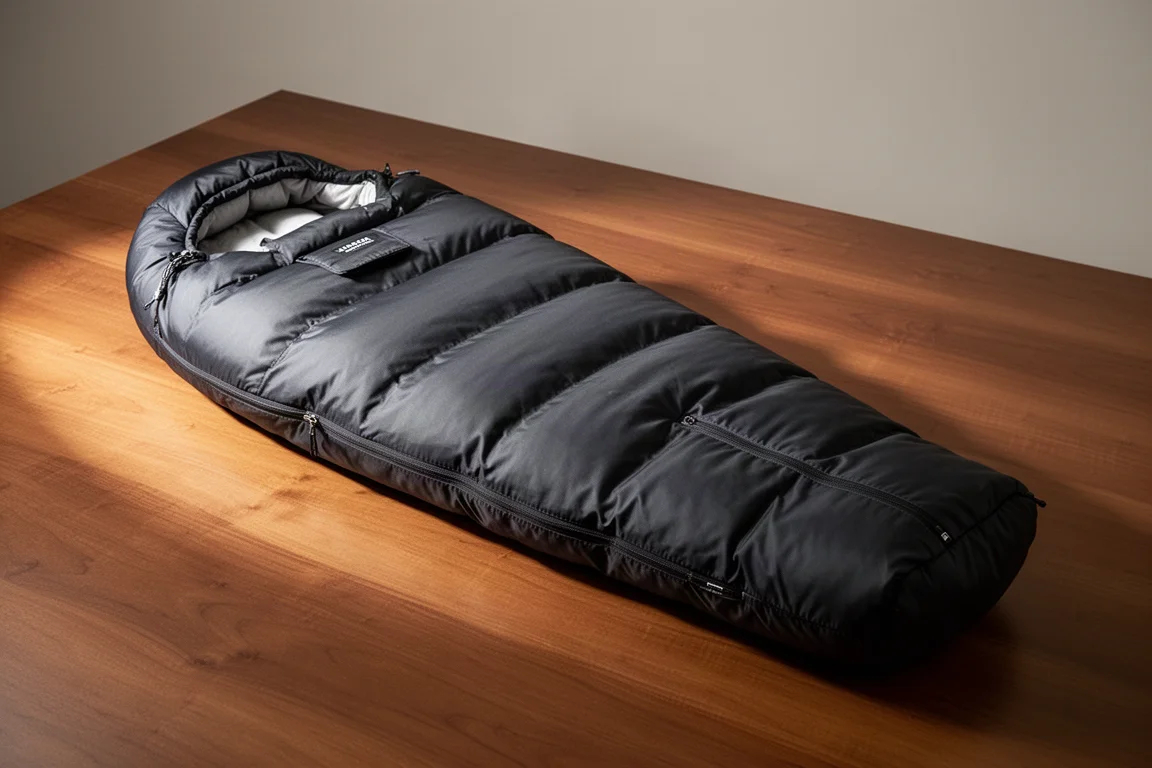
The construction is where much of the warmth-to-weight story actually lives. Mountain Equipment uses vertical box wall baffles across the chest area and slant baffles through the main body, and the layout is based on body mapping so insulation sits where it is most effective.
The 900 fill down is what makes the low weights possible. Because the down is so lofty, a smaller quantity fills the baffles properly and creates the air pockets that hold warmth overnight.
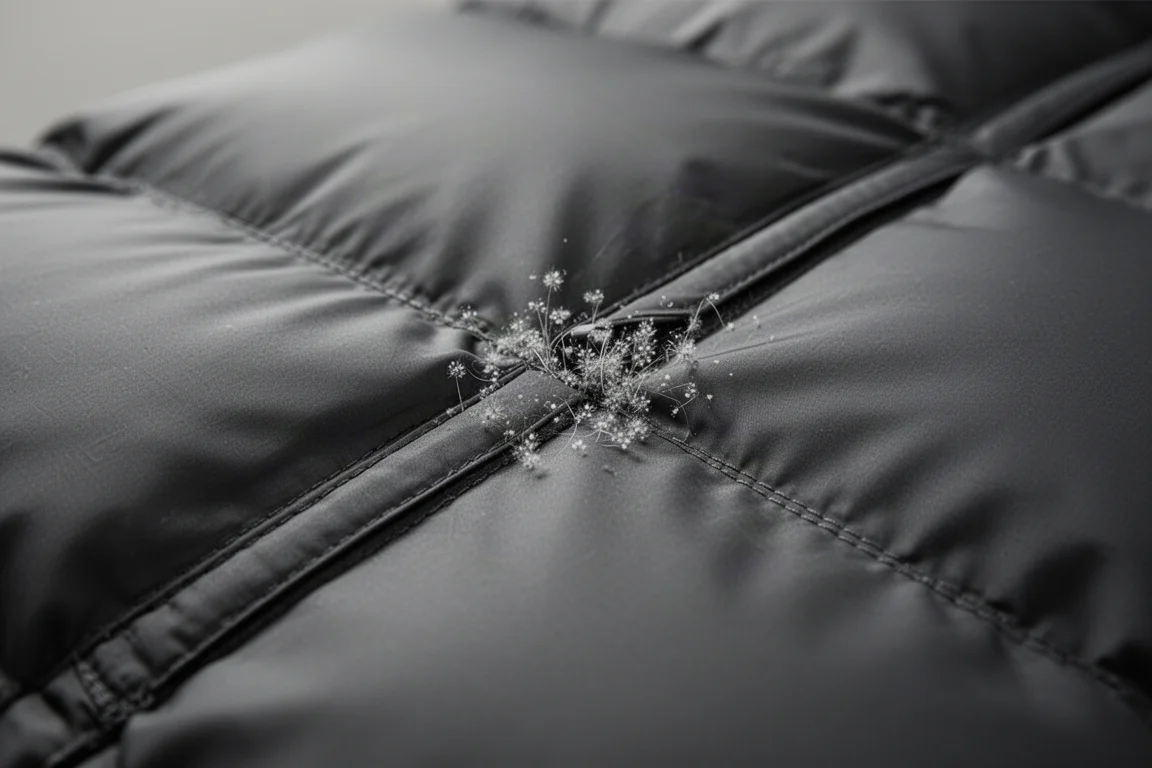
The Plasma 10 denier face fabric completes the picture. It is fluorocarbon free, light enough to disappear in the pack, and durable enough for the sort of use these bags are built for. It also sheds water and stays breathable, which helps the bag stay comfortable across damp, changeable conditions.
The Hood, Neck Collar, and Foot Box
The hood on the hooded models uses five baffles. Mountain Equipment’s aim was to match the warmth of the bulkier hoods found on heavier bags while keeping the packed size and weight down, and the five-baffle structure is how that was achieved.
Inside, a down neck collar traps warm air around the shoulders and reduces how much escapes overnight. At the other end, the foot box uses four baffles for a warm, structured construction with enough room to move your feet or to store boot liners.
Every Xenith bag ships with two stuff sacks: one for loose storage at home and one compression sack for the hill.
Choosing Between the Xenith 1, 2, and 3
The three bags are the same idea at three different warmth levels, so the decision is mostly about conditions and layering.
The Xenith 3 is the one to pick if you want a single bag that covers cold nights, and its -7°C Good Night rating, published conservatively, gives you some margin. The Xenith 2 suits milder conditions and lighter packs, at a 1°C comfort limit. The Xenith 1 is for the lightest possible setup in warmer conditions, and it assumes you are carrying a jacket to cover your head and add warmth.
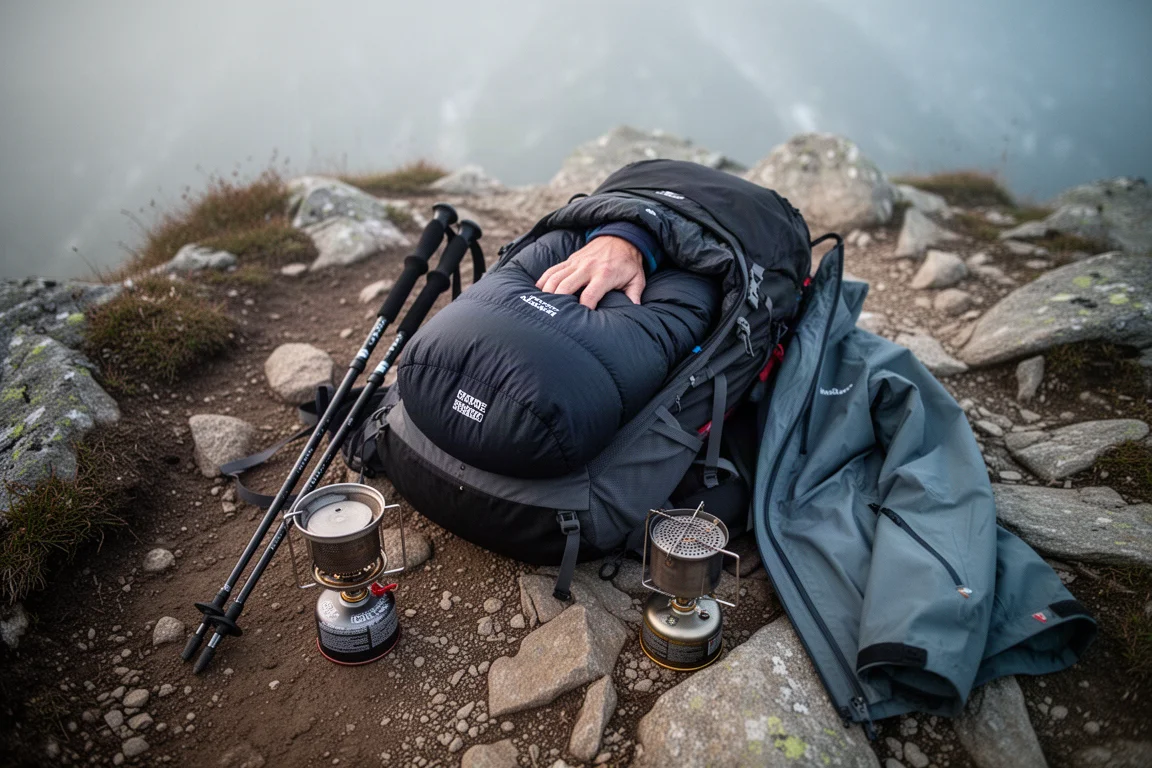
Think about the rest of your system as well. A belay jacket, a down jacket, or a warmer sleeping mat all change how much bag you need, and layering is often a more efficient route to warmth than buying the heaviest bag in a range.
On price, these are not cheap bags. They cost a lot of money in absolute terms. Measured against other bags on the market with comparable down quality and features, though, they come across as cost effective rather than simply expensive.
Conclusion
The Xenith range does one thing very well: it delivers a lot of warmth for very little weight and packed volume, without the cramped fit and fragile detailing that often come with ultralight bags. The 900 fill down, the body-mapped baffle layout, and the Plasma 10 denier shell all feed into that, and details like the full length zip and the two supplied stuff sacks keep the bags practical over multi-day use.
For alpinism, ultrarunning, lightweight backpacking, bikepacking, or climbing, one of the three will fit the way you travel. Pick the Xenith 3 for the coldest nights, the Xenith 2 for milder trips, and the Xenith 1 when every gram counts and you are happy to layer up.
Further reading
Related Reviews
Sleeping Bags
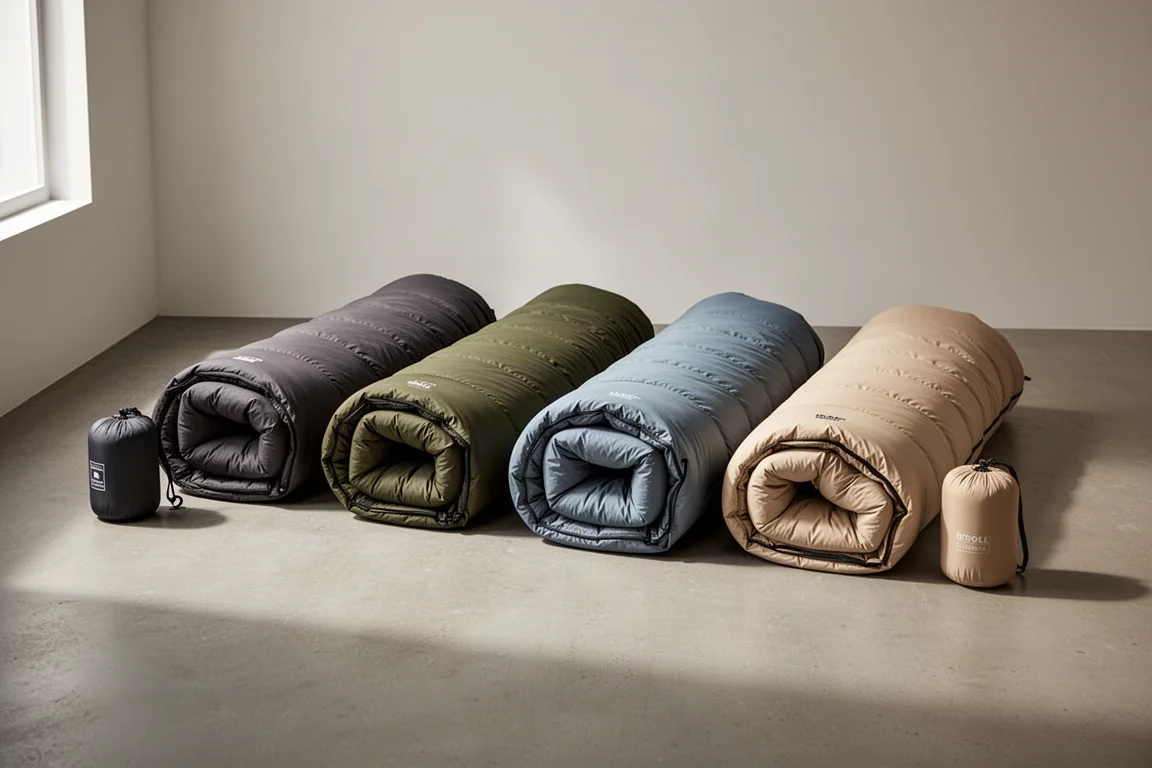
Best Down Sleeping Bags Under $300: Four Backpacking Options Worth a Look
Four down sleeping bags that stay under $300, compared on fill power, baffle design, hood comfort, and packed size.
Sleeping Bags
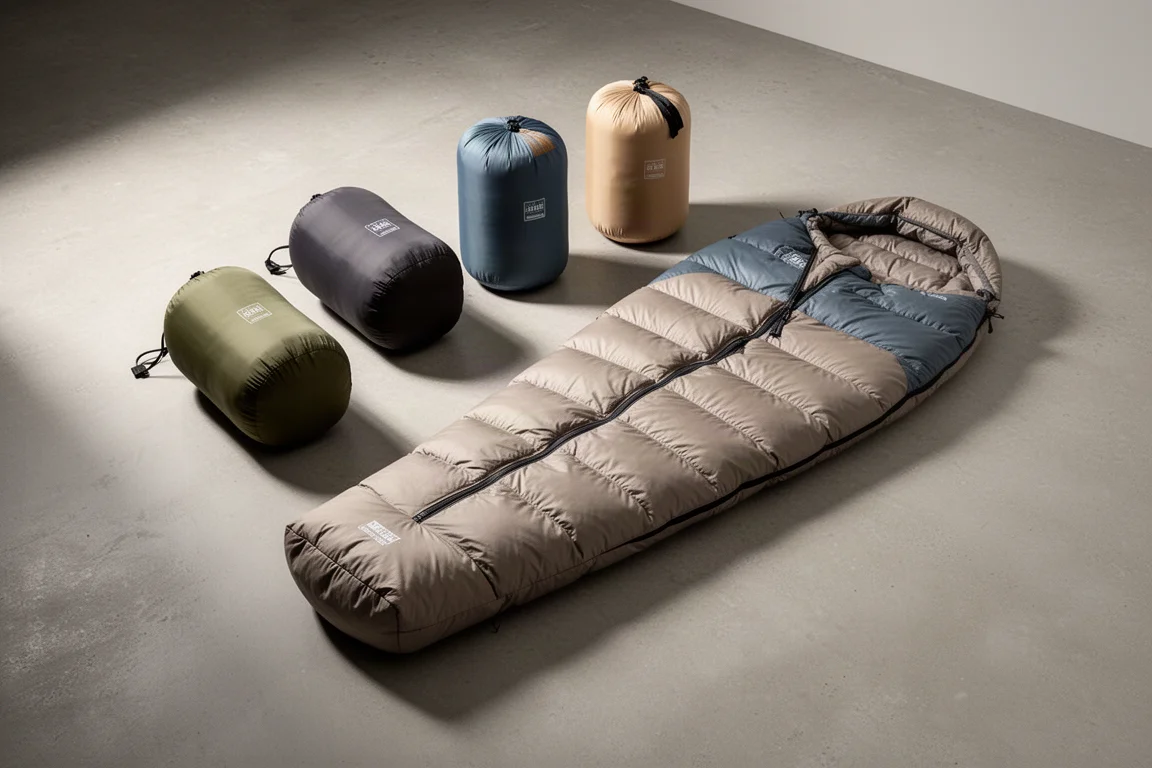
Best Sleeping Bags and Sleep Systems: Five Premium Down Picks Compared
Five premium down sleeping bags and sleep systems compared on warmth, weight, construction, and value.
Sleeping Bags
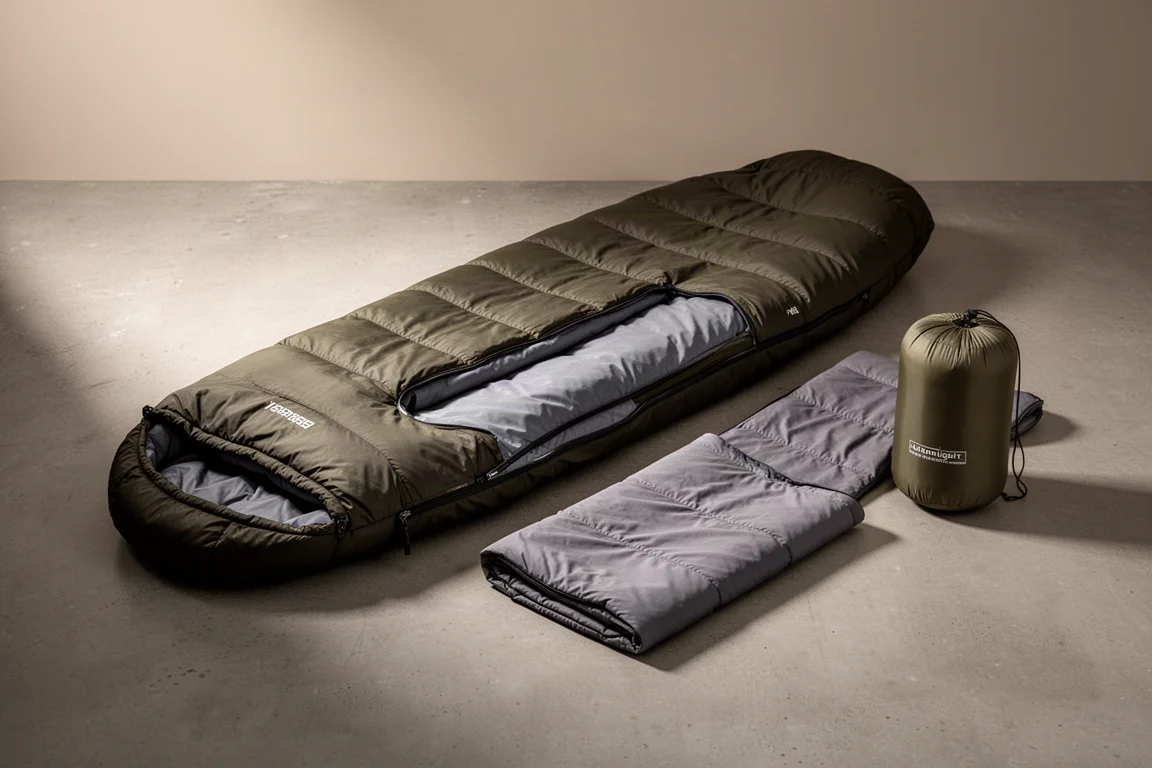
Big Agnes Lost Ranger UL 3-in-1 Sleeping Bag System Review: One Bag, Three Setups
A practical look at the Big Agnes Lost Ranger UL 3-in-1 Sleeping Bag System, covering how the three configurations work, where it shines, and the details worth weighing before buying.