Belay Jackets
Mountain Equipment Oreus vs Rab Cirrus Ultra: Choosing a Synthetic Belay Jacket
A close comparison of two synthetic belay jackets: the 390 g Mountain Equipment Oreus and the more feature-rich Rab Cirrus Ultra, plus how to choose between them.
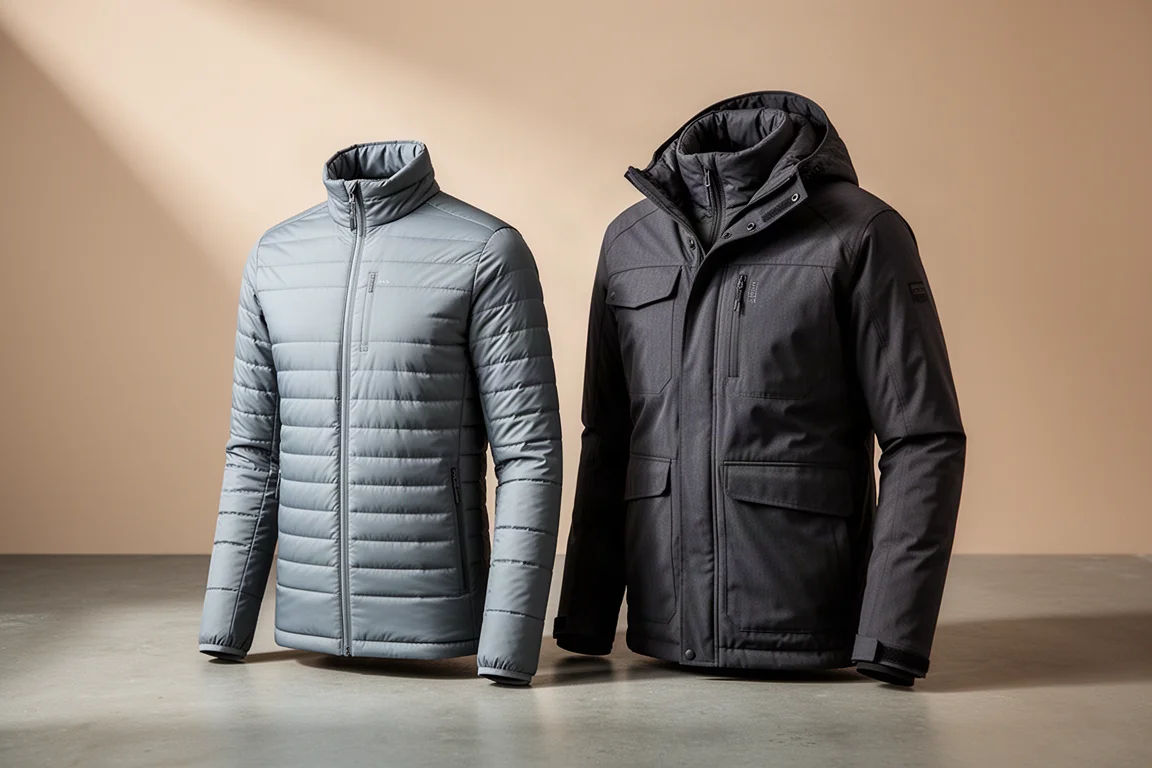
Introduction
Two synthetic belay jackets, two very different sets of priorities. The Mountain Equipment Oreus and the Rab Cirrus Ultra both use synthetic insulation, which is a sensible choice for damp, changeable conditions where down can lose its loft. Both also use reflective metallic lining technology to push warmth back towards the wearer. The difference lies in how far each jacket commits to a single idea: the Oreus chases the best warmth-to-weight ratio it can manage, while the Cirrus Ultra adds features, fabric and bulk in exchange for a more reassuring feel once it is on.
Where These Two Belay Jackets Diverge
Weight is the clearest dividing line. The Oreus comes in at 390 g, which is remarkably light for a belay jacket, while the Cirrus Ultra sits at roughly 550 g. That gap shows up in the hand as much as on the scales: the Oreus is pared back, tightly quilted and easy to compress, while the Cirrus Ultra feels more substantial the moment you pull it on.
That extra weight is not wasted. The Cirrus Ultra is the more featured of the two, with a fuller set of pockets and a construction that keeps wind out more effectively. The Oreus, by contrast, is a specialist piece built for climbers who want maximum warmth for minimum grams.
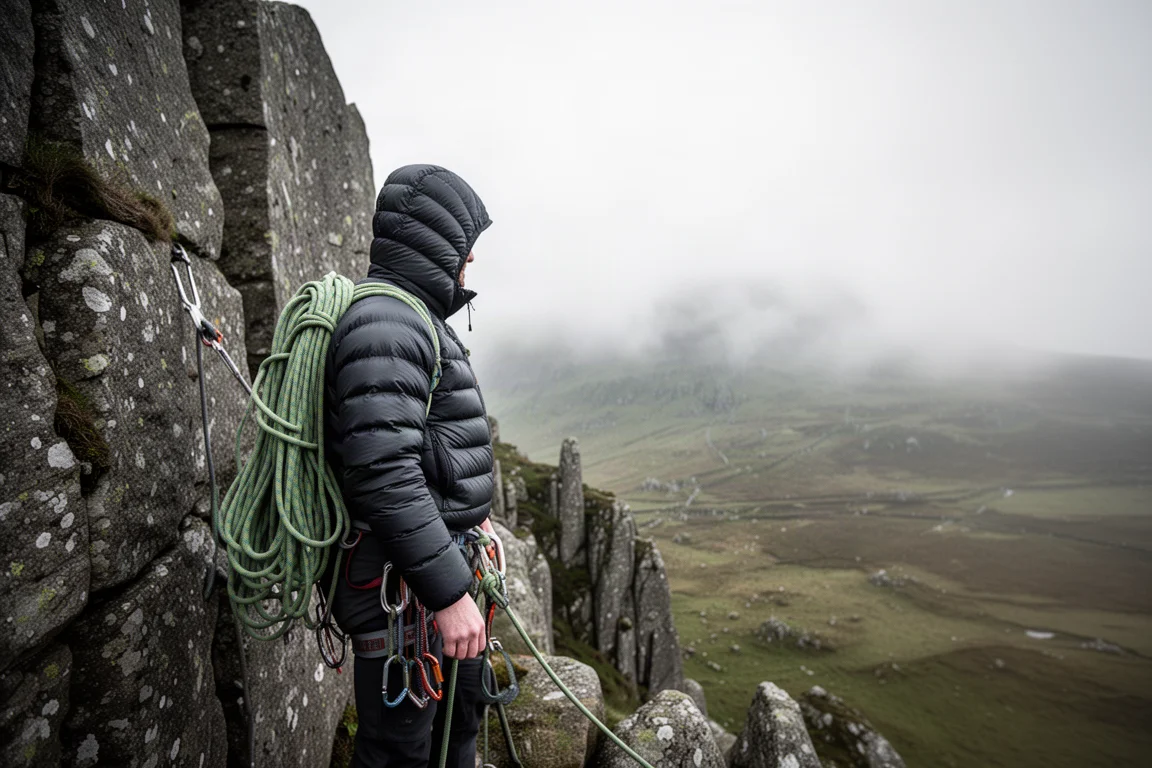
In practice, the two jackets ask different questions of a buyer. Do you want the smallest, lightest layer that will still keep you warm at a stance, or do you want a jacket that feels like a proper barrier when the wind is doing its worst?
Mountain Equipment Oreus: Stripped-Down Warmth
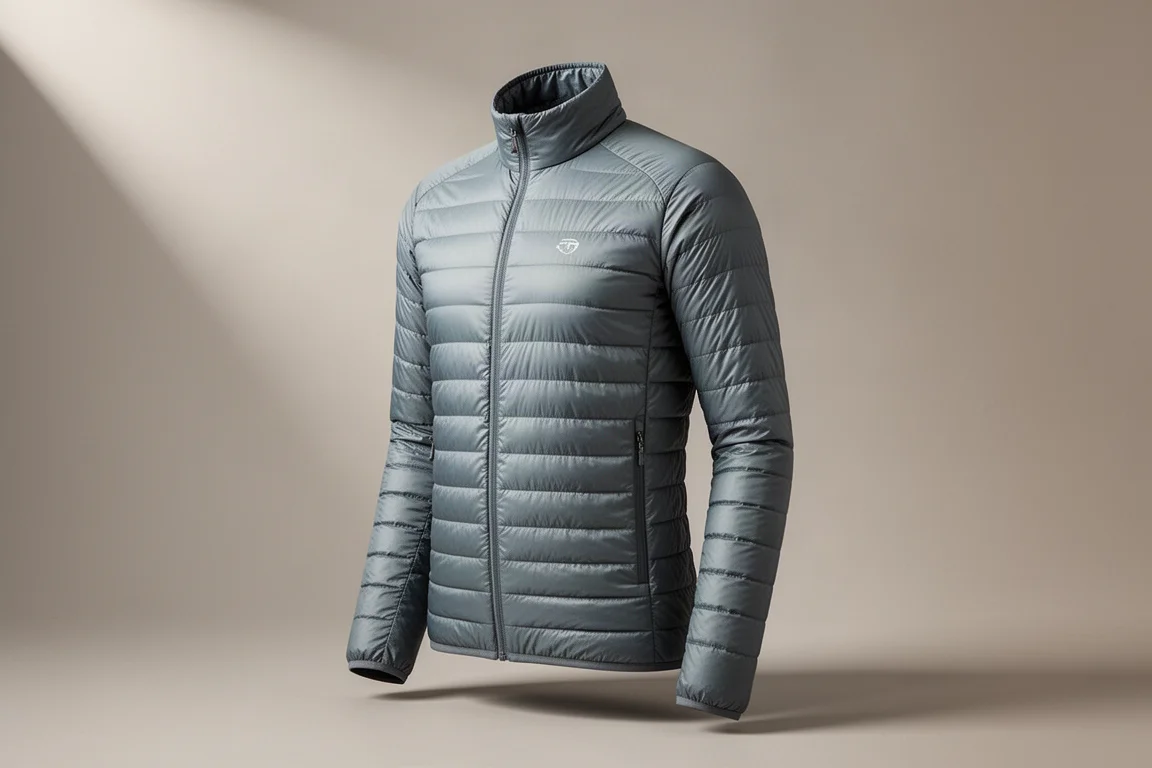
The Oreus is built around efficiency. At 390 g it is exceptionally light for a synthetic belay jacket, and everything about the design supports that figure: a 10 denier face fabric, a minimal pocket layout, and a construction chosen because it compresses so well.
The insulation uses a knitted approach, with the metallic lining worked into the synthetic fibres themselves rather than sitting as a separate layer. That combination adds loft and reflects warmth back towards the body. The trade-off is the stitch-through construction, which creates points where wind can pass through and warm air can escape. For climbers who mostly need a warm layer for short stops and who value a tiny pack size above all else, that is a reasonable compromise.
Rab Cirrus Ultra: More Features, More Reassurance
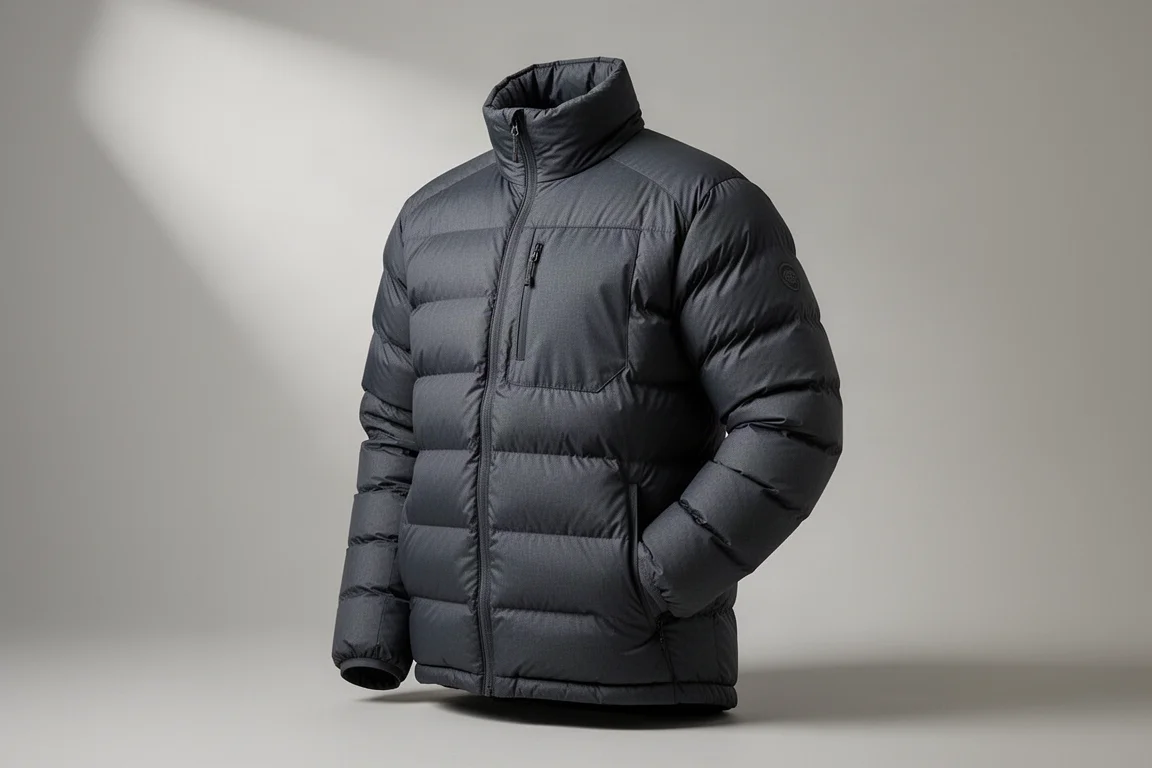
The Cirrus Ultra takes the opposite approach. It weighs around 550 g, and it carries that weight visibly: the loft is deeper, the pockets are more numerous, and the 20 denier face fabric feels more robust in the hand while still being light.
Its TILT lining runs through the jacket as a continuous layer, and the construction avoids the stitch-through gaps found on the Oreus, so there is far less opportunity for wind to pass through. That makes it the better companion for exposed belays and for long, cold evenings around camp, where the extra bulk and loft genuinely earn their place. It still packs down impressively well, though it will never disappear into a pack the way the Oreus does.
Construction and Fabric Face Weights
Face fabric weight is a useful shorthand for how each jacket is meant to be used. The Oreus uses a 10 denier fabric, which keeps weight and packed volume down at the cost of some abrasion resistance. The Cirrus Ultra steps up to 20 denier, which adds durability and a slightly more protective feel without pushing it into heavyweight territory.
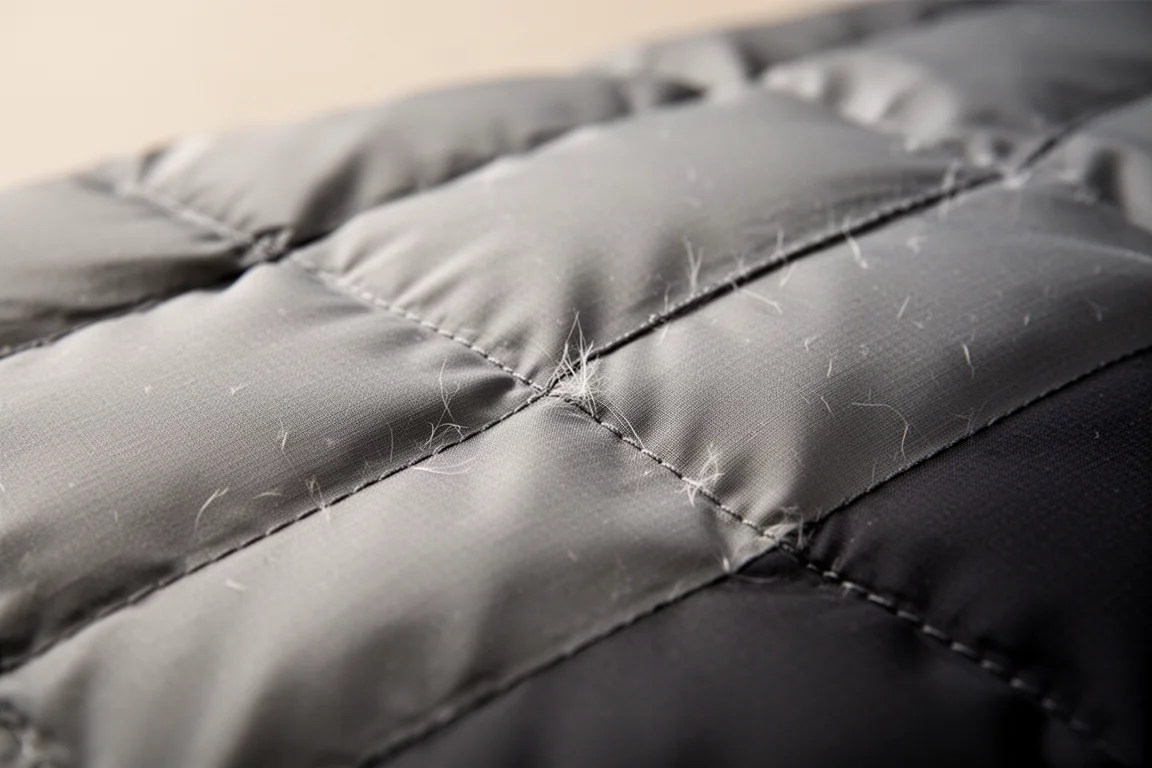
Construction follows the same logic. Stitch-through baffles on the Oreus hold the insulation in place and pack down tightly, but they also create channels where wind can enter and warm air can leave. The Cirrus Ultra avoids those gaps, so it holds still air more effectively when you are stood at a belay in a stiff breeze.
Weight, Packability and Comfort on the Hill
At 390 g, the Oreus is the jacket you forget you are carrying. It compresses small enough to tuck into a crevice in a pack, and it is the obvious choice when the plan involves moving fast and travelling light.
The Cirrus Ultra is around 550 g and takes up noticeably more room, even though it still packs down well for a jacket with this much loft. What you get in return is comfort. Sitting around a campfire, or in a tent on a cold night, the extra bulk and loft feel genuinely cosy in a way that a stripped-back ultralight layer cannot quite match.
Metallic Linings: Two Approaches to Reflective Warmth
Both jackets use reflective metallic linings, but they are not put together the same way. On the Oreus, the metallic lining is knitted together with the synthetic insulation, so the reflective material and the loft work as one. On the Cirrus Ultra, the TILT lining runs through the jacket as a lining layer in its own right.
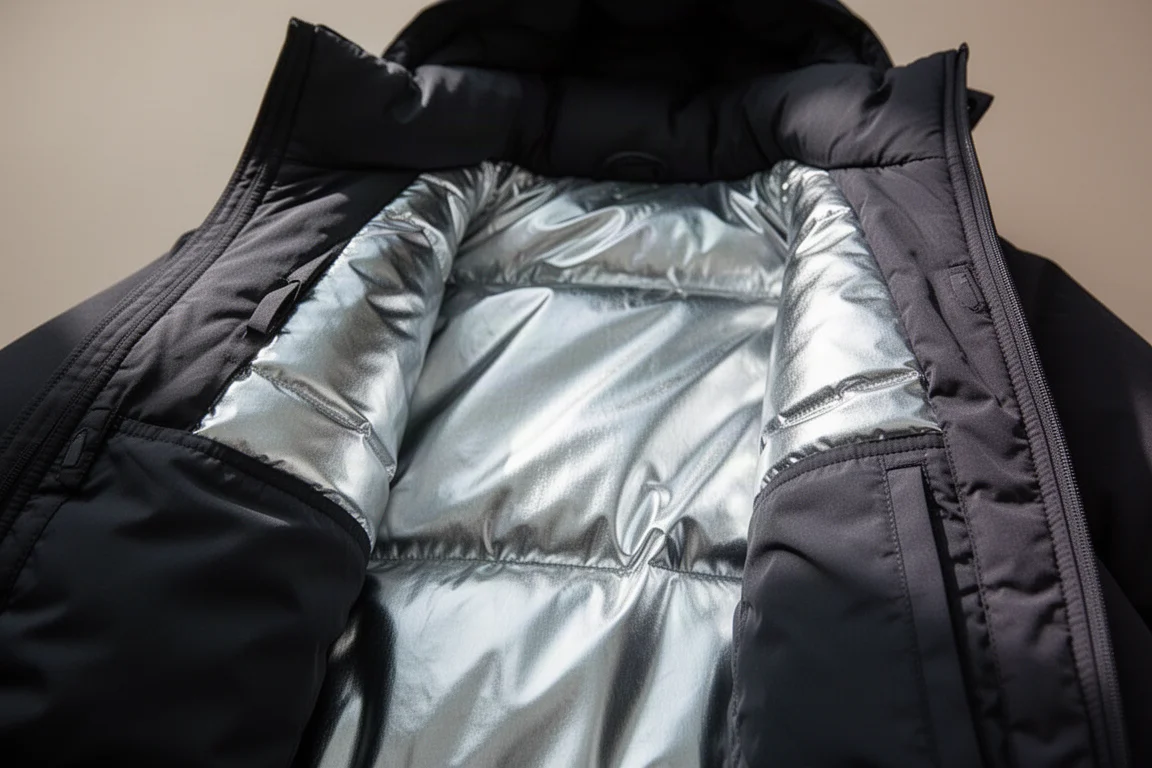
The end result is similar in principle and different in feel. Both aim to keep more warmth close to the body, but the Oreus does it as part of a lighter, more compressible package, while the Cirrus Ultra pairs the reflective lining with deeper loft and a more wind-resistant build.
Which Jacket Suits Which Rider
The Oreus is, at heart, a climber’s jacket. If your priority is the best warmth-to-weight ratio you can get, if you want a layer that lives in the bottom of your pack and only comes out at a stance, and if you would rather carry fewer features than more grams, it is the more focused choice.
The Cirrus Ultra is the all-rounder. It suits anyone who wants a jacket that feels substantial and protective, whether that is a long belay on a windy crag or an evening at camp. The extra pockets, the tougher face fabric and the more wind-resistant construction all point in the same direction: more reassurance, in a package that is still impressively packable.
Practical Buying Advice
Start with how you will actually use the jacket rather than with the specification sheet. If you mostly need short bursts of warmth during a climb, and pack space is at a premium, the Oreus delivers that with very little weight penalty. If you spend longer periods standing still in cold, windy conditions, or you want a jacket that doubles as camp insulation, the Cirrus Ultra’s extra loft and wind resistance are worth carrying.
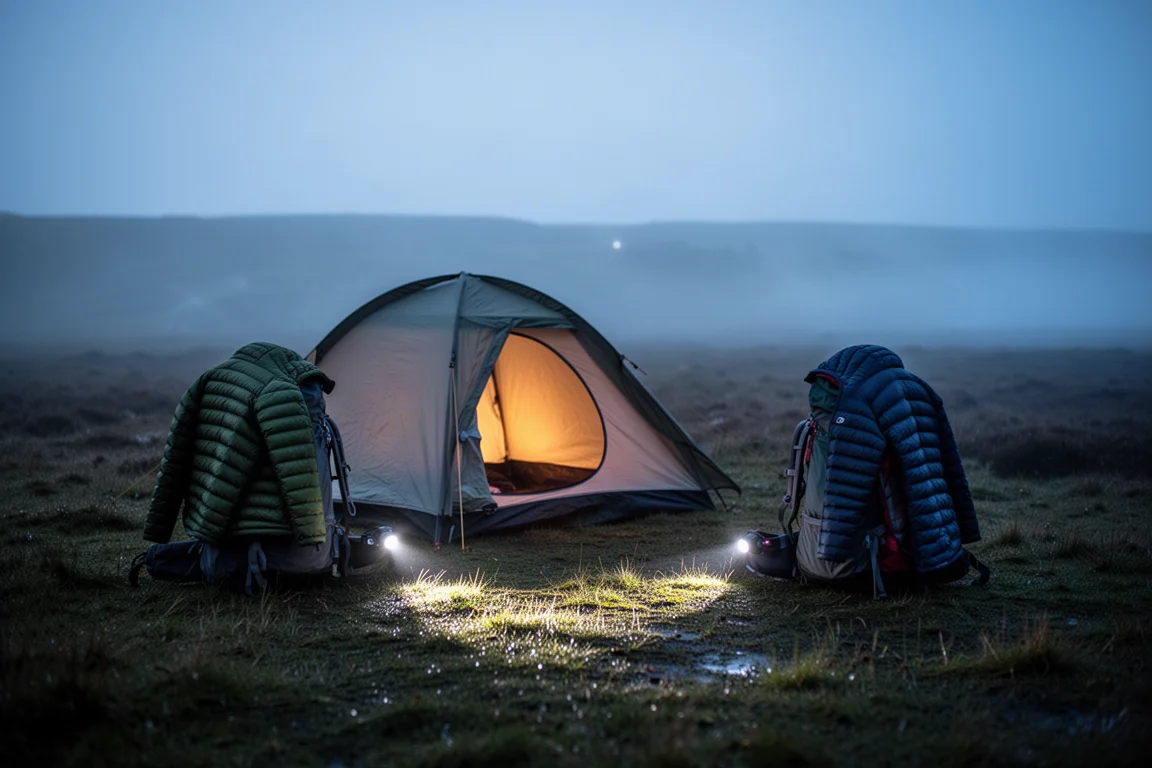
Both are synthetic, so both cope with damp conditions and keep working when the weather turns. Neither replaces a waterproof shell in sustained rain, and both are best treated as warm layers that sit over the rest of your system. Buy for the job each jacket is designed to do: the Oreus for gram-counting climbers, the Cirrus Ultra for anyone who wants more protection and a cosier feel on cold days out.
Conclusion
The Oreus and the Cirrus Ultra are both capable synthetic belay jackets; they simply answer different questions. Choose the Oreus if warmth-to-weight, a small pack size and a climber-focused design matter most. Choose the Cirrus Ultra if you would rather trade a little weight for more loft, more pockets, a tougher face fabric and better wind resistance. Either way, you get reflective metallic lining technology and synthetic insulation that keeps working in the damp.
Further reading
Related Reviews

Backpacking Gear
Building a 10 lb Base Weight: An Ultralight Backpacking Gear List
A practical walkthrough of the ultralight pieces behind a 10 lb base weight, from a 765 g pack and a roomy one-person tent to a full camp chair and a dependable water filter.

Road Bikes
10 New Road Bikes Worth Watching: Aero, Titanium, Steel and Endurance Standouts
A practical roundup of 10 new road bikes, from aero flagships chasing single-watt gains to titanium, steel and endurance platforms built for real roads.
Bikepacking Gear
11 Bikepacking Essentials for Long-Distance Cycling
Eleven bikepacking essentials for long-distance cycling, from a steel gravel frame and a two-person tent to helmet lights, packable gloves, and a frame bag that puts weight in the right place.