Insulated Jackets
Mountain Equipment Oreus Review: A Lightweight Synthetic Belay Jacket
A focused look at the Mountain Equipment Oreus, a 397 g synthetic belay jacket built with in-house Aetherm insulation, and what to weigh up before buying.
Introduction
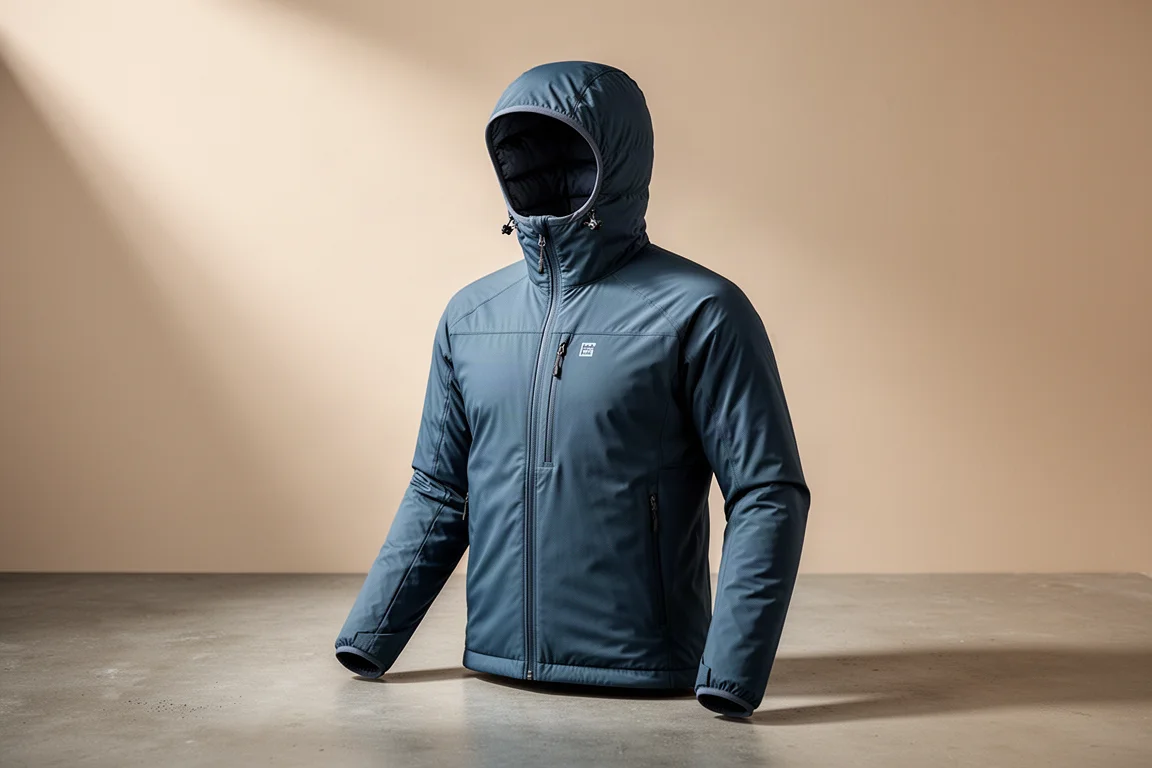
Mountain Equipment is best known among climbers for its synthetic insulated jackets, and the Oreus is the lightest expression of that thinking. It is a synthetic belay jacket designed for cold, damp and windy conditions, where down insulation tends to lose loft and warmth. A medium weighs 397 g, which is under 400 g, and the jacket is positioned to come close to the warmth of the heavier Fitzroy while weighing far less.
Synthetic insulation has traditionally involved a trade-off. It copes with damp far better than down, but matching down’s warmth usually means a bulkier, heavier jacket. The Oreus is built to close that gap, using an insulation Mountain Equipment developed in house after finding nothing on the market that met its requirements.
Who This Jacket Is For
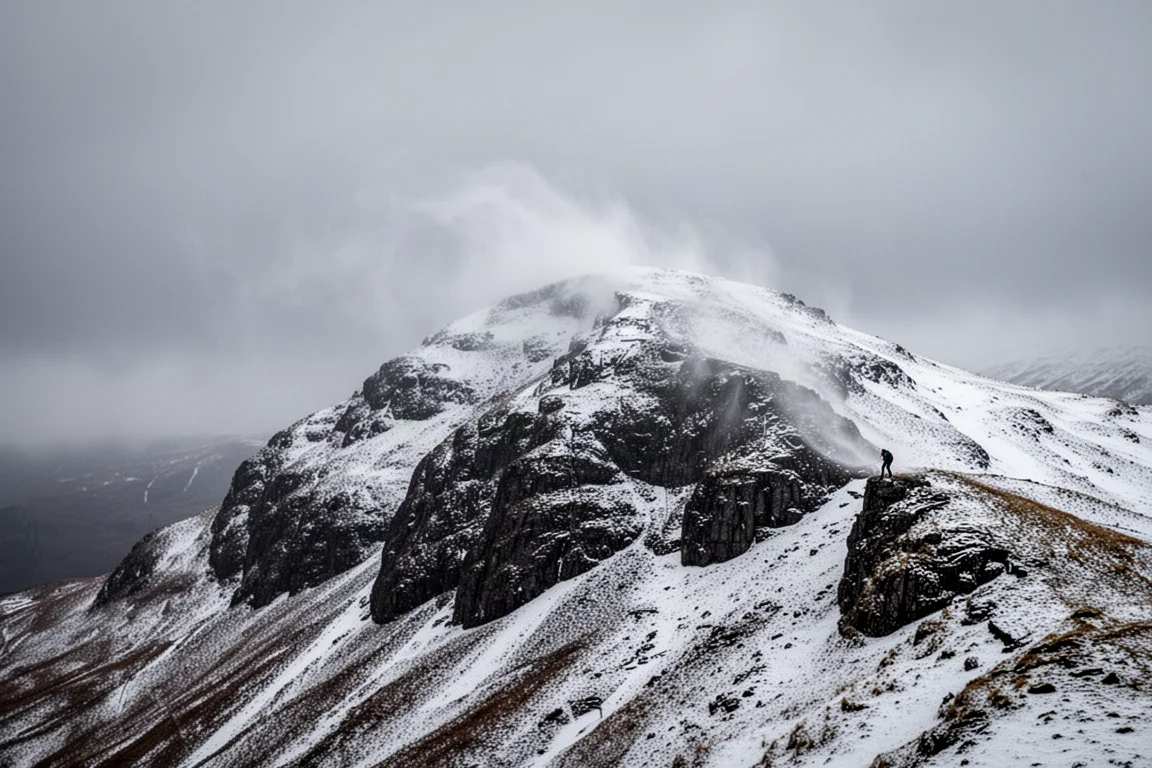
The Oreus is a belay jacket, and that is the single most useful thing to understand about it. It is designed to be pulled on over everything else when you stop moving, whether on a snowy ledge in Scotland or at the top of a winter route, and to hold heat in while the weather does its worst.
It suits climbers and mountaineers who spend long periods stationary in cold, damp conditions. Because the insulation and face fabric are built to keep hot air in, it is deliberately not breathable. It is not intended as a mid layer for hard effort or as a jacket to walk uphill in. If you overheat, the design expects you to take it off rather than rely on airflow.
It is also light and compressible enough to be carried for uses beyond climbing. It packs down small enough to be pushed into a race vest or into the bottom of a rucksack, which makes it an easy layer to bring along even when you are not sure you will need it.
For UK winter conditions in particular, that combination of warmth and damp resistance is the point. Snow, drizzle and humidity can collapse the loft of a down jacket, and the Oreus is built for exactly that environment.
Main Strengths
Weight and warmth are the two headline numbers. At 397 g for a medium, the Oreus is dramatically lighter than the Fitzroy and the Citadel, both of which weigh considerably more. The design goal is to get close to the warmth of those heavier jackets while removing most of the bulk that usually comes with it.
That matters because the heaviest synthetic jackets in a range are often the ones people leave behind. A jacket that is genuinely warm, genuinely windproof and light enough to carry without thinking about it gets used far more often than one that only comes out for the coldest days of the season.
Warmth, Weight, and Aetherm Insulation
The Oreus uses Aetherm, an insulation Mountain Equipment developed itself. Instead of loose blown fibres that need baffles to stay in place, Aetherm is built from thin synthetic fibres cut into long ribbon-like strips. A very thin reflective metallic film is woven through them in a lattice.
The film does two jobs. It helps the synthetic fibres hold their loft over time, and it reflects body heat back towards the wearer. The practical result is a jacket that lofts generously for its weight, packs small and traps warmth efficiently.
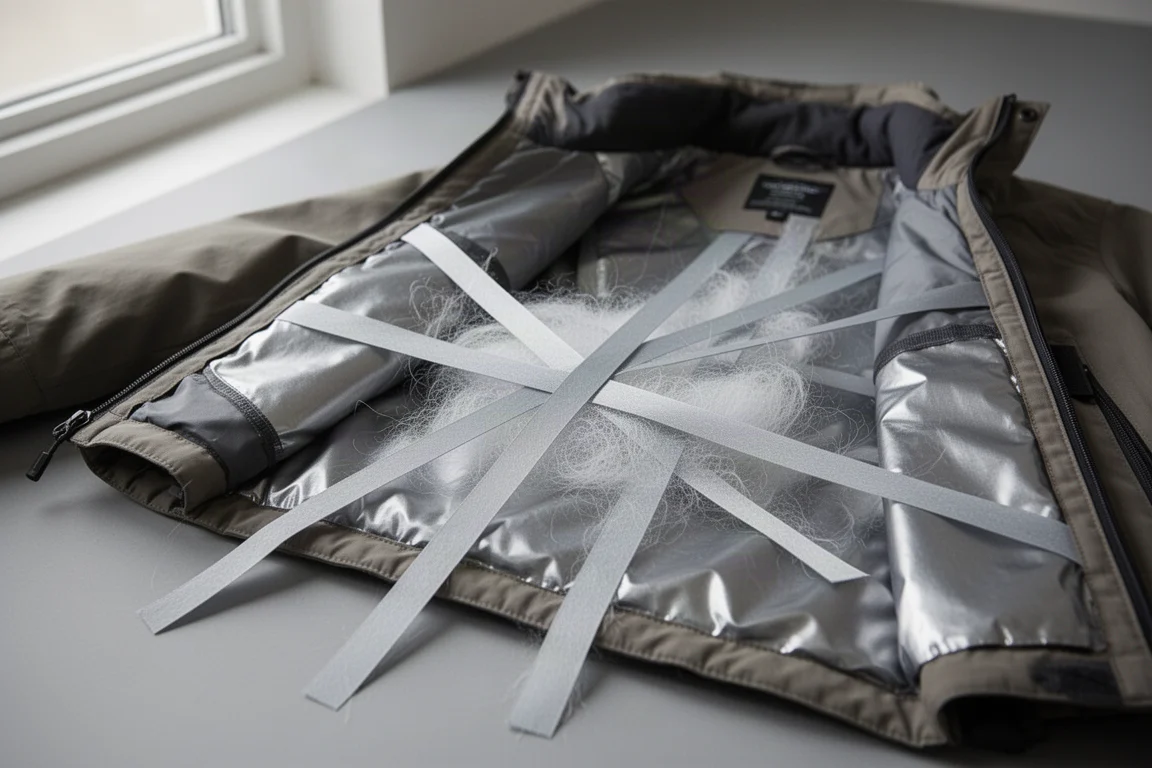
Because the insulation is a sheet fibre rather than a loose fill, the jacket does not need baffles or stitched-through construction. That matters in the wind. A stitched-through jacket is full of small holes, which allow cold air in and warm air out and can leave cold patches across the body. The Oreus has no such gaps, which is a large part of why it works so well as a belay layer.
Weather Resistance and Build Quality
The absence of stitching through the insulation makes the Oreus completely windproof and noticeably more weather resistant than a conventionally stitched synthetic jacket. On a cold, windy ledge, that is the difference between holding heat and steadily losing it.
Both the insulation and the face fabric are recycled. The face fabric is a very light plasma fabric, chosen to keep the weight down. That choice has a trade-off worth knowing about: the Fitzroy and the Citadel use burlier face fabrics and will stand up better to abrasion if you climb in them. The Oreus is happiest as a layer you put on when you stop, and it rewards being treated that way.
Features That Matter on the Hill
The feature list is deliberately short, which is part of how the weight stays down. There are two hand warmer pockets and a Napoleon chest pocket, plus a helmet-compatible hood that swallows a climbing helmet without trouble. When you are not wearing a helmet, a bungee cord cinches the hood down and a velcro tab at the back holds it in place on your head.
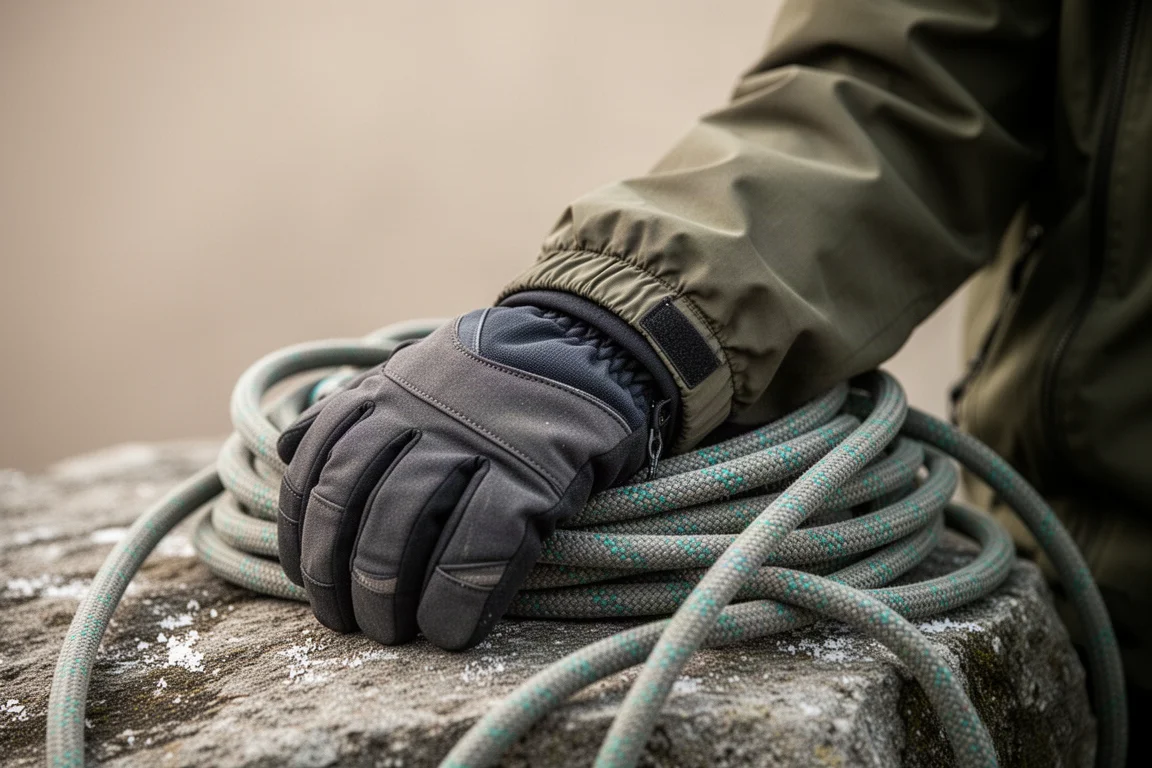
A two-way front zip gives freedom of movement when you are belaying. Inside, there is a large dump pocket that takes gloves, climbing shoes or anything else you want to keep warm and reachable, and the same pocket doubles as a stuff sack: the jacket folds into itself and stores away with a small clip rather than zips that snag. The hem drawcords are cut and resealed so there are no loops to catch carabiners, and the cuffs are simple elasticated ones that stretch wide enough to pull over bulky winter gloves.
Things to Consider Before Buying
The Oreus is not breathable, and that is by design. It is built to trap hot air, and if you work hard while wearing it, that trapped heat has nowhere to go. It is not a mid layer and it is not a jacket for moving fast in.
It also does not compress quite as tightly as baffled synthetic insulations. Because the Aetherm insulation keeps lofting back, it resists packing down as small as some alternatives. In practice it fills the bottom of a rucksack neatly and lofts up better than baffled jackets once it comes out, but if you need the smallest possible packed volume, this is not its strongest suit.
Finally, sizing. The fit is cut to layer over a full winter setup, and it is worth checking the size chart rather than assuming your usual size. Taller wearers in particular may find that sizing up gives a better result over a winter layering system.
Buying Advice
Buy the Oreus if you want a warm synthetic belay jacket that disappears into your pack. It makes the most sense for winter climbers, mountaineers and anyone who spends time stationary in cold, damp conditions where down would struggle to stay warm. It is the lightest way to get this level of warmth from the Mountain Equipment synthetic range.
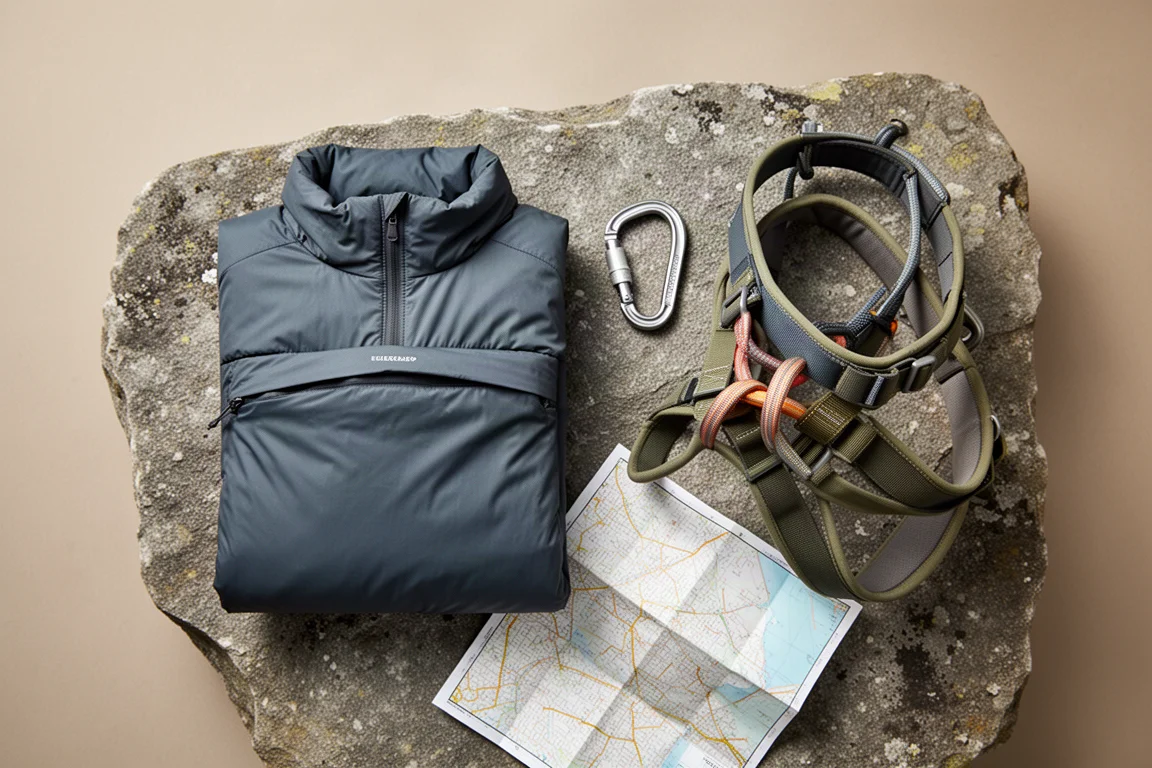
If durability against abrasion matters more than weight, the Fitzroy and the Citadel remain the more rugged choices in the line-up. If you want one jacket that covers both belaying and moving, the Oreus is not that jacket, because it is not designed to breathe. Treat it as specialist kit for the cold, and it does exactly what it is meant to do.
Conclusion
The Oreus is a focused piece of kit. It pairs a genuinely low weight with insulation engineered to hold loft and reflect heat, and it adds a level of wind and weather resistance that stitched synthetic jackets cannot match. It is not breathable and it is not the most abrasion resistant jacket in the range, but as a belay layer for cold, damp and windy days it is hard to argue with.
Product link
View more details for Mountain Equipment Oreus
This product is mentioned in the review. Check the specifications, options, and compatibility before buying.
View more details for Mountain Equipment OreusFurther reading
Related Reviews
Insulated Jackets
Aerogel vs Down Insulation: Two Aerogel Jackets Compared
Aerogel is the lightest solid on record, but two aerogel jackets measured against a comparable down jacket tell a more complicated story about warmth.
Insulated Jackets
Arc'teryx Atom LT vs Decathlon Trek 50: Does the Premium Synthetic Jacket Earn Its Price?
A side-by-side look at two synthetic insulated jackets at very different prices, covering fit, weight, insulation, features, and warranty.
Insulated Jackets
Big Agnes Shovelhead Jacket Review: Does Treated Down Stay Warm When Wet?
A close look at the Big Agnes Shovelhead jacket and its bluesign approved, PFAS-free DownTek insulation, including what happened when it was soaked twice in near-freezing conditions.