Insulated Jackets
Mountain Equipment Flight Line Jacket Review: A 700 Fill Down Layer for Cold Days
A lightweight 700 fill power down jacket that packs into its own stuff sack, blocks wind, and handles zero to sub-zero conditions with ease.
Introduction
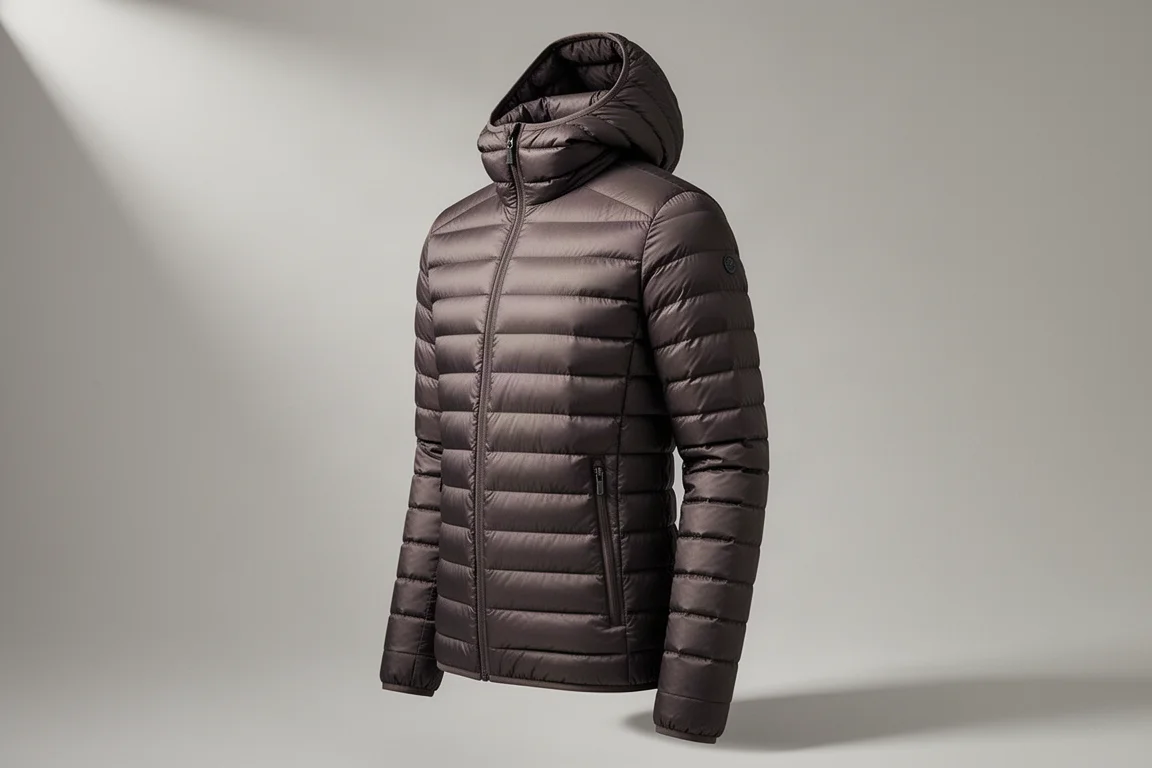
The Mountain Equipment Flight Line Jacket is a down jacket built for the cold end of the walking season. It uses 700 fill power down, and Mountain Equipment classes it as a technical duvet, a description that fits the way it behaves: this is the layer you reach for when the temperature drops and the wind picks up, not the one you wear while working hard uphill.
That framing matters more than any single number on a spec sheet. A jacket like this earns its place in a pack by being warm enough for genuine cold, light enough to disappear into a rucksack, and simple enough to live with day after day. The Flight Line sets out to do all three, and the people most likely to appreciate it are backpackers and walkers who head out when the forecast looks unpleasant.

In use it behaves like a proper backpacking layer. It folds down small, comes with its own stuff sack, and slots into a rucksack without demanding the space a bulkier synthetic jacket would take. For anyone who counts litres as carefully as grams, that combination is the whole point of owning a down layer in the first place.
Who the Flight Line Jacket Is For
This is a jacket for cold conditions, and it is worth being honest about where that line sits. It works well at around zero degrees, and it still makes sense slightly above zero when there is windchill in the air cutting through everything else you are wearing. In genuinely freezing weather it comes into its own, which is exactly the scenario it was designed around.
It is not a jacket for mild days. At around five degrees, moving at a decent pace, it quickly becomes too hot, and that is a useful signal rather than a flaw. Down insulation of this quality traps a lot of warmth, so it rewards being carried rather than worn until the conditions justify it.
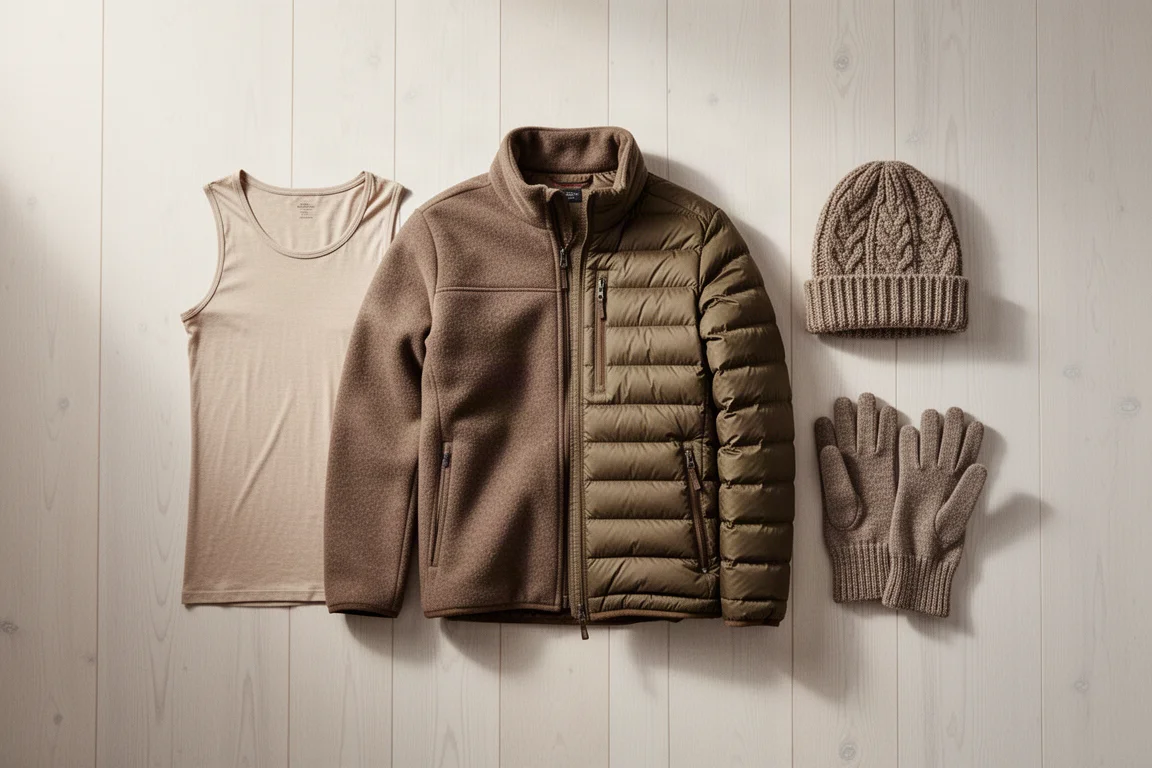
Fit is worth a note as well. Worn in size small by someone around five foot eight with a 36 inch chest, over a fleece and a base layer, it fits neatly without feeling restrictive. That suggests the cut leaves sensible room for layering underneath, which is how a jacket like this is meant to be used. If you normally run between sizes, the ability to wear it over a mid layer without compressing the down is the thing to check first.
Main Strengths
Warmth and Wind Protection
The headline quality here is warmth for the weight. The 700 fill power down gives the jacket a level of insulation that Mountain Equipment itself compares to a technical duvet, and that is a fair description of how it feels once you put it on. There is very little bulk for the amount of heat it holds.
The shell is fully windproof as well, which matters more than it might sound. Wind is what strips warmth out of a layering system, and a windproof outer on a down jacket means the insulation keeps doing its job instead of being bypassed. Combined with a hood that adjusts properly, it holds warmth around the head and neck where cold air otherwise finds a way in.
That windproof construction also makes the jacket more versatile than its temperature range suggests. Worn over a fleece and a base layer, it handles cold static moments, rest stops, and slow exposed sections without the wearer needing to keep moving to stay comfortable. It is a layer that lets you stop and eat lunch on a cold ridge without immediately regretting it.
Packability, Hood and Fit
The second strength is how little space it takes up. The jacket folds down very small and arrives with its own stuff sack, so it can be compressed and stored at the bottom of a pack until it is needed. That is the practical definition of a backpacking jacket: something that stays out of the way until conditions change, then delivers when it does.
The hood is fully adjustable, which means it can be cinched down rather than sitting loosely, and it works well with the rest of the jacket to seal in warmth. Two well-placed pockets add the kind of everyday usefulness that gets overlooked in reviews but matters on the hill, whether for gloves, a phone, or a snack.
Comfort is the part that is hardest to convey on paper. It is soft, unrestrictive, and easy to forget you are wearing, which is precisely what you want from an insulation layer that might be on your body for hours at a time.
Things to Consider Before Buying
Water Resistance and Warmth Limits
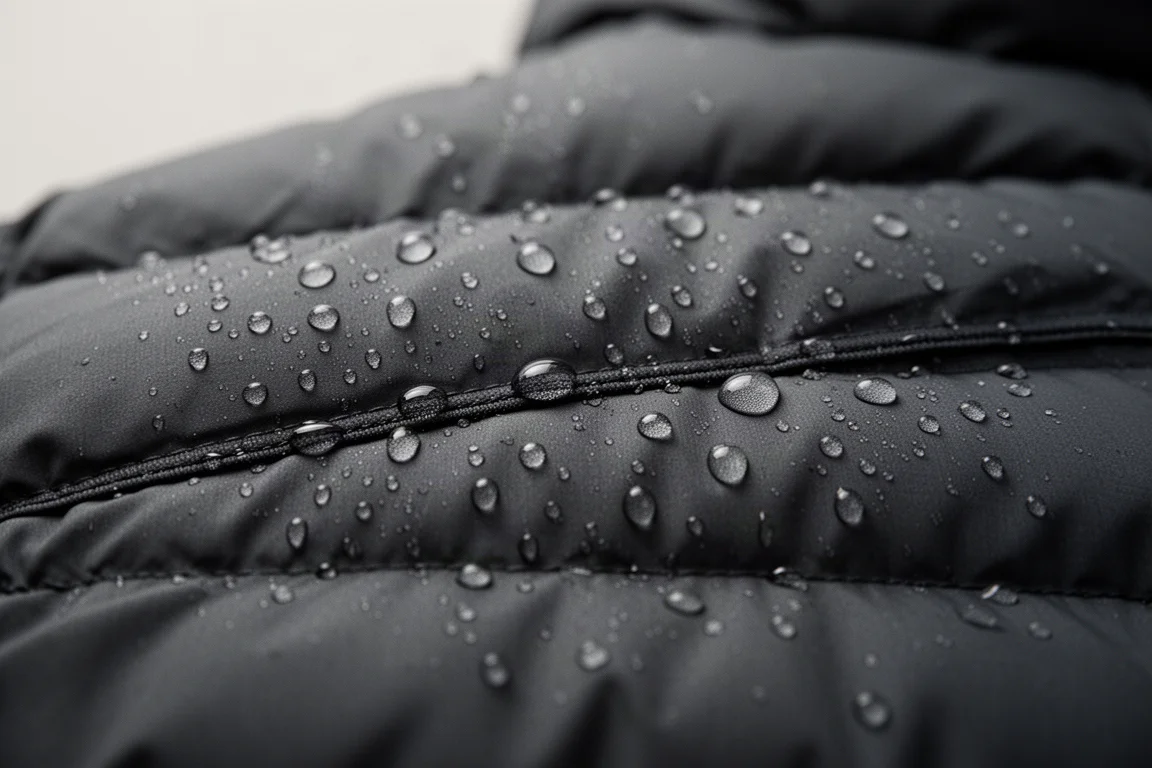
The Flight Line is highly water resistant, but it is not fully waterproof, and that distinction is worth understanding before you buy. Light showers should bead off and run off the surface without soaking in, which covers a lot of typical British hill weather. Sustained heavy rain, however, is a different proposition, and like most down jackets it is best paired with a waterproof shell when the forecast turns serious.
The warmth ceiling is the other thing to plan around. This is a zero to sub-zero jacket. Push it into milder temperatures while walking hard and you will overheat, so it is best treated as a layer for cold conditions rather than an all-season piece.
The retail price sits at around 220 pounds, which places it firmly in the investment category rather than the impulse buy. That said, it has appeared in sales, so timing a purchase around a discount period can make a meaningful difference to what you pay.

Weight is another consideration in the sense that down demands a little more care than synthetic insulation. Keeping it dry, storing it loosely rather than compressed for long periods, and treating it as a jacket for cold and dry conditions will get the most out of it. Buyers who expect to be out in persistent wet weather may want to weigh up whether a synthetic layer suits their habits better.
Buying Advice
If you already own a down jacket that you are happy with, there is no urgent reason to change. But if you are building a cold-weather layering system from scratch, or replacing an older jacket that has lost its loft, the Flight Line is a genuinely strong candidate. The combination of 700 fill power down, windproof construction, a properly adjustable hood, and a pack size small enough to live in a rucksack covers the essentials without obvious compromise.
Sizing is the main decision to get right. The jacket is designed to be worn over a base layer and a fleece, so if you plan to use it that way, choose a size that leaves room for those layers without squashing the down. If you intend to wear it closer to the body, the same size may feel roomier than expected.
Think about how you actually walk, too. Someone who runs hot and moves fast will use this jacket mostly at rest stops and in the cold hours of the morning and evening, where it performs beautifully. Someone who walks slowly in cold conditions may end up wearing it for most of the day. Both are valid, but they lead to different expectations about value.
Finally, consider the price against how often you will realistically reach for it. A jacket that sits in a wardrobe for eleven months of the year is poor value at any price. A jacket that becomes the layer you pack for every cold trip, and the one you are reluctant to leave behind, justifies its cost quickly.
Conclusion
The Mountain Equipment Flight Line Jacket does the job it was designed for with very little fuss. It is light, packs into its own stuff sack, blocks wind, shrugs off light rain, and delivers serious warmth from 700 fill power down at zero degrees and below. The fully adjustable hood and comfortable fit make it easy to live with on long days out.
The caveats are clear and easy to plan around. It is water resistant rather than waterproof, it is too warm for milder conditions when you are moving hard, and the 220 pound retail price asks for a real commitment. For backpackers and cold-weather walkers who want a packable down layer they will actually use, those trade-offs are reasonable, and the jacket is easy to recommend on that basis.
Product link
View more details for Mountain Equipment Flight Line Jacket
This product is mentioned in the review. Check the specifications, options, and compatibility before buying.
View more details for Mountain Equipment Flight Line JacketFurther reading
Related Reviews
Insulated Jackets
Aerogel vs Down Insulation: Two Aerogel Jackets Compared
Aerogel is the lightest solid on record, but two aerogel jackets measured against a comparable down jacket tell a more complicated story about warmth.
Insulated Jackets
Arc'teryx Atom LT vs Decathlon Trek 50: Does the Premium Synthetic Jacket Earn Its Price?
A side-by-side look at two synthetic insulated jackets at very different prices, covering fit, weight, insulation, features, and warranty.
Insulated Jackets
Big Agnes Shovelhead Jacket Review: Does Treated Down Stay Warm When Wet?
A close look at the Big Agnes Shovelhead jacket and its bluesign approved, PFAS-free DownTek insulation, including what happened when it was soaked twice in near-freezing conditions.