Outdoor Clothing
Mountain Equipment Aerotherm Review: A 300g Windproof Midlayer That Stands In for a Fleece
A lightweight windproof, water-resistant midlayer with a grid fleece lining and a stowable hood, built for climbers, runners, and walkers who want one layer to do more.
Introduction
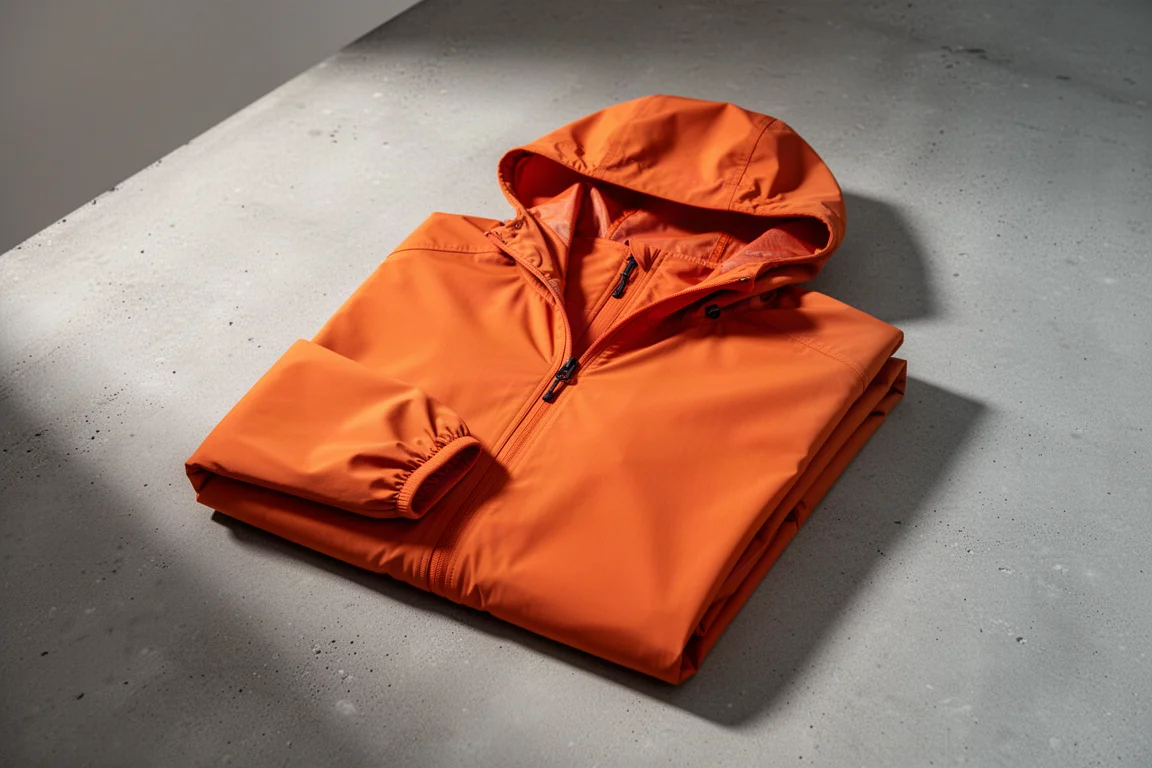
The Mountain Equipment Aerotherm is a lightweight insulated midlayer built around a windproof face fabric and a grid fleece lining. At around 300g it occupies the space usually filled by a fleece, but it behaves quite differently once the wind picks up or the drizzle starts.
That difference is the whole point. A conventional fleece keeps you warm until conditions turn, at which point most people reach for a waterproof shell. The Aerotherm is designed to delay that moment, so you stay comfortable and keep moving instead of stopping to change layers.
Who This Jacket Is For
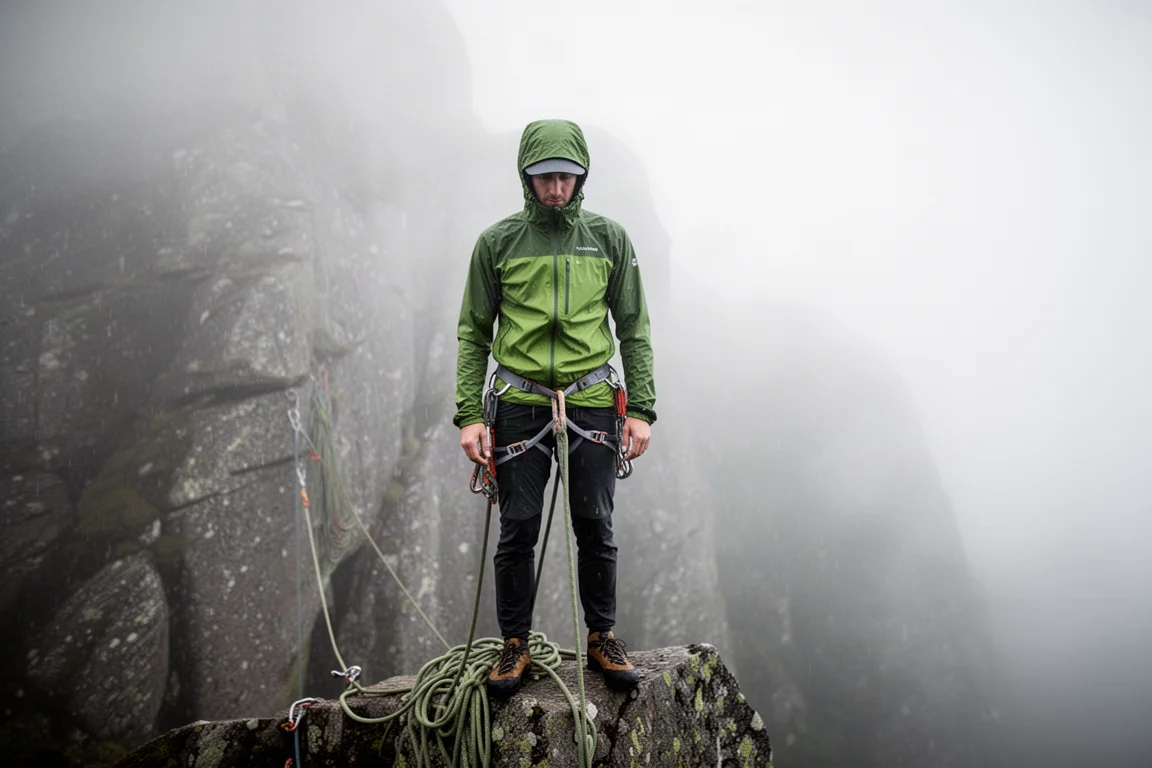
Mountain Equipment builds this jacket with climbers and mountaineers in mind, but the Aerotherm is versatile enough for runners, walkers, and anyone who spends time outside in changeable weather. It works as a midlayer inside a layering system, and it also works as a standalone outer piece on milder days when a shell would be overkill.

For runners in particular, the hood design matters. A hood that cannot be stowed tends to balloon and flap when it is not being worn, and this one rolls neatly away into the collar so it stays out of the way until it is needed.
Main Strengths
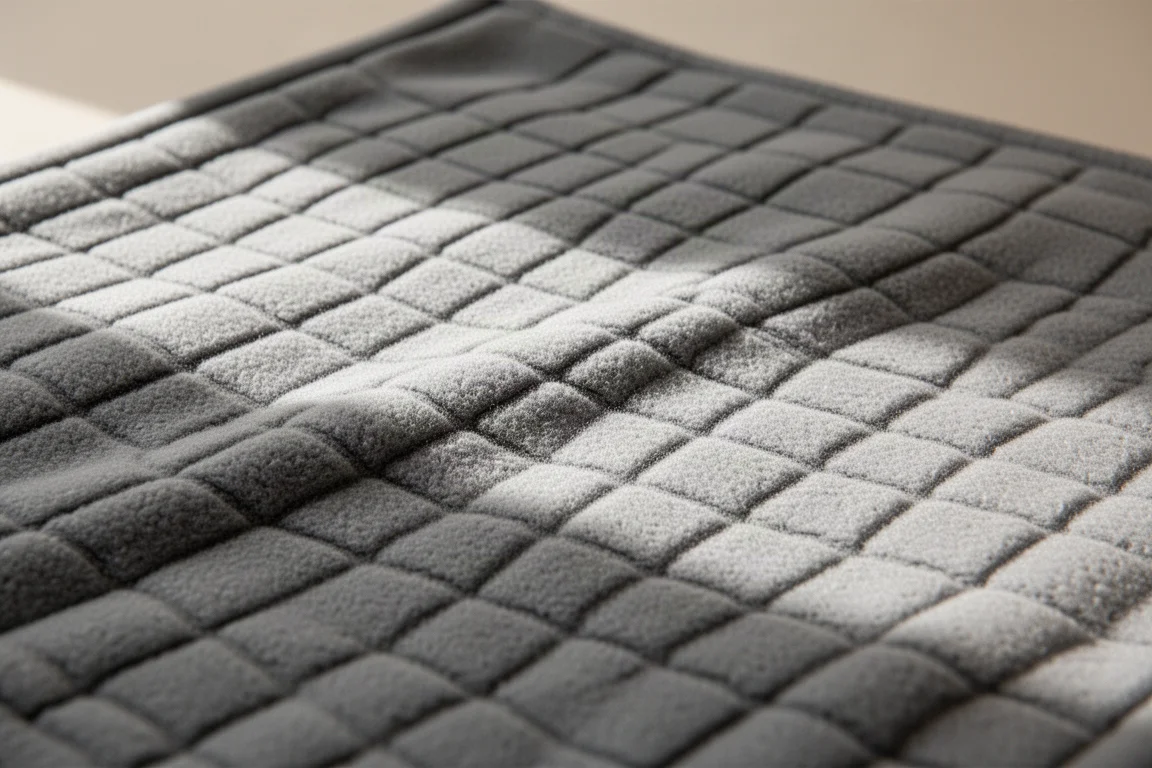
The foundation of the jacket is a 45D Exolite face fabric, a very light windproof material. On its own that would already be a useful piece of kit, but Mountain Equipment has lined it with a grid fleece that adds warmth and supports breathability at the same time.
The inside of the core uses a micro grid of small squares that traps air and holds warmth close to the body. Down the arms, the same fabric is turned inside out, which makes the surface smoother and slicker. That detail matters more than it sounds, because sleeves slide through cleanly when you pull other layers over the top rather than snagging and bunching.
The jacket is water resistant as well as windproof. In steady drizzle, water beads on the surface instead of soaking straight in, which buys useful time before a shell is genuinely necessary.
Design Details That Matter
The hood is deliberately uninsulated. It is a windproof hood rather than a warm one, which keeps it light and lets it roll away compactly into the collar when you are wearing several hooded layers at once. It is a medium sized hood that can be pulled over a helmet, though that is not the most comfortable way to wear it. It also fits comfortably under a helmet, which is how it would typically sit in a winter layering system.
The hem bungee cords are cut and resealed so there is nothing to catch climbing gear or a harness. The jacket packs into its own pocket, and that pocket has a clip for attaching it to a harness, with two loops rather than one for a bit of extra security. The pocket layout is simple and well judged: a chest pocket and two hand pockets, all with soft zips that stay out of the way under a harness. The cuffs are light and elasticated, with no velcro tabs needed.
Things to Consider Before Buying
The arms are slightly less warm than the core because of the smoother fabric used there. That is a deliberate trade-off for easier layering, but it is worth knowing if you tend to feel the cold in your arms.
The hood is a compromise size. It works over a helmet as a squeeze and it works under a helmet, but it is not primarily designed to be worn over a helmet for long stretches. The Aerotherm is also a midlayer rather than a waterproof shell. It resists wind and light rain, and it will not replace a hardshell in sustained heavy rain.
How It Works in a Layering System
Walking in on a cold day is a good test of any midlayer. You start low and warm up quickly, then the temperature drops as you gain height and the wind builds. The Aerotherm handles that transition well: warm enough to wear while moving without overheating, and breathable enough to stay comfortable as your effort rises.
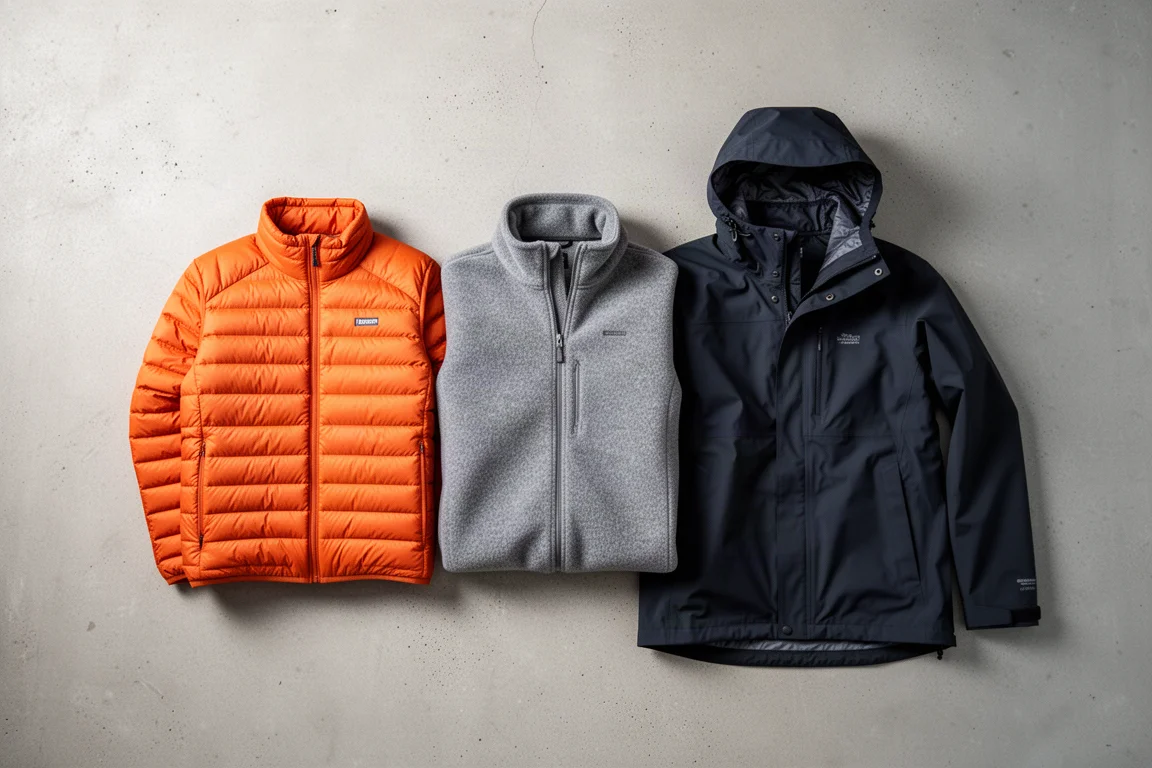
When conditions get colder, it takes another layer underneath or over the top without fuss. The smooth arm fabric helps here, and the grid fleece lining moves moisture away from the body more effectively than a standard fleece. That combination is what makes it a genuinely useful part of a layering system rather than just another warm top.
Buying Advice
If you find yourself reaching for a waterproof shell mainly to block wind when your fleece is not quite enough, a windproof midlayer is the more efficient answer. It breathes better than a shell, it is quieter and less crinkly, and it keeps light showers off while you keep moving.
The Aerotherm is available in several colors, and brighter options make sense if visibility matters where you run, walk, or climb. Think about whether you want it mainly as a standalone piece for active use or as one layer in a winter system, because it performs well in both roles.
Conclusion
The Mountain Equipment Aerotherm earns its place through versatility. At around 300g it is light enough to carry without thinking about it, it is windproof and water resistant, and the grid fleece lining adds warmth without sacrificing breathability. For climbers, runners, and walkers who want one layer that copes with more conditions than a fleece, it is a convincing choice.
Product link
View more details for Mountain Equipment Aerotherm
This product is mentioned in the review. Check the specifications, options, and compatibility before buying.
View more details for Mountain Equipment AerothermFurther reading
Related Reviews
Outdoor Clothing
Artelect Layering System Review: Four Outdoor Layers Built to Last
A closer look at four pieces from the Artelect layering system, from a full merino base layer to a 30,000 mm waterproof shell, and where each one fits.
Outdoor Clothing
Best Sun Hoodies for Hiking: Rab Force and Black Diamond Alpenglow Compared
Two lightweight sun hoodies for hiking, climbing, and mountaineering, compared on fabric feel, breathability, hood design, odor control, and value.
Outdoor Clothing
Decathlon Down Jackets Compared: Trek 100 and Forclaz 900
A practical look at two Decathlon down jackets: the low-cost Trek 100 and the warmer Forclaz 900, plus the trade-offs that matter before you buy.