Outdoor Clothing
Artelect Layering System Review: Four Outdoor Layers Built to Last
A closer look at four pieces from the Artelect layering system, from a full merino base layer to a 30,000 mm waterproof shell, and where each one fits.
Introduction
Artelect is one of the newer names in outdoor clothing, and it took an unusual route to get here. Rather than reusing the material choices and production processes that already exist across the market, the brand started from scratch and asked whether each step could be done better, for reasons that range from environmental and ethical sourcing to performance, feel, longevity and function on the hill.
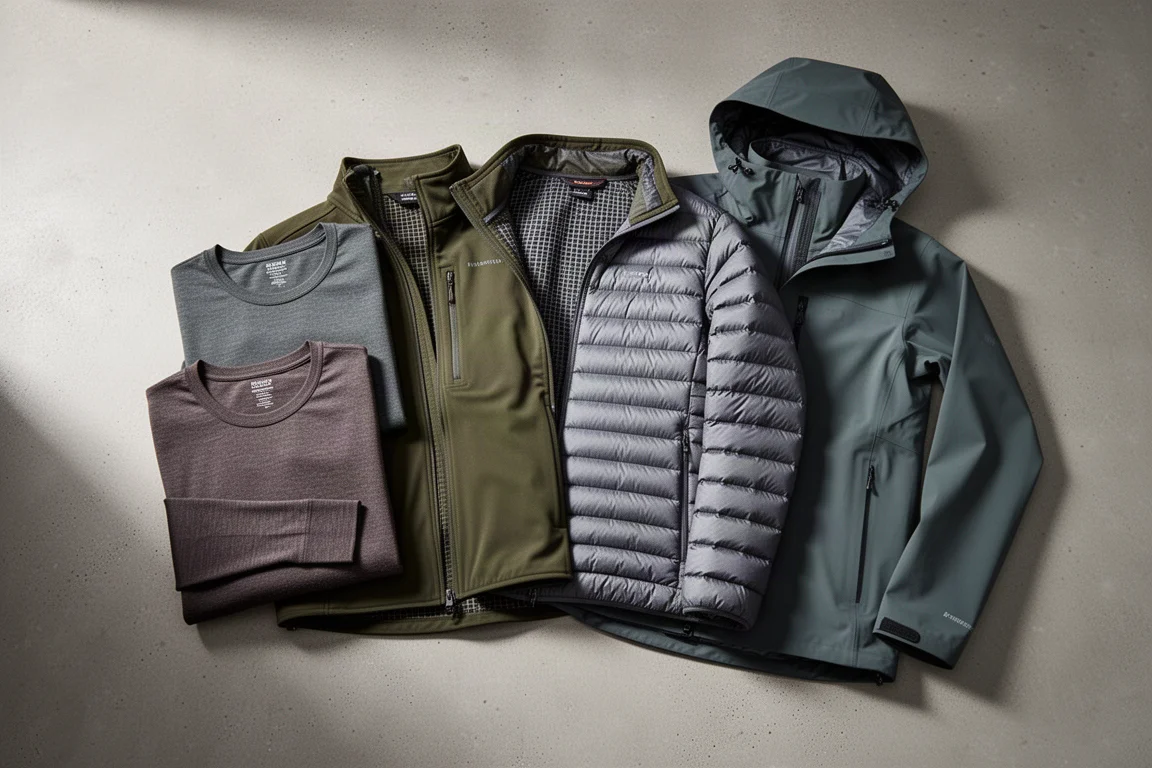
The result is a complete layering system rather than a handful of standalone pieces: base layers, soft shells, down insulation and waterproof shells. This guide looks at four pieces from that range, what each one is designed to do, and where it fits into a layering strategy.
How to Evaluate an Outdoor Layering System
A layering system works because each piece has a narrow job. The base layer moves moisture away from your skin. The mid layer traps warmth while staying breathable. The shell blocks wind and rain while letting vapour escape.
When you compare options, the useful questions are consistent. How much material does the layer use, and does that make it lighter, faster drying or more breathable? Is the insulation treated so it copes with damp? Is the face fabric tough enough for rock and pack straps? And is the garment built to be repaired and kept rather than replaced?
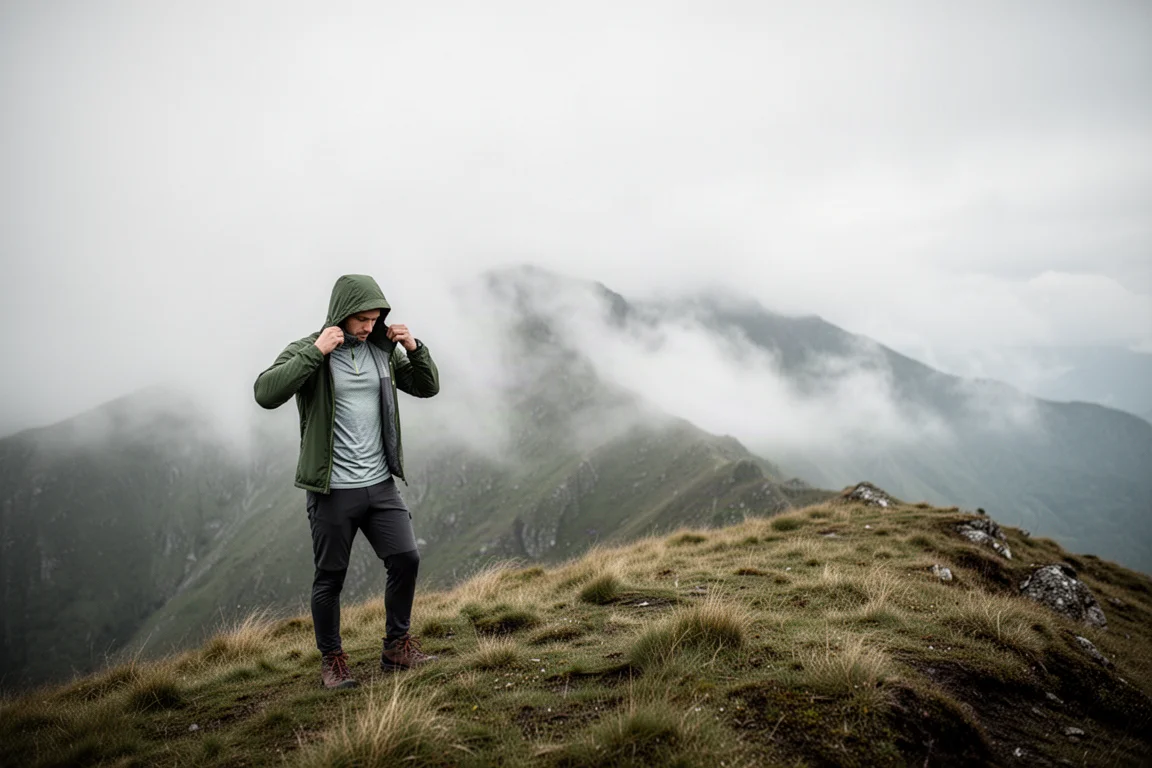
Those questions matter more than a single headline number. A jacket that breathes well and stays comfortable is one you keep on, and a layer that keeps its water repellency is one that keeps performing after a season of use.
Artelect Asus One Merino Base Layer
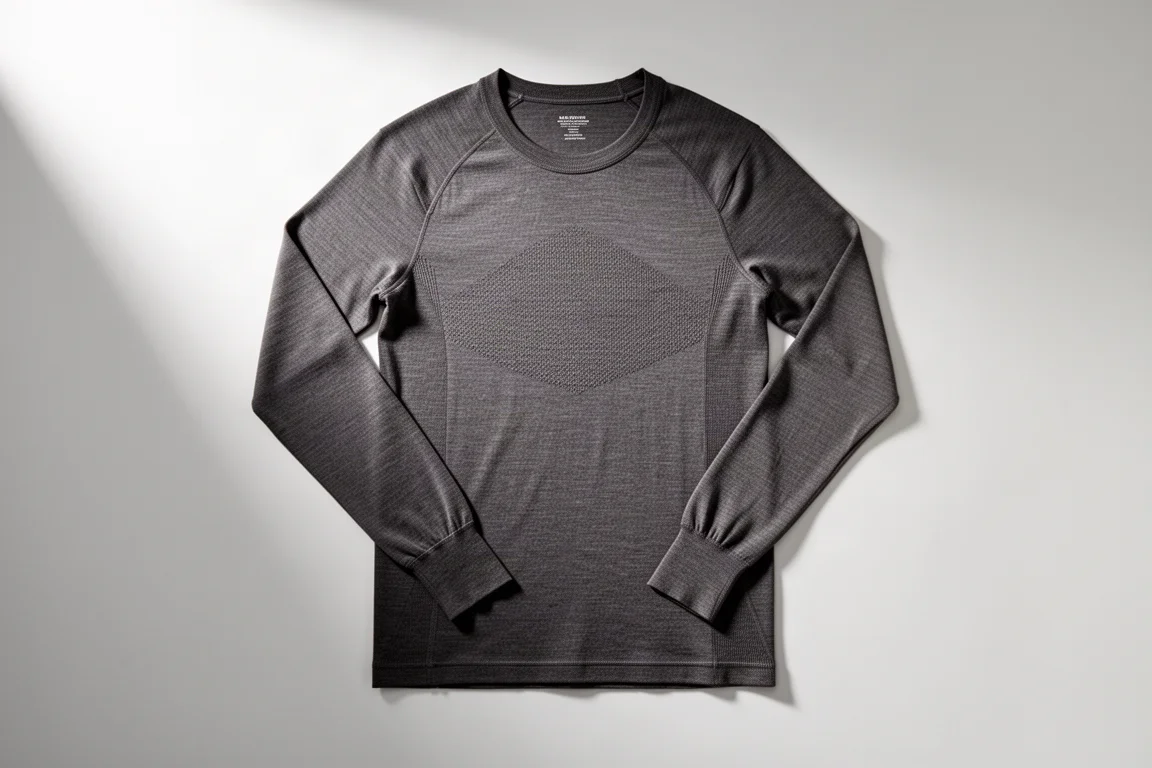
The Asus One is Artelect’s first layer, developed with a materials partner called New Yarn. The approach uses less material than many comparable base layers, which is what makes it lighter, quicker drying and more breathable.
In use, it is a full merino layer rather than a merino and synthetic blend. Some of the lighter base layers on the market mix merino with synthetic fibres, and this one stays on the merino side of that line, which is the part that matters if you value merino’s feel and behaviour next to skin.
Artelect Intersect Soft Shell
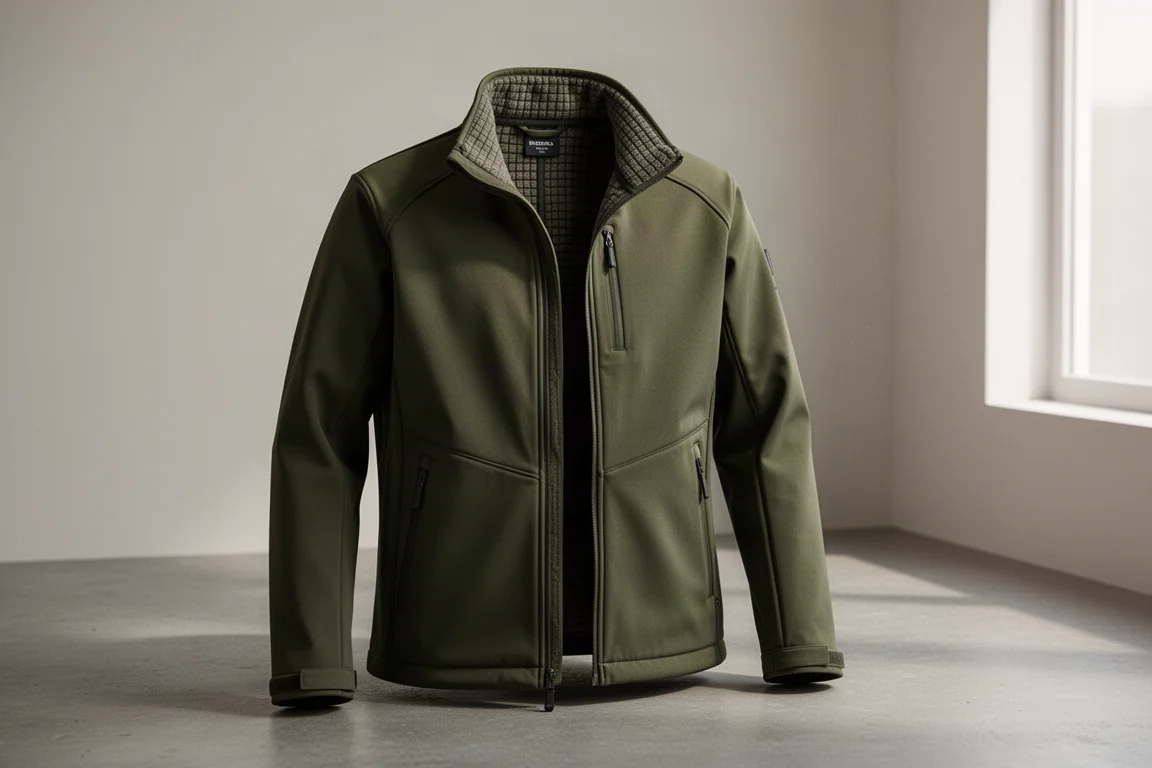
The Intersect is a soft shell with a gridded insulation on the inside that takes the edge off cold air without turning the jacket into a bulky mid layer. Hand warmer pockets sit where you would want them, and the outer is soft to the touch despite being genuinely tough.
Weather resistance is good without being fully waterproof, which is the right trade for a piece meant to be worn while you are moving. It suits walking, climbing, skiing and cold weather days at the crag, where a little insulation and a wind-resistant face fabric make a long belay far more comfortable.
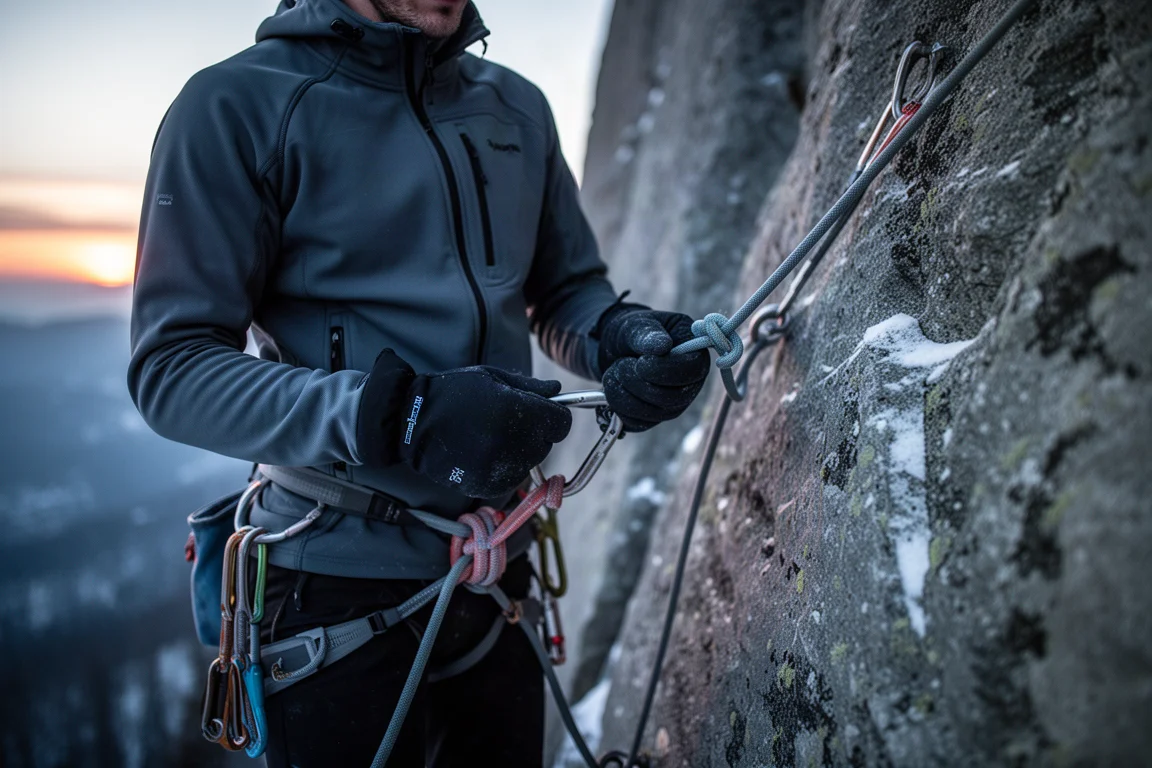
Because it is burly rather than delicate, it can handle abrasion from rock, ropes and pack straps. That combination of a tough face and a soft hand is what makes it a jacket you reach for across several activities rather than one narrow use case.
Artelect Divide Fusion Down Jacket
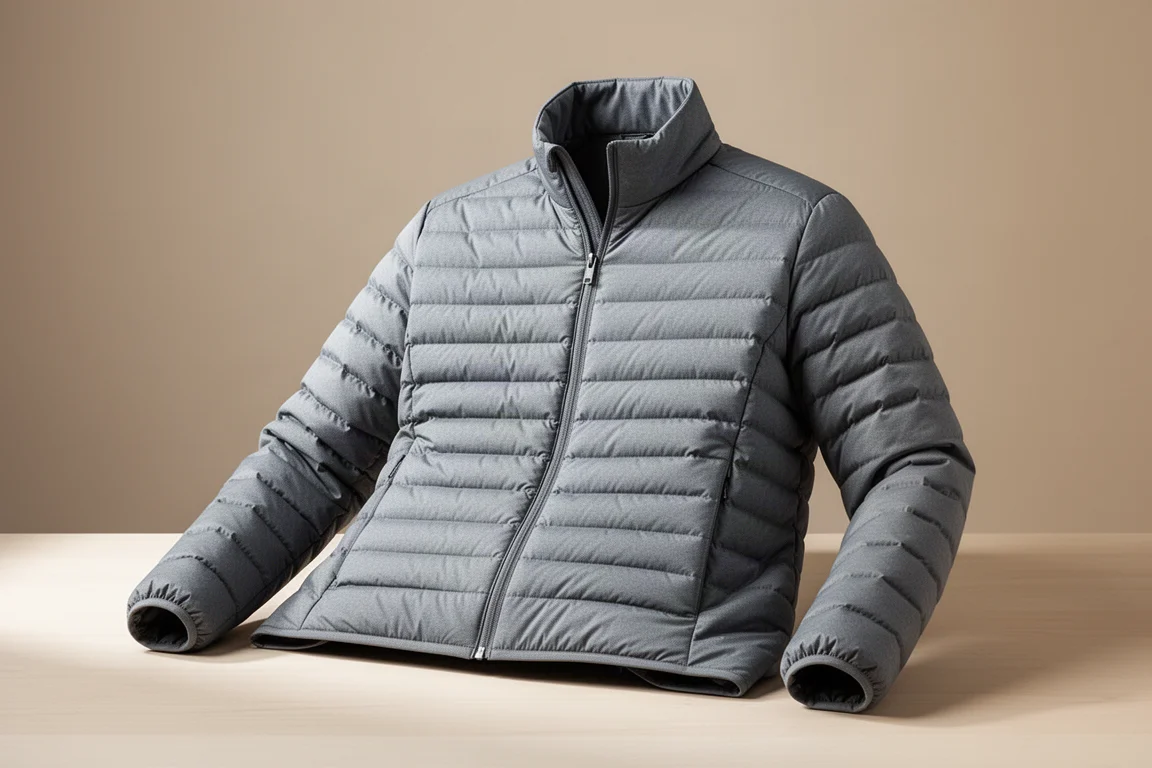
The Divide Fusion is the down piece in the range. It uses 700 fill down that is ethically sourced, with an Ultra Dry treatment so it copes with damp conditions far better than untreated down would.
Construction details matter here. The jacket uses bonded seams, so moisture hitting the outer, which carries its own DWR finish, does not find its way into the stitching the way it can on a conventionally stitched down jacket. The side panels under the arms use 60 grams of wool, and wool dries and breathes better than down, so the jacket stays more comfortable when you get active and start to sweat.
The most noticeable thing when you put it on is the stretch. The outer face fabric has four-way stretch, which is unusual for a down jacket and makes it feel far more mobile than the category norm. It is warm, cozy and packable. On sizing, a medium can still be worn by someone who would normally take a large, because the stretch covers the difference, though sizing up is the safer choice for a standard fit.
Artelect Formation Jacket
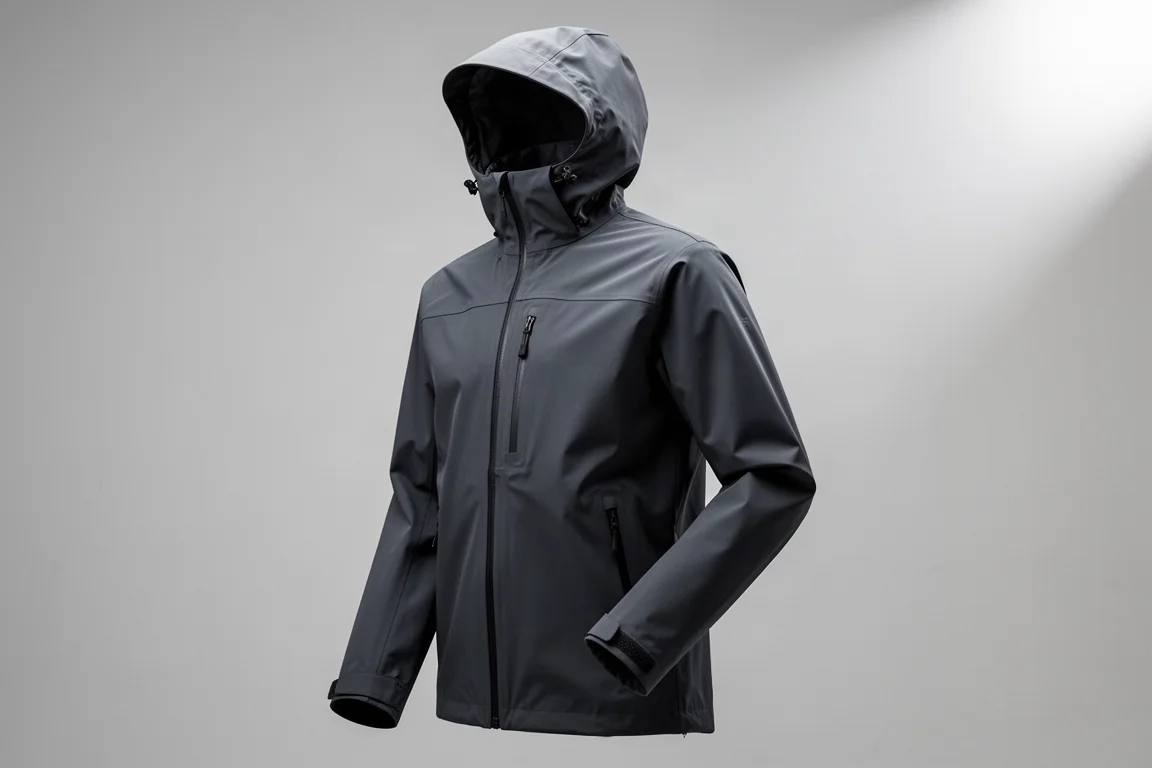
The Formation is the waterproof shell, and the first thing you notice is how soft it feels. Many waterproofs are crunchy and stiff; this one has a supple, stretchy hand while still being tough.
The numbers are the headline. It carries a 30,000 mm hydrostatic head and 30,000 breathability, a combination rarely seen in a jacket built to this level of durability. The face fabric is 70 denier, which is what makes it burly. It is not the lightest shell available, but because it breathes well and feels soft, it is a jacket you are likely to leave on rather than shed at the first sign of effort.
The cut works with a harness, and the stretch helps when you are climbing. A chest pocket and hand pockets stay usable with a harness on, there is an internal dump pocket, and a smaller accessory pocket that is more useful off the harness for items like sunglasses or lip balm. Hidden underarm vents let hot air out when you need it. The hood cinches down well without a helmet and is helmet compatible, and a reflective detail at the back adds visibility for skiing, climbing and walking.
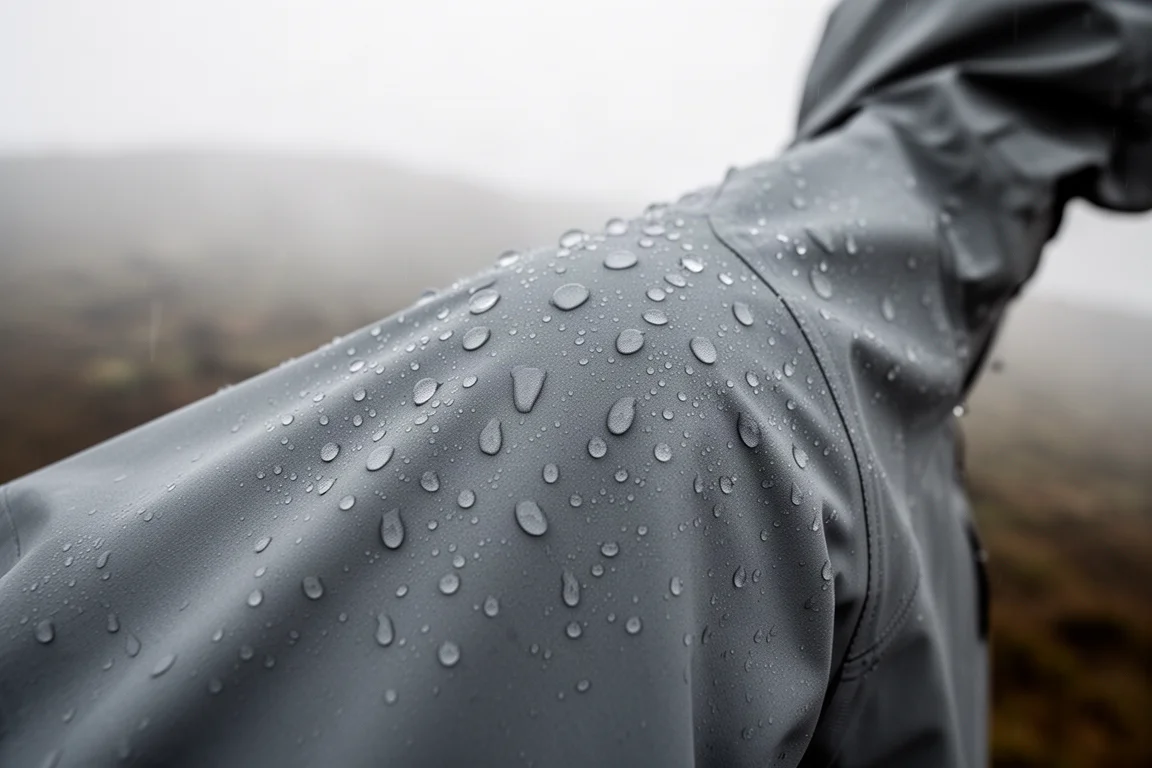
Two technologies stand out. The water repellent treatment on the outer is PFC free and is claimed never to wear off, so the jacket should keep shedding water without the usual reproofing cycle, although keeping it clean with a technical wash is still worthwhile. The liner print is a heat-distributing technology that is also used in space applications, spreading heat away from hot spots so it can evaporate faster and helping keep your temperature steadier across cold and warm conditions.
Across the whole range, the finishing is a strong point. Every panel is neatly stitched and taped, and the garments are designed to be repairable and to last rather than to be replaced each season. That is the difference between technical clothing built for years of use and fast fashion that looks similar but does not hold up.
Care and Longevity Considerations
Keeping technical clothing performing is mostly about maintenance. For the waterproof shell, a technical wash is enough to keep the fabric clean, and because the repellent treatment is claimed to be permanent, the usual reproofing stage should not be necessary.
For the down jacket, the Ultra Dry treatment and the wool side panels both help the jacket handle moisture, but the general rule still applies: keep down as dry as you reasonably can and store it loosely so the loft recovers. Bonded seams and treated down reduce the consequences of damp conditions, they do not make the jacket a substitute for a shell in sustained rain.
The wider point is that each of these pieces is built to be repaired and kept. That is a meaningful part of the value in a layering system you intend to use for several seasons.
Buying Advice: Building a Layering System
The simplest way to approach this range is to buy for the conditions you actually head out in.
The Asus One merino base layer is the foundation and the piece you will use most often, since it sits under everything else. The Intersect soft shell covers cool, dry and breezy days when you are moving and generating heat. The Divide Fusion down jacket is for cold, static moments, such as belays, lunch stops and cold mornings at the crag, and its stretch and wool side panels make it more usable while active than most down jackets. The Formation jacket is the one for wet weather and for days when the forecast is uncertain, and its breathability means it works as an all-round shell rather than a last resort.
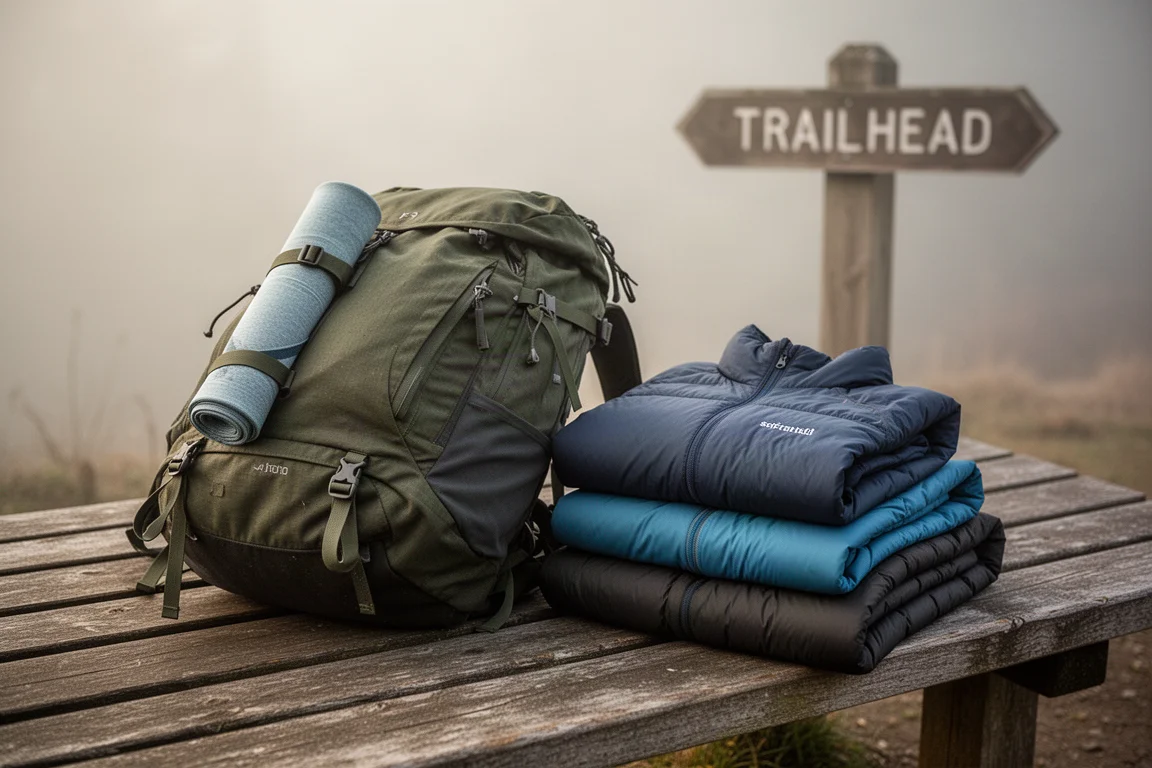
If you are starting from nothing, build in that order. A base layer and a shell cover the widest range of conditions, then add insulation for cold, and a soft shell for the days when a full waterproof is more than you need.
Conclusion
Artelect’s range is interesting because the thinking is visible in the details: less material in the base layer, wool where down would be uncomfortable, stretch in a down jacket, and a shell that pairs a high waterproof rating with high breathability and a soft hand. Add ethical sourcing, repairable construction and a PFC-free finish, and the four pieces here cover a full year of outdoor use between them.
Further reading
Related Reviews
Outdoor Clothing
Best Sun Hoodies for Hiking: Rab Force and Black Diamond Alpenglow Compared
Two lightweight sun hoodies for hiking, climbing, and mountaineering, compared on fabric feel, breathability, hood design, odor control, and value.
Outdoor Clothing
Decathlon Down Jackets Compared: Trek 100 and Forclaz 900
A practical look at two Decathlon down jackets: the low-cost Trek 100 and the warmer Forclaz 900, plus the trade-offs that matter before you buy.
Outdoor Clothing
Fjällräven Vidda Pro vs Barents Pro: Two Tough Outdoor Trousers Compared
A practical comparison of the Fjällräven Vidda Pro and Barents Pro trousers, covering G-1000 fabric, pocket layout, sizing, warmth, and which length option suits you.