Outdoor Clothing
Decathlon Down Jackets Compared: Trek 100 and Forclaz 900
A practical look at two Decathlon down jackets: the low-cost Trek 100 and the warmer Forclaz 900, plus the trade-offs that matter before you buy.
Introduction
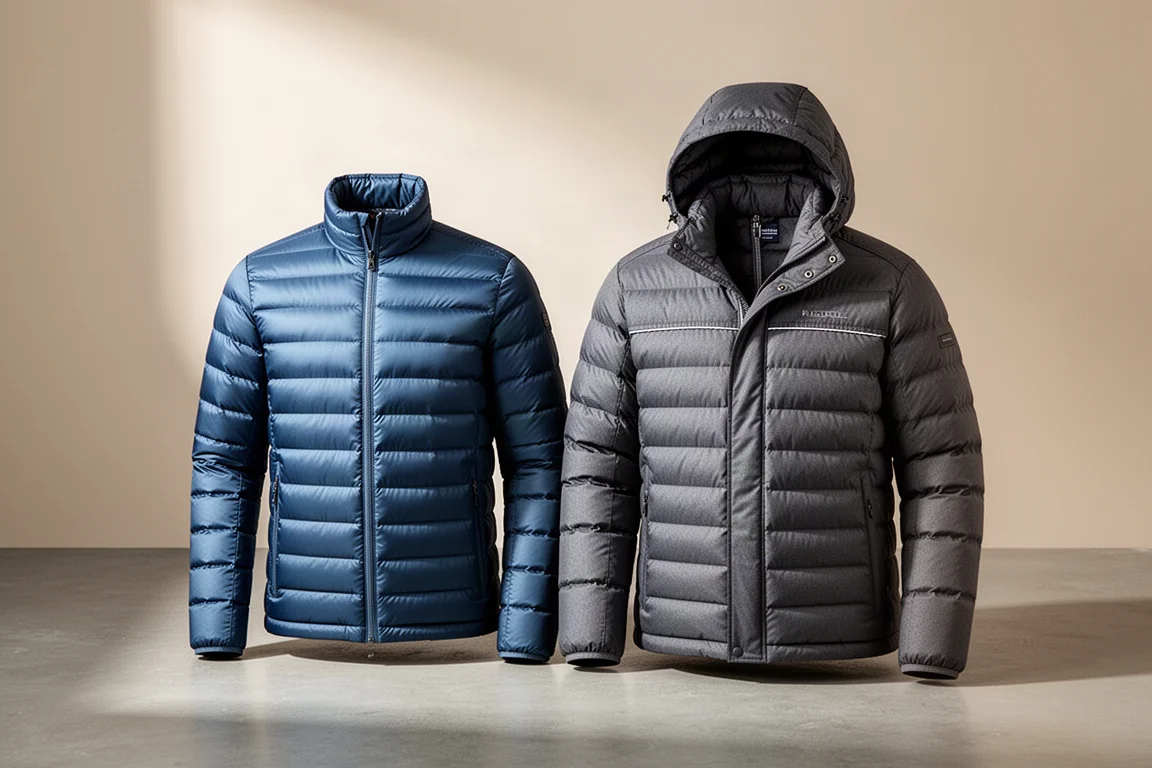
Down jackets have a reputation for costing a couple of hundred pounds, and for plenty of walkers that is simply more than they want to spend on a warm layer. Decathlon takes a different approach. Two of its down jackets, the Trek 100 and the Forclaz 900, do the same basic job at a fraction of the price, and both have earned a place in cold-weather kit lists.
This guide looks at what each jacket does well, where the compromises sit, and which one makes more sense depending on how you plan to use it.
Why Down Insulation Is Worth Considering
Down remains hard to beat on warmth for weight. For the weight of the garment, a down-filled jacket traps more warm air than other common insulation types, which is why it packs down small and still keeps you comfortable in genuinely cold conditions.
There are two trade-offs worth knowing before you buy. The first is bulk: a down jacket adds volume around the body, so it will not look as slim as a synthetic layer. The second is moisture. Once down gets wet it flattens and clumps, and it offers virtually no insulation until it dries out.
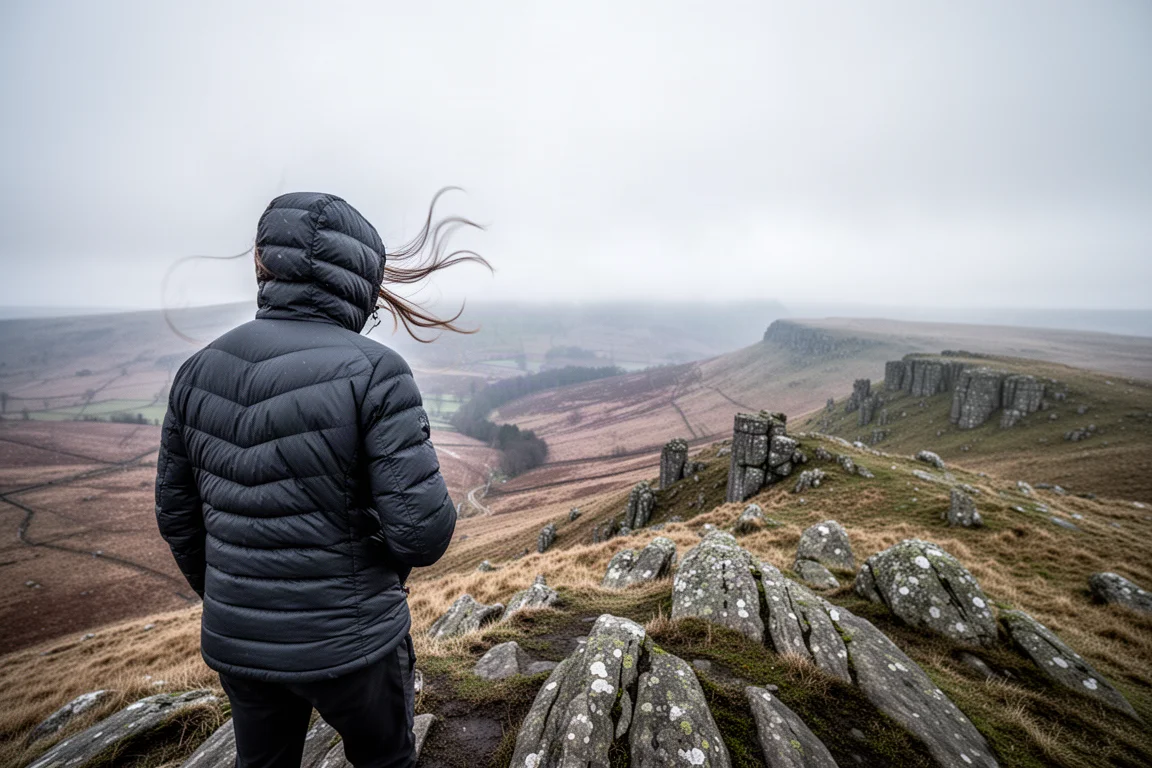
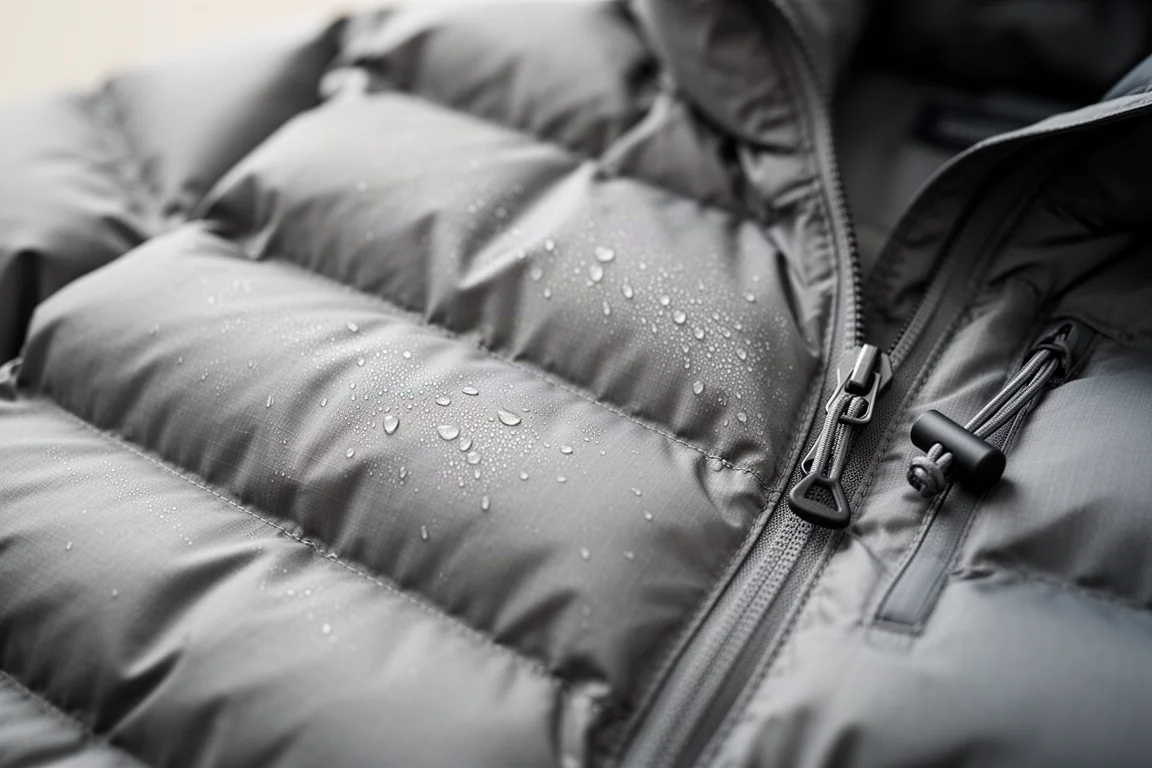
Fill power is the number to look at when comparing warmth. A higher fill power means more loft and better insulation for less down and less weight, and premium jackets from brands such as Rab can use 850 or even 900 fill power down. Water repellency is the other variable. A DWR coating sheds light rain, but it is not the same thing as a waterproof shell.
Decathlon Trek 100: Lightweight Warmth on a Budget
The Trek 100 is one of the lighter down jackets Decathlon sells, and it costs around £40. That price buys 660 fill power down insulation and enough warmth to make camp life comfortable at around 0 degrees Celsius, which is exactly the kind of use it suits. After a few years of that sort of duty, it has held up well.
The compromises are predictable at this price. Water repellency is limited, so it is not the jacket to wear in steady rain. Materials and cut are also more basic than those used on premium jackets, which is where the extra money goes when you spend more.
Decathlon Forclaz 900: A Warmer, Better Equipped Jacket
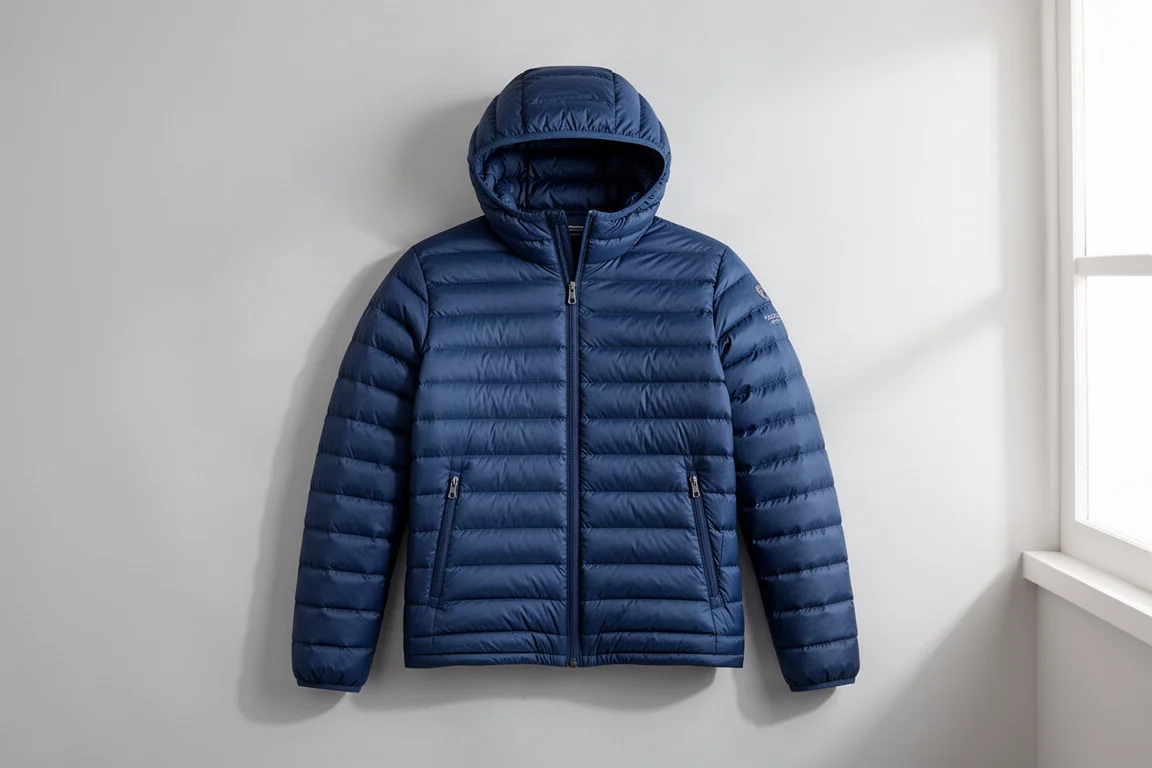
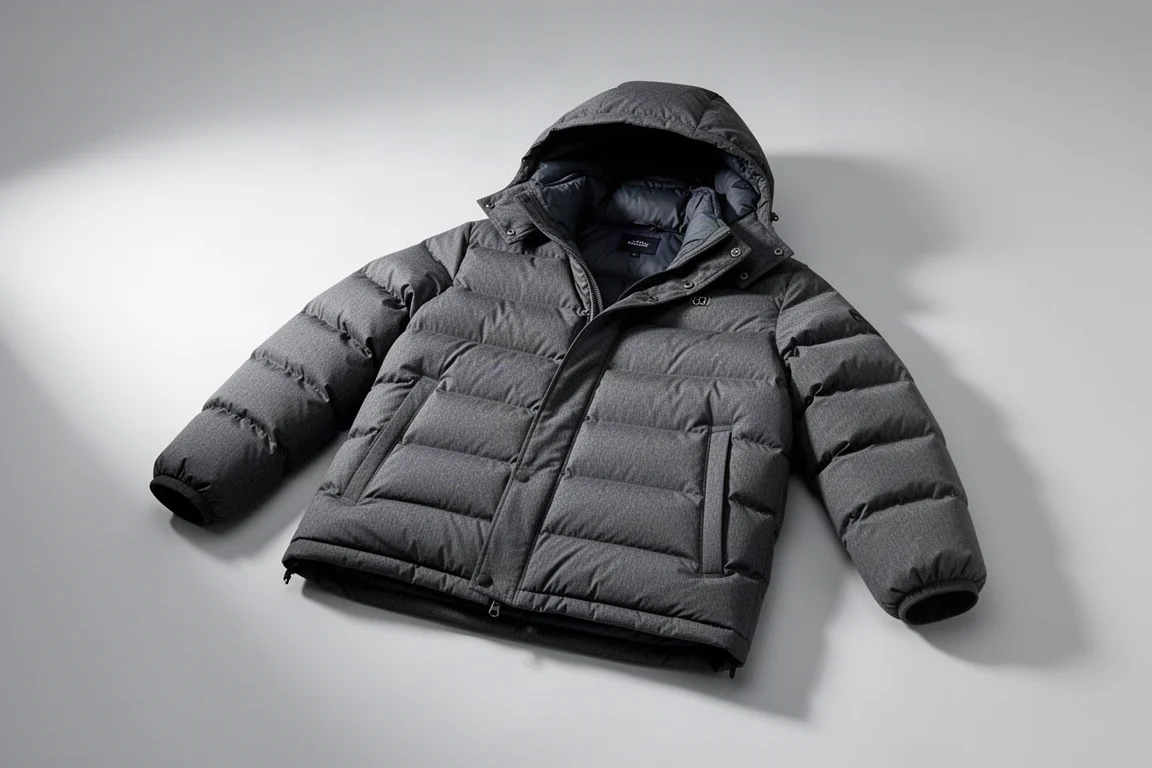
The Forclaz 900 is the step up. It has been tested down to minus 18 degrees Celsius when worn actively, so it is built to keep you warm while you are walking and working rather than only when you are standing still. The down is RDS certified, and Decathlon can trace where the filling comes from.
Features matter here too. Both versions of the jacket carry a DWR coating for light water resistance, and the earlier version adds fully waterproof shoulders and hood. Pit zips let you vent heat when the pace picks up, which is genuinely useful on a jacket this warm.
The current model sells for around £79.99, while the previous version was picked up in a sale for around £50, so timing a purchase can make a real difference to the price. The hood is the one part that divides opinion, since the fit is not the best, and in heavy downpours a raincoat over the top is still the sensible answer.
Fit, Water Resistance, and the Trade-Offs
The clearest gap between these jackets and premium alternatives is in the details. Brands such as Rab and Mountain Equipment use better materials overall, higher fill power down and coatings such as Pertex Shield for noticeably better weather resistance. Their jackets are also cut better, which matters if you want a close fit that layers neatly under a shell.
Part of the higher price reflects real development work, since leading brands invest in the technology and need to recover that cost. Part of it is simply the badge. That is a fair trade for some buyers and unnecessary for others.
Choosing Between the Trek 100 and the Forclaz 900
If your down jacket mostly lives in a pack and comes out around camp or on short stops, the Trek 100 covers that job at a very low price. It is light, it is warm enough near freezing, and replacing it would not be painful.
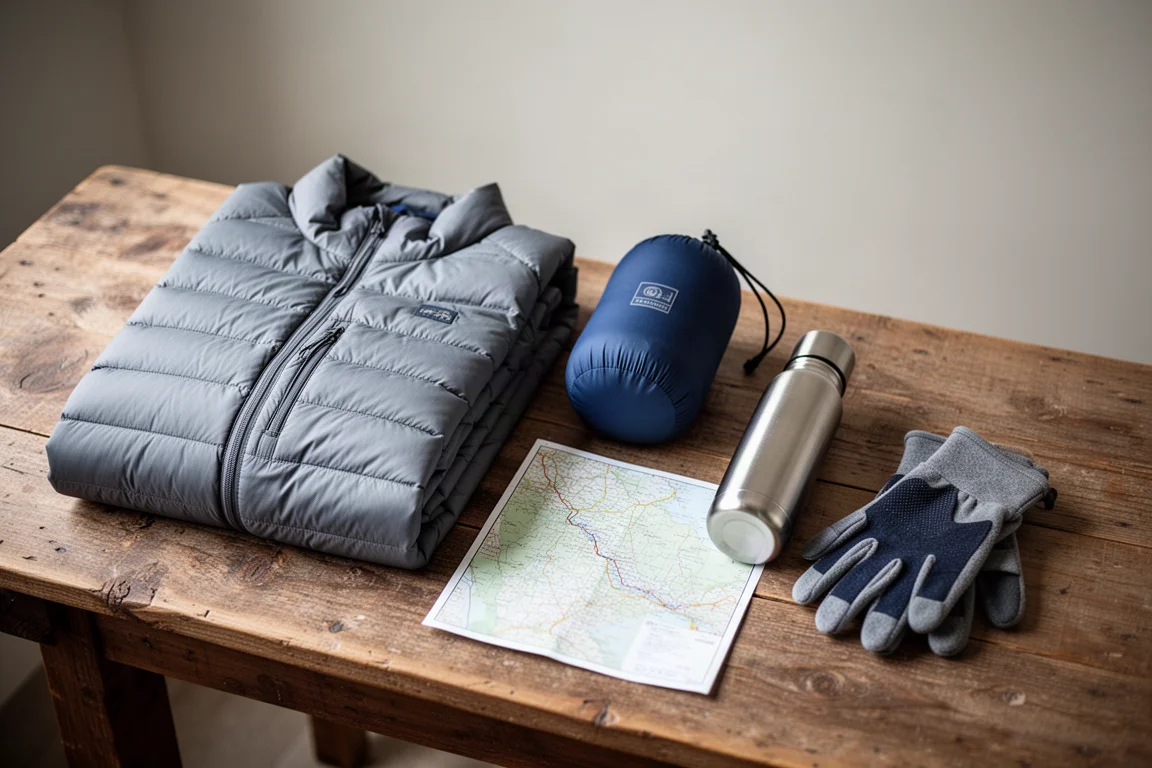
If you want one jacket to walk in through winter, the Forclaz 900 is the better answer. It is warmer, it is rated for active use in serious cold, and the pit zips and treated fabrics make it usable across a wider range of conditions. It costs more than the Trek 100, and it also delivers more warmth and more features for that difference.
Care, Warranty, and Long-Term Value
Down jackets last longer when they are looked after. Decathlon publishes instructions for washing a down jacket and for retreating the DWR water repellent coating, which is worth following once the surface stops beading water.
Value is not only about the purchase price. Decathlon backs its products with a two-year guarantee: if something goes wrong within that period, the product can be returned for an exchange or a refund.
Buying Advice
Start with how you will actually use the jacket. For camp, commuting and cold-weather errands, the Trek 100 at around £40 is an easy recommendation, and it removes the worry of damaging an expensive layer.
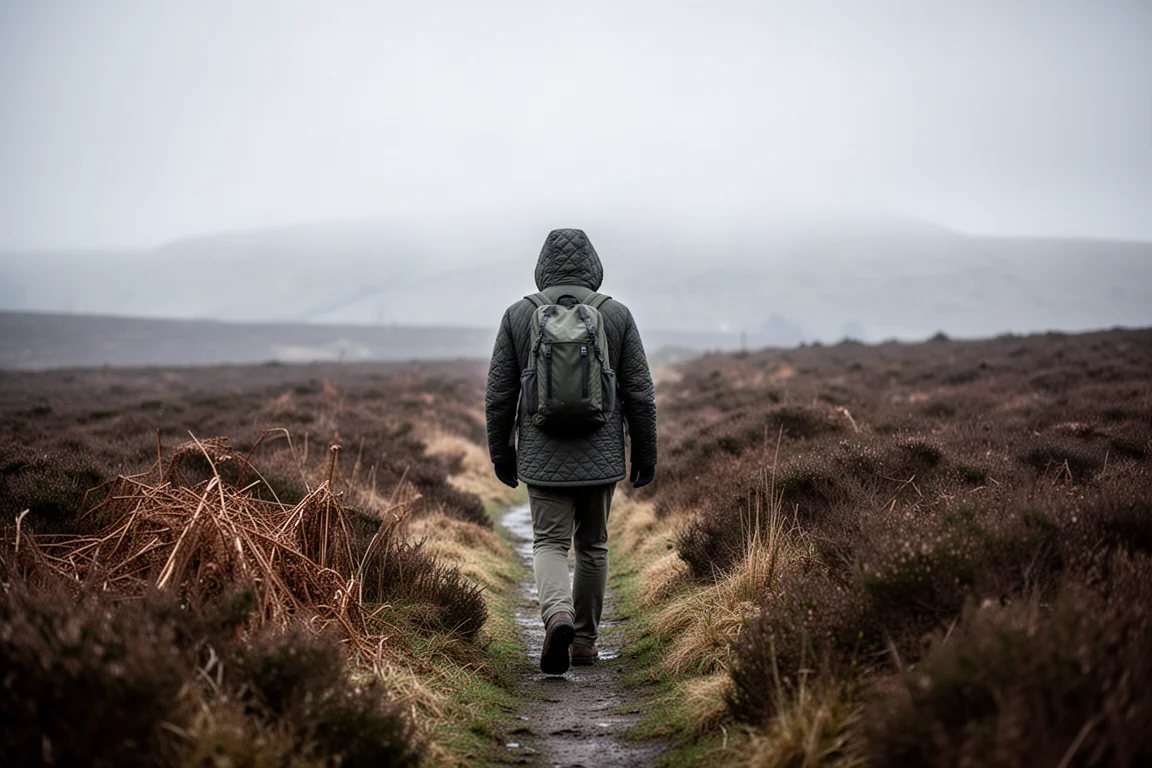
For winter hill days and long walks in low temperatures, spend the extra on the Forclaz 900. The higher warmth rating, the traceable RDS down and the venting features are the parts that make a difference when you are out for hours rather than minutes. Whichever you choose, plan for wet weather with a shell, since neither jacket is a substitute for a waterproof layer.
Conclusion
Decathlon’s down jackets do the important thing well: they keep you warm for a fraction of what premium brands charge. The Trek 100 is the lightweight budget option that handles camp and cold snaps, while the Forclaz 900 adds warmth, traceable down and better features for active winter use. Match the jacket to the way you spend your time outdoors, and either one is money well spent.
Further reading
Related Reviews
Outdoor Clothing
Artelect Layering System Review: Four Outdoor Layers Built to Last
A closer look at four pieces from the Artelect layering system, from a full merino base layer to a 30,000 mm waterproof shell, and where each one fits.
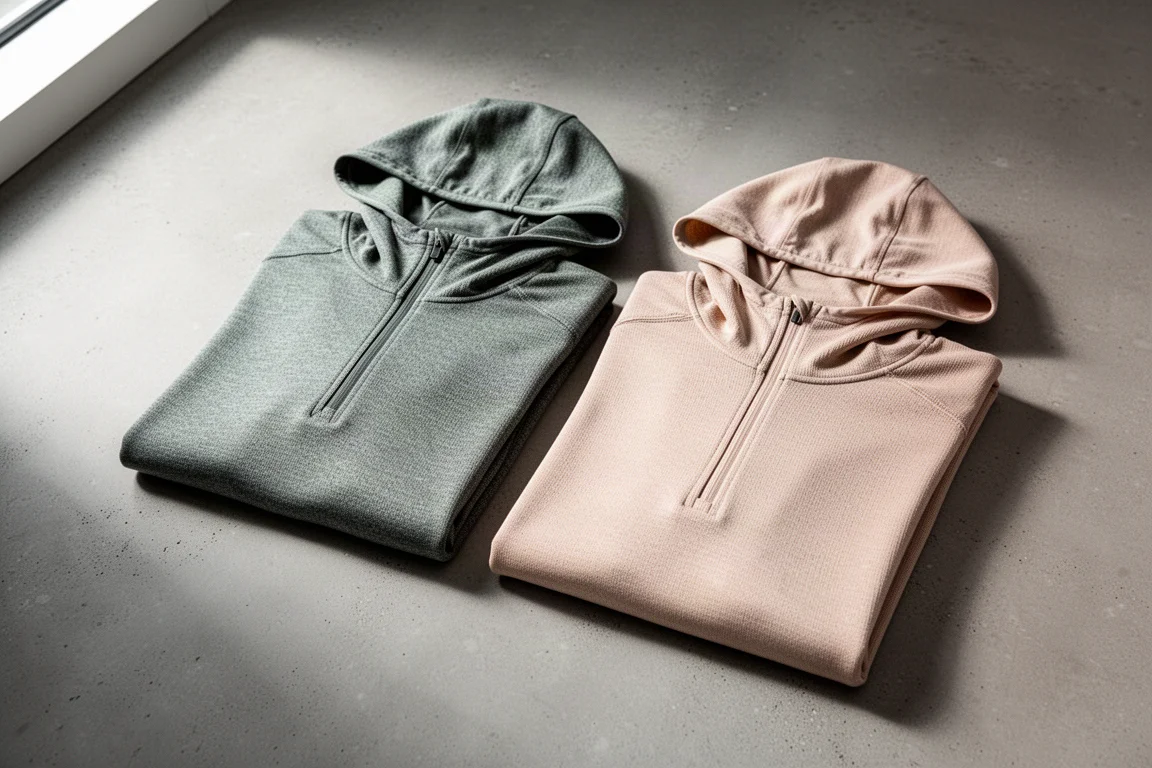
Outdoor Clothing
Best Sun Hoodies for Hiking: Rab Force and Black Diamond Alpenglow Compared
Two lightweight sun hoodies for hiking, climbing, and mountaineering, compared on fabric feel, breathability, hood design, odor control, and value.
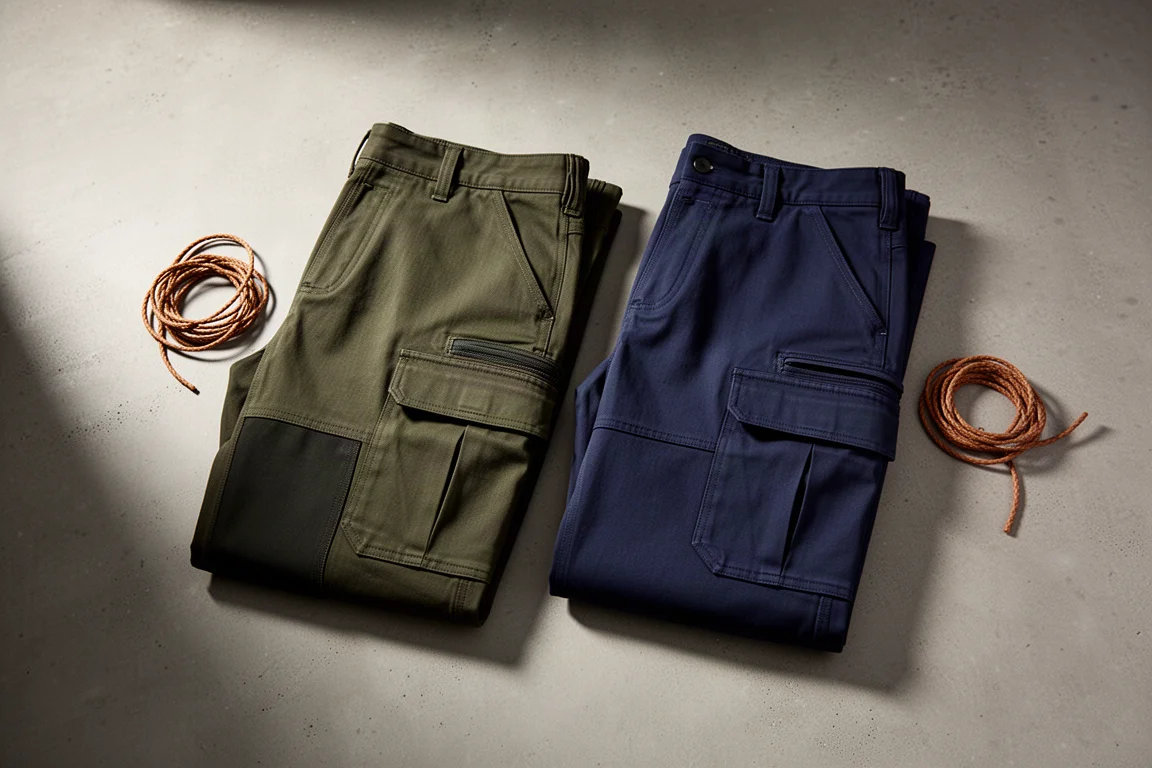
Outdoor Clothing
Fjällräven Vidda Pro vs Barents Pro: Two Tough Outdoor Trousers Compared
A practical comparison of the Fjällräven Vidda Pro and Barents Pro trousers, covering G-1000 fabric, pocket layout, sizing, warmth, and which length option suits you.