Outdoor Clothing
Best Sun Hoodies for Hiking: Rab Force and Black Diamond Alpenglow Compared
Two lightweight sun hoodies for hiking, climbing, and mountaineering, compared on fabric feel, breathability, hood design, odor control, and value.
Introduction
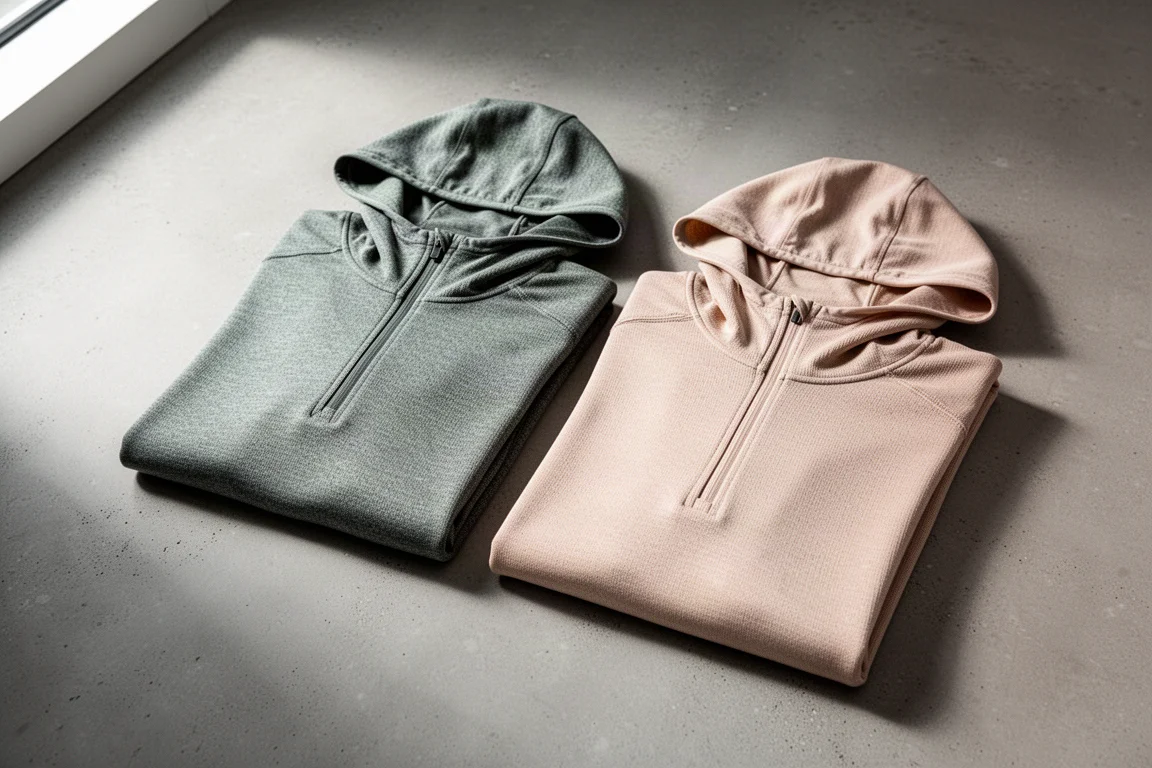
A sun hoodie is one of the simplest upgrades you can make to a warm-weather kit. Long sleeves, a hood, and a light fabric that covers skin while still letting it breathe do more for comfort on exposed trails than most people expect, and they make sun protection something you stop thinking about.
This guide looks at two hoodies built for exactly that job: the Rab Force Hoodie and the Black Diamond Alpenglow Hoodie. Both are designed to be worn next to skin, both sit in the 50+ UV protection bracket, and both are aimed at hiking, climbing, and mountaineering rather than casual wear.
They differ in fit, fabric feel, hood design, ventilation, and price. Those differences matter more than the spec sheets suggest, so it is worth understanding where each one puts its effort.
What to Look For in a Sun Hoodie
Four things separate a hoodie you wear once from one you reach for on every trip.
Fabric feel against skin. A sun hoodie spends the entire day in direct contact with your skin, often while you sweat. A fabric that glides over the skin rather than gripping it makes a bigger difference than a few grams of weight.
Breathability and drying speed. Warm-weather layering only works if moisture moves away from the body and the garment dries reasonably quickly after a swim, a wash, or a long climb.
Hood and collar geometry. A hood that sits on your head without flapping is worth more than a hood that technically fits. Collar height matters too, because it decides how much of your neck is covered.
Seam placement. Seams that run across the shoulders can rub under a backpack strap. Offset seams and low-profile flatlock construction reduce that.
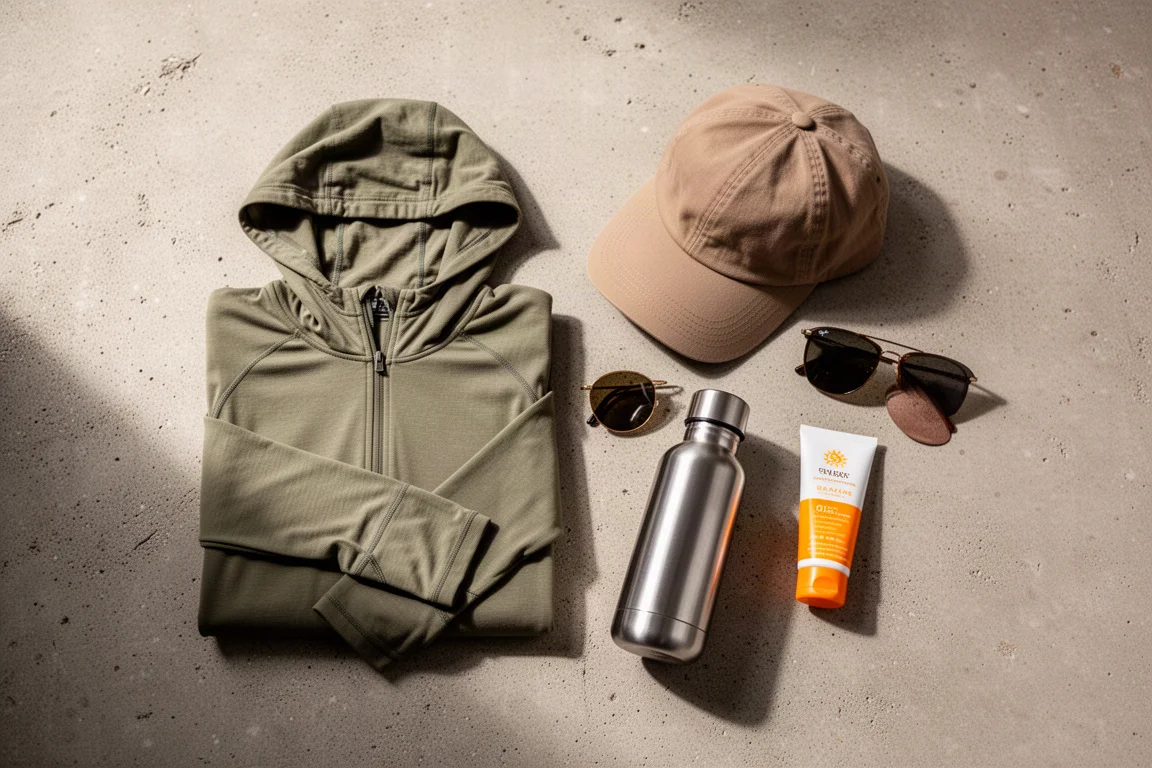
Entry-level options do exist, and a basic polyester blend can be a reasonable starting point. The catch is that UV protection details are not always clearly published for cheaper garments, and the fabric usually feels heavier, warmer, and slower to dry than the two hoodies below.
Rab Force Hoodie: Soft Fabric and Smart Seams
The Rab Force Hoodie is cut from a 100 percent polyester fabric that Rab calls Motiv. It has a slimmer fit than most entry-level hoodies while still leaving plenty of room to move through the back, so it works as a climbing or hiking layer rather than a loose casual top.
The first thing you notice is how it feels. It is noticeably softer against the skin than a basic polyester blend, and it slides over the skin rather than gripping it, which is exactly what you want from a next-to-skin base layer. It is also more breathable than a budget hoodie and dries faster.
The collar is higher than the overlapping v-neck style found on cheaper hoodies and sits close under the chin. If you are not used to that, it can feel like a lot of fabric around the neck, but it does cover more skin. The hood is fairly small and snug. It will go over a helmet, though it is tight, and it is not obvious that helmet compatibility was the design intent.
Seam placement is one of the strongest details here. The seams avoid running over the shoulders, so they are less likely to irritate under a pack, and the side seams are offset and tapered. Flatlock construction keeps the seams low profile and low bulk, which adds to the overall comfort.
The thumb loops are hidden and, once found, functional, though they are less comfortable than a standard split thumb loop. At around 60 euros, the Force Hoodie sits well above a budget hoodie, and the extra spend buys a lighter, more breathable, faster-drying fabric.
Black Diamond Alpenglow Hoodie: Lightness, Breathability, and Comfort
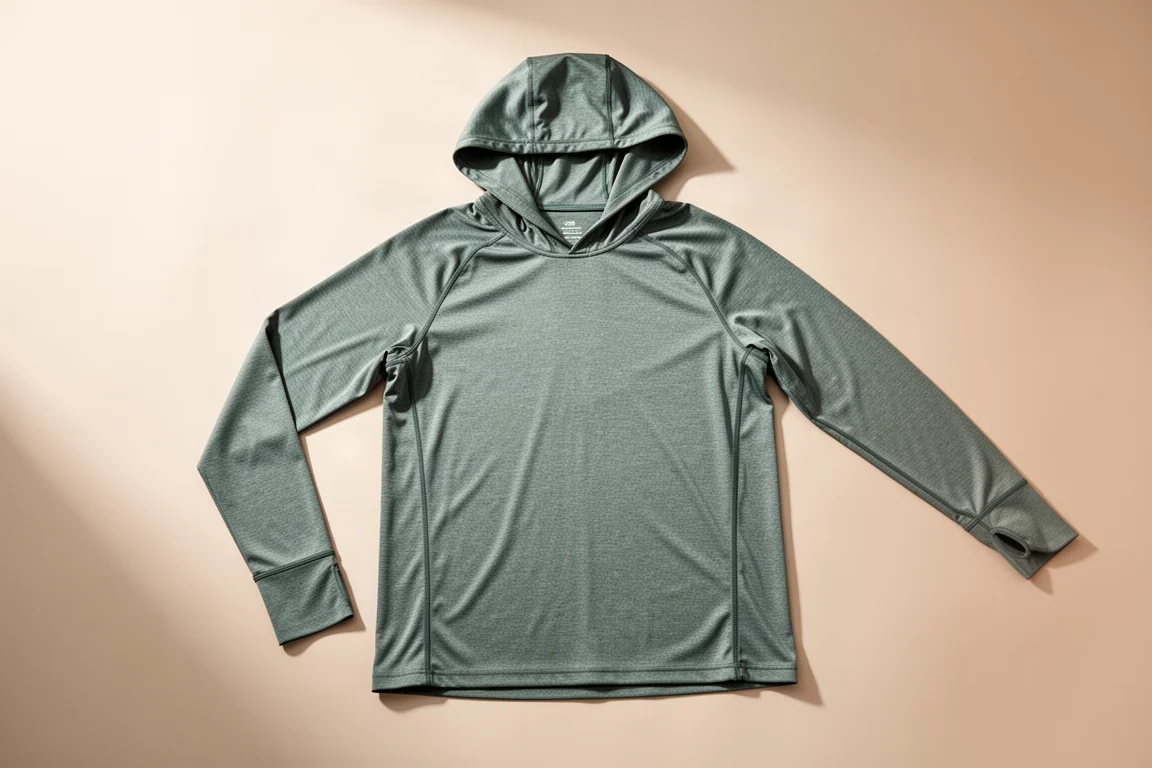
The Black Diamond Alpenglow Hoodie is the lightest and most comfortable of the two. It carries 50+ sun protection and is built around a noticeably lighter, more breathable fabric that feels cool against the skin.
The hood is the clearest difference. It is cut so that it sits properly on top of the head instead of flopping around, and it works both under a helmet and pulled over the top of one. Being able to take the hood on and off at will, without the shirt pulling upwards, is a genuinely useful option on long exposed climbs.

There is a short zip at the front. It adds a little weight, but it is the feature that makes the hoodie usable in real heat, since you can open it up and get air moving across your chest. The thumb loops are conventional split loops, and they are comfortable enough to use for hours. Underarm gussets in a thinner fabric add ventilation where it matters most.
The fabric weight is listed at 200 GSM, which reads heavier than the hoodie actually wears, and it is treated with Polygiene odor control. The treatment is more effective here than on the Rab Force Hoodie, which matters on multi-day trips.
A small pocket is included. It is sized for a card or an ID rather than a phone, and the shirt is not structured enough to carry anything heavier. Light colorways show dirt after a few days of hiking, so a darker option is worth considering if you are hard on your gear.
Hoods, Thumb Loops, and Helmet Compatibility
Hood design is the clearest point of separation between the two.
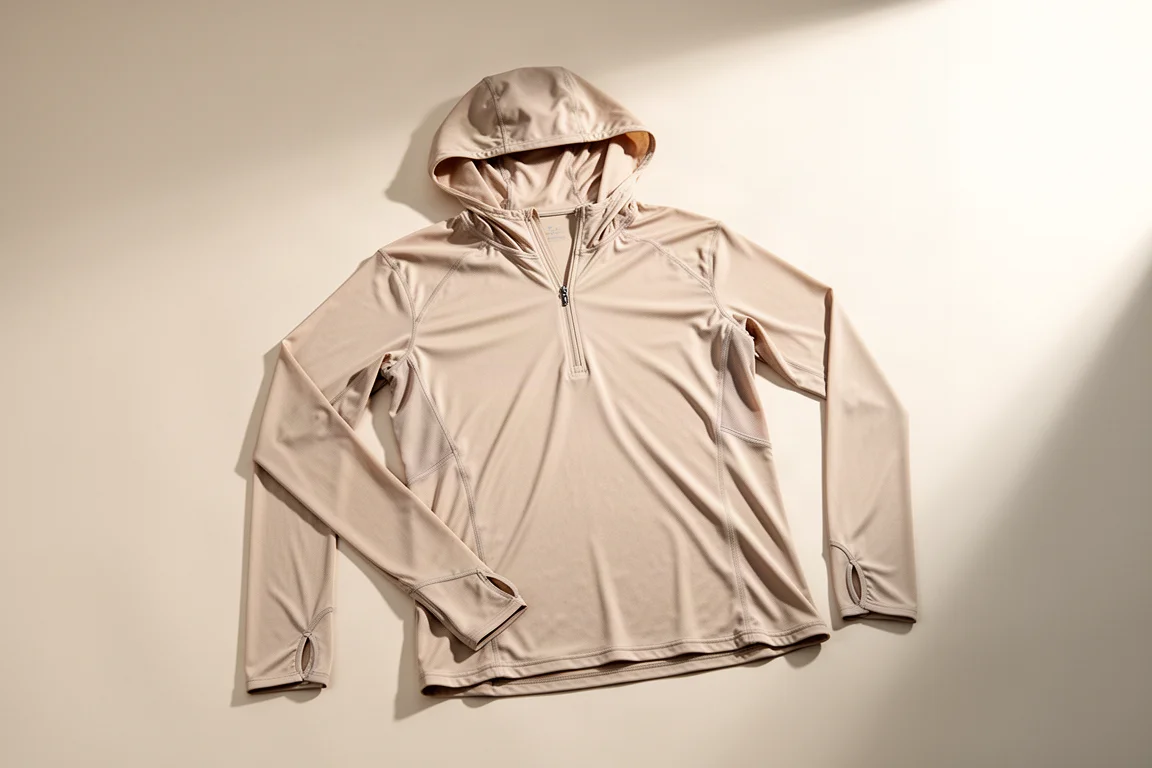
The Rab Force hood is small and close fitting. It will go over a helmet, but it is tight enough that it does not feel designed for that job, and it is better suited to being worn underneath one. The Black Diamond Alpenglow hood is cut so it sits properly on the crown of the head without flapping, and it works comfortably both under a helmet and pulled over the top of one.
Collar height differs too. The Rab Force has a higher, closer collar that covers more of the neck, which is useful if you burn easily there, though it can feel like a lot of fabric if you prefer an open neckline. The Black Diamond hoodie uses a short front zip instead, which covers the neck when closed and vents when open.
Thumb loops follow the same pattern. The Rab loops are hidden and they do work, but they are not as comfortable as a conventional split loop. The Black Diamond loops are standard split loops and are comfortable enough to leave in place all day.
Comfort, Odor Control, and Drying
Both hoodies are designed to be worn as a next-to-skin layer, and both feel smooth against the skin. That is the baseline you want from a garment that covers your arms and shoulders for hours at a time.
The Black Diamond Alpenglow uses a Polygiene odor control treatment that holds up better over consecutive days than the treatment on the Rab Force. On a multi-day trip, that is a meaningful difference rather than a marketing detail.
The Alpenglow also uses a cooling fabric technology and thinner underarm gussets, and it feels cooler to wear in high heat. Its stated fabric weight is 200 GSM, though it wears lighter than that number suggests. The Rab Force Hoodie, meanwhile, is noticeably more breathable and faster drying than a basic polyester hoodie, which is where a good part of its value sits.
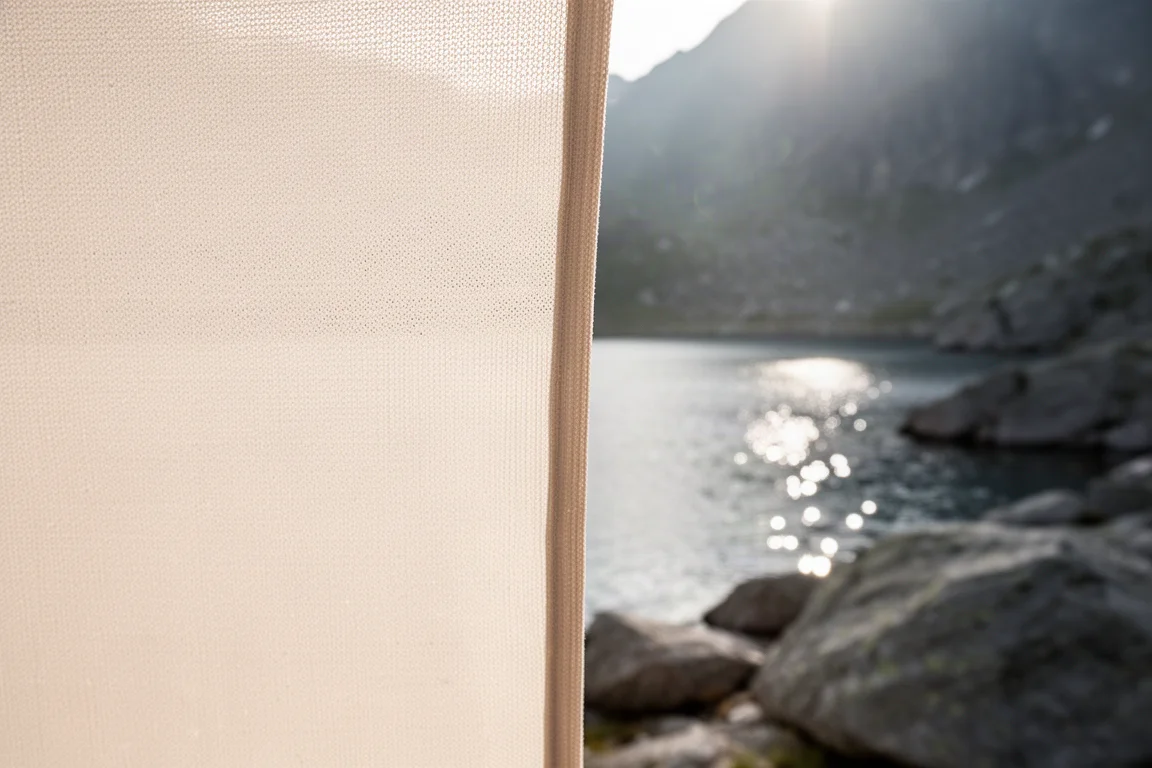
In cooler conditions, a thin merino base layer can be worn underneath either hoodie, though both are at their best directly against the skin. If you hike in sustained heat and rarely wash your kit mid-trip, the Alpenglow combination of odor control and ventilation is the stronger package. If you want a soft, fast-drying fabric at a lower price, the Rab Force does the job well.
Pricing and Value
The Rab Force Hoodie sells for around 60 euros. The Black Diamond Alpenglow Hoodie costs roughly 15 dollars more.
That gap is small relative to the differences between them. The Alpenglow is lighter, more breathable, better ventilated, and has a better hood and more comfortable thumb loops. The Rab Force answers back with a slim, comfortable cut, smart seam placement, and a lower price.
If the Alpenglow turns up discounted, the case for it gets stronger still. If you are buying your first sun hoodie and want to keep the spend down, the Rab Force is the more sensible entry point of the two.
How to Choose Between the Two
Choose the Rab Force Hoodie if you want a slimmer cut, a fabric that feels softer and smoother against the skin than budget polyester, and seam placement designed to stay comfortable under a backpack. It is the better value of the two and a straightforward first sun hoodie.
Choose the Black Diamond Alpenglow Hoodie if breathability and heat management matter most to you. The lighter fabric, front zip, underarm gussets, well-shaped hood, and effective odor control make it the more refined piece for long days in direct sun, and the extra cost is modest.

Whichever you pick, the goal is the same: cover your skin with a fabric that still lets heat and moisture escape. Both hoodies do that well. They simply trade price against refinement, and the right answer depends on how much time you spend in the sun and how much you value ventilation and odor control over cost.
Conclusion
Sun hoodies earn their place because they solve two problems at once. They keep the sun off your skin, and with the right fabric they keep you cooler than bare skin would.
The Rab Force Hoodie is the value option here: a 100 percent polyester layer with a slim cut, offset flatlock seams, and a noticeably softer feel than a basic budget hoodie, at around 60 euros. The Black Diamond Alpenglow Hoodie is the more capable one: lighter, more breathable, better ventilated, and better protected against odor over multi-day use, for roughly 15 dollars more.
If you are new to sun hoodies, either is a sound choice. If you already know you spend long days on exposed trails, the Alpenglow is the one that will keep earning its keep.
Further reading
Related Reviews
Outdoor Clothing
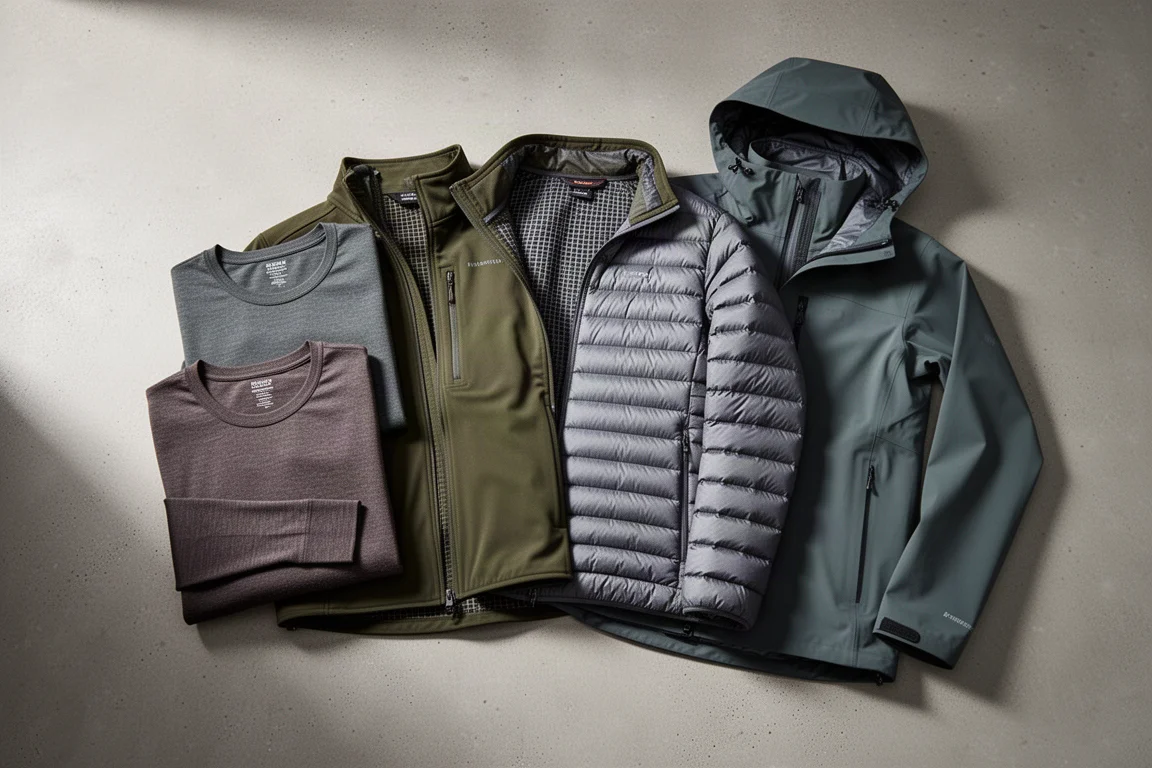
Artelect Layering System Review: Four Outdoor Layers Built to Last
A closer look at four pieces from the Artelect layering system, from a full merino base layer to a 30,000 mm waterproof shell, and where each one fits.
Outdoor Clothing
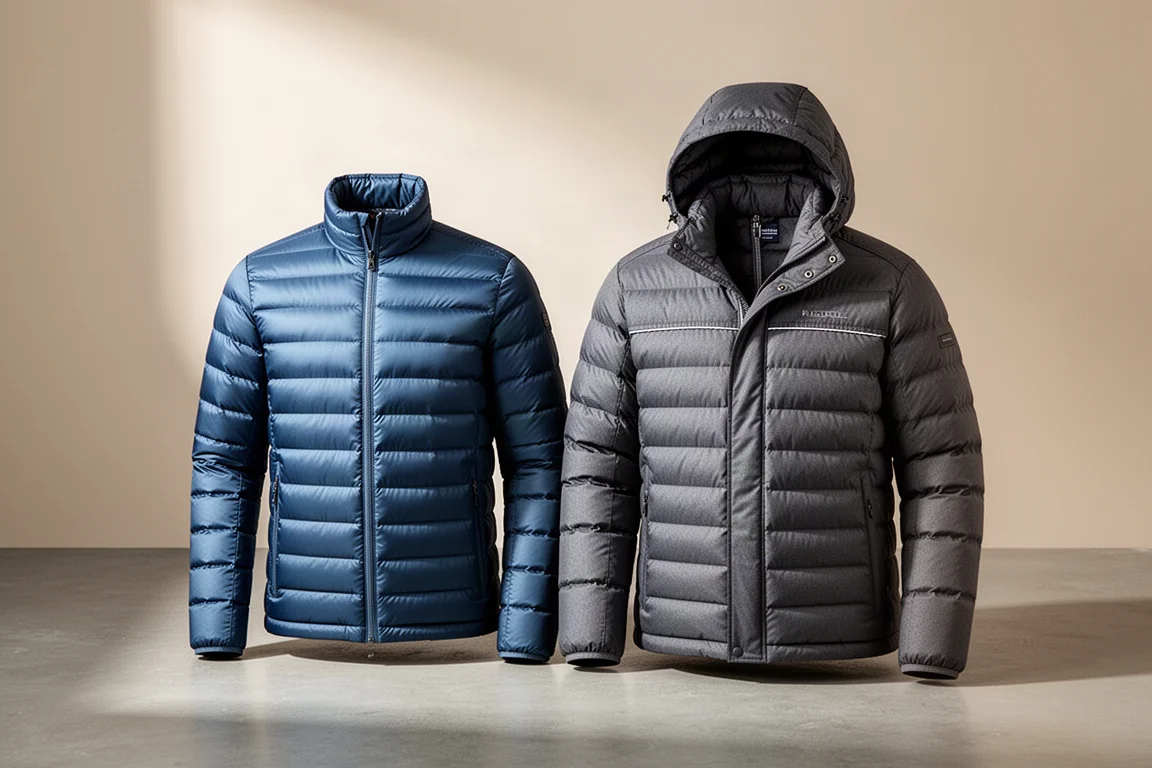
Decathlon Down Jackets Compared: Trek 100 and Forclaz 900
A practical look at two Decathlon down jackets: the low-cost Trek 100 and the warmer Forclaz 900, plus the trade-offs that matter before you buy.
Outdoor Clothing
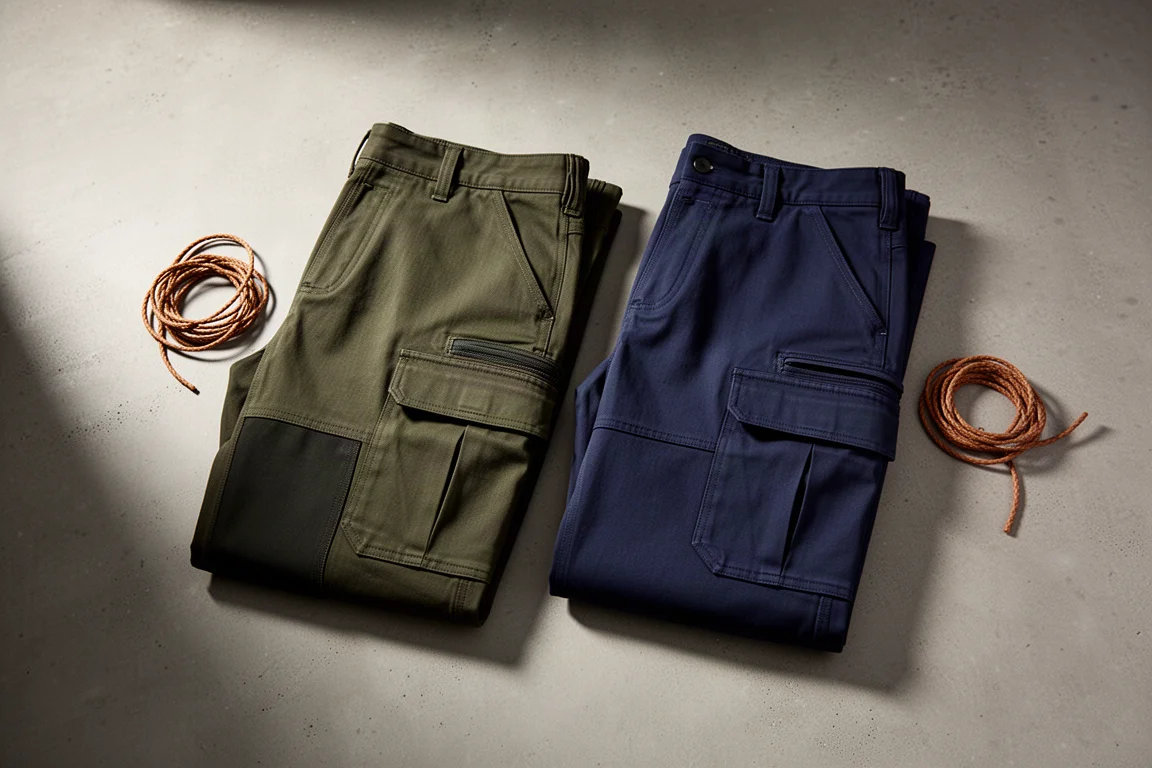
Fjällräven Vidda Pro vs Barents Pro: Two Tough Outdoor Trousers Compared
A practical comparison of the Fjällräven Vidda Pro and Barents Pro trousers, covering G-1000 fabric, pocket layout, sizing, warmth, and which length option suits you.