Mountain Bike Parts
Mountain Bike Upgrades You Don't Need: Five Value Picks That Deliver
Five mountain bike upgrades that deliver real trail performance without flagship pricing, from budget drivetrains to value suspension and dependable pedals.
Introduction
Almost every rider knows the feeling of an upgrade itch that is hard to resist. The harder question is where money actually buys something noticeable, and where it disappears into marginal gains.
Across drivetrains, suspension and pedals, the same pattern appears. The biggest price jumps sit at the very top of each range, while the performance gap between flagship parts and sensible mid-tier options is far smaller than the difference in cost. The five picks below are the ones that deliver real value, along with a short look at how quickly spending escalates when every component is chosen at the top of the range.
Where the Money Actually Goes
Carbon is the clearest illustration. Two identically built Specialized Stumpjumper EVO bikes, one using alloy parts and the other carbon equivalents, show how fast the numbers climb. Swapping the frame, rims, crank arms, rear derailleur, handlebar, headset spacers and saddle rails from alloy to carbon cut the weight from 14.8 kg to 13.4 kg and pushed the price from around $7,600 to around $10,600.
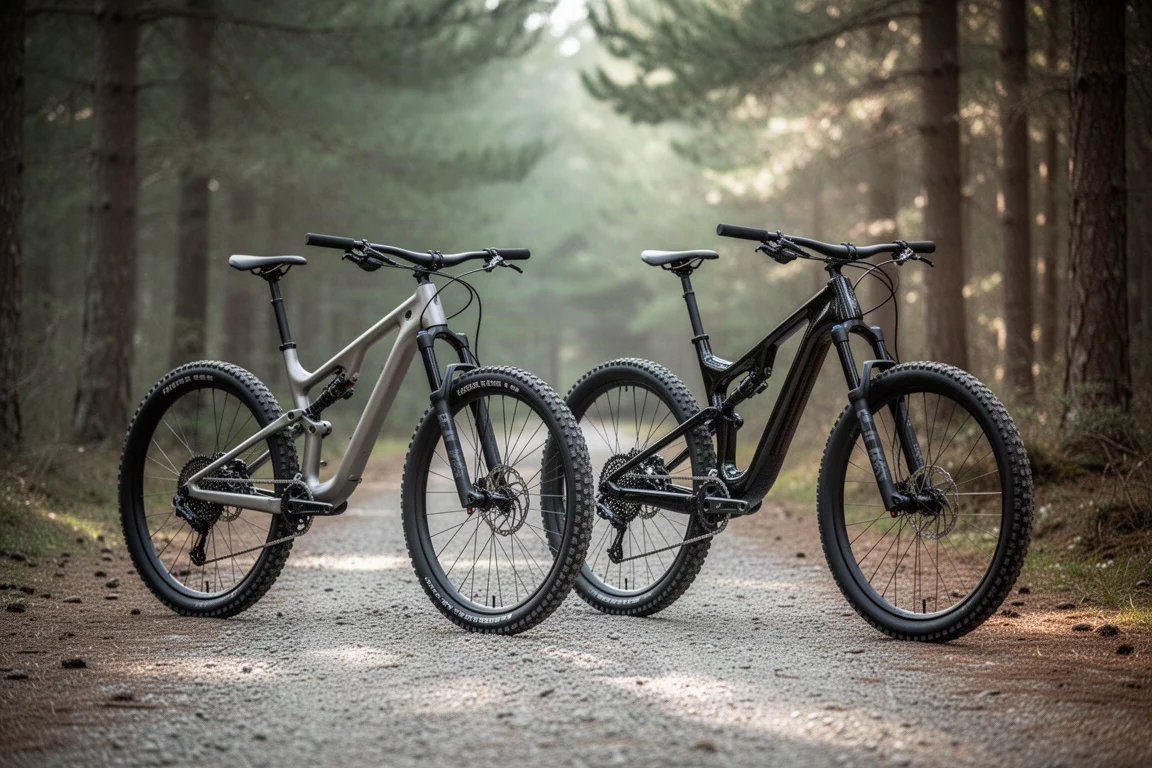
That is 1.4 kg saved for roughly $3,000, or around $214 for every gram. On the trail, most riders would be unlikely to tell the two bikes apart in a blind test. Carbon still earns its place in specific spots, such as handlebars, where it helps reduce vibration, but wrapping a whole bike in carbon for its own sake rarely repays the outlay.
Suspension follows the same logic. Changes between model years often come down to a subtle change in the damper or the air spring, which is a small gain for a large sum. That is worth remembering before replacing a fork that is still working well.
Best Budget Drivetrain: Shimano Deore
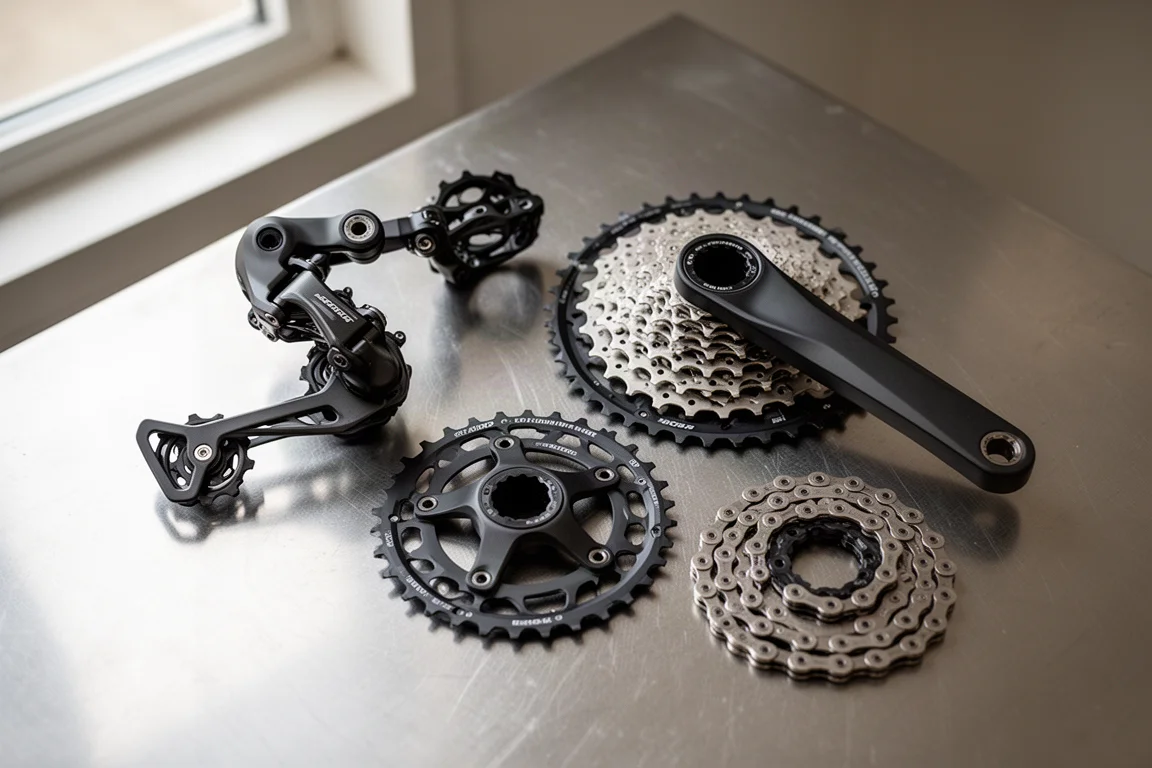
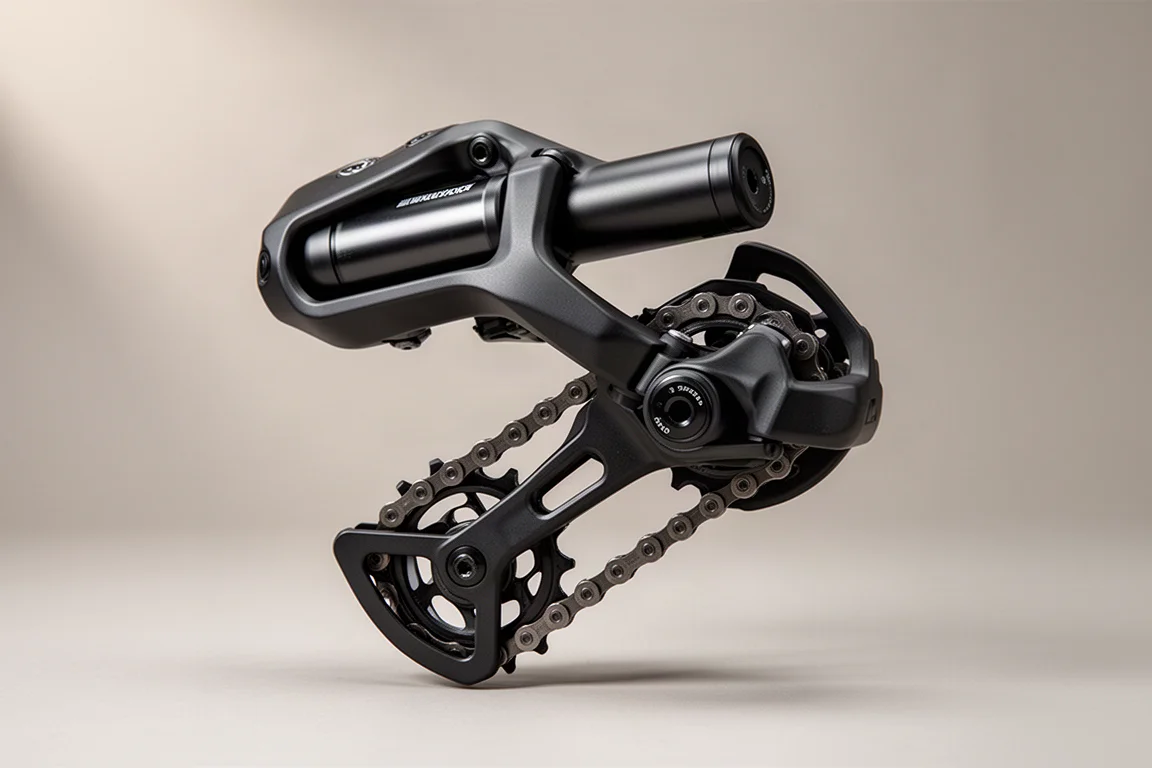
Deore sits at the affordable end of Shimano’s mountain bike range, and it is the group that sets the standard for budget drivetrains. It is heavier than the more expensive options, but the shifting performance is what counts, and the savings leave room for a better shifter.
Riders spend more time shifting than doing almost anything else on a bike, which is exactly why flagship groupsets are so tempting. XTR and SRAM’s top-tier groupsets shift extremely well, yet SLX, XT and GX come remarkably close for a fraction of the cost. Drivetrain parts are also wear items, and chains, cassettes and chainrings are replaced more often than most components, so a cheaper group is cheaper to keep running.
A combination that makes a lot of sense on a trail bike is a Deore drivetrain paired with an XT shifter. It puts crisp shifting where the rider feels it most without paying flagship prices across the whole system.
Best Value Wireless Drivetrain: SRAM GX Eagle Transmission
For riders who want wireless shifting, GX Eagle Transmission is the sensible way in. SRAM’s Eagle Transmission family represents the current high point of shifting technology, and GX brings that experience at a lower price than the flagship XX options.
The performance difference between GX and the most expensive wireless groupsets is small, while the difference in cost is not. GX is the pick for anyone who wants the latest wireless tech without spending at the very top of the range.
Wear parts are worth factoring into the decision as well. Higher-tier drivetrains use more expensive consumables, so the savings from a mid-tier group continue long after the first ride.
Best Value Suspension Fork: Fox Performance Elite
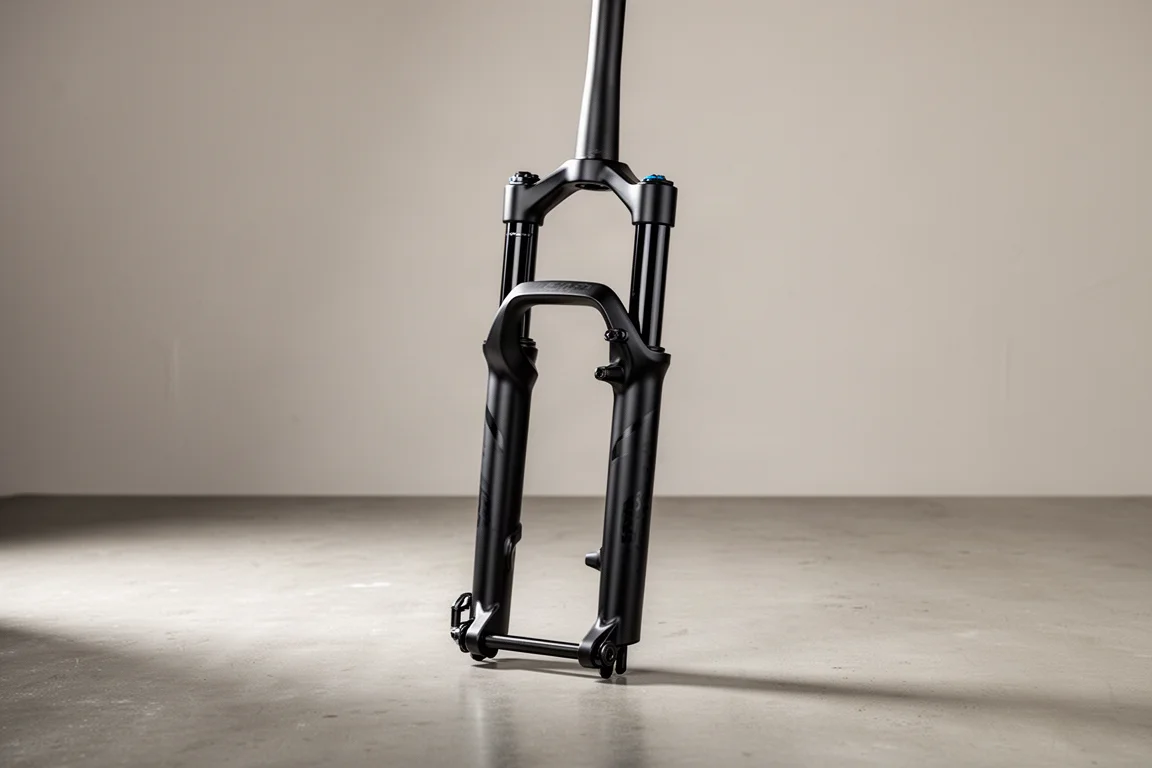
Fox’s gold Kashima coating is the most recognisable finish in suspension, and it is easy to want. Performance Elite forks use the same damper as the Kashima-coated models while costing far less, so the trail performance is there without paying for the finish.
The same pattern runs through the fork range, where the most expensive versions add small refinements at the very top and the value sits a step or two below. The idea extends to RockShox as well, since a rider on a base Select-level fork can buy a new damper and pair it with a fresh service rather than replacing the whole fork with an Ultimate model, which delivers much of the upgrade for a fraction of the cost. Rear shocks follow suit, because an off-the-shelf shock may arrive with the wrong tune for a particular bike and retuning it adds further cost, while a custom tune for the shock already fitted costs about the same.
Best Budget Clipless Pedals: Shimano M530
Pedals have one job, which is transferring power to the bike. As long as a pedal grips the shoe, clips in reliably and spins smoothly, it is doing everything asked of it. The Shimano M530 has a long record of doing exactly that at a very low price, and it has proven faultlessly reliable over years of use.
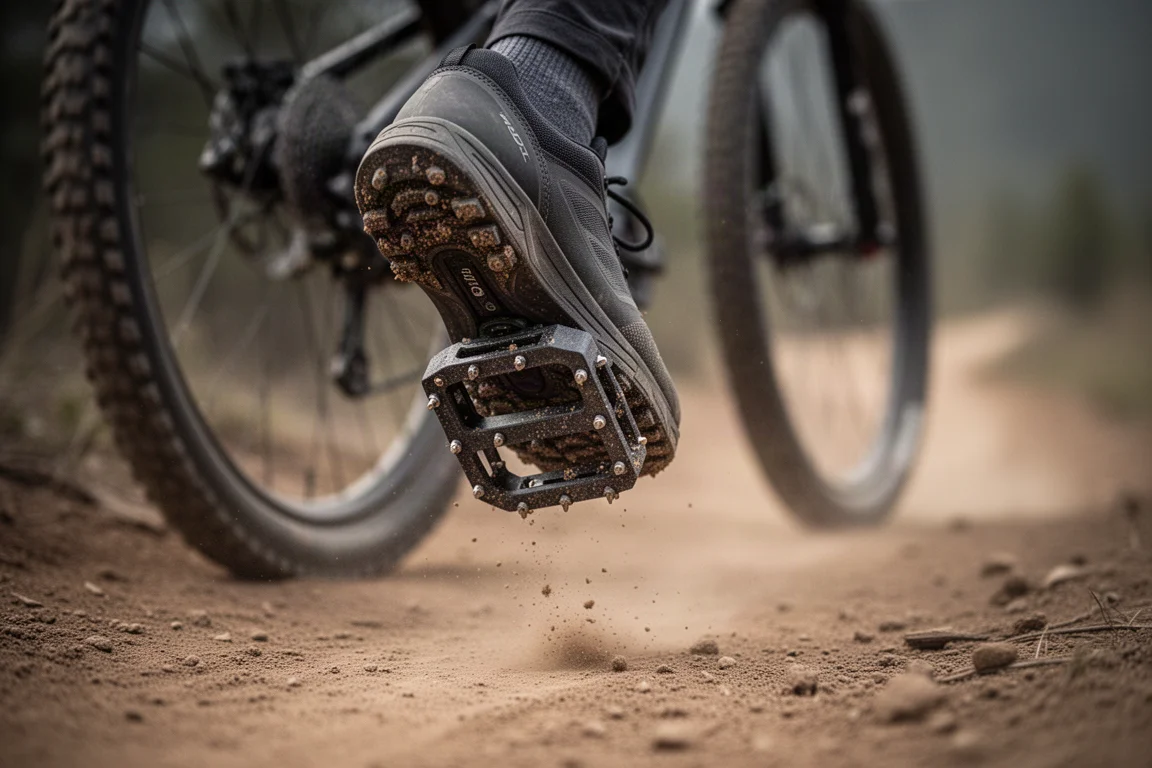
Premium clipless pedals are largely about appearance. They look sharper on the bike, but they do not add a meaningful performance benefit over a well-made budget pedal, which makes pedals one of the easiest places to save without giving anything up on the trail.
Best Budget Flat Pedals: HT P3A
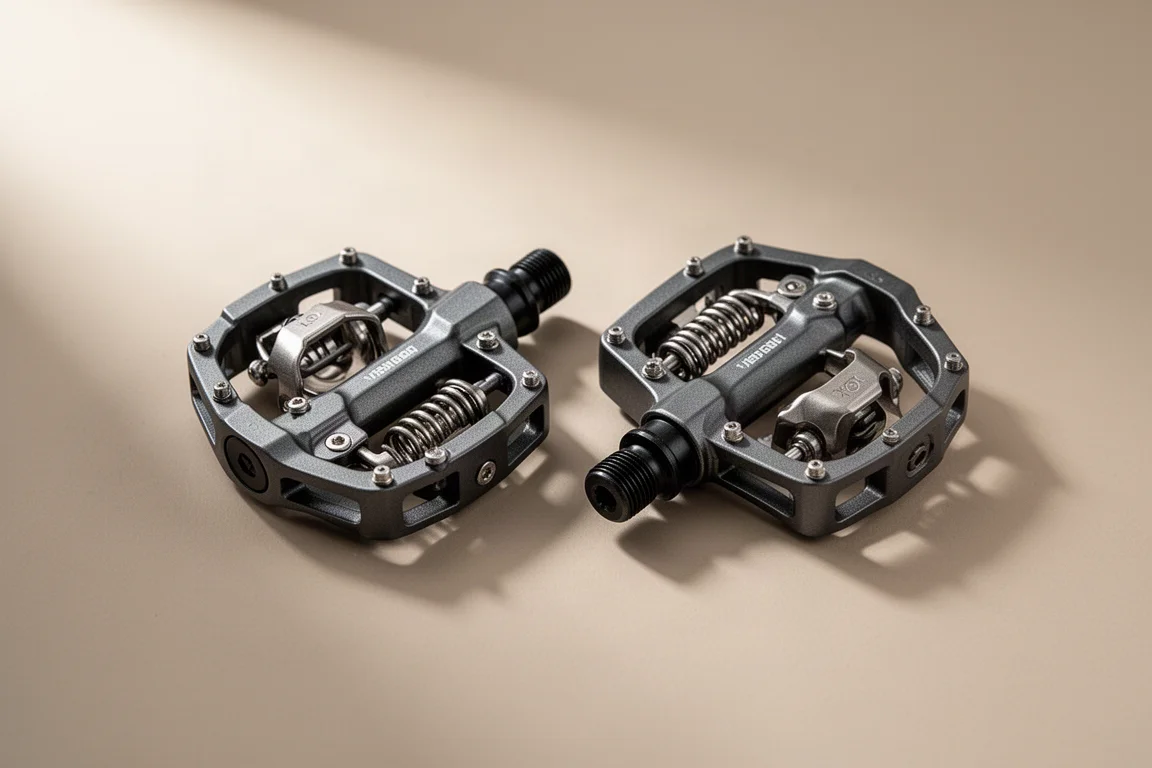
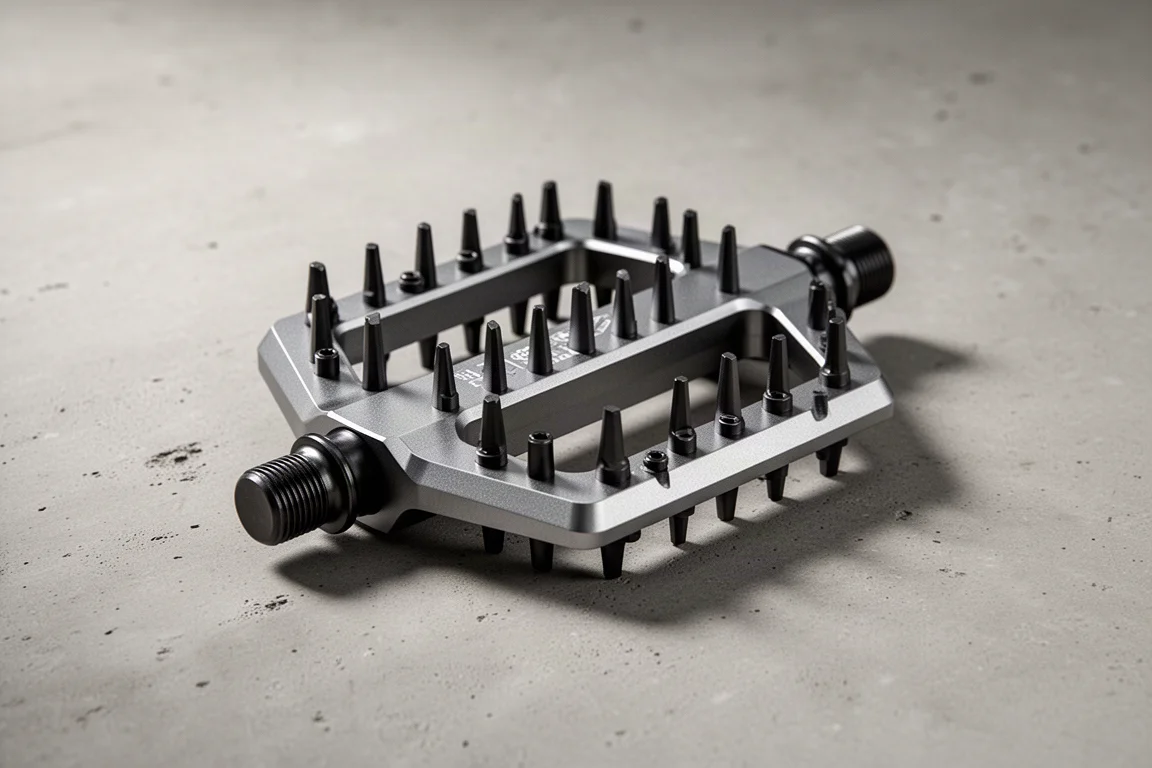
Flat pedals follow the same rule. Anodised, expensive models are not automatically better where it matters, and grip is what actually counts. The HT P3A weighs 355 g, comes in 12 colours and offers plenty of grip for around £40.
Spending more on flat pedals is mostly about the look of the bike rather than performance. Even a set costing around £170 does not guarantee more grip than a well-designed budget pedal, so the money is better kept for parts that change how the bike rides.
Where to Spend and Where to Save
Money is better directed at the parts that change how a bike rides, and at keeping the parts already on the bike in good condition. A fresh service combined with a well-chosen damper or tune will often do more for suspension performance than a new fork or shock, and the cost is a fraction of a replacement.
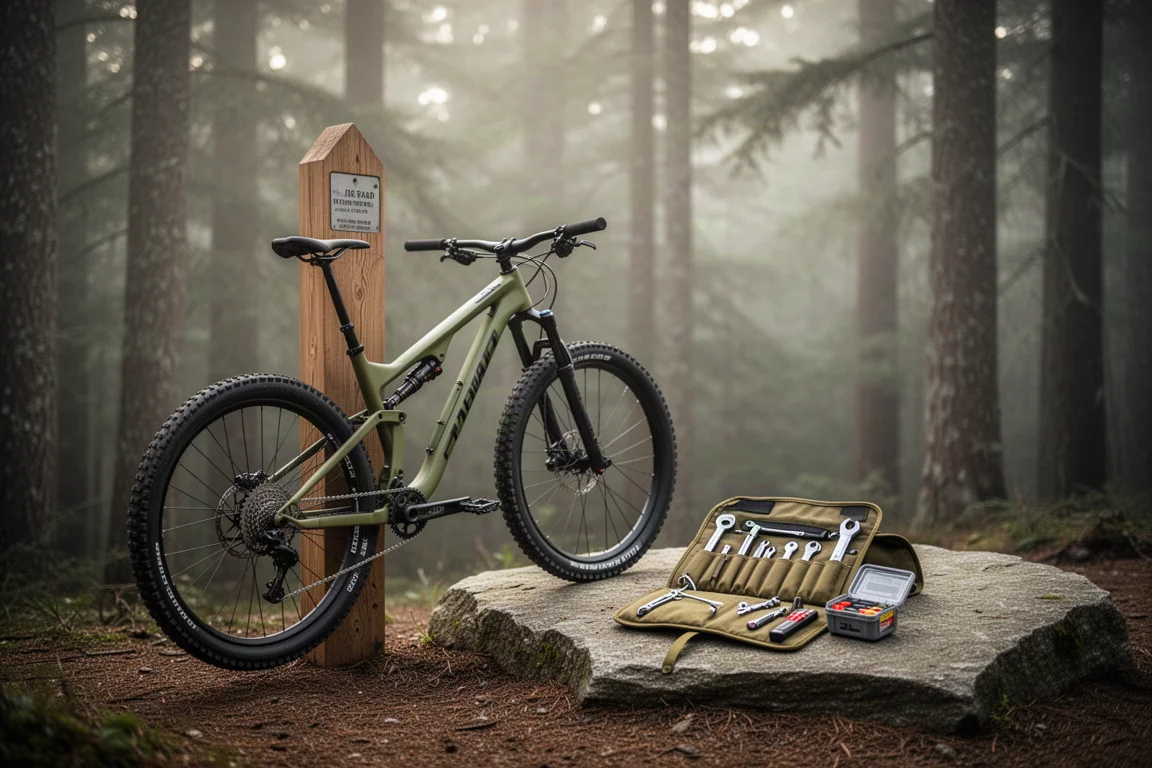
Titanium bolts are the clearest example of spending that changes nothing. The weight saved is minuscule, there is no noticeable difference on the trail, and outside of loading the bike into a car or washing it, the bolts are never really seen. A better shifter is a far more rewarding place to put the same money, and it makes a genuine difference every time the trail changes gradient.
Conclusion
None of this means a bike cannot be improved. It means the improvements worth paying for are the ones that show up on the ride: a sharper shifter, a well-tuned fork or shock, dependable pedals and, above all, keeping everything in good working order. Flagship parts at the top of every range are desirable, but they are rarely the difference between a good ride and a great one.
Further reading
Related Reviews

Backpacking Gear
Building a 10 lb Base Weight: An Ultralight Backpacking Gear List
A practical walkthrough of the ultralight pieces behind a 10 lb base weight, from a 765 g pack and a roomy one-person tent to a full camp chair and a dependable water filter.
Road Bikes
10 New Road Bikes Worth Watching: Aero, Titanium, Steel and Endurance Standouts
A practical roundup of 10 new road bikes, from aero flagships chasing single-watt gains to titanium, steel and endurance platforms built for real roads.
Bikepacking Gear
11 Bikepacking Essentials for Long-Distance Cycling
Eleven bikepacking essentials for long-distance cycling, from a steel gravel frame and a two-person tent to helmet lights, packable gloves, and a frame bag that puts weight in the right place.