Satellite Communicators
Motorola Defy Review: A Satellite Communicator Built for Two-Way Messaging
A practical look at the Motorola Defy satellite communicator, covering connection reliability, emergency SOS support, and the trade-offs worth weighing before you buy.
Introduction
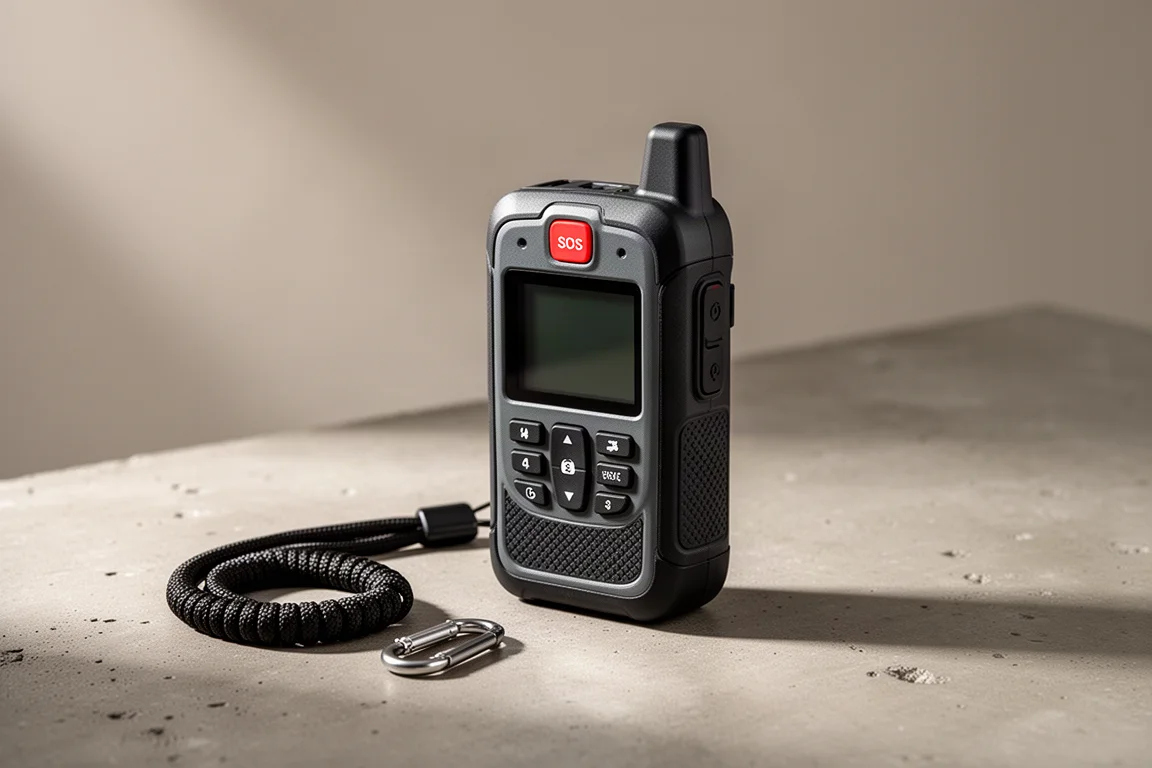
Satellite communicators have long been the most expensive piece of safety equipment a hiker carries. The Motorola Defy sets out to change that equation: a compact handheld that sends and receives messages over satellite and keeps an emergency SOS button within reach, at a price point that makes the category far more approachable for ordinary weekend and long-distance hikers.
It is also a device that has clearly been finding its feet. Firmware updates, app updates and a refreshed online dashboard have arrived since launch, and a few rough edges are still being smoothed out. For anyone weighing a purchase, the useful question is not whether the Defy is flawless, but whether its strengths line up with how and where you travel.

In practice, the core promise holds up on the trail. Messages go out, replies come back, and the unit rides along clipped to a pack without complaint. That is exactly what a device like this needs to do, and it does it often enough to be genuinely useful.
Who This Product Is For
The Defy is aimed at people who want two-way communication in places where a phone has no signal, and who have previously been priced out of the category. If your trips take you beyond reliable coverage and you want the ability to send a short check-in message, this device addresses that need directly.
It also suits a specific kind of outdoor user: someone who already carries a personal locator beacon for critical emergencies and wants to add everyday messaging on top. A beacon handles the worst-case scenario; a communicator handles “I am running late” or “I have reached camp.” Owning both is a reasonable strategy, and the Defy is positioned as the more affordable half of that pairing.
Finally, it is worth considering for anyone who has been holding off on a satellite communicator because of cost. That barrier is the single biggest reason people go without one, and this device is designed to lower it.
Main Strengths
The headline capability is two-way messaging, and the device treats it as the main event rather than an add-on. Short messages travel back and forth over satellite, which covers the vast majority of real-world communication needs in the backcountry: confirming a plan, reporting a delay, or letting someone know you have arrived safely.
Physically, the unit is small and light enough to carry on a shoulder strap rather than buried in a pack. That matters more than it sounds. A communicator you forget to bring is worth nothing, and a communicator clipped within reach is one you will actually use. It has held up well to wet and sweaty conditions on the outside of a pack, and the housing feels built for outdoor handling.
Emergency SOS support is included at the basic service level, which means the safety function is not locked behind a separate purchase. The device is also being actively maintained, with firmware, app and dashboard updates arriving after launch, and the company behind it says it has completed testing with tier-one telecom carriers.
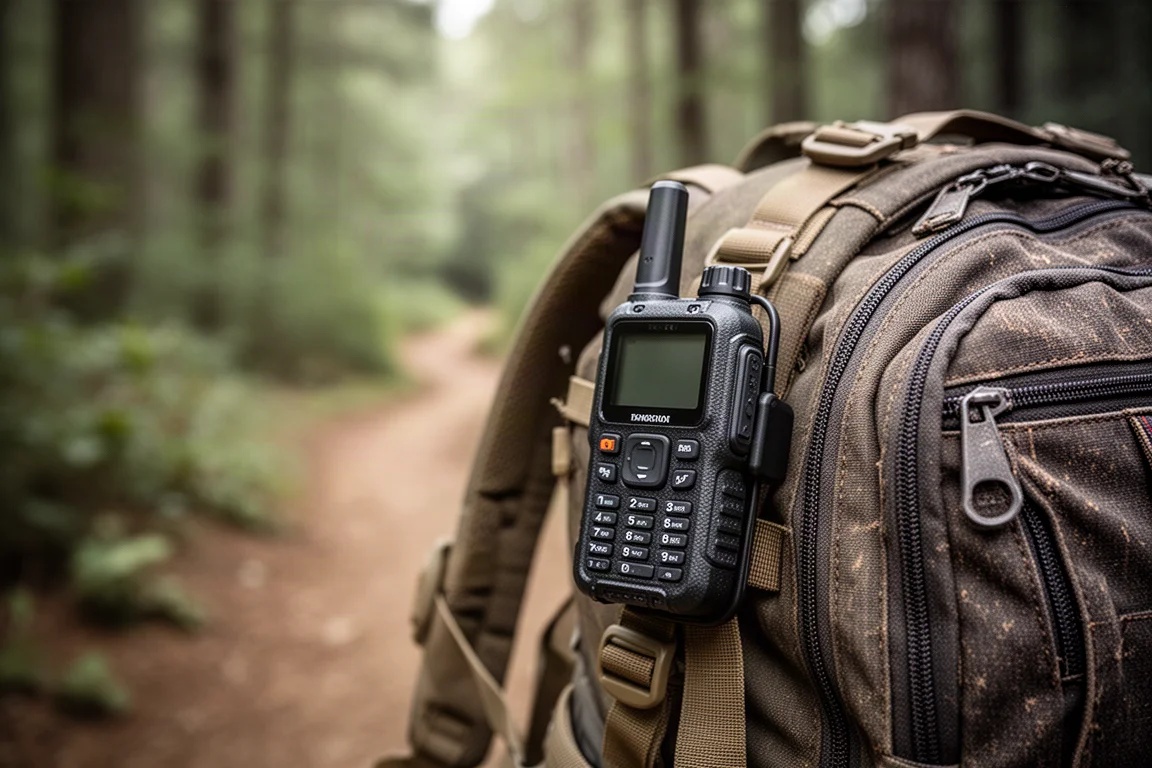
The most reassuring thing about the Defy is that its weaknesses are software and process weaknesses, not hardware failures. Nothing suggests the unit itself stops working when you need it.
Emergency SOS and Support Services
There are two levels of emergency service. The basic level is included with a messaging plan, and it puts you in contact with emergency responders through the companion messenger app. On top of that sits an optional insurance plan, Overwatch and Rescue, priced at around 35 dollars a year, which covers the cost of a rescue and includes additional benefits.
The dispatch side is handled by a specialist emergency response organisation, and the command centre is staffed by experienced personnel, including a former secret service operator. That is the kind of detail that matters when you are deciding whether to trust a button with your worst day.
The practical takeaway is that SOS is not a bare-bones checkbox on this device. It routes to a real dispatch service with a real support structure behind it, and the optional insurance is available from the online dashboard if you want the extra financial cover.
Satellite Connection in Practice
Connection reliability is the honest sticking point. On many hikes the link has been dependable, but the device does not work everywhere, and the failures can look random. It has failed in a supermarket car park and then connected without trouble in more demanding terrain. That inconsistency is hard to reproduce deliberately, which makes it hard to explain.
Reported experiences vary widely. Roughly a third of users describe dependable connections, a third call it hit or miss, and a third struggle to connect at all. There is no way to promise that the Defy will work at your specific trailhead.
There are steps that genuinely help, and they come straight from the company behind the device. Point the unit at open sky, and in the northern hemisphere orient it south toward the satellites. More importantly, turn Wi-Fi off and put the device into airplane mode. If any cellular signal is present, even a faint one, the unit may try to route the message over that network instead of the satellite. Airplane mode removes the ambiguity and pushes everything to the satellite link. It is good backcountry practice regardless.
The company also reports that it has run testing with tier-one telecom carriers and that the service passed, with strong average connection times across the board. Those figures are broadly in line with real-world results, if occasionally a little better.

The sensible expectation is a device that usually works, sometimes needs a little repositioning, and occasionally will not connect where you happen to be standing.
Things to Consider Before Buying
This device arrived before it was fully polished, and early buyers are living through the growing pains. That is not unusual for a new product category, but it is worth going in with clear eyes.
Message notifications are the clearest example. Early on, an incoming message produced an alert. That behaviour has since stopped, and the company says it is being worked on. The app experience should improve over the coming months, but it is not yet settled.
Messaging administration is another gap. There is currently no way to buy bundles of extra messages or overage messages, although the company says that capability is in development. In the meantime, the system is designed to keep working: if you exceed your monthly allotment while off-grid, the overage is drawn from the following month’s allowance, so back-and-forth texting does not simply stop.
On the hardware side, the USB port cover is a known annoyance. It is made from a hard plastic rather than a softer rubberised material, and it can come off easily. A small strip of electrical tape over the top is an inelegant but effective fix.
The SOS button is exposed rather than recessed. No accidental activation has occurred in normal carry, but it is a design decision to be aware of, and a future version will likely address it. Durability claims deserve the same measured reading. The unit holds up to being carried on a pack in wet conditions, but it is not a device to take swimming.
Buying Advice
If cost has been the reason you have put off buying a satellite communicator, this is a reasonable moment to reconsider. Even allowing for occasional connection fiddling and the need to reposition the unit, having a way to call for help and send a message changes the risk profile of a trip. At this price point, that is a compelling trade.
It is worth being clear about where the Defy sits in the wider market. The gold standard for satellite communicators remains the Garmin inReach line, which has been established for years, is robust in the field, and includes navigation built into many of its units. The Mini 2 in particular is a favourite for lightweight use.
If you would rather avoid a subscription altogether, a personal locator beacon is a strong alternative, and it has a long, proven track record with emergency rescue services worldwide. If you already own a beacon and want messaging on top, the Defy is a good complement: the beacon covers the critical SOS function, and the Defy handles the everyday check-ins.
Modern smartphones are another piece of the picture. Recent iPhone models offer emergency SOS via satellite and location sharing, and those features have appeared in a growing number of rescue stories. The experience is a little clunky, but it works. The Defy’s advantage is proper two-way messaging, which is something satellite SOS alone does not provide.
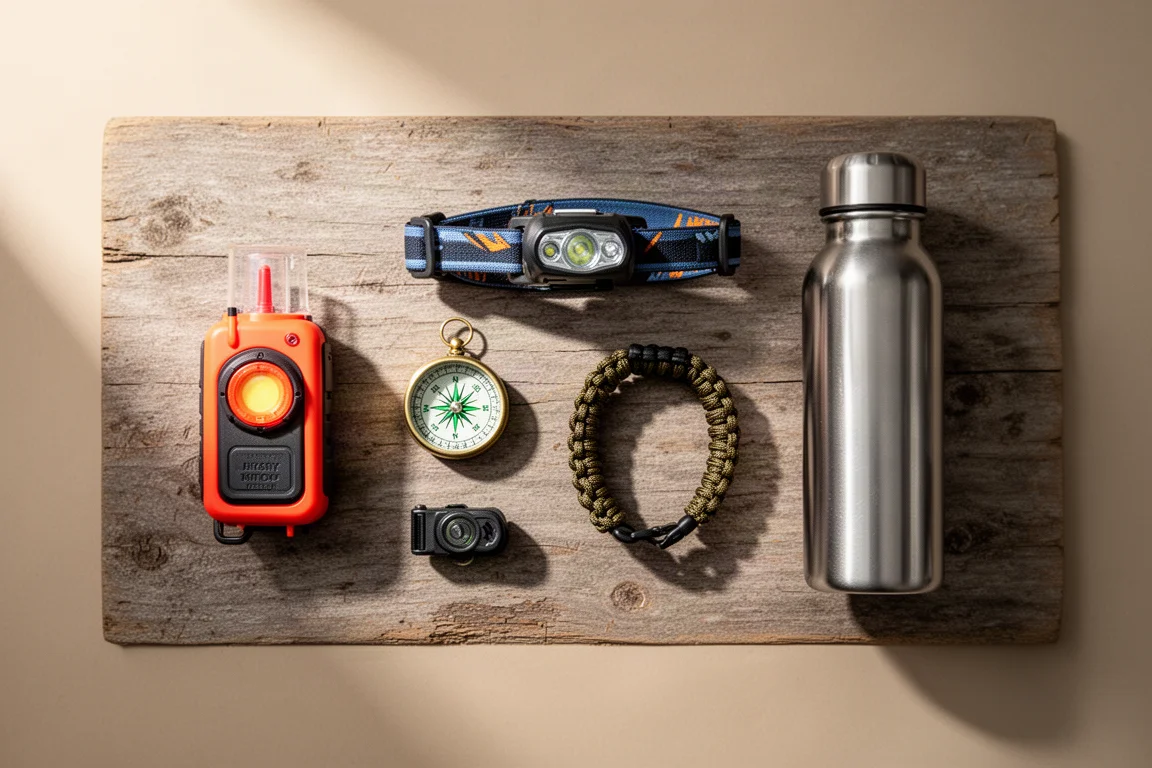
Weigh the subscription cost, the coverage where you actually hike, and how often you would genuinely use messaging. If the answers point outdoors and off-grid, the Defy earns a place in your pack.
Conclusion
The Motorola Defy is a capable, compact two-way satellite communicator at a price that makes the category accessible. Its messaging works, its SOS support routes to a real dispatch service, and it has held up to outdoor carry. Its weaknesses are real but narrow: connection reliability varies by location, message notifications and overage purchases are still being refined, and a couple of hardware details could be tidier.
For hikers who want an affordable safety net with messaging built in, it is a sensible purchase, particularly alongside a beacon or as a lower-cost entry point into satellite communication. Buy it with realistic expectations about coverage, follow the airplane-mode guidance, and it will do the job it was designed for.
Product link
View more details for Motorola Defy
This product is mentioned in the review. Check the specifications, options, and compatibility before buying.
View more details for Motorola DefyFurther reading
Related Reviews
Satellite Communicators
Garmin inReach Messenger vs inReach Mini 2: Which Satellite Communicator Belongs in Your Pack
A practical comparison of two compact Garmin satellite communicators, covering navigation, screen size, battery life, reverse charging and price.
Satellite Communicators
Garmin inReach Messenger vs Zoleo: Which Satellite Communicator Is Right for You?
A practical comparison of two satellite communicators, covering price, battery life, messaging, apps, satellite coverage, and standalone SOS use.
Satellite Communicators
Garmin inReach Mini 2 vs inReach Mini: Is the Newer Satellite Communicator Worth It?
A practical comparison of the Garmin inReach Mini 2 and the original inReach Mini, covering battery life, USB-C charging, navigation, app support, and upgrade advice.