Backpacking Gear
Five Most Versatile Backpacking Gear Picks for Ultralight Trips
A practical look at five ultralight pieces that adapt across shelter, sleep, tools, and wool coverage, plus how to decide what earns pack space.
Introduction
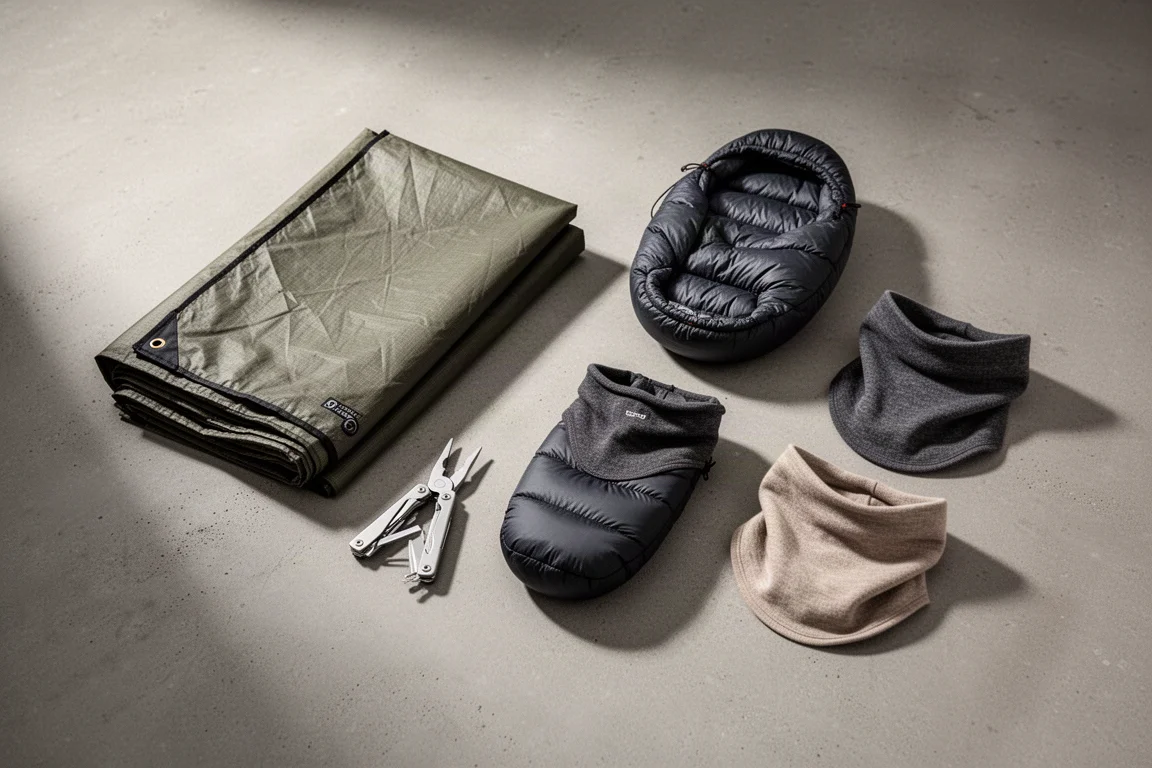
Ultralight backpacking rewards gear that does more than one job. A shelter that only works on the ground, or a sleeping bag that only works in one configuration, still has to justify its weight in the pack. The five items below keep proving their value because each one adapts to more than one situation, season, or setup.
The list covers shelter, sleep, a pocket tool, and two pieces of wool coverage that handle sun, wind, and insects. None of them are single-purpose purchases. Each one either replaces several items or opens up a configuration you would otherwise need extra gear to build.
Most Versatile Shelter: Ultralight Backpacking Tarp
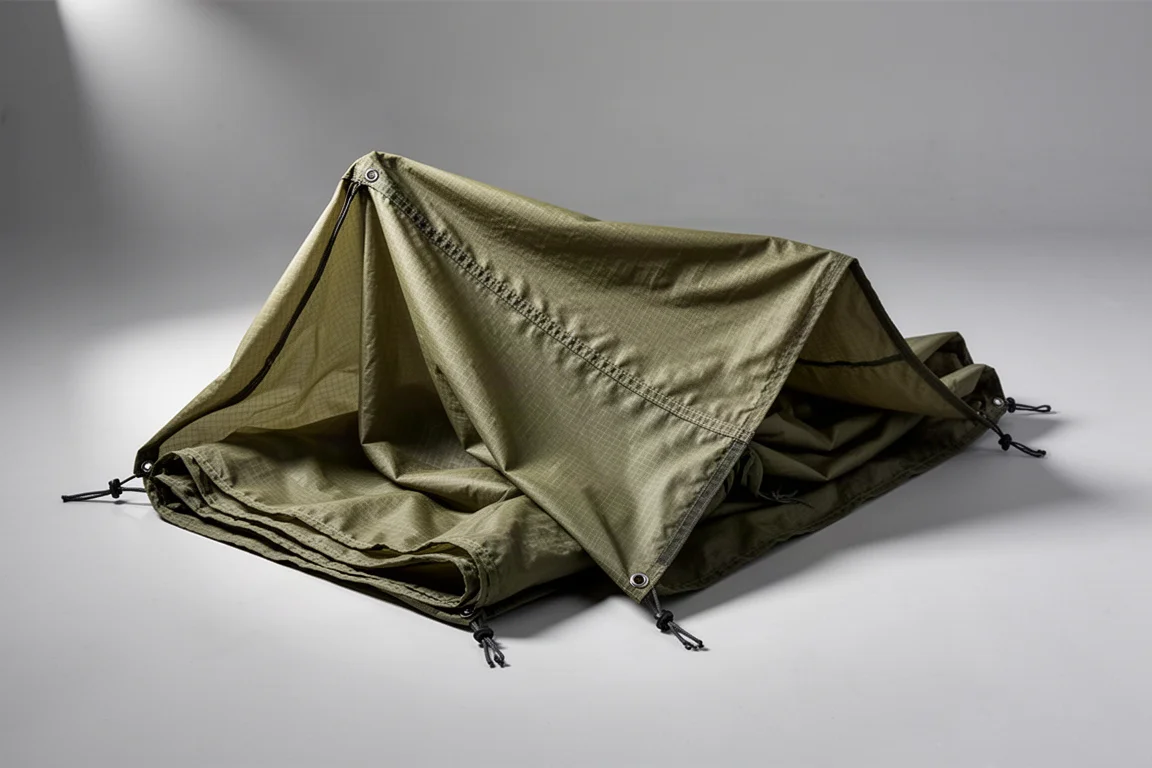
A tarp is the clearest example of versatility in a backpacking kit. The Outdoor Vitals ultralight backpacking tarp can be pitched over a hammock, set up as a ground shelter, or used as extra rain protection when a trip turns wetter than expected. Because pitching options are so open, the same piece of fabric can be re-rigged for the conditions of a specific trip instead of forcing one fixed shape.
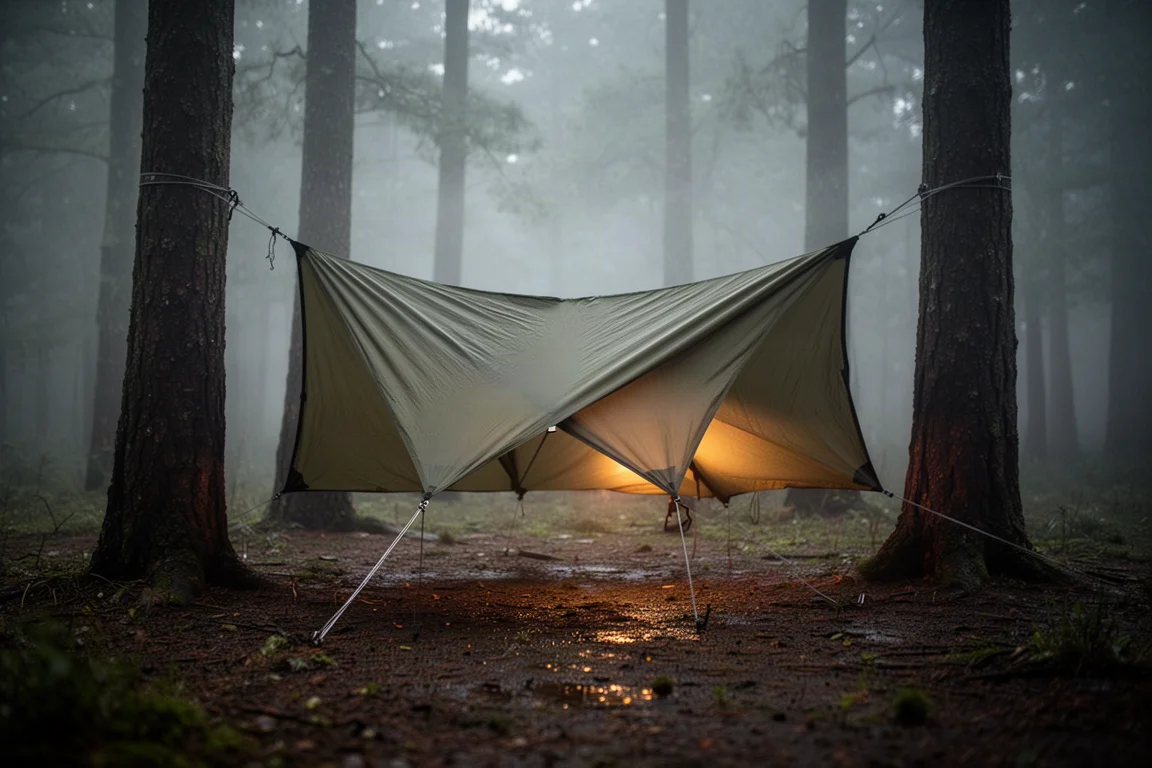
That flexibility is the real argument for carrying a tarp. There are adventures where a customizable shelter is the difference between a comfortable night and a compromised one, and a tarp lets you adjust pitch, coverage, and airflow to suit the weather. It is worth noting that this tarp has been out of stock while a few changes were made, and it is expected back on the website soon.
Everyday Pocket Tool: Gerber Dime
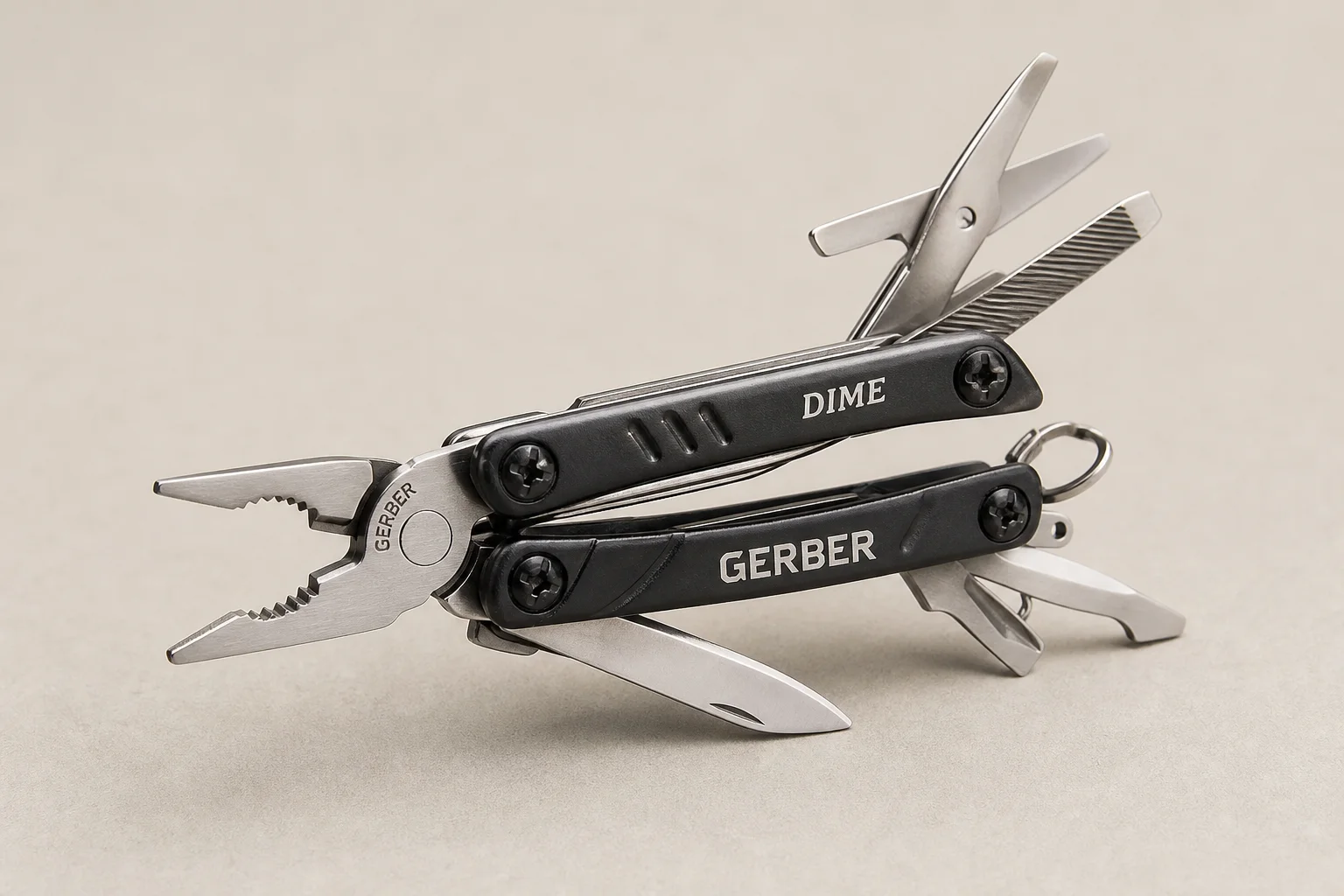
The Gerber Dime is a small multi-tool that covers an unusual amount for its size. It weighs 2.5 ounces and includes pliers, scissors, screwdrivers, a nail file, a box cutter, a knife, a can opener, and a hidden pair of tweezers. The tweezers alone are the kind of detail that matters on trail, since they make removing a tick far easier than improvising with fingers.
It is small enough to live in a pocket, which is why it tends to get carried every day. For backpacking the case is straightforward: most small tasks that come up, from trimming to adjusting to opening food, can be handled without unpacking a full tool kit.
Five-in-One Sleep System: Aerie Sleeping Bag
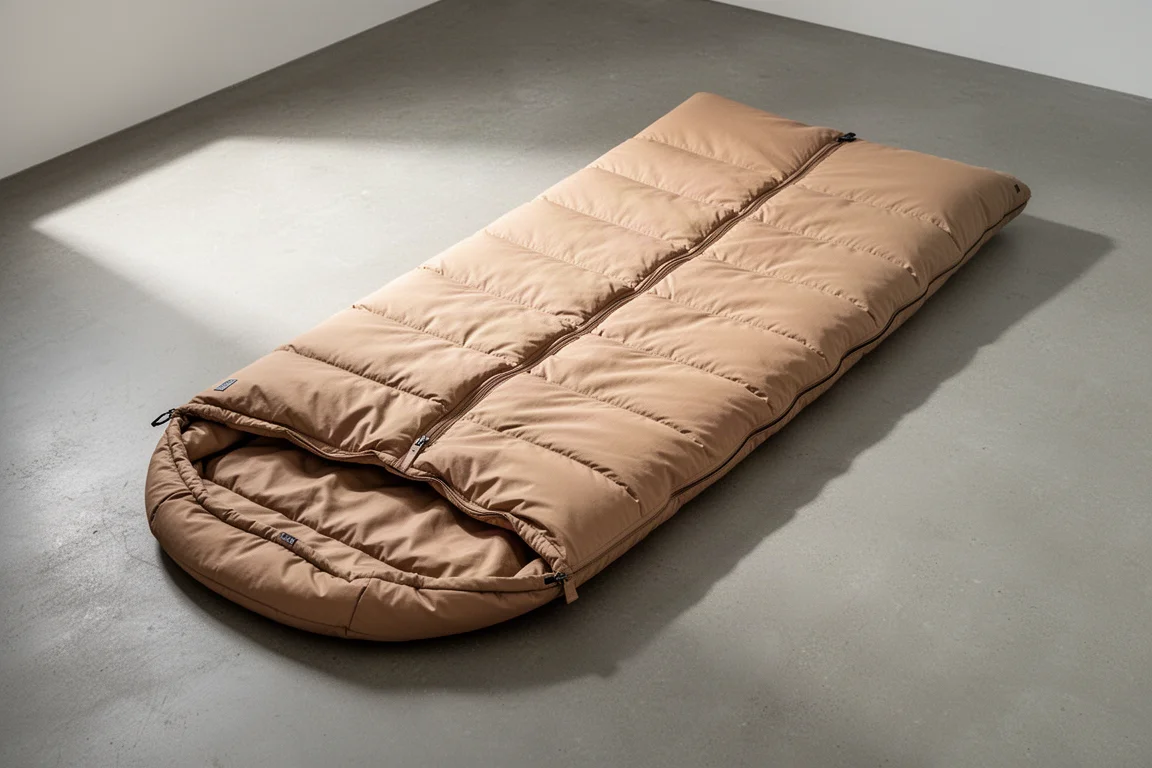
The Aerie sleeping bag is built to be reconfigured. It works as a standard sleeping bag, opens up as a blanket, zips to a second bag to create a double sleeping bag, serves as a hammock under quilt, and can be set up as a hammock pod. That range comes from details like cordage at both ends, baffles along the ends, tie points and webbing loops down the sides, and a full-length opening.
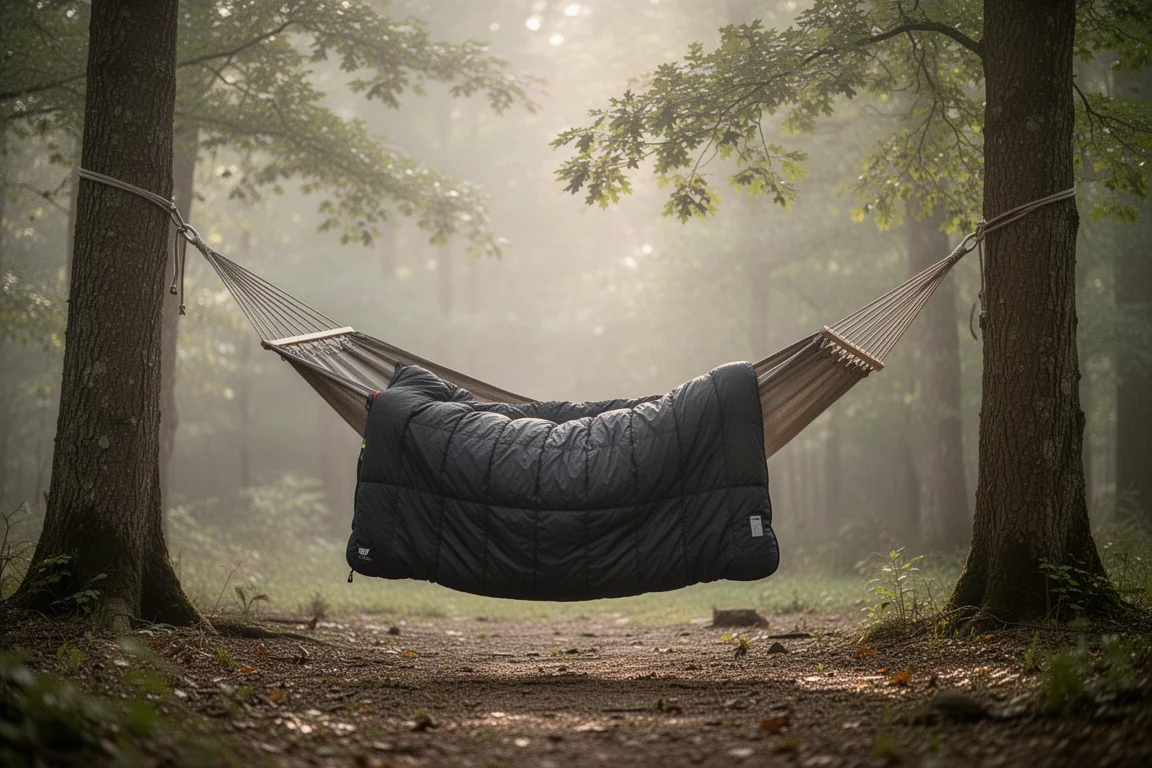
In practice, one bag covers ground camping, hammock camping, and travel. Two bags zip together for trips with a partner, and lighter temperature-rated versions can be kept in a car or camper for unexpected overnights, guest situations, or emergencies. It is the most adaptable sleeping bag on this list, and it earns its place even on trips where a simpler bag would technically work.
All-Season Neck Gaiter
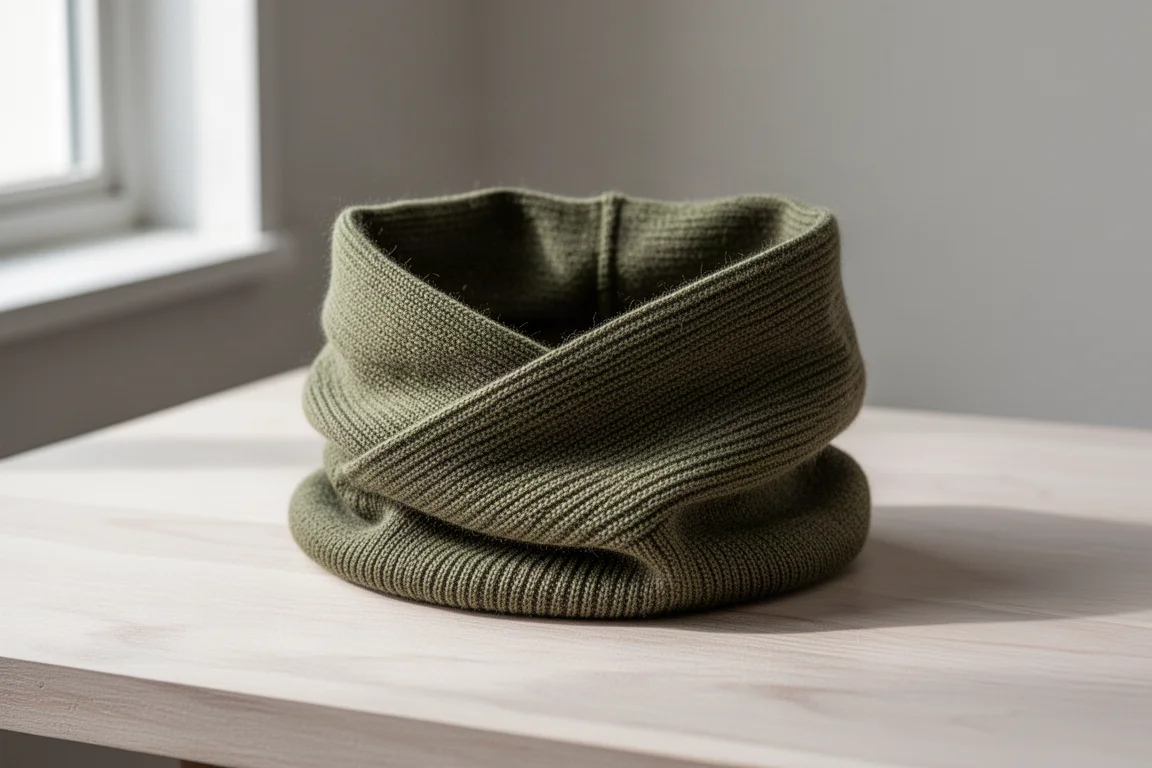
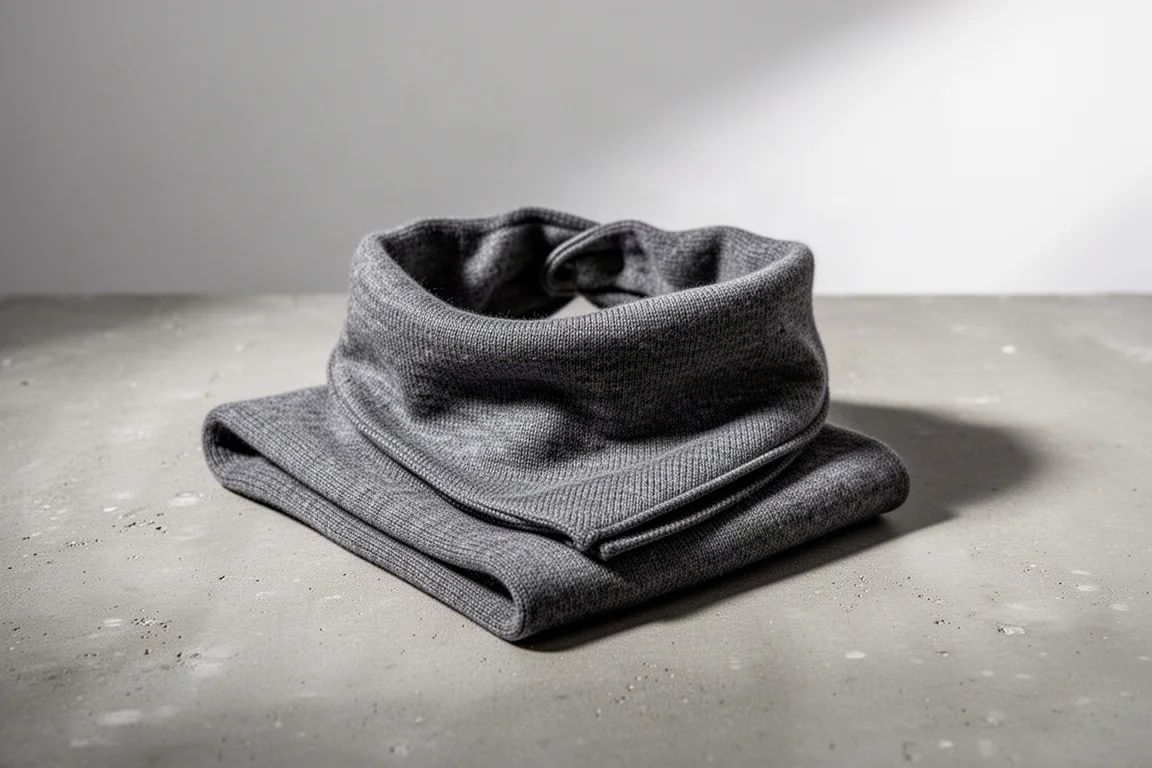
A merino wool neck gaiter is a small item that handles a surprising number of conditions. The Outdoor Vitals version is cut on a diagonal, which adds coverage down the back of the neck when worn one way, and tucks up under the back of the head when worn another so a hat locks it in place and it stays where you put it.
It works as sun protection in summer, wind protection in winter, and bug protection when insects are the main problem. The merino wool brings the familiar benefits: soft next-to-skin comfort, loft, and odor resistance from its antibacterial properties. This gaiter has been recently added to the website.
Compact Coverage: Bandana and Mini Gaiter
The bandana is a smaller companion piece to the gaiter, with a longer front section and more stretch along the top edge. Two layers of wool cover the front half, which gives extra protection when it is worn as a face covering and helps absorb and dissipate sweat when it is worn over the head.
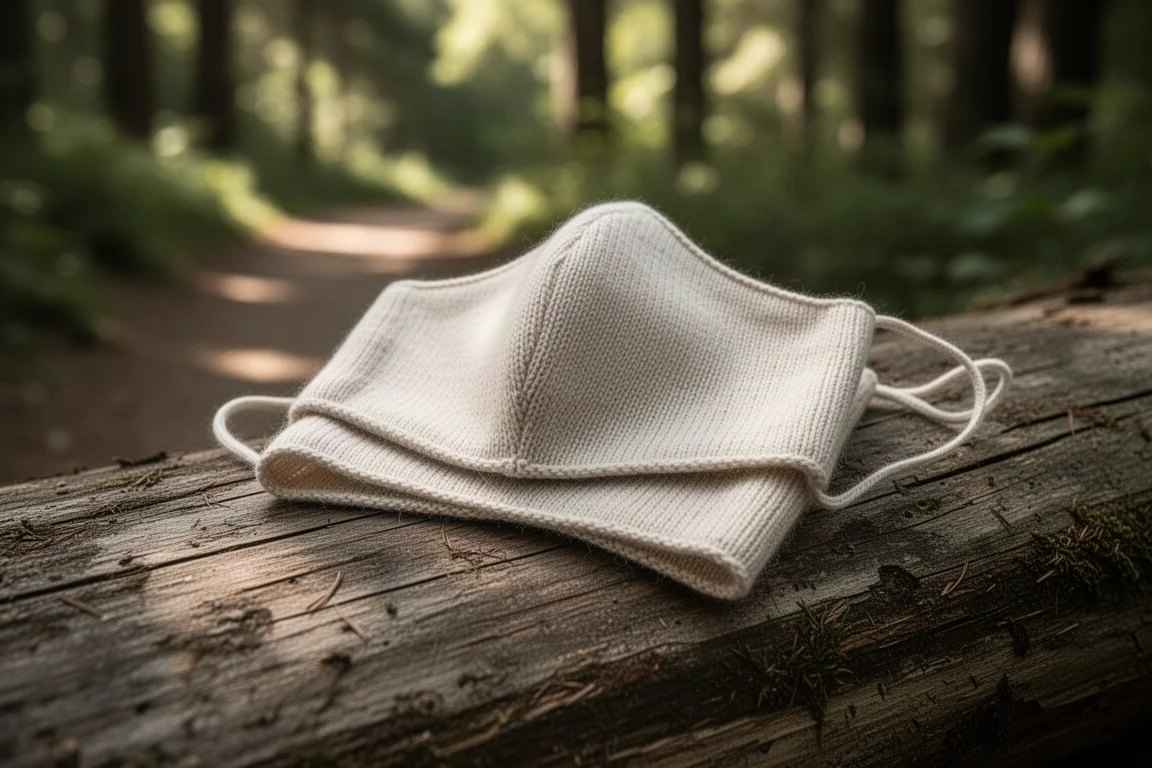
It can also be pulled down around the neck for sun coverage, which makes it a useful second layer alongside the full gaiter. Between the two, you have a lightweight system for covering the face, neck, and head across seasons without adding meaningful weight.
How to Choose What Earns Pack Space
The common thread across all five items is that each one replaces more than one piece of dedicated gear. When you are deciding what to carry, ask how many situations a single item covers and how often those situations actually come up on your trips. A tarp earns its place if you pitch in more than one configuration. A multi-tool earns its place if you reach for small tools often. A sleeping bag earns its place if you camp in more than one style.
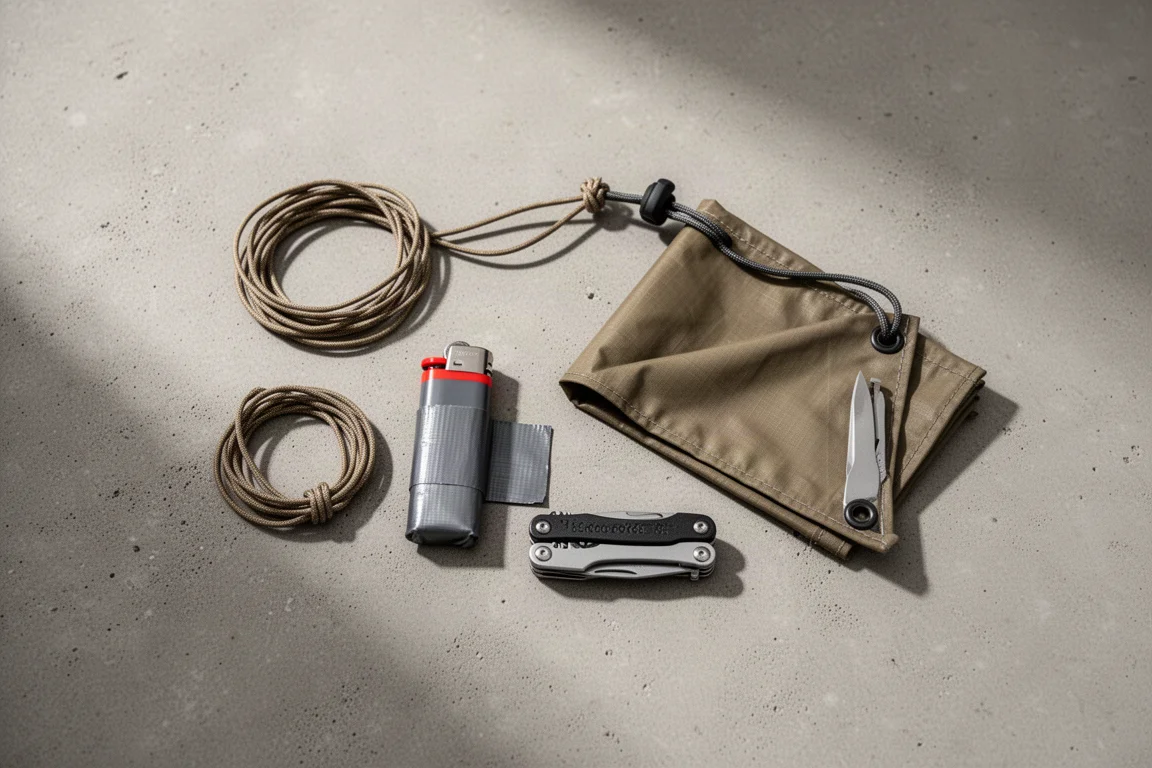
It also helps to pair versatile core items with a few tiny utility extras, such as a length of lightweight cord and a lighter wrapped in duct tape, which cover guylines, food hangs, and small fixes without adding meaningful weight. Wool coverage pieces are one of the lightest ways to stretch a system across seasons, since the same item handles sun, wind, and insects.
If you are building or refining a kit, start with the pieces that solve the most problems per gram, then add specialized gear only when a specific trip demands it.
Conclusion
Versatility is what keeps an ultralight kit small without making it fragile. A tarp that can be pitched in many configurations, a pocket multi-tool that covers most small tasks, a sleeping bag that shifts between ground and hammock use, and two wool pieces that handle sun, wind, and insects all do more than one job. That is the standard worth applying to everything else in the pack.
Further reading
Related Reviews

Backpacking Gear
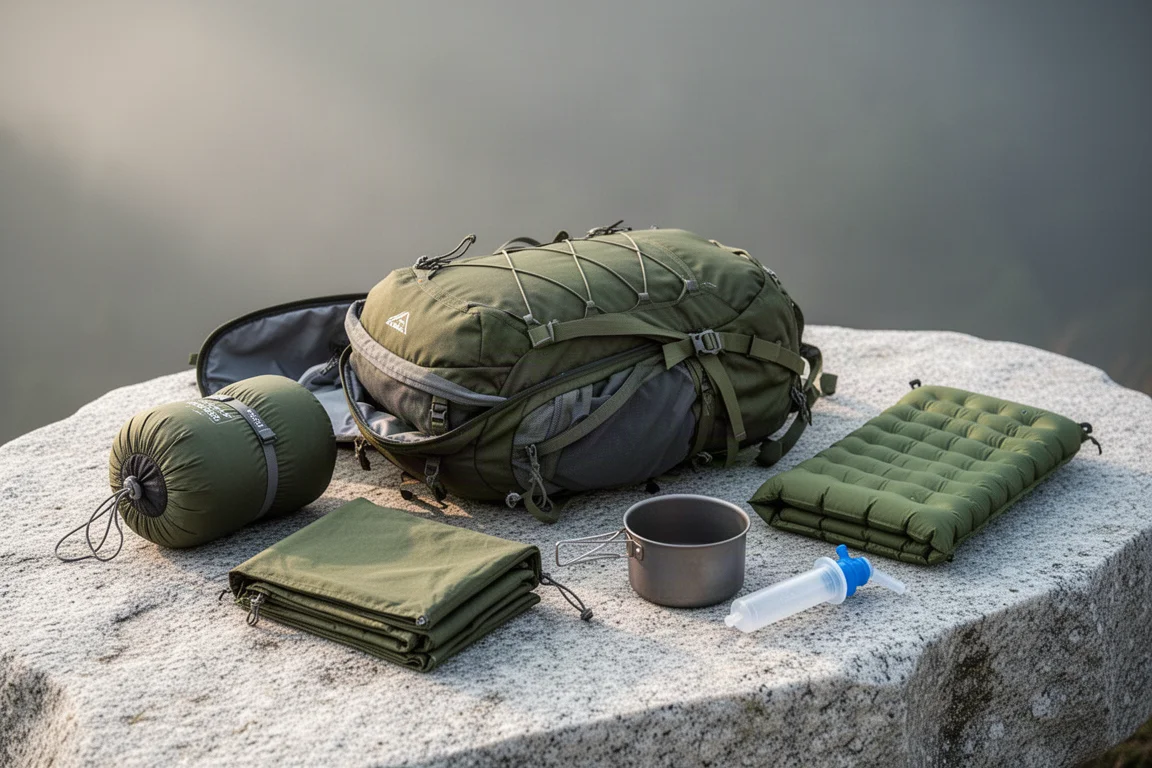
Building a 10 lb Base Weight: An Ultralight Backpacking Gear List
A practical walkthrough of the ultralight pieces behind a 10 lb base weight, from a 765 g pack and a roomy one-person tent to a full camp chair and a dependable water filter.
Backpacking Gear
A 15-Pound Lightweight Backpacking Gear List for Solo Trips
A beginner-friendly 15-pound backpacking setup built from easy-to-find gear, with notes on what each piece does, how it packs, and where to spend your attention.
Backpacking Gear
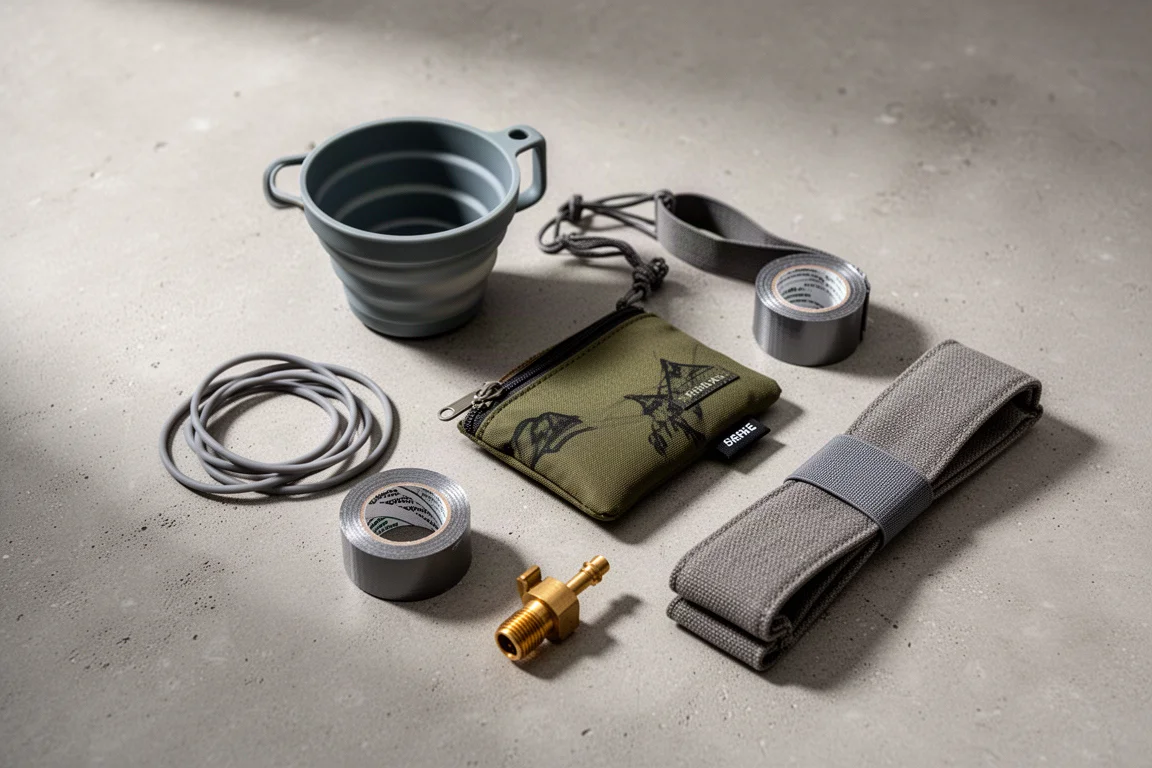
8 Ultralight Backpacking Gear Upgrades Worth Carrying
Eight small, affordable backpacking upgrades that solve real trail annoyances, from a pillow that stays put to a fuel valve that rescues leftover canister gas.