Backpacking Gear
5 Most Versatile Backpacking Gear Picks Worth the Pack Space
Five ultralight pieces that each cover more than one job, from a hammock-friendly tarp to a 2.5-ounce pocket tool and merino neck layers.
Introduction
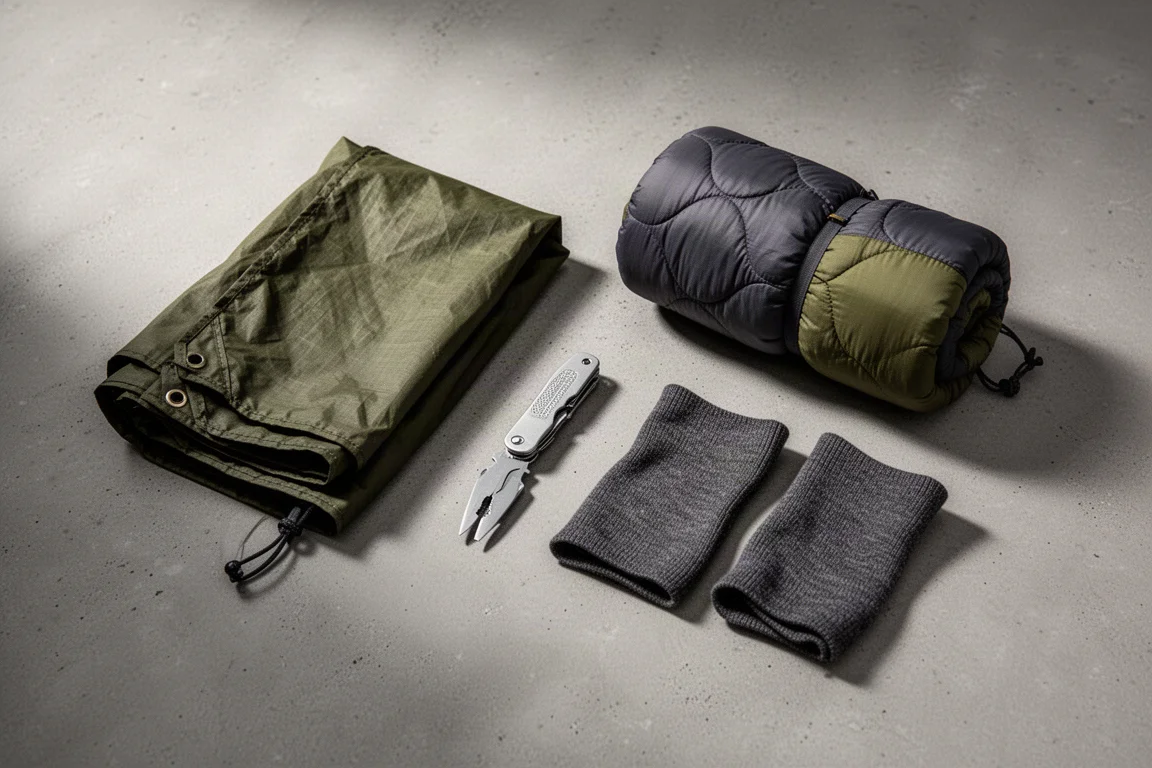
Ultralight backpacking rewards gear that does more than one thing. A piece that covers three jobs removes two other items from your pack, and that saved weight shows up on every climb. The five products below keep proving their worth across different trips, different seasons, and different ways of sleeping.
Some are shelters, some are tools, and some are small fabric layers that quietly solve sun, wind, and insect problems. What they share is flexibility: each one can be used in more than one configuration, which makes them easier to justify than single-purpose alternatives.
What Separates Versatile Gear From Single-Use Gear
Versatility usually comes down to two questions. How many situations can the item handle, and how much weight does that flexibility cost? A tarp can be a primary shelter, a windbreak, or a second layer of rain protection. A sleeping bag that converts into a quilt or a hammock pod covers several sleep systems with one item.
Small consumables belong in the same conversation. A short length of lightweight cord and a lighter wrapped in duct tape solve problems that no single product is designed for, and they weigh almost nothing. The five picks below are the items that consistently earn their space in a pack.
Outdoor Vitals Ultralight Backpacking Tarp: Shelter That Adapts
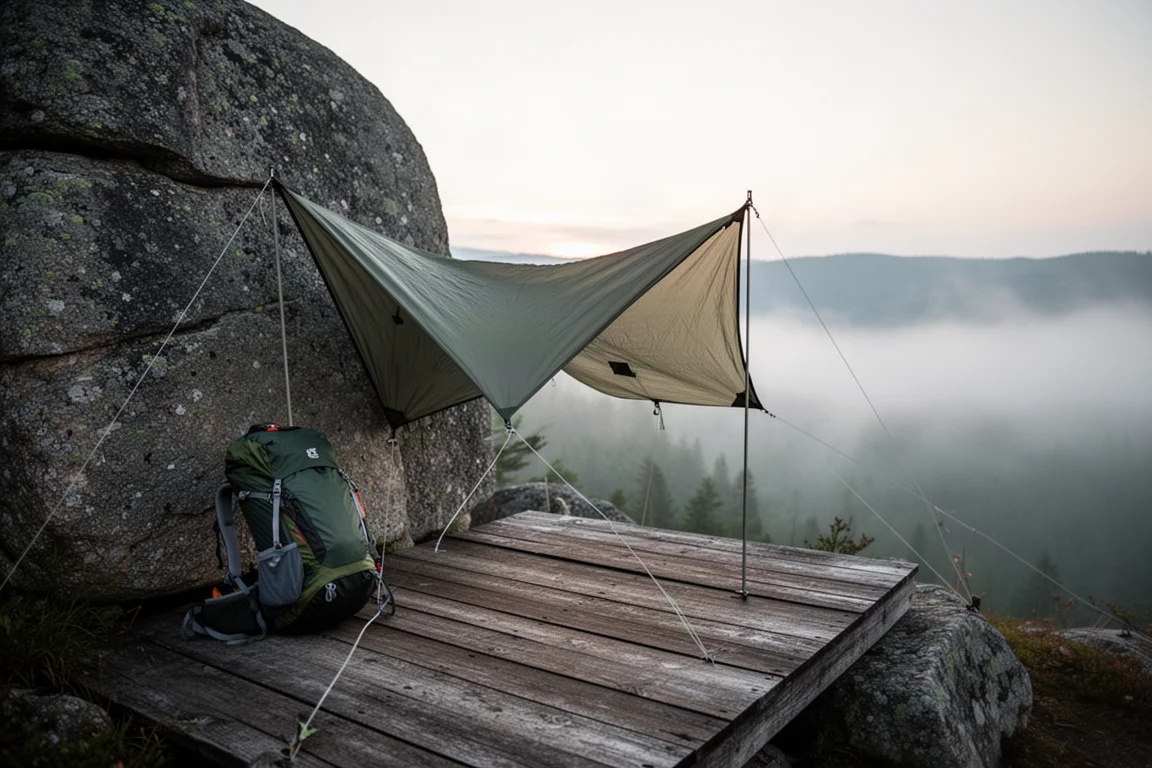
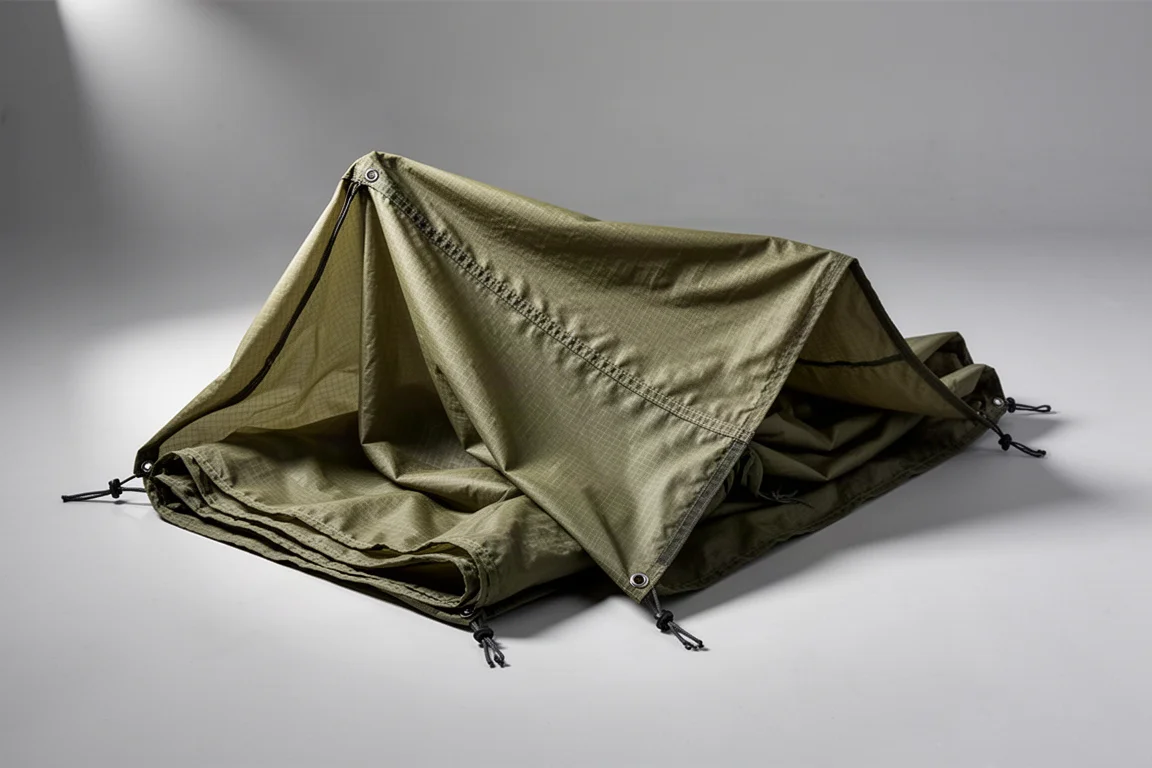
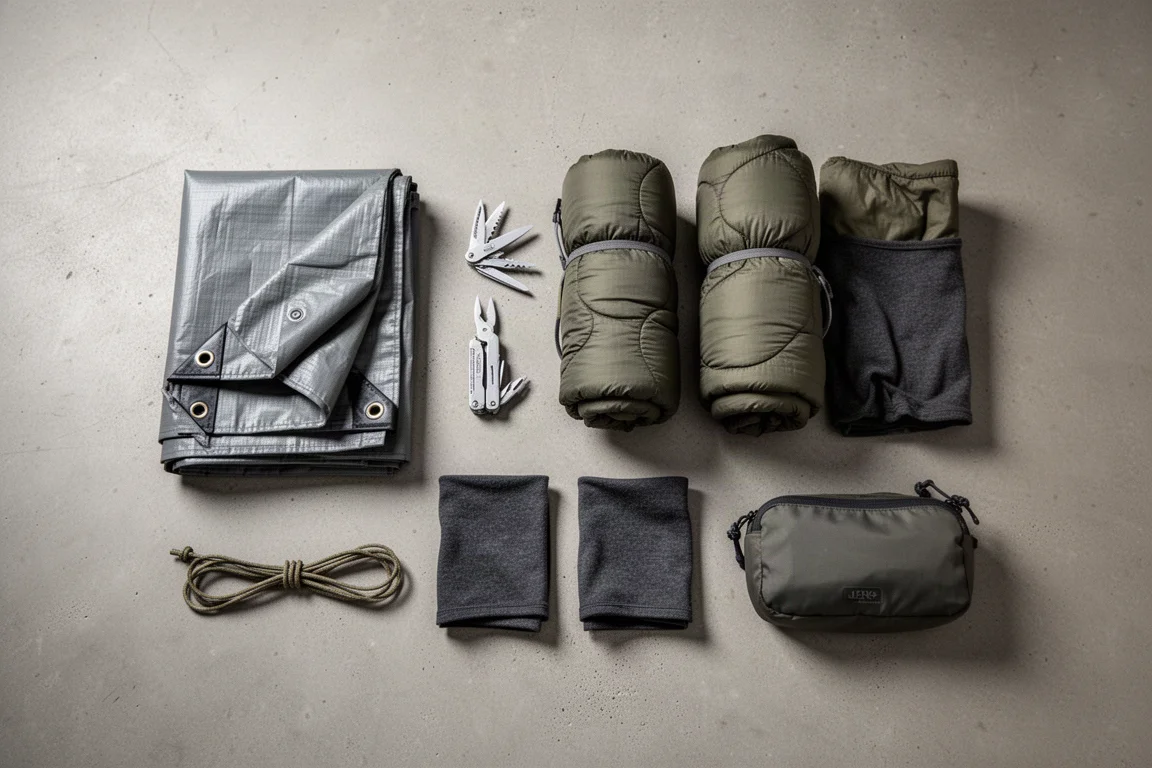
Few pieces of gear change shape as easily as a tarp. The Outdoor Vitals Ultralight Backpacking Tarp can be pitched over a hammock, set up on the ground as a minimal shelter, or strung as extra rain protection when the weather turns. With no fixed pole structure, the same sheet of fabric can be configured in a large number of ways, which makes it easy to tune for a specific trip rather than a general one.
The value here is not that a tarp replaces every shelter, but that it covers the trips where a fixed design would be the wrong compromise. Hammock campers and ground campers can use the same piece, and anyone who pitches in exposed terrain gets a shelter that can be adjusted to the conditions.
After a round of design updates, the tarp is returning to the lineup, so it is worth checking current availability before planning a trip around it.
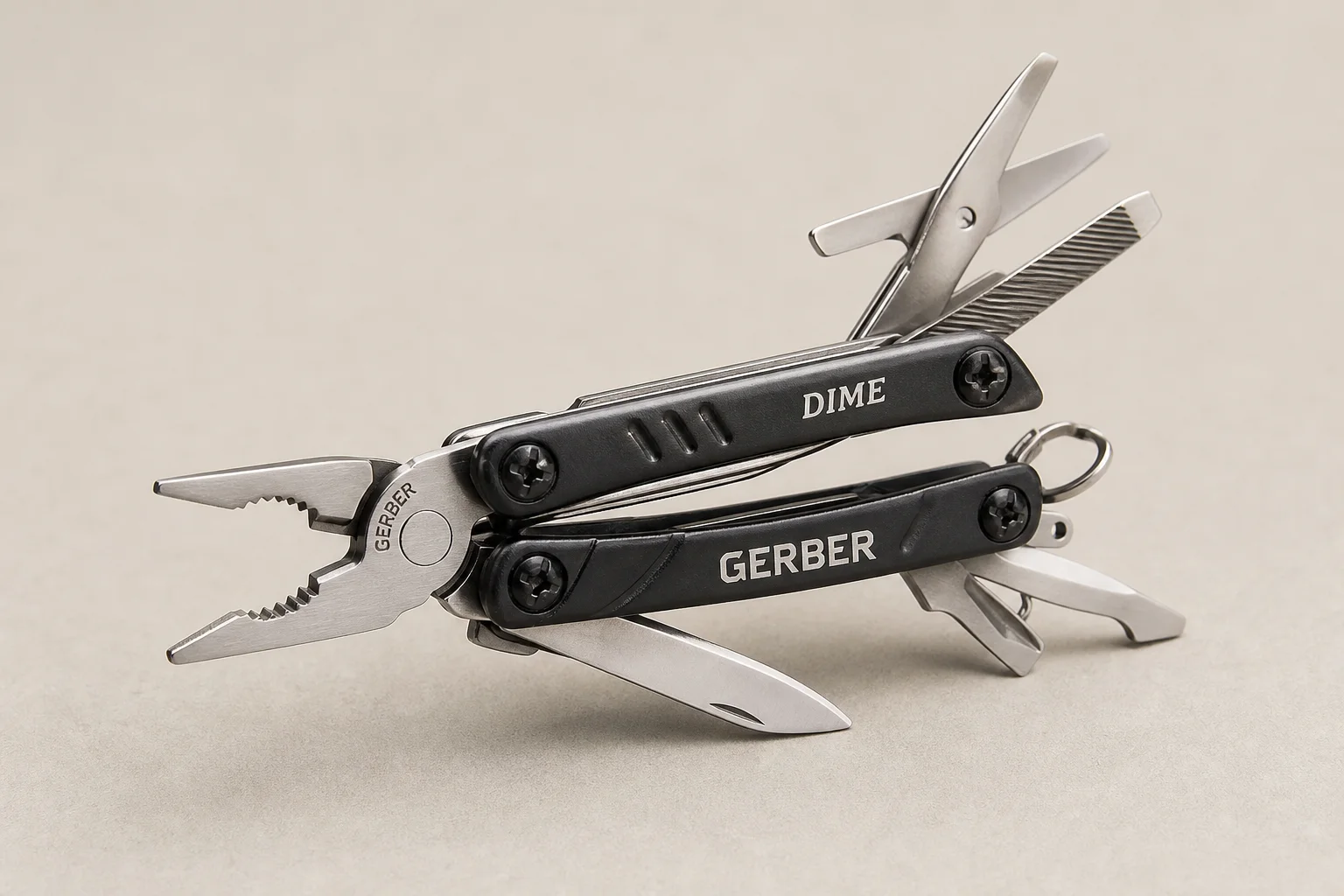
Gerber Dime: A Pocket Toolbox at 2.5 Ounces
The Gerber Dime weighs 2.5 ounces and packs an unusual amount of function into that weight. Pliers, scissors, screwdrivers, a nail file, a box cutter, a knife blade, and a can opener are all built in, and a small hidden pair of tweezers tucks into the frame.
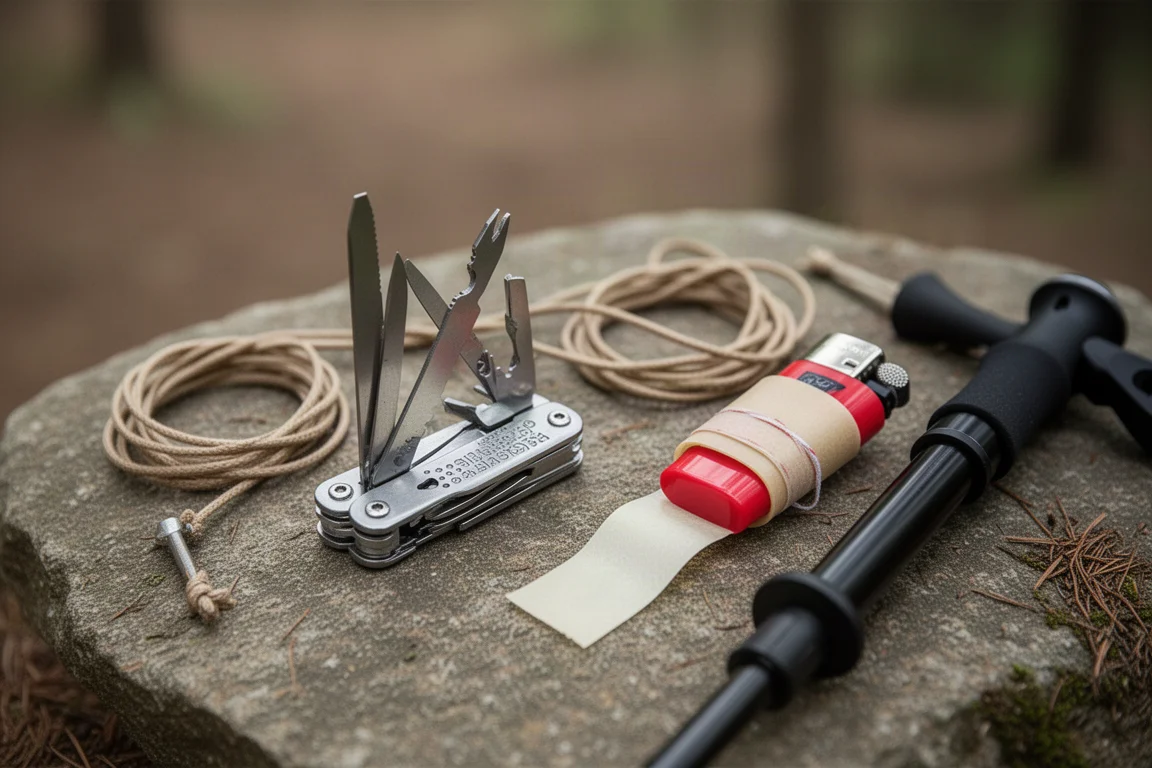
For backpacking, the tweezers are the standout detail. Removing a tick with a precise tool is far easier than improvising with fingers, and the pliers and scissors cover small repairs on the trail. The blade and can opener handle ordinary camp tasks, while the nail file and screwdrivers are the kind of extras that get used more often than expected.
It is small enough to carry every day off the trail, which is the simplest test of whether a tool is genuinely useful. Once it lives in a pocket, it tends to migrate into a pack permanently.
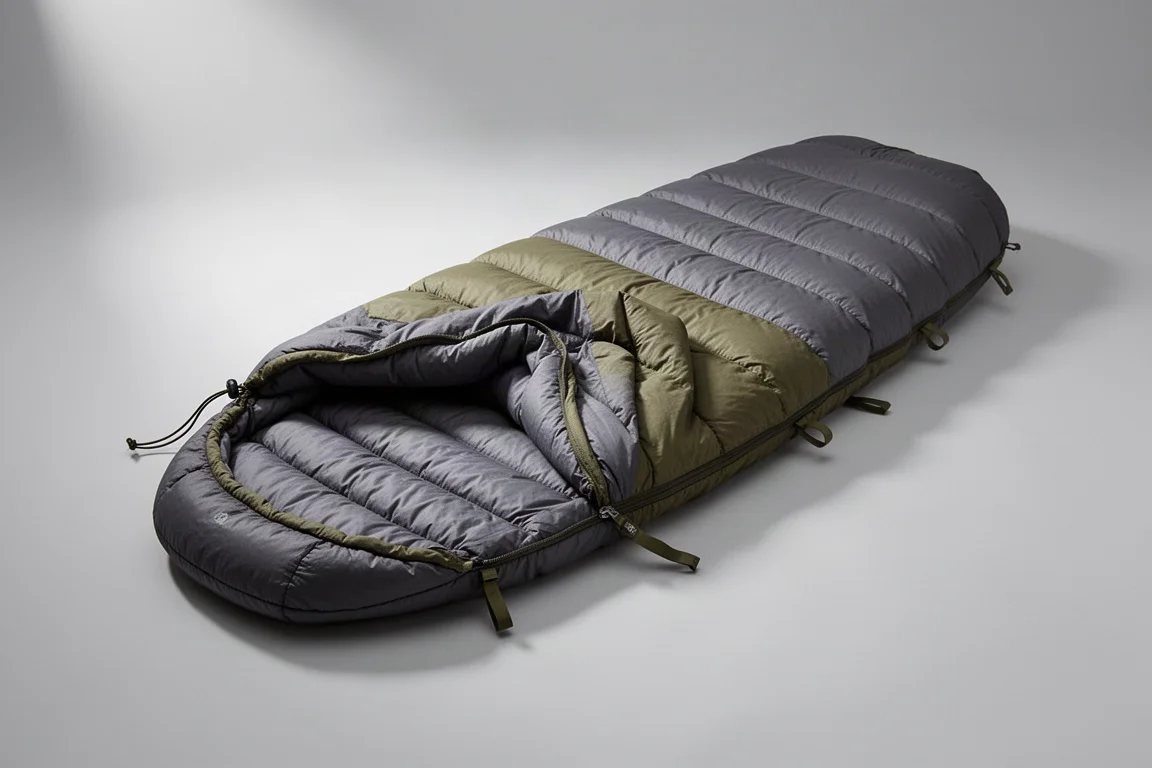
Outdoor Vitals Airy Sleeping Bag: Five Configurations in One
The Airy Sleeping Bag is described as a five-in-one system, and the list holds up: it works as a sleeping bag, a blanket, a double sleeping bag when two are zipped together, a hammock underquilt, and a hammock pod. Cordage at both ends, baffles at every end, and webbing loops along the sides give it the attachment points those configurations need.
That range makes it useful well beyond the trail. The design suits hammock camping, ground camping, and pairing two bags for two sleepers. Lighter temperature-rated versions can live in a car as spare bedding, which is a sensible role for a bag that opens out flat.
It is not a piece everyone needs on every trip. If you always sleep the same way in the same conditions, a dedicated bag will be simpler. If your trips vary between hammock and ground, or you camp with someone else, one bag covering five configurations is easier to justify.
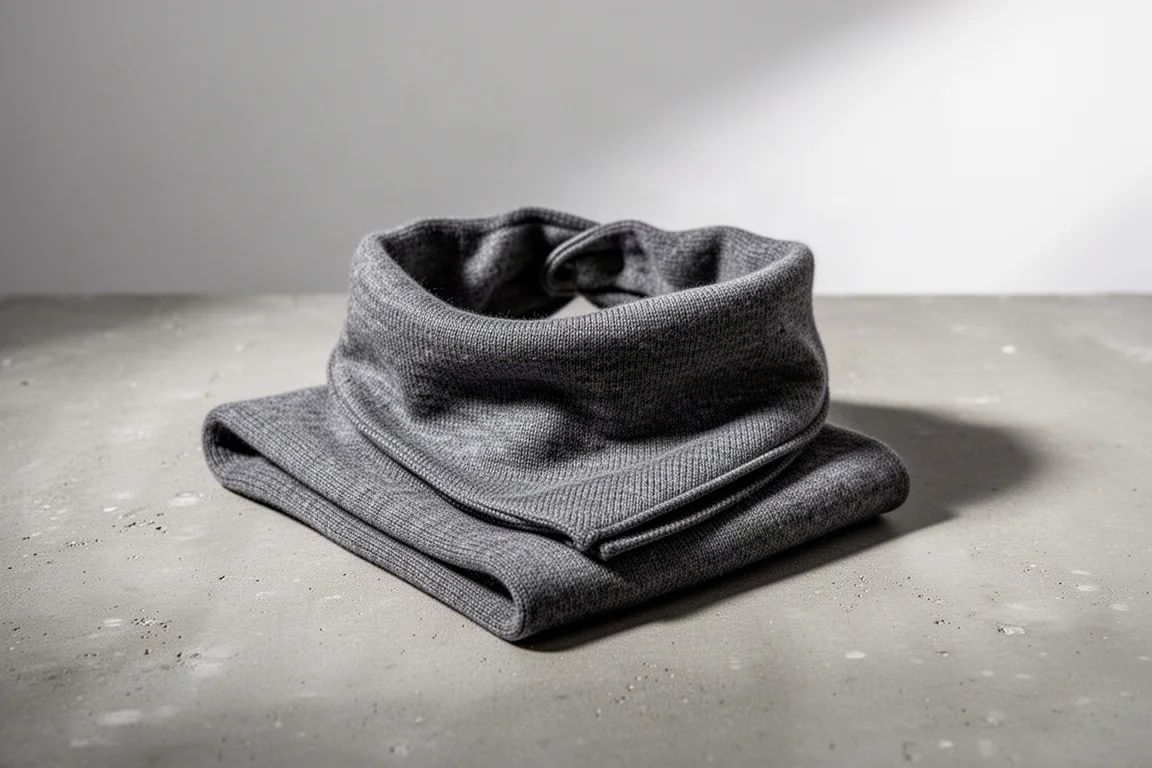
Outdoor Vitals Neck Gaiter: One Loop of Merino, Many Uses
The neck gaiter is cut on a diagonal, and that single detail does most of the work. Worn normally, the angled end adds coverage down the back of the neck. Pulled up over the cheeks with the long side running up the back of the head, it locks into place under a hat instead of sliding down over your face.
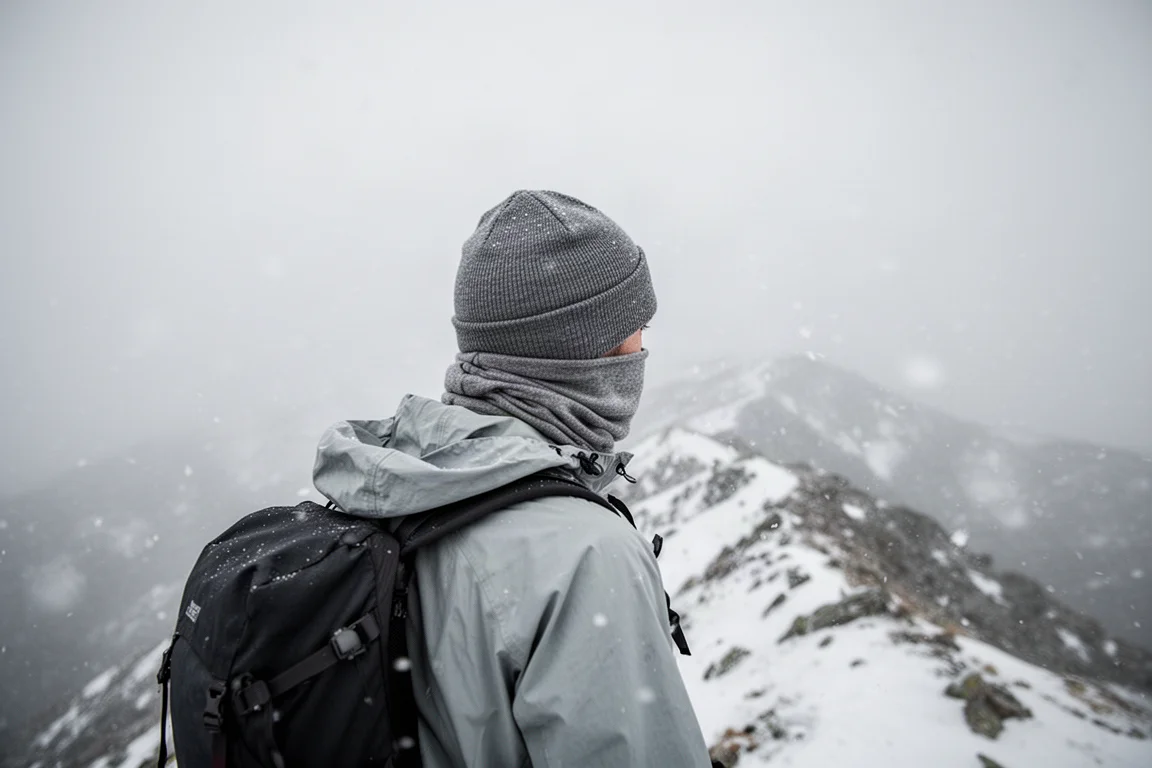
In practice, it addresses several problems at once: sun exposure, wind burn, cold, and insects. Because the fabric is thin, it works across seasons rather than in one, and it packs down small enough to disappear into a hipbelt pocket.
This version is made with a new merino wool yarn, which brings the properties wool is known for: softness next to the skin, loft, and odour resistance from its antibacterial character.
Outdoor Vitals Bandana: The Lighter, Stretchier Layer
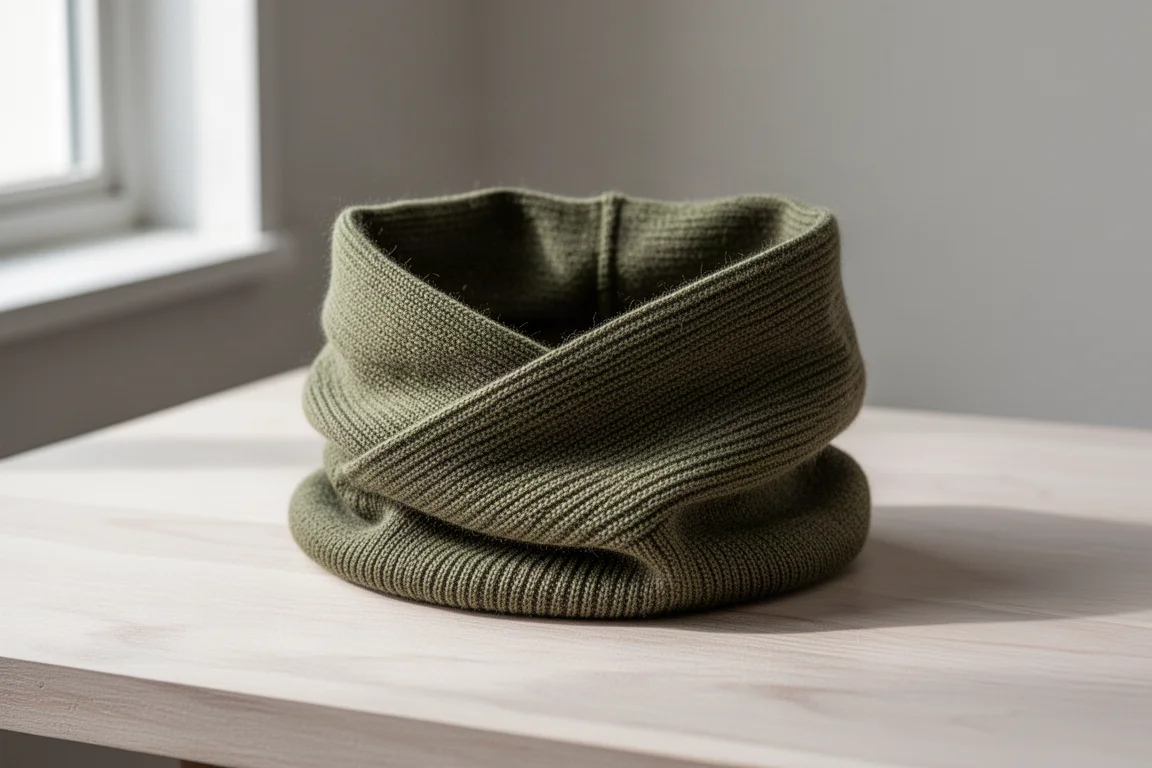
The bandana, sometimes described as a mini gaiter, is the smaller of the two neck pieces. It is longer at the front and has more stretch across the top edge, which keeps it sitting where you put it.
The front half uses two layers of wool. As a face covering that means double-layer protection over the nose and mouth, and as a sweatband it gives the fabric more capacity to absorb moisture and disperse it. Worn lower, it covers the neck from the sun like a conventional bandana.
Between the two, the choice comes down to coverage. The full gaiter offers more fabric and a diagonal cut for the back of the head. The bandana is the lighter, stretchier option for warm-weather use and sweat management. Early samples may differ from the final production versions, so check the current listing for available colours.
Buying Advice: Matching Each Piece to the Trip
The right starting point is the trips you actually take rather than the ones you plan to take. If you sleep in a hammock as often as on the ground, a tarp is the most flexible shelter in this group. If you carry a tent on every trip, a tarp works as a useful second layer for weather rather than a replacement.
The small items are the easiest to justify. A 2.5-ounce multi-tool adds almost nothing to pack weight and covers repairs, tick removal, and everyday tasks. A merino gaiter or bandana weighs very little and handles sun, wind, cold, and insects without requiring a decision about which one to bring.
The sleeping bag sits in the middle. It makes the most sense for anyone whose sleep system changes between trips, and the least sense for a camper who always sleeps the same way. Match each piece to a real scenario, and the pack gets lighter and simpler at the same time.
Conclusion
Versatility is not a marketing word when it changes what you leave at home. A tarp that works over a hammock or on the ground, a pocket tool that replaces a small drawer of odds and ends, a sleeping bag with five configurations, and two merino neck layers that cover sun, wind, and insects all reduce the number of items competing for space in a pack.
Start with the piece that matches the trips you take most often, then add the next one when a specific gap shows up. That approach keeps weight down and keeps every item earning its place.
Further reading
Related Reviews

Backpacking Gear
Building a 10 lb Base Weight: An Ultralight Backpacking Gear List
A practical walkthrough of the ultralight pieces behind a 10 lb base weight, from a 765 g pack and a roomy one-person tent to a full camp chair and a dependable water filter.
Backpacking Gear
A 15-Pound Lightweight Backpacking Gear List for Solo Trips
A beginner-friendly 15-pound backpacking setup built from easy-to-find gear, with notes on what each piece does, how it packs, and where to spend your attention.
Backpacking Gear
8 Ultralight Backpacking Gear Upgrades Worth Carrying
Eight small, affordable backpacking upgrades that solve real trail annoyances, from a pillow that stays put to a fuel valve that rescues leftover canister gas.