Backpacking Gear
Most Useful Backpacking Gear: Five Field-Tested Picks Worth Packing
Five backpacking accessories that earned a permanent place in the pack, with the strengths and trade-offs worth knowing before you buy.
Introduction
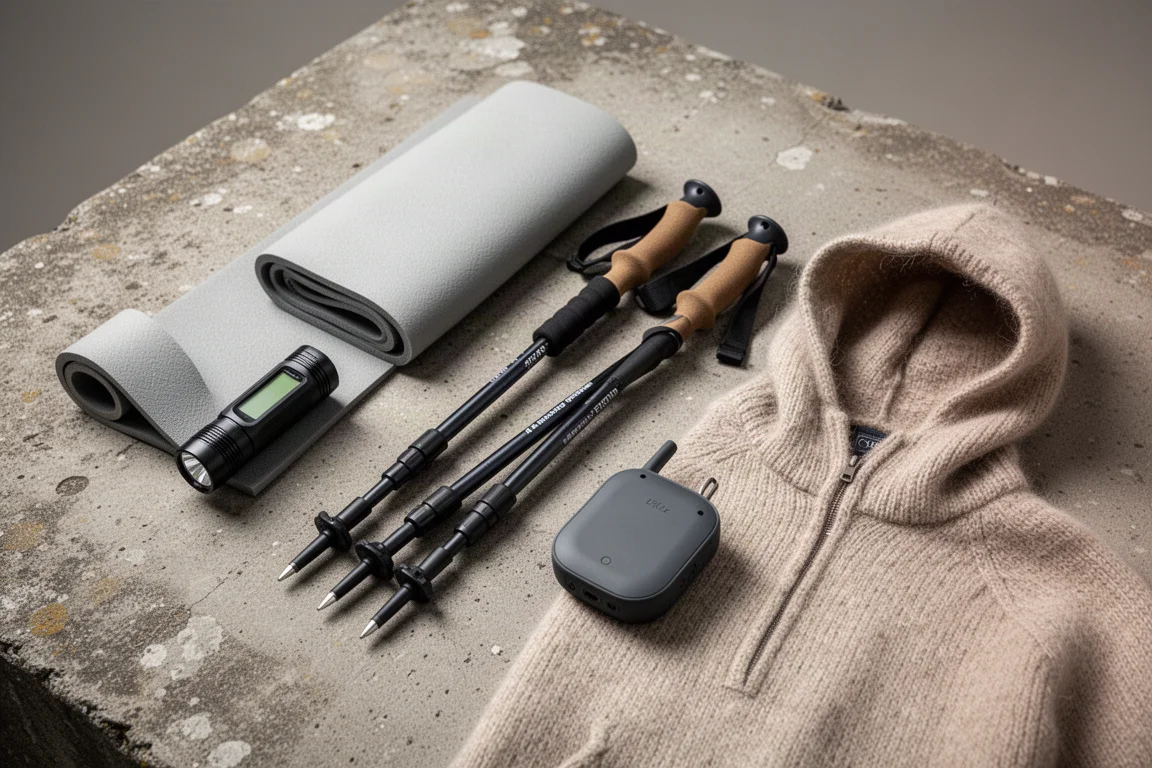
The most useful gear is rarely the most expensive or the most talked about. It is the small set of items you reach for on every trip, in every season, without thinking about it. This roundup covers five pieces of backpacking gear that earned a permanent place in the pack through a year of regular use, from quick overnights to longer stretches on trail.
Backpacks, shelters and sleep systems are deliberately left out of this list. Those choices are deeply personal and depend on the rest of your kit, so the focus here is on accessories and layers that work alongside almost any setup.
How These Picks Were Chosen
Every item here had to pass a simple test: does it solve a real problem, and does it keep solving that problem after months of use? Durability mattered as much as function. Gear that has been through rain, mud, and repeated packing and unpacking without failing earns more trust than gear that only performs well on a clean first trip.
Weight was the second filter. None of these items is heavy enough to justify leaving it at home, and a couple of them replace several things at once. Value came third, since each pick needs to be useful often enough that the cost per trip feels reasonable.
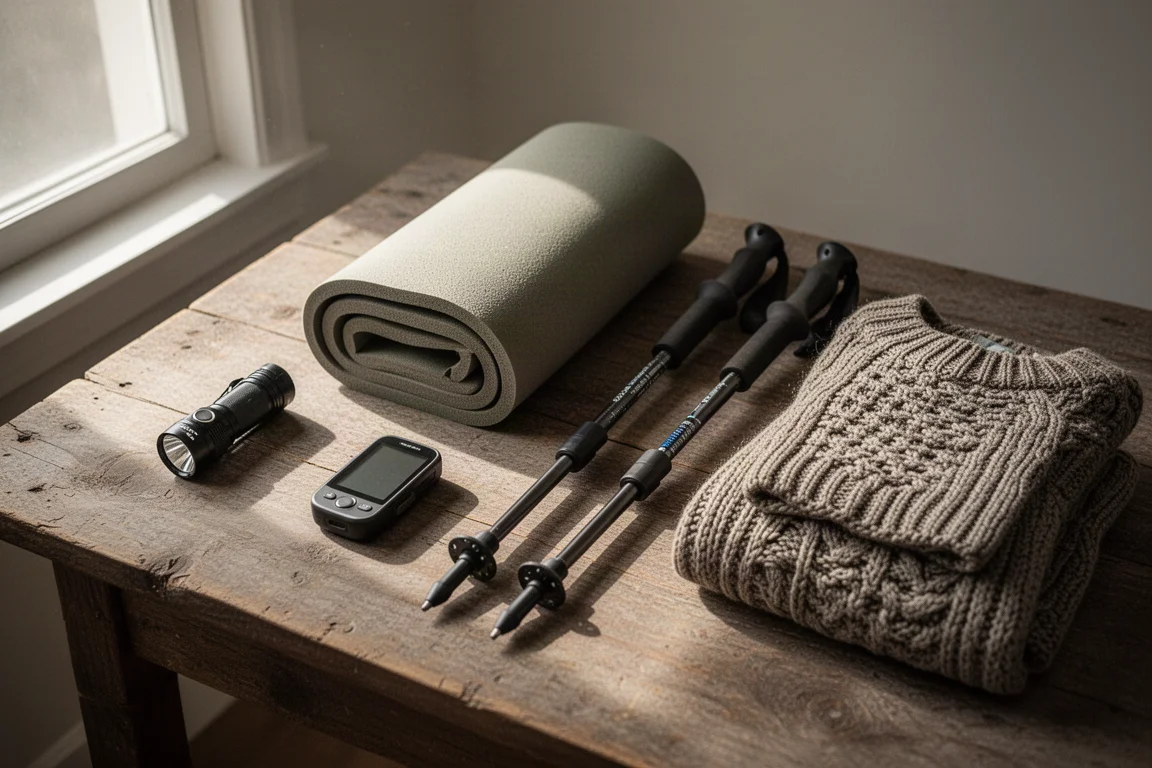
Versatility turned out to be the thread connecting all five. The best items in this list do more than one job, which is exactly why they stay in the pack even on trips where a lighter alternative exists.
Nitecore TUP: A Flashlight That Reports Its Own Runtime
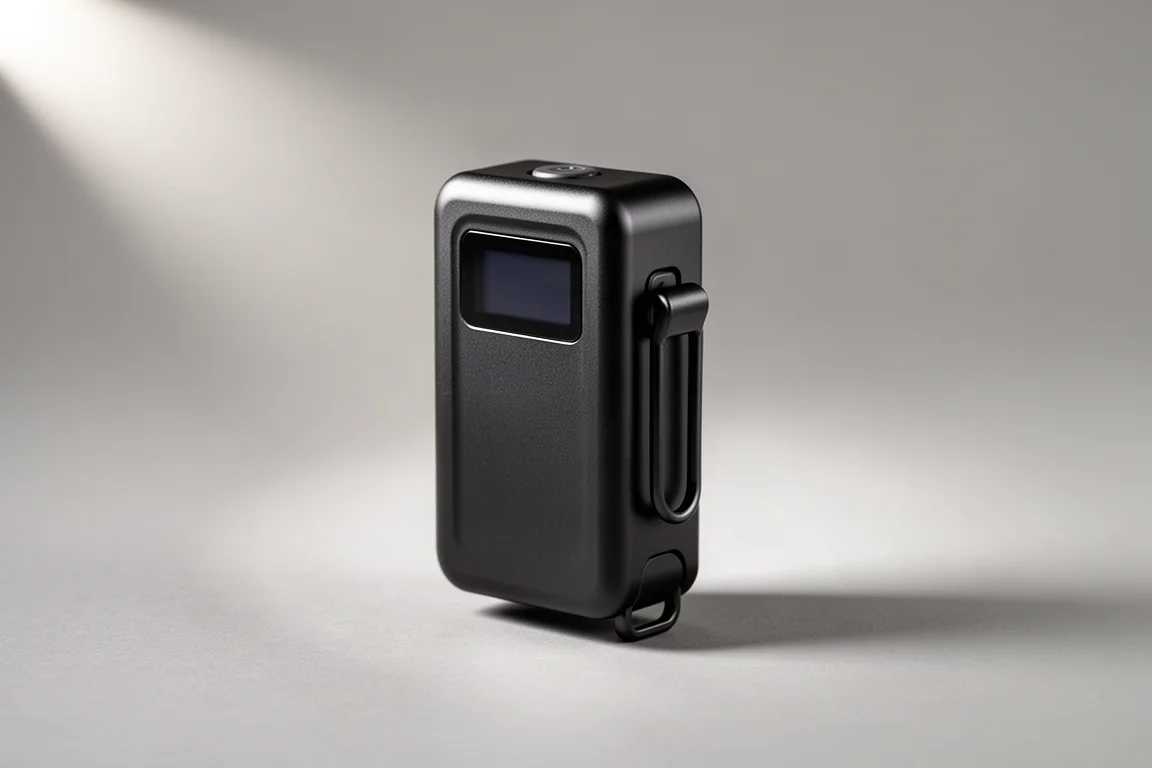
The Nitecore TUP is the piece of gear that has been in rotation the longest, and it gets used every single day, not just on trail. Its standout feature is a runtime readout that shows, to the hour and minute, how much time is left at the output level you have selected. At the lowest setting of 1 lumen, that display can read around 65 hours of remaining power.
Output ranges from that 1 lumen low up to 1,000 lumens, which is bright enough to light up a campsite or a trail when you need it. The low setting is the one that matters most in practice. Left running inside a tent, it works as a beacon that marks your camp from a distance during a night hike, and it doubles as a night light when children are along.
A small clip lets the light attach to a hat for hands-free use, so it can stand in for a headlamp. It is water resistant and has been used in rain, mud, and just about every condition imaginable.
Gossamer Gear 1/8 Inch Sleeping Pad: One Foam Pad, Several Jobs
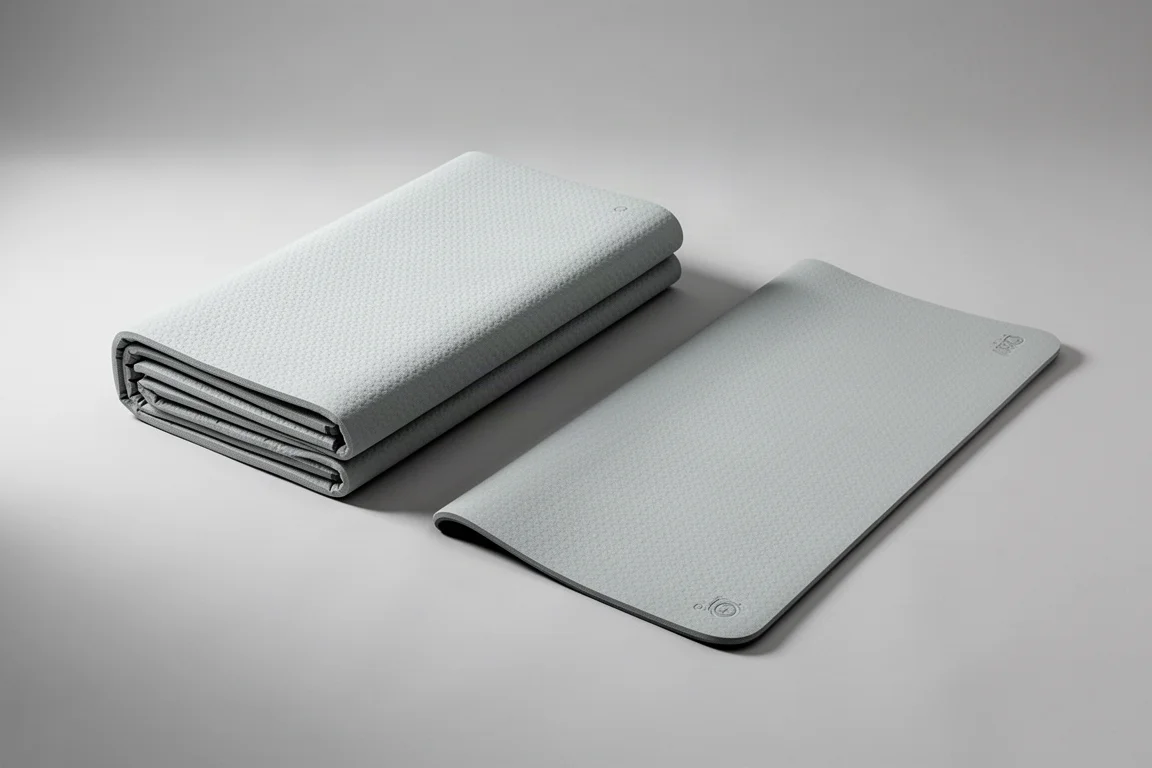
The Gossamer Gear 1/8 inch sleeping pad is rarely used as a sleeping pad. Folded up, it becomes a cushioned seat for breaks, which saves pulling out a chair when you only need a few minutes off your feet.
Laid underneath an inflatable pad inside the tent, it stops the pad from sliding around and adds warmth, effectively raising the R value of whatever you are sleeping on. That makes it a low-cost way to extend the comfort of a lighter, less insulated pad.
Inside a backpack, it goes down the back panel to square out the load and create a barrier between your spine and anything with sharp corners. It can also be used to fan a fire into life. Few items in a pack do that many jobs.
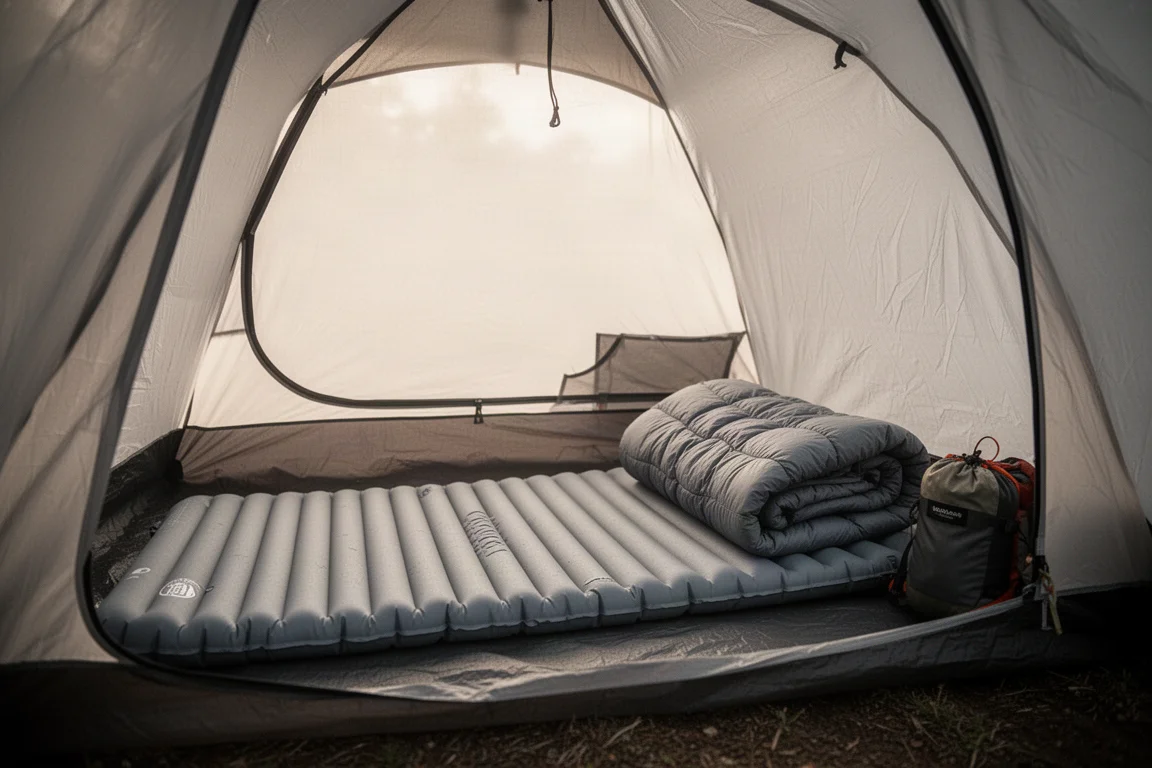
For the weight it adds, this pad is one of the most flexible items you can carry, and it is the kind of gear that quietly makes a trip more comfortable rather than more complicated.
Gossamer Gear LT5 Trekking Poles: Light and Simple
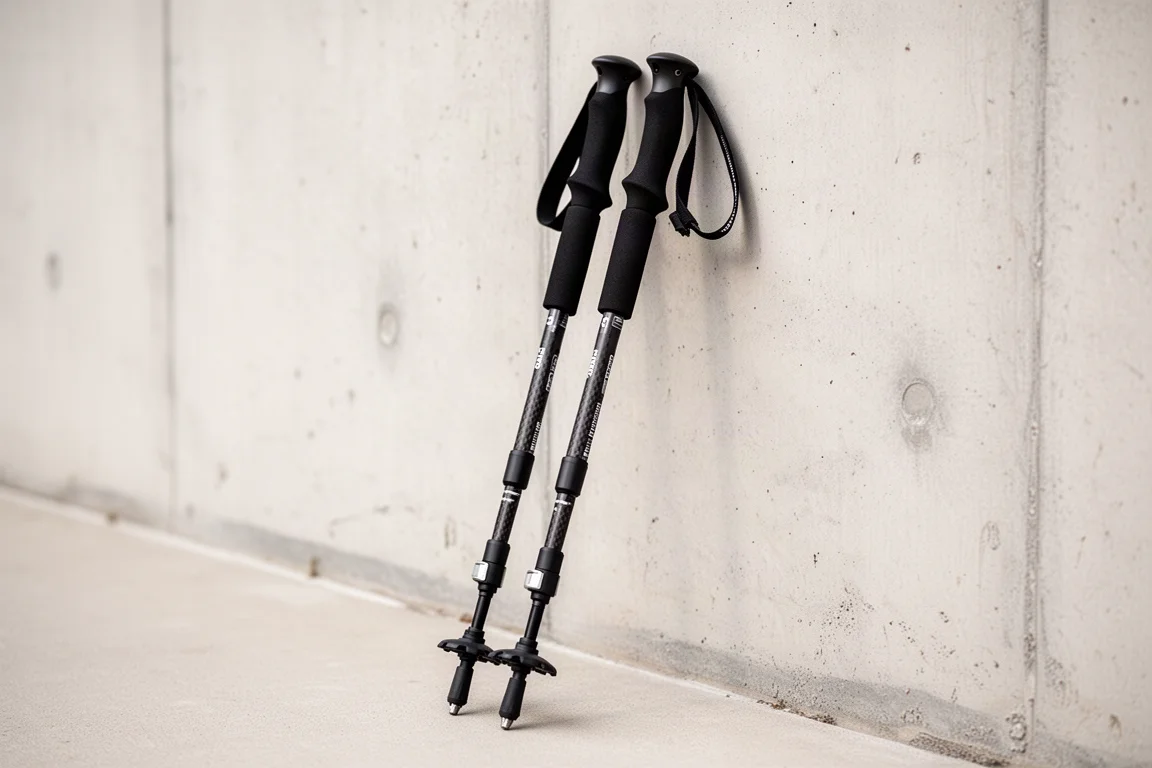
At five ounces each, the Gossamer Gear LT5 poles are light enough that they rarely feel like extra weight. They are essential for trekking pole shelters, and they make a real difference on the hike itself. Anyone who has not hiked with poles should try it, because it changes how a long day feels.
The grips look like cork but are actually EVA foam. They are comfortable and stay that way over long distances. Adjustment uses twist locks, which have not slipped when tightened properly.
Twist locks also pack better than flip locks. Without protruding levers, the poles slide into a pack without catching on straps, water bottle pockets, or anything else in the way.
Garmin inReach Mini: Staying in Touch Where There Is No Signal
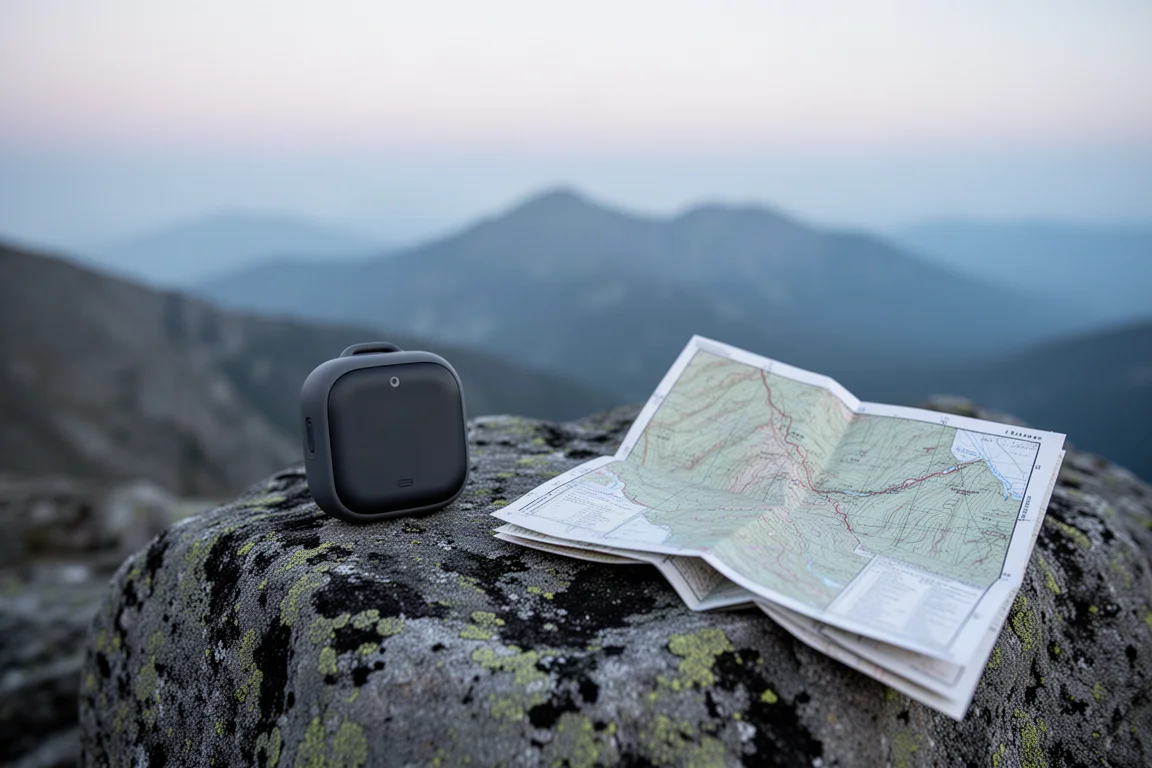
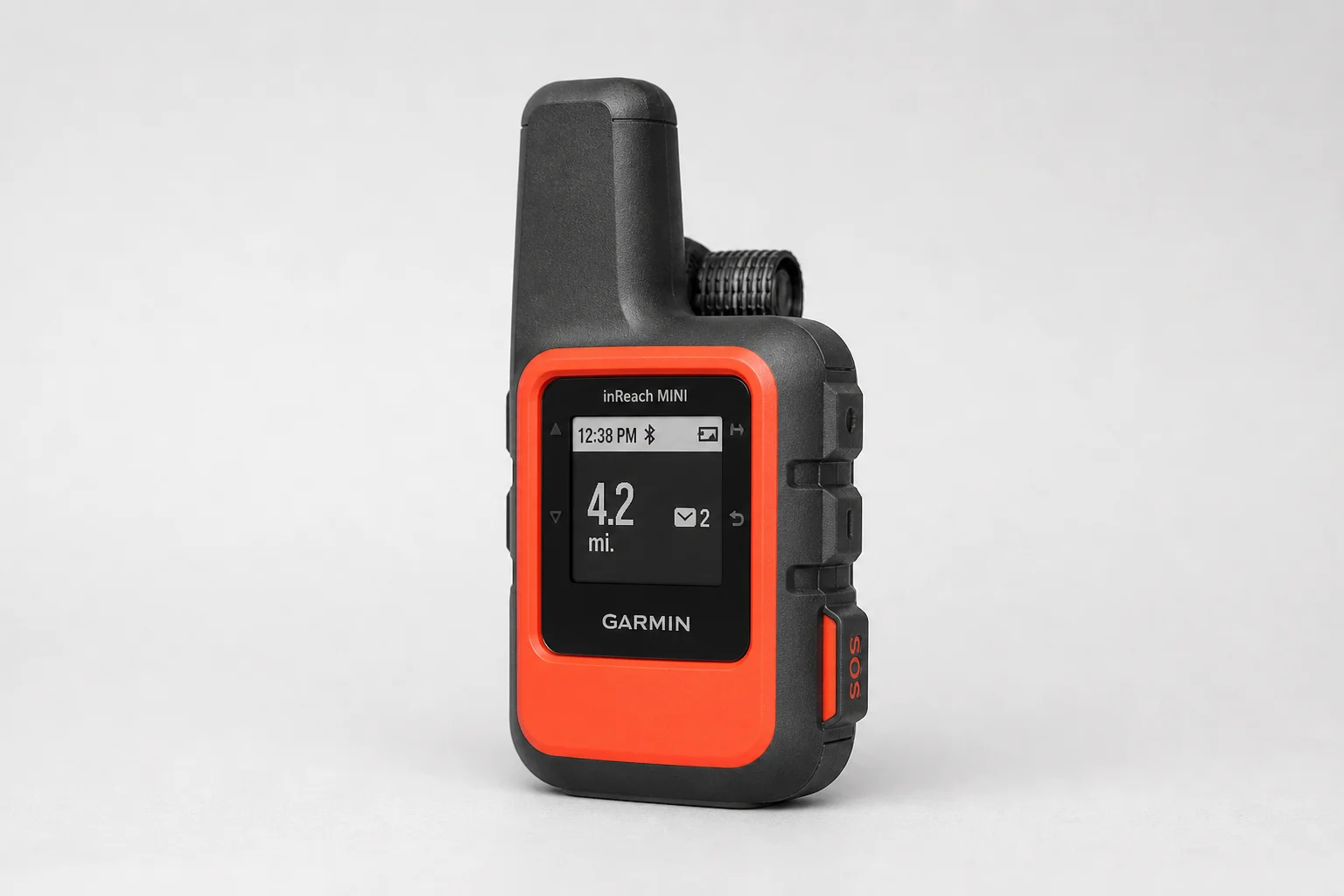
The Garmin inReach Mini is a satellite communicator, and for many hikers it is the single most useful item in the pack. It sends and receives messages through satellites, so it works in places with no cell coverage at all, including far out on open water. Messages can take up to 10 or 15 minutes to go through, which is a fair trade for staying in contact.
An SOS button sits behind a small protective cover. Pressing it contacts emergency services, and you can communicate with responders so they know what has happened and where you are.
Bluetooth pairing with a phone makes messaging feel familiar, since you type on the phone and the device handles the transmission. It also connects to a compatible Garmin watch, so incoming messages can be read on the wrist. The device does far more than most people will ever use, but for keeping family informed and adding peace of mind on solo trips, it handles the important part well.
For anyone who spends long days in remote terrain, this is the item that changes what your family worries about while you are away.
Appalachian Gear Company Parka: Alpaca Warmth With a Hood
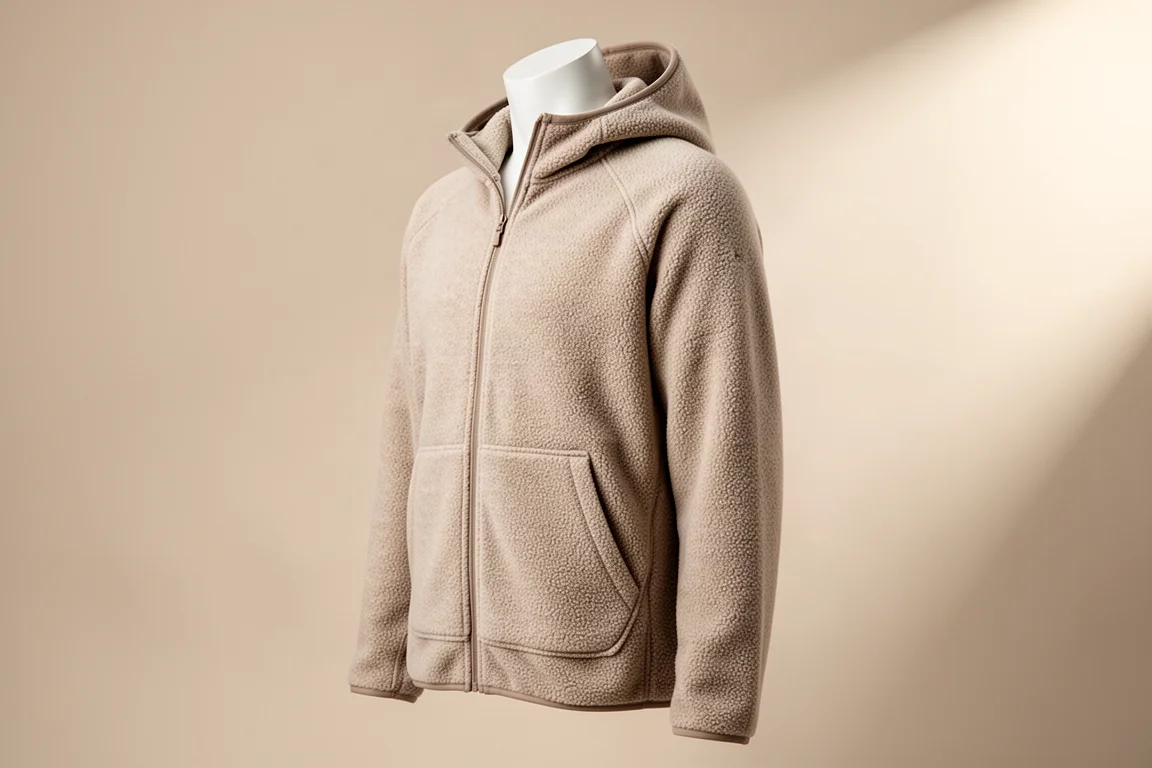
The Appalachian Gear Company parka was the biggest surprise on this list. It is made from 100 percent alpaca, which sounds unusual for a layer, but the fabric is comfortable and not at all itchy. It behaves much like wool: it dries quickly, keeps you warm when conditions are cool, and stays comfortable when temperatures rise.
The hood is the detail that makes it genuinely useful. Worn with a brimmed hat that offers no coverage at the back of the neck, the hood adds protection on sunny stretches and traps warmth when the wind picks up. It is a cozy layer that is easy to keep in the pack.
Buying Advice
Start with the items that solve problems you actually meet. A light with a runtime display removes the guesswork from evening camp tasks and night hikes. A thin foam pad costs little and quietly improves sleep, seating, and pack comfort at the same time.
If you use a trekking pole shelter, poles are not optional, and a light pair makes the whole system easier to carry. A satellite communicator matters most for solo trips and remote routes, where the ability to send a single message can change the outcome of a day.
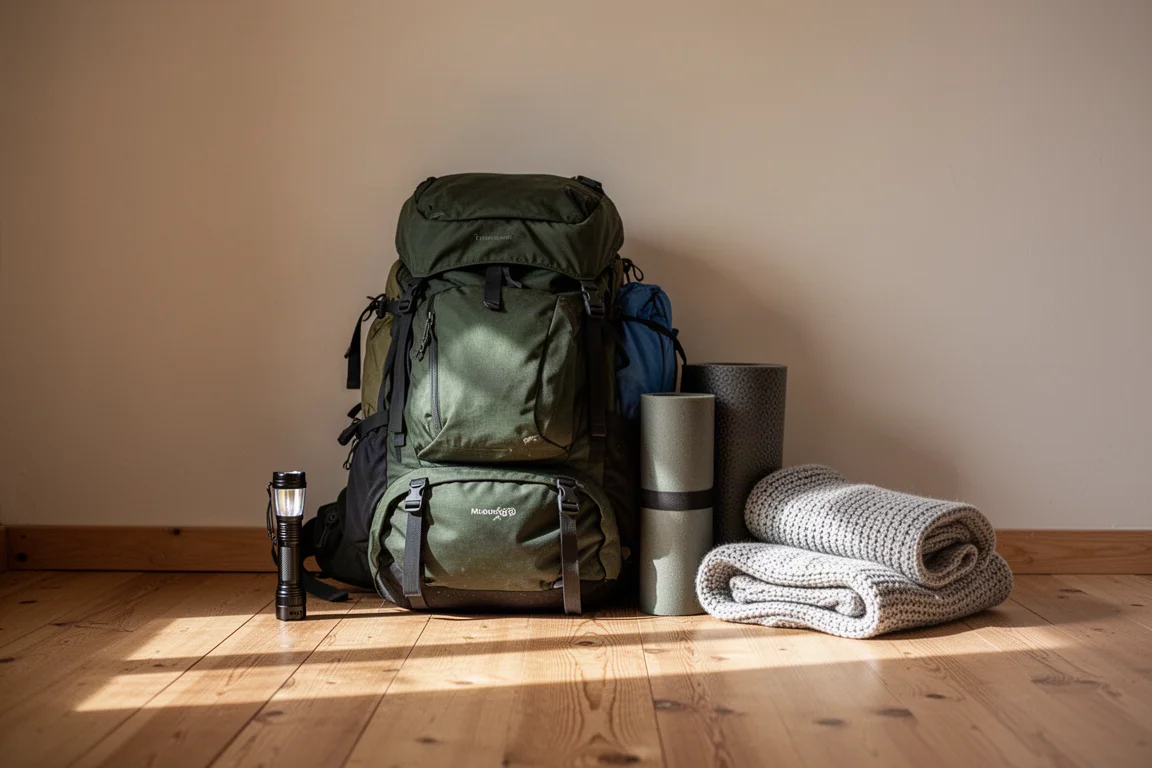
A hooded alpaca layer is the pick for hikers who want a warm mid layer that handles damp conditions and temperature swings without feeling heavy or scratchy.
Buy gear that matches the trips you take rather than the trips you imagine taking. Each item here earns its place by being used often, which is the only test that really matters.
Conclusion
Five items, one theme: usefulness. A flashlight that reports its runtime, a foam pad that doubles as a seat, insulation, and pack structure, trekking poles that stay light and pack cleanly, a satellite communicator that keeps family in the loop, and an alpaca layer that handles both warm and cool conditions. None of them is complicated, and all of them are the kind of gear you stop noticing because they simply work.
Further reading
Related Reviews

Backpacking Gear
Building a 10 lb Base Weight: An Ultralight Backpacking Gear List
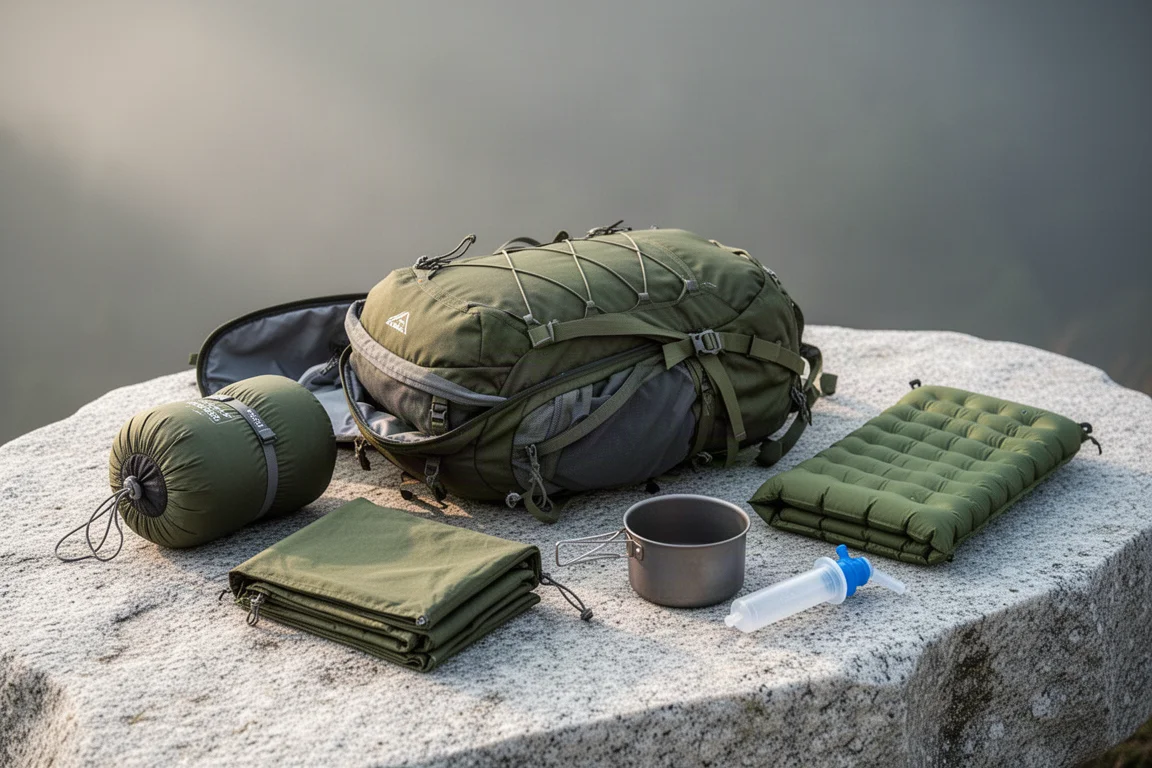
A practical walkthrough of the ultralight pieces behind a 10 lb base weight, from a 765 g pack and a roomy one-person tent to a full camp chair and a dependable water filter.
Backpacking Gear
A 15-Pound Lightweight Backpacking Gear List for Solo Trips
A beginner-friendly 15-pound backpacking setup built from easy-to-find gear, with notes on what each piece does, how it packs, and where to spend your attention.
Backpacking Gear
8 Ultralight Backpacking Gear Upgrades Worth Carrying
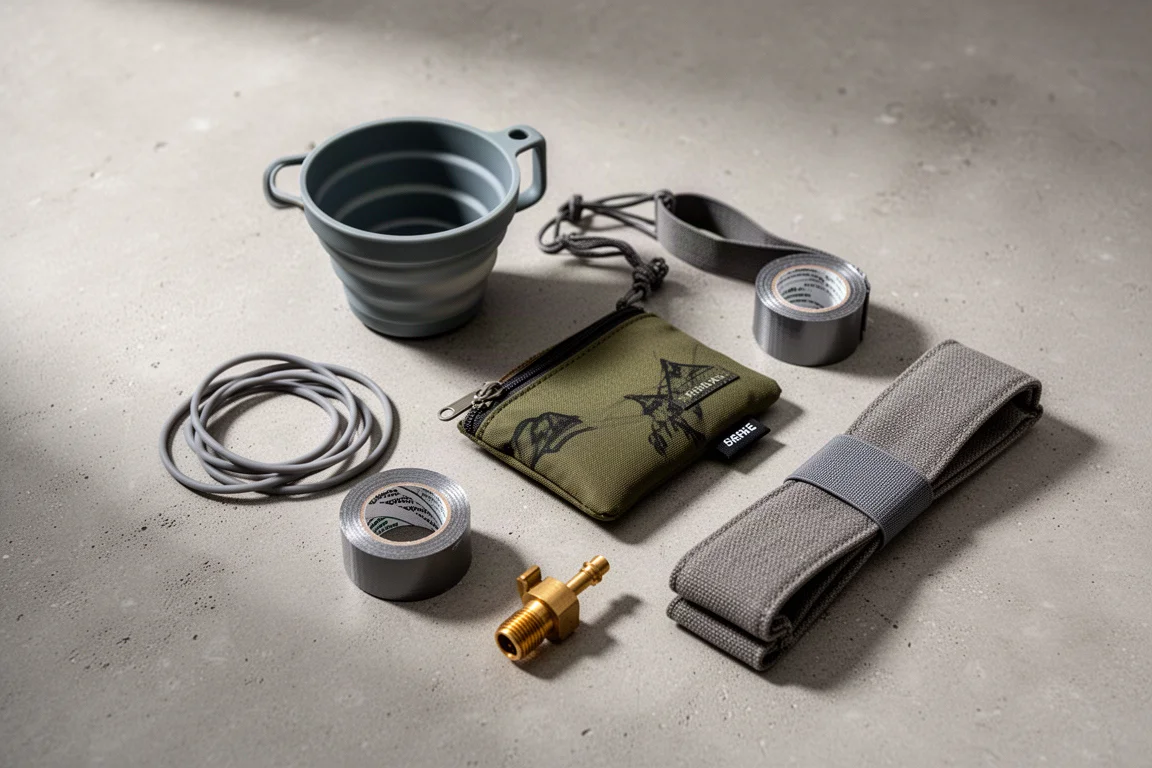
Eight small, affordable backpacking upgrades that solve real trail annoyances, from a pillow that stays put to a fuel valve that rescues leftover canister gas.