Ski Resorts
The 24 Most Underrated Ski Resorts in North America (Not on Epic or Ikon)
Two dozen independent ski resorts that still offer great terrain, limited crowds, and reasonable lift tickets without a mega pass.
Introduction
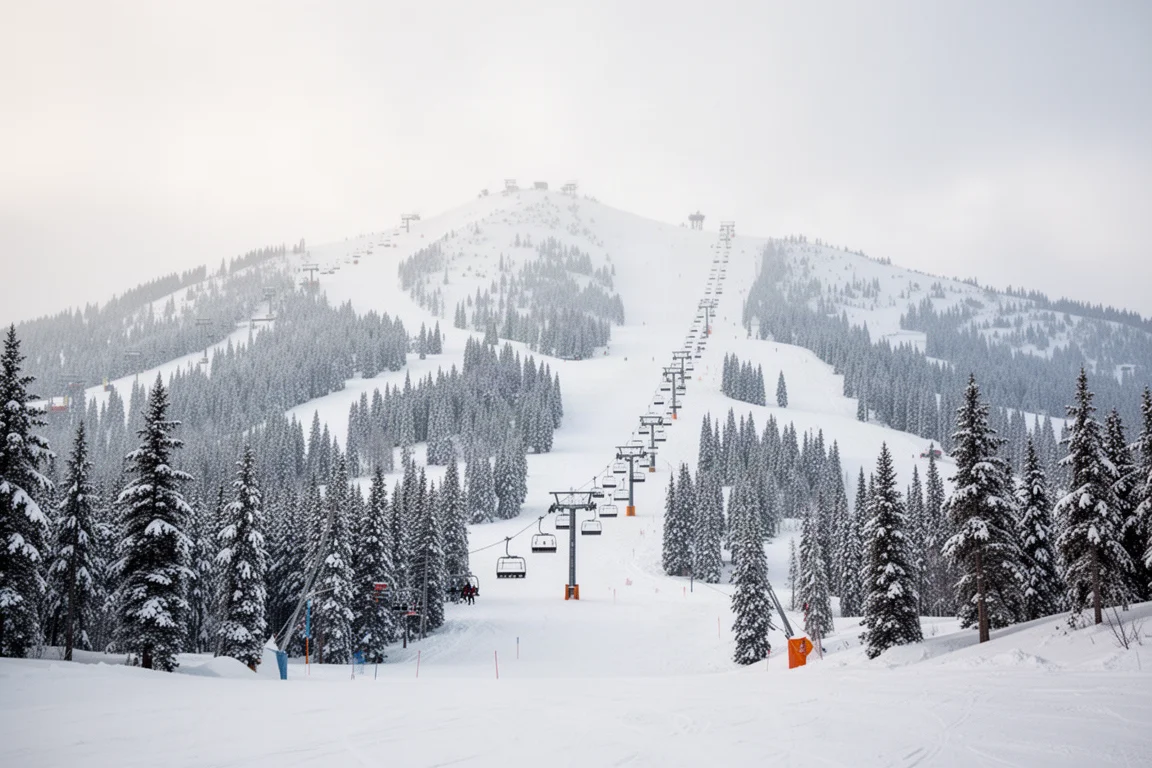
Planning a destination ski trip can feel like a losing game: huge lift lines on weekends and holidays, two mega passes to commit to months ahead, and steep window prices for anyone who waits. But there are still more than two dozen resorts in North America that have stayed off both the Epic and Ikon passes, offering serious terrain and limited crowds for a reasonable price.
Here are our picks for the most underrated ski resorts on the continent, what makes each one special, and why it likely has not been absorbed into the mainstream pass scene.
49 Degrees North, Washington
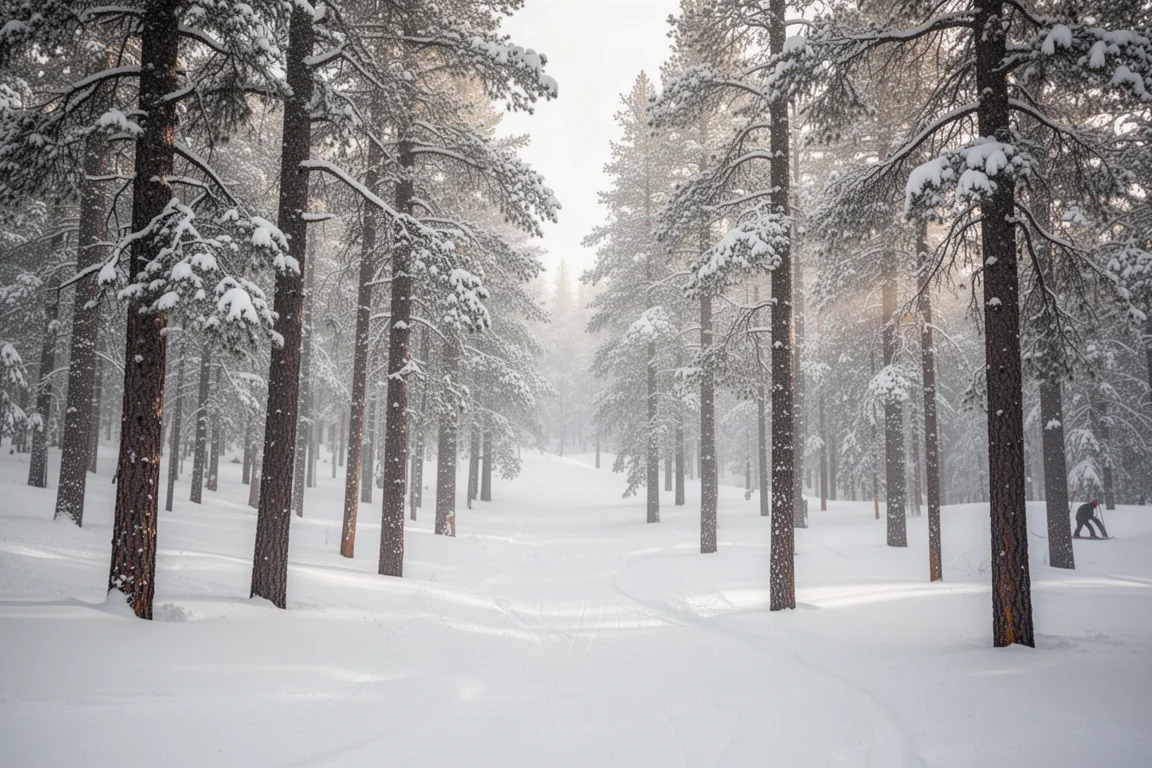
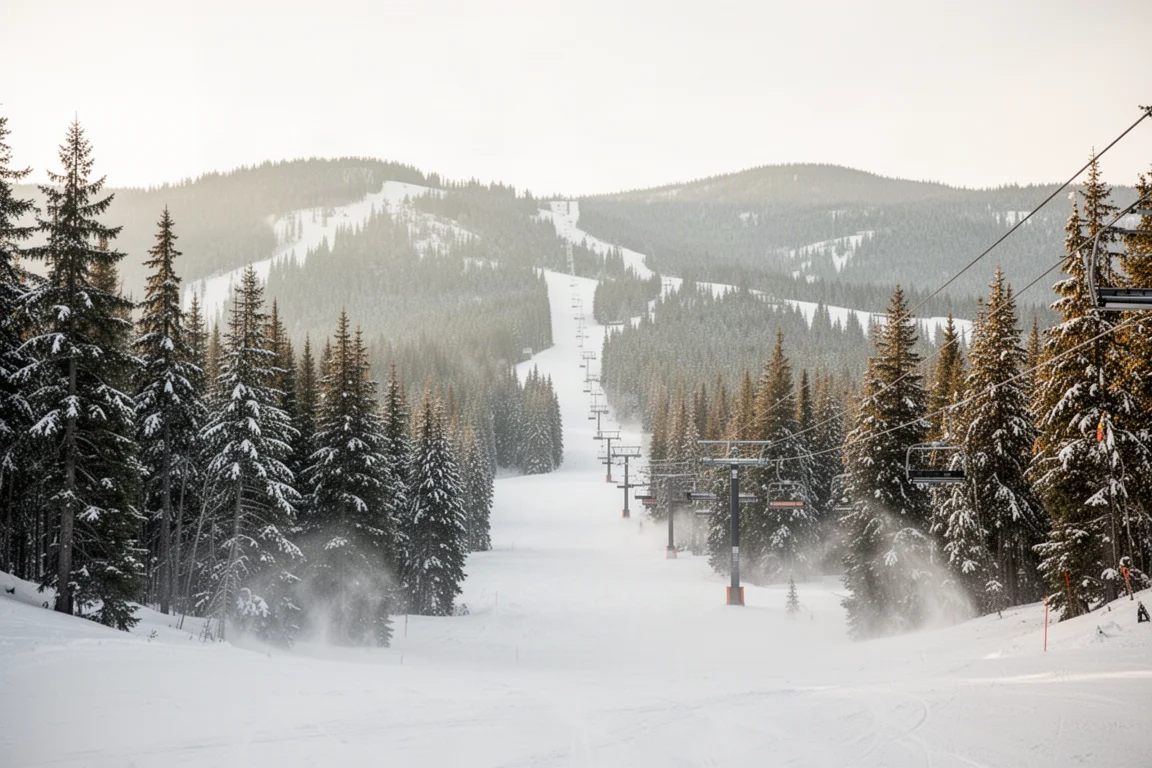
49 Degrees North stands out for snow quality, with light and dry accumulation more reminiscent of the Rockies than the Pacific Northwest. Below treeline the terrain diversity is excellent, with standout glades for advanced skiers and a solid mix of groomers, cruisers, and sustained mogul runs, plus a local feel and a convenient location close to Spokane.
The main knocks are a vertical drop just under 1,900 feet, slower lifts on many parts of the mountain despite a recent first high-speed quad, and green runs outside the bunny hill that run steep for their rating. Lift tickets are very reasonable, from $47 on off-peak weekdays up to $82 at peak, and the resort is a two-day member of the Indie Pass with holiday blackouts on the base tier.
Brian Head, Utah
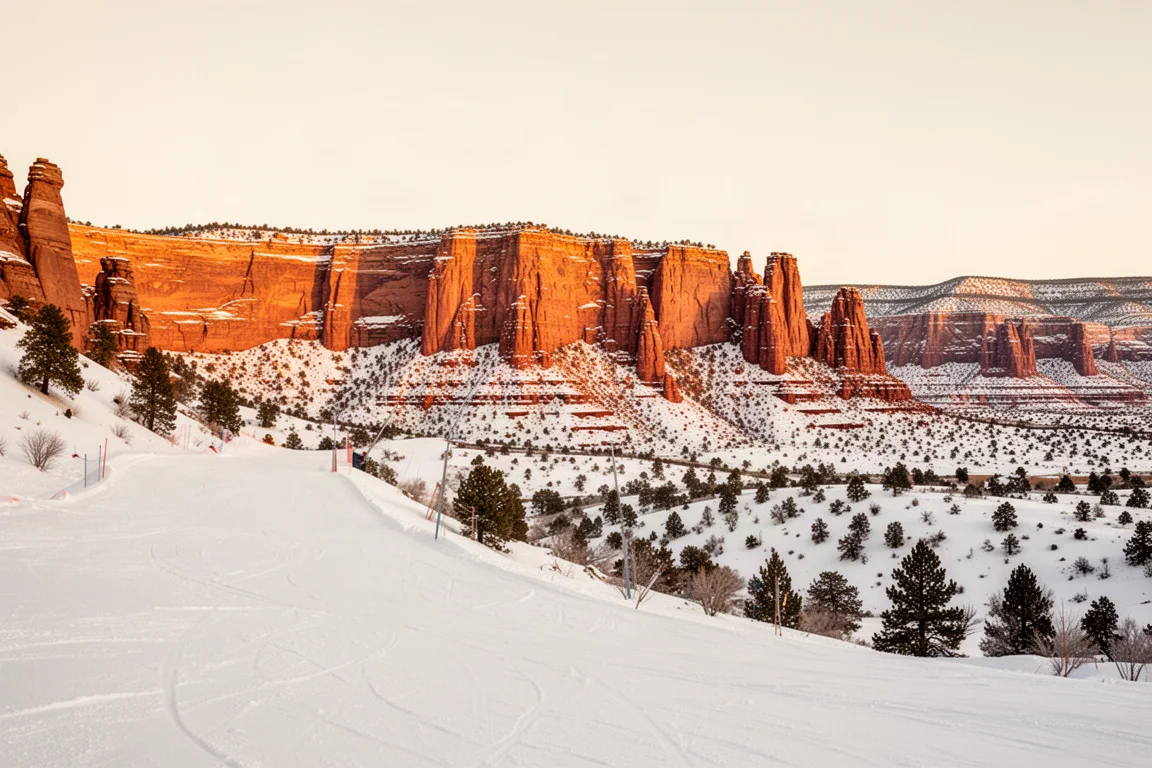
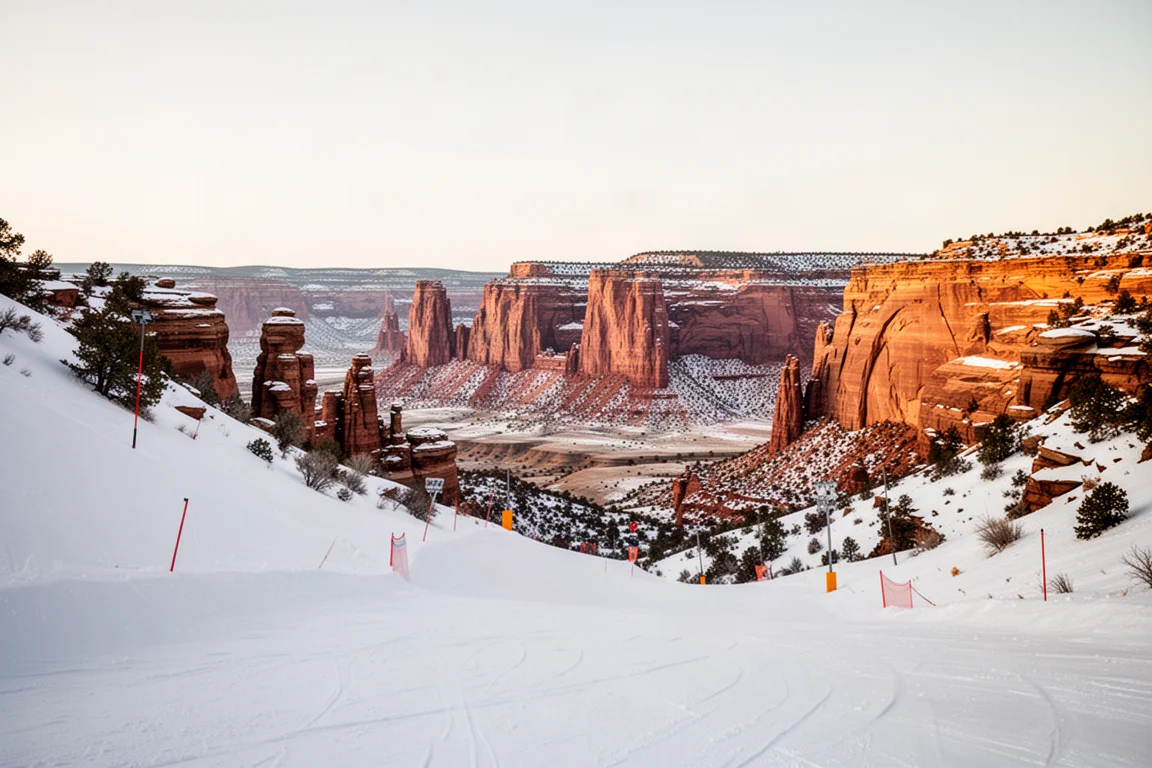
Brian Head sits on top of a massive plateau surrounded by red rock topography, giving it a landscape that feels closer to nearby Zion National Park than a typical ski resort. It offers a family-friendly footprint with great cruising terrain, some solid glades, easy access to backcountry, and high-quality desert snow when storms arrive.
Weekends and holidays can see 10 to 15 minute waits at the express lifts, and the vertical drop of under 1,500 feet is shorter than 49 Degrees North. The base elevation near 10,000 feet does not suit everyone, and the nearest major airport is over three hours away. The upside is value: advance-purchase core winter days can go for as low as $26, among the best lift ticket deals anywhere. Brian Head is also a member of the Power Pass.
White Pass, Washington
White Pass sits in the heart of the Cascade Range with solid terrain: great cruisers, a handful of bump runs, and unique glades. Snowfall matches other Washington Cascade resorts, with a snowpack that can stick around into April or even May.
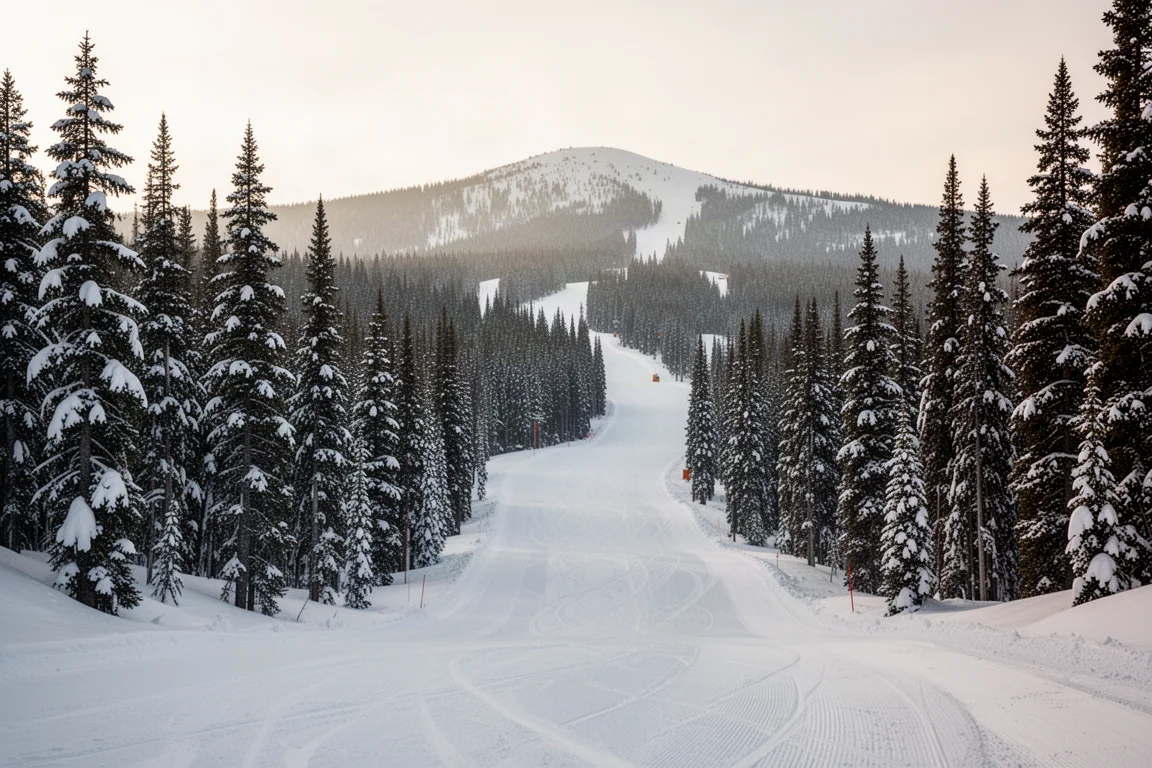
It offers two things that are hard to find in Western Washington: manageable weekend lines and actual on-site lodging. The trade-offs are a longer drive from Seattle than Crystal, Stevens Pass, or Summit at Snoqualmie, wetter snow, low visibility days, modest expert terrain, and lift infrastructure that lags behind. Tickets start at $69 and top out just over $100, and the resort is a two-day Indie Pass member plus a Powder Alliance member with three partner days.
Mount Hood Meadows, Oregon
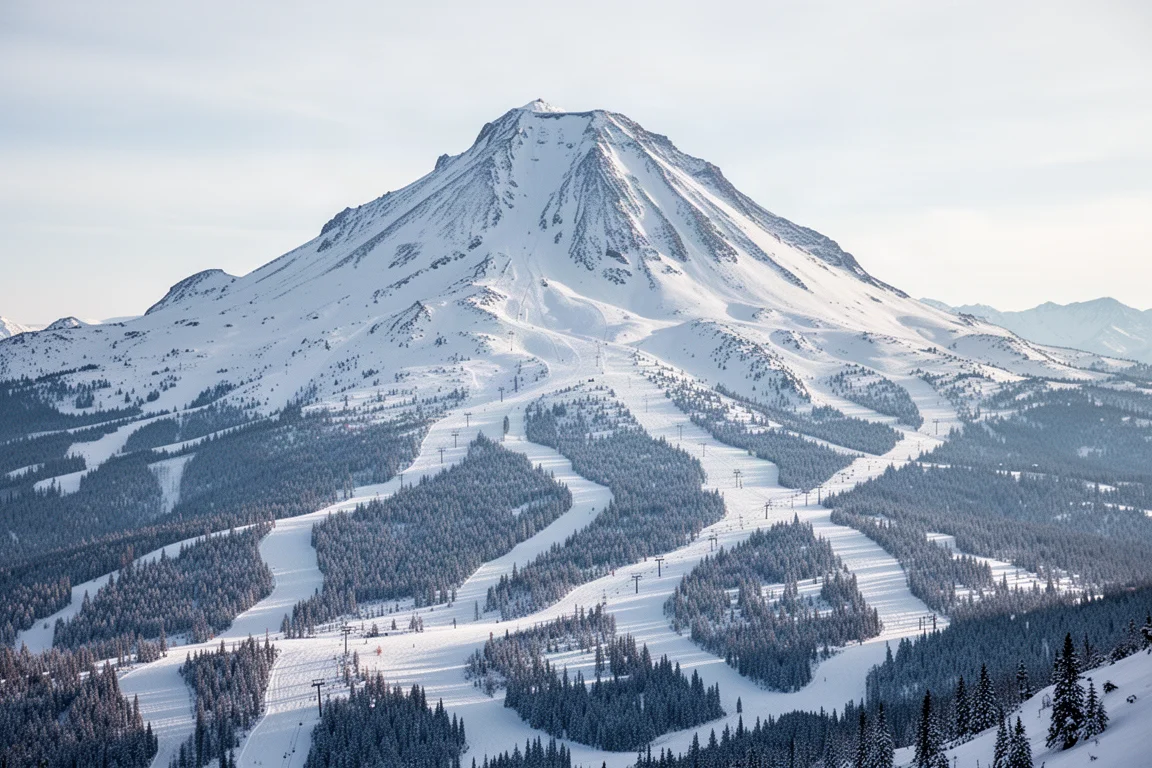
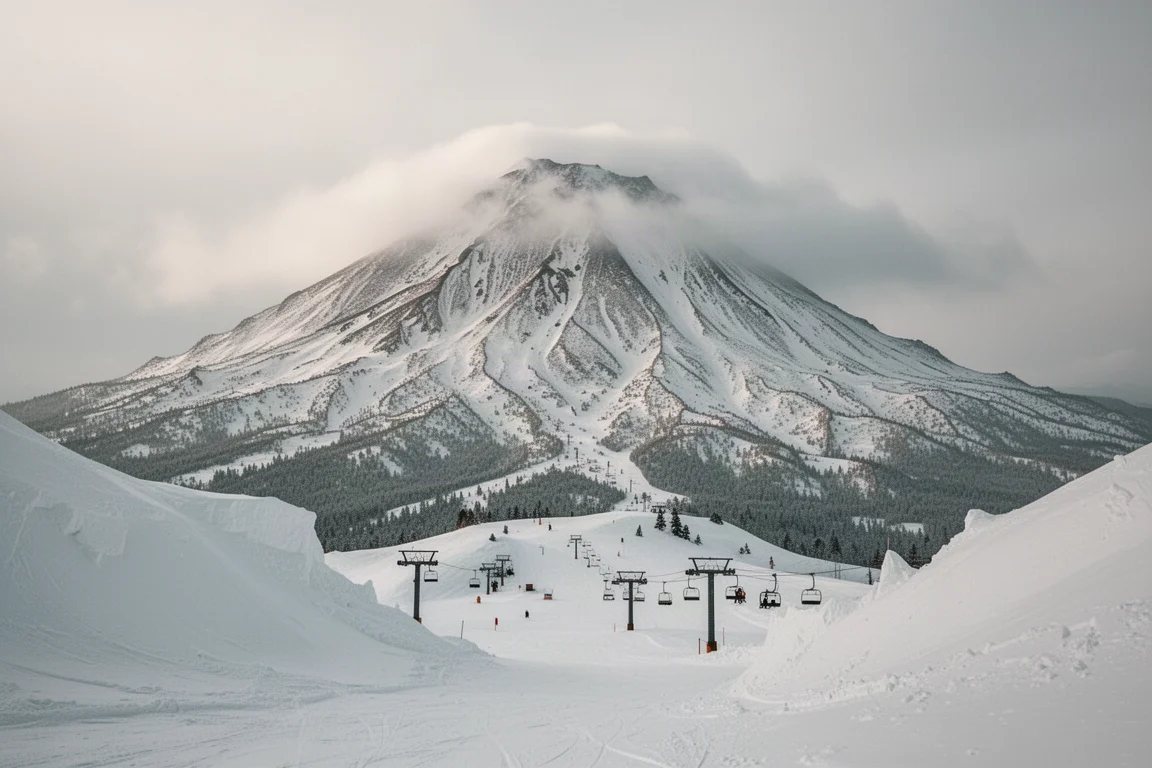
Mount Hood Meadows is the largest of several resorts on the face of Oregon’s Mount Hood volcano, and its terrain diversity competes with far better-known destinations: high alpine slopes, glades, and cut trails with options from beginner to extreme. On clear days the views of Mount Hood and the valley below are remarkable.
It is easily the most competitive resort within 90 minutes of Portland, so weekend lines and access road backups are real. Volatile volcano weather often closes upper mountain terrain outside spring, and the lack of on-site lodging makes multi-day trips risky to plan. Window prices on peak Saturdays can hit $174, but off-peak weekday tickets are a genuine steal. It is an Indie Pass member with severe weekend and holiday blackouts on the base tier.
Mission Ridge, Washington
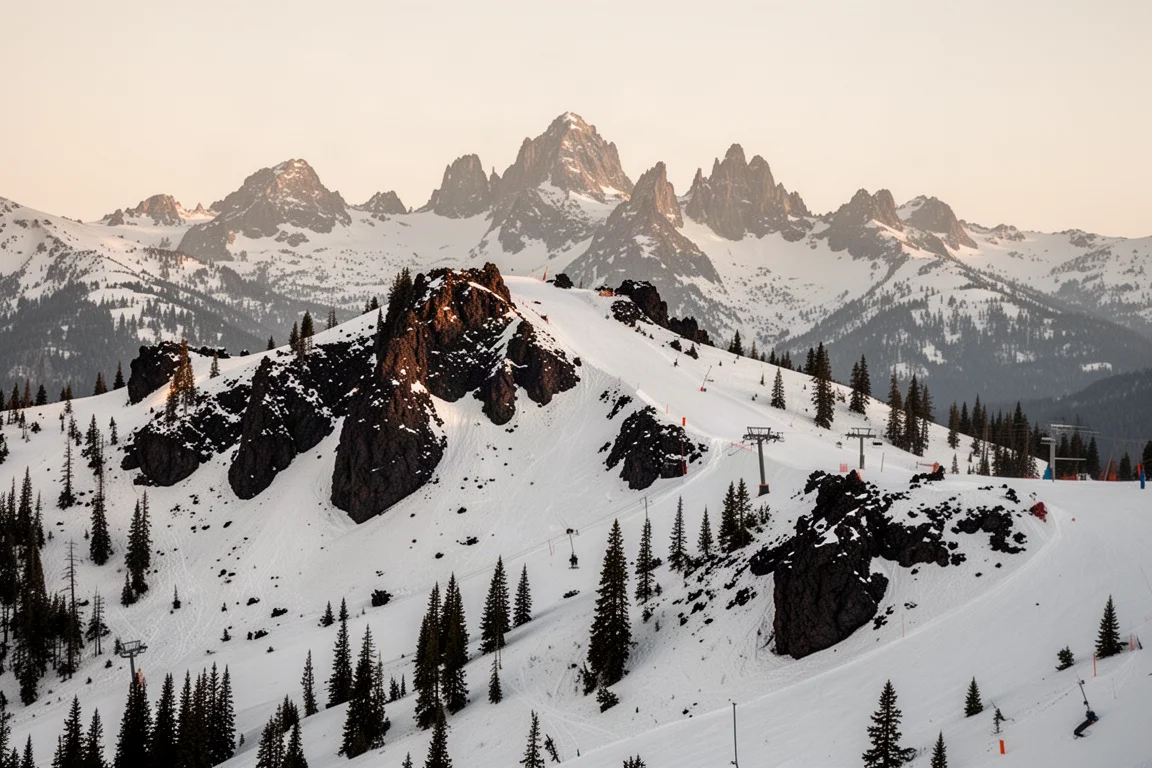
Mission Ridge sees surprisingly light snow for the Pacific Northwest, and a robust snowmaking system keeps plenty of terrain open when natural snow is short. Experts find strong chutes and steep tree runs, intermediates get plenty of enjoyable cruisers, and the whole mountain comes with views of iconic Cascade peaks and exposed volcanic rock features, plus the state’s only bubble lift.
Crowds are significantly lighter than the Seattle-area resorts, but distance from Seattle has kept the resort under the radar, total snowfall is lower than western competitors, and the measured 1,040 skiable acres are modest next to fly-to destinations. Peak tickets reach about $165, but advance rates drop as low as $75 in core winter. It is a two-day Indie Pass member and a three-day Powder Alliance member.
Mount Rose, Nevada
Mount Rose offers the highest base elevation of any Tahoe-adjacent ski area, high-speed lift service nearly everywhere, incredible views into downtown Reno from the backside, and awesome off-piste runs including rock-riddled glades. When conditions allow, the chutes zone delivers extremely steep fall lines that challenge even veteran experts.
Size and vertical are the limitations: 815 skiable acres, a reported 1,800-foot vertical, and only about 1,300 vertical feet directly lappable outside the chutes. There is no lodging truly nearby, the groomed terrain feels ordinary, and the high elevation brings wind-scoured slopes. Tickets run $139 to $200, but afternoon rates are substantially discounted and full-day tickets for two go for the price of one on Tuesdays.
Sugar Bowl Resort, California
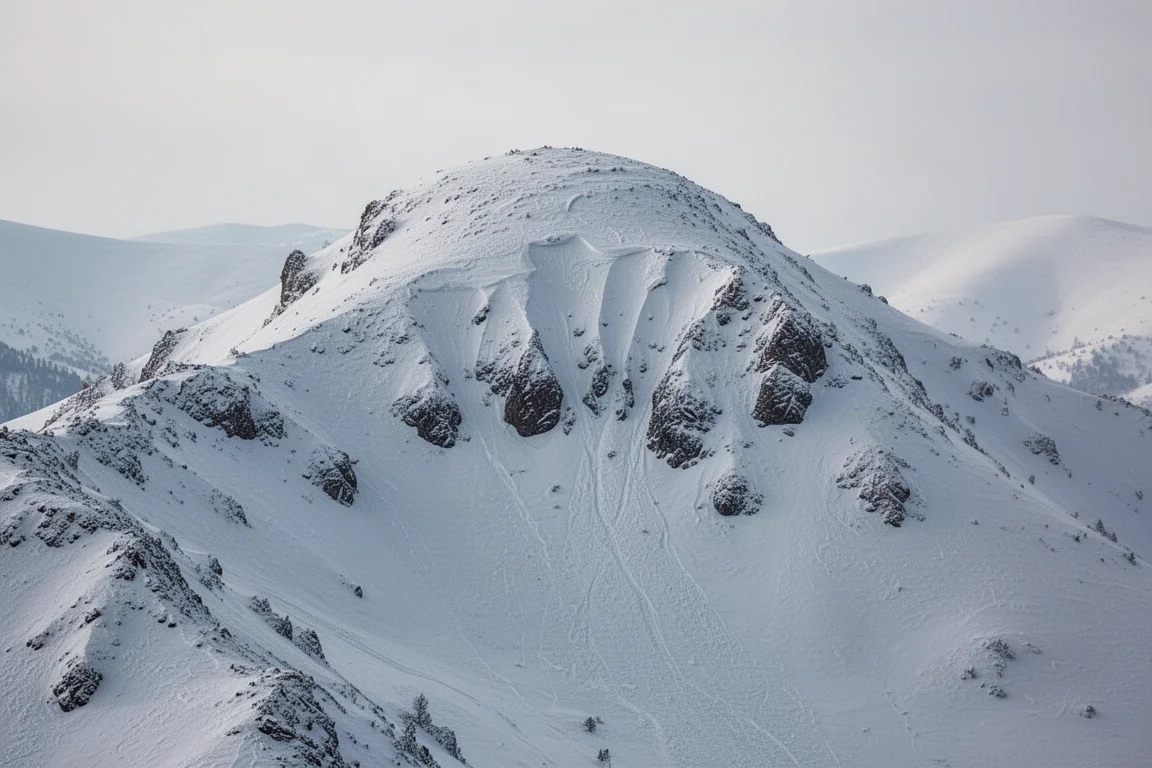
Sugar Bowl consistently picks up a bit more snow than the rest of the North Lake Tahoe mountains when storms roll through, thanks to nearby Donner Lake. Terrain diversity is impressive, from beginner-friendly runs to rock-formed expert chutes, couloirs, and cliffs, and high-speed quads serve the vast majority of the resort.
The vertical drop of 1,500 feet falls short of most big destinations, and the longest lapable pod is only around 1,260 feet, making the mountain feel shorter than it is. Window prices on peak days can be outrageous, but advance off-peak weekday rates are very reasonable for Tahoe. Sugar Bowl is a Mountain Collective member with two flexible days and no holiday blackouts.
Bear Valley, California
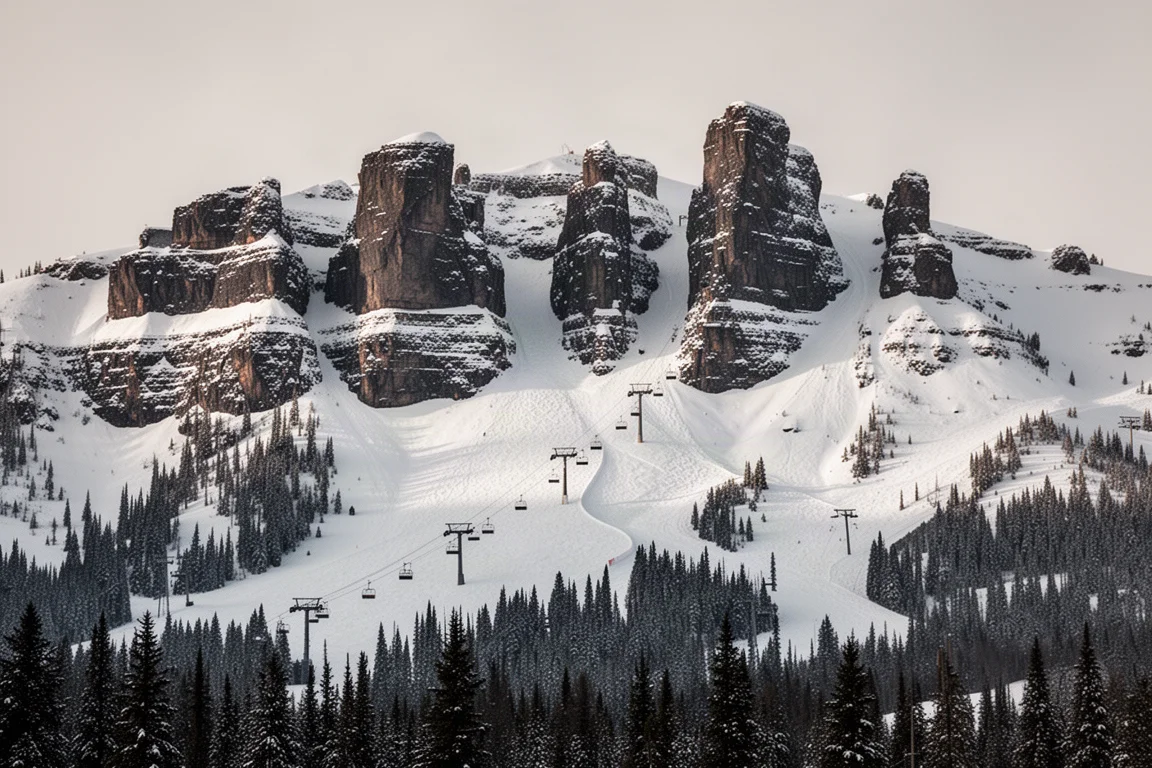
Bear Valley, in the northern Sierras, offers surprisingly varied challenges, from steep advanced trails and upper-mountain glades to cliff-riddled, leg-burning bumps lower down, alongside plenty of family-friendly terrain, high-speed lifts in major areas, and snow totals close to Tahoe’s better-known resorts.
Its obscurity comes down to location and logistics: it is hard to tack onto a Tahoe or Mammoth road trip, the measured 1,300-acre footprint and just-under-2,000-foot vertical lack headline stats, more than 40% of the footprint is not directly lift-served and requires a bus back, and the Grizzly Chair can open sporadically. Peak day-of tickets get expensive, but off-peak and advance rates are more reasonable. Bear Valley is a two-day Indie Pass member and a Powder Alliance member.
Brundage, Idaho
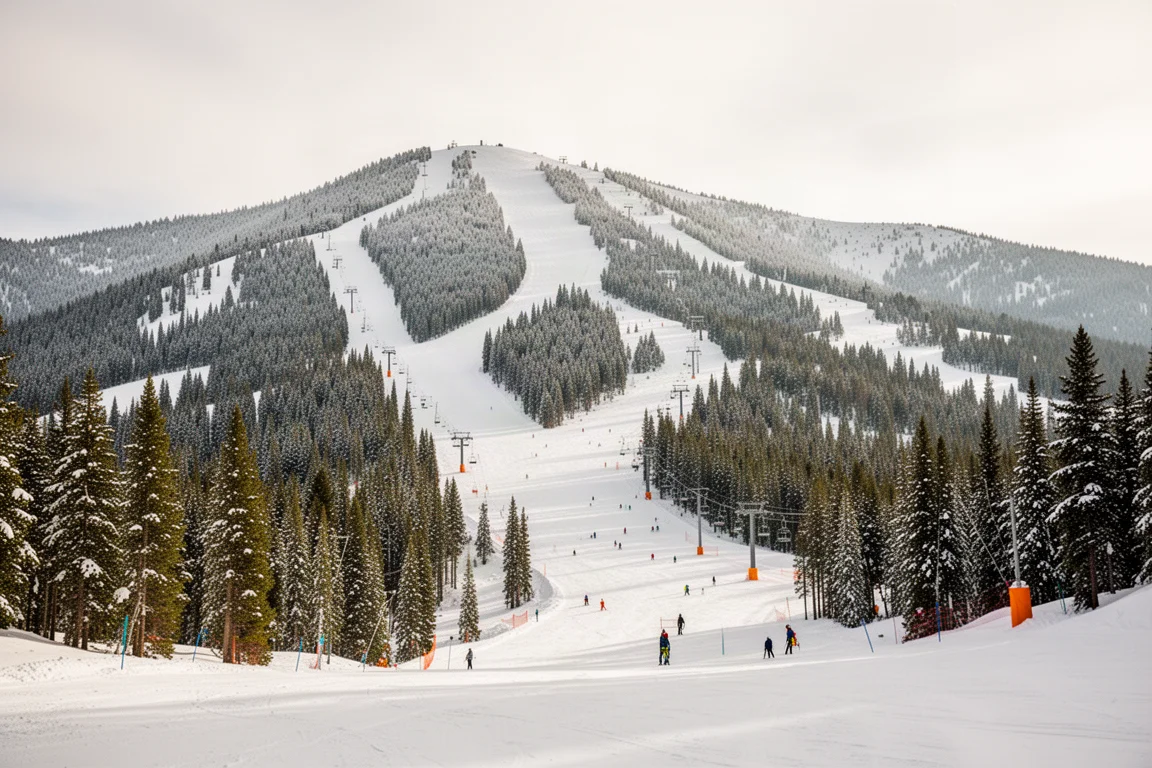
Brundage delivers a terrain experience that feels unique even among destinations: lightly spaced glades accessible to a variety of abilities, fantastic views of nearby Payette Lake, and a remote, off-the-beaten-path atmosphere, all backed by strong lift infrastructure and easy access to lift-served backcountry terrain.
The resort claims 1,920 acres, but our measurements put skiable in-bounds terrain closer to 1,160 acres, and it takes nearly three hours from Boise to reach. Still, for enjoyable terrain, good snow, and low crowds, it is a strong pick, with advance core-winter tickets as low as $65 and a window top-out just over $100. Brundage is a two-day Indie Pass member with holiday blackouts on the base tier.
Apex Mountain, Canada
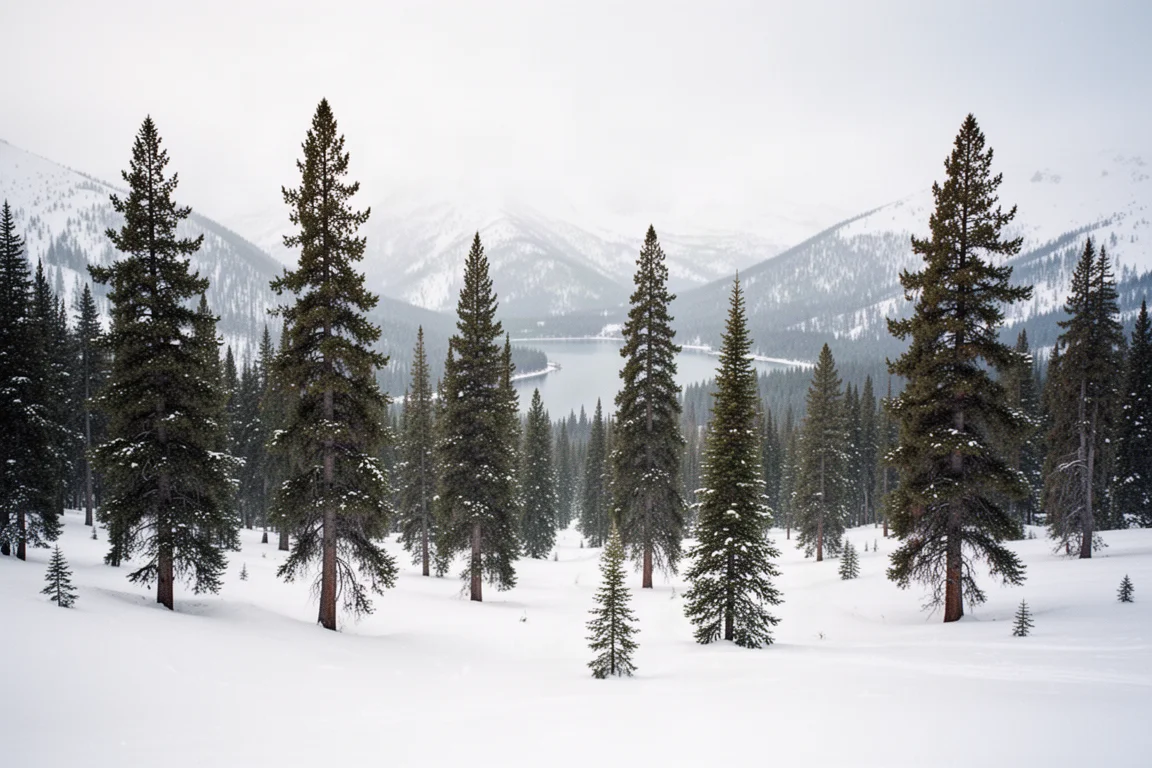
Apex Mountain punches above its prominence with natural snow quality, terrain variety, and convenience: a good mix of cruisers, bump runs, and a few expert chutes, high-speed lift access to most terrain, nearly nonexistent crowds even on weekends and holidays, an extensive base village, and easy access from Penticton.
The footprint measures under 1,000 skiable acres, snowfall quantity trails competitors, and snowmaking is not extensive enough for full destination reliability. The value, however, is exceptional: one-day adult tickets run CAD 99 to 128, roughly $71 to $92 US. Apex is a two-day Indie Pass member with no blackouts on either tier.
Castle Mountain, Canada
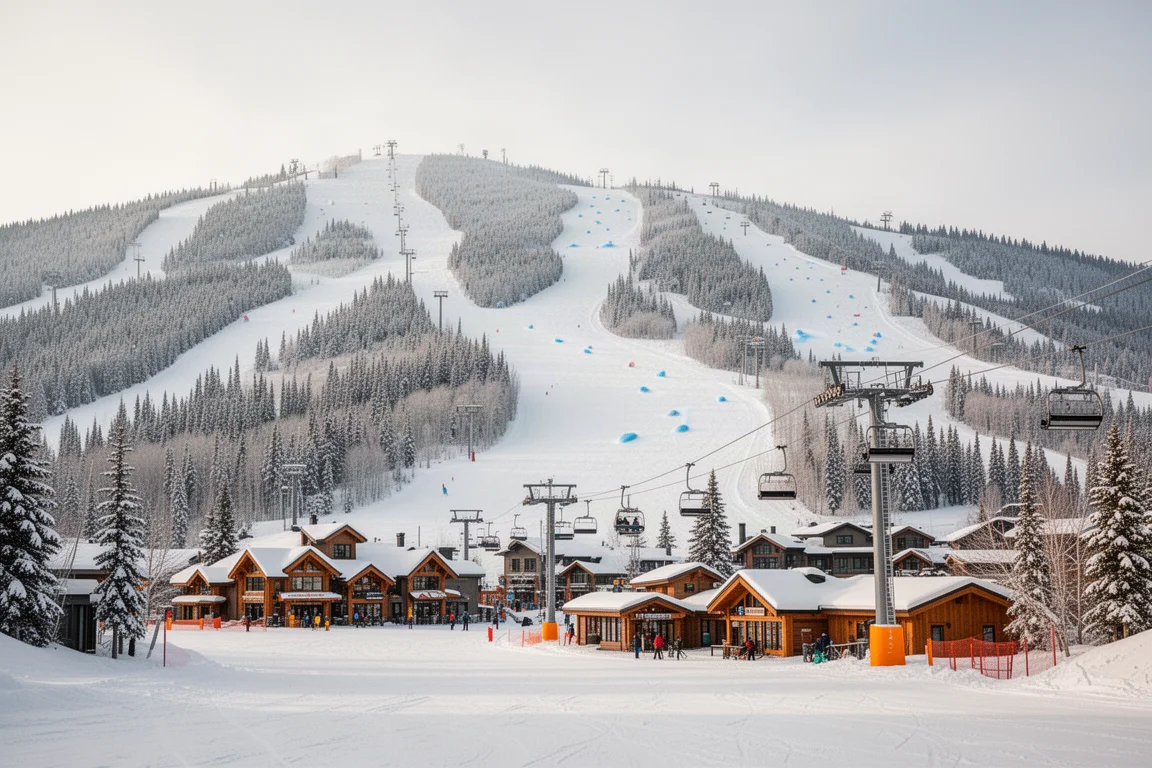
Castle Mountain offers a combination of snow and terrain that is among the best anywhere: light and dry accumulation, wind-drifted snow that keeps fresh tracks coming longer than snowfall totals suggest, and some of the most incredible steep skiing and riding in Canada across a competitive vertical drop, set against stunning and remote-feeling slopes.
Infrastructure holds it back. Despite a major lift-served terrain expansion this winter and the resort’s first high-speed lift, every other chair is slow and low capacity, the new quad is a used model that spent nearly four decades elsewhere, and limited uphill capacity can create lines on powder days. Tickets run CAD 128 to 160, about $92 to $115 US, and Castle is a two-day Indie Pass member with no blackouts on either tier.
Purgatory, Colorado
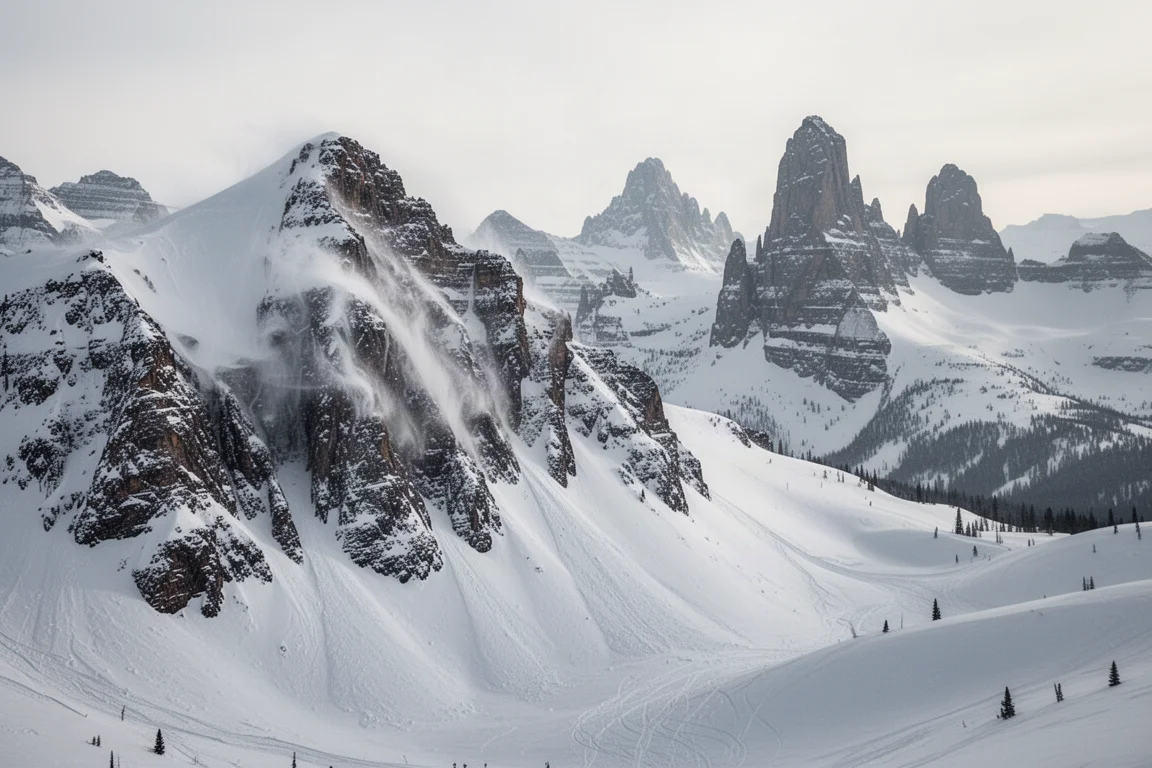
Purgatory pairs high-quality snow, stunning views, and a generally modern lift fleet across a varied footprint, with plenty of family terrain, some significant steeps, a convenient base village with numerous on-site lodging options, and crowds low enough that serious lift lines are rare.
Southwest Colorado’s lower raw snow totals mean less frequent powder days, the roughly 2,000-foot vertical is shorter than some competitors, and fly-to access is harder than Denver-served resorts. The value proposition is the killer feature: peak holidays can exceed $150, but advance off-peak weekday rates go as low as $25. Purgatory is also a Power Pass member with access to roughly a dozen mostly Southwest mountains.
Loveland Ski Area, Colorado
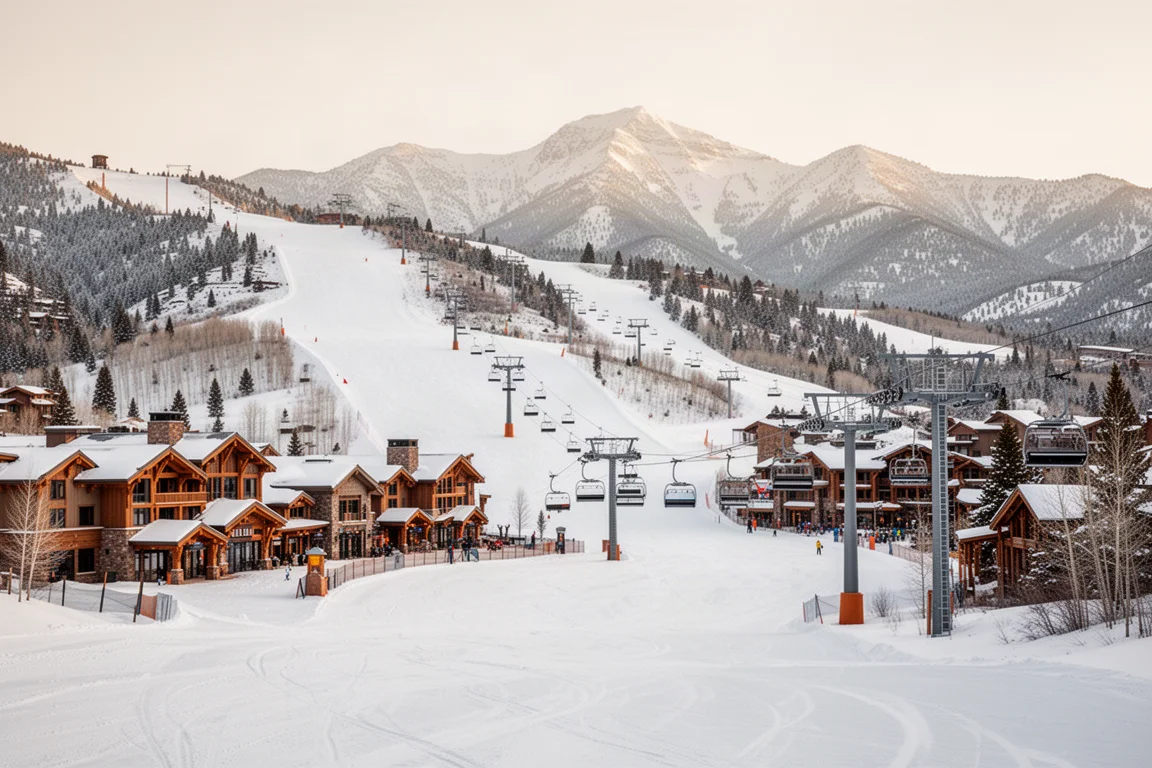
Loveland sits directly on top of the I-70 corridor, and most people pass right under it on the way west. That is a mistake: the resort offers an incredible array of high alpine bowl terrain, with a 10,800-foot base elevation, the highest of any ski resort in North America, some of the state’s highest snow totals, and snowcat operations on the upper mountain Thursday through Sunday at no extra cost.
Wind exposure is the big catch: the same prominent slopes that collect snow are perennially susceptible to wind scour, exposures skew east or south, all but one pod runs slow lifts, and the nearest hotels are several miles away over the Continental Divide. Tickets top out at $149, but advance core-winter rates drop as low as $78. Loveland is a two-day Indie Pass member with no blackouts and a three-day Powder Alliance member.
Mount Baker, Washington
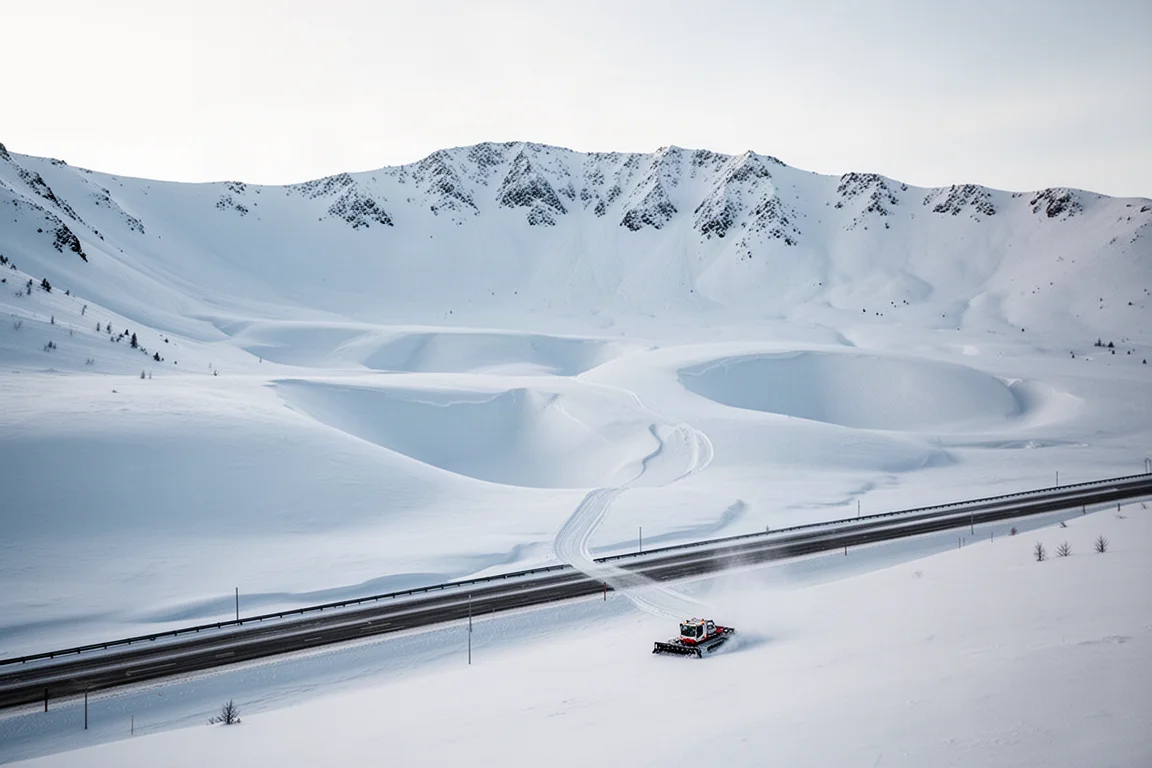
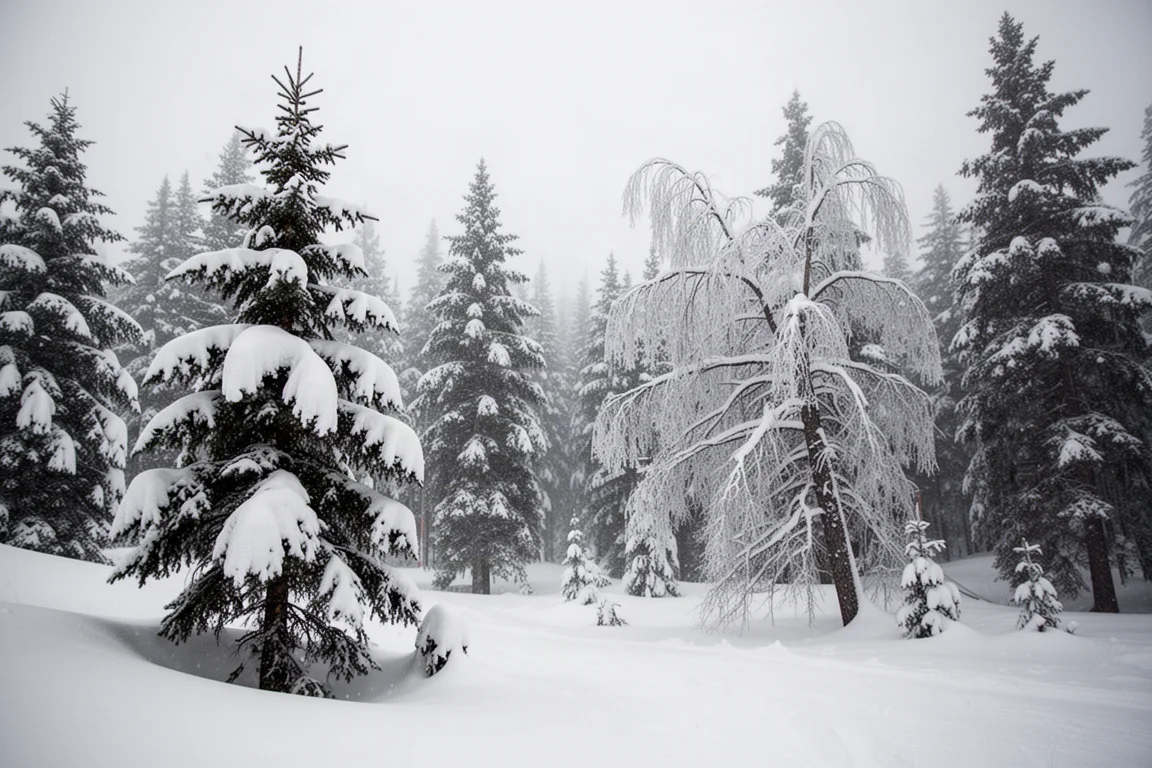
If raw snow totals are your number one criterion, Mount Baker may be among the best places you will ever visit. Seasonal totals regularly top 500 inches, have crested 1,000 in some cases, and on the right day powder refills before you finish a lap. The technical extreme terrain, including its so-called extreme danger zones with huge cliff drops and long mandatory straightlines, is among the most serious we have seen anywhere.
Mount Baker lacks on-site lodging and even true lodging within 30 miles, the access roads can get sketchy, there are no high-speed lifts, and the snow tends to be wet and heavy. Tickets are window-only, ranging $102 to $113. For committed powder hounds, it belongs on any bucket list.
Bridger Bowl, Montana
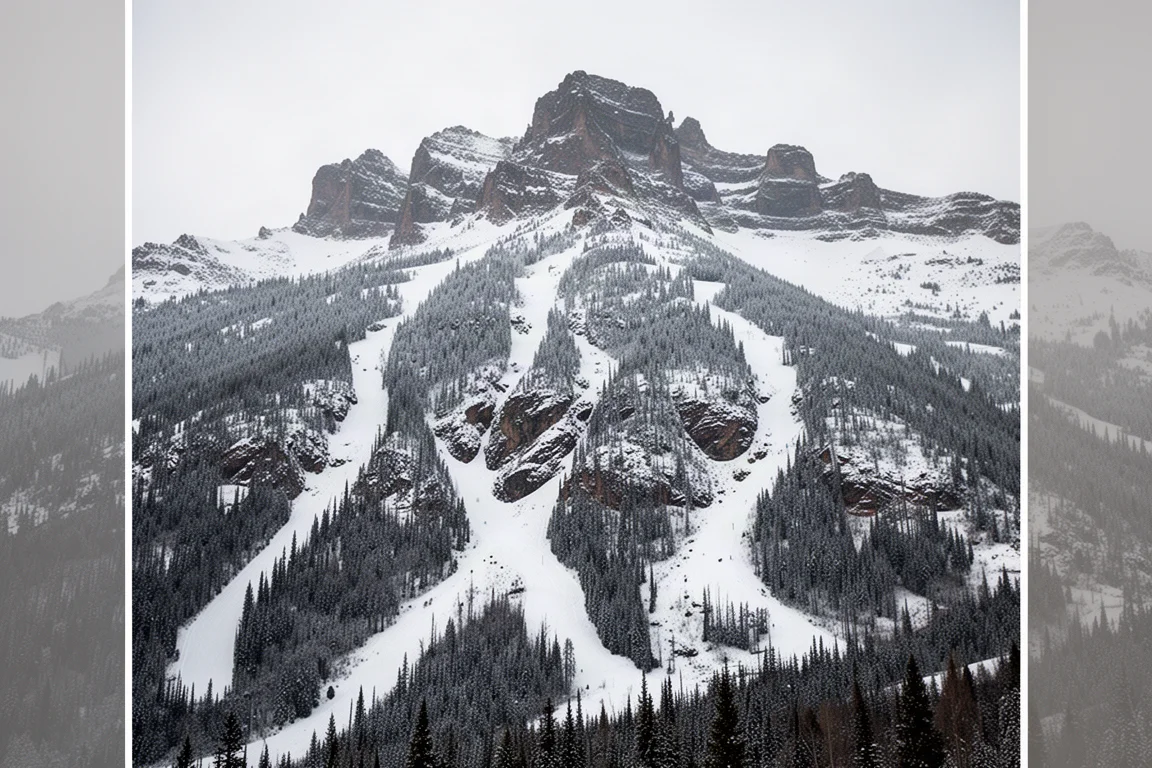
Bridger Bowl is a state-run, nonprofit ski area that on the surface attracts local families, but beneath that it is home to some of the most extreme inbound terrain in North America: chutes, cliffs, and gullies with mandatory straightlines, cliff drops, and zero-margin fall lines, much of it unmarked. Several runs require a beacon, including one entire chairlift you cannot ride without a working transceiver.
Beyond the extremes, it is a family-oriented hill for Bozeman locals, with slow lifts in all areas and no on-site lodging. It is not trying to be a destination, and nonprofit prices show it: one-day adult rates run $84 to $99. If you have the partner, beacon, and stamina, the extreme terrain experience is worth the journey.
SilverStar, Canada
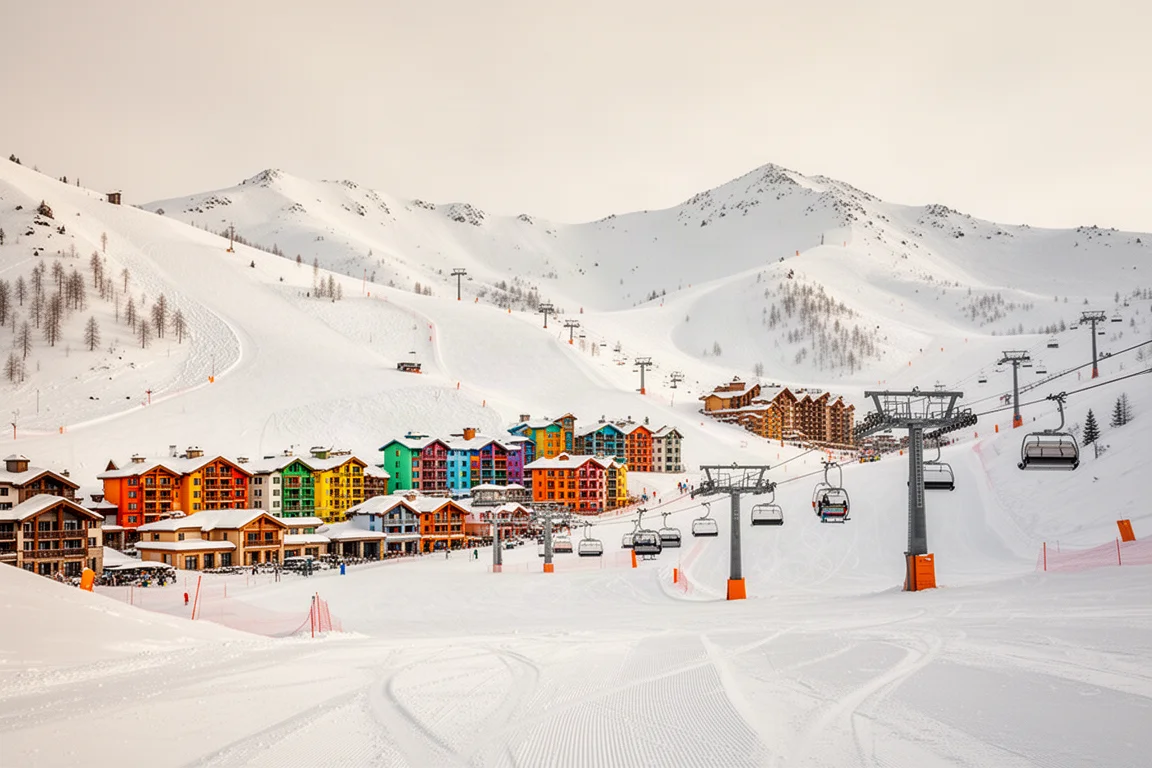
SilverStar is decidedly destination grade, with a footprint over 3,000 skiable acres, terrain spanning beginner to expert, mostly modern lifts, and one of the most convenient ski-in, ski-out villages anywhere. It is genuinely hard to believe so few travelers have put it on their short list.
Location is the main drag: Kelowna International Airport is only about an hour away but inconvenient to fly into compared with Colorado or Utah, and the vertical and expert terrain are strong rather than truly top of the class. Tickets run CAD 116 to 174 this winter, a strong deal for the terrain on offer. SilverStar is technically the only Ikon Pass partner on this list, but only as a bonus mountain: two days on the full pass, with holiday blackouts.
Whitewater, Canada
Whitewater sits in a sweet spot of elevation, location, and exposure that consistently furnishes some of the highest quality snow in southern interior British Columbia, with incredibly fun, steep tree skiing that is easy to lap and consistently pitched, plus easy access to lift-adjacent backcountry that is often less tracked than the resort itself.
The resort simply is not built for destination fame: all lifts are slow, on-site lodging is extremely limited, the nearest major airports are hours away, and there is little for beginners and intermediates. Word is getting out, so untracked in-bounds powder does not last as long as it used to. Tickets run CAD 132 to 154, about $95 to $111 US. For a no-frills, high-quality powder experience, it remains a bucket-list pick.
Wolf Creek, Colorado
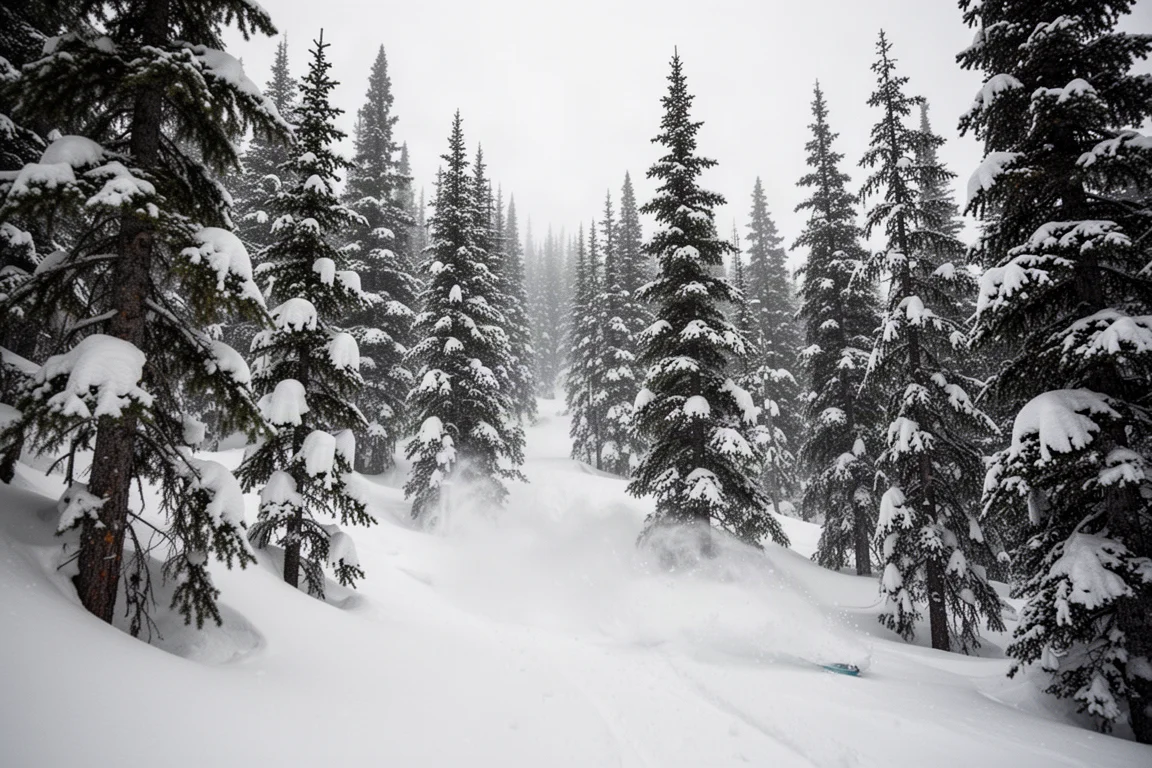
Wolf Creek shows up in headlines every early season as the first Colorado resort to open, and there is a reason: an absolutely bonkers amount of snow, with reliable storms starting as early as October, a very high base elevation, and favorable winds that preserve conditions. The terrain complements the accumulation too, with excellent trees and some surprisingly technical expert lines.
The limitations are size and lodging: the 1,600-foot vertical is nowhere near the state’s true destinations, and the resort sits atop a mountain pass with at least 20 miles of winding road to lodging in either direction, which creates problems when the pass closes. Tickets top out at just $105 at the window, with solid discounted half-day options.
Bogus Basin, Idaho
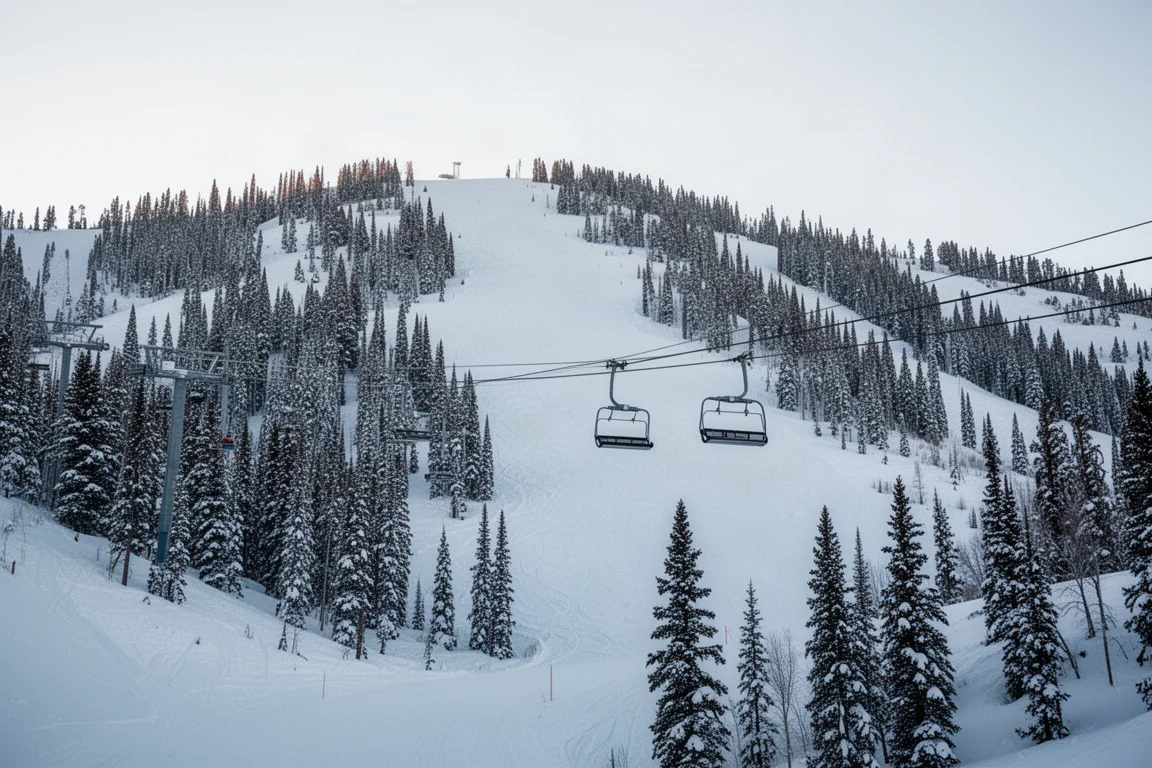
Bogus Basin is effectively the town hill for Boise, but it has a decided big-mountain feel: multiple faces with diverse terrain, incredible glades, short bowl runs, and aspects that range from overlooking the city to feeling like isolated wilderness. High-speed lifts serve most areas, and night skiing gives it unusually long hours.
The claimed 2,600-acre footprint measures closer to 1,700 skiable acres, with a modest 1,800-foot vertical, and snowfall totals trail the top Colorado and Utah destinations. Even so, it is a hidden gem for diverse terrain in a digestible size, with one-day adult tickets of just $59 to $89. Bogus Basin is also a Powder Alliance member with three partner days.
Tamarack, Idaho
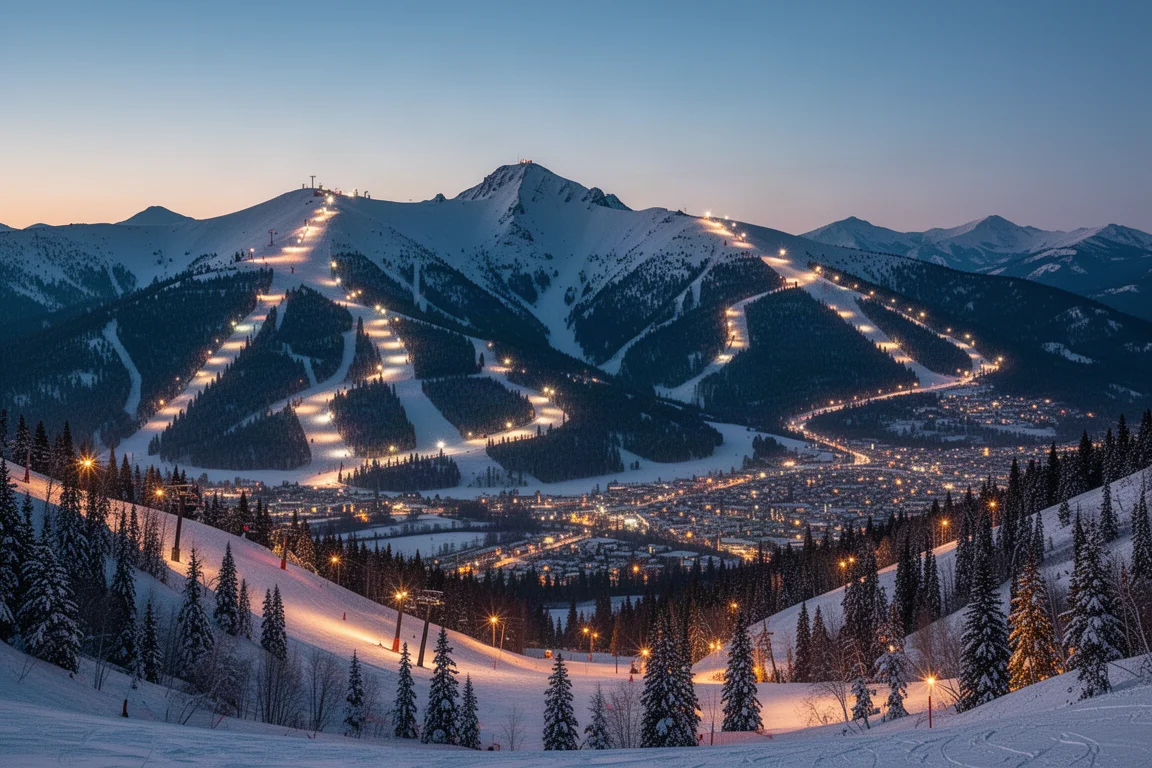
Tamarack tried to launch as a world-class destination in the early 2000s and never quite caught on, but the ingredients are largely there: massive terrain variety with standout glades and stunning cruisers, an impressively extensive base village, a competitive vertical drop of nearly 3,000 feet, and high-speed lift service in all major areas. Lift lines are almost never a factor.
The master plan remains unfinished, with several edge terrain pods still out of bounds, marquee expert terrain is not a strength, and it sits about two hours from Boise. Advance off-peak weekday rates come in under $100, and Tamarack is a two-day Indie Pass member with no blackouts on either tier.
Whitefish, Montana
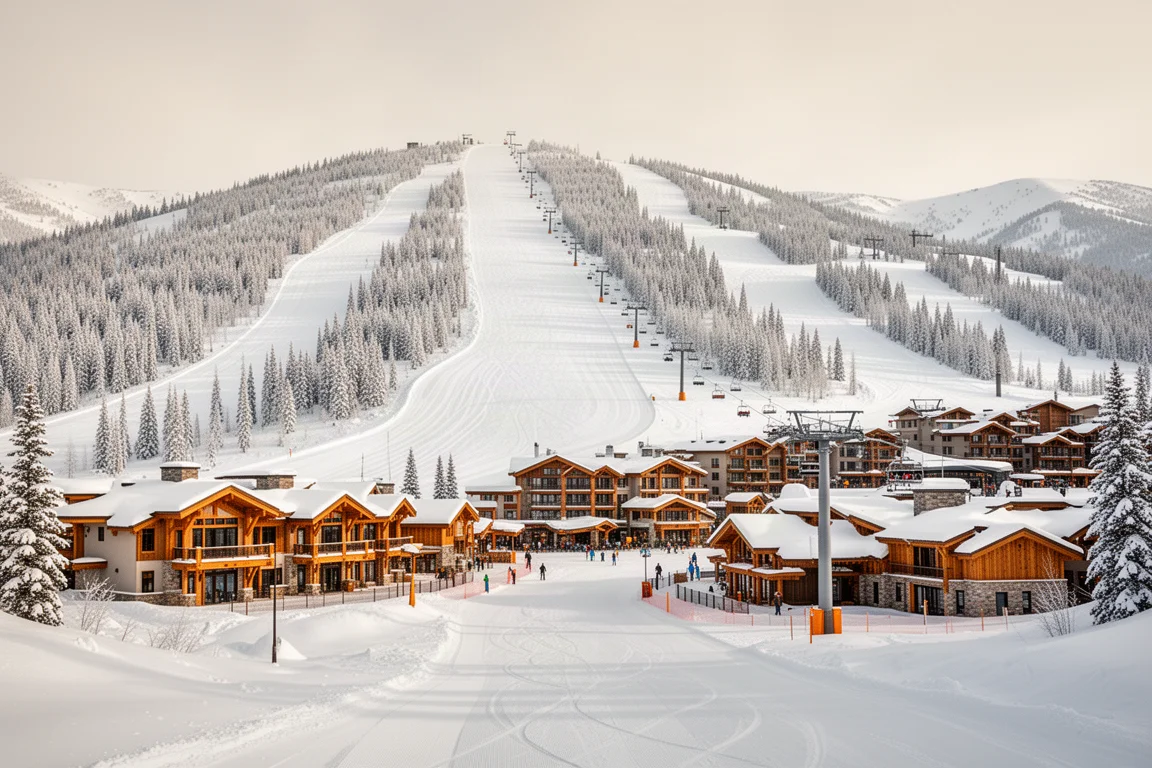
Whitefish sits directly adjacent to Glacier National Park, and its standout feature is glades: trees almost universally spaced wide enough for enjoyable tree skiing, frequently turned into ice-crusted snow ghosts that create an extraordinary sight. Add long cruisers, some surprisingly technical cliffs, and minutes-away access to the lively town of Whitefish with great value lodging, and it is far more of a true destination than most realize.
The main hurdles are location and weather: direct flights from most major cities are hard to find, the footprint and vertical may not offset the remoteness for everyone, and persistent fog can hide mountain views for a week. One-day adult rates top out around $110, an incredible value given the terrain quality and nightlife proximity.
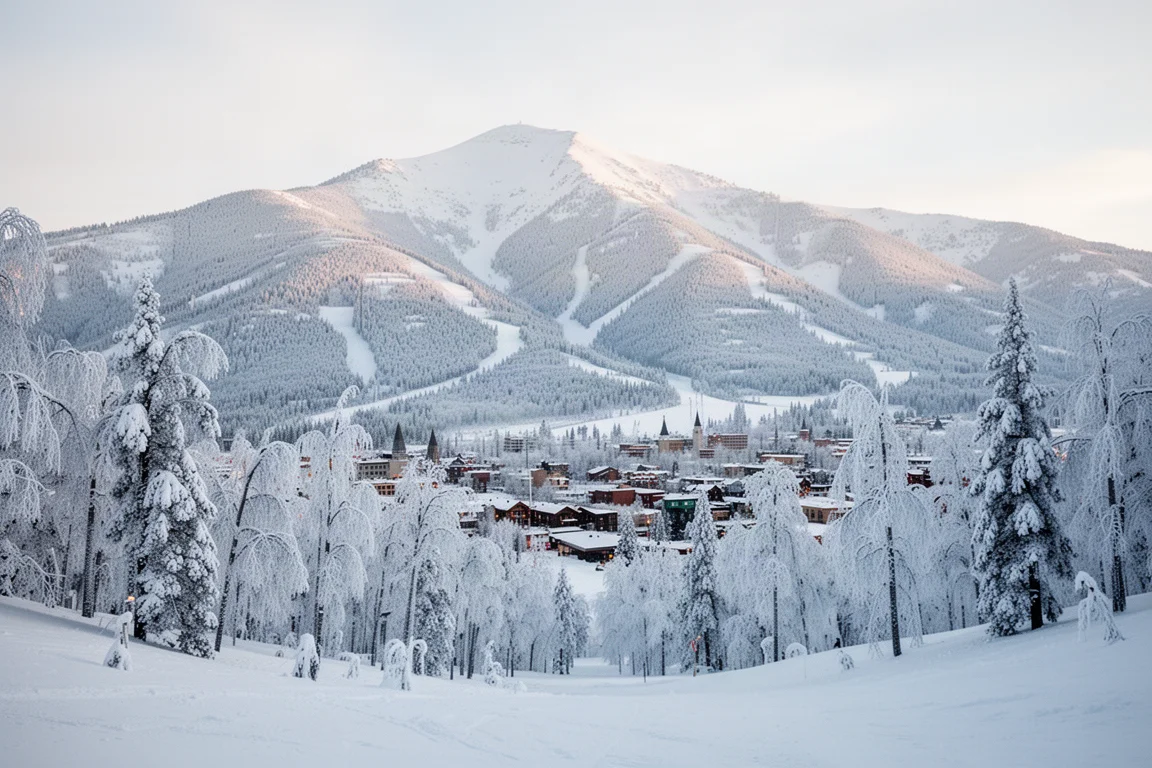
Marmot Basin, Canada
Marmot Basin sits inside Alberta’s Jasper National Park, and it feels like it should draw far more visitors: a towering footprint, absolutely extraordinary views of surrounding national park wilderness, excellent snow preservation from consistently cold temperatures, impressive upper-mountain bowl zones, and very demanding expert chutes.
The location is the catch: it is far north even by Western Canadian standards, more than four hours from Edmonton’s limited-flight airport, with a modest skiable footprint and lower raw snowfall than some competitors. Tickets run CAD 125 to 155, about $89 to $112 US, an exceptional value for the backdrop. Marmot Basin is a two-day Mountain Collective partner with no holiday blackouts.
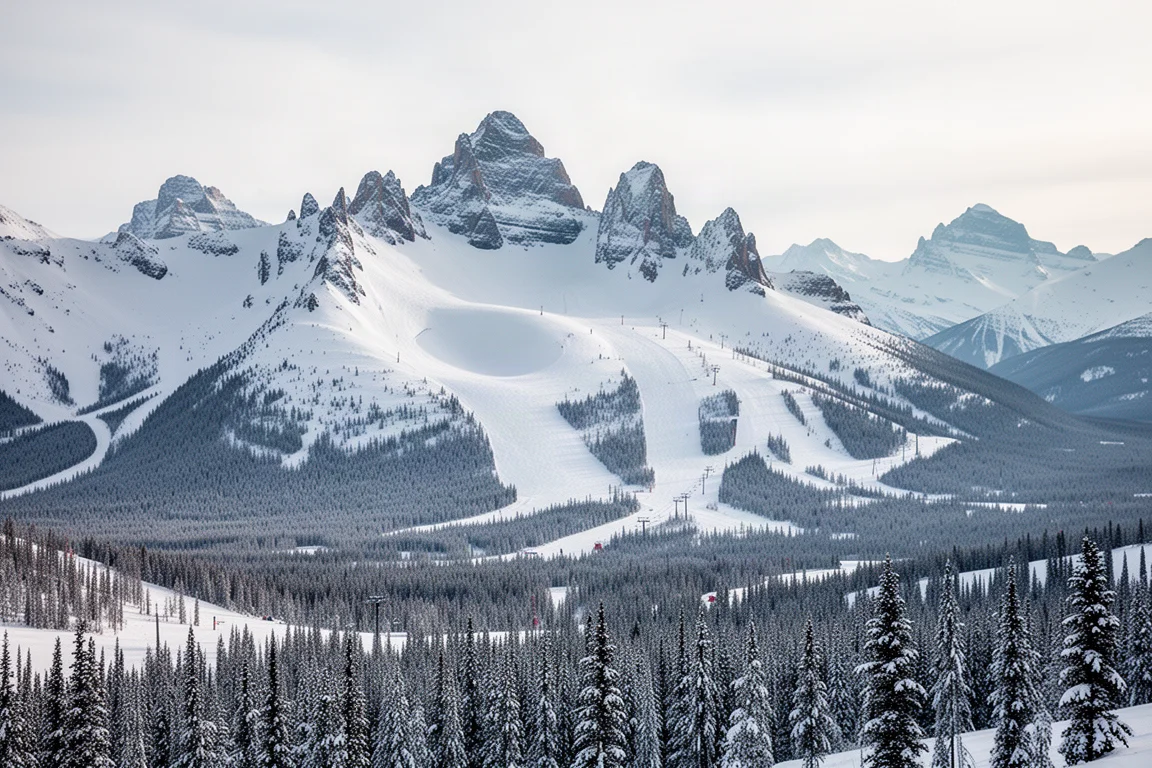
Big White, Canada
Big White earns its name: a destination-grade footprint of nearly 2,700 skiable acres translates into incredible slope variety, especially for lower-ability skiers where interesting terrain is often lacking even at traditional fly-to destinations. Iconic snow ghosts create an otherworldly backdrop, and a massive village integrated right into the slopes offers abundant ski-in, ski-out lodging and on-mountain amenities.
Location is once again the issue: the Kelowna airport is not convenient enough for many travelers, low visibility conditions are frequent, and extreme terrain trails some competitors. Last-minute tickets get expensive, but advance off-peak booking brings solid deals. Big White is an Indie Pass member with severely restrictive weekend and holiday blackouts on the base pass. It is better than every other truly underrated resort here except one.
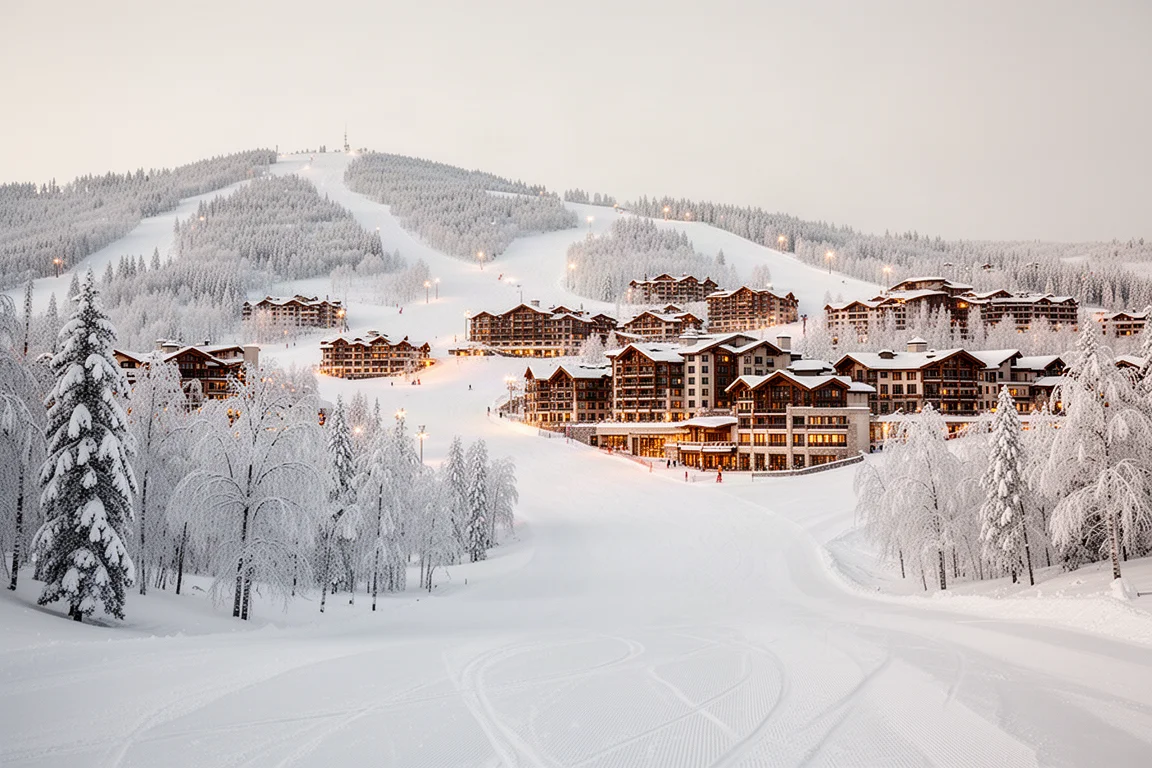
Grand Targhee, Wyoming
Grand Targhee is our pick for the number one most underrated ski resort in North America. Sitting on the western side of the Teton range just over the Idaho border, it receives exceptionally light and dry snowfall in serious quantities, making powder days very frequent. Terrain ranges from enjoyable cruisers to very technical chutes, and on clear days the views of the Grand Teton and surrounding peaks are among the most astonishing available from any winter vantage point.
Size and access are the limiting factors: around 1,800 measured skiable acres, flights typically into Jackson Hole or Idaho Falls, no world-class vertical drop or massive acreage to fully offset the transportation friction, and susceptibility to fog. One-day adult rates typically run roughly $140 to $170, still far from outrageous by today’s standards, and Grand Targhee is a Mountain Collective member with two days and no holiday blackouts. If you want the atmosphere of a major ski vacation without the terrible lift lines, it is hard to find a better bet.
Conclusion
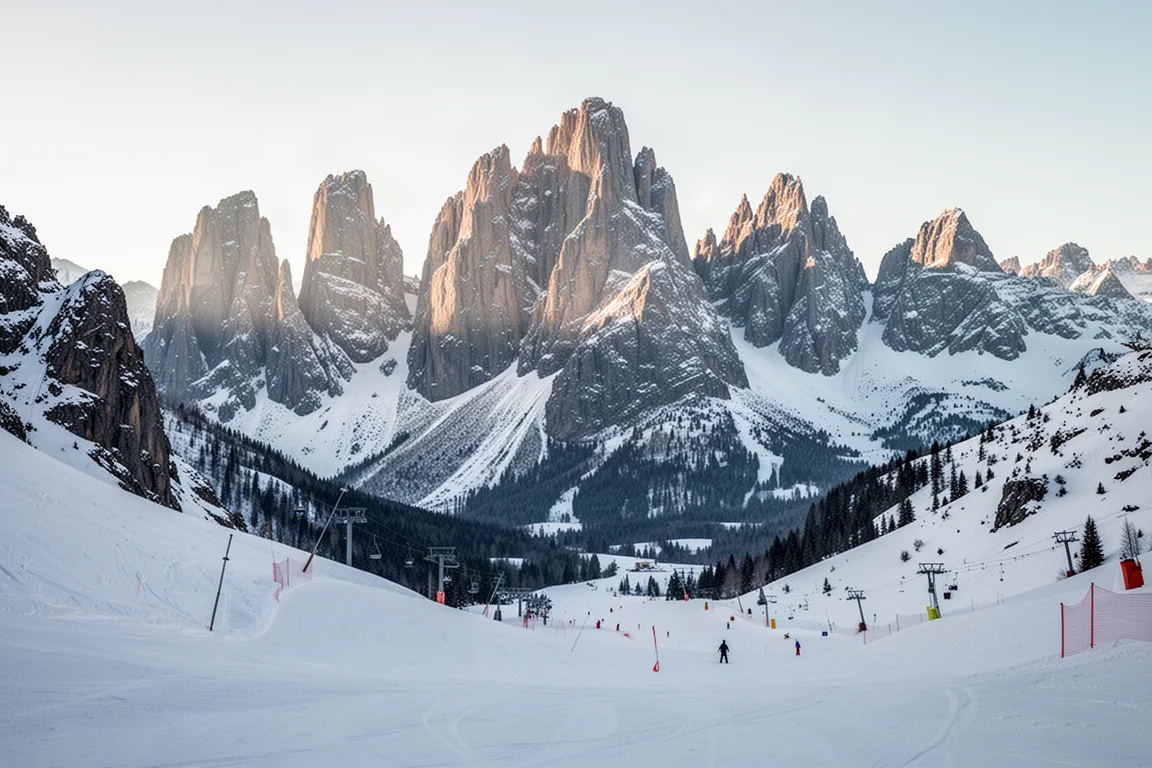
With the exception of a couple of the very best, the biggest drawbacks of these lesser-known mountains are smaller footprints or less convenient locations than the commercialized giants. That does not undercut how incredible they are relative to their prominence, and they deserve far more credit than they typically get.
If you are planning a trip this winter, prioritize advance purchases at resorts with deep early-buy discounts like Brian Head, Purgatory, and Bogus Basin, and match each mountain’s strengths to what you actually value: extreme terrain, powder depth, family cruising, or a proper base village. There is still plenty of great skiing left that does not require a mega pass.
Further reading
Related Reviews

Ski Resorts
Alyeska Resort Review: Alaska's Largest Ski Resort, Worth the Journey?
A deep look at Alyeska Resort: heavy snowfall, expert terrain, an Icon Pass connection, and the trade-offs of a near-sea-level mountain in the Last Frontier.

Ski Resorts
Bear Valley Ski Resort Review: Northern California's Quiet Sierra Alternative to Tahoe
A lesser-known Sierra resort with over 1,300 skiable acres, surprisingly strong expert terrain, and crowd levels Tahoe can only dream of. Here is what to know before you go.

Ski Resorts
Colorado Ski Resorts Ranked: The Best Destination Mountains for Overall Experience
A ranked guide to Colorado's destination ski resorts, covering terrain, snow, logistics, crowds, and cost so you can pick the right mountain for your trip.