Backpacking Gear
Most Underrated Backpacking Gear: Six Items That Earn Their Place
Six underrated backpacking items, from a GPS watch to a lightweight knife, plus the small extras that quietly improve comfort on the trail.
Introduction
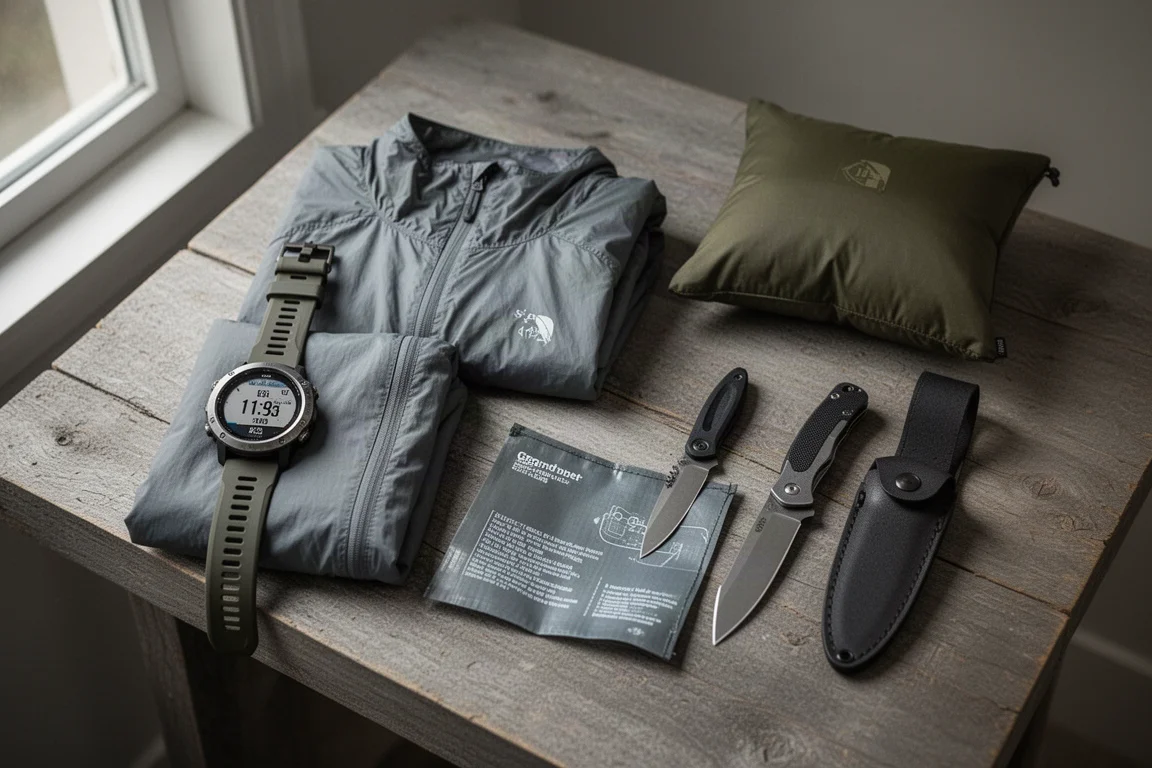
Some gear gets all the attention: ultralight shelters, titanium cook pots, the newest pack. Meanwhile a handful of inexpensive, unglamorous items quietly do more for comfort on the trail than anything else in the loadout. This guide covers six pieces of underrated backpacking gear worth considering, plus a few small additions that are easy to overlook.
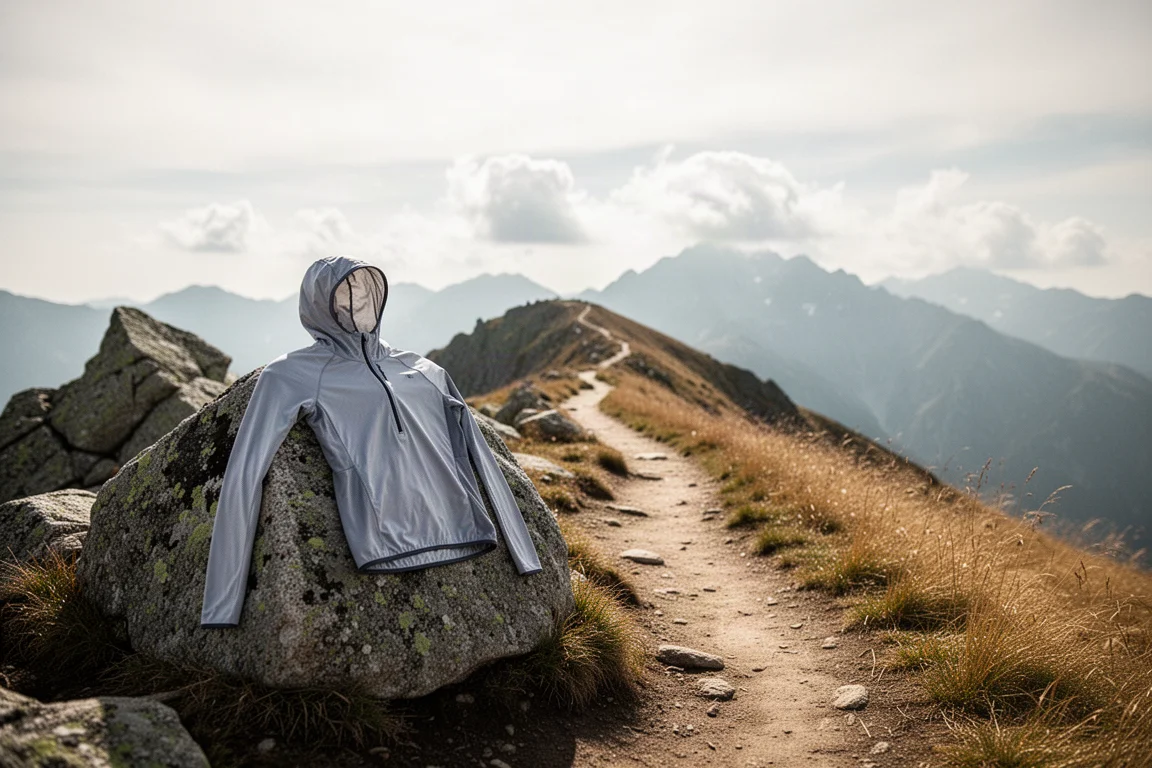
One category deserves a mention before anything else: the sun hoodie. For years, plenty of hikers head out in a cotton blend t-shirt. Cotton will not ruin a trip, but it is not great on hot summer days and it is a poor choice for cold weather. A sun hoodie is a lightweight 100% polyester layer that does not stretch strangely when it gets wet with sweat, and it dries fast. The long sleeves and hood keep direct sun off the arms, neck, and ears, which can actually feel cooler than bare skin on a hot day. If you hike in the sun, it is a straightforward upgrade.
Garmin Fenix: A GPS Watch That Answers Real Trail Questions
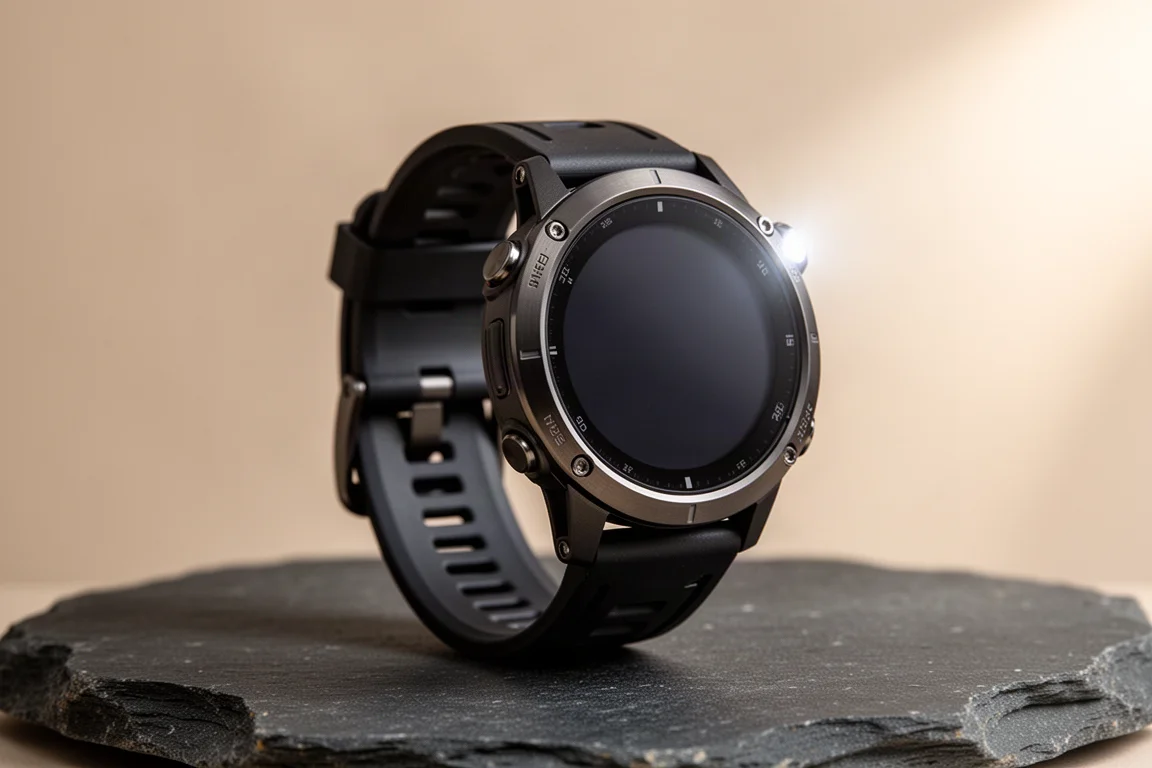
A GPS watch is one of those items that sounds like a gadget until you start using it. Having information available while hiking helps with knowing where you are in the day and how your body is responding to the effort.
On the Garmin Fenix, starting a hike activity puts the essentials on one screen: current time, moving time, heart rate, average moving pace, current pace, and distance traveled. A second screen shows elevation gain and loss for the day. On high passes, the built-in barometer tracks pressure changes, which can help you pay attention to storms moving in.
That combination is most useful for hikers who like to read their own effort and terrain in real time rather than pulling out a phone. The data is dense by design, and if you only want the basics, the extra screens are easy to ignore.
Outdoor Vitals Nebo Windbreaker: The Layer That Covers Most Days
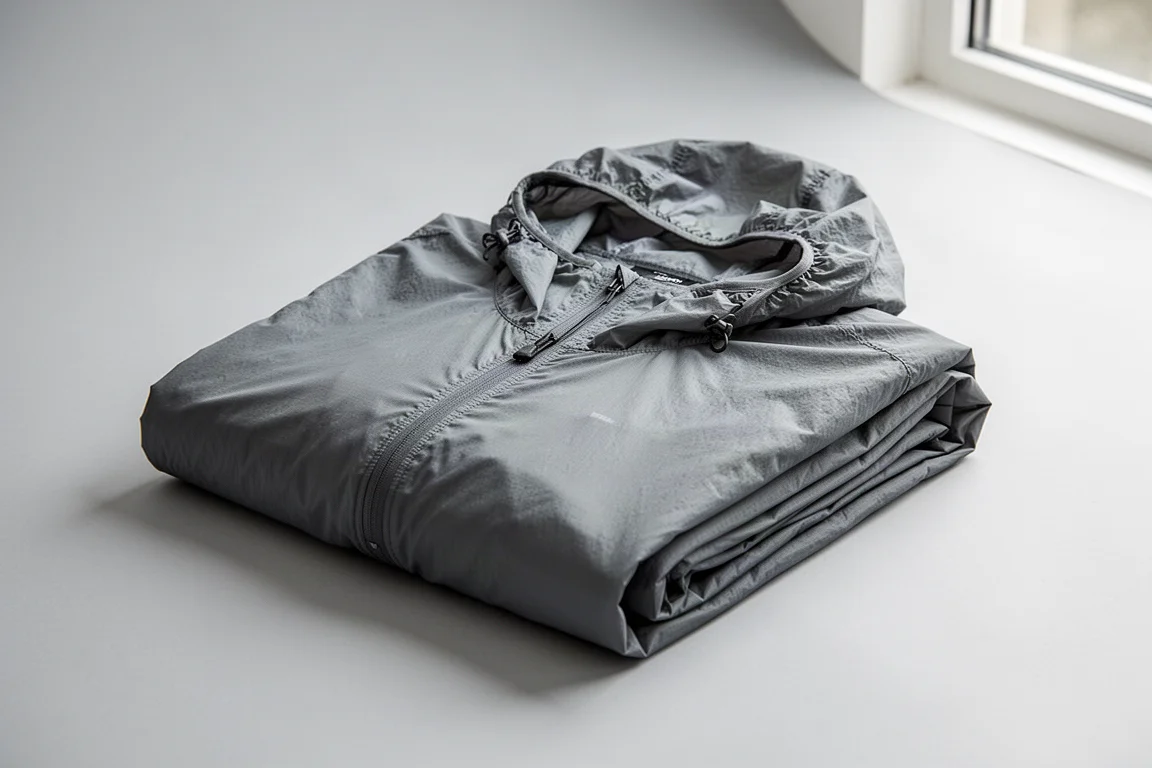
A rain jacket is sometimes overkill. In dry regions, weeks can pass without rain, so a full rain shell is not needed on every trip. A windbreaker like the Outdoor Vitals Nebo fills that gap.
It is light and compact, and it works as an extra layer over a mid layer without overheating. It adds just enough warmth to keep you comfortable on the move. It also handles a light drizzle thanks to a DWR treatment, and it blocks wind, which otherwise pulls warmth away from the body. For many trips, that makes it more functional than a rain jacket.
Hilltop Packs Ground Sheet: A Dry Seat Wherever You Stop
A small piece of waterproof fabric is one of the cheapest comfort upgrades in backpacking. Sitting on it at lunch keeps you dry and clean. It also gives you a place to set gear outside the tent in the vestibule so that gear stays clean and dry.
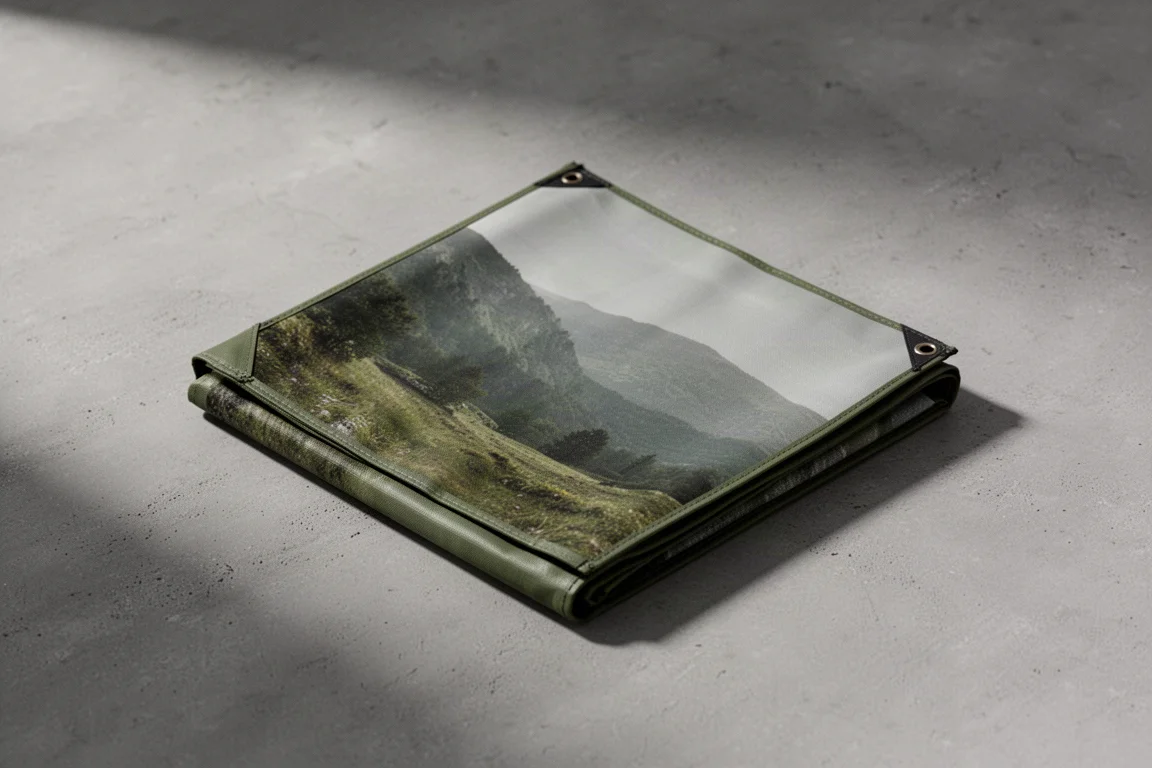
A piece of Tyvek or plastic works fine as a simple solution. The Hilltop Packs ground sheet goes a step further: you can print a photo you have taken onto it and use it as a personal mat outside your tent.
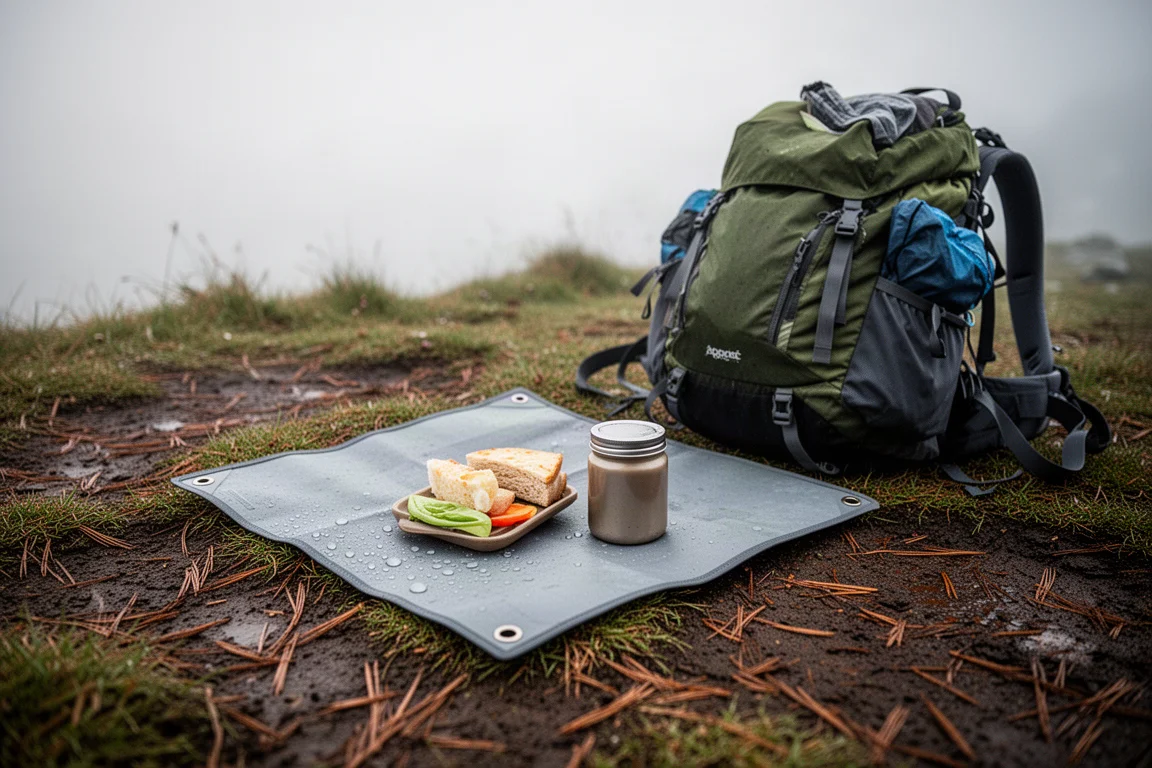
For anyone who takes long breaks or sets up camp in wet conditions, this is a small item that changes the feel of a whole day.
Nemo Fillo: Sleep Comfort That Weighs Almost Nothing
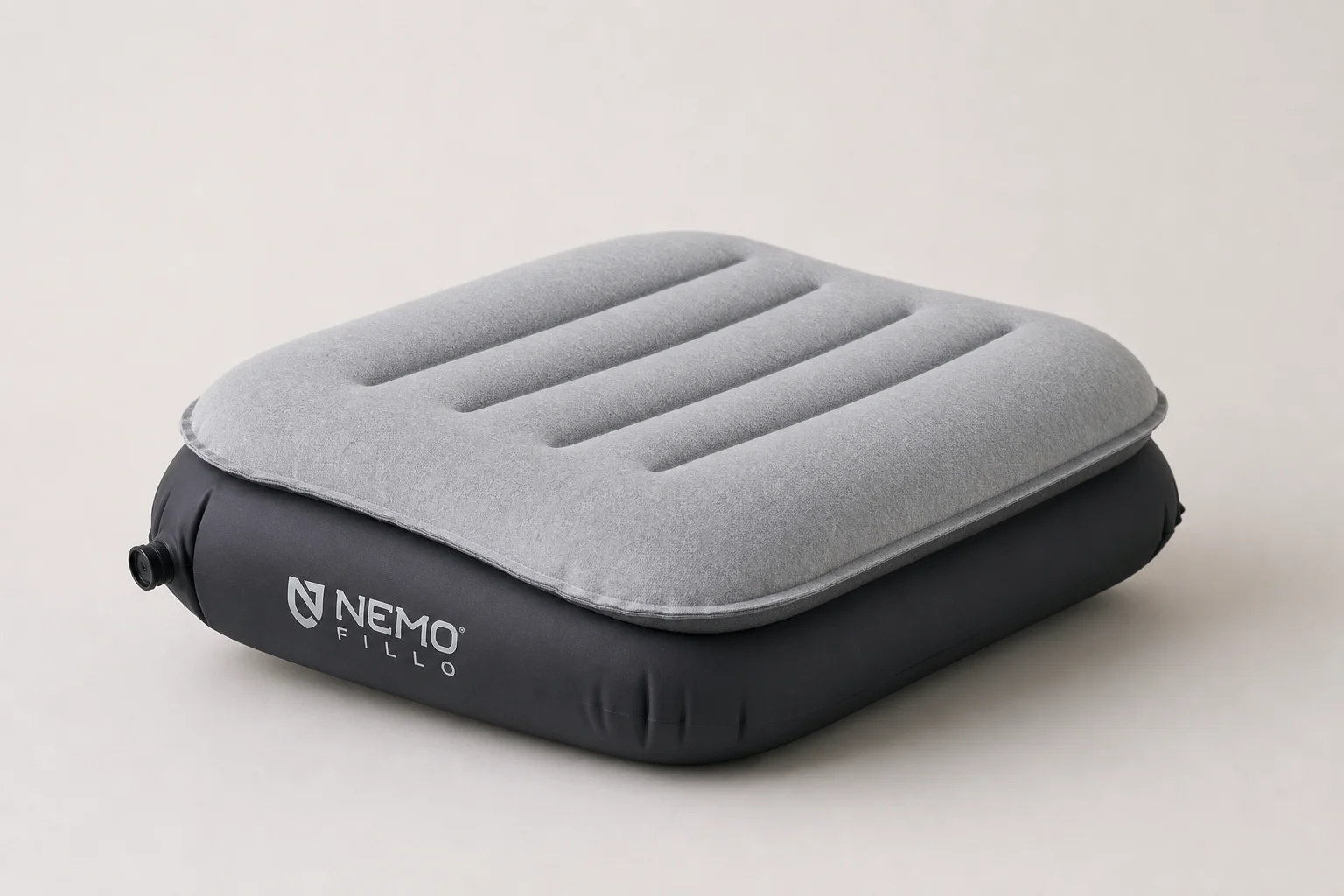
Sleeping well on the trail matters, and a stuff sack full of spare clothing is not a pillow. Many backpacking pillows are inflatable, and some feel like sleeping on a balloon.
The Nemo Fillo takes a different approach. It includes a piece of memory foam, which makes it the closest thing to a home pillow in the backcountry. It costs a few extra ounces compared with a simple inflatable, and that trade is worth it for anyone who struggles to sleep in a tent.
Benchmade Mini Bugout: A Lightweight Folding Knife for Camp Tasks
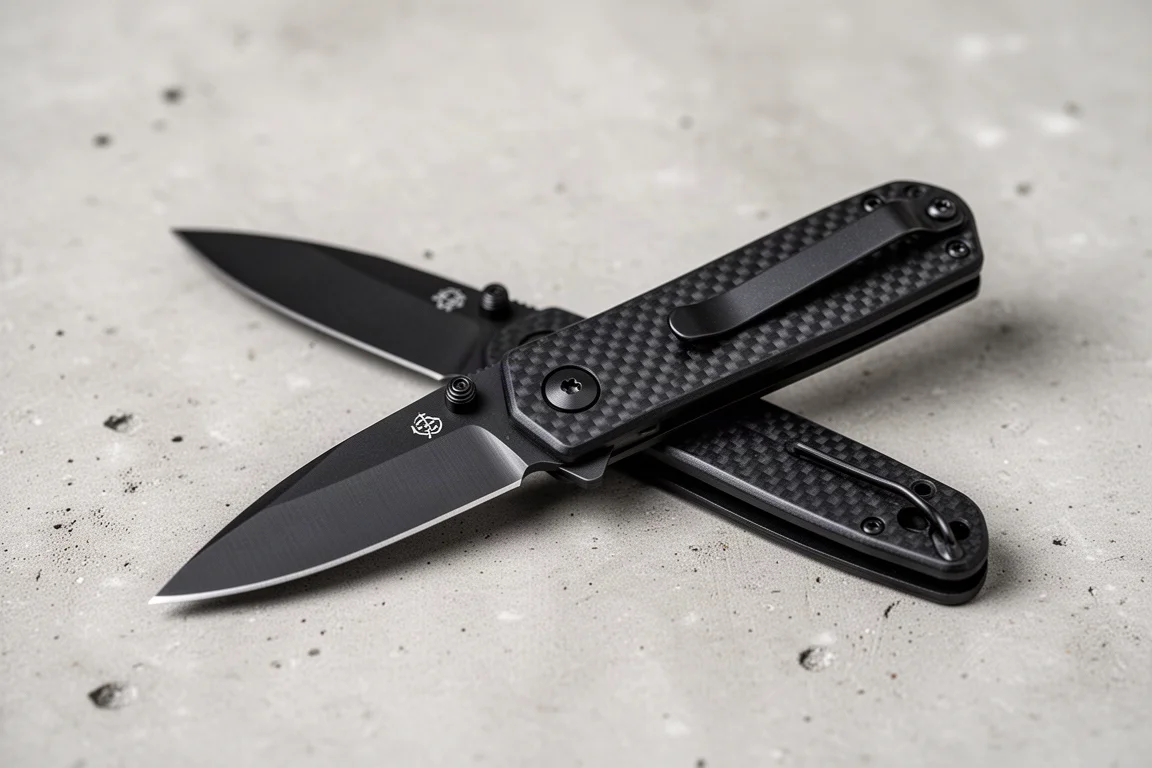
A knife is one of the ten essentials, yet it is one of the first items people leave behind when trimming weight. That is a mistake. A knife is an emergency tool that can help you light a fire by cutting feather sticks or by striking a ferro rod. It also handles ordinary camp tasks: cutting cordage, lifting a pot of water off a hot fire or stove, cutting moleskin for a blister, and whittling a stick around camp.
The Benchmade Mini Bugout is a favorite lightweight folding option for backpacking, and it disappears into a pocket or hipbelt pouch until you need it.
GiantMouse GMF2: A Fixed-Blade Option for Heavier Tasks
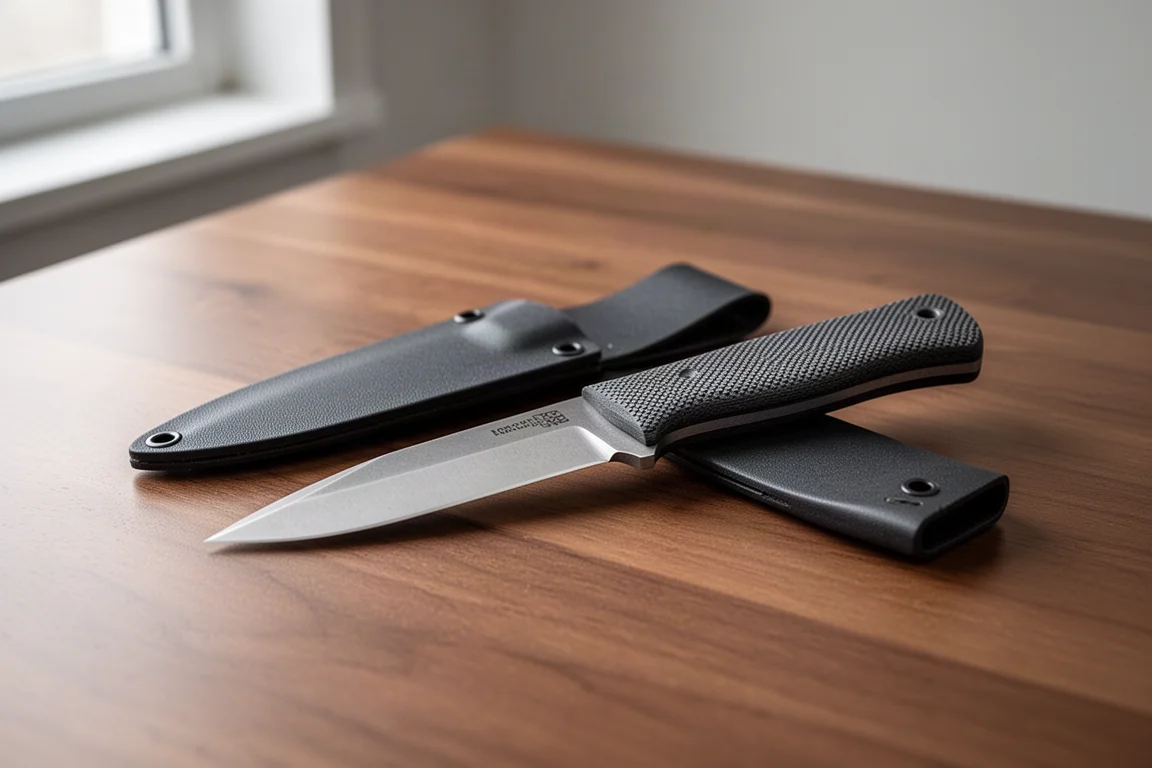
For those who prefer a fixed blade, the GiantMouse GMF2 is a solid choice. A fixed-blade knife offers a more secure feel in hand, at the cost of a little more bulk in the pack.
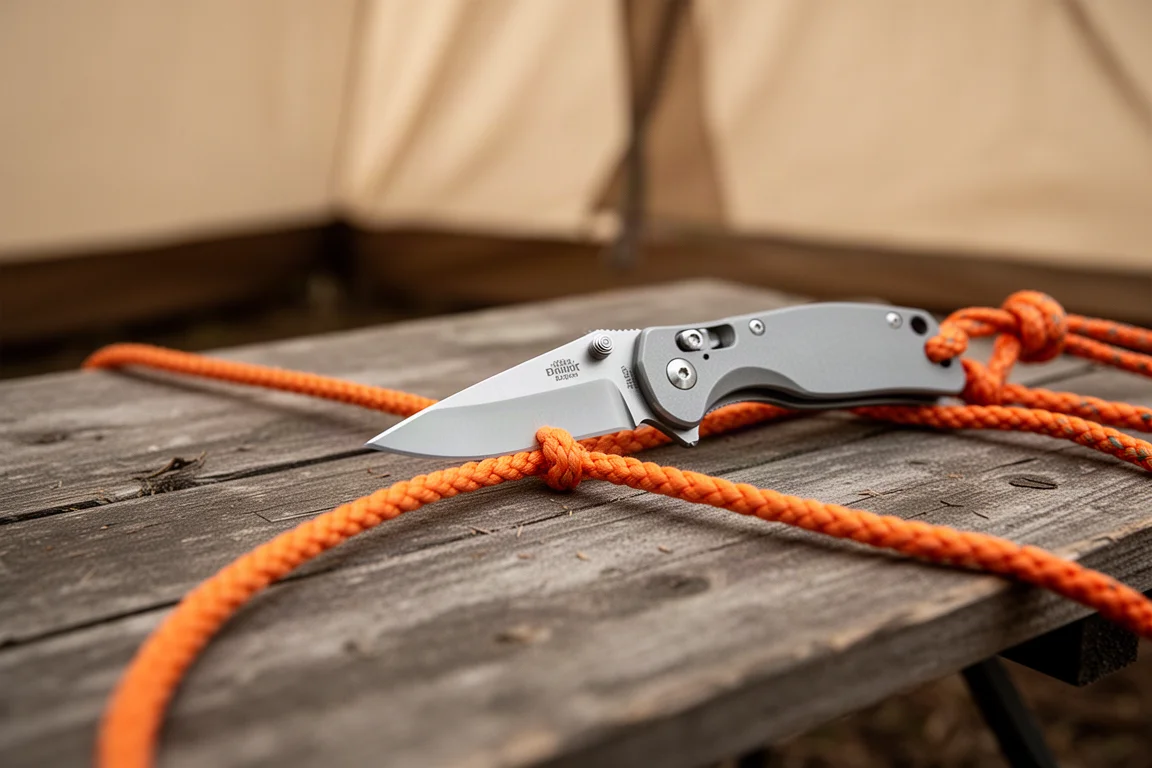
Honestly, any functional knife will do the job. The important part is carrying one and knowing how to use it for the simple tasks that come up on every trip.
Rounding Out the Kit: Small Items That Earn Their Place
Sunglasses are easy to dismiss as a style choice, but they matter. Polarized lenses make it easier to see into water when you are walking rivers and streams, and prescription sunglasses remove the need to wear contacts on the trail. Protecting your eyes from bright sun is one of the simplest things you can do for a long day outside.
Camp shoes are not for every trip, but on many they are a genuine luxury. A second pair of shoes or sandals lets you get out of wet socks and shoes at camp and gives tired feet something comfortable after a hard day of hiking. A neck gaiter or handkerchief has more uses than expected: warmth around the neck on cold mornings, a beanie in a pinch, a cloth for wiping condensation inside a tent, or a grabber for a hot pot while cooking.
A hat or sweatband keeps sweat off your face and adds sun protection, chapstick saves your lips on windy, cold, or sun-exposed days, and a camp chair remains one of the most debated items in backpacking. Whether a chair is a must or wasted weight depends entirely on your goals for a given trip.
Buying Advice
None of these items are expensive relative to a shelter or a pack, and most of them solve a specific, recurring problem. Start with the ones that match the conditions you actually hike in. In dry, windy country, a windbreaker and a ground sheet deliver more day to day value than a heavier rain shell. On long days with elevation, a GPS watch gives you information you would otherwise be guessing at.
First aid deserves the same attention as hardware. Anyone who spends time outside should carry a first aid and blister kit they know how to use, and basic training makes a real difference when something happens. For frequent backcountry travel, a Wilderness First Aid course covers the patient assessment system and gives you tools to handle medical situations far from help. It is not the most exciting purchase, but it is the one you will be most grateful for.
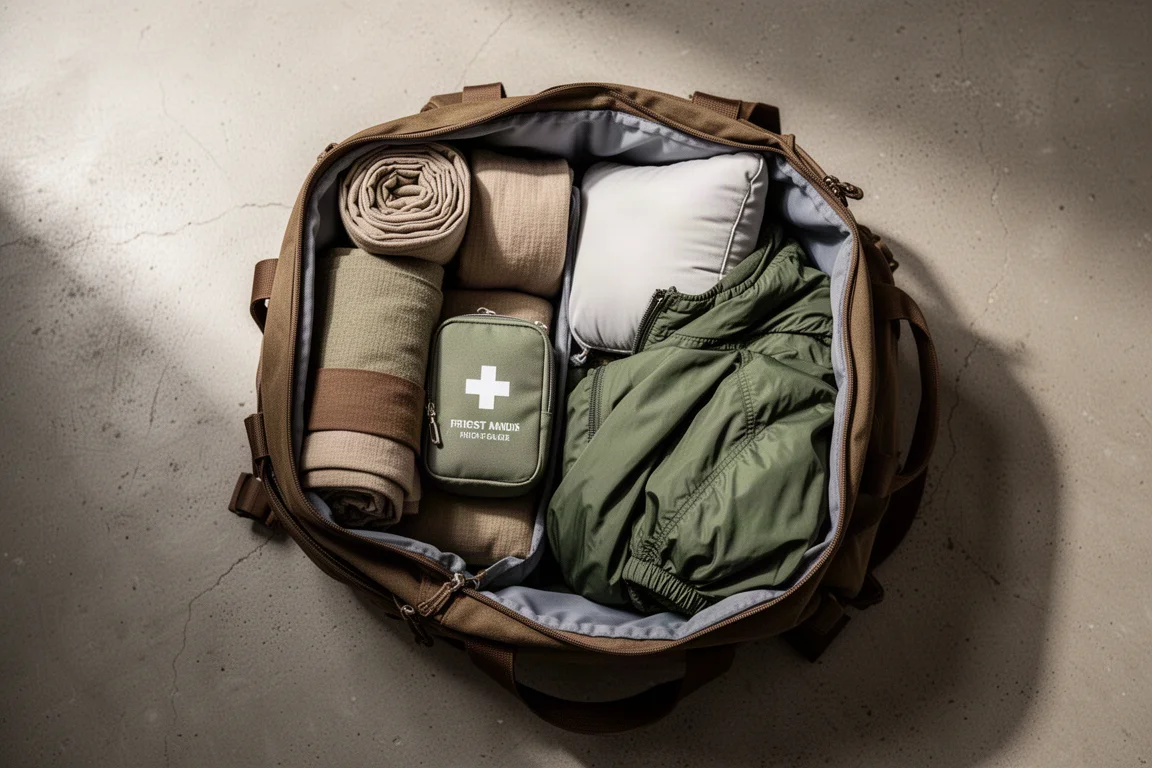
Pack what you will actually use, and do not cut the small items that keep you comfortable, dry, and safe. A knife, eye protection, a dry place to sit, and a layer that handles wind are all light, affordable, and easy to justify.
Conclusion
The best backpacking gear is not always the most talked about. A sun hoodie, a windbreaker, a small ground sheet, a real pillow, a knife, and a GPS watch each address a specific moment on the trail, and together they make trips noticeably more comfortable. Add sunglasses, camp shoes, and a first aid kit you understand, and you have a setup that works hard without weighing much.
Further reading
Related Reviews

Backpacking Gear
Building a 10 lb Base Weight: An Ultralight Backpacking Gear List
A practical walkthrough of the ultralight pieces behind a 10 lb base weight, from a 765 g pack and a roomy one-person tent to a full camp chair and a dependable water filter.
Backpacking Gear
A 15-Pound Lightweight Backpacking Gear List for Solo Trips
A beginner-friendly 15-pound backpacking setup built from easy-to-find gear, with notes on what each piece does, how it packs, and where to spend your attention.
Backpacking Gear
8 Ultralight Backpacking Gear Upgrades Worth Carrying
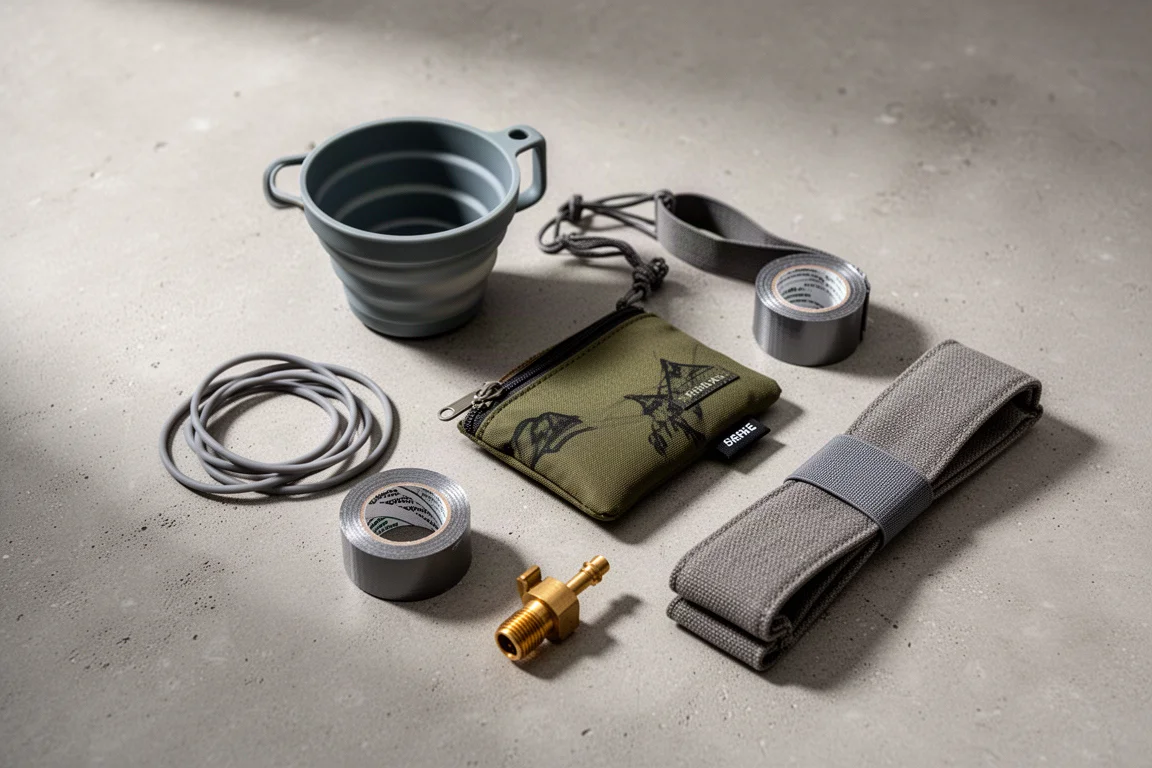
Eight small, affordable backpacking upgrades that solve real trail annoyances, from a pillow that stays put to a fuel valve that rescues leftover canister gas.