Backpacking Gear
Most Popular Ultralight Backpacking Gear: 10 Best Sellers Worth a Closer Look
Ten of the most popular ultralight backpacking items, with what each one does well and when it is worth buying.
Introduction
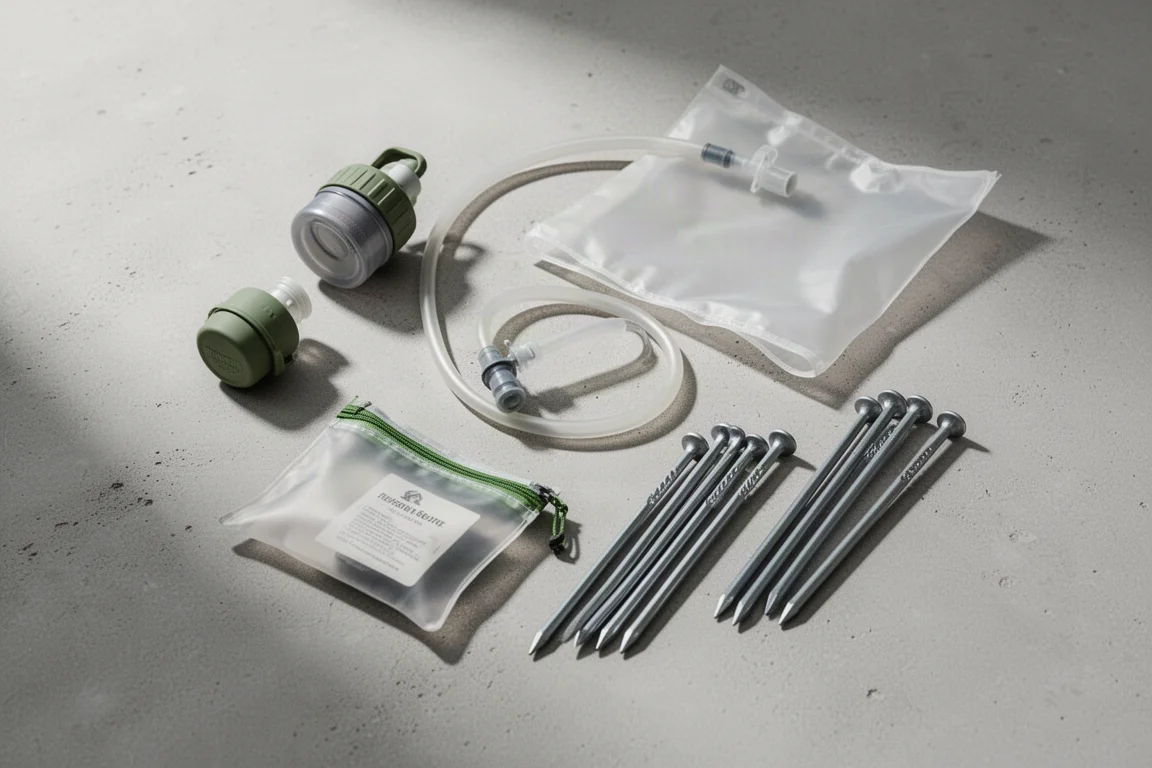
Ultralight backpacking gear lists are useful because they show what people actually buy, not just what looks good on paper. This roundup covers ten items that sit near the top of a specialty ultralight retailer’s best sellers, from a water bottle bidet to a pack liner that costs less than a box of compactor bags.
Each entry below explains what the item does, who it tends to suit, and where it may not be the right call. Popularity is not the same as fit: a best seller can still be the wrong purchase for the way you hike, and a few of these items only make sense in specific conditions or with a specific pack.
CuloClean Bidet: A Water Bottle Bidet That Packs Flat
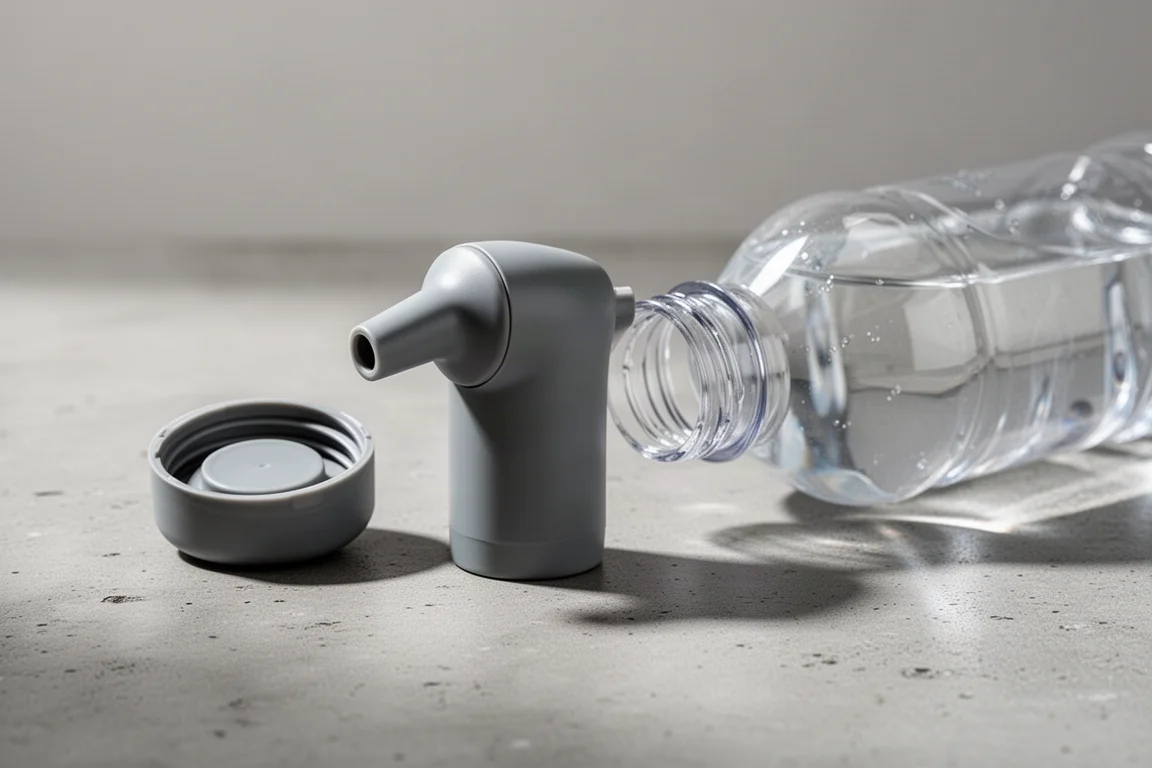
The CuloClean is a bidet that fits onto a water bottle. Its distinguishing detail is that it plugs into the top of the bottle rather than screwing onto the threads, which makes it quicker to lift off with one hand. For a small piece of backcountry hygiene gear, that difference matters more than it sounds, because the whole routine depends on being able to remove and replace the bidet easily.
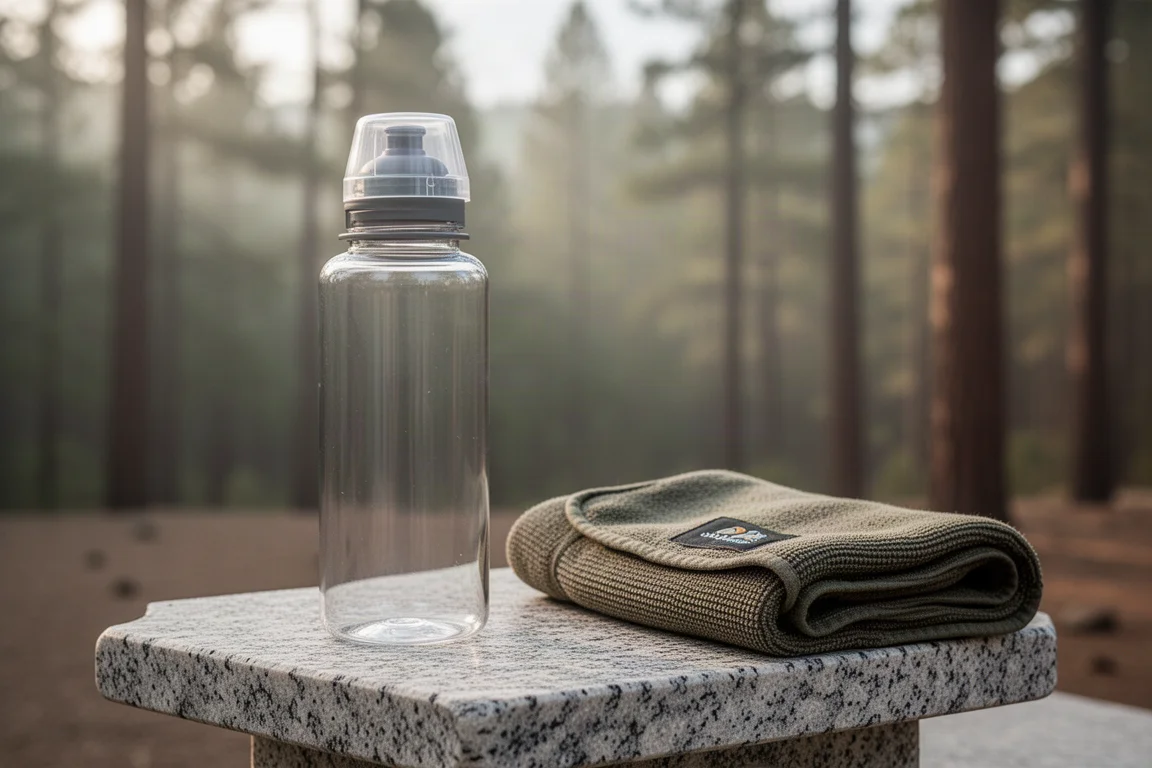
It ranks tenth here, which fits its nature. It is probably the most talked-about bidet of its kind, but it is not for everyone. Hikers who already carry a water bottle and want a compact hygiene option will find it easy to justify, while anyone happy with their current setup has little reason to change anything.
One Bottle System: Bladder Convenience Without the Bladder
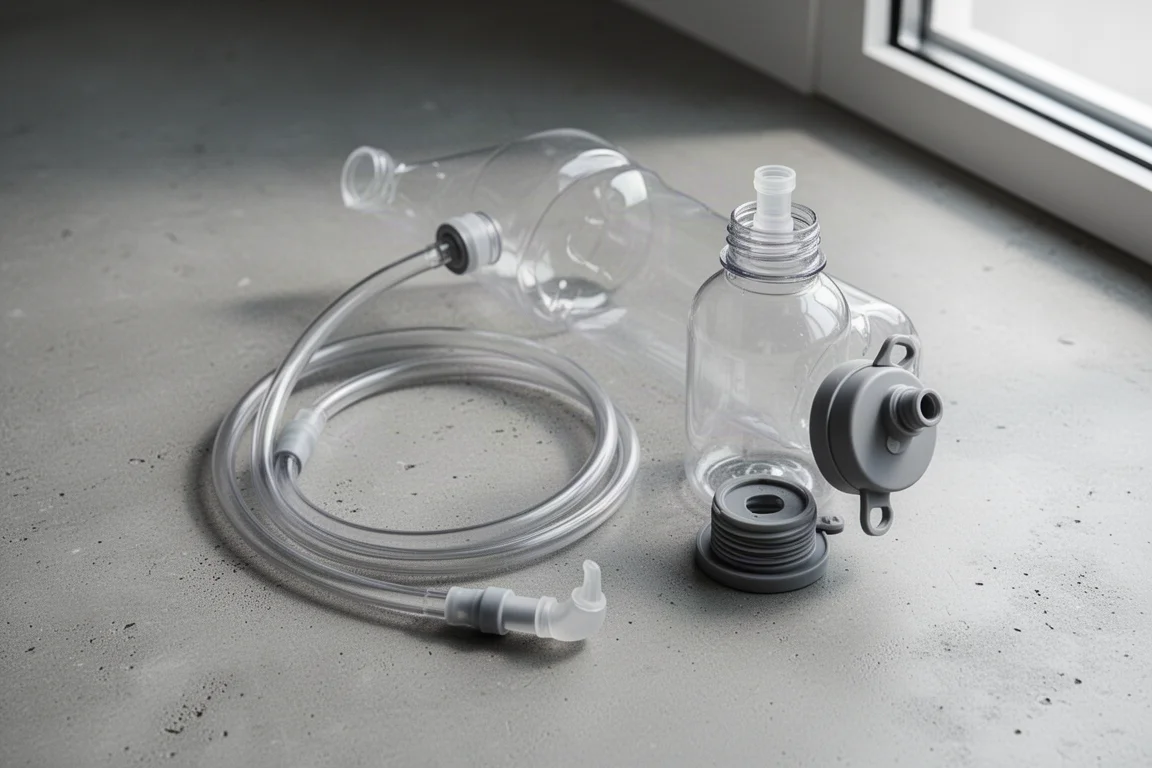
The One Bottle System is a tube that attaches to almost any water bottle. Different lid attachments let it fit bottles such as a Nalgene or a Smartwater bottle, so you can drop the bottle into a side pocket, run the hose over your shoulder, and sip from a mouthpiece much as you would with a hydration bladder.
The advantages over a bladder are practical. It is far easier to see how much water is left, and refilling means topping up a bottle rather than pulling a bladder out of a pack and stuffing it back in. That is why it appeals to hikers whose packs have side pockets that are hard to reach.
The trade-off is straightforward. If your pack already has side pockets you can reach without stopping, a plain bottle is simpler, and the hose adds a step you may not need.
Smelly Proof Bags: Odor Control Meets Reusable Storage
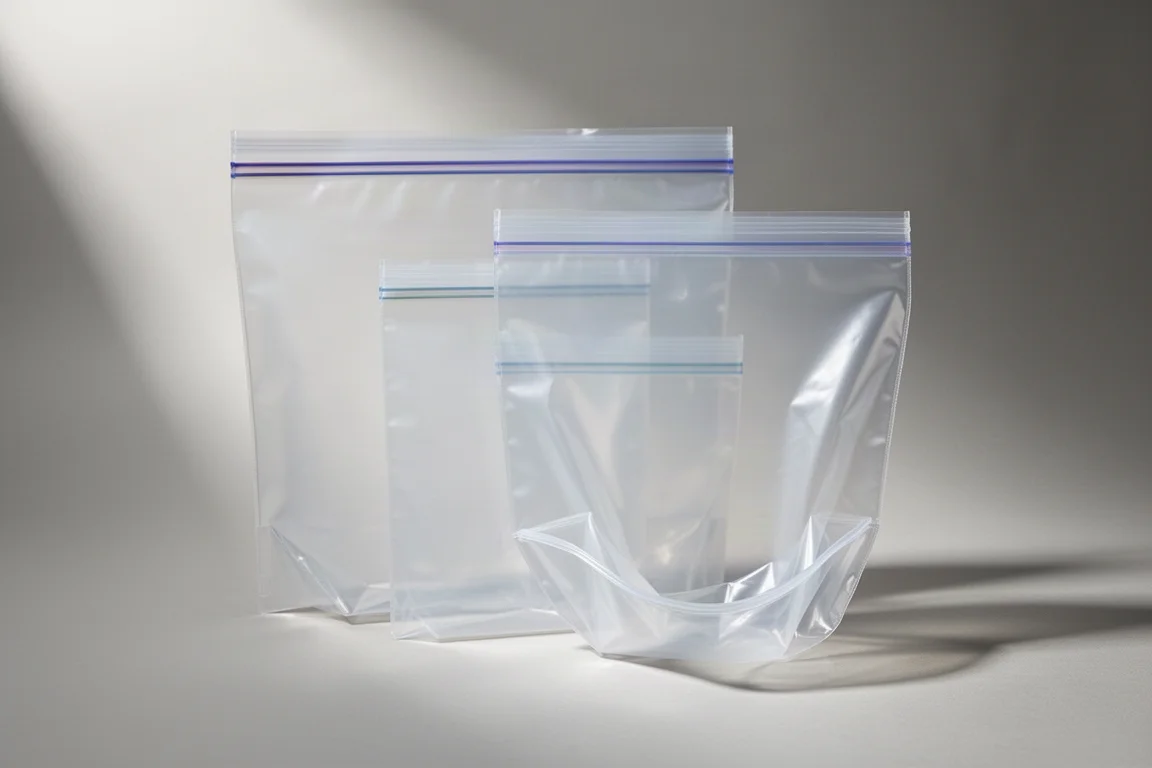
Smelly Proof bags are essentially heavy-duty resealable bags with more odor protection than a standard kitchen bag. In bear country, extra odor control when packing food is a real benefit, and the durability means the same bags can double as reusable organizers for small items.
They weigh close to a standard resealable bag but last much longer, which is the main reason they have moved quickly into packing lists. The range covers several sizes, and the curved-bottom versions expand a little more, which makes them easier to eat from during a cold soak.
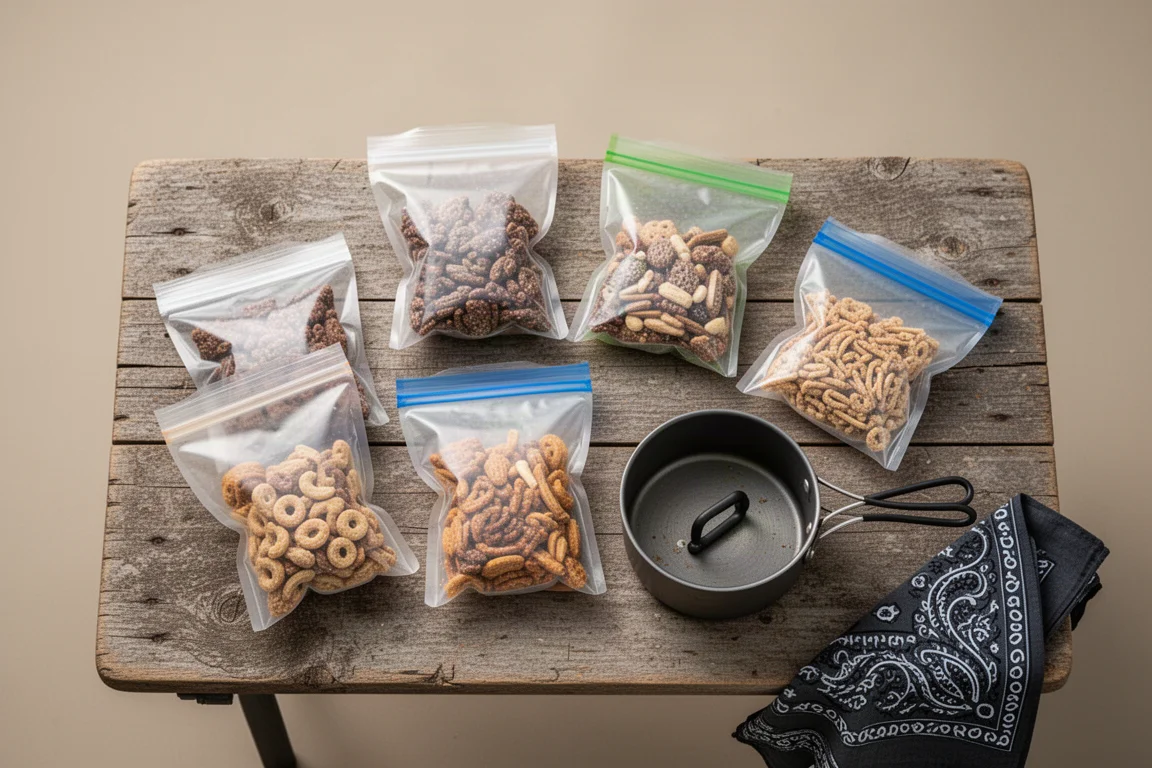
One limit is worth knowing before you buy. The bags are dishwasher safe but rated to 88 °C, so hot water is fine while boiling water is not.
MSR Groundhog Tent Stakes: Proven, Durable, Affordable
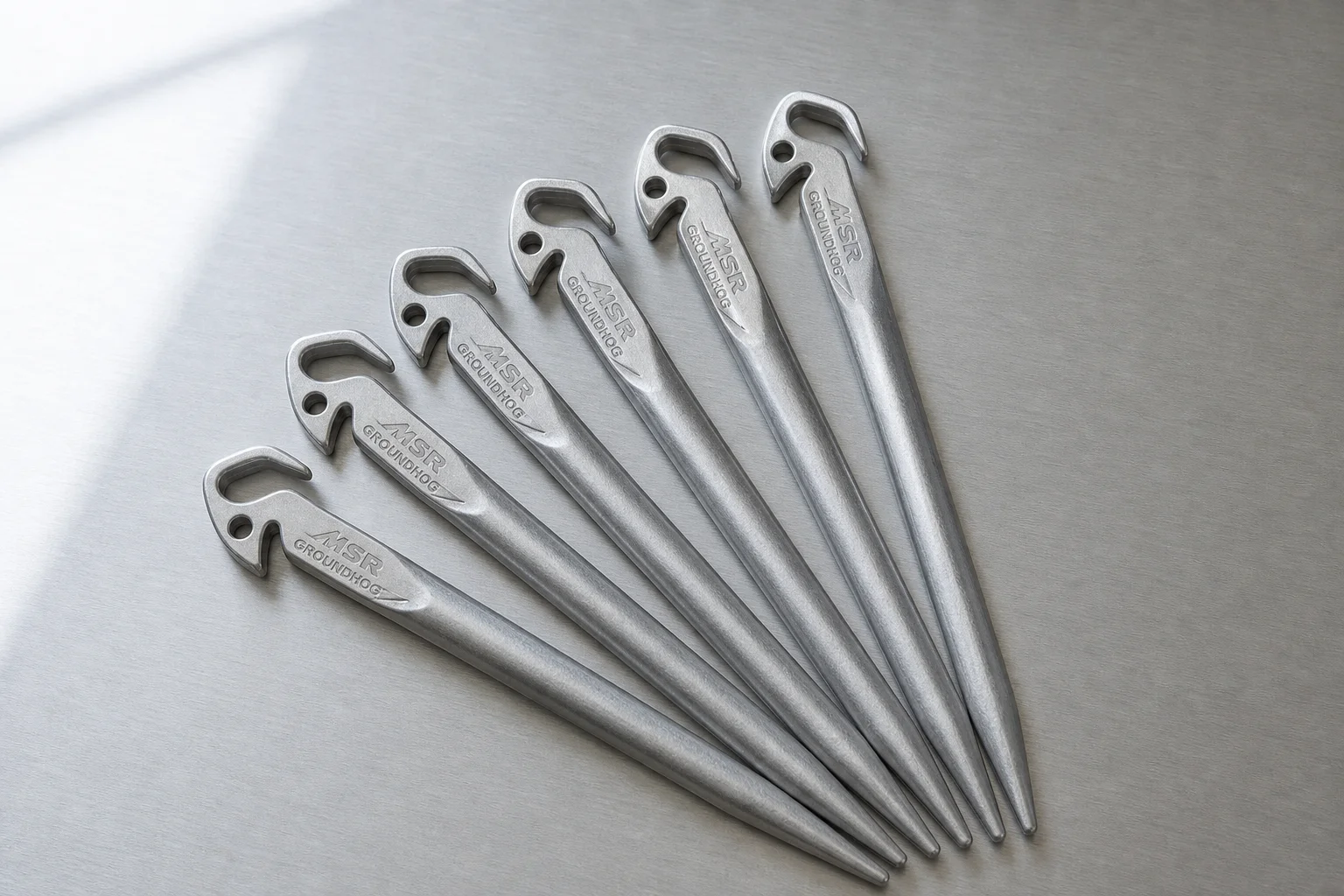
The MSR Groundhog is not the lightest stake you can buy, which makes its popularity slightly surprising in a catalog built around ultralight gear. What it offers instead is reliability. It holds well, it is durable, and it costs less than most of the weight-saving alternatives.
Lighter options exist, including the Big Sky tube stake and the MSR Carbon Core stake, but both cost more. For many hikers the Groundhog is the sensible middle ground: a stake you can trust on a trip without thinking about it.
Big Sky Food Pouch: Warm Meals in Cold Conditions
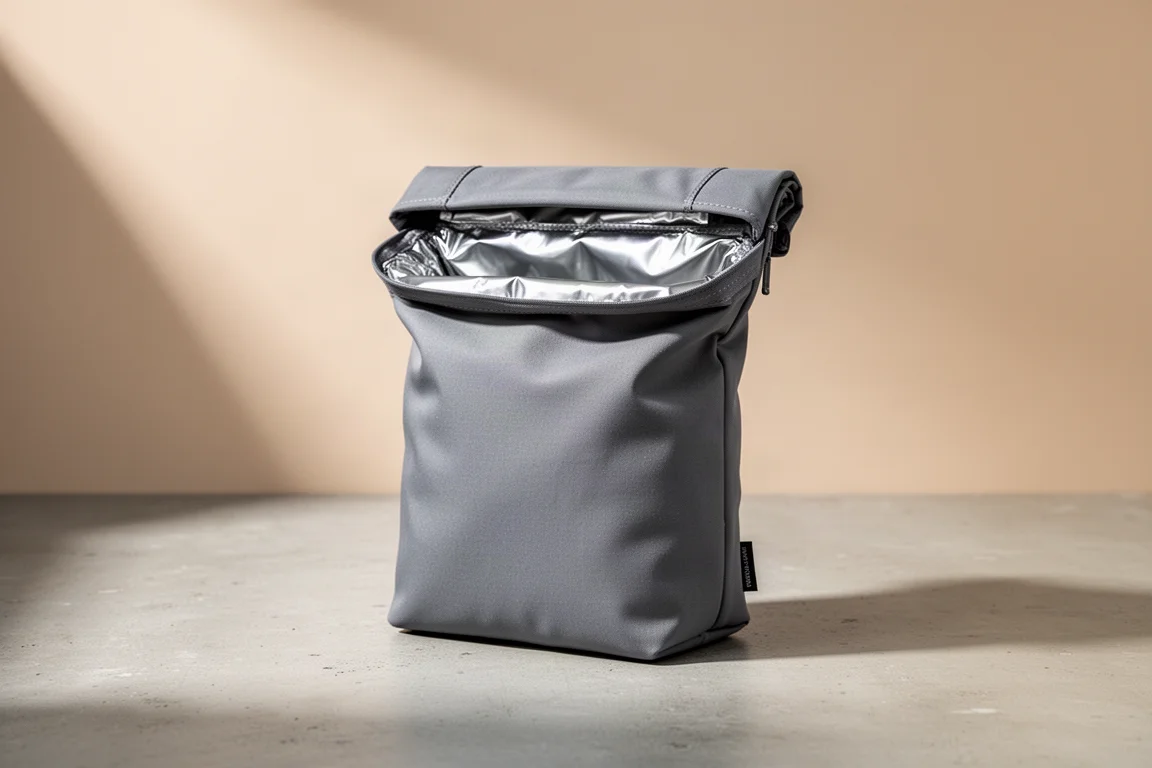
A food pouch is an insulated bag used for rehydrating meals, and it becomes genuinely useful once temperatures drop below freezing. Cold slows rehydration down, and an insulated pouch keeps the process moving while also holding the meal warm as you eat it.
The reason its ranking is interesting is that most backpacking trips are not that cold. Around freezing or just below, many hikers simply tuck a freeze-dried meal inside a down jacket while it rehydrates and leave the pouch at home. In properly cold conditions, though, it earns its place in the pack.
Ingenious Repair Kit: A Complete Field Repair Pouch
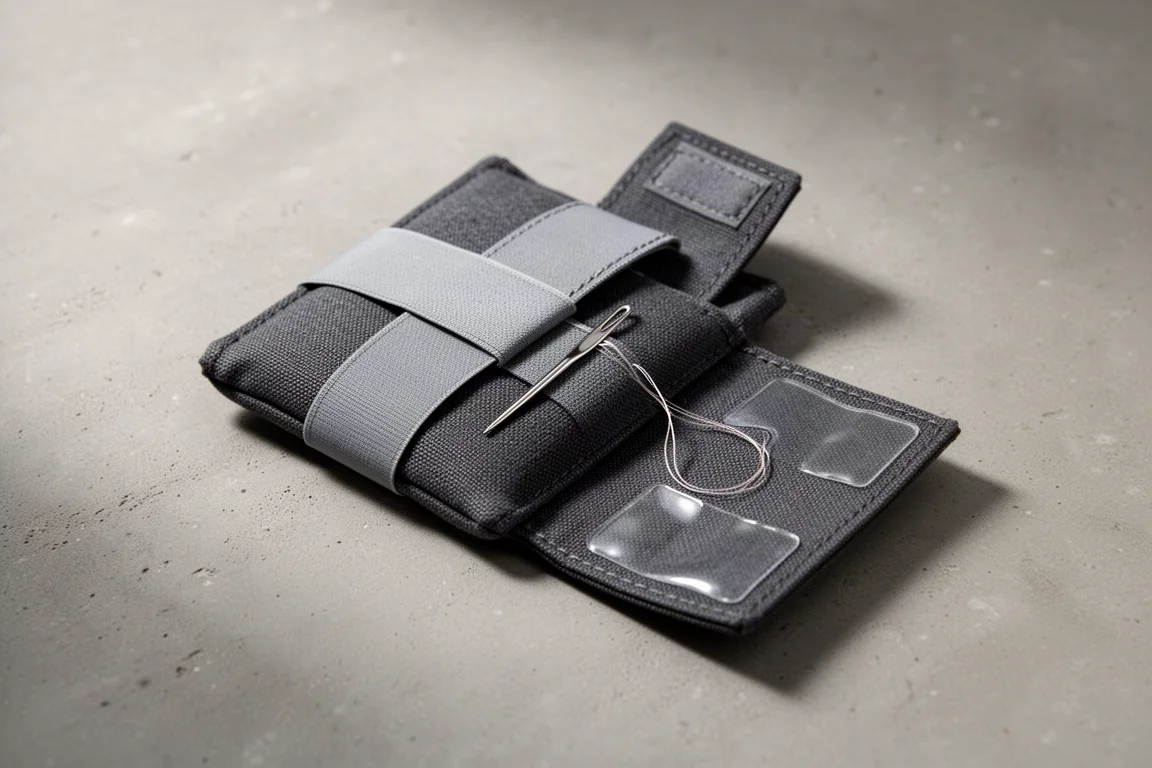
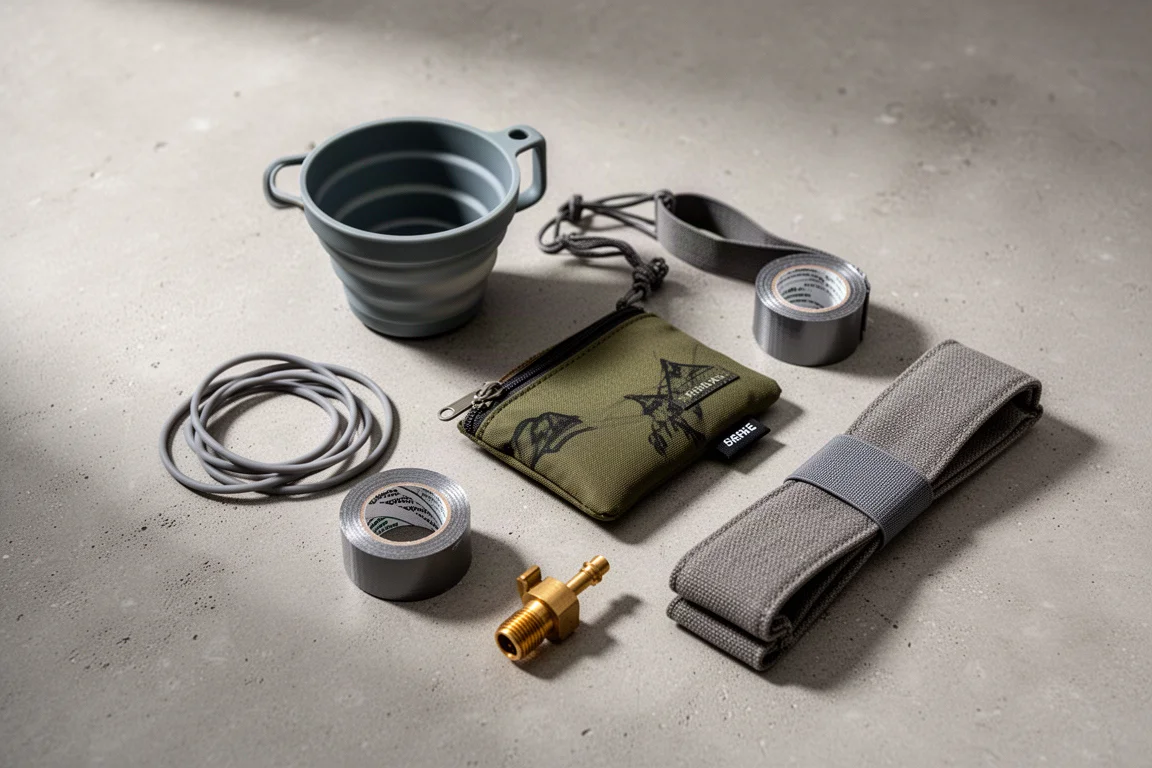
The full-size Ingenious Repair Kit gathers the pieces people usually assemble themselves and puts them in one compact pouch. Gorilla tape is wrapped around the outside for quick patches, a needle and thread sit under a small 3D-printed flap for sewing repairs, and patches for inflatables and larger tears are stored under a second flap.
The appeal is that it removes uncertainty. Instead of wondering whether a homemade kit covers a torn quilt or a leaking sleeping pad, you carry one pouch that does. It also solves a quieter problem: small items such as a needle and thread are easy to leave behind because they are easy to lose.
Nylofume Pack Liner: Light, Cheap, and Effective
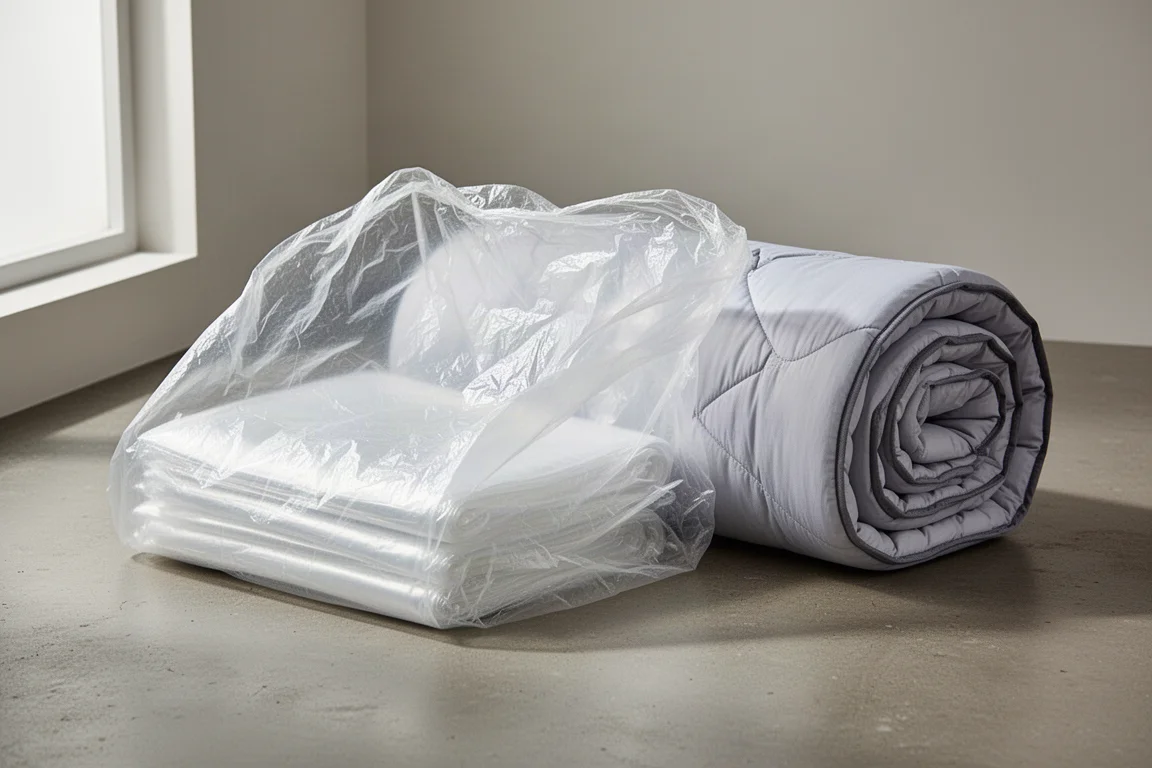
A pack liner is one of the simplest ways to keep a sleeping bag and spare clothing dry, and the Nylofume liner is the lightest and one of the cheapest ways to do it. Buying a three-pack also works out cheaper and simpler than buying a large box of compactor bags.
Using it takes seconds. The liner goes inside the pack, everything that needs to stay dry goes inside the liner, and the open end is twisted shut and tucked down the side of the pack. Rain, condensation, and stray moisture stay on the outside.
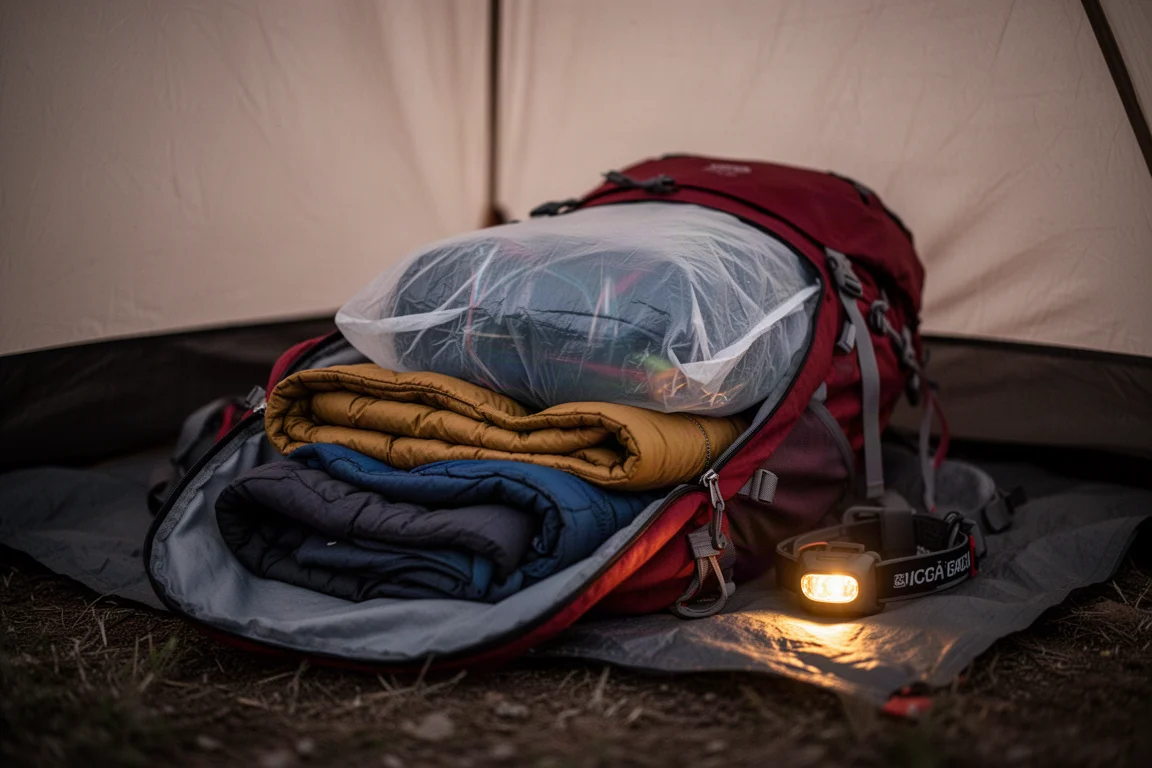
Durability is the trade-off. These liners are not built to be dragged around camp, so the trick is to leave the liner inside the pack and load and unload it from there. Treated that way, a single liner can last for years of trips without rips or tears.
Unpaste Toothpaste Tablets: Toothpaste Without the Tube
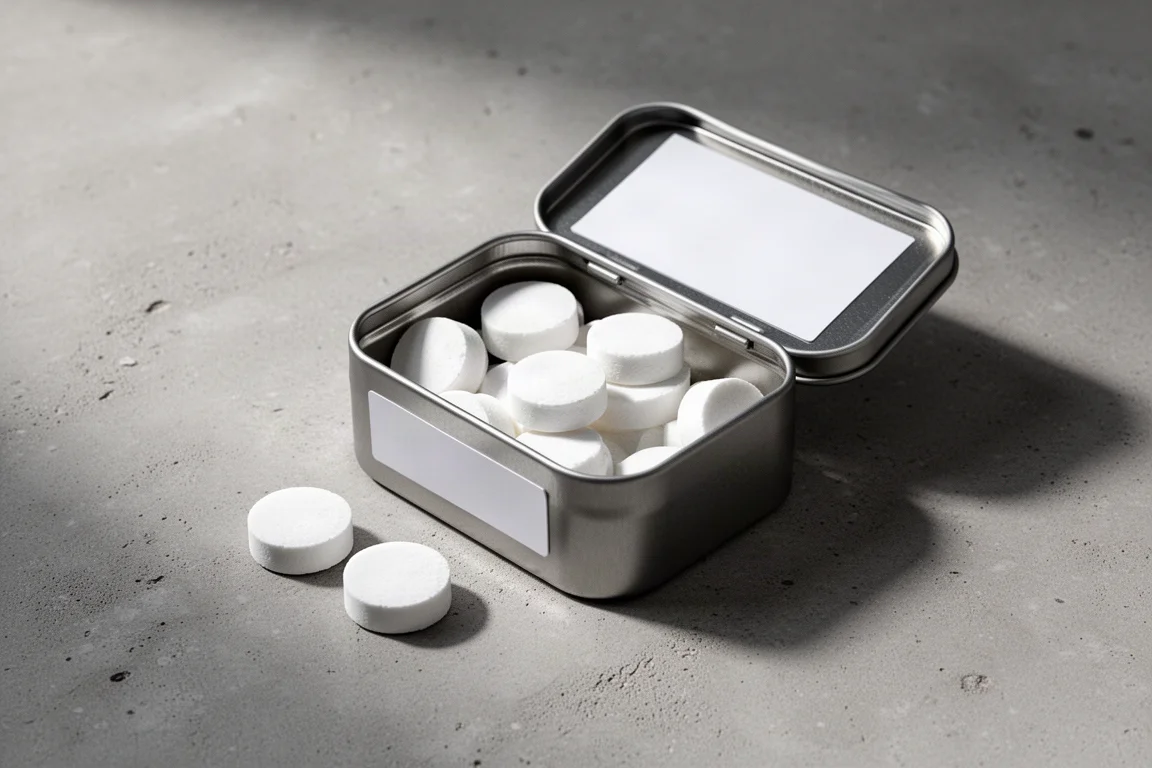
Unpaste toothpaste tablets replace a tube entirely. You chew a tablet, brush as usual, and carry only as many tablets as a trip requires, which is why the product sits near the top of this list. Both fluorinated and unfluorinated versions are available.
For shorter trips the saving is modest. For longer routes with planned resupply points the benefit is bigger: you can portion out exactly what each section needs instead of guessing how much paste is left in a tube.
Big Sky Tube Stake: A Lighter Stake for Weight-Conscious Setups
The Big Sky tube stake is one of the lighter alternatives to a standard stake such as the Groundhog. It suits hikers who have already trimmed weight elsewhere and want the same effect from their shelter hardware.
Cost is the obvious consideration, since lighter stakes generally cost more than the dependable, mid-priced options they replace. Whether that trade is worth it depends on how much weight matters to you and how often you pitch in soft or rocky ground.
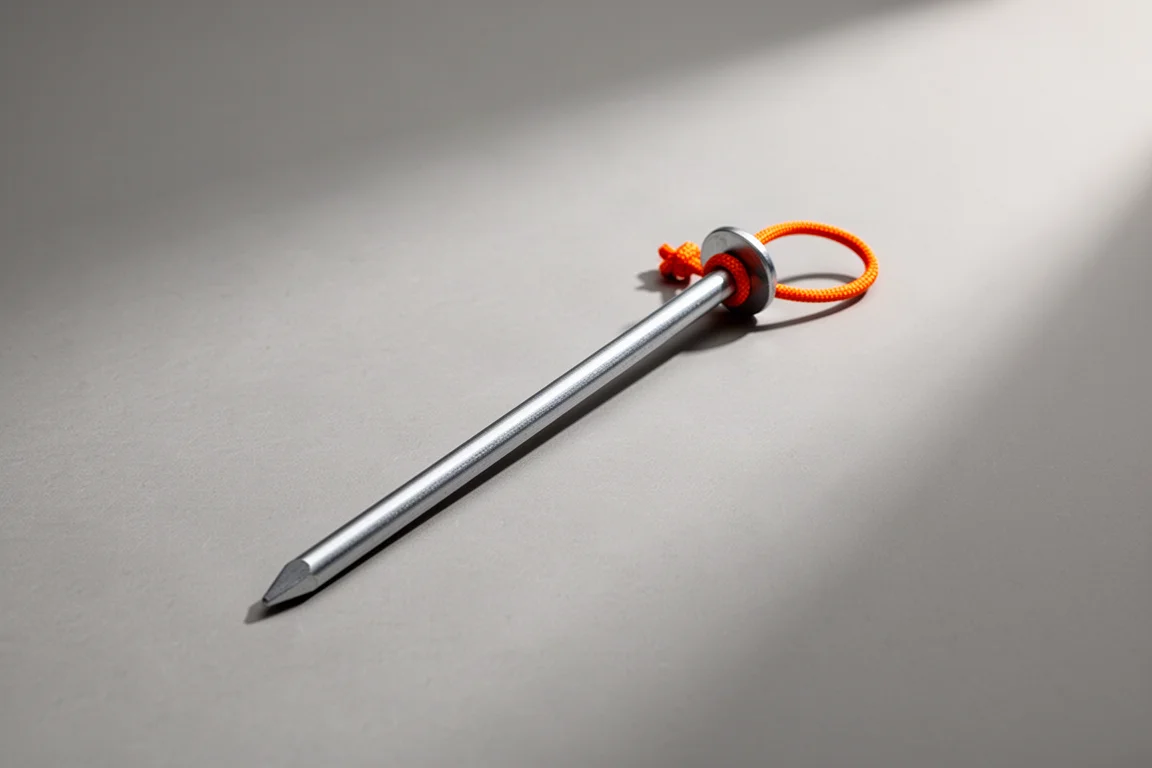
MSR Carbon Core Stake: Ultralight Stakes for Non-Critical Points
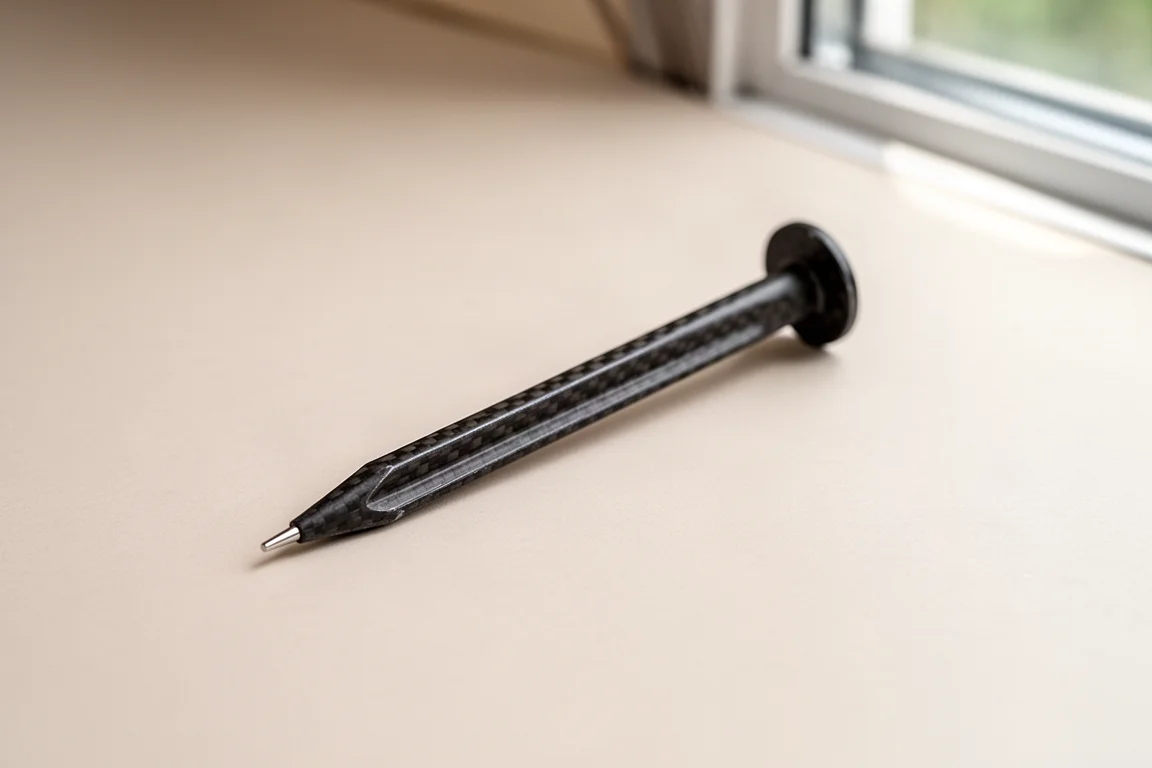
The MSR Carbon Core stake is smaller than a standard stake and is best used at non-critical points on a tent, where a full-size stake is more than the job requires. Using lighter stakes on secondary guy lines lets you keep heavier, more secure stakes at the corners.
Like the Big Sky option, it costs more than the Groundhog. It makes most sense as a targeted upgrade rather than a full replacement set.
Overall Buying Advice
The most useful question with any of these items is whether it solves a problem you actually have. A repair kit, a pack liner, and toothpaste tablets are broadly useful, because almost every trip involves keeping gear dry, fixing something, or brushing your teeth. A bidet, an insulated food pouch, and a set of ultralight stakes are more situational.
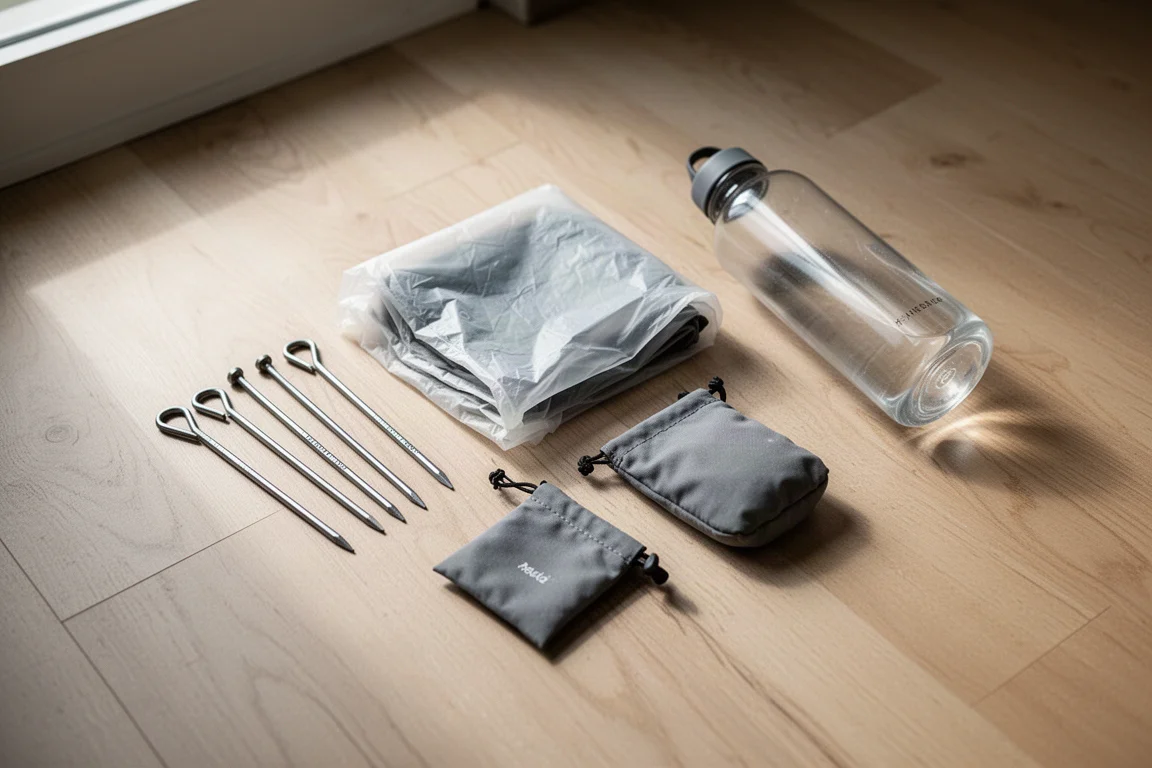
It also helps to look at the gear you already own. The One Bottle System is a strong buy for hikers whose pack pockets are hard to reach, and much less compelling for everyone else. Ultralight stakes justify their extra cost if weight is your priority, while the Groundhog remains a reliable, affordable choice for most trips. Buying for the conditions you hike in, rather than the conditions on a best-seller list, is the fastest way to avoid a purchase you regret.
Conclusion
These ten items are popular for understandable reasons: each one either saves weight, saves money, or removes a small annoyance from a trip. The strongest buys for most hikers are the ones that work in any season, such as the repair kit, the pack liner, and the toothpaste tablets. The more specialized picks, including the bidet, the food pouch, and the lighter stakes, are worth considering when your trips and your pack make them genuinely useful.
Further reading
Related Reviews

Backpacking Gear
Building a 10 lb Base Weight: An Ultralight Backpacking Gear List
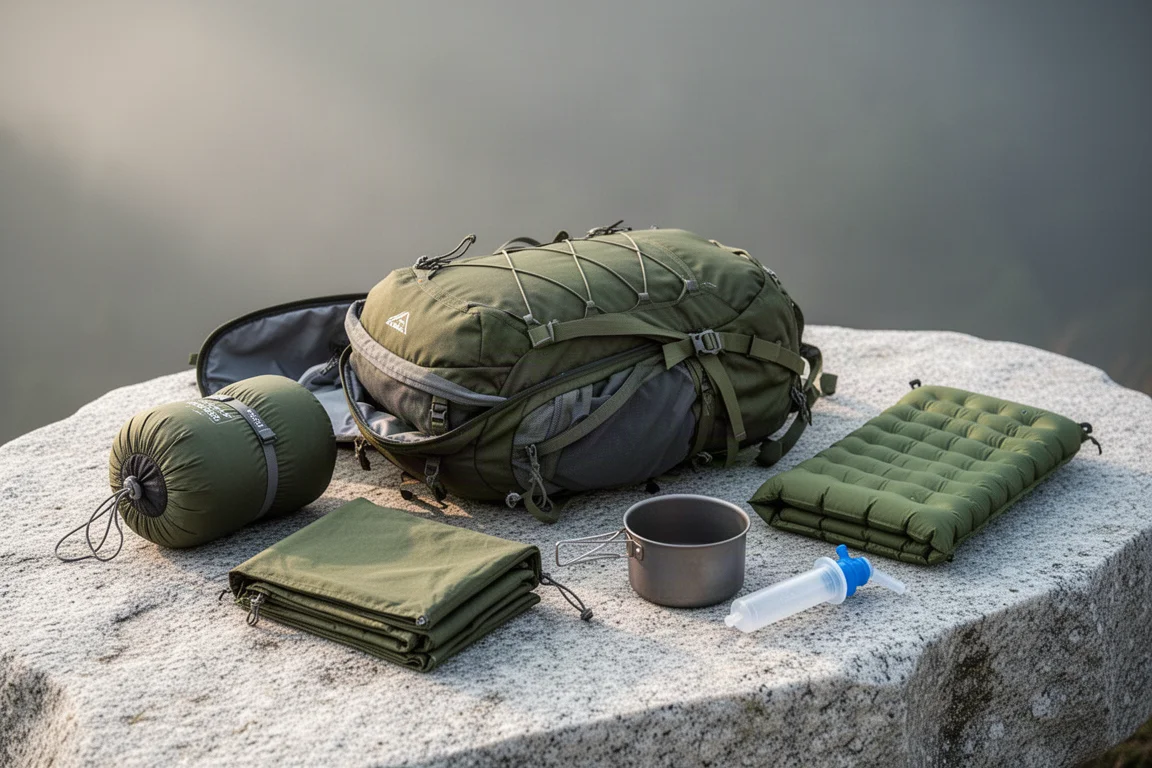
A practical walkthrough of the ultralight pieces behind a 10 lb base weight, from a 765 g pack and a roomy one-person tent to a full camp chair and a dependable water filter.
Backpacking Gear
A 15-Pound Lightweight Backpacking Gear List for Solo Trips
A beginner-friendly 15-pound backpacking setup built from easy-to-find gear, with notes on what each piece does, how it packs, and where to spend your attention.
Backpacking Gear
8 Ultralight Backpacking Gear Upgrades Worth Carrying
Eight small, affordable backpacking upgrades that solve real trail annoyances, from a pillow that stays put to a fuel valve that rescues leftover canister gas.