Backpacking Gear
Most Popular Backpacking Gear: Six Picks Worth Packing
Six dependable backpacking items, from a 750 ml titanium pot to a $20 camp pillow, with the strengths and trade-offs to weigh before buying.
Introduction
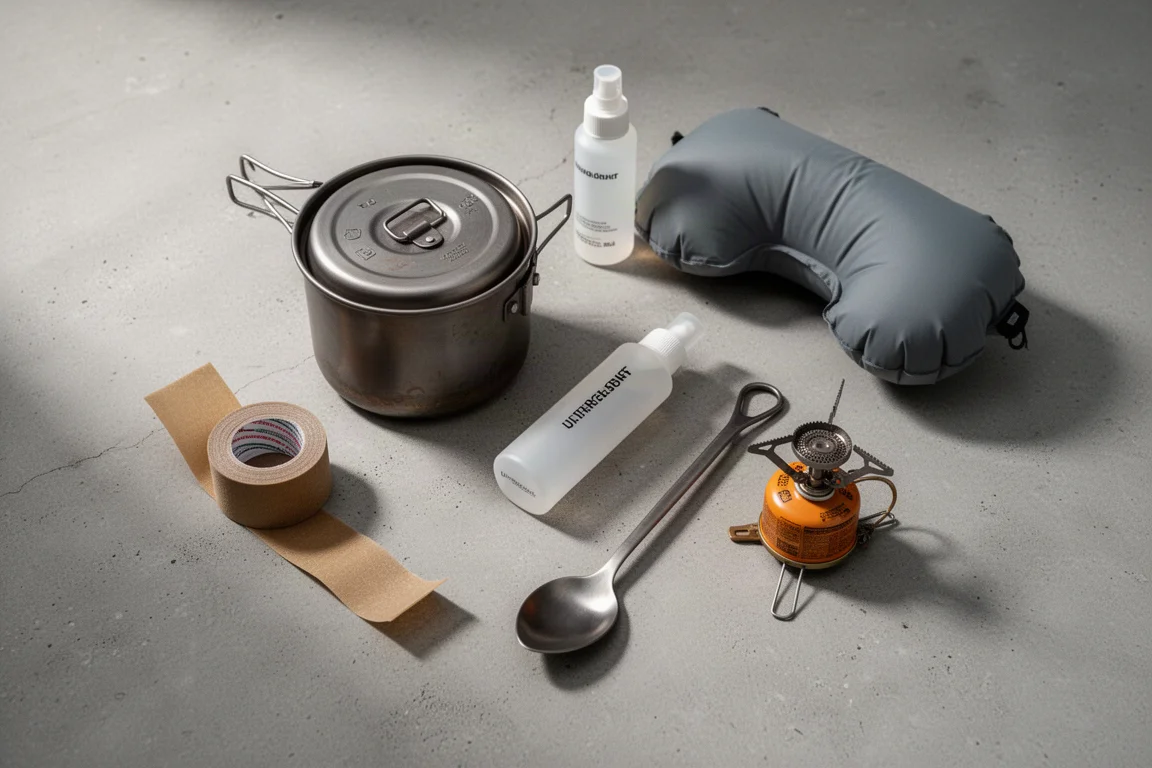
Some gear earns attention through clever design. The gear that actually gets packed trip after trip tends to earn it a different way: it works, it weighs very little, and it does not cost much. The six items below have all proven themselves over years of real backpacking use, from a titanium pot that nearly half of surveyed backpackers say they own to a $20 pillow that has been purchased thousands of times.
What These Six Picks Have in Common
Every item here clears the same basic bar. Each one is light enough to justify carrying, tough enough to survive repeated trips, and priced so that trying it never feels like a gamble. A few of them, such as the titanium pot and the long-handled spoon, are made from a material that lasts a very long time, which explains why so many people bought theirs well before this year.
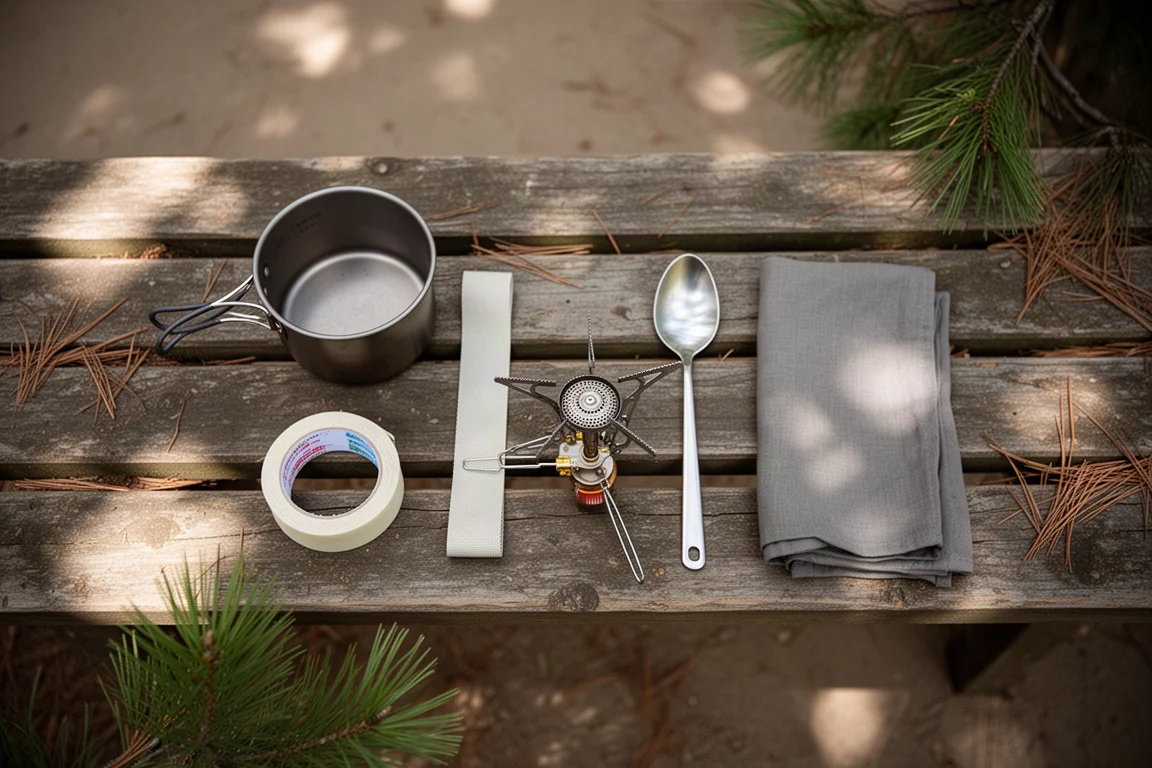
The other common thread is focus. None of these products tries to do everything. Each one solves a narrow, recurring problem: boiling water for a meal, covering a hot spot before it becomes a blister, restoring a down jacket after a season of use, or keeping a head off cold ground.
Toaks 750ml Titanium Pot: The Capacity Sweet Spot
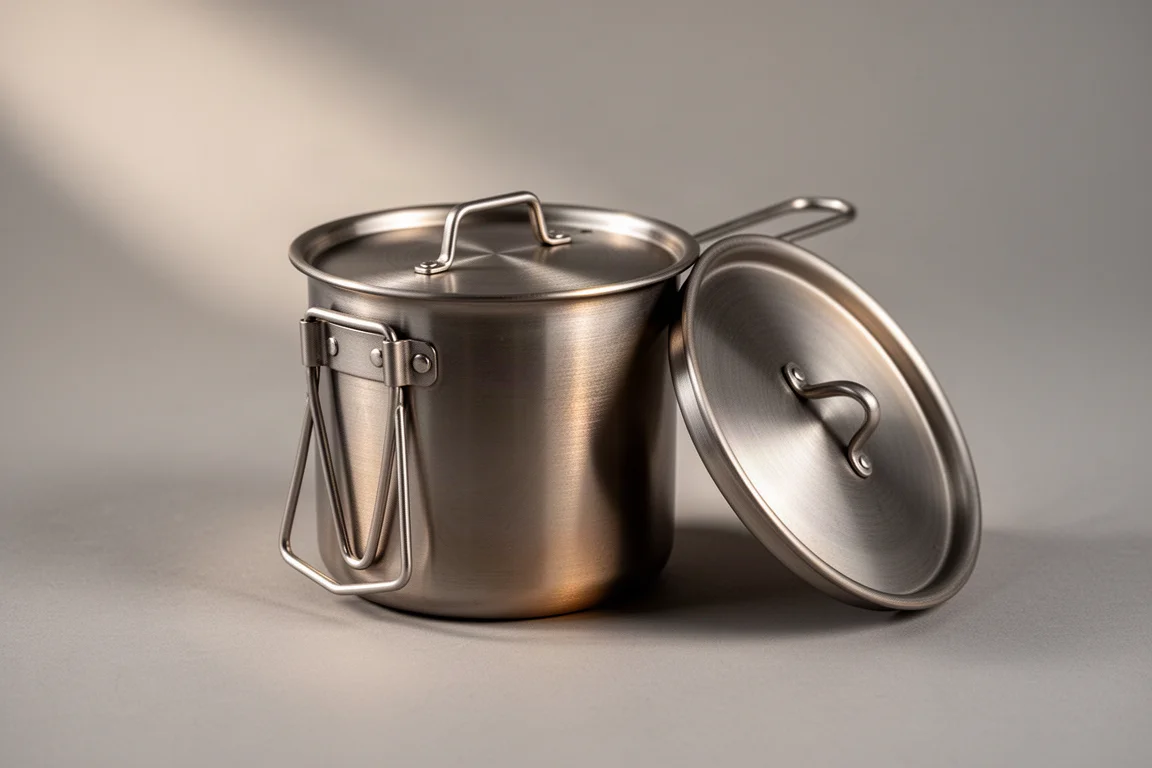
A survey of backpackers found that 46 percent use this exact pot, close to half of everyone who responded. The capacity explains much of that. At 750 ml it holds enough water to boil for almost any freeze-dried meal, and it often leaves a little extra for a hot drink afterward. For a solo cook setup, that is close to a sweet spot.
Titanium construction keeps the pot light and durable, and the material is a large part of why so many owners have kept theirs for years rather than replacing it every season. The one recurring frustration is the lid, which does not stay seated and is easy to lose somewhere between camp and the trail.
Leukotape: Blister Protection That Stays Put
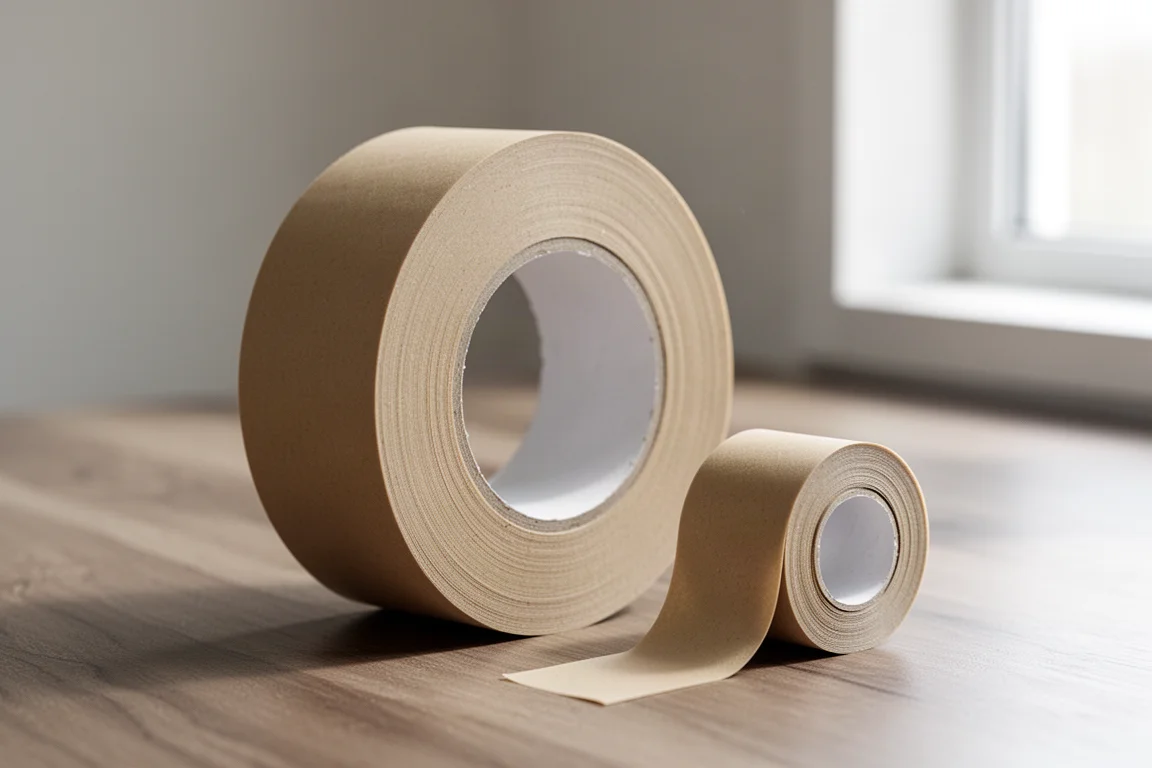
Nothing ruins a trip faster than a blister. Apart from properly fitted footwear, the most effective tool for dealing with one is Leukotape. It sticks remarkably well: once applied to a foot, it stays in place for multiple days without folding or creasing.
That staying power is what makes it genuinely useful rather than just another roll of tape in a repair kit. It helps reduce the chance that a hot spot turns into a blister, and it keeps working through sweat and long days. Buying the large rolls and re-rolling smaller amounts onto compact rolls is an easy way to make sure there is always some in the pack.
Nikwax Down Wash: Keeping Insulation Alive
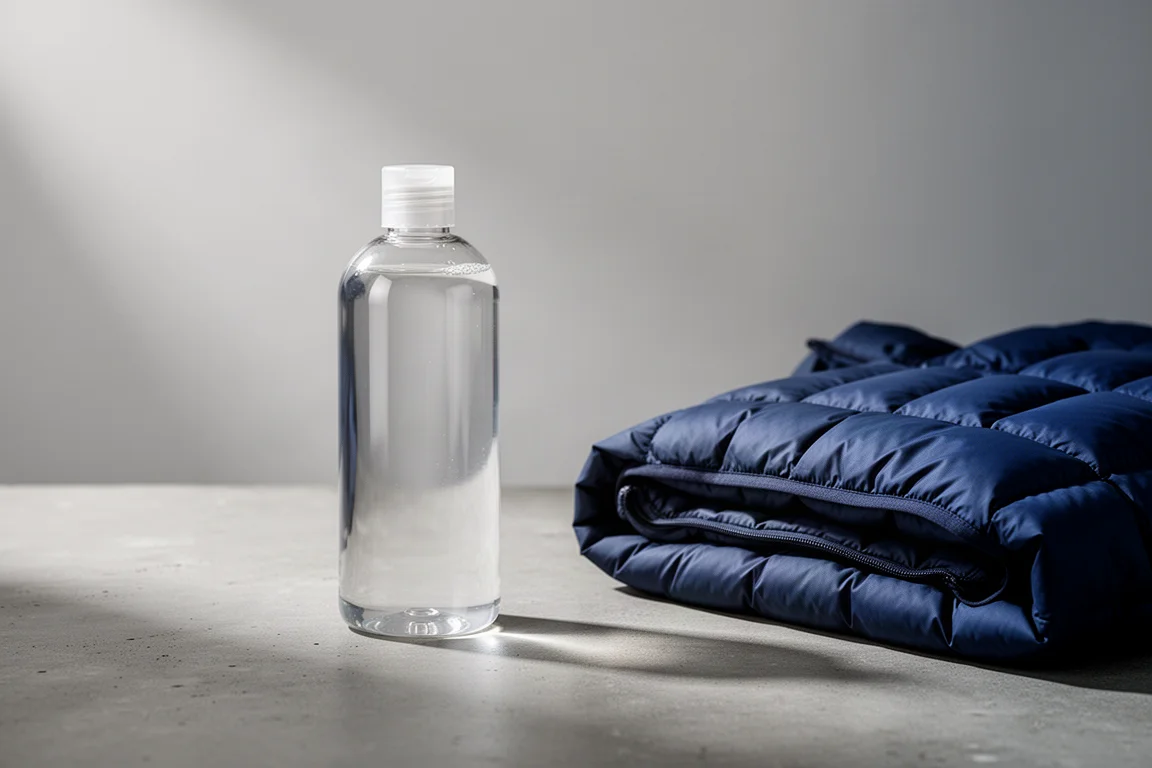
Down gear eventually needs washing, whether it is a sleeping bag or a down jacket. Regular detergent is not the right choice. A proper wash rejuvenates down after heavy use and helps it keep performing and holding warmth the way it should.
Nikwax Down Wash is a dedicated product for exactly that job, and it is the go-to option for down care. It is also the kind of item that is easy to put off until a cold night makes the consequences obvious.
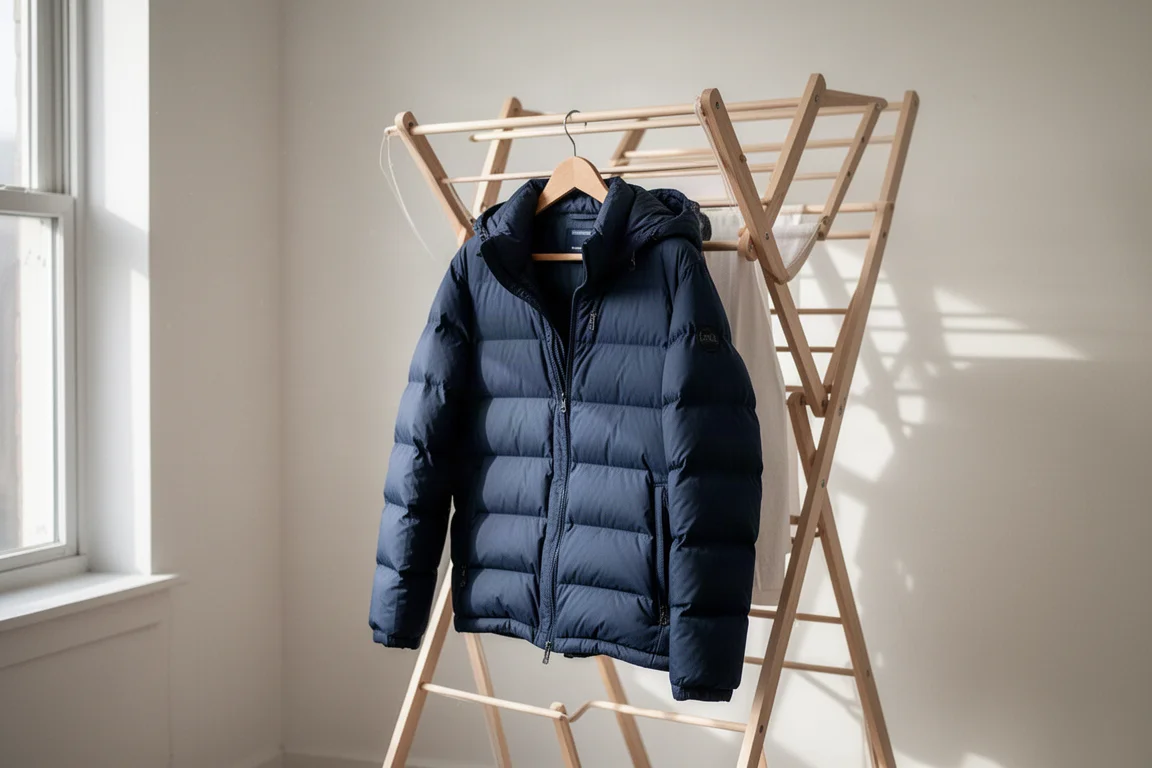
The reason down care matters is that insulation loses loft gradually, and the change is hard to notice until the warmth is gone. Washing is what brings the fill back to a state where it can do its job again.
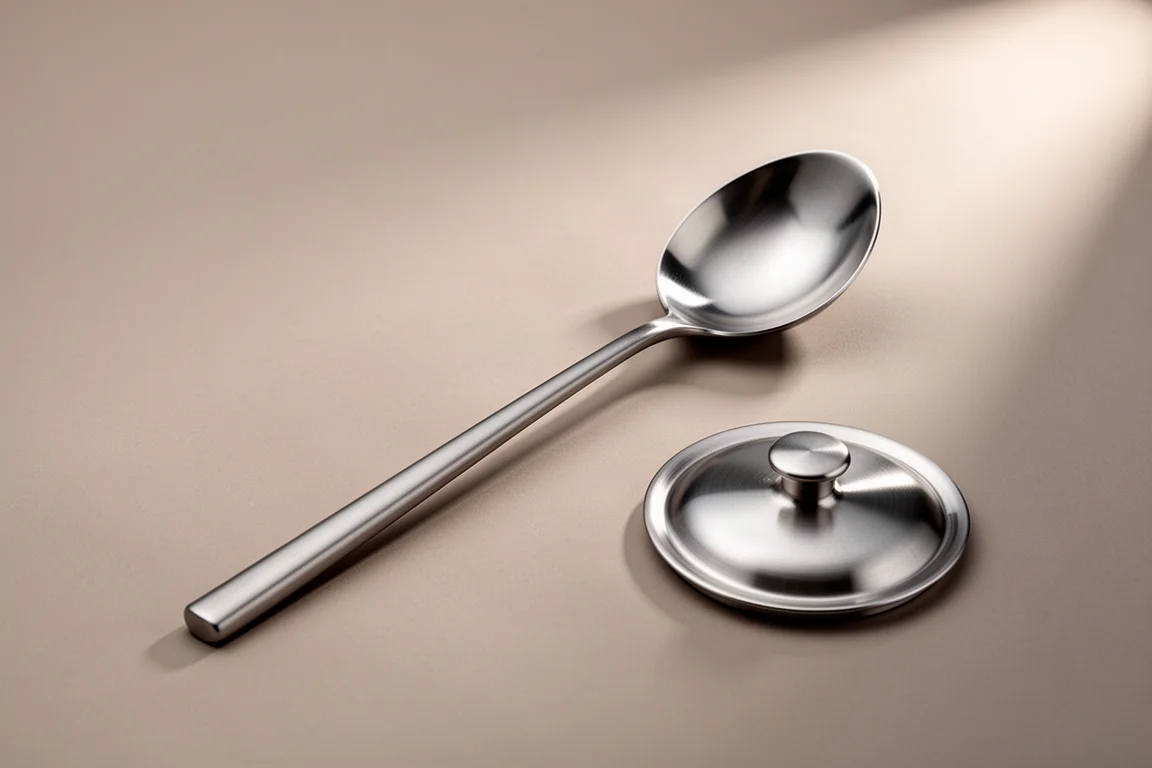
Toaks Titanium Long-Handled Spoon with Polished Bowl
A long handle matters in the backcountry because it keeps your hand away from the bottom of a pot or a rehydrated meal bag. The polished bowl on this Toaks spoon is the detail that makes the biggest difference: it changes how the spoon feels in use, particularly with soups and other liquid meals.
Titanium keeps the weight low and the durability high, so this is a utensil that tends to stay in a pack for years rather than get replaced.
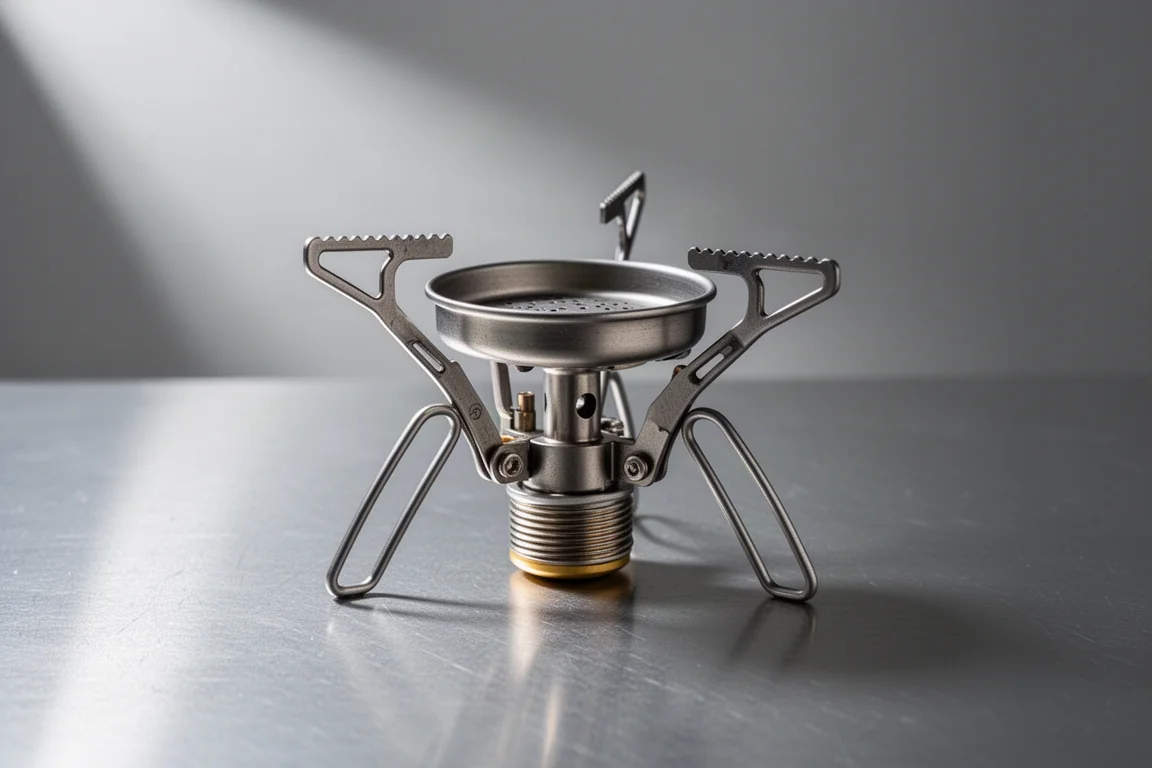
BRS 3000 Stove: 25 Grams of Reliable Flame
At $20 and just 25 grams, the BRS 3000 is about as minimal as a stove gets, and it works. It is the stove that gets used on the majority of trips, which says more about it than any specification could.
It is also a reminder that popularity and usefulness are not the same thing. A 25-gram stove that costs $20 and lights reliably is exactly the sort of quiet standout that deserves more attention than it usually gets.
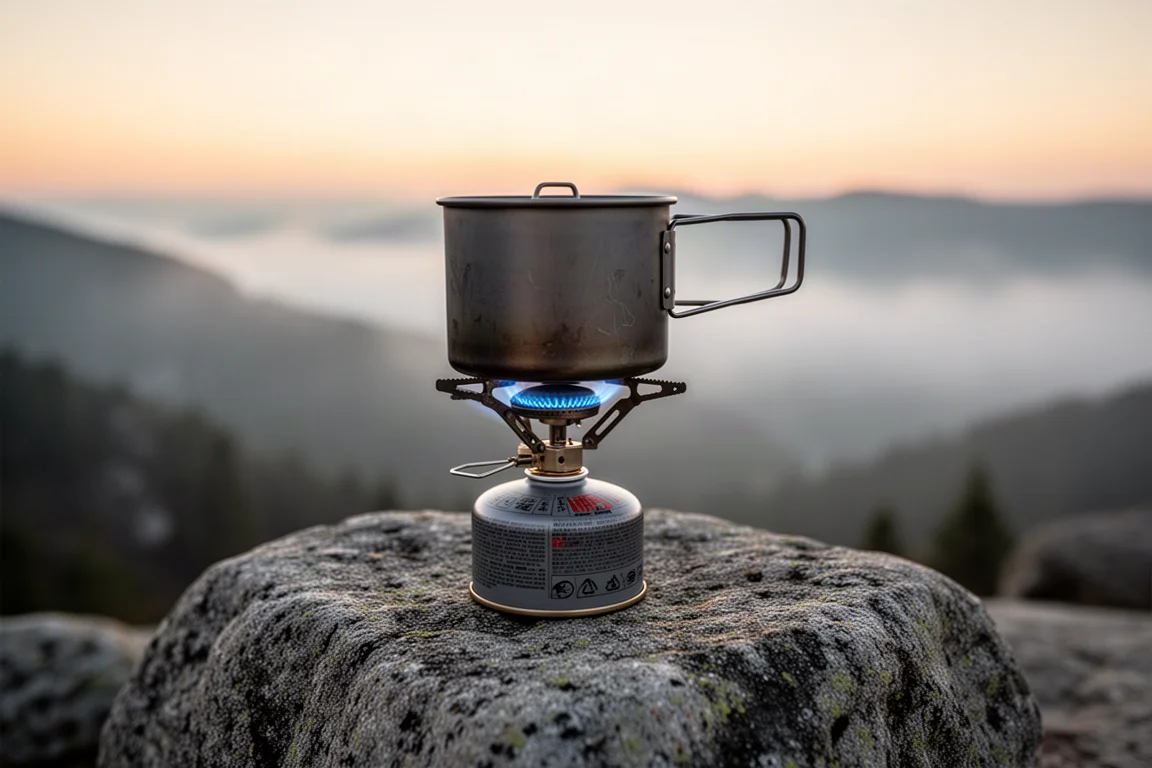
For anyone building a first lightweight kit, or replacing an old stove that has seen better days, this is one of the easiest recommendations to make. The cost is low, the weight is negligible, and it does the job it was designed for.
Trekology Pillow: Affordable Comfort That Earns Its Place
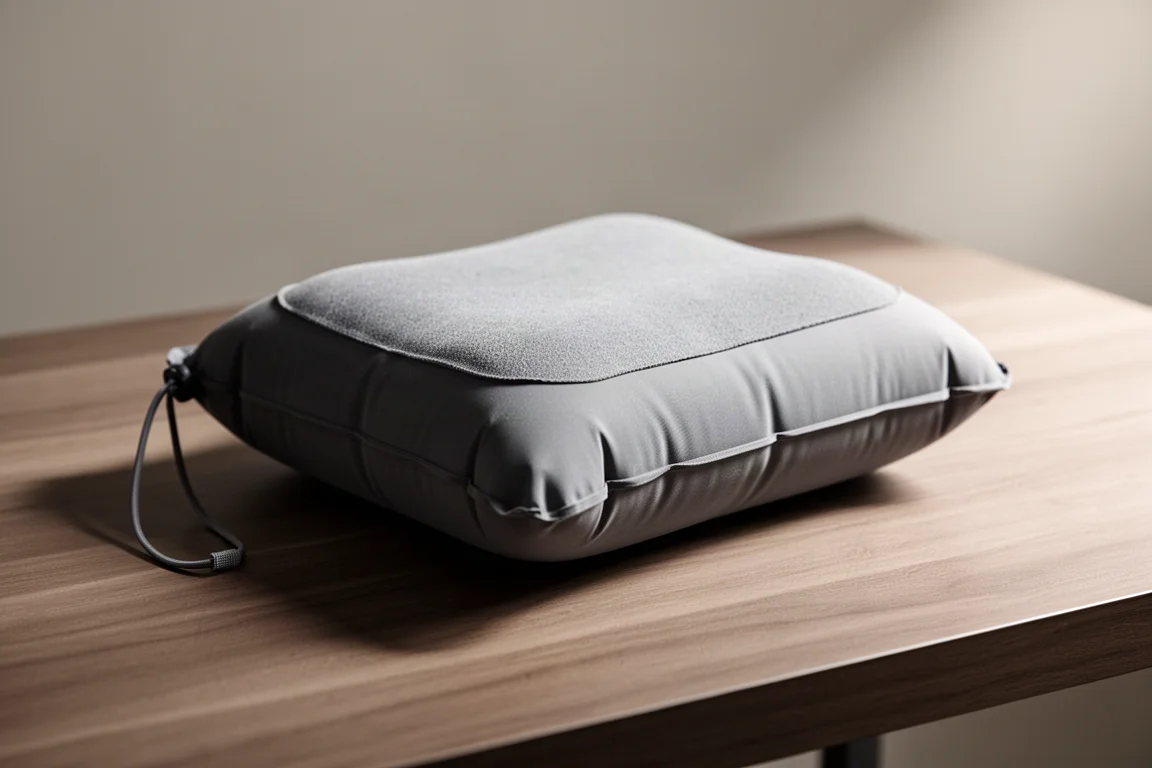
More than 3,000 of these pillows have been purchased over the past few years, and the reason is straightforward. A good pillow is arguably as important as a good sleeping pad if the goal is a decent night in the backcountry, and the Trekology covers the essentials: it is lightweight, inexpensive at around $20, and it has a pad strap that keeps it locked onto a sleeping pad.
It also has supportive baffling and a comfortable shape that suits most sleepers.
The main limitation is height. The Trekology may not sit tall enough for people with very broad shoulders, and the usual fix is simple: slide a sit pad or a folded layer of spare clothing underneath to prop it up.
There are pillows that are more comfortable and pillows that are more ultralight, but this one does everything reasonably well at a price that makes it easy to try.
Overall Buying Advice
The pattern across these six items is worth noticing. The gear that gets recommended most often is rarely the most technical or the most expensive. It is the gear that solves an ordinary problem without adding weight, cost, or complexity.
If you are building or refreshing a kit, start with the problems you actually have. Blisters, cold sleep, and a stove that will not light are the kinds of issues that shape a trip, and each of them has a low-cost answer here. Titanium items such as the pot and the long-handled spoon are worth buying once because they last, while consumables like Leukotape and Nikwax Down Wash are worth restocking before a long season rather than after something fails.
Price is not the deciding factor in any of these cases, which is part of the appeal. A $20 stove and a $20 pillow sit comfortably alongside a titanium pot on this list because each one earns its place on the trail rather than on a specification sheet.
Conclusion
None of these six items is glamorous, and that is exactly the point. They are the small, dependable pieces that make a pack lighter, a night warmer, and a trip less likely to be cut short. If you are assembling a kit for the first time, this list is a sensible starting point. If you have been backpacking for years, it works just as well as a checklist for the items that quietly wear out or run out before the next trip.
Further reading
Related Reviews

Backpacking Gear
Building a 10 lb Base Weight: An Ultralight Backpacking Gear List
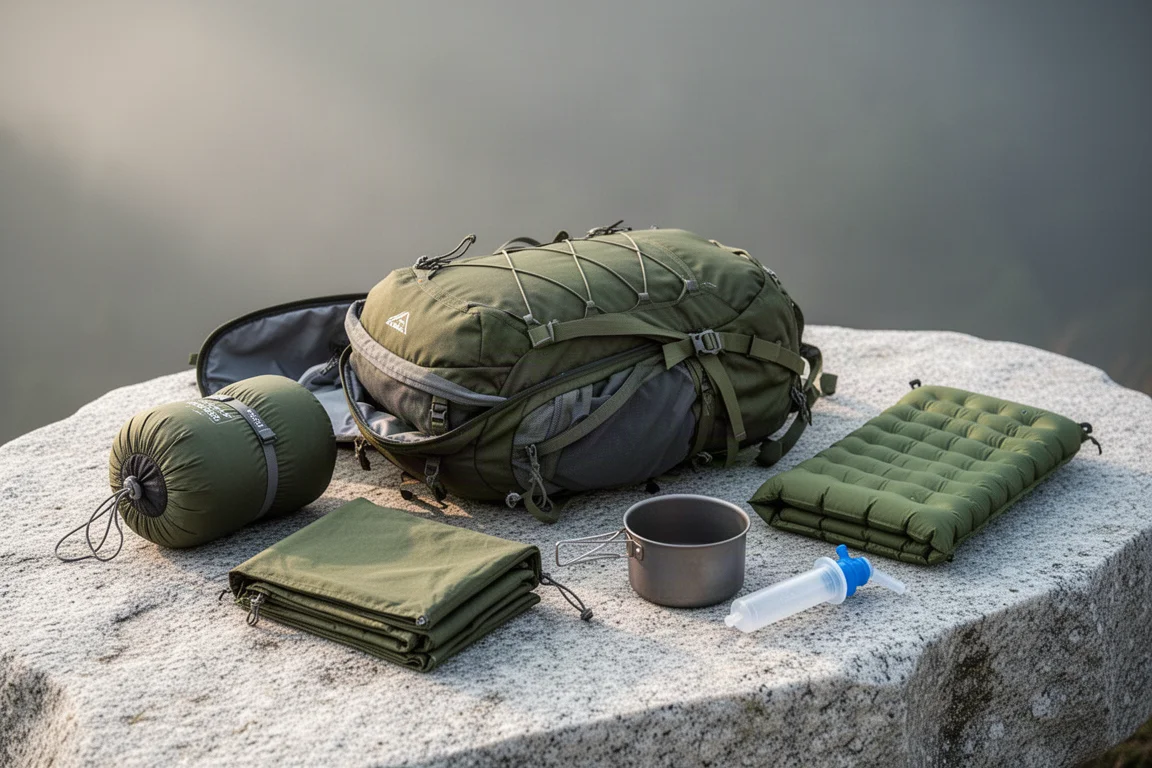
A practical walkthrough of the ultralight pieces behind a 10 lb base weight, from a 765 g pack and a roomy one-person tent to a full camp chair and a dependable water filter.
Backpacking Gear
A 15-Pound Lightweight Backpacking Gear List for Solo Trips
A beginner-friendly 15-pound backpacking setup built from easy-to-find gear, with notes on what each piece does, how it packs, and where to spend your attention.
Backpacking Gear
8 Ultralight Backpacking Gear Upgrades Worth Carrying
Eight small, affordable backpacking upgrades that solve real trail annoyances, from a pillow that stays put to a fuel valve that rescues leftover canister gas.