Backpacking Gear
Most Popular Backpacking Gear 2026: 16 Picks Backed by Through-Hiker Data
A data-led roundup of the backpacking gear that keeps appearing in long-distance hiker surveys and specialist ultralight sales data, from quilts and shelters to stoves, filters, and trail tools.
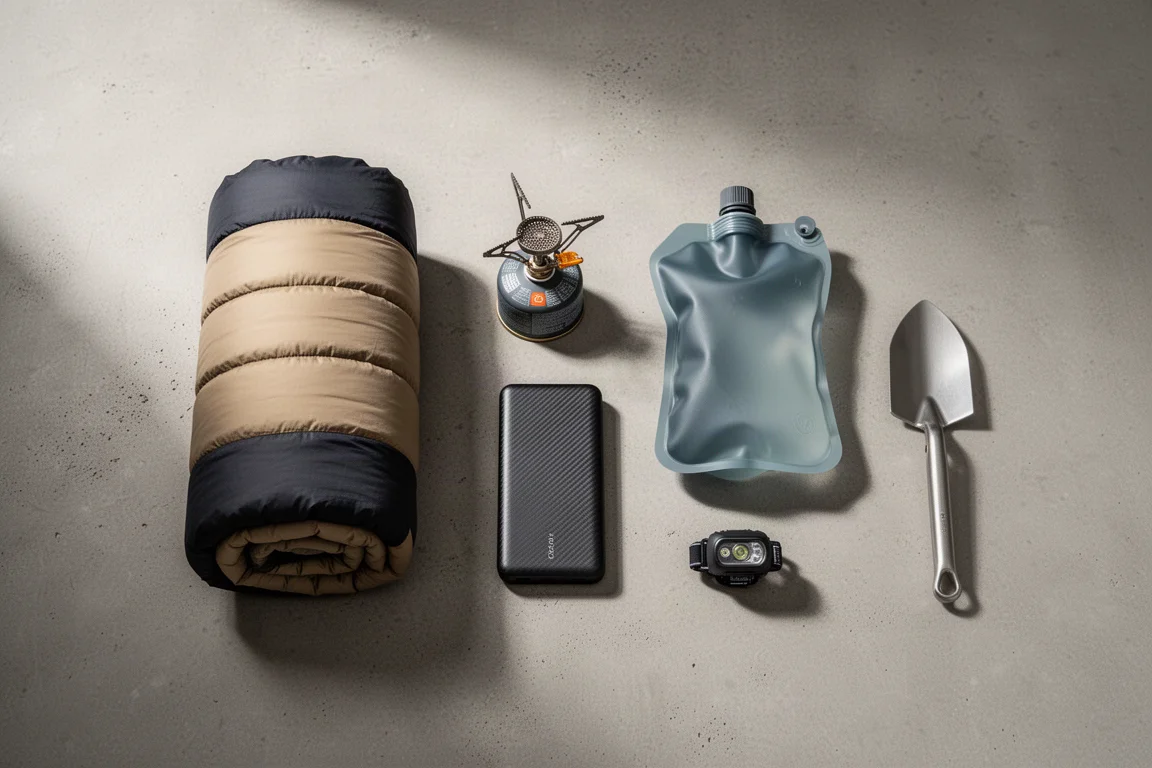
Introduction
Choosing backpacking gear usually means trusting one person’s opinion. This roundup takes a wider view. It brings together long-distance hiker surveys and sales data from a specialist ultralight retailer, then looks for the equipment that keeps appearing across both.
Long-distance hikers are the closest thing backpacking has to professional users. They sleep in the same quilt for months, carry the same pack over thousands of kilometres, and replace anything that fails them. Their choices are a useful signal even when your own trips are measured in weekends rather than seasons.
Nothing here is a personal favourites list. It is a summary of where the available data agrees, with the practical trade-offs written out so you can judge what suits your own trips.
What the Data Shows
Two kinds of evidence sit behind this list. The first is survey data from long-distance hikers on the major North American trails, which tends to cover the big items: shelters, sleeping systems, and backpacks. The second is sales data from a retailer that specialises in cottage and ultralight backpacking gear, which is where the smaller accessories appear.
Combining the two has an obvious bias: the results lean ultralight. That is not a flaw. Ultralight equipment is what long-distance hikers tend to buy, and the accessories that sell best are usually the ones that solve a specific, repeated annoyance on trail.
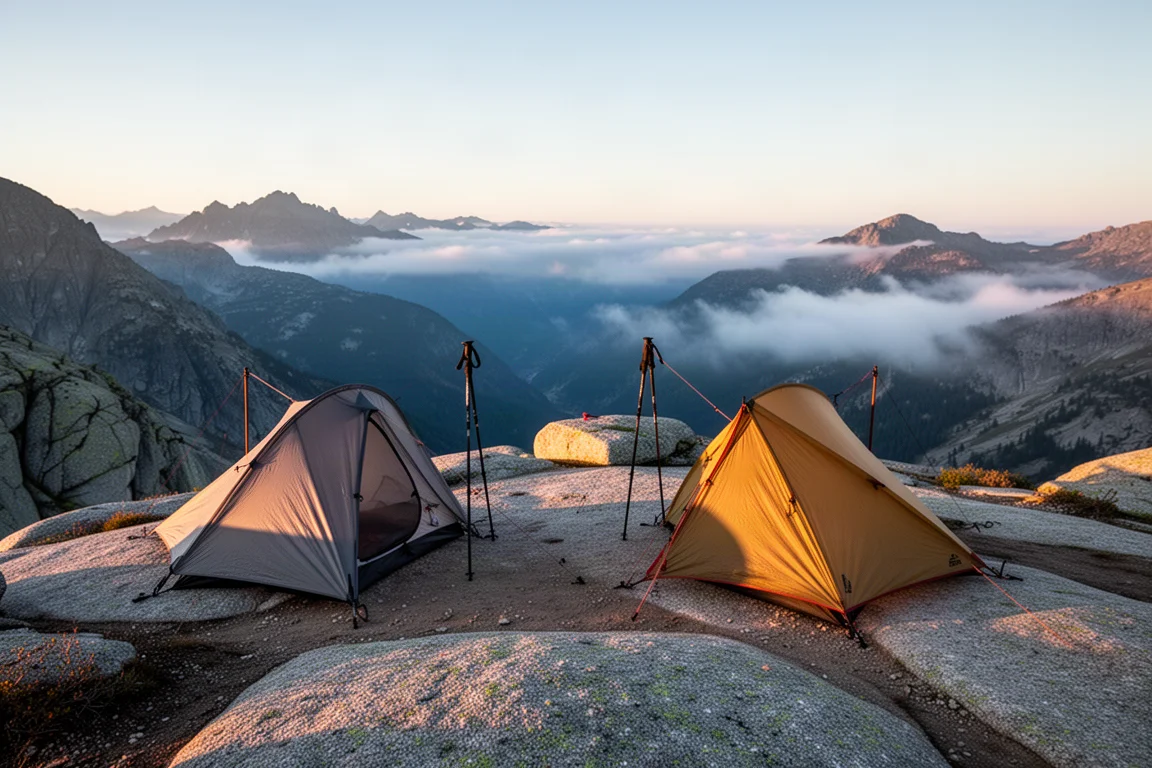
A few patterns stand out. Shelters and sleep systems are dominated by a small number of brands. Backpacks split three ways depending on which trail you look at. Stoves split between a familiar name and a far cheaper alternative. And in the small-accessory category, the winners are almost always the items that fix something which already ships in the box.
Quilts: Enlightened Equipment Enigma and Revelation
Enlightened Equipment is the most consistently named quilt brand across both the survey and the sales data. There is no agreement on which of its two best-known quilts is the better buy, because the difference between them comes down to how the foot box works.
Enlightened Equipment Enigma
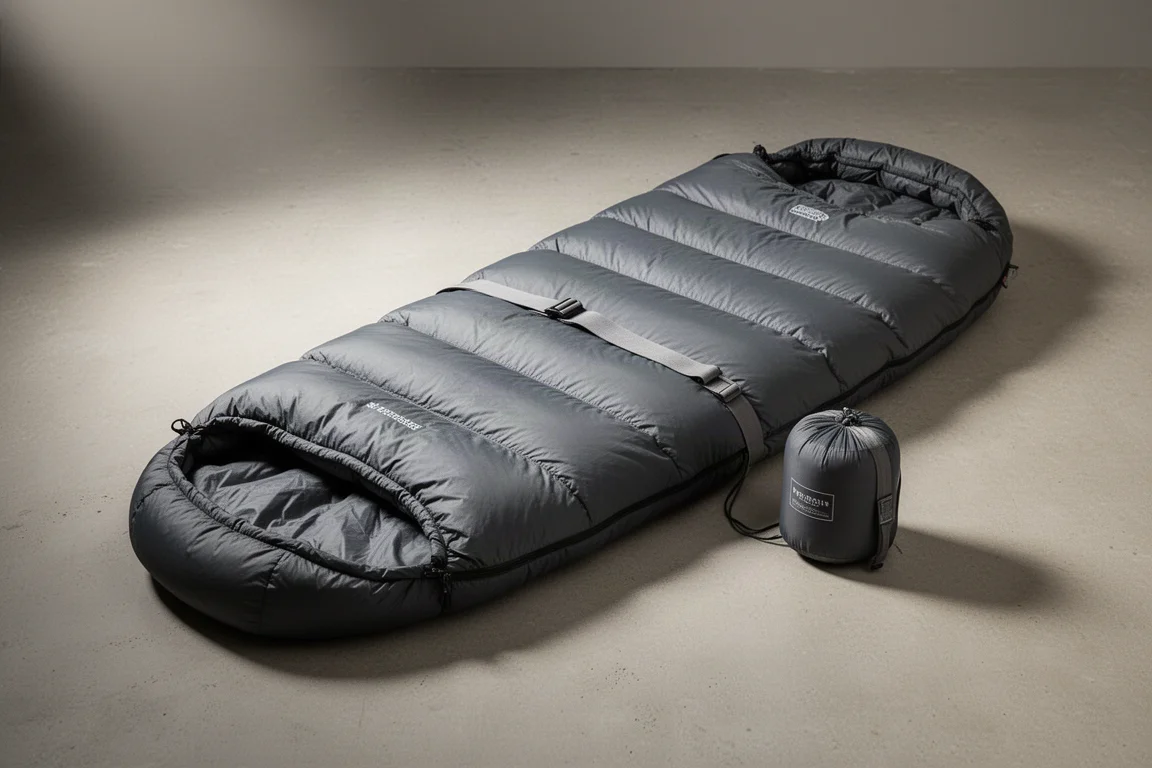
The Enigma was the most popular quilt in surveys from two of the three long trails. It uses a closed foot box, which seals the bottom of the quilt into a fixed shape.
Pad straps, insulation, and the range of available temperature ratings are essentially the same as the Revelation, so the choice is really about the foot box rather than warmth or build quality.
Enlightened Equipment Revelation
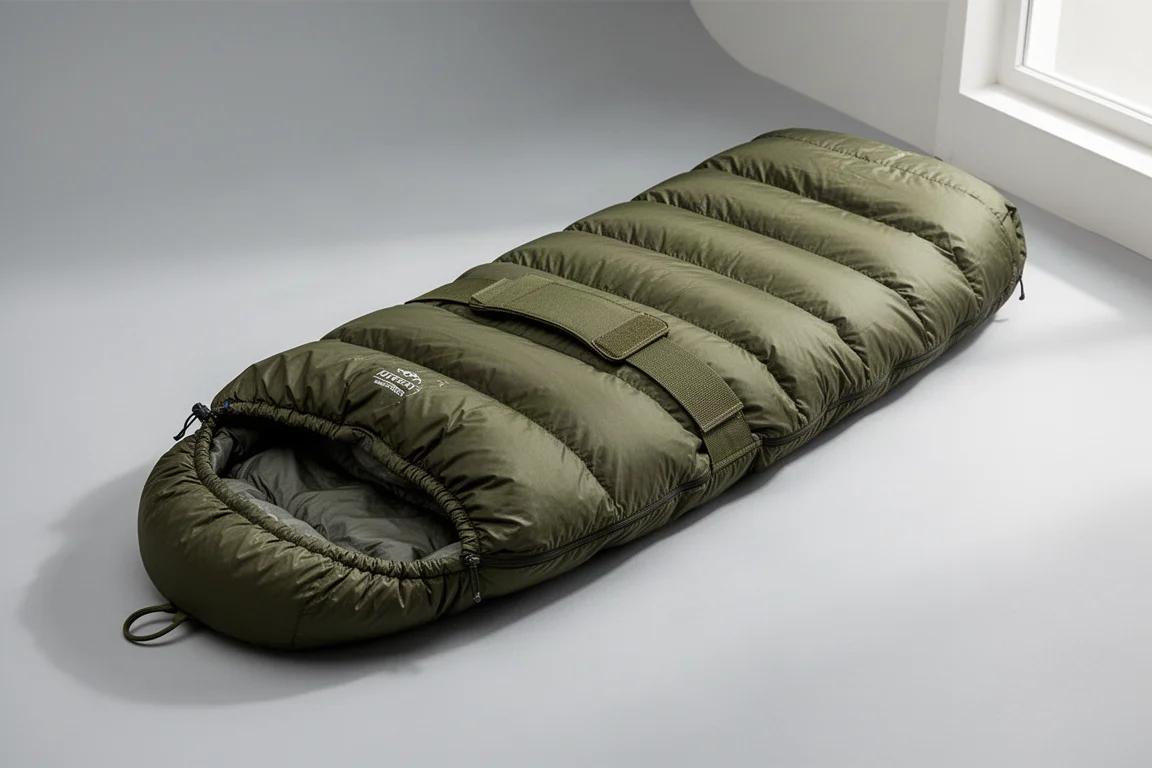
The Revelation was the top quilt in the remaining survey, and it is the stronger seller of the two, outselling the Enigma by close to five to one. It uses a cinch foot box that can be opened out so the quilt lies flat like a blanket.
That makes it more flexible in warm weather. The trade-off is that a cinch foot box can be difficult to close completely, and a small gap is enough to let a draft in on a cold night.
Neither quilt is a bad choice, and both share the same pad straps, insulation options, and temperature ratings. If you want a foot box that closes predictably in cold conditions, the Enigma is the more straightforward pick. If you would rather open the quilt out as a blanket when it is warm, the Revelation is the one to look at.
Shelter: Zpacks Duplex
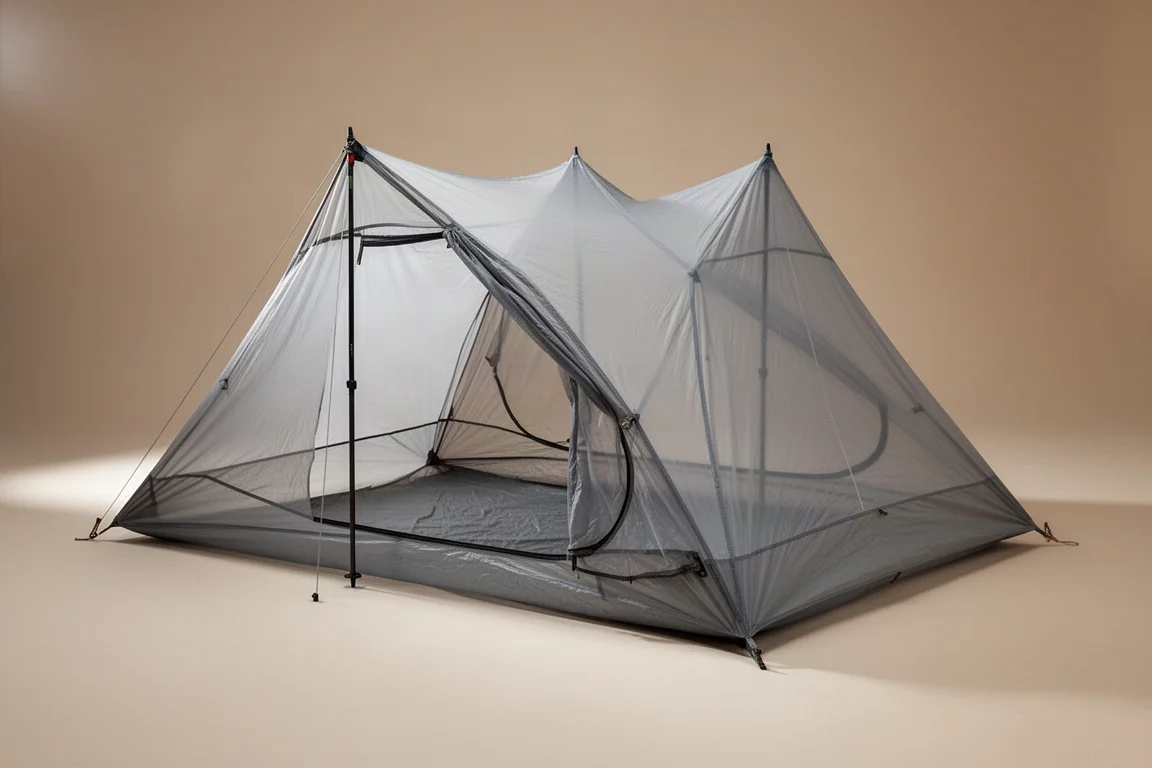
There is no split in the shelter data. All three long-trail surveys named the Zpacks Duplex as the most popular tent.
It is a trekking pole shelter made from Dyneema, with two doors and two vestibules. It is light, and it is genuinely spacious when one hiker sleeps in it, which is how most people use it.
The catch is price. At around $700 it is expensive, though that figure is fairly typical for an ultralight Dyneema tent. Informal field counts at large trail gatherings suggest the Durston X-Mid family is gaining ground, but those counts combine several different X-Mid models, so no single model matches the Duplex in the data.
Sleeping Pads: Therm-a-Rest NeoAir XLite NXT
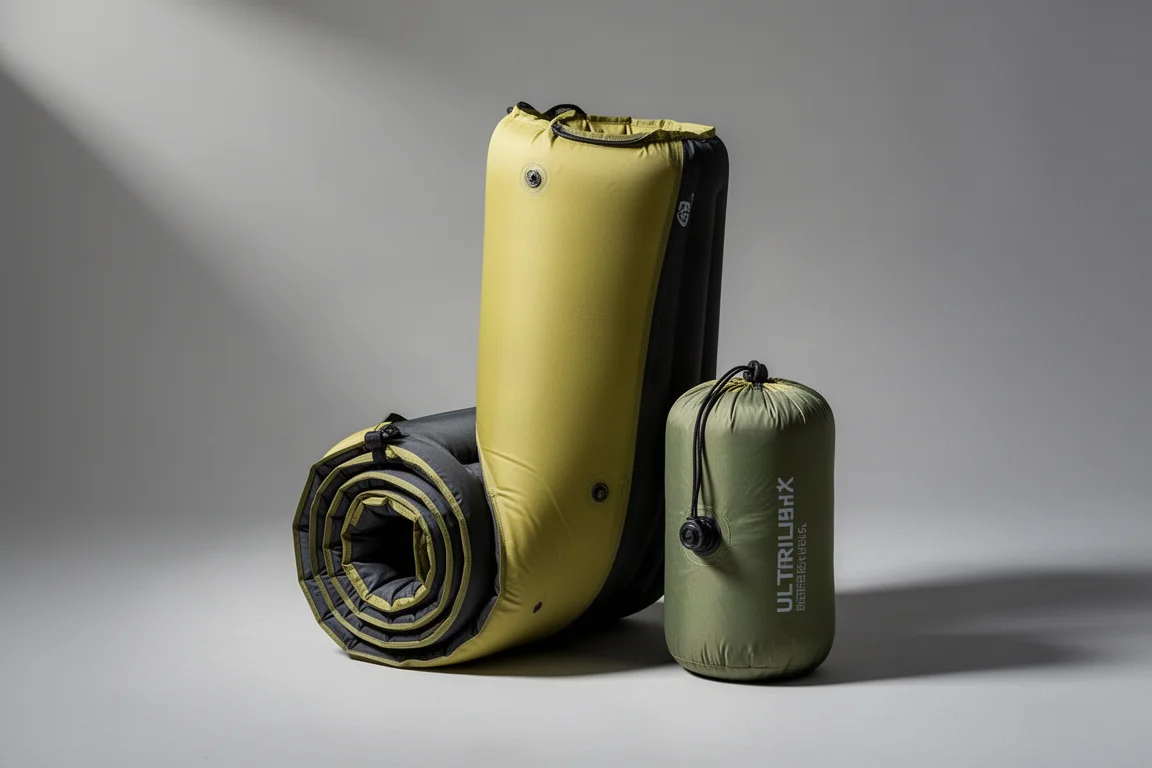
The Therm-a-Rest NeoAir XLite NXT is the other product that dominated every source. It is one of the original inflatable sleeping pads, and among the first to combine useful thickness, low weight, and a meaningful R value.
The current numbers are strong: 3 inches of thickness, roughly 1 lb in the regular wide size, and an R value of 4.5. It has been on the market for decades, which says something about how well the formula has held up.
Comfort is the one area where opinions differ, and some backpackers eventually move to plusher pads. Even so, the survey and sales data put the XLite NXT at the top, and its combination of weight, thickness, and insulation is hard to argue with.
Backpacks: Three Popular Options
This is the first category where the data genuinely disagrees. Each long trail produced a different favourite, and the sales data produced a third answer. All three packs are legitimate choices, so the decision comes down to budget, padding, and pocket layout.
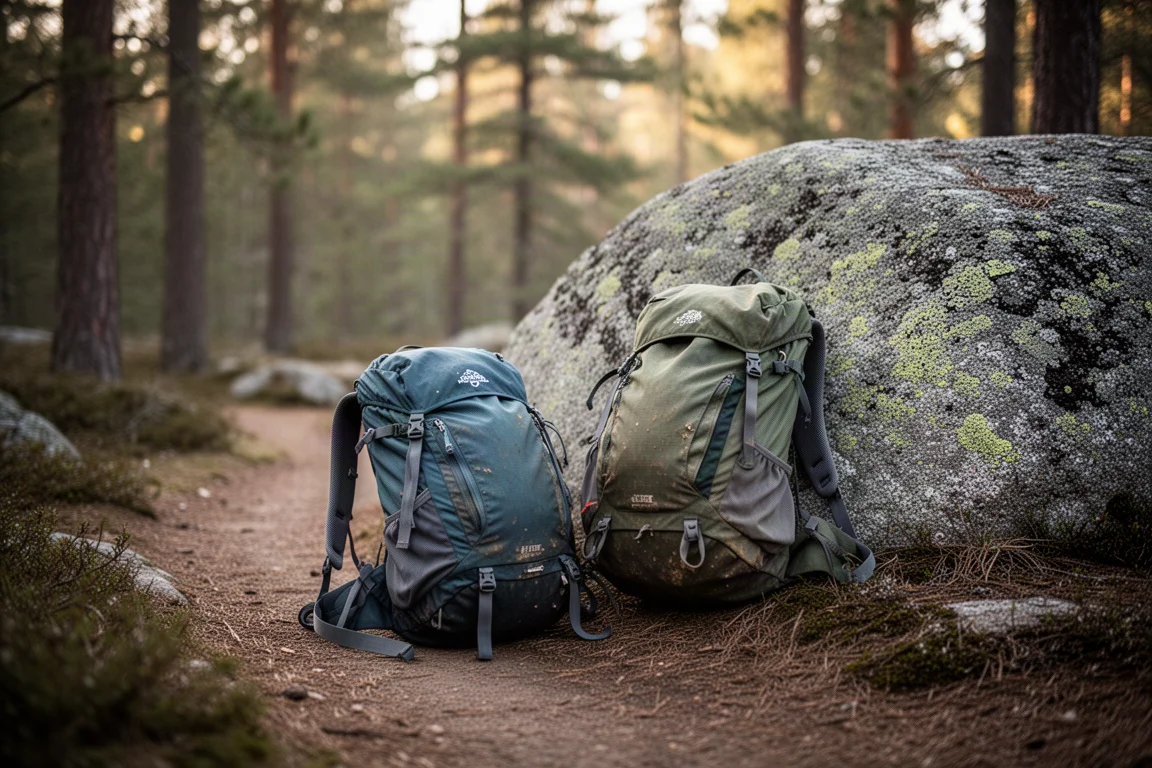
Carried weight is broadly similar across the group, so the differences are mostly about how the pack sits on your hips and shoulders, and how much you pay for it. The three below cover a range of prices and priorities.
ULA Circuit
The ULA Circuit was the preferred pack in one of the long-trail surveys. It sits at the higher end of the price range in this group, roughly $40 to $60 more than the Mariposa.
Hyperlite Southwest
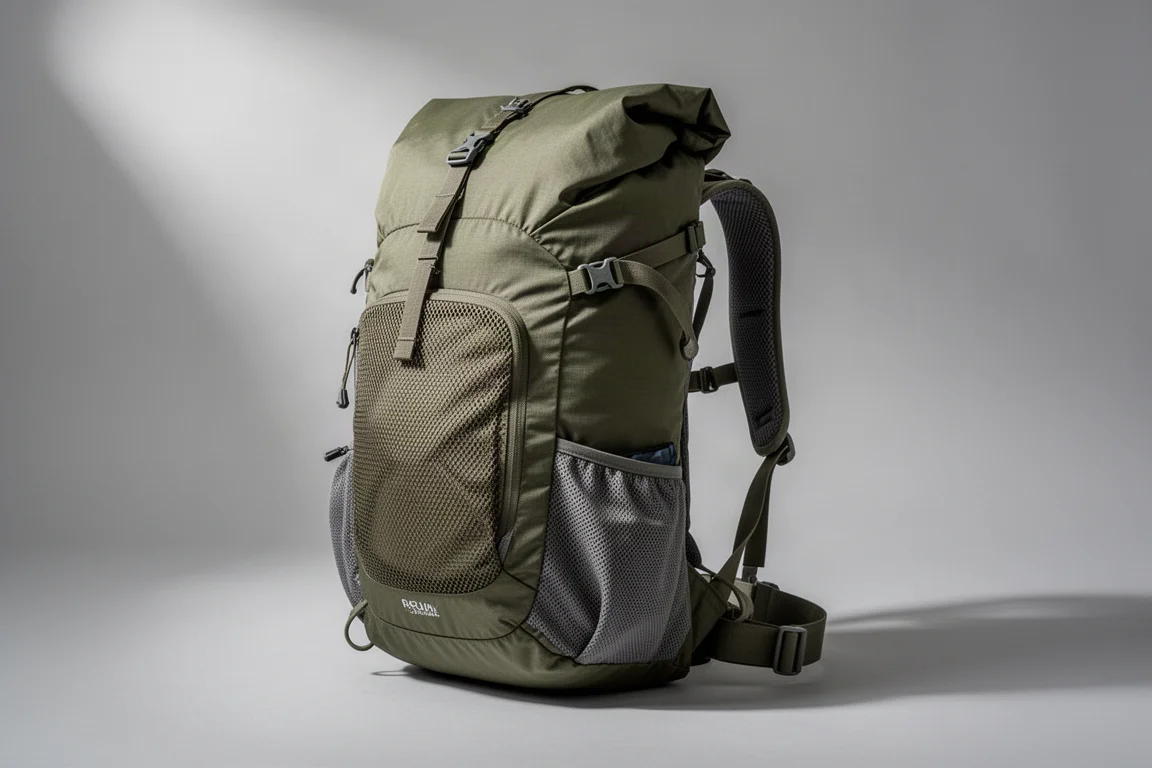
The Hyperlite Southwest was the top choice in a different survey. Like the Circuit, it costs more than the Mariposa, and it appeals to hikers who want a proven ultralight design.
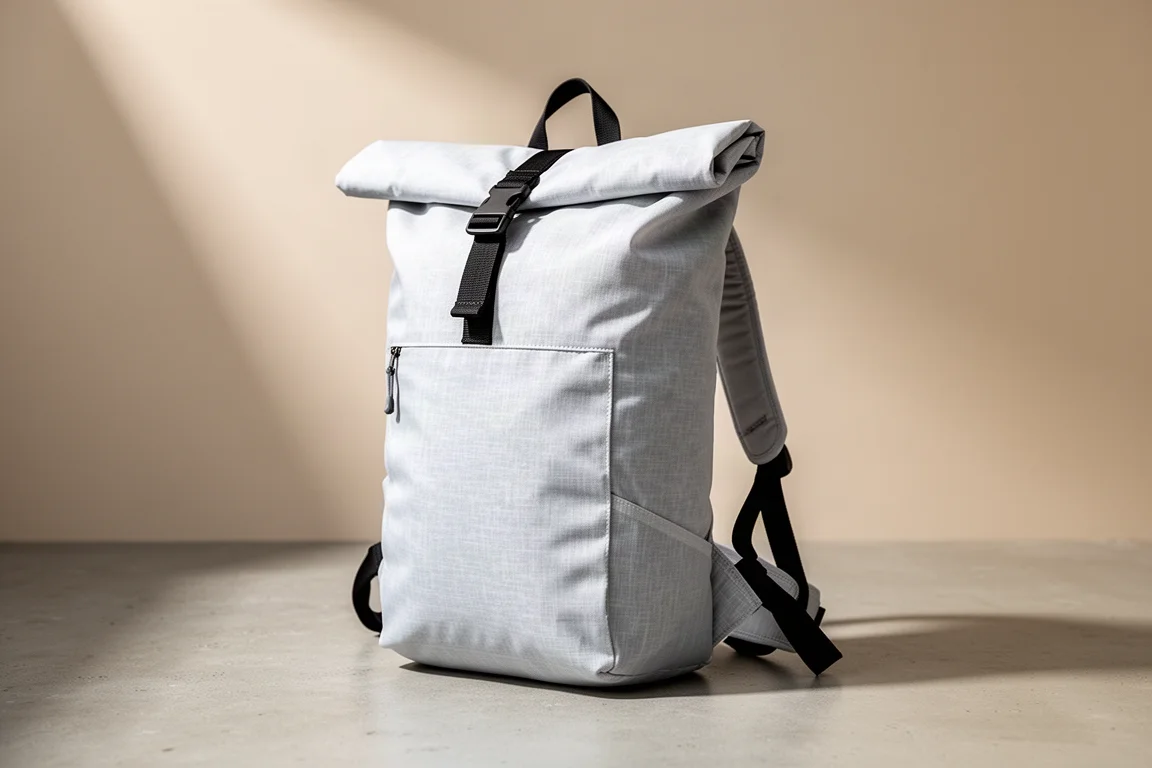
Gossamer Gear Mariposa
The Gossamer Gear Mariposa was the favourite in the remaining survey and in the sales data, and it is the pack that offers the clearest value. At $315 it undercuts the other two by roughly $40 to $60.
It weighs about 2 lb, uses thick padding and wide shoulder straps for comfort under load, and includes plenty of pockets for organising gear.
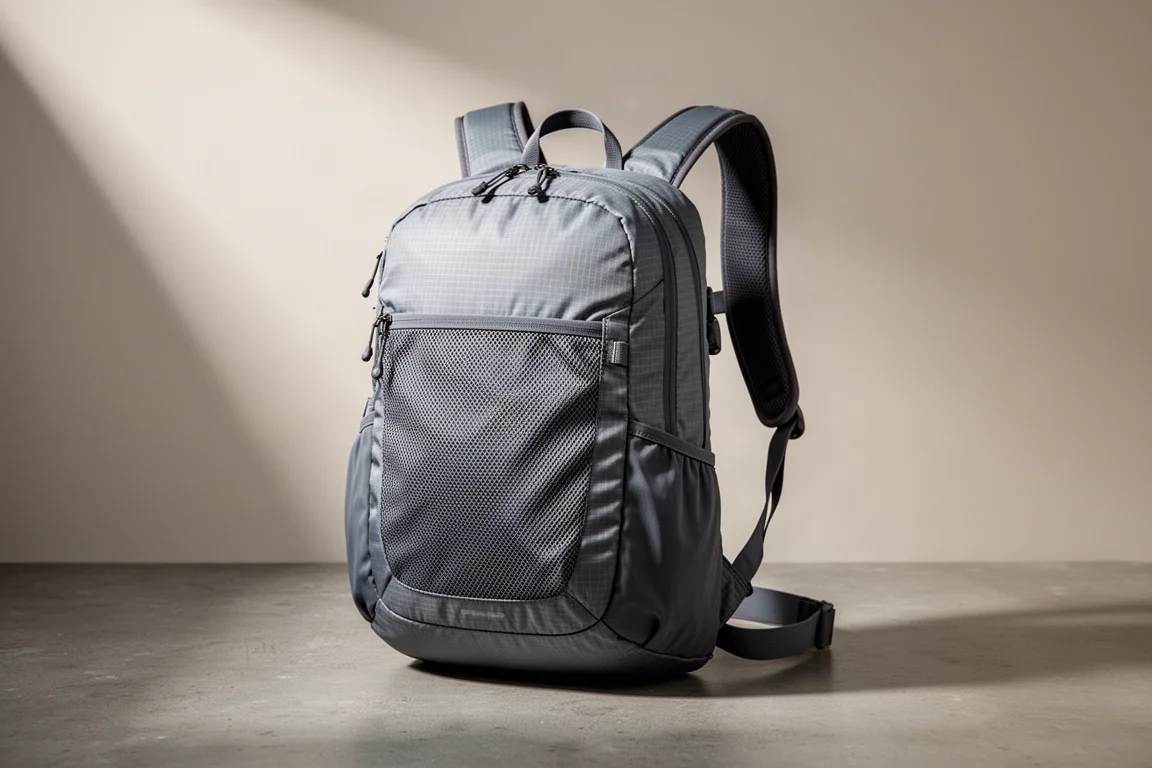
Stoves: MSR PocketRocket 2 and BRS 3000
Stoves produced one of the clearest splits in the whole list. The MSR PocketRocket 2 came top in all three long-trail surveys, while the BRS 3000 outsells it by a wide margin.
Both are simple canister stoves, and both have a long record of working in the backcountry. The difference is what you want to optimise for.
MSR PocketRocket 2
The PocketRocket 2 is the stove the survey data keeps returning to. It is a long-established design with a familiar brand behind it, which matters to hikers who want a stove they can rely on without thinking about it.
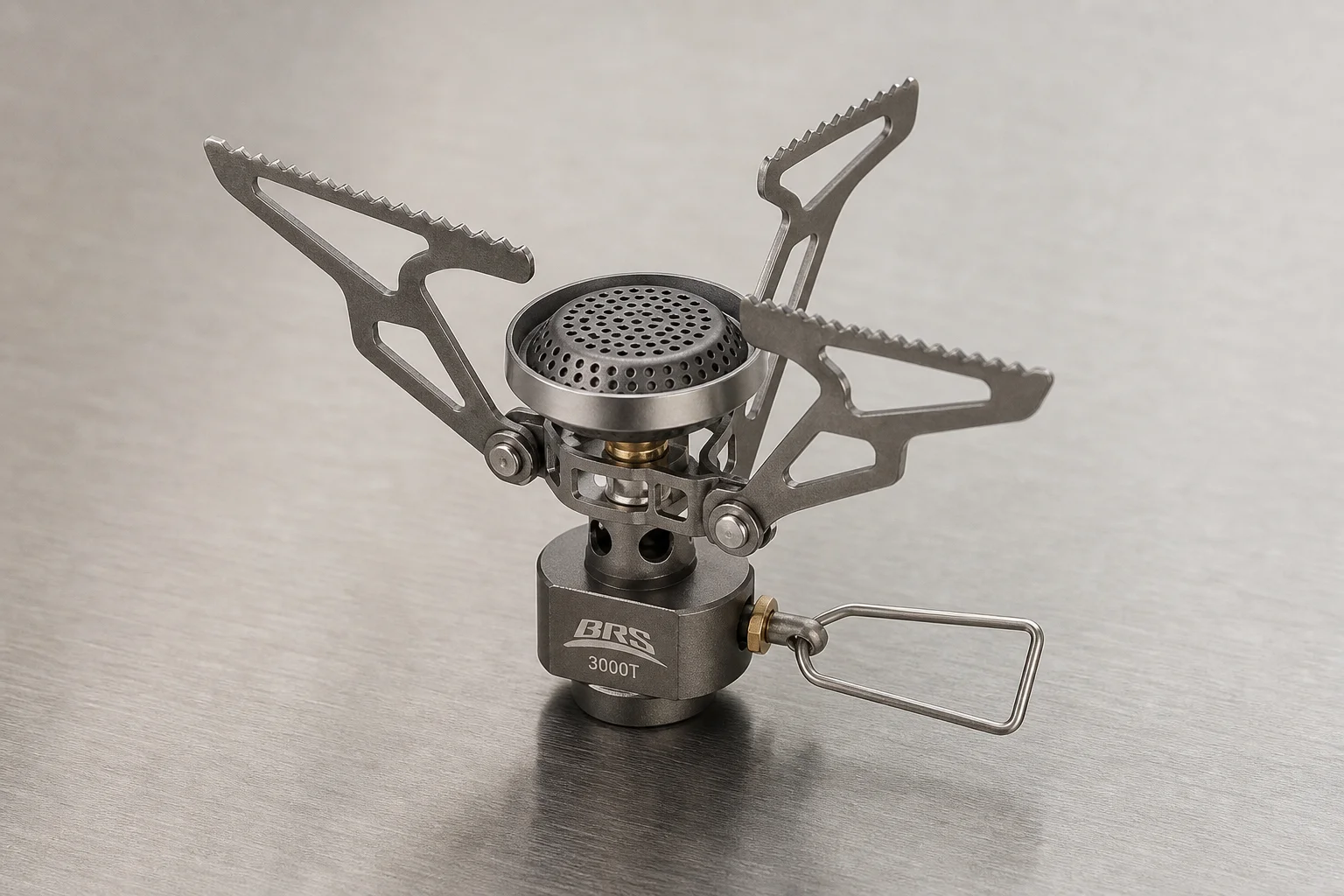
BRS 3000
The BRS 3000 takes the opposite approach. It weighs just under an ounce and costs under $20, a fraction of what most stoves sell for.
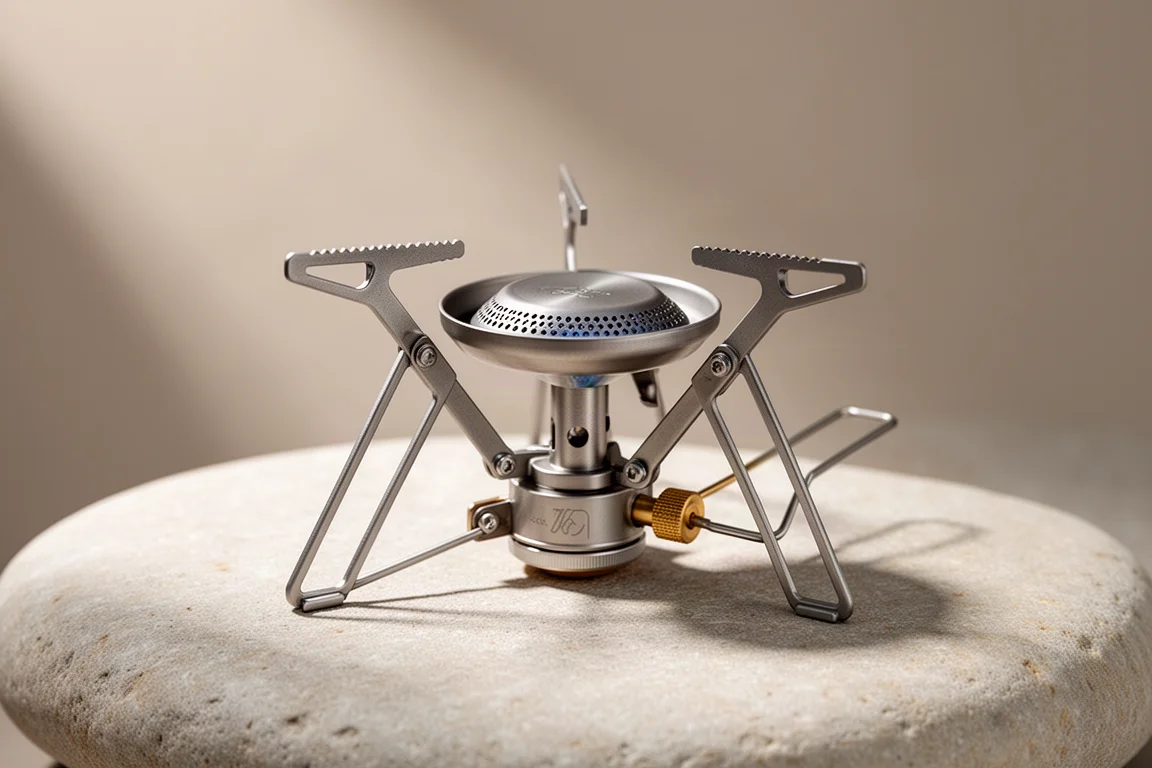
There is no wrong answer here. If saving every gram and every dollar matters, the BRS 3000 does the job. If you would rather carry a stove from an established brand with the survey record behind it, the PocketRocket 2 is the obvious pick.
Water Treatment: Katadyn Vecto 2L and Sawyer Squeeze
Water treatment is where the accessory data gets interesting. Almost every backpacker uses some form of squeeze filter, and the Sawyer Squeeze is the filter most of them use. The problem is not the filter. It is the soft bottle that comes with it.
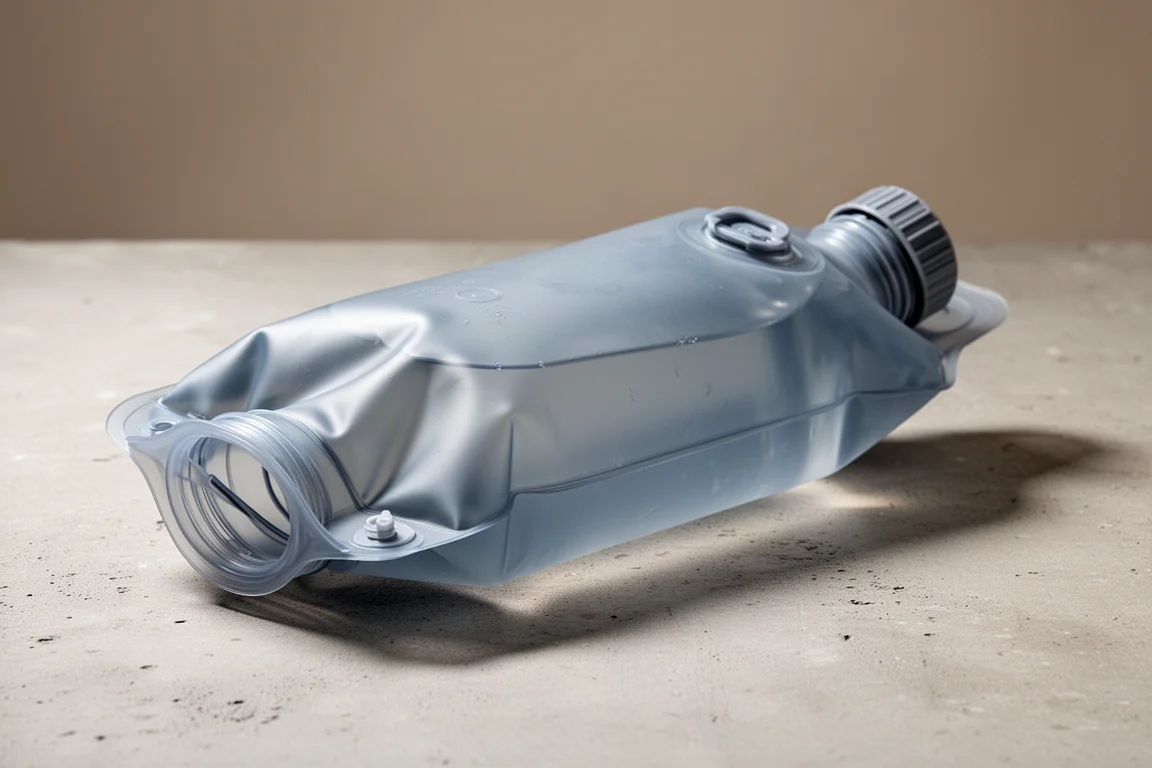
Katadyn Vecto 2L Bag
The Katadyn Vecto 2L bag exists to fix that. Its defining feature is a wide mouth opening that makes collecting water from a stream or pool far easier than a standard squeeze pouch. Fill the bag, push the slider closed, screw a filter onto the 28 mm thread, and squeeze.
It is a simple design, and it is the best-selling accessory in the data for exactly that reason.
Sawyer Squeeze
The Sawyer Squeeze itself remains a capable filter and is the default choice for a huge number of backpackers. The included squeeze bag is the weak point: it is small, awkward to fill, and cheaply made.
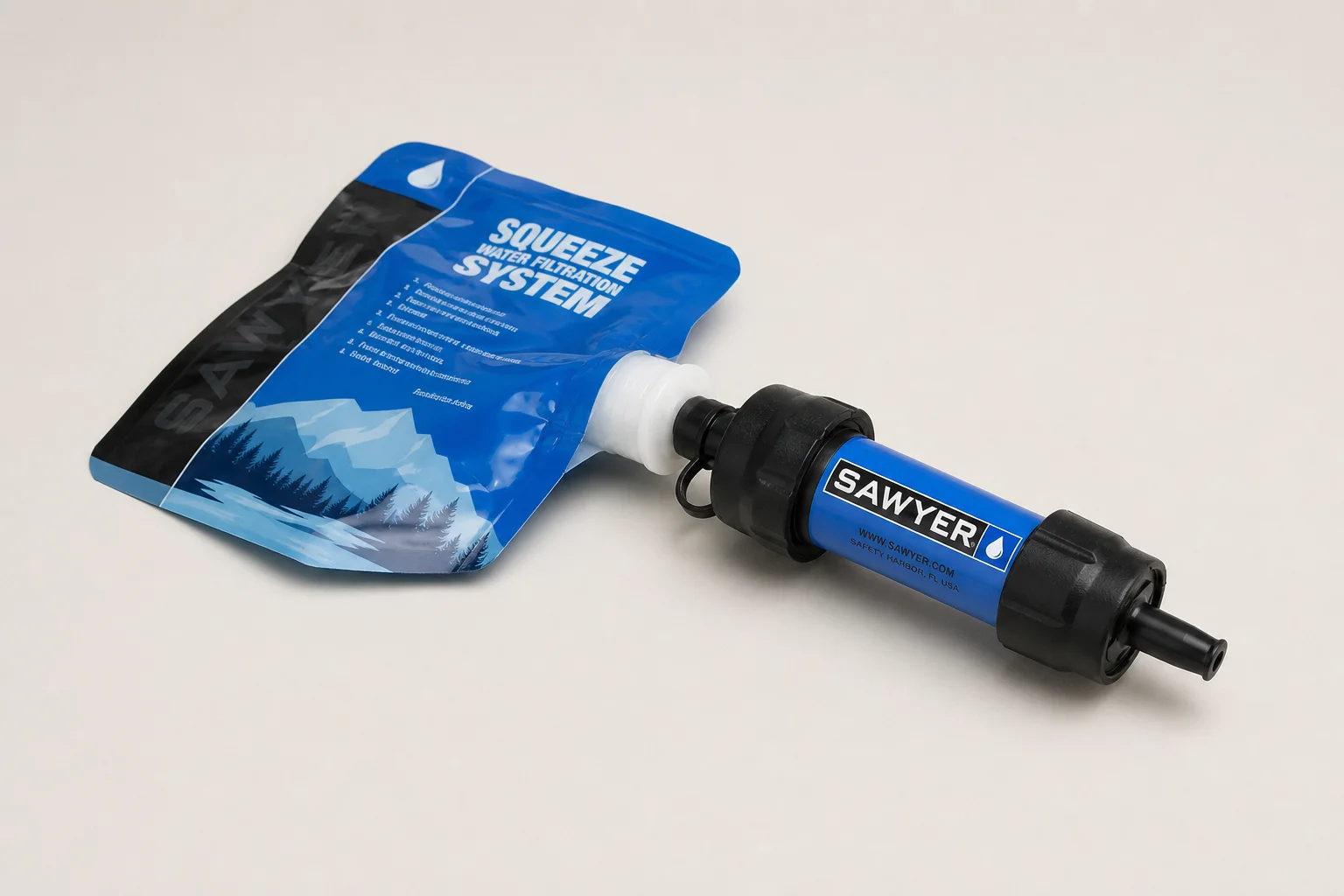
Pairing the Sawyer Squeeze with a Vecto bag is a common combination, and it addresses the one part of the system that lets the filter down.
Power and Electronics: Battery, Thermometer, and Headlamp
Phones have become part of the backcountry experience, whether you use them for photos, satellite messaging, or GPS navigation. That makes power, light, and basic weather data genuinely useful categories rather than luxuries.
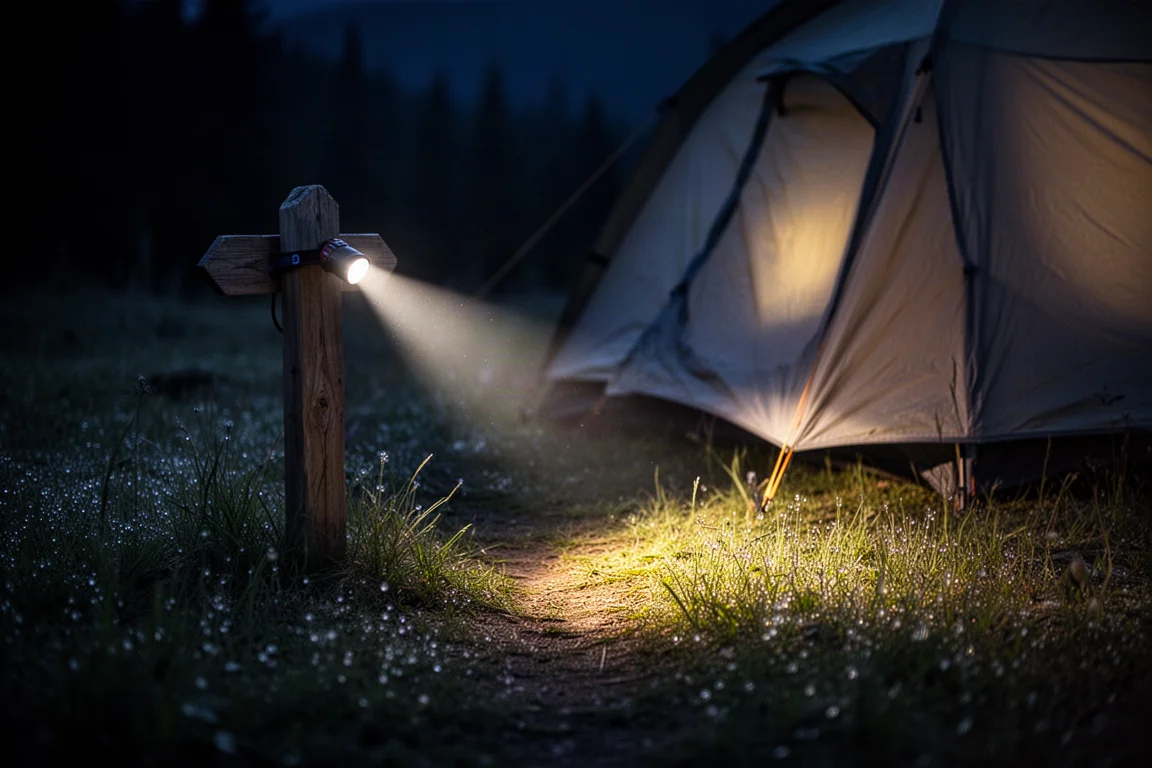
The three items below were the best sellers in their categories. All three are small, light, and aimed at one specific job.
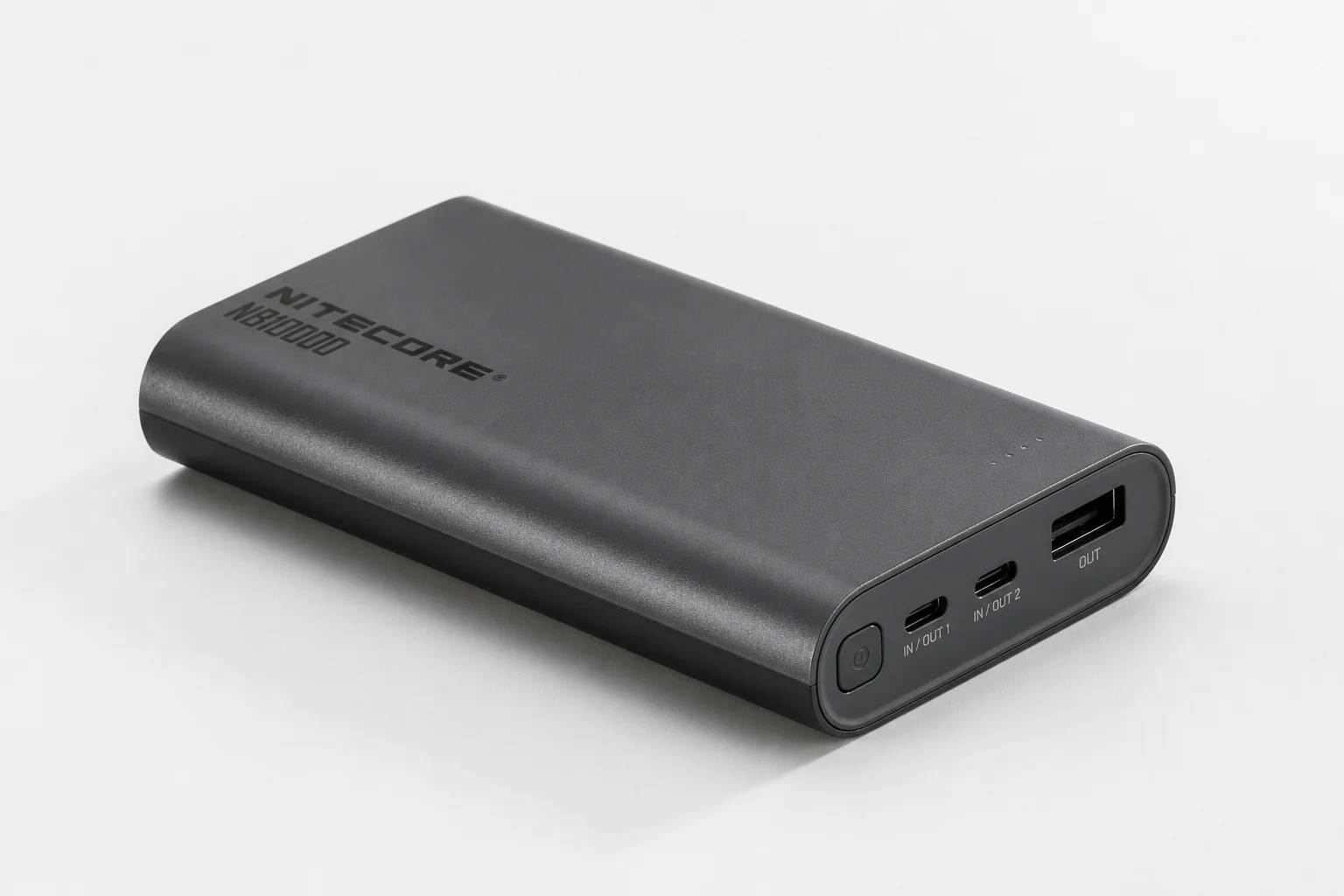
Nitecore NB10000
The Nitecore NB10000 is a 10,000 mAh power bank that is smaller than most phones, yet can recharge one two to three times. It is built with a lightweight carbon fibre body and weighs 5.29 oz, which makes it one of the lightest and most compact options in its capacity class.
ThermoDrop Thermometer
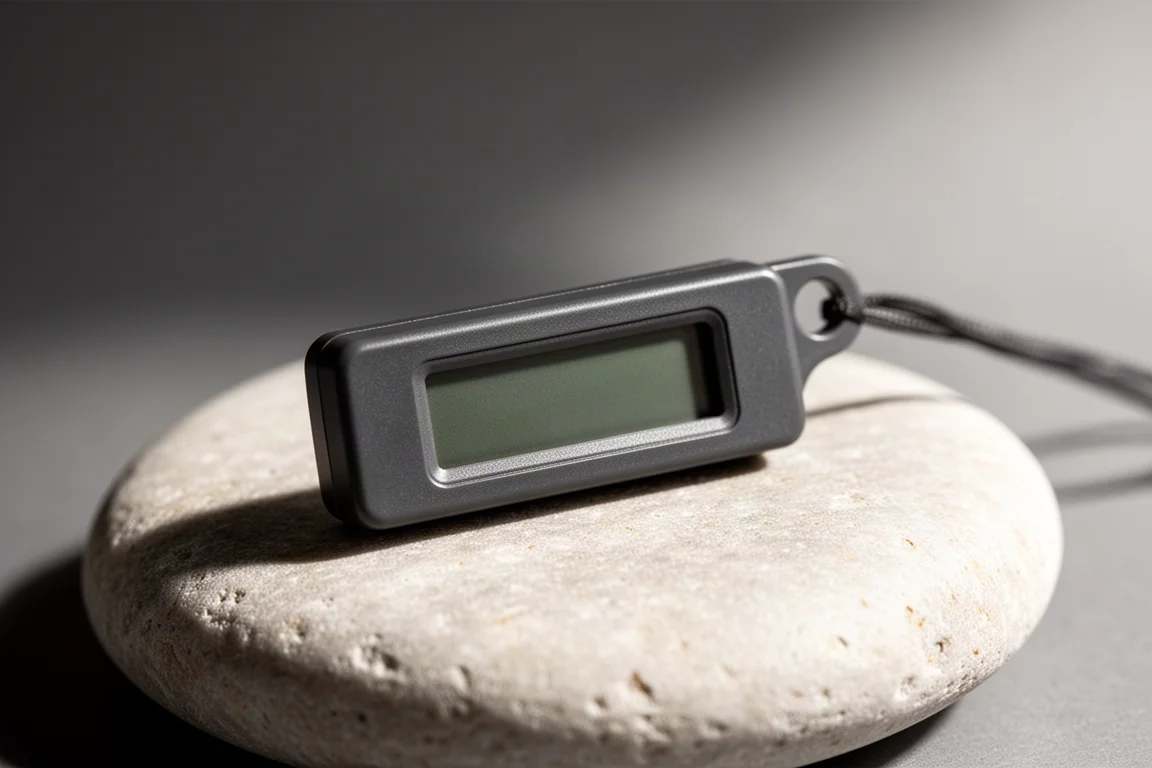
The ThermoDrop is a small thermometer that shows the current temperature and records both the high and the low. That record is more useful than it sounds. If you felt cold in a 30-degree bag, the overnight low tells you whether the conditions dropped below the rating or whether something else was going on.
Nitecore NU25
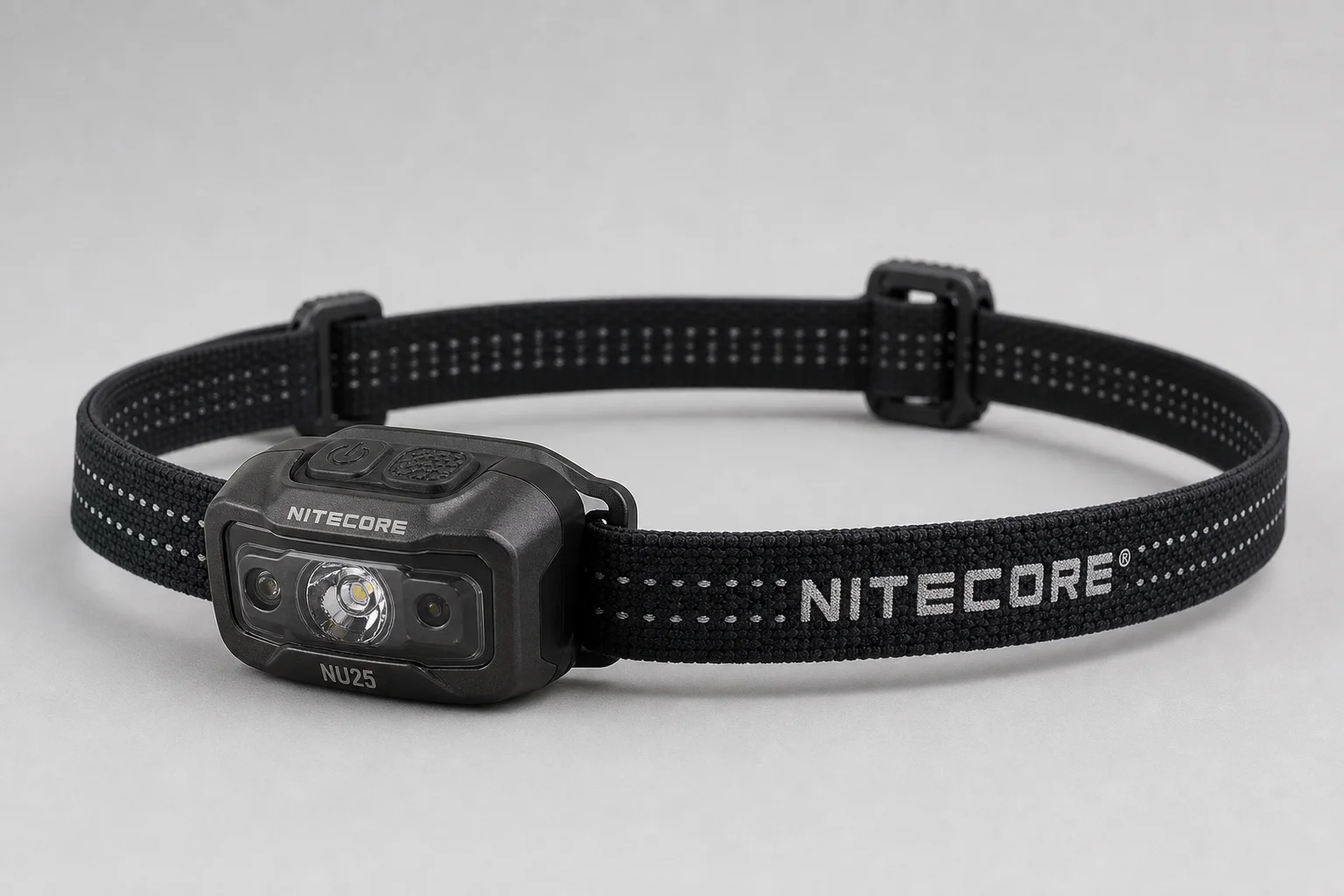
The Nitecore NU25 has long been the lightest headlamp available. It once weighed just 1 oz including the strap, and many hikers cut the strap off and replaced it with elastic cord to save more weight.
Nitecore responded by offering a version with the elastic cord already fitted. The latest version is heavier than the original at 1.5 oz with the cords, which is a strange step, but it remains very hard to beat on weight.
Camp Tools: Bogler Trowel and Deuce of Spades
A trowel is a small purchase with an outsized effect on your day, since digging a cathole is a job you repeat. Sales data is the only evidence available here, and it points to a clear change in what hikers are buying.
Bogler Trowel
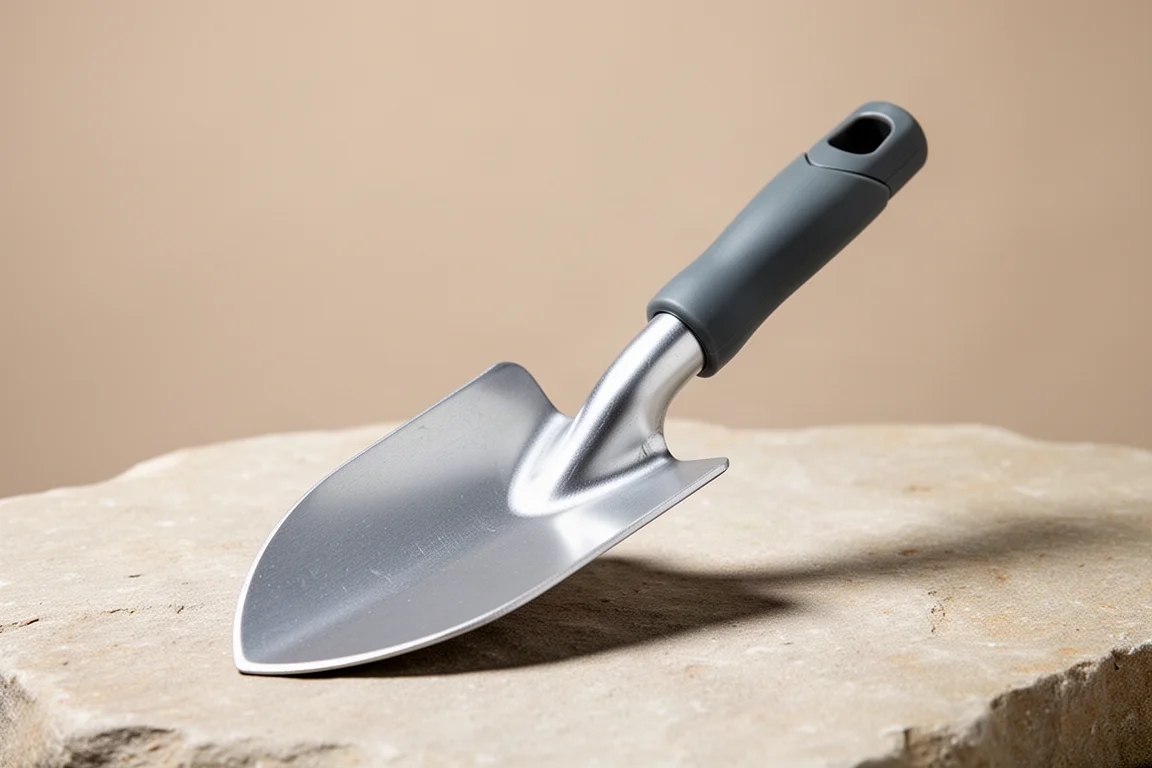
The Bogler trowel is one of the most comfortable options available. It adds a small piece of plastic at the top of the handle that stops the metal from digging into your palm, and the whole tool weighs less than half an ounce.
Deuce of Spades
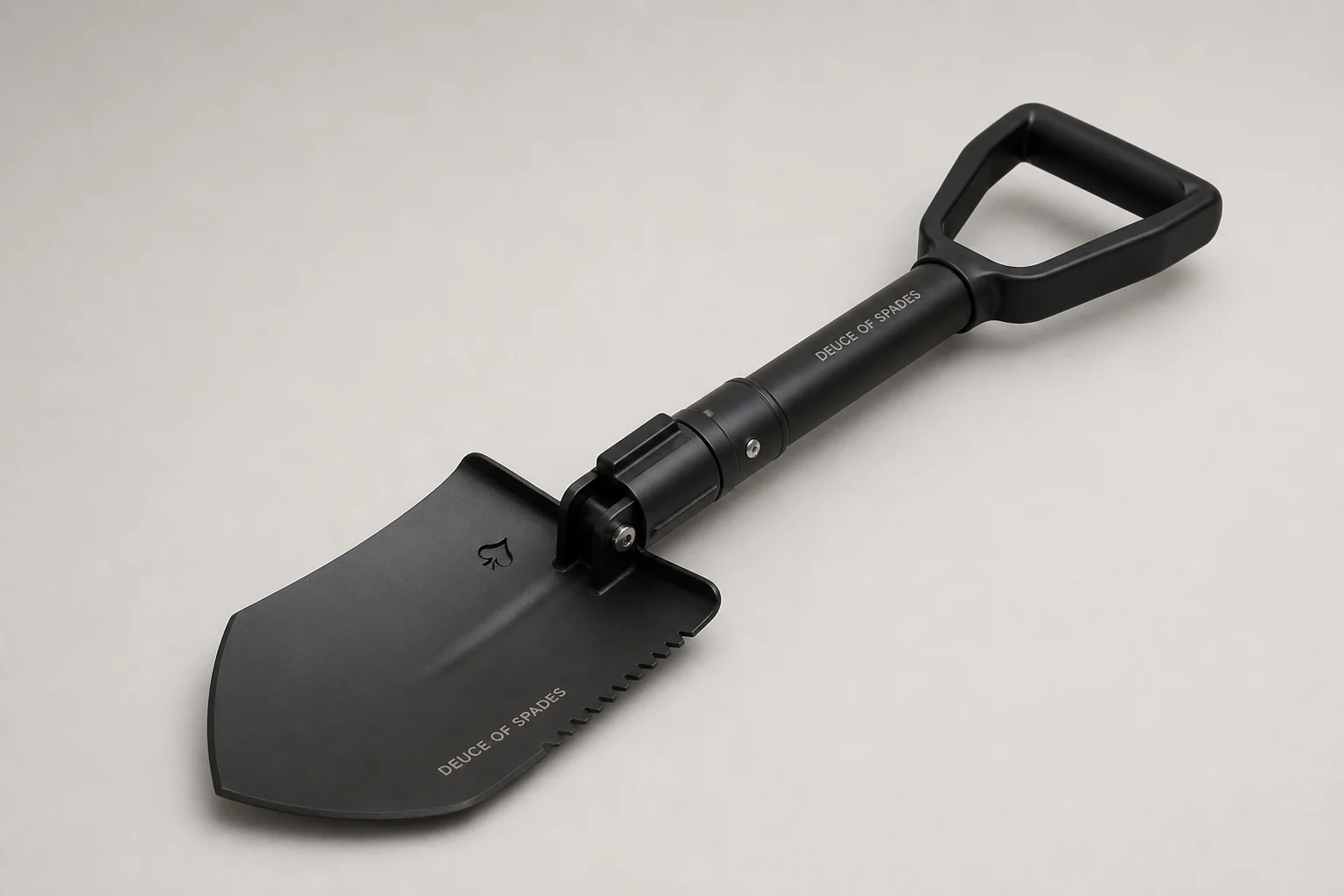
The Deuce of Spades was the long-standing favourite in this category. It is light and it works, but the handle digs into your hand about as hard as the blade digs into the ground, which is exactly the problem the Bogler design solves.
Buying Advice
If you are building a kit from scratch, put the most thought into the three heaviest items: shelter, sleep system, and pack. That is where the data is most consistent and where your money goes furthest.
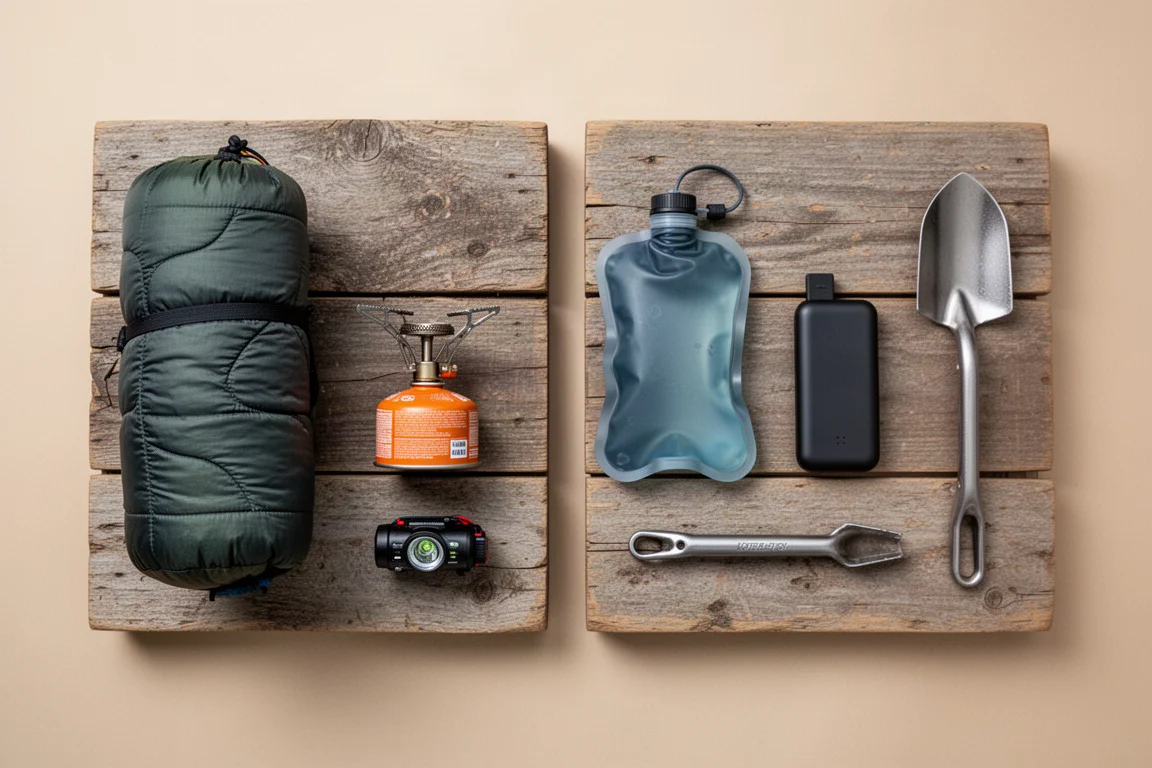
Start with the sleep system. An Enlightened Equipment quilt and a NeoAir XLite NXT cover a wide range of conditions, and both have the survey and sales record to support them. If you want a foot box that closes firmly, choose the Enigma. If you want a quilt that opens flat, choose the Revelation.
Then pick a pack. The Mariposa is the value option at $315 and the easiest recommendation for most people, with thick padding, wide straps, and plenty of pockets. The ULA Circuit and the Hyperlite Southwest cost more, and each has its own following on the trails.
Shelter is the biggest single expense. The Zpacks Duplex is the most popular tent in every survey, and it is worth the money if you want a light, spacious Dyneema shelter you will use often. If that price is hard to justify for occasional trips, shelter is also the item where a heavier and cheaper alternative costs you the least in day-to-day comfort.
Stoves and accessories are where you can save without giving up much. The BRS 3000 is under $20 and under an ounce, the Vecto bag makes water collection easier, the NB10000 keeps a phone alive for days, and a Bogler trowel is a small upgrade you will appreciate every time you dig.
Conclusion
The pattern across all of this data is that the most popular gear is popular for practical reasons. Enlightened Equipment quilts, the Zpacks Duplex, and the Therm-a-Rest NeoAir XLite NXT appear in survey after survey because they solve the core problems of sleeping and sheltering well. The accessory winners, from the Vecto bag to the Bogler trowel, fix specific annoyances that hikers run into again and again.
You do not need to buy all of it, and you do not need to go ultralight to benefit from the list. Use it as a starting point: identify the one or two items where weight or reliability matters most for your trips, buy the version that matches your budget, and let the rest of your kit evolve as you use it.
Further reading
Related Reviews

Backpacking Gear
Building a 10 lb Base Weight: An Ultralight Backpacking Gear List
A practical walkthrough of the ultralight pieces behind a 10 lb base weight, from a 765 g pack and a roomy one-person tent to a full camp chair and a dependable water filter.

Backpacking Gear
A 15-Pound Lightweight Backpacking Gear List for Solo Trips
A beginner-friendly 15-pound backpacking setup built from easy-to-find gear, with notes on what each piece does, how it packs, and where to spend your attention.

Backpacking Gear
8 Ultralight Backpacking Gear Upgrades Worth Carrying
Eight small, affordable backpacking upgrades that solve real trail annoyances, from a pillow that stays put to a fuel valve that rescues leftover canister gas.