Ski Destinations
9 Overrated Ski Resorts in North America (And Why the Hype Falls Short)
Nine big-name North American ski resorts that often fail to live up to the hype, with honest notes on crowds, terrain, and what kind of skier each one actually suits.
Introduction
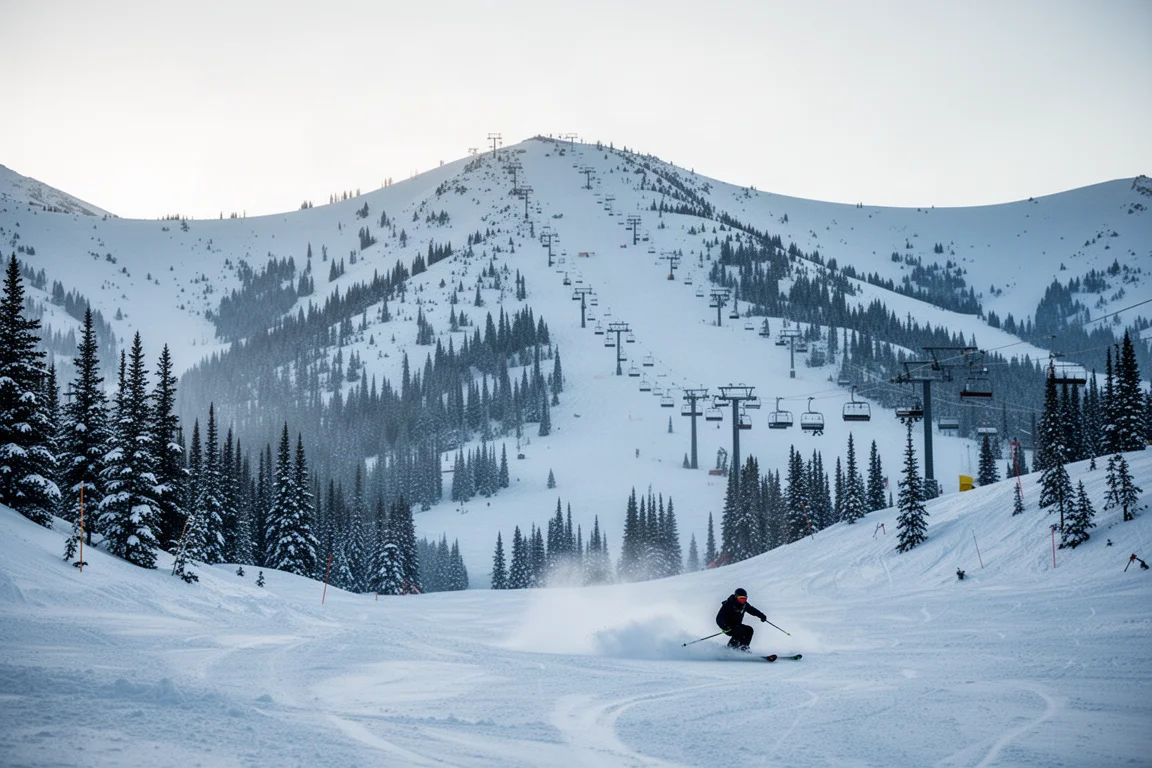
Big-name ski resorts are some of the most hyped destinations in all of travel, and the hype machine rarely slows down. Social media is full of improbable lines and impossibly good powder days, and it can be genuinely hard to separate marketing from reality when you are planning a ski trip.
Hype is not all bad. It keeps people excited about the season, keeps companies innovating, and keeps lifts turning. There is no such thing as a bad ski day or a bad ski resort, only a bad attitude. But after skiing resorts across North America, some of the biggest names simply do not live up to their reputation, especially for a visitor on a short travel window. Here are nine of them, and what you should realistically expect from each.
Whistler Blackcomb, British Columbia
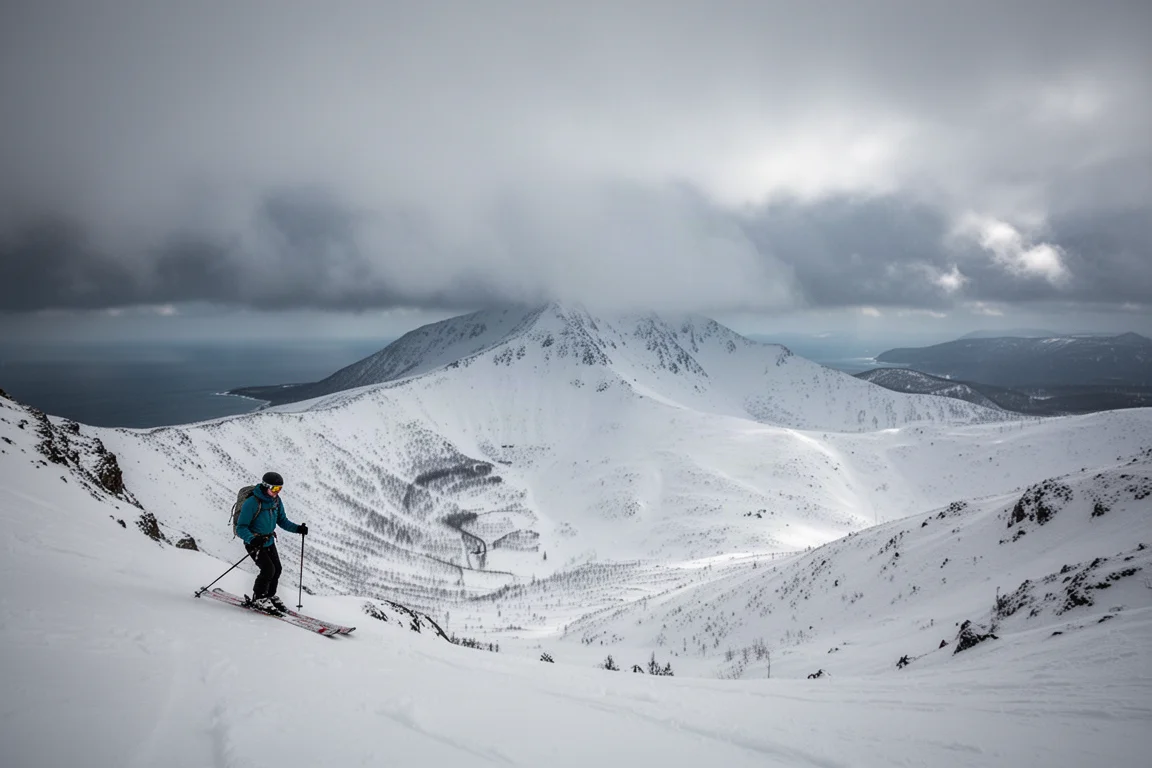
Starting with the heaviest hitter, and a personal favorite: Whistler Blackcomb is still, in many ways, the best resort in North America. The terrain mix is the best on the continent, with top-tier expert runs, great intermediate terrain, tree skiing everywhere, open bowls, glaciers, and exceptional backcountry access. Different elevation bands mean rain at the bottom can coexist with deep powder at the top, and avalanche control is done well enough that terrain opens up after big snowfalls more often than at most resorts. Inbound runs can feel like backcountry skiing.
So why is it overrated? Whistler is volatile. A planned trip can deliver the best skiing and weather of your life, or the worst. Coastal storms either stay cold and deliver magic, or warm up and ice over. When the storms hit, the crowds arrive, and five or six runs in a day while spending most of it in half-hour lift lines is a genuinely disappointing experience. The vibe is intense and competitive rather than that classic relaxed ski-town feel. If you can spend a month there and hit a proper storm cycle, it will blow your mind. For a short tourist trip, the expectation is set so high that it often leaves people let down.
Palisades Tahoe, California
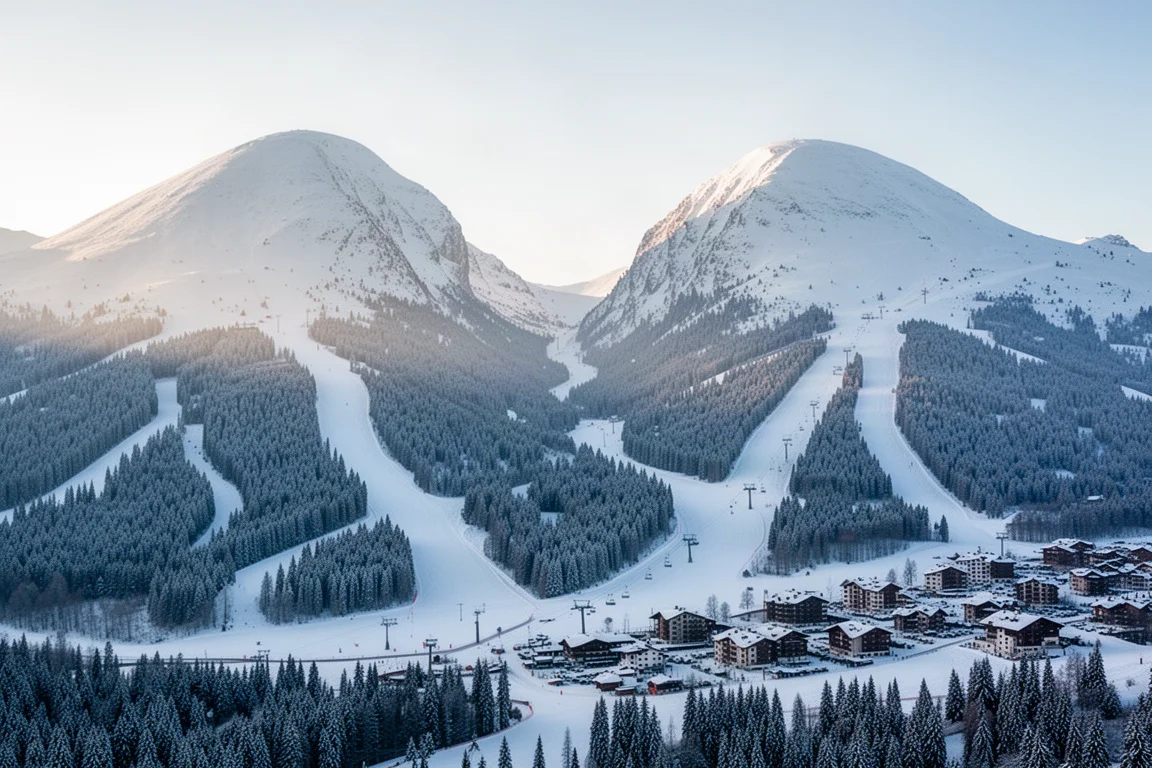
Palisades Tahoe is one of the most renowned resorts in the country, with steep fall-line skiing, amazing freeride terrain, and endless natural features to jump off. The ski lore is real: KT-22, Granite Peak, the Fingers. It is an incredible mountain, and a big storm day there can be epic.
It is also the busiest resort many skiers will ever experience, and the crowds are the core problem. It gets skied out faster than anywhere, lift lines are unbearable, and even the drive up and out of the parking lot can mean bumper-to-bumper traffic worse than anything on the Sea-to-Sky. The Tahoe storm cycle is feast or famine: either dumping deep snow or dried out and marginal, with variable temperatures that often produce freeze-thaw. The Alpine side is chiller and helps, but not by much, since it is busy too. For pound-for-pound skiing, smaller Tahoe resorts deliver a comparable fix with far less fighting.
Revelstoke, British Columbia
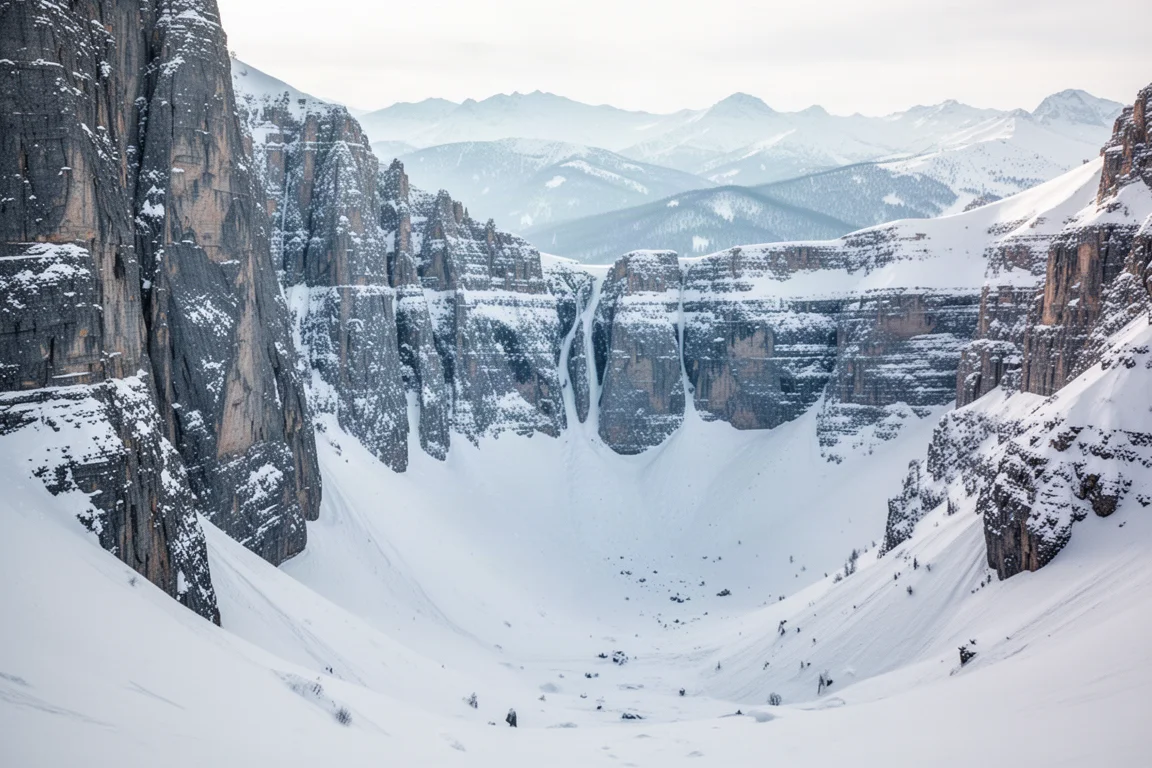
This one will upset the Canadian crowd, but Revelstoke is way overhyped as a resort. It is a newer mountain in an incredible location that gets a huge amount of interior snowfall, and the backcountry, slackcountry, and sled-accessed blower powder are what make Revelstoke genuinely magic. That is why so many pros live there. But the resort itself underwhelms.
The terrain is good, with cool tree skiing and pillow lines on the resort, but the infrastructure and flow are lacking. Despite the highest vertical in North America, the bottom of the mountain is typically freeze-thaw or poor quality, so most skiing happens on the Stoke chair, where runs require constant traversing back rather than direct fall-line laps. It does not actually have much steep, extreme, high-alpine terrain despite being marketed that way: a couple of bowls off the back and that is about it. On big powder days, only a couple of lifts are realistically skiable. For an expert skier judging the resort alone, it consistently disappoints.
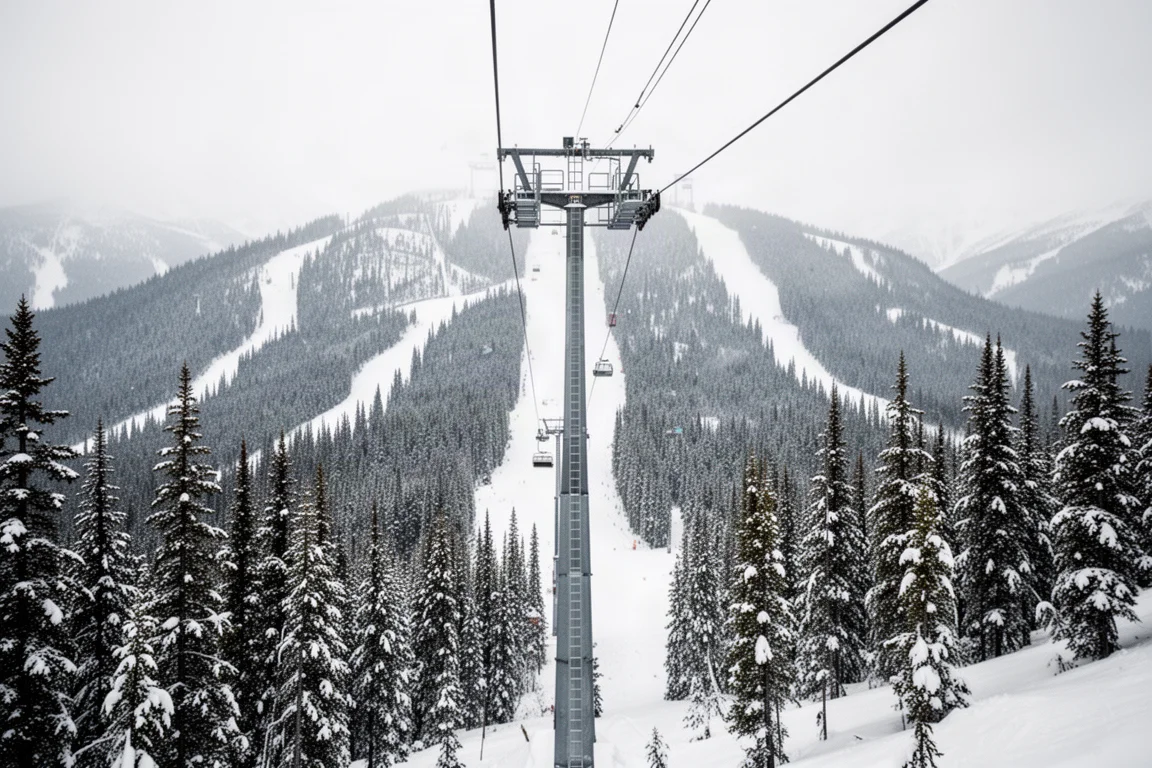
Big Sky, Montana
Big Sky is heavily hyped and has seen a lot of development, and Lone Peak genuinely holds some of the most epic big-mountain terrain in North America. The problem is concentration: nearly everything spectacular sits on Lone Peak and Headwaters, while the rest of the mountain skis mellow and flat. The snowpack is dry and consistent, but storm totals are modest, bases run low, and early and mid-season you are often battling rocks and brutal wind that blows snow around.
That means your trip is heavily dependent on the tram and Headwaters being open, and a tram wind hold turns the mountain into something seriously underwhelming. Notably, some season passes do not include tram access, which significantly changes the value of the experience, while day ticket purchasers get tram rides included. Add a corporate-feeling atmosphere that lacks a classic local ski vibe, and the hype of the Big Couloir and iconic chutes cannot quite make up for the lack of consistent, lappable, fun day-to-day skiing.
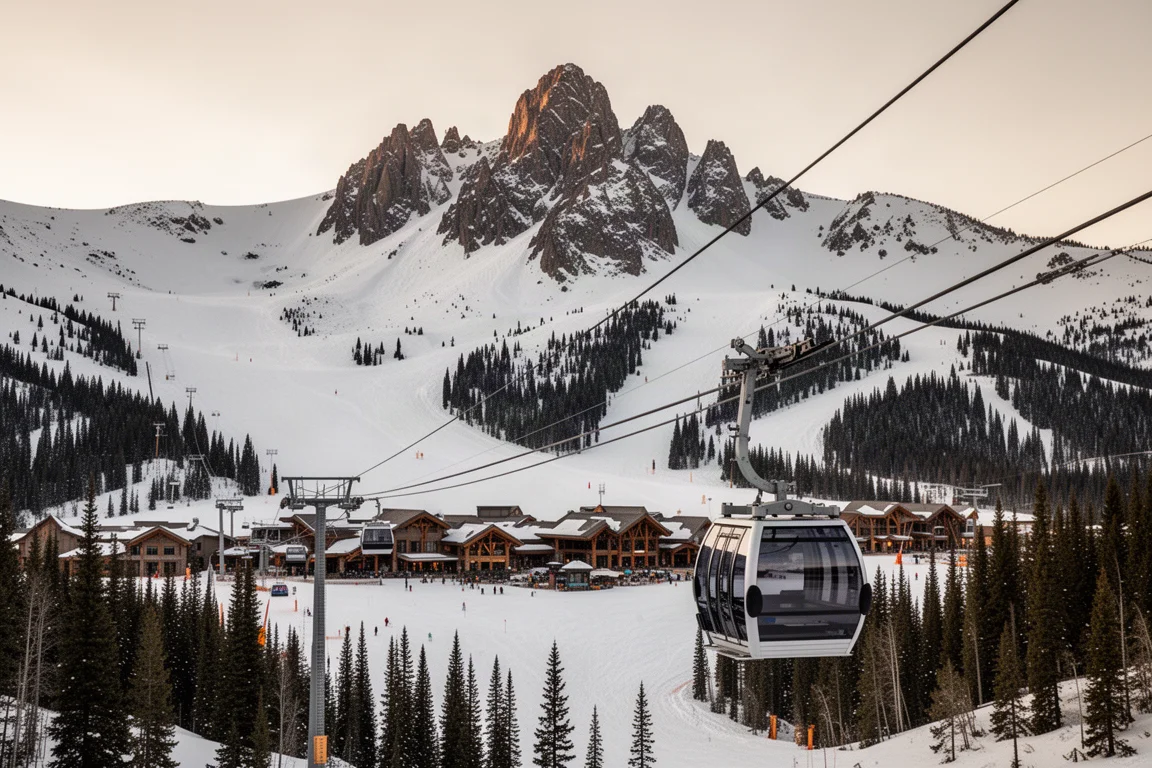
Breckenridge, Colorado
Breckenridge is always talked about, largely because it has a genuinely fun town plus solid skiing. The upper mountain is absolutely awesome: high alpine, open, and impressive. But it shares Big Sky’s core problem. The bottom of the mountain is flat and mellow, there is not much tree skiing, and the upper mountain is exposed to wind, cold, shutdowns, and flat light with few good tree options to retreat into.
If the top is open, Breck is awesome. If it is loaded, busy with tourists, windy, and the upper lifts go on hold, everyone gets funneled into the lower flat part of the mountain, which is not exciting. It is a roll of the dice, as every mountain is, but other Colorado spots deliver more consistent and varied skiing on a regular basis.
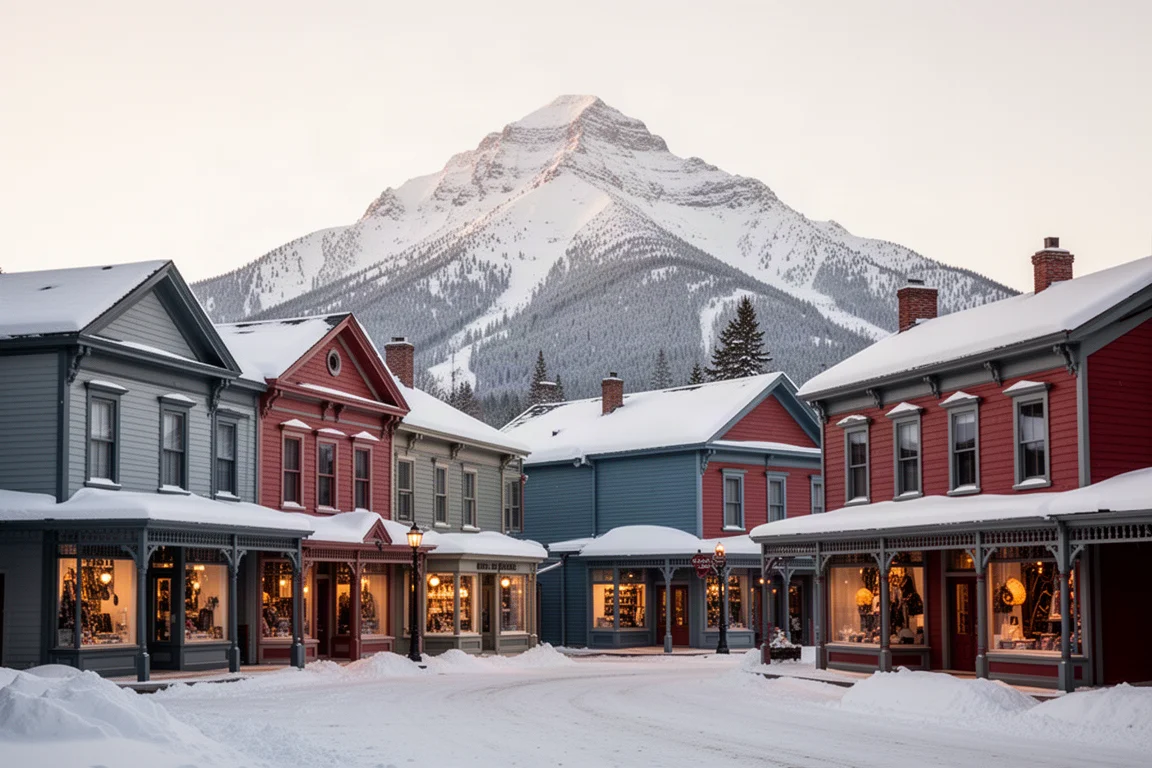
Vail, Colorado
You cannot talk about Colorado without talking about Vail, and it underwhelmed. The legendary back bowls are legendary in size, but not in character: wide open, largely the same pitch, with little variation, few cliffs, chutes, or distinctive runs. It is essentially enormous groomed open skiing.
For an intermediate-to-advanced skier who wants wide-open exploration, Vail may be the best resort in the country, and plenty of people would love it. But for skiers seeking unique terrain and dramatic views, the views are just okay and the skiing is not special. There is some steeper front-side skiing, but nothing that feels truly iconic or justifies the “best resort in Colorado” reputation. Vail can also get very busy, and it clearly caters to a particular crowd rather than to hardcore terrain hunters.
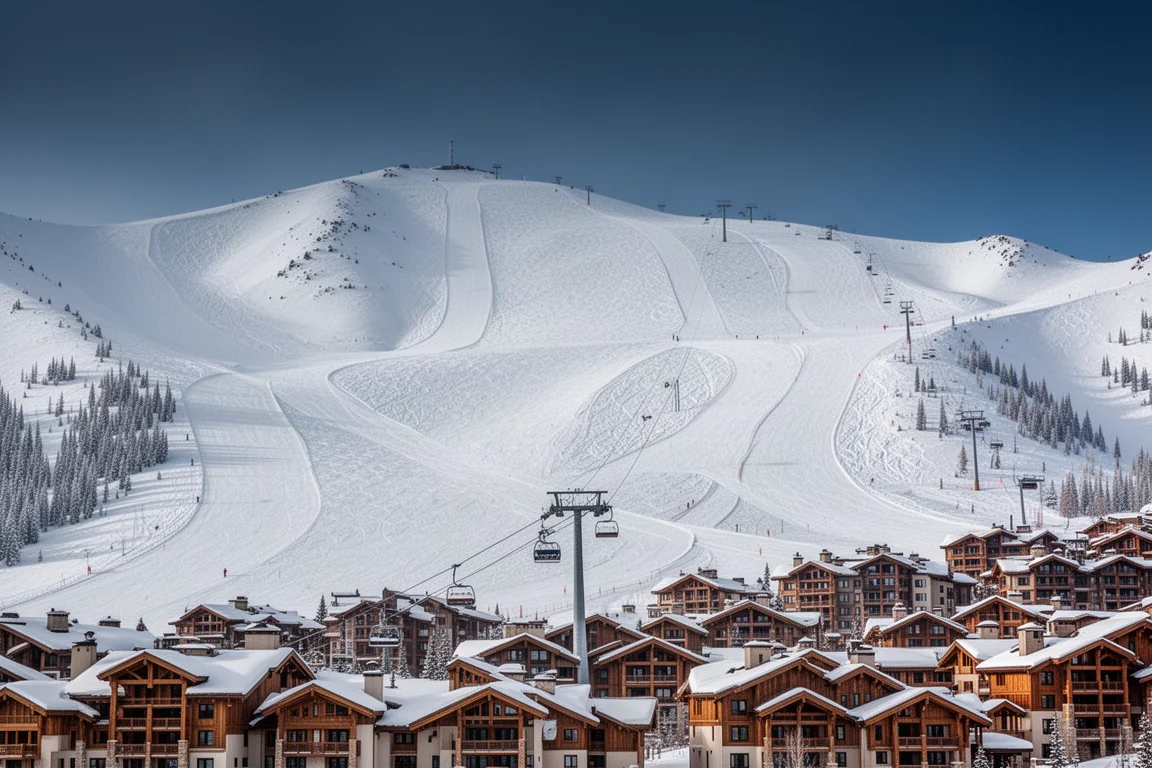
Aspen, Colorado
Aspen is everywhere in film and pop culture, and it caters hard to luxury. The core issue for visiting skiers is that the four mountains, Buttermilk, Highlands, Ajax, and Snowmass, are not interconnected, so you are not skiing one giant linked resort like you would in Europe. Aspen Snowmass itself is large but on the mellow side for experts, with standout pockets like the Cirque headwall and Hanging Valley and some of the best groomed skiing anywhere, yet without many consistently steep runs.
The expert crowd gravitates to Aspen Highlands, with the phenomenal Highland Bowl requiring a hike that limits lap count, or to Ajax, which skis into town. Colorado storms are smaller than the big coastal and interior dumps, so moguls tend to stick around on the bumpier terrain. Given the price you pay for the level of skiing you get, Aspen as a whole feels overrated, though the money is presumably buying more than just the skiing.
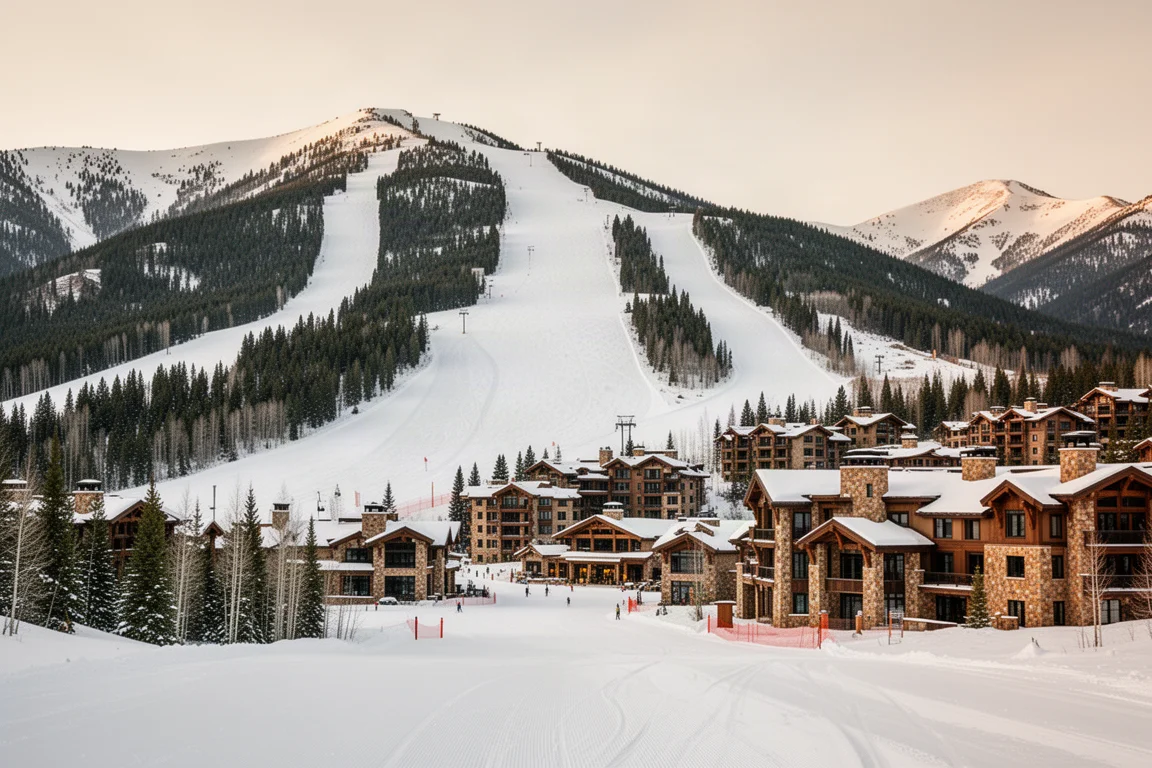
Sunshine Village, Alberta
Sunshine Village is genuinely one of the most beautiful resorts in the Canadian Rockies, with stunning open high-alpine terrain and a wonderful feeling of being out in the mountains. It is still a top-five favorite, and when it is good, it is magical. So why is it overrated?
For the expert skier, it comes down to terrain availability and flow. Outside its two legendary freeride zones, Delirium Dive and Wild West, which are among the best inbounds technical lines in Canada, the mountain trends intermediate and a bit flat. Those zones need a deep snowpack to open, and the Rockies build base slowly with lower average snowfall than coastal or interior mountains, so the best terrain often does not open until late February, March, or April. Visit earlier in the season and you may find the resort flatter than expected. Flat connections between chairs can also frustrate snowboarders. Lake Louise down the road offers more reliably open terrain, and Sunshine is best judged by whether those zones are open when you go.
Park City, Utah
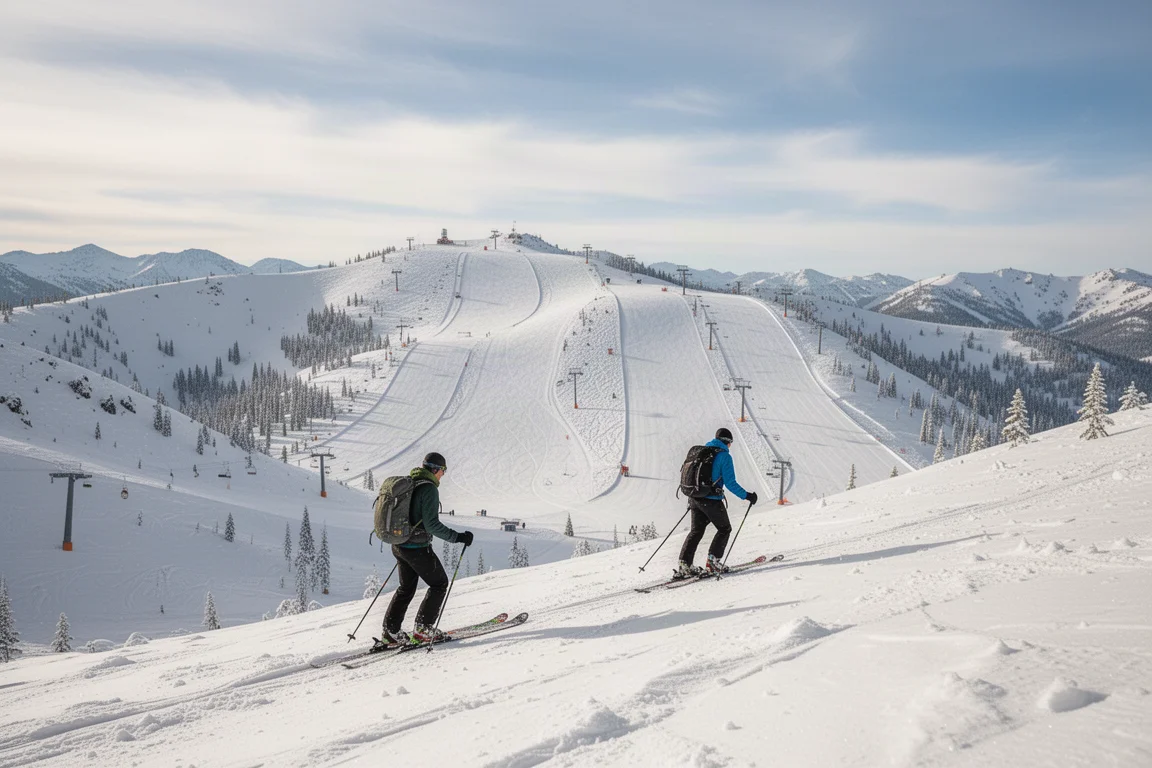
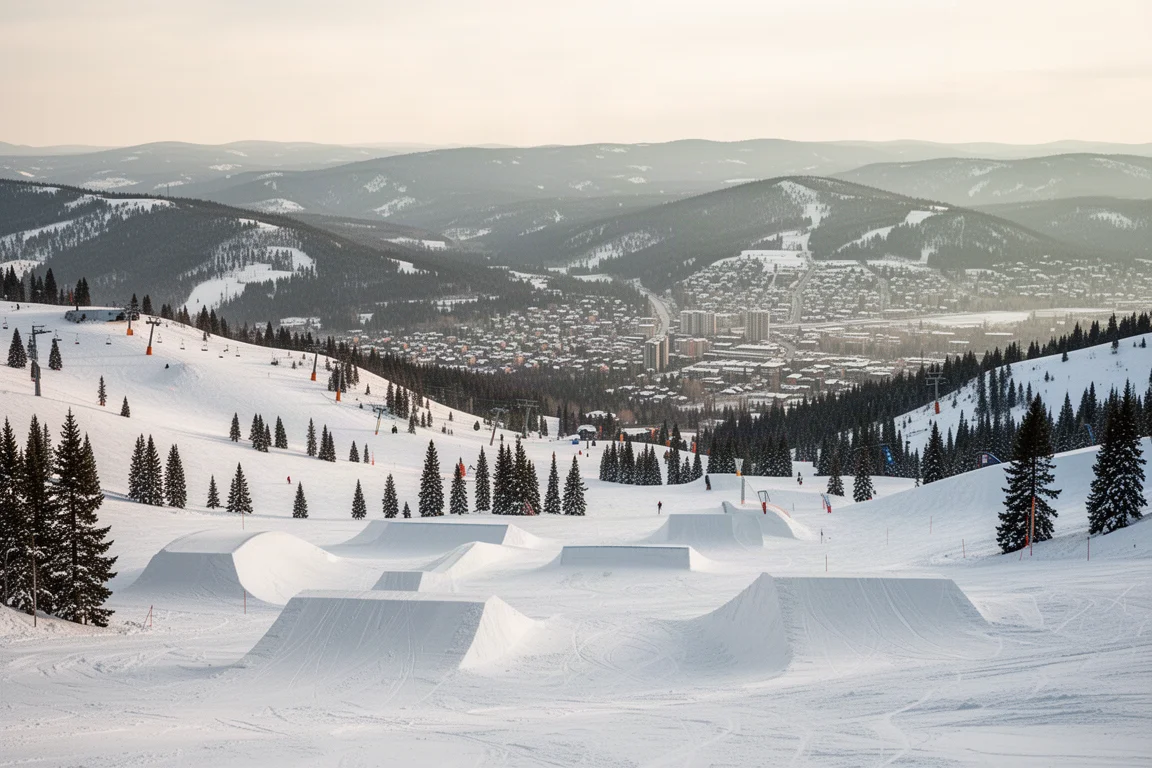
The final entry might be the least favorite resort many skiers have ever visited. Park City is a solid mountain and yes, people have fun there. But it is enormously overhyped, and for an expert skier it is genuinely flat. Jupiter Bowl, McConkey’s, and 9900 have fun steeper pitches, but even on the good chairs you ski a bit of steep terrain and end up on flats, with more time spent riding the chair than skiing fall line. The views underwhelm, and the whole setup caters to the intermediate vacationer with its village-first approach.
Park City gets built up as a core Utah ski destination, when the real expert terrain in Utah lives at Alta, Snowbird, Brighton, Solitude, Snowbasin, and Powder Mountain. One silver lining: on big Utah powder days, the pow-thirsty crowd charges to the Cottonwood Canyons, so Park City is probably quiet and you may well score fresh tracks. For an intermediate group, it would be an excellent place to explore. For experts, it is hard to justify a return trip.
Overall Buying Advice
The key to a great trip at any of these resorts is setting expectations properly. Smaller resorts are not overrated precisely because your expectations match reality, and going in with the mindset that you will have fun regardless of conditions almost guarantees a good day.
What actually ruins a ski day is standing in line. At all of these heavy hitters, avoid stacking a sunny weekend vacation onto a powder day if you can, because you will do a lot of standing. If you cannot avoid it, pack extra snacks, and be realistic about which lifts and zones are likely to be open for the dates you are visiting.
Conclusion
None of these nine resorts are bad, and most skiers would happily return to nearly all of them. The issue is the gap between expectation and reality: volatile weather at Whistler, crowds at Palisades, limited resort terrain at Revelstoke and Sunshine Village, tram dependency at Big Sky, flat lower mountains at Breckenridge and Park City, and a price-to-terrain mismatch at Vail and Aspen. Match the mountain to your ability, your dates, and your tolerance for lines, and even the “overrated” resorts can deliver an outstanding trip.
Further reading
Related Reviews
Ski Destinations
16 American Ski Resorts Ranked: From Park City to Snowbird
A season-long tour across 16 American ski resorts, ranked from worst to best, with honest notes on terrain, snow, crowds, and vibe at each one.
Ski Destinations
Andermatt-Sedrun-Disentis Review: Switzerland's Low-Key Epic Pass Resort
A wide, quiet Alpine ski region spanning three separate mountain zones, now on the Epic Pass. Here is how the terrain, snow, lifts, and village experience stack up.
Ski Destinations
The Best Ski Resorts in Western Canada, Ranked
We rank every major Canadian ski resort west of the Rockies, from Nakiska's day-trip convenience to Whistler Blackcomb's unmatched terrain diversity.