Backpacking Gear
Most Overrated Backpacking Gear: Chairs, Stoves, Poles, and Shelters in Perspective
A practical look at the backpacking items that get called overrated, from dyneema shelters and trekking poles to camp chairs and all-in-one stove systems.
Introduction
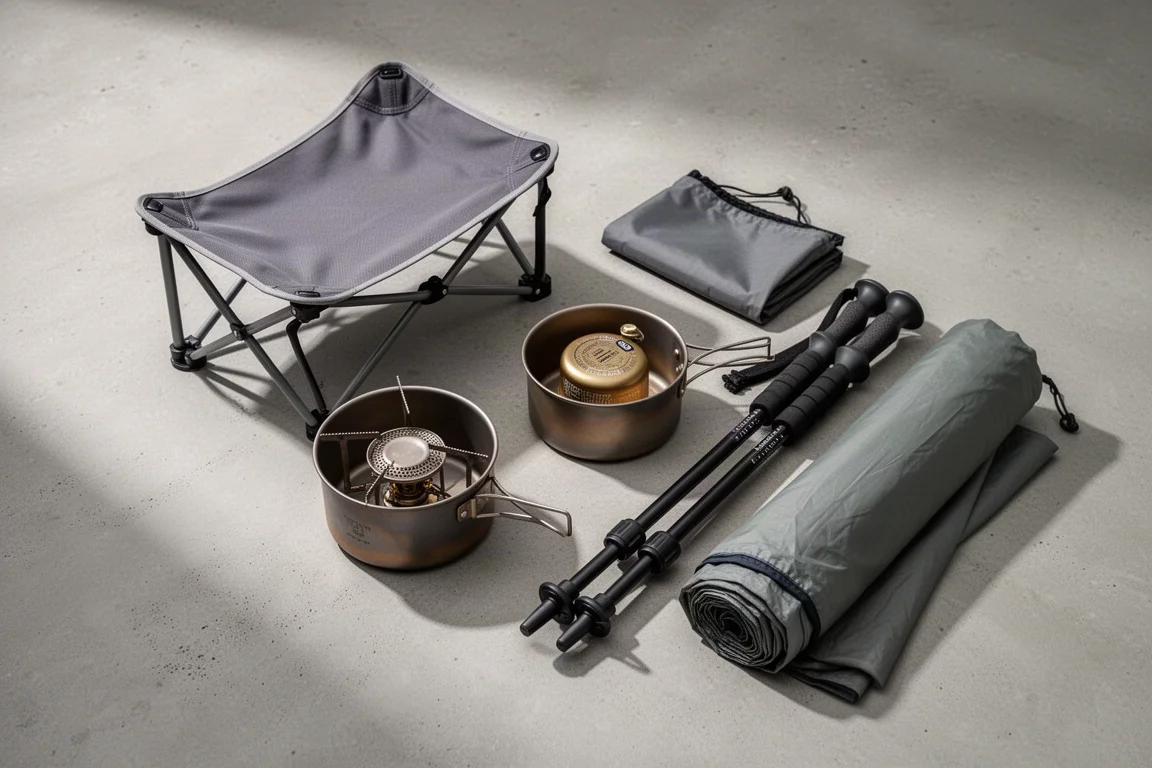
Every backpacking season brings the same argument: which gear genuinely earns its place in a pack, and which gear is just an expensive habit. A handful of items come up again and again in that conversation. Dyneema shelters, trekking poles, camp chairs, and all-in-one canister stove systems all get labelled overrated, and each one deserves a fairer hearing than the label suggests.
The honest answer is that none of these items are overrated in absolute terms. They are overrated for certain hikers, in certain conditions, at certain prices. The rest of this guide walks through each category, explains where the value actually sits, and points out the cheaper options that do the same job for a lot of people.
How We Judged These Items
Four questions decide whether a piece of backpacking gear earns its place in a pack.
The first is weight against comfort. Saving grams matters most to hikers covering long distances, and it matters far less to someone doing a weekend loop with plenty of time in camp.
The second is price against function. A 250 dollar pair of trekking poles and a 25 dollar pair both give you a third and fourth point of contact on a descent. The question is what the extra money buys, and whether you actually need it.
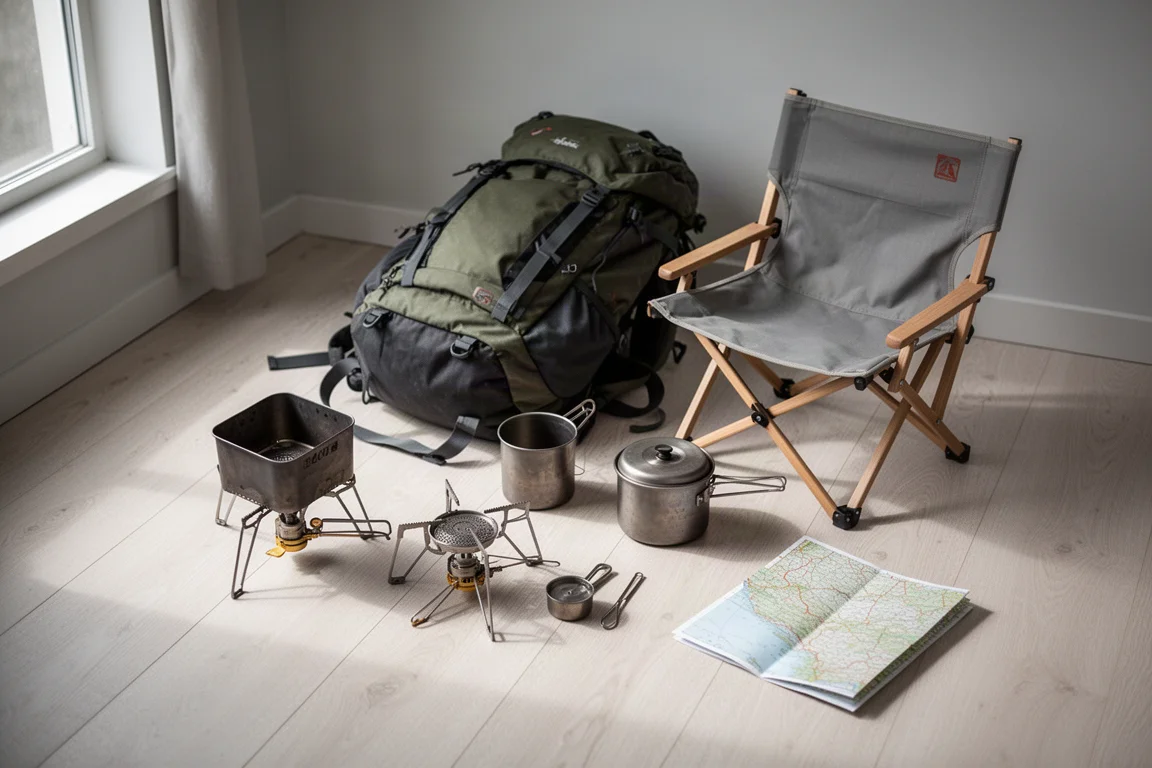
The third is how you really hike. A long-distance hiker and a weekend camper have genuinely different priorities, and gear that is dead weight for one is a highlight for the other. The fourth is whether a cheaper alternative solves the same problem. In most of the categories below, it does.
Dyneema Shelters: Real Weight Savings, Real Cost
Dyneema has a reputation problem that is really a price problem. As a shelter fabric it performs, and hikers who move to it often understand quickly why it has such a following. The weight savings are real, and for long-distance hikers counting every gram, that can justify the outlay.
The catch is the cost. Dyneema shelters commonly land around 500 dollars, and larger or more specialised models can reach roughly 650 dollars. That is a lot of money for a tent, and nobody needs to spend it to have a good time in the backcountry. There are plenty of cheaper shelter options that will get you out there comfortably.
The fair conclusion is that dyneema is excellent fabric at a premium price. If weight is your primary constraint and the budget allows, it earns its place. If not, a conventional shelter will serve you well.
Trekking Poles: Useful on the Trail, Overpriced at the Top
Trekking poles are one of the more surprising entries on the overrated list, because they deliver something concrete. Hikers with knee trouble, hikers doing serious elevation gain and loss, and hikers who simply want more stability on rough ground all get real benefit. On a long descent, poles take stress off the knees and feet.
Where the criticism lands is on price. A pole is an adjustable stick, whether it is made from carbon fibre or aluminium. A pair costing 20 to 30 dollars will do the same job on the trail as a pair costing 250 dollars. Grips, straps, flick locks, and the quality of the carbon do account for part of the difference, but the core function is the same.
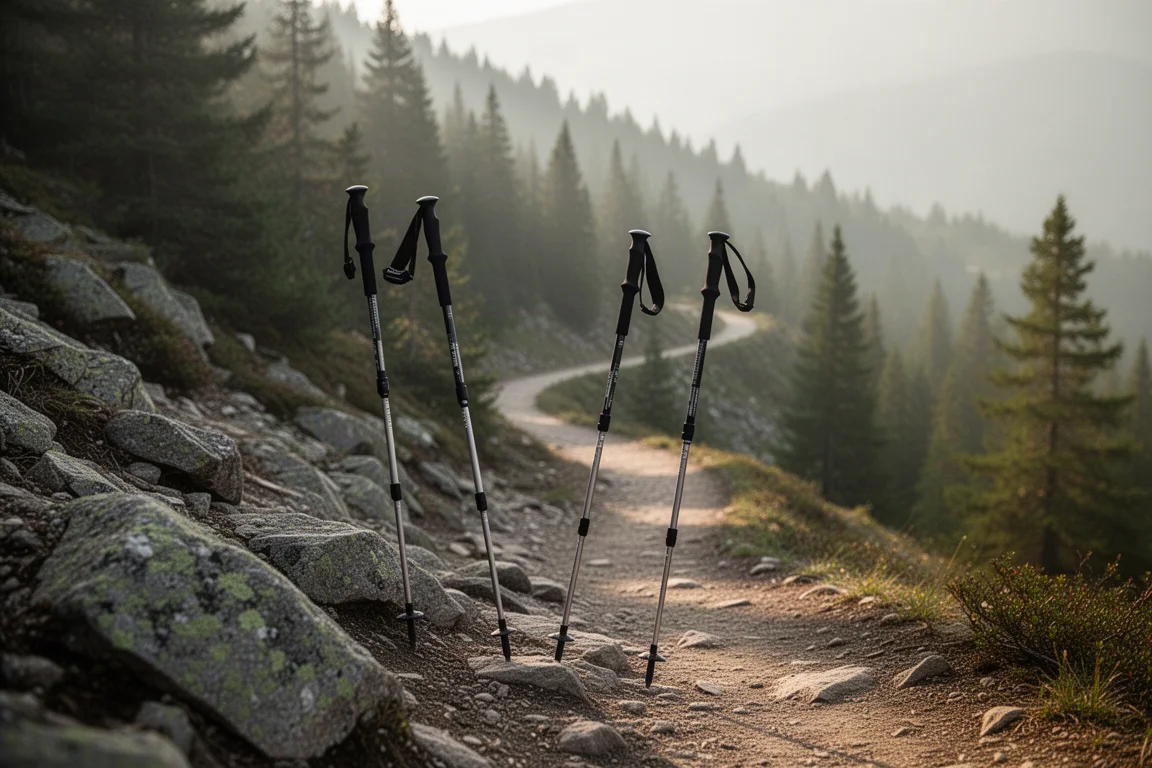
There is also a myth worth clearing up. You do not need trekking poles to pitch a non-freestanding tent. Dedicated telescoping carbon or aluminium tent poles work just as well for that job, so a shelter requirement is not a reason to buy poles you would not otherwise carry.
Camp Chairs: Comfort in Camp Is Not a Gimmick
Camp chairs attract more criticism than almost any other comfort item, and the criticism usually misses the point. A chair makes little sense if your only goal is the lowest possible pack weight. In that case you sit on a foam pad, lean against a tree or a rock, and get on with it.
Most backpackers are not thru-hikers. They are weekend and occasional backpackers who spend more time in camp than on the move. For them, a comfortable seat that gets them off the ground changes the quality of a trip. That is not overrated gear. That is gear doing exactly what it was bought for.
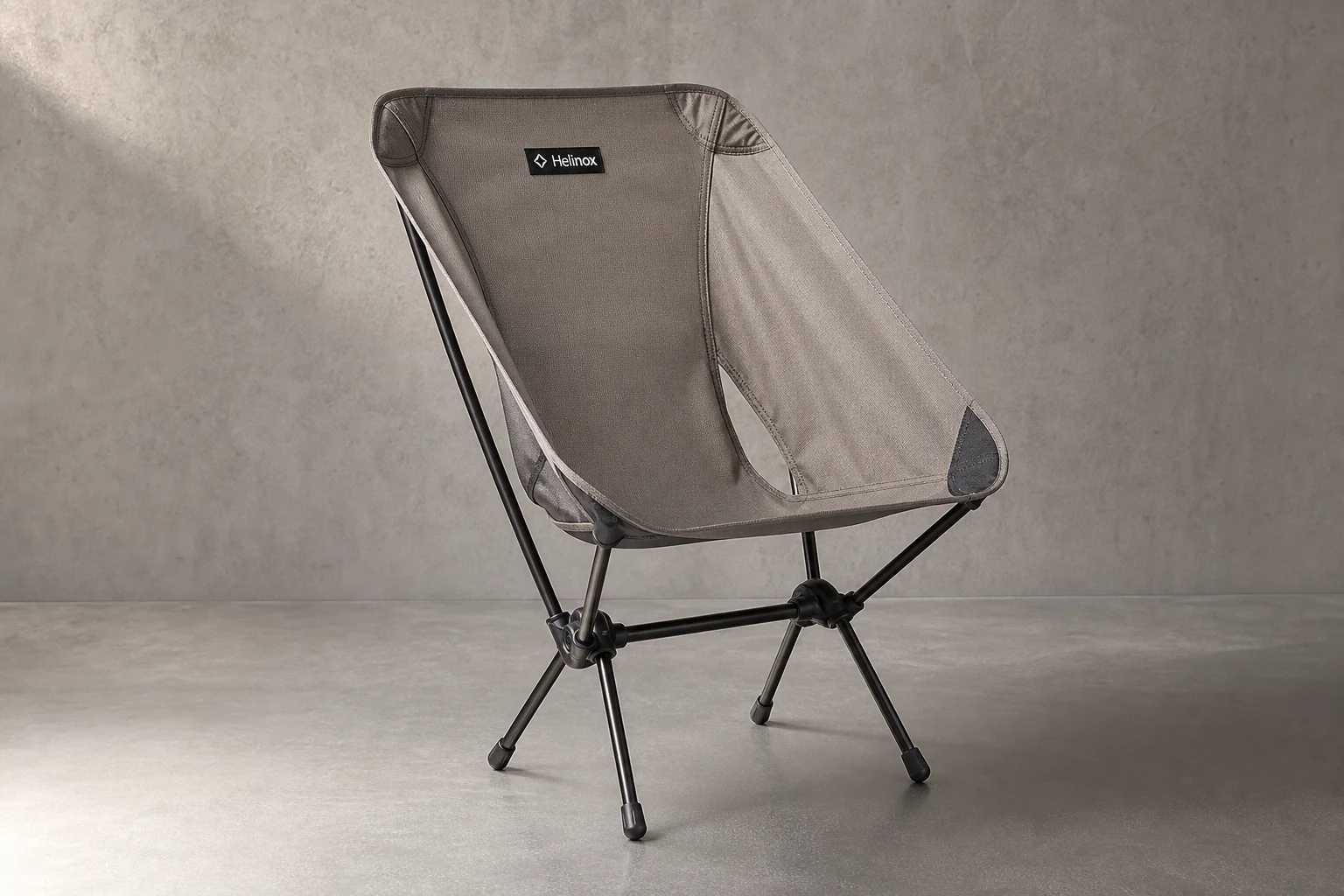
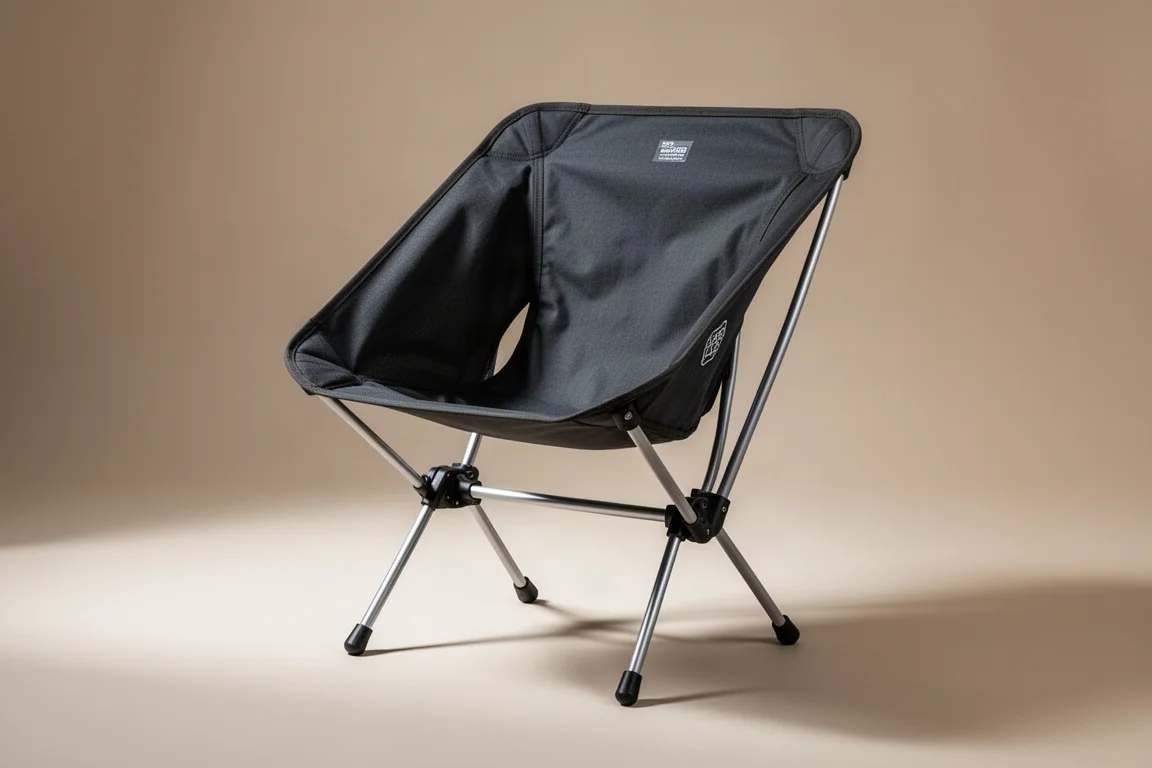
Helinox Chair Zero
The Helinox Chair Zero is the weight-conscious option in this group, and it suits backpackers who want a proper seat without treating it as a luxury item. Check the packed size against your pack, the seat height against how you like to sit, and whether the frame feels comfortable for your build before committing.
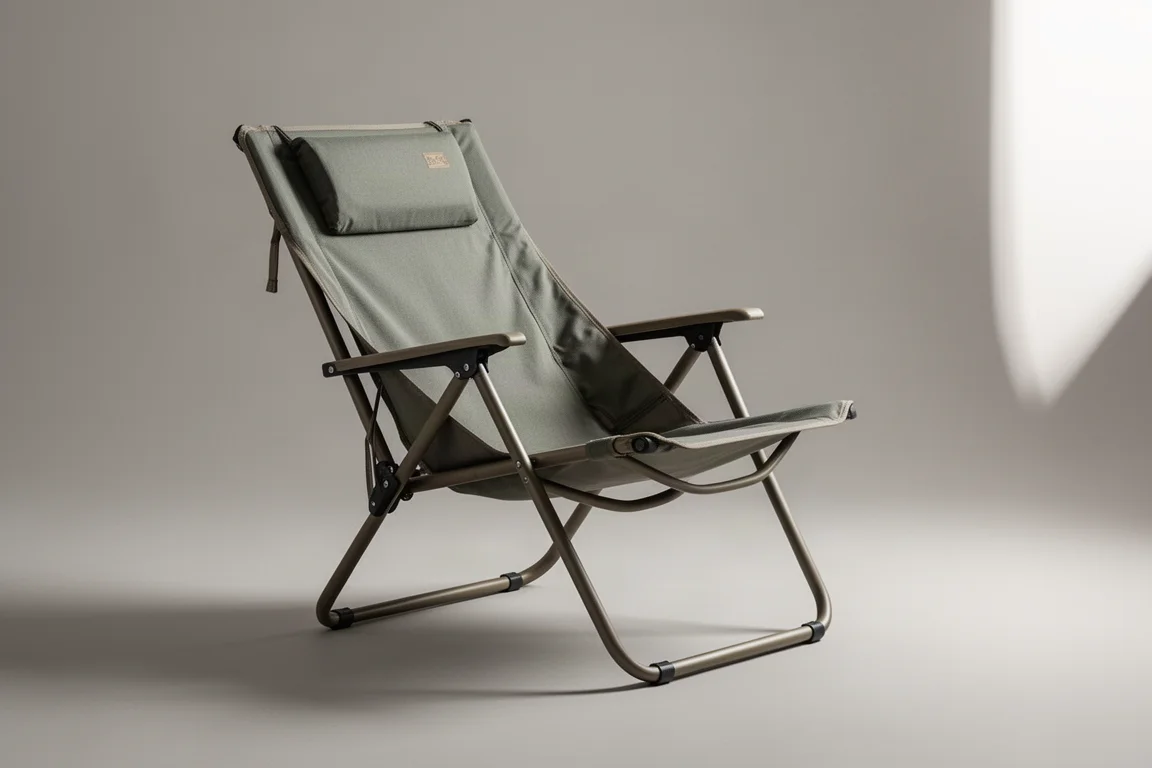
Nemo Moonlight Reclining Chair
The Nemo Moonlight Reclining Chair adds a reclining backrest, which appeals to campers who want to lean back and settle in rather than perch upright. It is a reasonable pick if your trips include long evenings at camp and you are willing to carry a little more for that comfort.
Big Agnes Skyline UL Chair
The Big Agnes Skyline UL Chair targets backpackers who want the comfort of a chair while keeping the weight penalty modest. It fills the same role as the other two here, so the decision comes down to which seating position and packed size suit you best.
Cook Systems: All-in-One Convenience vs Modular Simplicity
Walk into a large outdoor retailer and the stove wall makes the decision for you. All-in-one canister systems dominate the shelf, and there is a reason they sell: they are reliable, well marketed, and genuinely convenient. The question is whether that convenience is worth the price and the pack space.
Jetboil
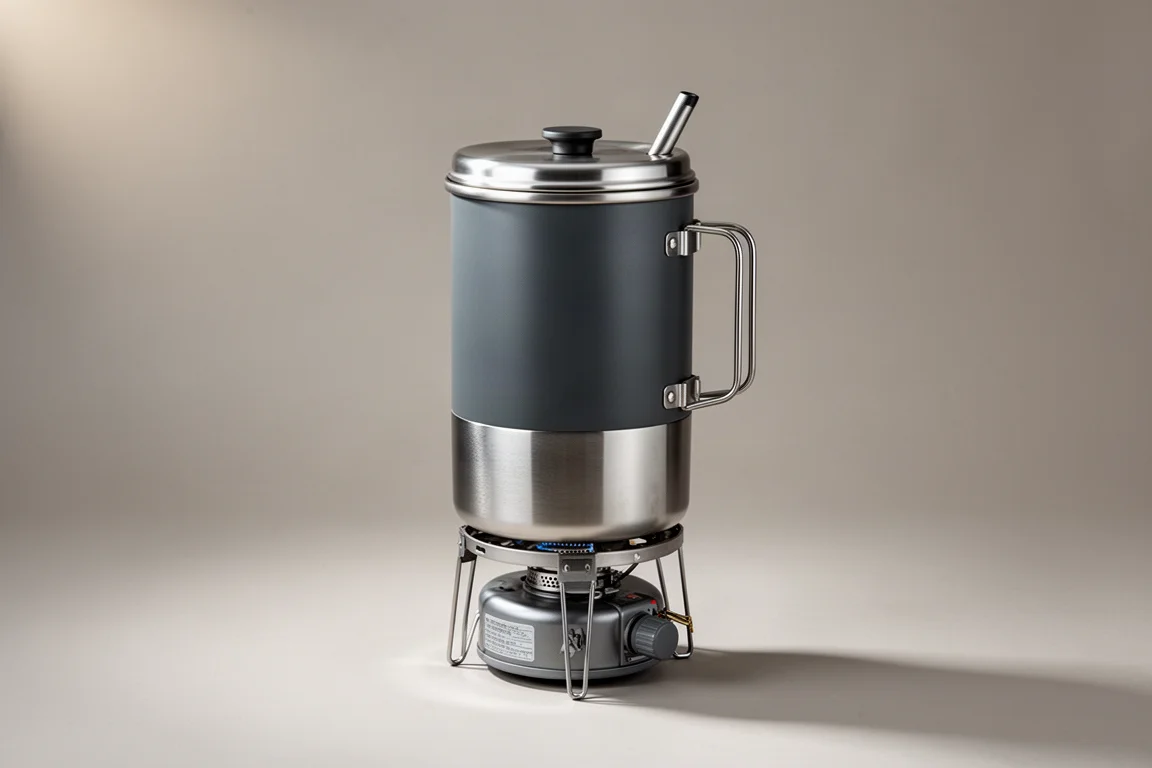
A Jetboil is a complete package. The burner and pot are designed to work together, the stove stores inside the pot, and the included cup has markings that let you measure water for a dehydrated meal. The pot is large enough for two people, which makes it an easy recommendation for someone shopping for a first setup.
The drawbacks are cost and bulk. A Jetboil runs over 100 dollars, and some configurations climb past 130 dollars, which is a lot compared with a 30 dollar pot and a 25 to 50 dollar stove. It is also noticeably bulkier than a modular setup.
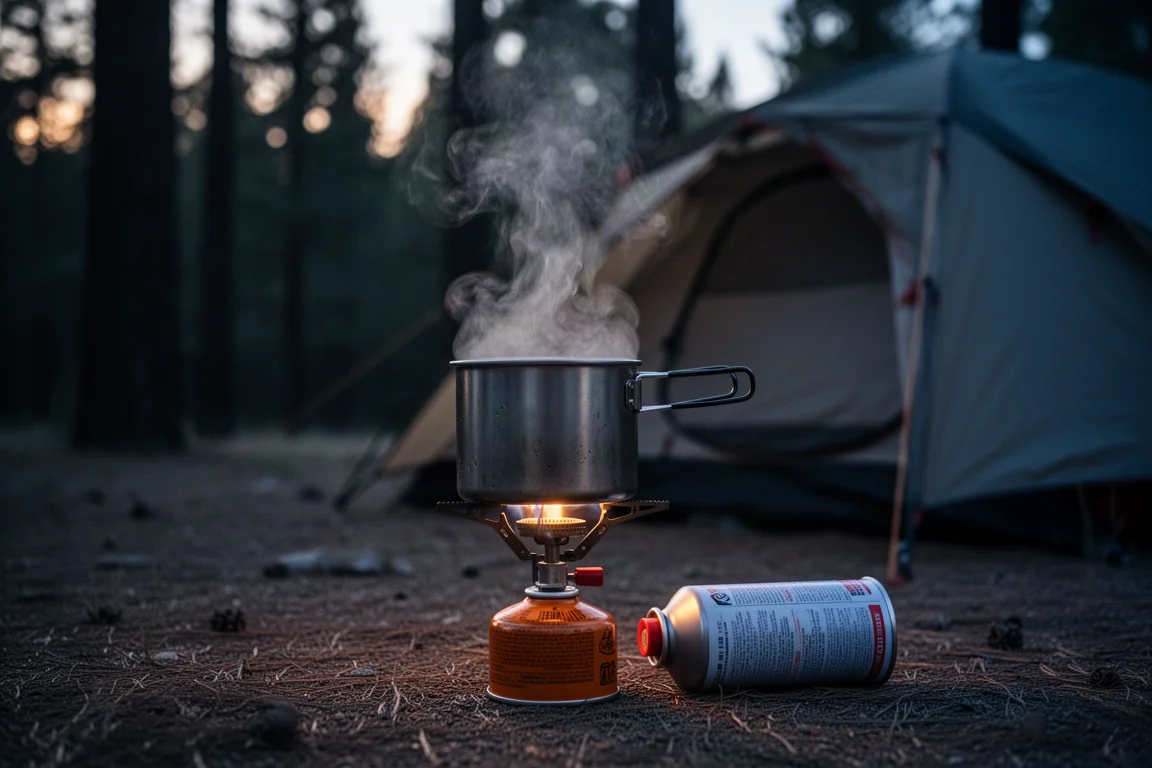
Boiling speed is the usual defence, and it is true that a Jetboil is efficient and quick. But speed is rarely the point of a backcountry trip. If you are new to backpacking and want one system that does everything, a Jetboil is a solid choice. If you want to spend less and carry less, there are better routes.
Soto Amicus
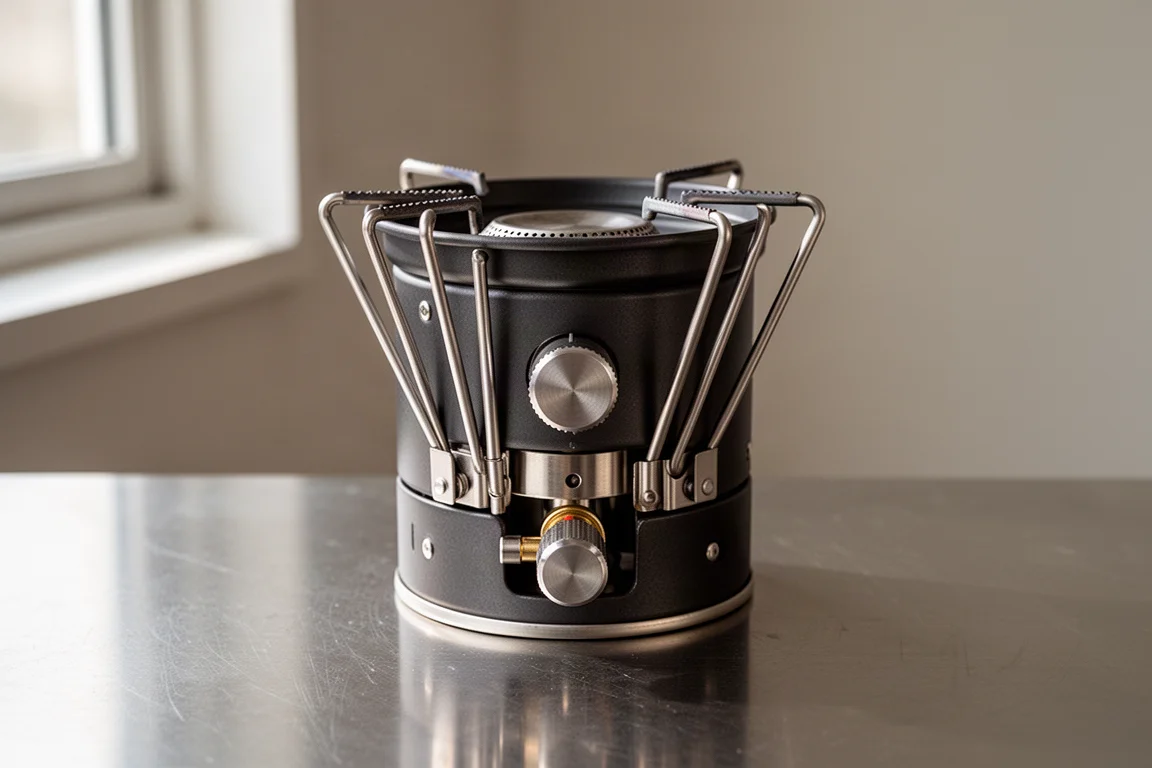
The Soto Amicus is the middle path in this comparison. At roughly 25 to 50 dollars, it is a compact canister stove that pairs with a pot you already own or buy separately, which keeps both the cost and the packed volume down.
BRS 3000T
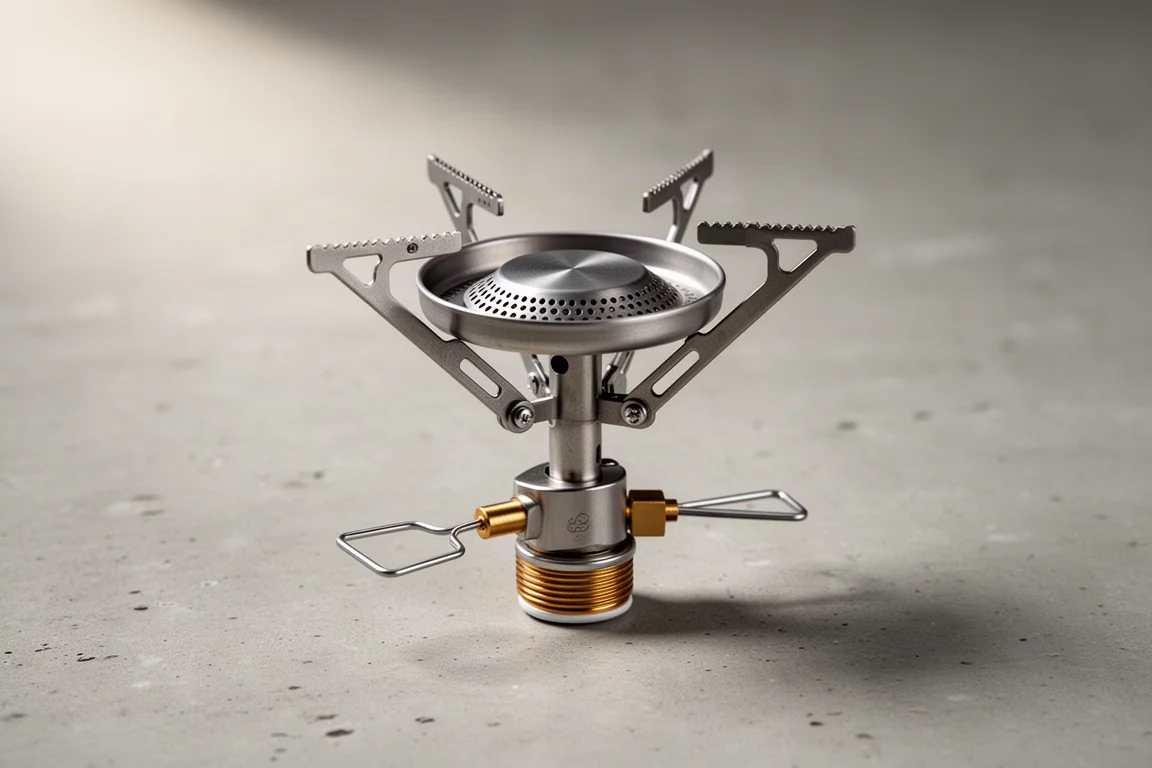
The BRS 3000T is the budget answer to the same question. It costs around 10 dollars, and it boils water. If your cooking is limited to rehydrating meals, the savings here are difficult to argue with.
Toaks 550ml Titanium Pot
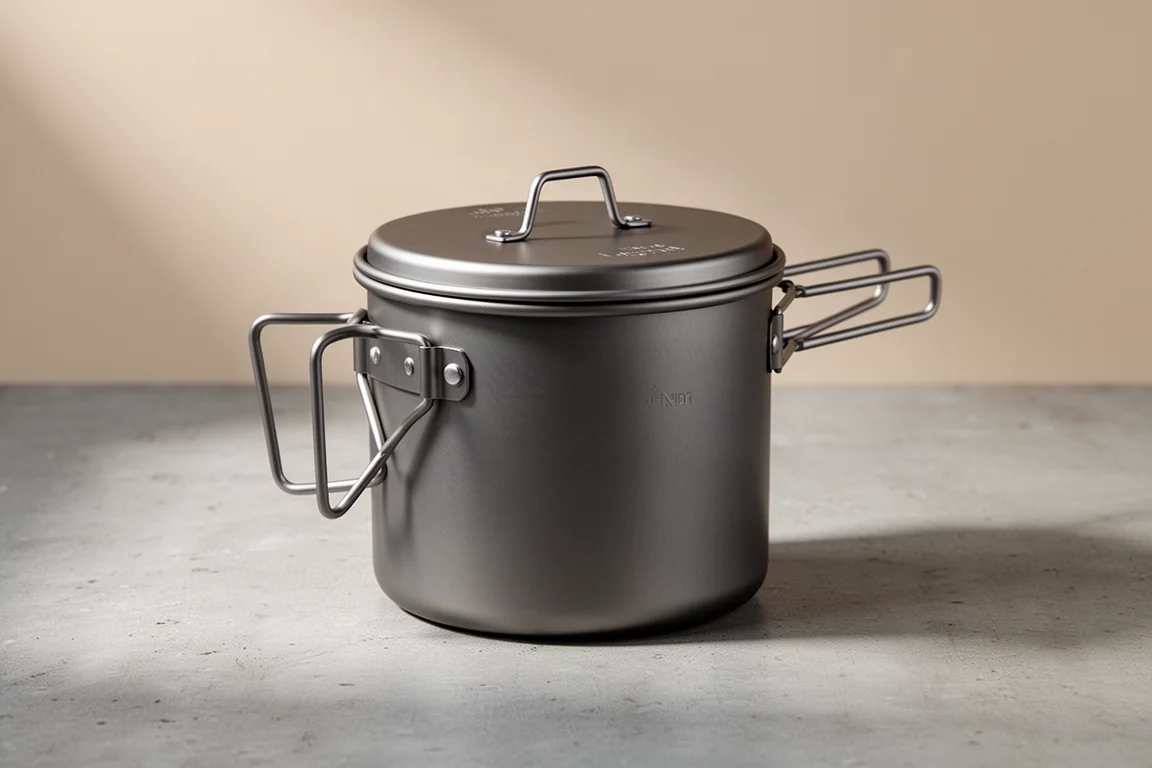
The Toaks 550ml Titanium Pot is the piece that makes a modular system practical. It is a small titanium pot priced around 30 dollars, it can hold a compact stove inside, and it is the direct alternative to an all-in-one system for solo hikers.
Overall Buying Advice
Match the gear to the trip rather than to the label. If you are covering big distances and counting grams, dyneema and a minimal cook setup make sense, and the price is the price. If you are doing weekend trips with time in camp, a chair is one of the best comfort purchases you can make, and a 20 to 30 dollar pair of trekking poles will cover most of what expensive poles offer.
On the stove side, the decision is simple. An all-in-one system buys convenience and a single purchase. A titanium pot with a compact stove buys lower cost, less bulk, and more flexibility. Neither approach is wrong, and neither is overrated once you know which one you are.
Conclusion
Overrated is usually shorthand for overpriced or mismatched, not useless. Dyneema shelters are excellent and expensive. Trekking poles are genuinely helpful and do not need to cost 250 dollars. Camp chairs are a comfort upgrade that most weekend backpackers will appreciate. All-in-one stove systems are convenient and costly, and a small titanium pot with a budget stove will do the same job for a fraction of the price.
Pick the version of each that fits how you actually hike, and none of these items will feel like a waste of money.
Further reading
Related Reviews

Backpacking Gear
Building a 10 lb Base Weight: An Ultralight Backpacking Gear List
A practical walkthrough of the ultralight pieces behind a 10 lb base weight, from a 765 g pack and a roomy one-person tent to a full camp chair and a dependable water filter.
Backpacking Gear
A 15-Pound Lightweight Backpacking Gear List for Solo Trips
A beginner-friendly 15-pound backpacking setup built from easy-to-find gear, with notes on what each piece does, how it packs, and where to spend your attention.
Backpacking Gear
8 Ultralight Backpacking Gear Upgrades Worth Carrying
Eight small, affordable backpacking upgrades that solve real trail annoyances, from a pillow that stays put to a fuel valve that rescues leftover canister gas.