Backpacking Gear
Most Innovative Cottage Brand Backpacking Gear: 7 Standout Pieces Worth Knowing
Seven cottage-brand backpacking pieces that solve real trail problems, from a wide-mouth stake bag to a seam-taped 30 L fastpacking pack.
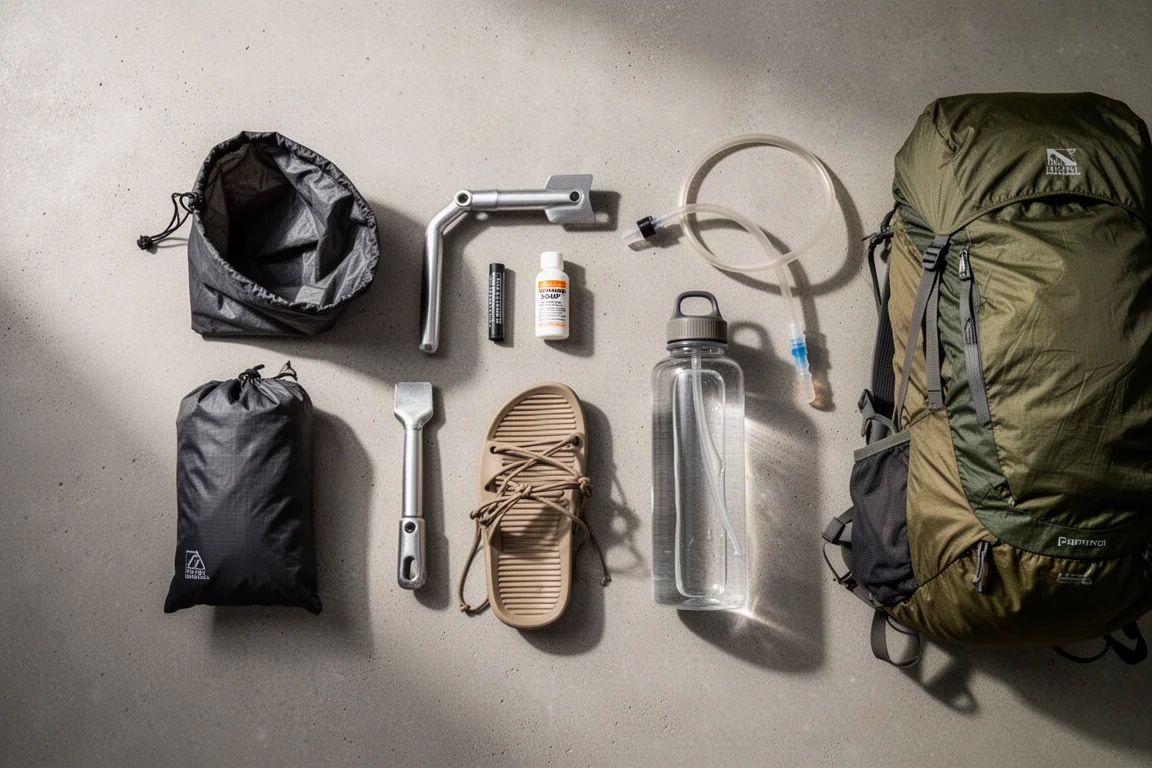
Introduction
Cottage brands are where a lot of the most interesting backpacking gear comes from. These are small operations run by people who noticed a specific problem on trail and decided to design their way out of it rather than accept the standard answer. The results are not always good, but when they land, they land hard.
The seven pieces below share that quality. Each one takes something ordinary, a stake bag, a trowel, a bar of soap, and rebuilds it around a real annoyance that most manufacturers simply ignore. Some of them have been in continuous use for years. Others are newer arrivals that are still proving themselves.
What Makes These Cottage Gear Pieces Stand Out
Three things separate the gear here from a generic version of the same item. First, each piece solves a problem you actually run into, rather than a problem invented for a spec sheet. Second, weight stays low without obvious compromises in function. Third, the design details show evidence of someone iterating over time, including small revisions made after real user feedback.
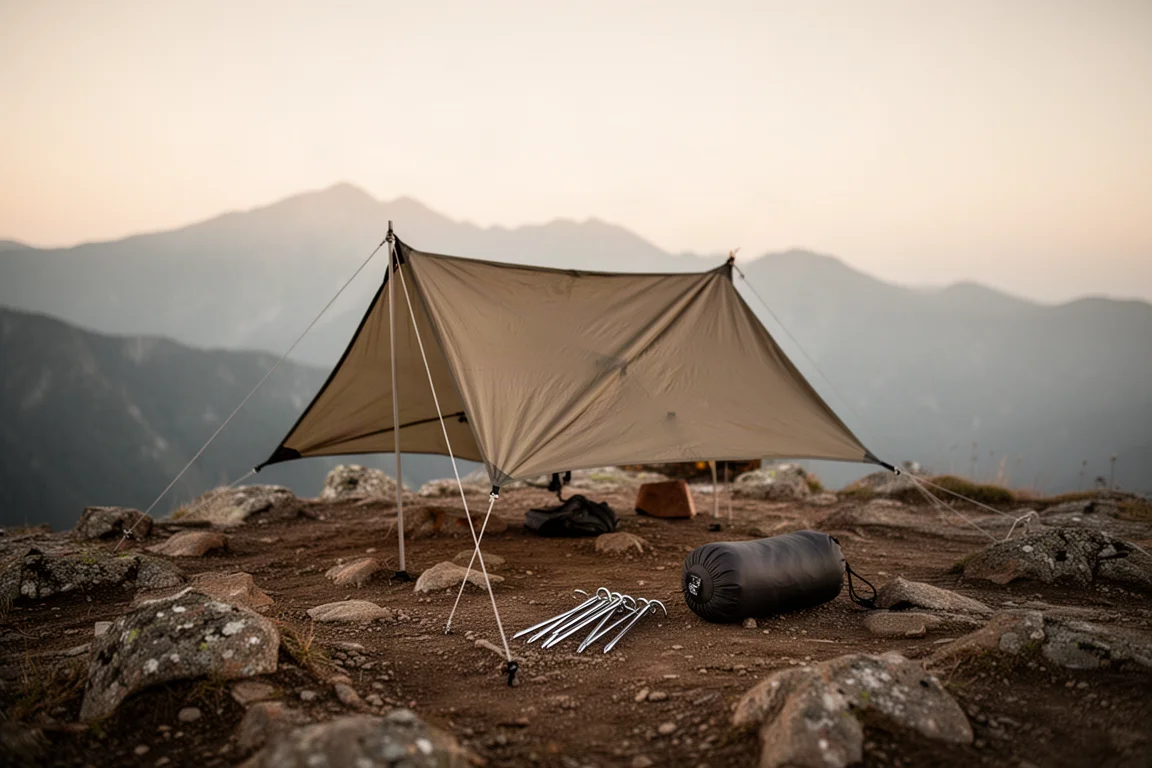
Durability matters just as much as the idea. A clever design that falls apart after one season is not an improvement, so the notes below focus on how each item has held up in extended use and where its limits sit.
Allmansright Holster Sack: A Tent Stake Bag That Opens Wide
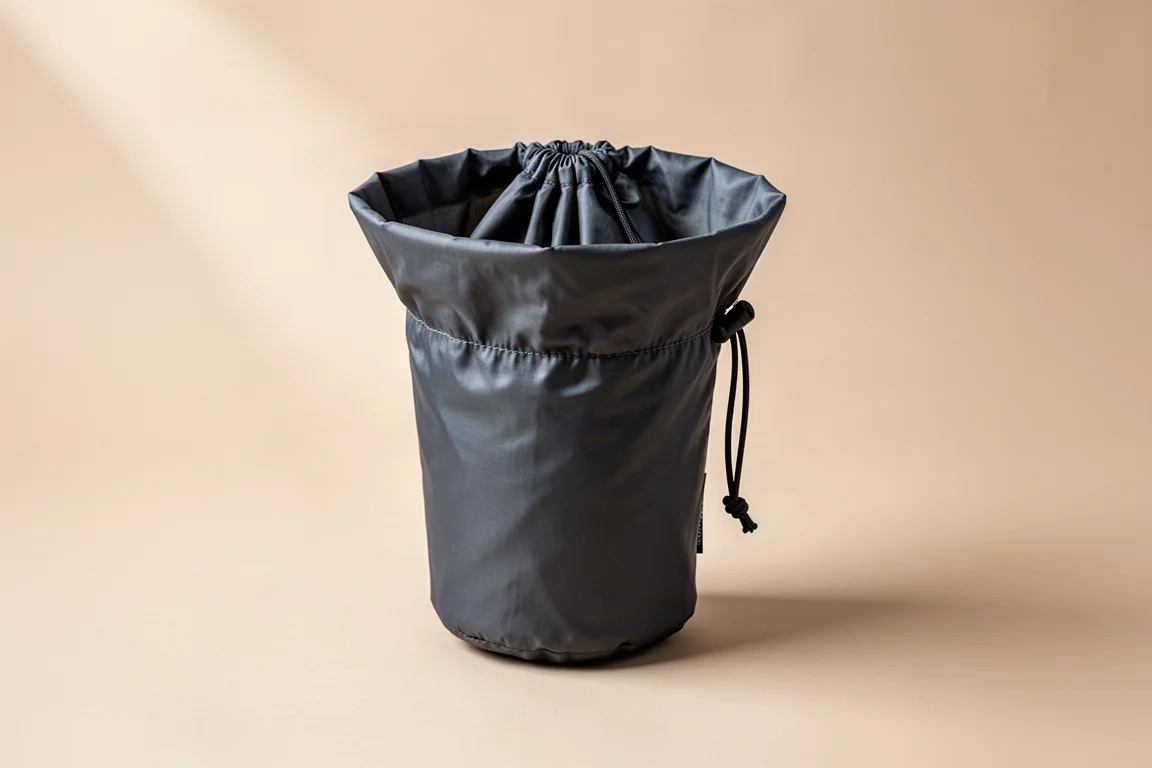
A standard stake bag is a square tube, and that shape has a practical flaw: it is genuinely difficult to reach the smaller stakes that settle at the bottom, especially when you are carrying a mix of lengths.
The Holster Sack changes the geometry. The bag is conical with a wide mouth, so the opening flares out when you loosen the drawcord. Grabbing one stake from a jumble becomes easy, and dropping a handful back in is just as quick. Pull the cord and it closes down to a compact bundle.
It is made from DCF, which keeps it lighter than most alternatives and contributes to its durability. After three years of use the bag is still going, with some wear starting to show at the base. That is a fair trade for a piece this light.
Bogler 13g Trowel: A Digging Tool That Sits Right in the Hand
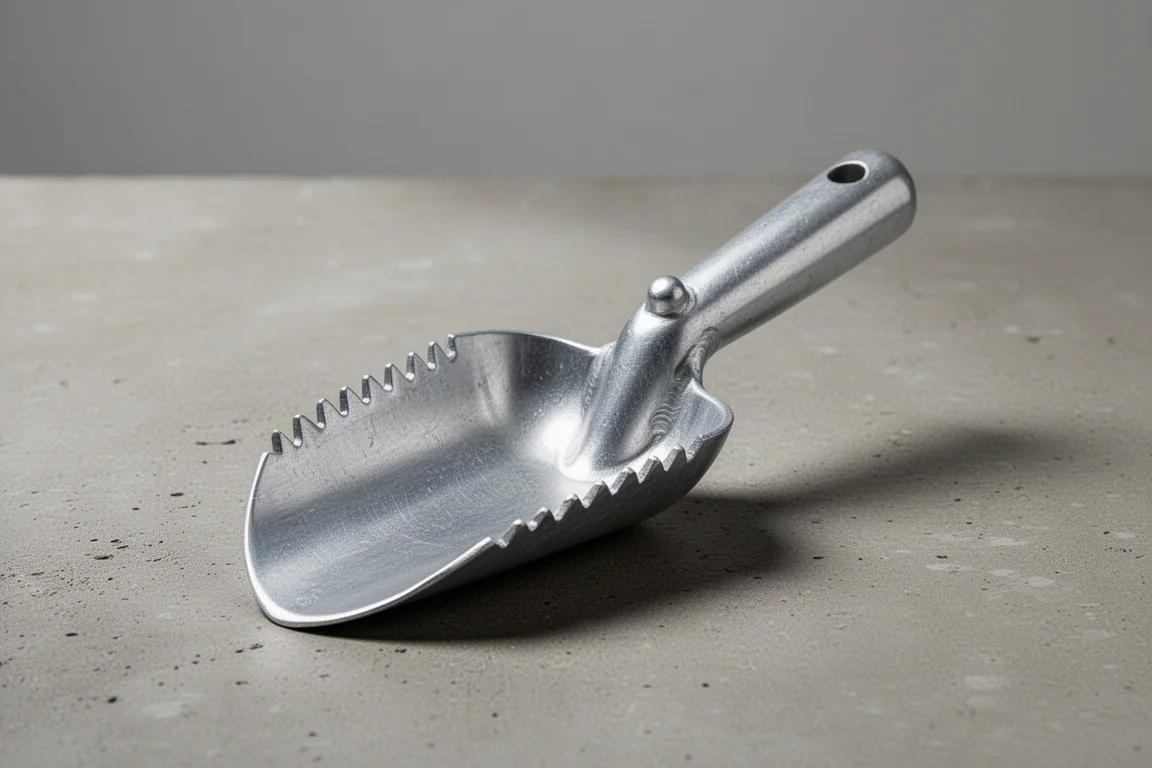
Most lightweight trowels are pressed aluminium sheets with a handle edge that digs into your palm the moment you hit firm ground. They cut poorly, grip badly, and make a necessary task unpleasant.
The Bogler trowel is also pressed aluminium and weighs roughly 13 g, but the detailing is where it separates itself. Serrated edges along the front bite through roots and compacted soil, and serrated edges on both sides mean you are not locked into cutting in a single direction. The shape sits comfortably in the hand without pinching, and a small nub at the top gives you a place to push when the ground is hard.
The designer has continued to revise the tool, which is a good sign for anyone buying into a small brand.
Pika Outdoor Summit Suds: Powdered Soap for Trail Hygiene
Staying clean on a long trip is more important than it sounds. Hand washing reduces the chance of getting sick, and on back-to-back days without town stops, being able to wash properly affects comfort and helps with chafing.
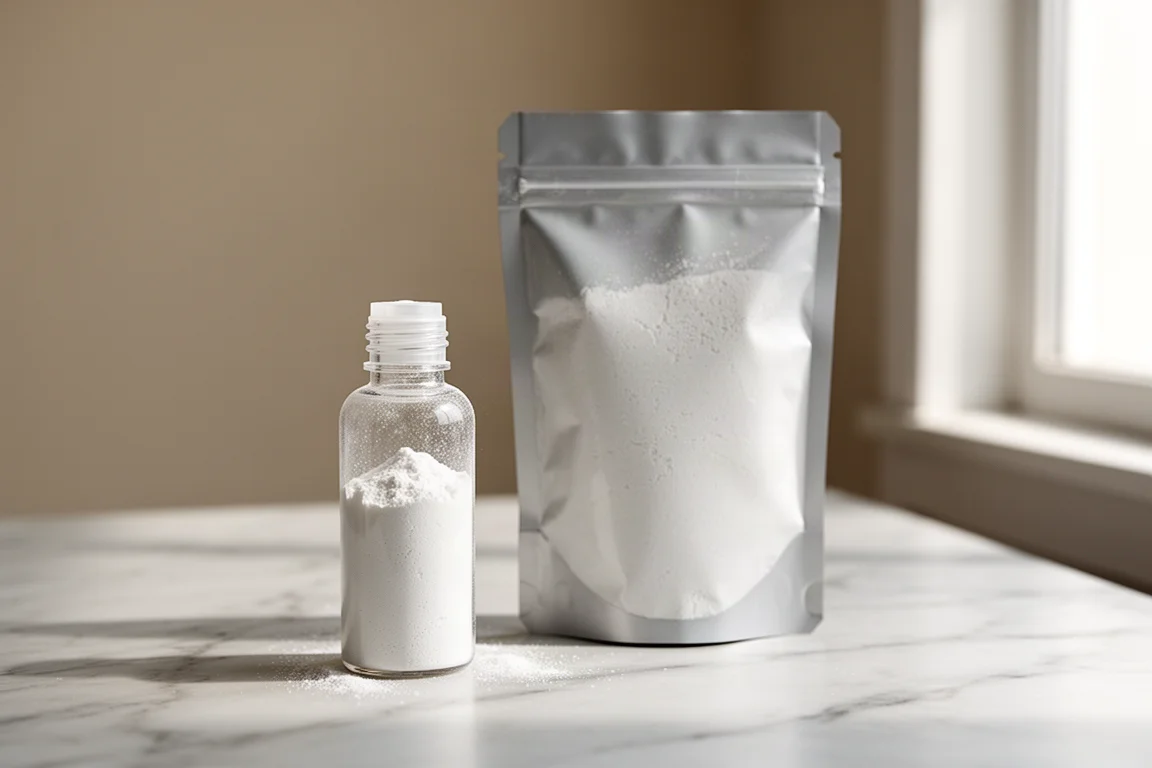
Liquid soap has always been the awkward part of that system: heavy, prone to leaking, and messy to pack. Summit Suds is a powdered soap instead, and the powder format removes most of those problems. There is no water in it, so it weighs less, and it does not freeze, which makes it viable for winter trips as well as shoulder-season camping.
You add water at the point of use to build a lather, and the formula is biodegradable. Decanting a small amount from the larger package into a tiny bottle gives you a trip-sized supply.
Common Gear Repair Kit: Field Repairs in a Tiny Package
A bulky repair kit tends to stay in the bottom of the pack until something goes wrong. Common Gear’s kit takes the opposite approach: everything needed for the most common failures in one compact, lightweight package.
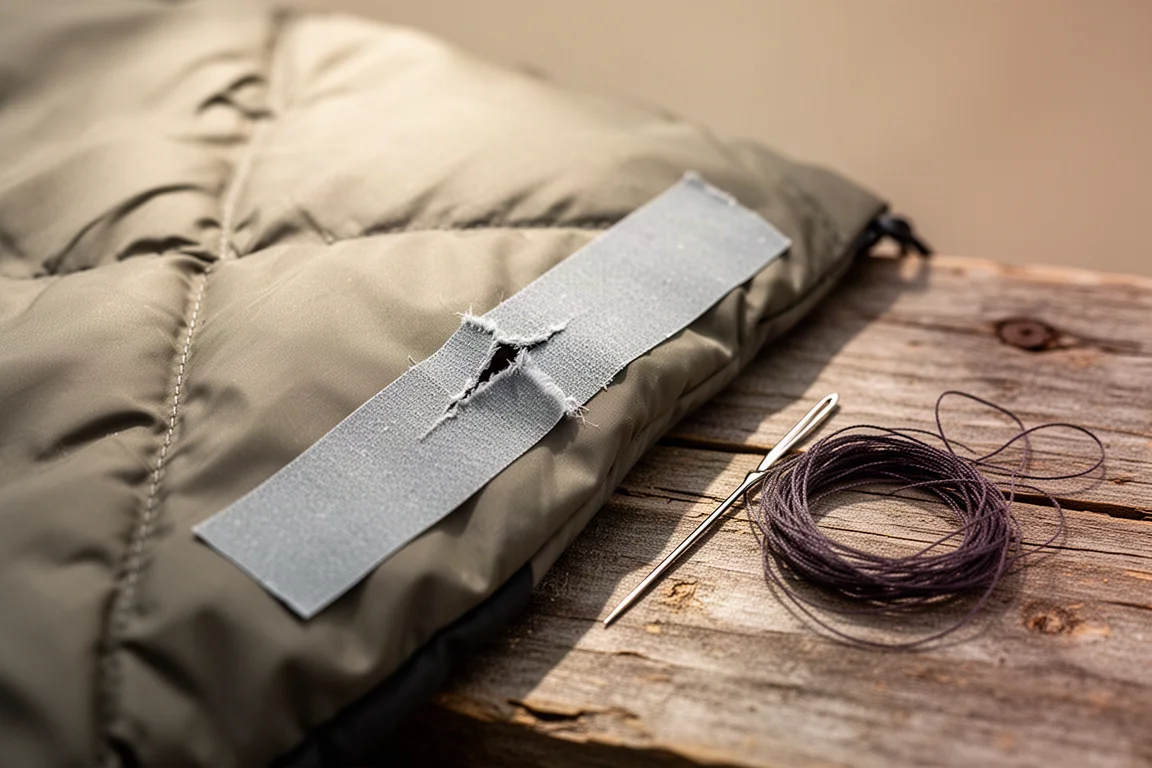
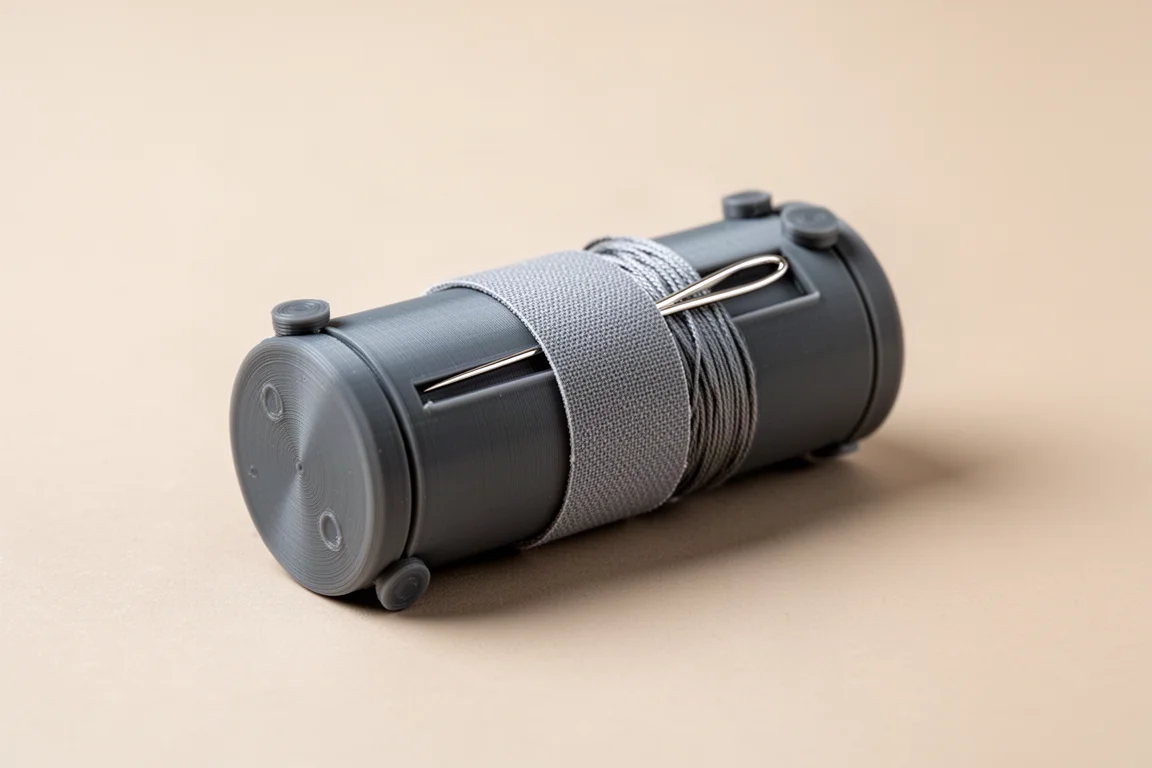
Gorilla tape is wrapped around the outer edge, ready for a hole in a sleeping bag, a puffy jacket or a pack body. Inside there is a needle and thread for sewing repairs or a broken pack strap, with the thread wound around the top of the case and the needle tucked into the 3D printed body. Patch material sits in a compartment on the side for sleeping pad punctures, sleeping bag damage or small down leaks.
Small end caps hold the thread and patches in place so nothing works loose in transit. It is a thoughtful piece of kit design.
The value here is coverage per gram. If your current repair setup is a loose collection of tape and spare cord, this replaces it with something you will actually remember you have.
Mayfly Sandals: Ultralight Camp Footwear
Camp shoes exist to get your feet out of wet, dirty footwear at the end of the day, and to make a middle-of-the-night trip to the trees less miserable than pulling on soaked boots. The catch is that Crocs and most EVA sandals weigh nearly as much as a pair of hiking shoes.
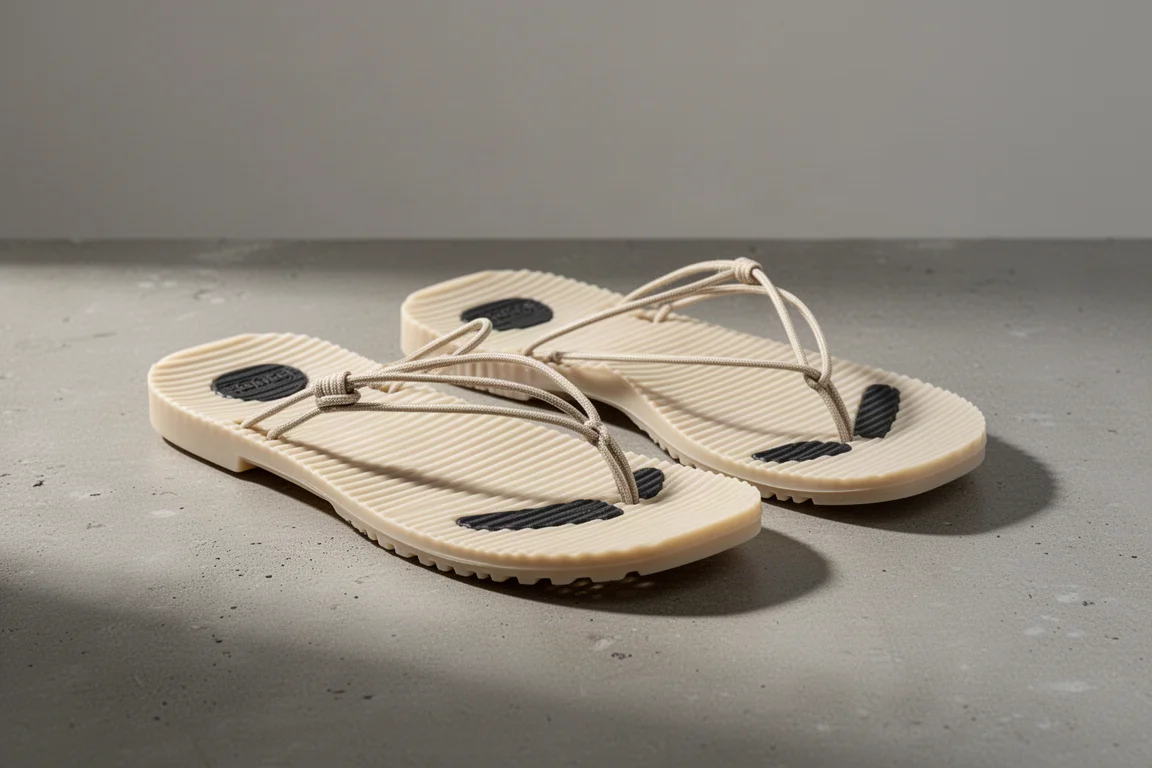
Mayfly Sandals strip that down to cordage, line locks and a corrugated plastic sole. They are exceptionally light, and they have proven themselves over a 36-day thru-hike and plenty of use since, on the same pair.
They are camp shoes and nothing more. They are not built for long walks or rough ground, and they reward a bit of care. Treated that way, they last far longer than their construction suggests.
One Bottle Hydration System: Sippable Water Without a Bladder
Hikers with limited shoulder mobility, or packs with awkward side pockets, often cannot reach a bottle while walking. The two usual fixes both have downsides: bottles on shoulder straps get in the way, and bladders eventually leak, with refilling a tightly packed bag a genuine hassle.
The One Bottle system takes a third route. A hose with a cap screws onto a standard water bottle, turning it into a sippable hydration source. Because the bottle is still a bottle, you can see how much water is left, refill it easily, and keep using it around camp. The hose adds less than an ounce.
If you prefer grabbing a bottle and taking a sip, this will not change your mind. If you want to drink while you walk without committing to a bladder, it is a clean solution.
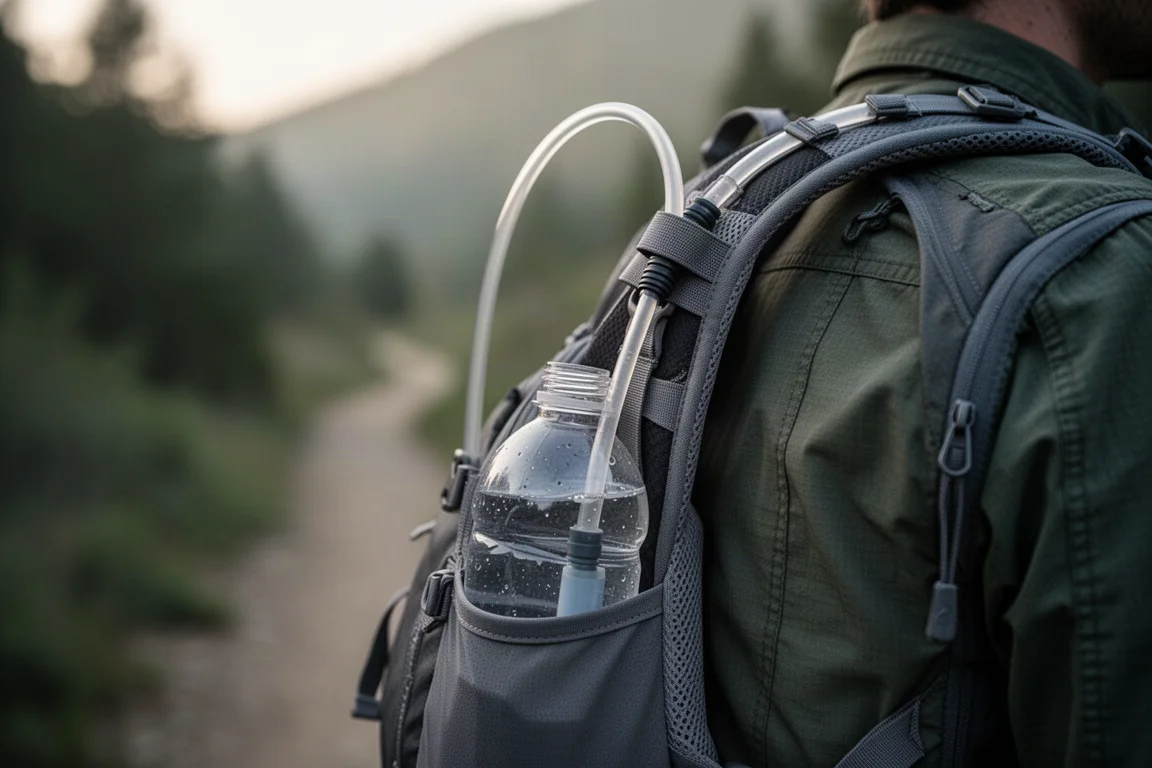
The system also works well as a backup: the bottle remains fully functional on its own whenever the hose is not needed.

Durston Wapta 30: A Fastpacking Pack With Serious Storage
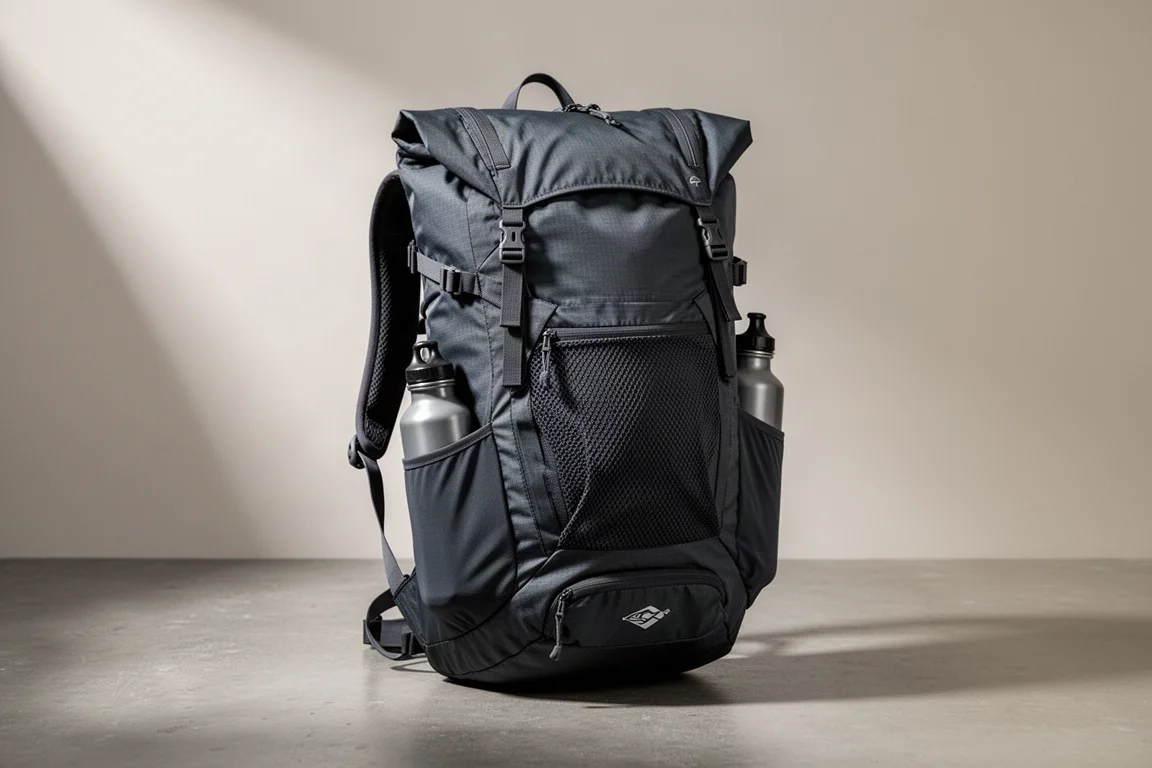
The Wapta 30 is the piece here with the widest range of use. It carries 30 L of internal volume, which is unusual, because most pack makers quote internal capacity and pocket volume combined. On top of the internal space, the pockets add roughly another 15 L: a large front pocket, side pockets, shoulder pockets, a bottom pocket and hip belt pockets.
A removable hip belt is what makes the pack flexible. Strip it off and the pack becomes a light fastpacking option. Add it back and you gain meaningful carrying capacity for heavier loads.
Access matters as much as volume. Side pockets are reachable while moving, shoulder pockets suit bear spray, snacks or a satellite communicator, and the bottom pocket is a sensible home for snacks you do not want to lose. The pack is built from a new lightweight, fully waterproof material developed with another Canadian company, and it is seam taped throughout. That points to a genuinely weather-resistant pack, though the waterproof claim deserves more testing in sustained heavy rain before it is treated as settled.
Overall Buying Advice
Work out which annoyance you actually have before buying anything here. If stakes disappear into the bottom of a bag, the Holster Sack is a direct fix. If digging catholes is the chore you dread, the trowel earns its place. Hygiene, repairs, camp comfort, drinking while moving and pack capacity are separate problems, and each item above addresses one of them.
Weight savings are only worth it when the item still does its job. All of these pieces have been used in real conditions, and the notes above flag where each one has limits, so match the tool to how you actually travel rather than to the lightest number on a scale.
Conclusion
Cottage gear is at its best when a designer refuses to accept a long-standing compromise. Each of these seven pieces takes something familiar and rebuilds it around a specific, well-understood problem, and several of them have been in service long enough to prove the idea holds up.
Start with the problem you recognize, pick the one item that solves it, and give it a season. That is a far better route to a lighter, more comfortable pack than replacing everything at once.
Further reading
Related Reviews

Backpacking Gear
Building a 10 lb Base Weight: An Ultralight Backpacking Gear List
A practical walkthrough of the ultralight pieces behind a 10 lb base weight, from a 765 g pack and a roomy one-person tent to a full camp chair and a dependable water filter.

Backpacking Gear
A 15-Pound Lightweight Backpacking Gear List for Solo Trips
A beginner-friendly 15-pound backpacking setup built from easy-to-find gear, with notes on what each piece does, how it packs, and where to spend your attention.

Backpacking Gear
8 Ultralight Backpacking Gear Upgrades Worth Carrying
Eight small, affordable backpacking upgrades that solve real trail annoyances, from a pillow that stays put to a fuel valve that rescues leftover canister gas.