Backpacking Gear
Most Innovative Backpacking Gear: 7 Cottage-Brand Standouts Worth Knowing
Seven cottage-brand backpacking items that each solve a specific trail problem, from a wide-mouth stake bag to a seam-taped ultralight pack.
Introduction
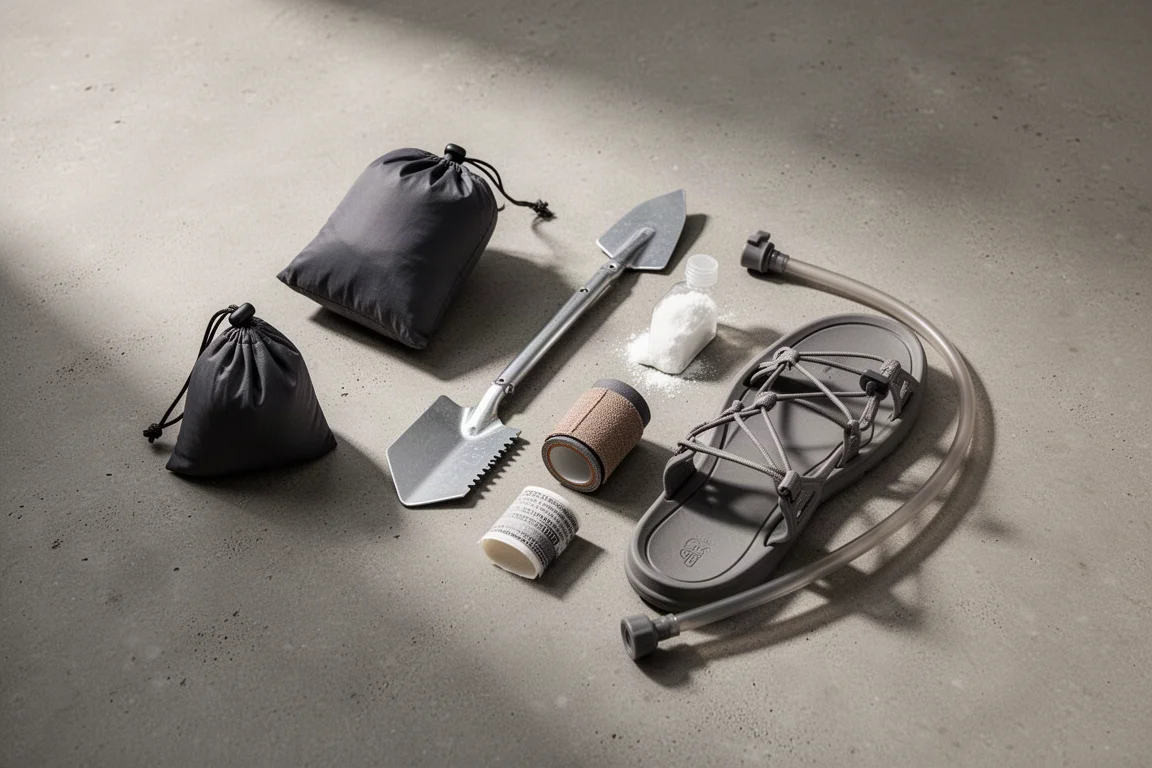
Cottage-brand backpacking gear is where a lot of the most interesting design work happens right now. Small makers spot a specific annoyance on trail and build a product around solving it, rather than around a price point or a feature list. The seven items below all follow that pattern. Each one takes something ordinary, a stake bag, a trowel, a bar of soap, and rethinks it in a way that changes how the item behaves in the field.
Not every one of these will suit every hiker, and a few are deliberately narrow in what they do. But if you have ever cursed a tent stake bag at dusk, winced while digging a cathole in hard ground, or carried a hydration bladder you did not fully trust, this list is worth your time.
How These Picks Were Chosen
Every product here earned its place for the same reason: it removes a specific friction point rather than adding features for their own sake. The criteria are simple. Does it solve a real problem that ordinary gear does not? Does it stay light enough that the solution costs less in pack weight than it saves in hassle? Does it hold up over repeated use, including the careless handling that happens at the end of a long day?
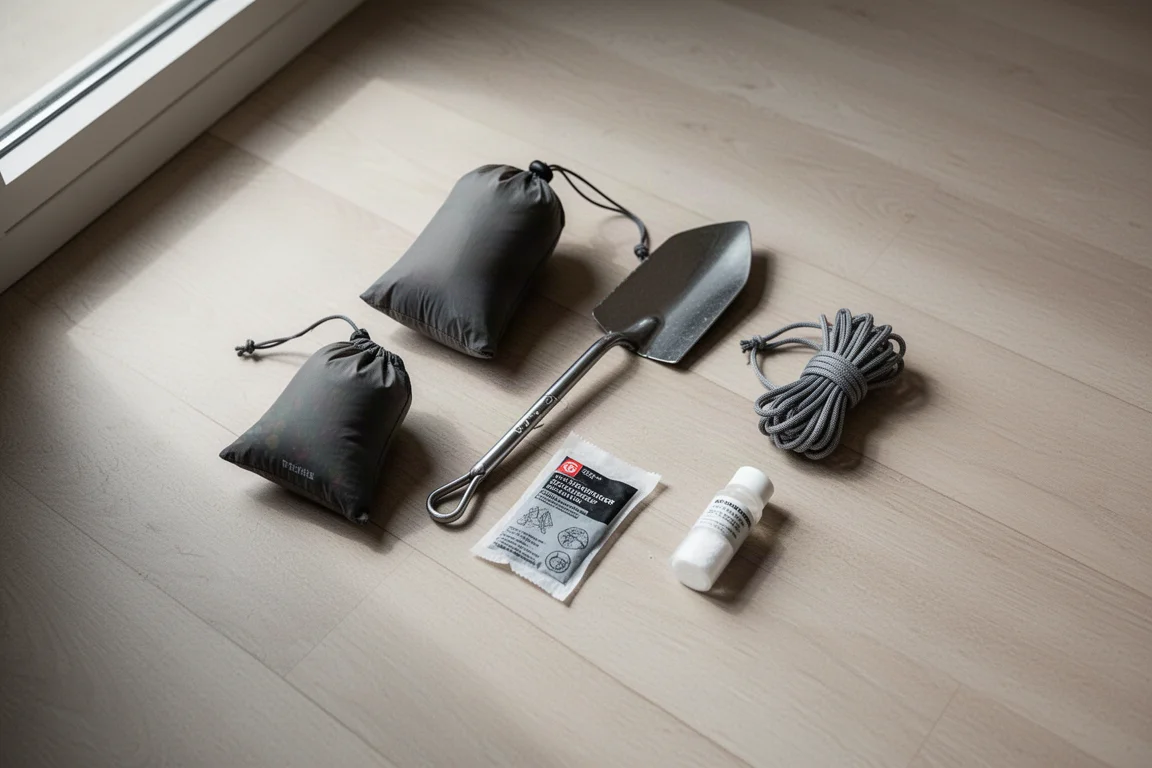
Several of these items have been in continuous use for years, which matters more than a spec sheet. A stake bag that survives three seasons of being stuffed into a pack, or a pair of camp sandals that lasts a full long-distance trail, tells you something about how the design was executed. Where a product is intentionally limited in what it does, that is noted too, because a narrow tool is only a good buy if the narrow use case is yours.
Allmansright Holster Sack: A Tent Stake Bag That Opens Wide
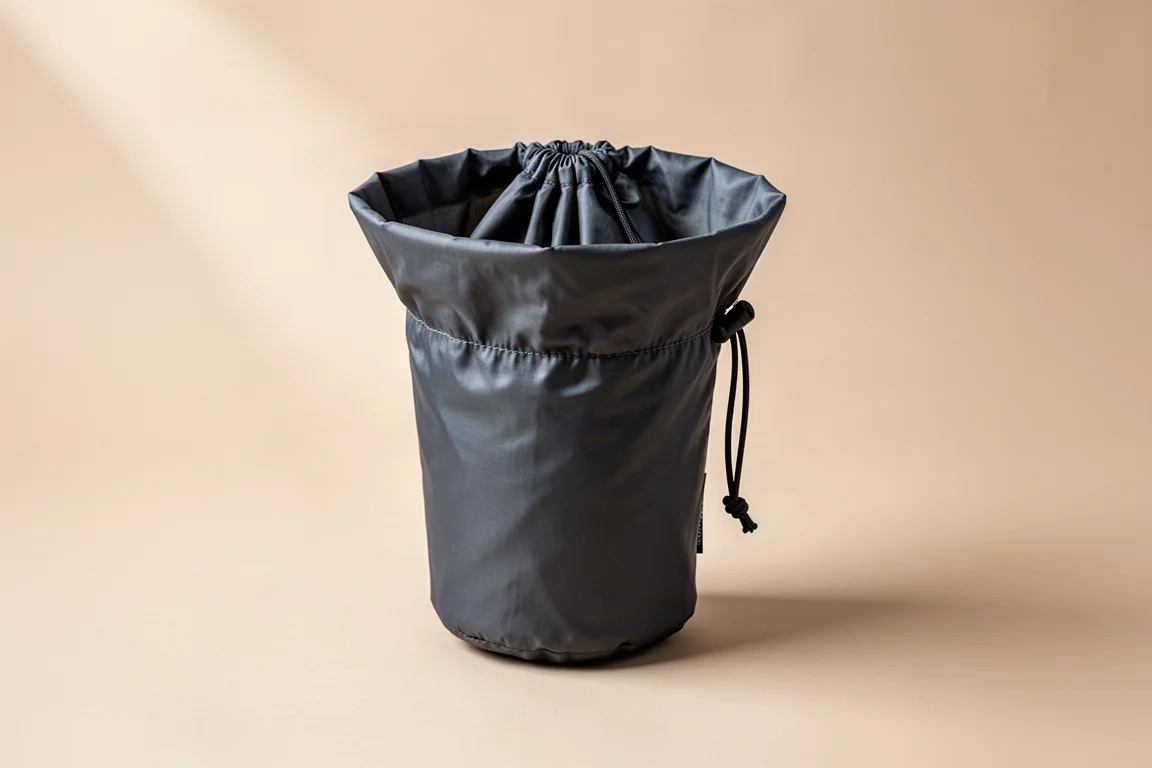
A tent stake bag looks like the least promising candidate for reinvention. The standard version is a simple rectangular sack, and it comes with a standard problem: everything sinks to the bottom. Retrieving one small stake from a mixed bundle means digging with cold fingers while the fabric fights back, and repacking a handful of stakes is just as awkward.
The Holster Sack changes the shape. It is conical, with a wide opening at the top, so the mouth stays open and the contents spread out instead of collecting in a single deep pile. Small stakes that would otherwise disappear to the bottom stay within reach, and dropping a fistful of stakes back in takes one motion before you cinch it closed.
It is made from DCF, which keeps it durable and extremely light, lighter than most alternatives short of a rubber band. Long-term use does eventually wear the fabric: after three years of continuous service, the base has started to show holes. That is a reasonable lifespan for a bag that gets thrown around on every trip.
Bogler 13g Trowel: A Lighter Tool for Digging Catholes
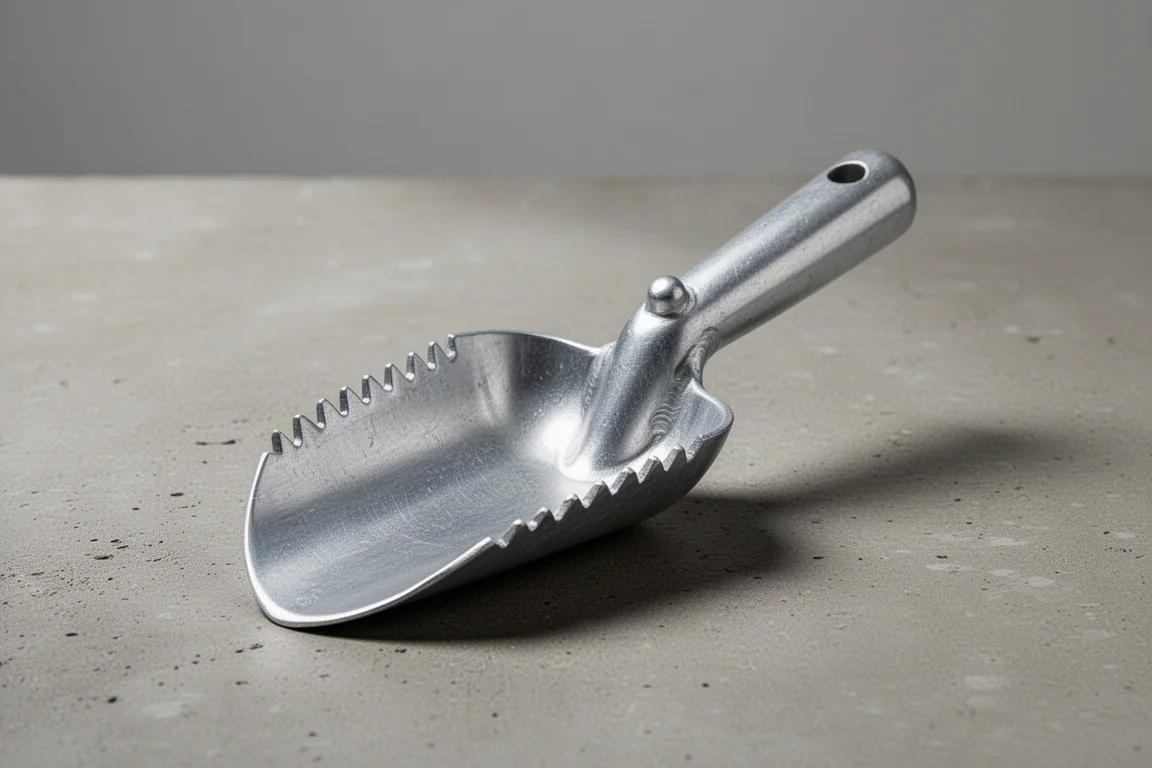
Most lightweight trowels are a pressed sheet of aluminium and nothing more. They are light, but they cut poorly, offer no comfortable grip, and transfer every bit of force into your palm when you hit hard soil. The usual answer is to carry something heavier, which defeats the point of carrying a light trowel at all.
The Bogler 13g Trowel keeps the pressed aluminium construction but reworks the details. Serrated edges along the front cut through roots and compacted ground more easily, and serrated edges on both sides mean you are not limited to cutting in a single direction. An earlier version had serrations on one side only, and the second side was added in a later revision.
The shape is built around the hand as well. It sits without pinching anywhere, and a small nub on the top gives you a place to press when you need to drive the tool into tough soil. The design is deliberate down to the size and placement of the holes, all of which serve function and weight rather than appearance.
Pika Outdoor Summit Suds: Powdered Soap That Will Not Freeze
Staying clean on a long trail is harder than it sounds, and it matters more than most people expect. Washing hands regularly reduces the chance of getting sick, and for anyone using a backcountry bidet, soap makes the system meaningfully more effective. On long stretches between towns, being able to wash your body helps with general comfort and with chafing.
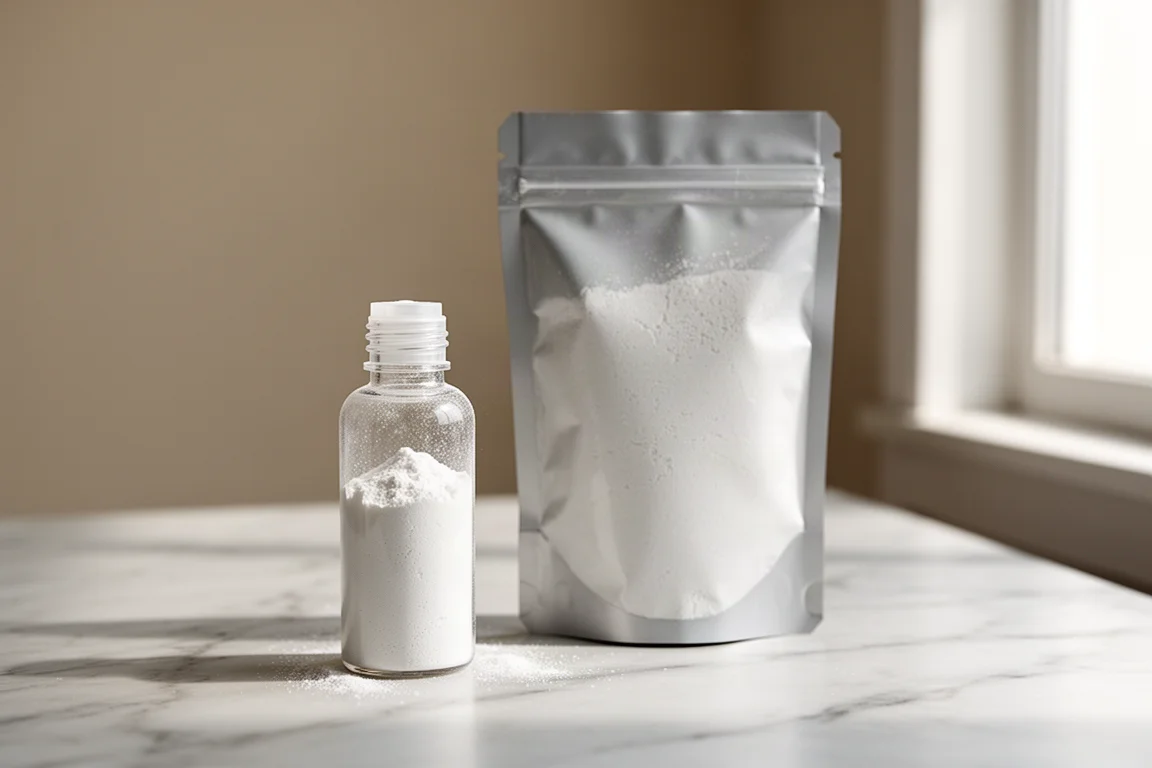
The obstacle is that liquid soap is heavy, messy, and awkward to pack. Summit Suds is a powdered soap, which removes the water and with it most of the weight. You add water at the point of use and get a proper sudsy lather. Because there is nothing in it that freezes, it also works for winter camping and cold-weather trips, where a liquid soap would be a solid block.
It is biodegradable, which makes it a practical choice for backcountry use. The format is straightforward to manage: transfer a small amount from the larger package into a tiny bottle and carry only what a trip requires.
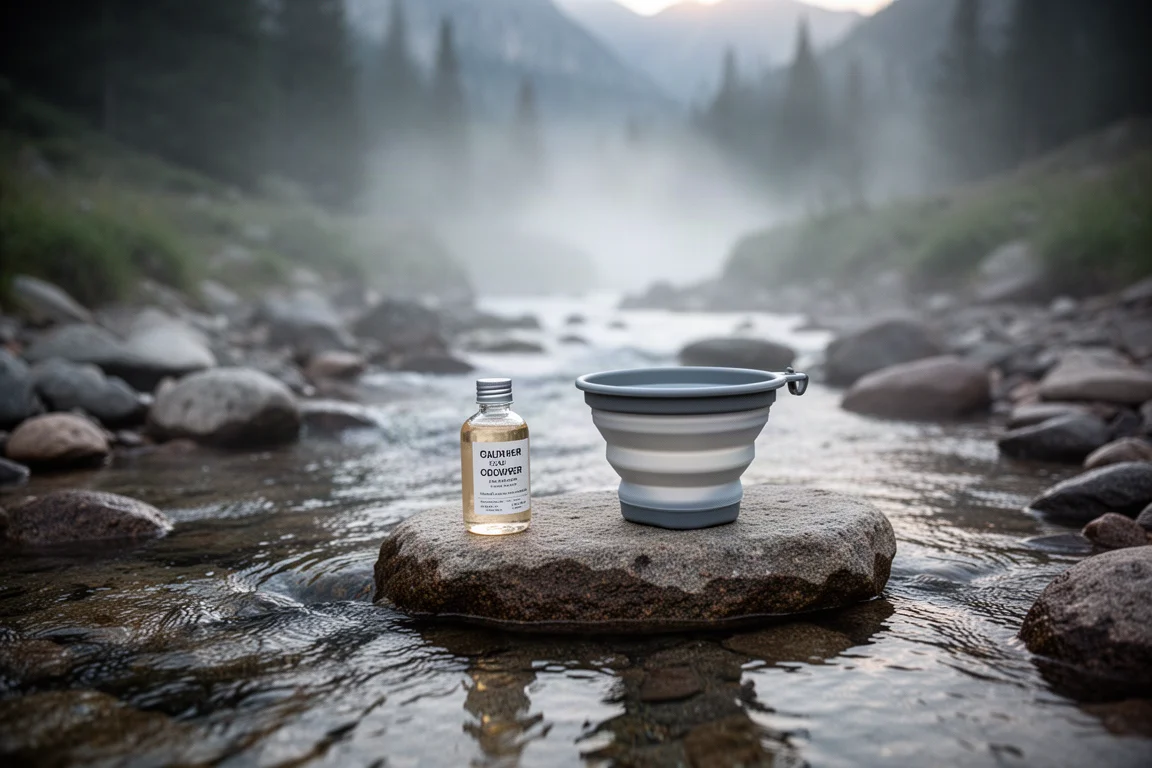
Because you carry only the powder you need, the weight penalty is close to negligible, which is what makes it easy to bring on every trip rather than treating soap as an occasional luxury item.
Common Gear Repair Kit: Field Repairs in a Compact Package
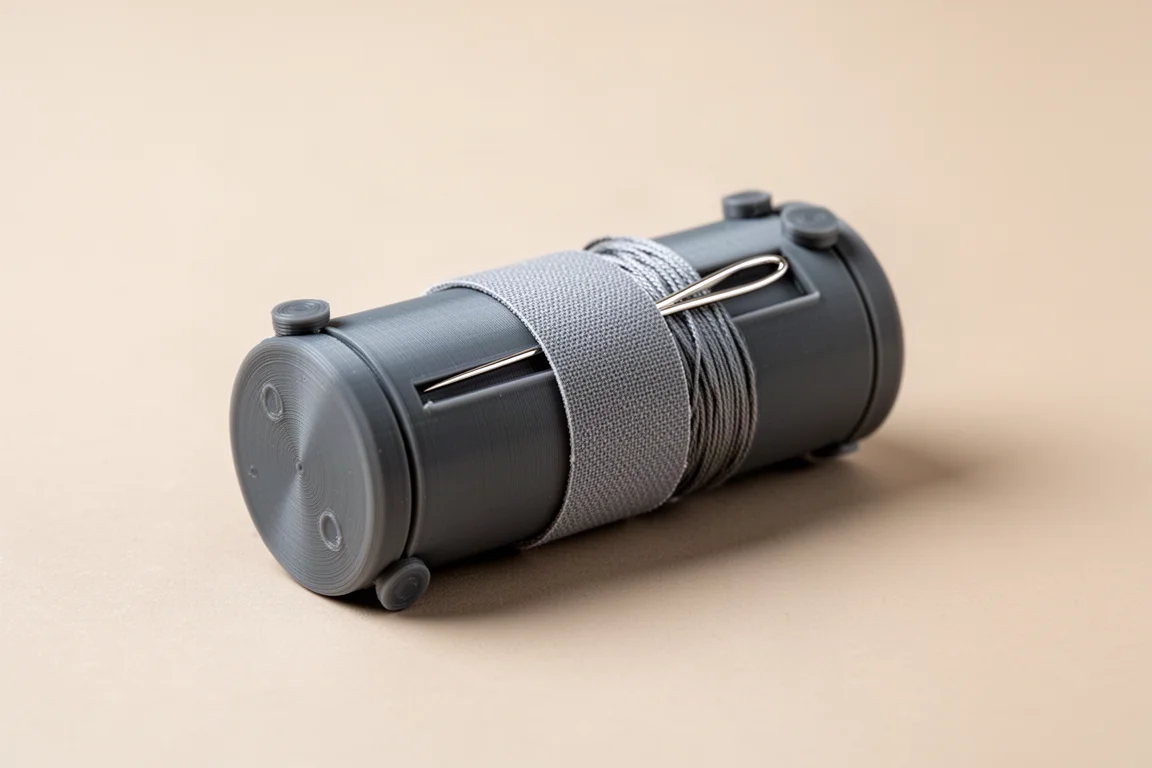
Field repair kits tend to grow into heavy, disorganised pouches, which is why many hikers either carry far too much or carry nothing and hope for the best. This kit takes the opposite approach, condensing the essentials into a small 3D-printed package.
Gorilla tape is wrapped around the outer edge, ready to patch a hole in a sleeping bag, a puffy jacket, or a backpack. A needle and thread handle sewing jobs, including a broken pack strap. The thread is wound around the top of the unit, and the needle tucks into the printed case so the two stay together.
The base of the kit holds patch repair material, useful for a punctured sleeping pad and for sleeping bags, including small areas of down leakage or damage caught in a zipper. Small caps hold the thread and the patches in place, so nothing unravels or spills inside your pack. The whole unit is 3D printed, which keeps it compact and light while still covering the repairs that most often end a trip early.
Mayfly Sandals: Ultralight Camp Footwear
Camp shoes earn their place by letting your feet breathe after a day in wet, dirty socks and boots, and by making the middle-of-the-night walk away from the tent far more pleasant than lacing up damp hiking shoes. The problem is weight. Crocs and even many EVA sandals can approach the weight of a pair of hiking shoes, which is a lot of pack space and grams for something you wear around camp.
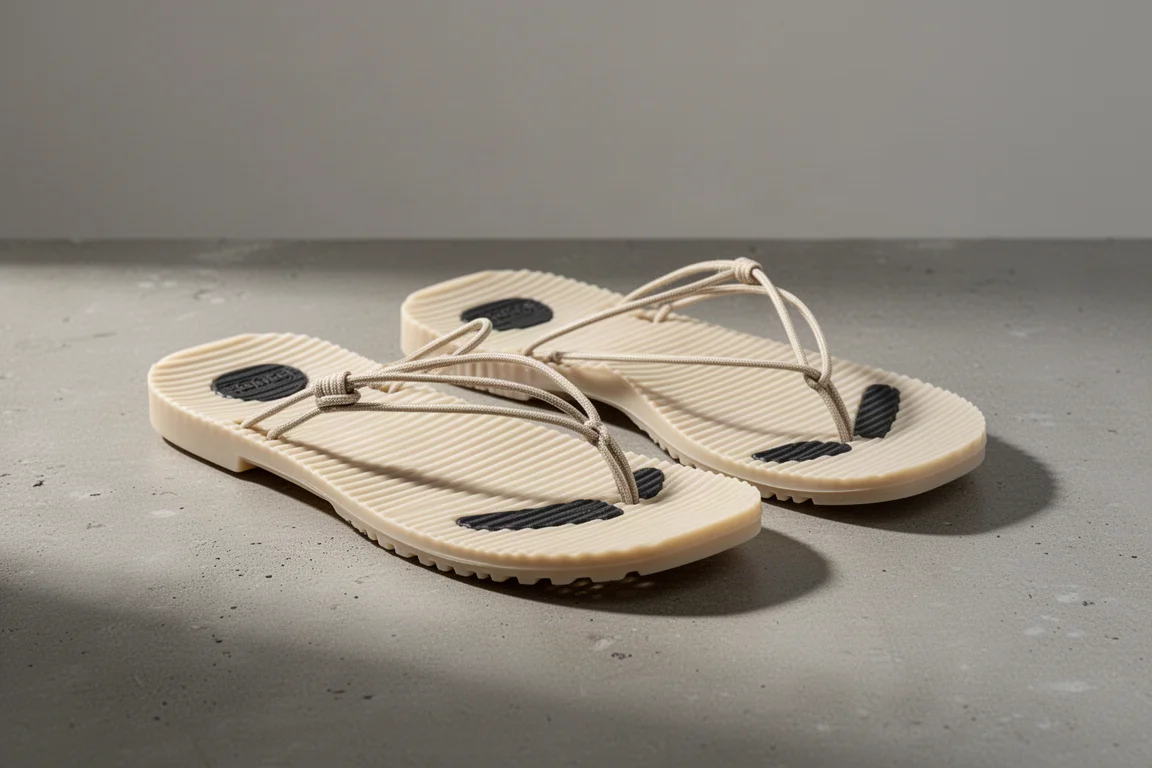
Mayfly Sandals strip the idea down to cordage, line locks, and a corrugated plastic base. The result is exceptionally light. A pair carried through 36 days on a long thru-hike held up well enough to still be in use afterwards, with the same pair still going.
That durability comes with a caveat. These are camp shoes, not hiking shoes. They are made for sitting around camp, short walks, and quick trips away from the tent. Long walks or rough ground will wear them out quickly, so they reward a bit of care. Used within those limits, they solve the camp shoe weight problem more completely than anything with a foam sole.
One Bottle: Turn a Standard Water Bottle Into a Hydration System
Reaching a water bottle out of a side pocket is not always easy, particularly for anyone with shoulder mobility limits or shorter arms. The usual fixes are shoulder-strap bottles, which many hikers find awkward, or a hydration bladder, which brings its own problems. Bladders eventually leak, and when they do the failure tends to be sudden and significant. They are also a nuisance to remove, refill, and reseat inside a fully packed bag.
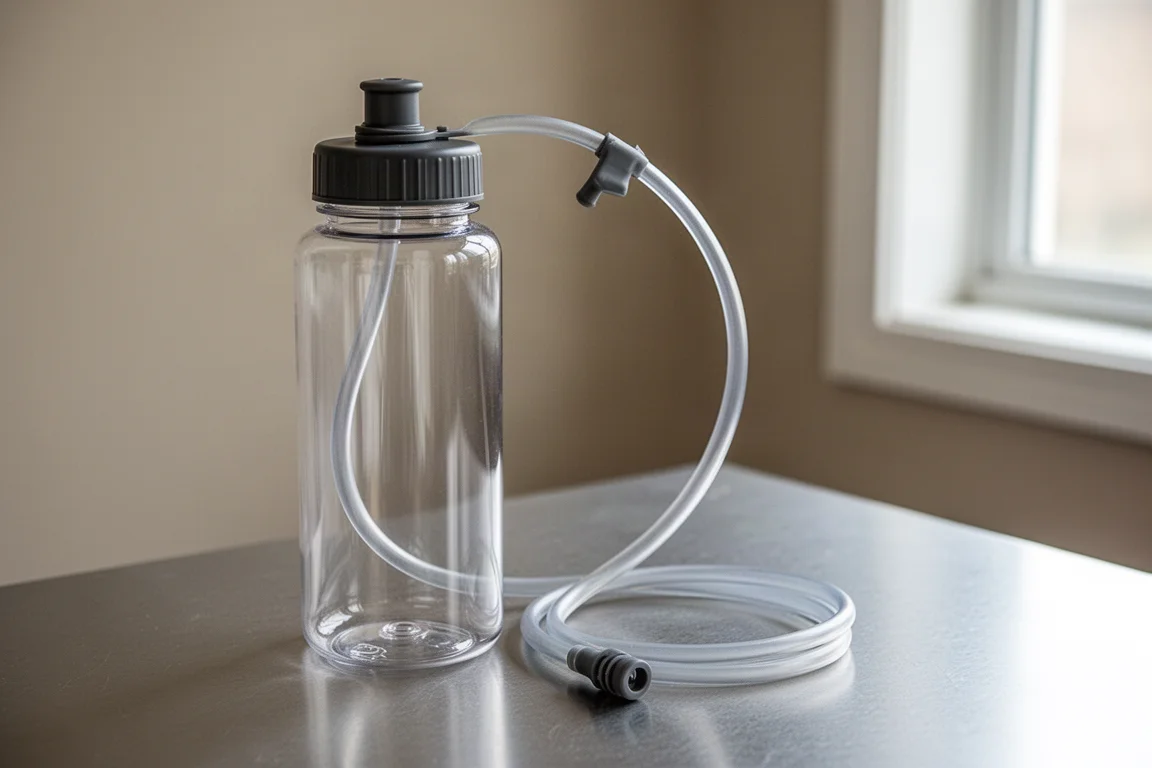
One Bottle takes a different route. It is a hose and cap that attaches to a standard water bottle, turning it into a hydration system without the bladder. You can see how much water is left at a glance, refill the bottle far more easily, and still use the bottle normally around camp rather than being tethered to a reservoir.
The whole system adds less than an ounce. For anyone who likes to sip while walking without stopping, that is a very small weight cost for a genuinely more flexible setup. Hikers who prefer to grab a bottle, drink, and put it back may not need it, but it is the lightest credible alternative to a bladder.
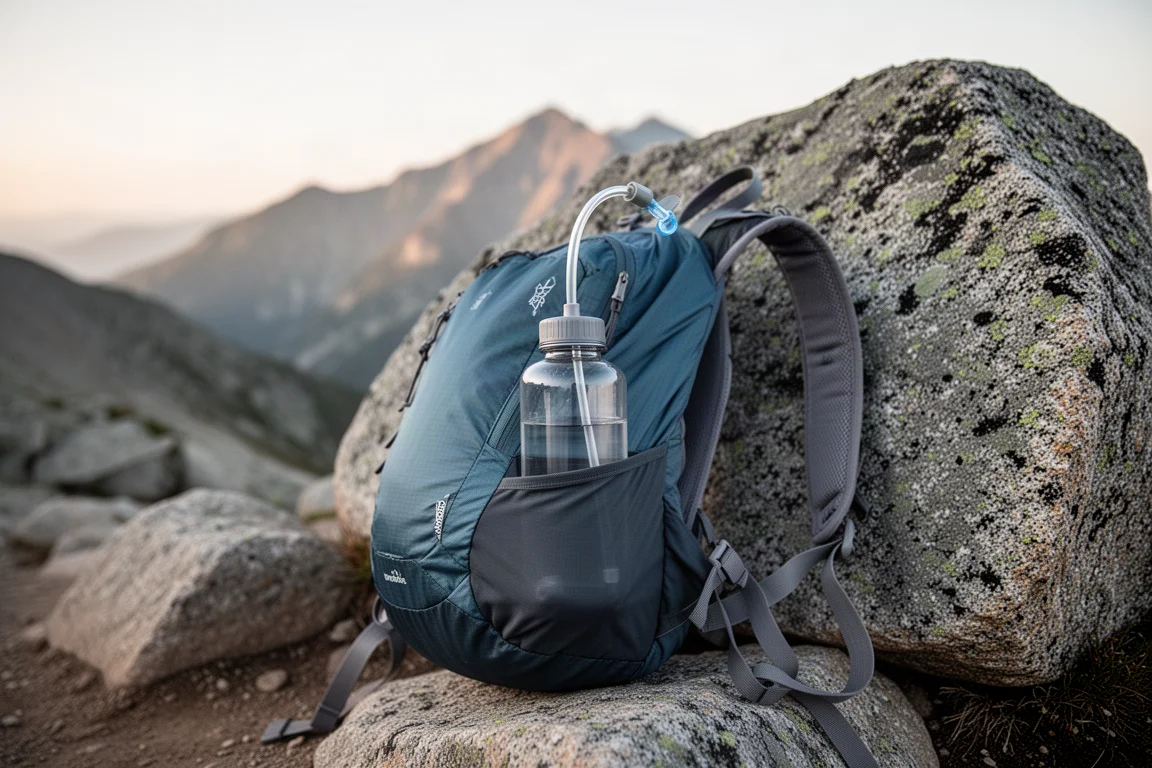
Pairing it with a pack that has genuinely accessible side pockets covers both preferences, which is part of why the pack below is worth a look.
Durston Wapta 30: A Versatile Ultralight Pack
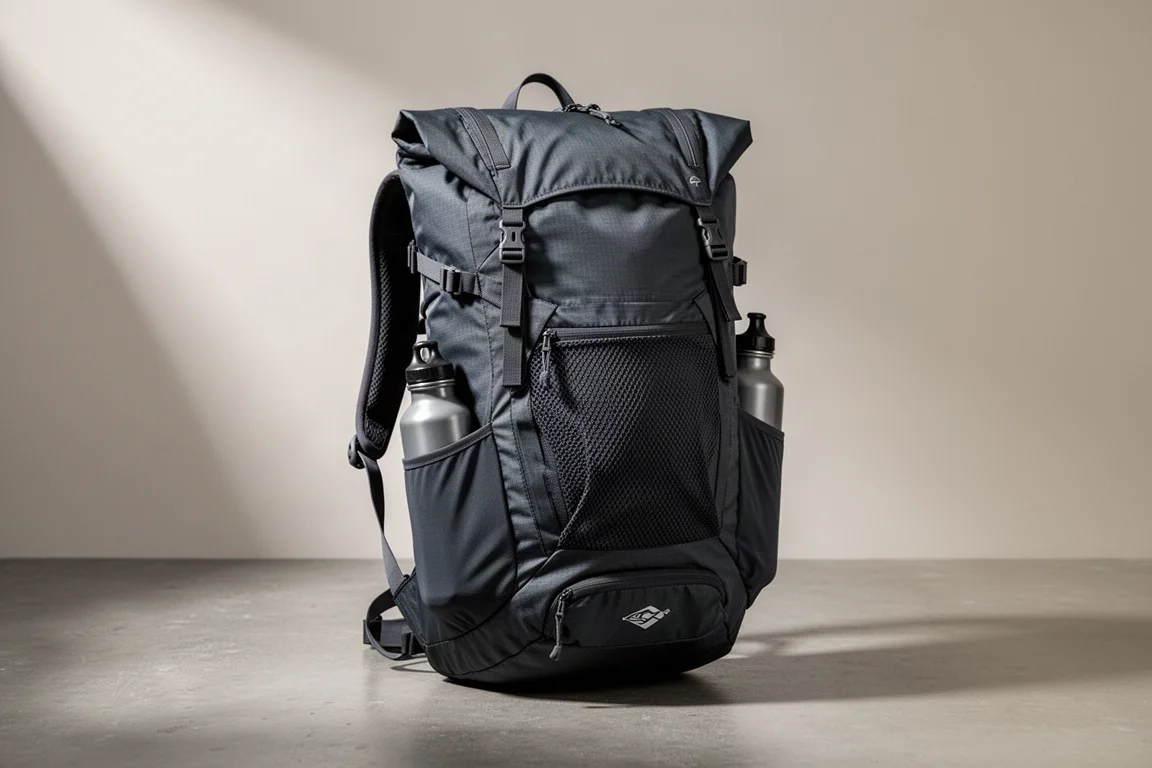
The Wapta 30 is a 30-litre pack that behaves like a larger one. That figure refers to internal volume alone, not internal volume plus pockets, which is how many manufacturers quote capacity. Between the large front pocket, the side pockets, the shoulder pockets, the bottom pocket, and the hip belt pockets, there is roughly another 15 litres of external storage.
Its flexibility comes from a removable hip belt. Strip the belt off and the pack becomes a very light fastpacking option. Add it back and you get a pack with real carrying capacity for longer days or heavier loads. That range is unusual to find in a single bag.
The pockets are placed for fast movement rather than for camp organisation. Water bottles sit within reach on the sides, shoulder pockets take bear spray, snacks, or a satellite communicator, and the bottom pocket is well suited to snacks, the kind of item that is annoying to lose but not trip-ending. The pack is made from a lightweight, durable, fully waterproof fabric developed with another Canadian company, and it is seam taped throughout, so it is positioned as essentially waterproof. Thorough testing in sustained heavy rain is still ongoing, but the construction points in the right direction.
Overall Buying Advice
These products are not competing with each other, and the right order to buy them in depends entirely on what annoys you most on trail. The cheapest and most immediately useful upgrades are usually the small ones: a stake bag that opens wide, a trowel that does not hurt your hand, a soap that weighs almost nothing and will not freeze, a repair kit that actually fits in a pack.
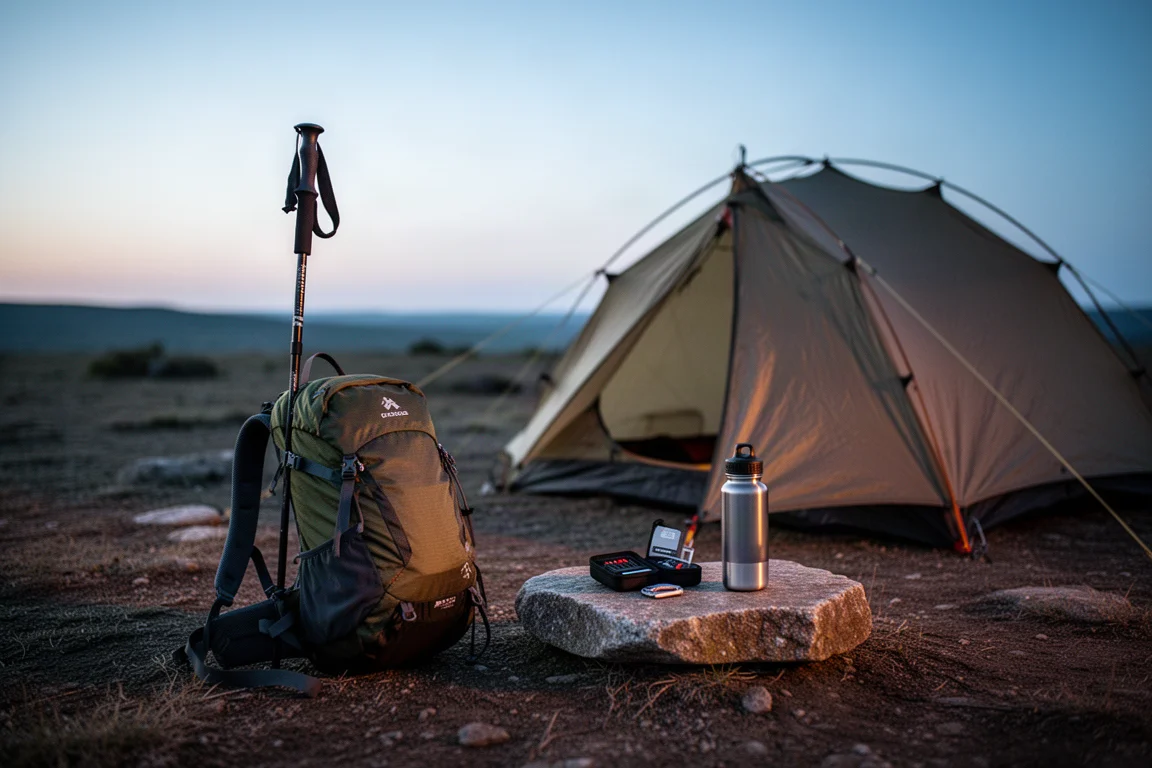
Bigger decisions deserve more thought. Camp sandals and hydration setups only pay off if they match how you actually hike, and a pack is worth changing only when its pockets or its weight are genuinely holding you back. It also helps to buy from makers who keep revising their products, since a design that improves after feedback tends to stay useful for longer.
Weight savings are easiest to justify when they also remove a recurring frustration. A tool that saves 40 grams but hurts to use is not a saving at all.
Conclusion
The through-line here is that each of these items started with a specific problem and was designed around solving it, rather than around hitting a price point or filling out a feature list. That is what makes cottage-brand gear worth paying attention to, and it is also why it pays to read the details before buying. Check the intended use, check the limits, and match the product to the trips you actually take. When the fit is right, these are the kinds of items that quietly become permanent residents in a pack.
Further reading
Related Reviews

Backpacking Gear
Building a 10 lb Base Weight: An Ultralight Backpacking Gear List
A practical walkthrough of the ultralight pieces behind a 10 lb base weight, from a 765 g pack and a roomy one-person tent to a full camp chair and a dependable water filter.
Backpacking Gear
A 15-Pound Lightweight Backpacking Gear List for Solo Trips
A beginner-friendly 15-pound backpacking setup built from easy-to-find gear, with notes on what each piece does, how it packs, and where to spend your attention.
Backpacking Gear
8 Ultralight Backpacking Gear Upgrades Worth Carrying
Eight small, affordable backpacking upgrades that solve real trail annoyances, from a pillow that stays put to a fuel valve that rescues leftover canister gas.