Backpacking Gear
Most Impactful Backpacking Gear: Six Pieces Worth Carrying
Six backpacking items that consistently shape how a trip feels, from trip planning and satellite safety to a layered clothing system and a bed-like sleep setup.
Introduction
Most gear conversations focus on what is new, light or clever. The more useful question is different: which pieces actually change how a trip feels?
Some items earn their place by keeping you dry and warm when the weather turns. Others earn it by giving you the confidence to plan a route in unfamiliar country, or to deal with a problem before it becomes an emergency. Those are the pieces worth spending on, because they decide whether a trip is one you want to repeat or one you want to forget.
A dependable shelter and a first aid kit you genuinely know how to use sit at the foundation of every trip. Beyond those, the six items below are the ones that most reliably shape a night out.
How These Picks Were Chosen
Four questions shaped this list.
Does it protect you? Rain, wind and cold are the conditions that end trips early. Gear that keeps weather outside your clothing and your shelter has an outsized effect on how a day feels.
Does it reduce risk? Navigation, communication and first aid all fall into this group. Risk management is not only about emergencies. It is also about the confidence that comes from knowing where you are, where you are going, and what you would do if something went wrong.
Does it help you sleep? A warm, comfortable night restores the energy the next day requires. Sleep systems matter more than most people expect on a first trip.
Does it layer well? Warmth is easier to manage in pieces than in one heavy garment, so a system of thin layers usually beats a single bulky jacket.
The picks below are not ranked by price. They are the categories where a good decision has the largest effect on a trip, and each one is a specific product that fits the job well.
Best Trip Planning Tool: Onyx Backcountry
Planning a route in country you have never walked is the part of backpacking where good tools pay for themselves fastest. Onyx Backcountry handles that job, with route building, mapping tools and a wide range of map layers that let you study terrain before you commit to it.
The offline side is what matters most on the trail. Waypoints, water sources, campsites, daily mileage and elevation gain and loss can all be downloaded to a phone in advance, so the plan stays available where there is no signal at all. That is the difference between guessing and knowing on a long day.
It is also straightforward to use and friendly on the wallet, which matters when a trip is already expensive.
Best Safety Companion: ZOLEO Satellite Communicator
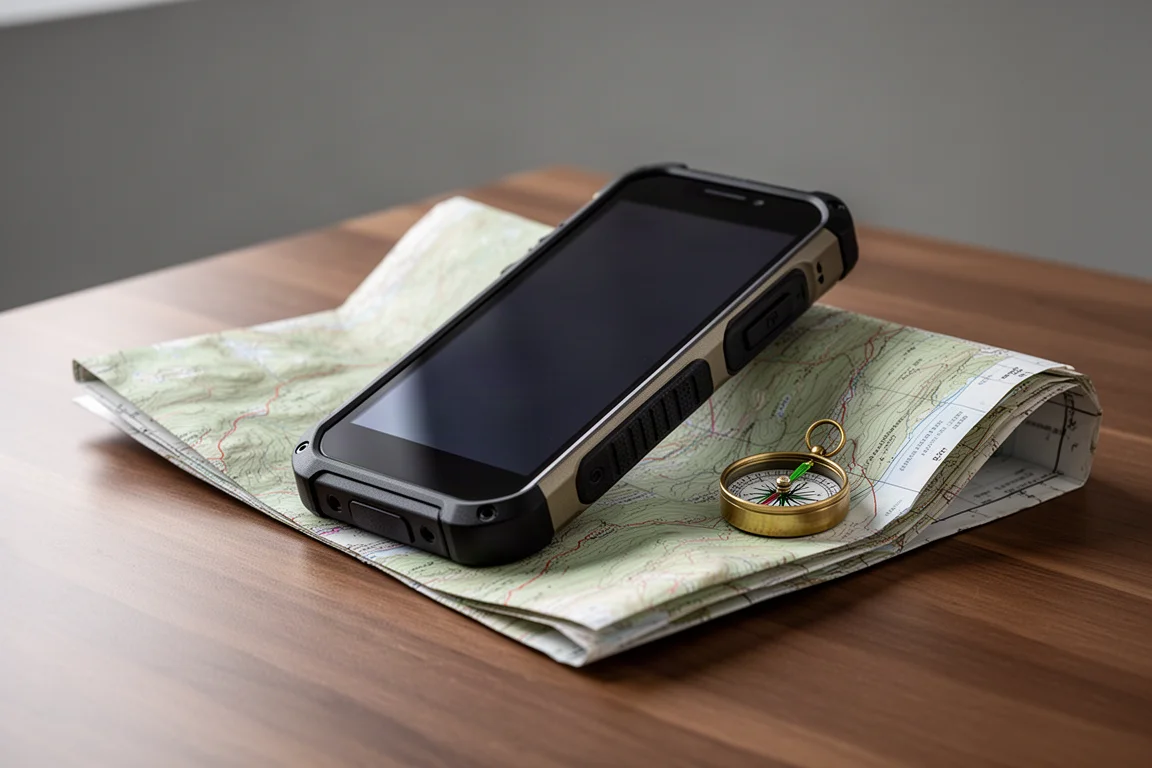
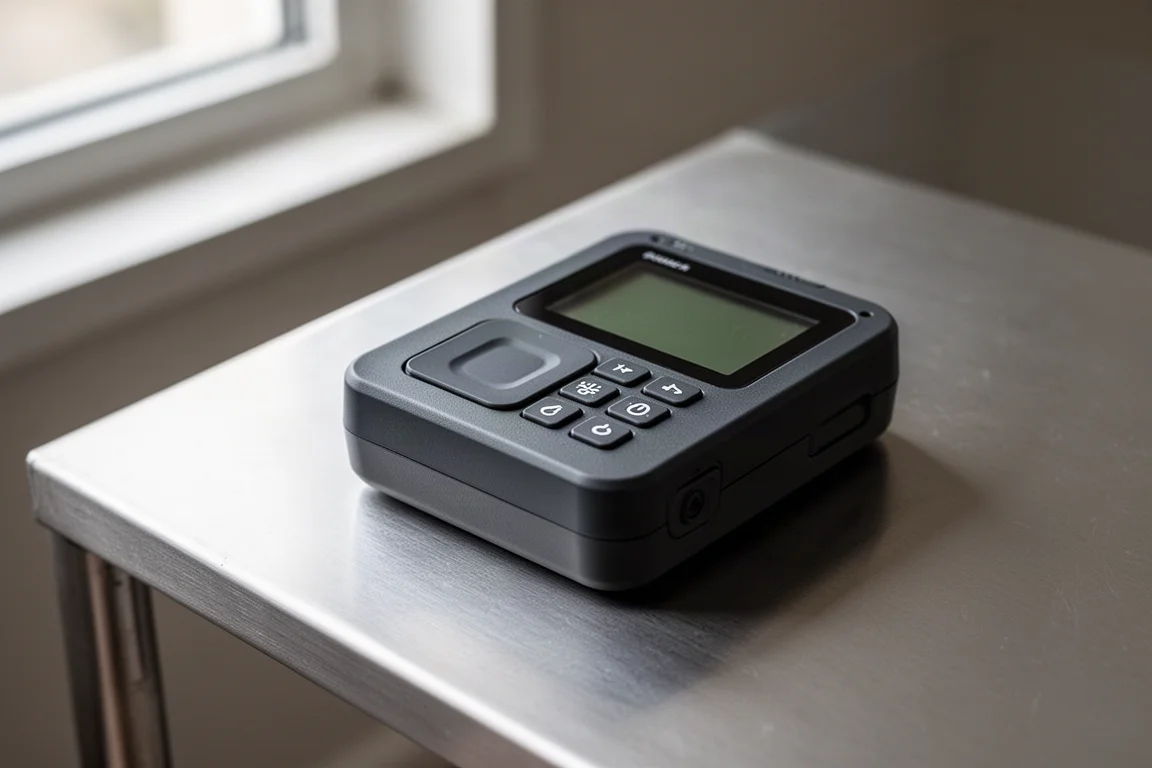
Beyond cell coverage, a satellite communicator is the piece of safety gear that changes what is possible. ZOLEO covers the essentials: SOS access and communication with search and rescue if something goes badly wrong, plus two-way messaging that keeps you in touch from places where a phone is useless.
Two features stand out. Weather reports can be pulled on demand, which helps with decisions about whether to push on or sit tight. A medical assist feature goes further. If a situation is not clearly an emergency, you can text back and forth with a medical professional for guidance instead of deciding alone whether to trigger an SOS.
Together, those functions turn a remote route from a gamble into a calculated one, and that is exactly the kind of confidence that makes a trip more enjoyable rather than more stressful.
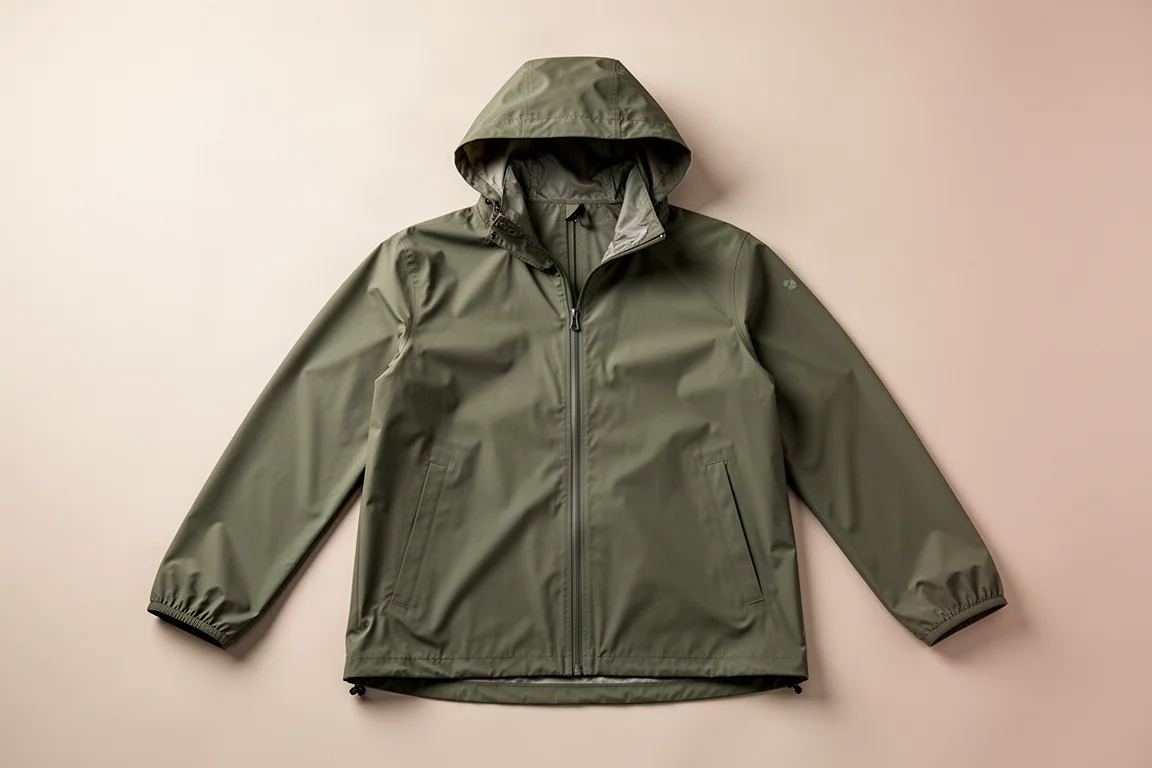
Best Outer Layer: Outdoor Vitals Tushar Rain Jacket
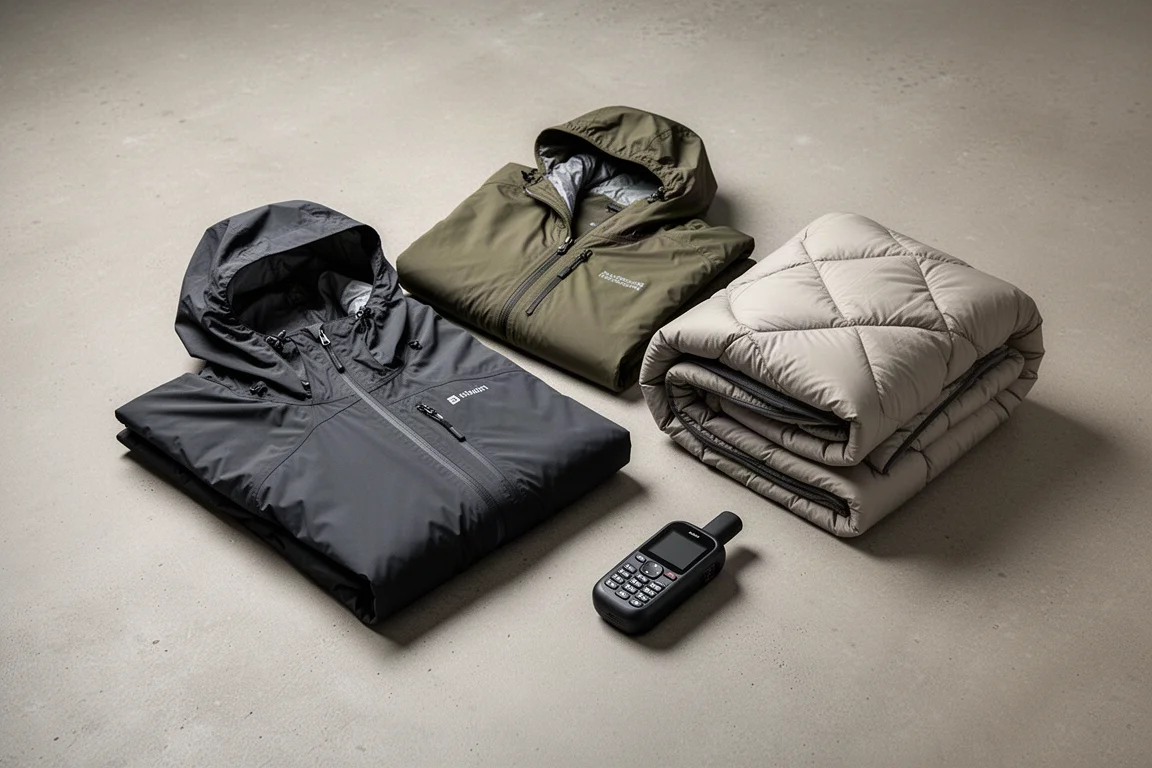
The outermost layer has one job: keep rain and wind off everything underneath it. The Outdoor Vitals Tushar Rain Jacket is a waterproof shell with a full hood, designed to be worn over the rest of your layers when the weather arrives.
Because it blocks wind as well as rain, it is the piece you reach for when a warm afternoon turns into a cold, wet evening on an exposed stretch of trail. Inside a layering system, it is the layer that lets you stay out in conditions that would otherwise send you back to camp early.
Best Mid Layer: Outdoor Vitals Ventus Hoodie
A mid layer should add warmth without adding much bulk or heat. The Outdoor Vitals Ventus Hoodie fits that role as a lightweight hooded layer that sits between a base layer and an insulated jacket.
It works as an active layer too, which is the practical advantage. Rather than stopping to pull on a full insulated jacket every time the temperature drops, you can add the Ventus and keep moving, then layer on more insulation when you actually stop.
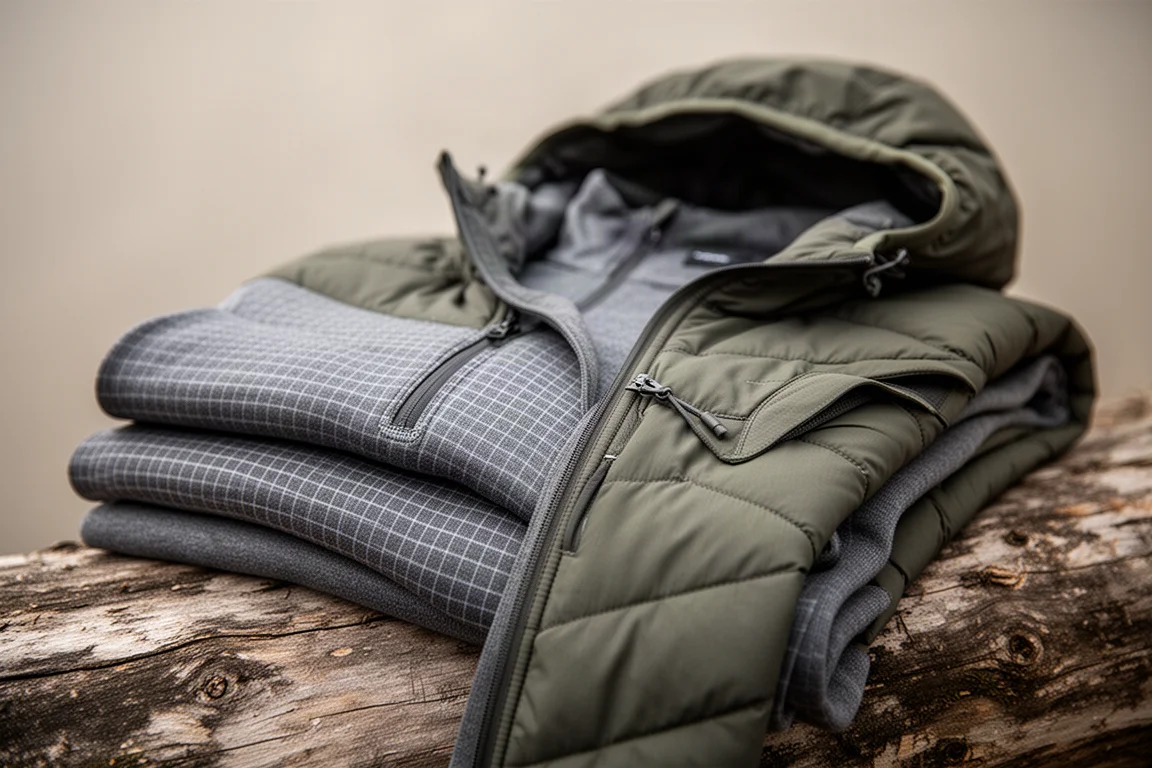
For many hikers this becomes the most used layer in the pack, because cold mornings, windy passes and shaded valleys all ask for a little extra warmth rather than a lot.
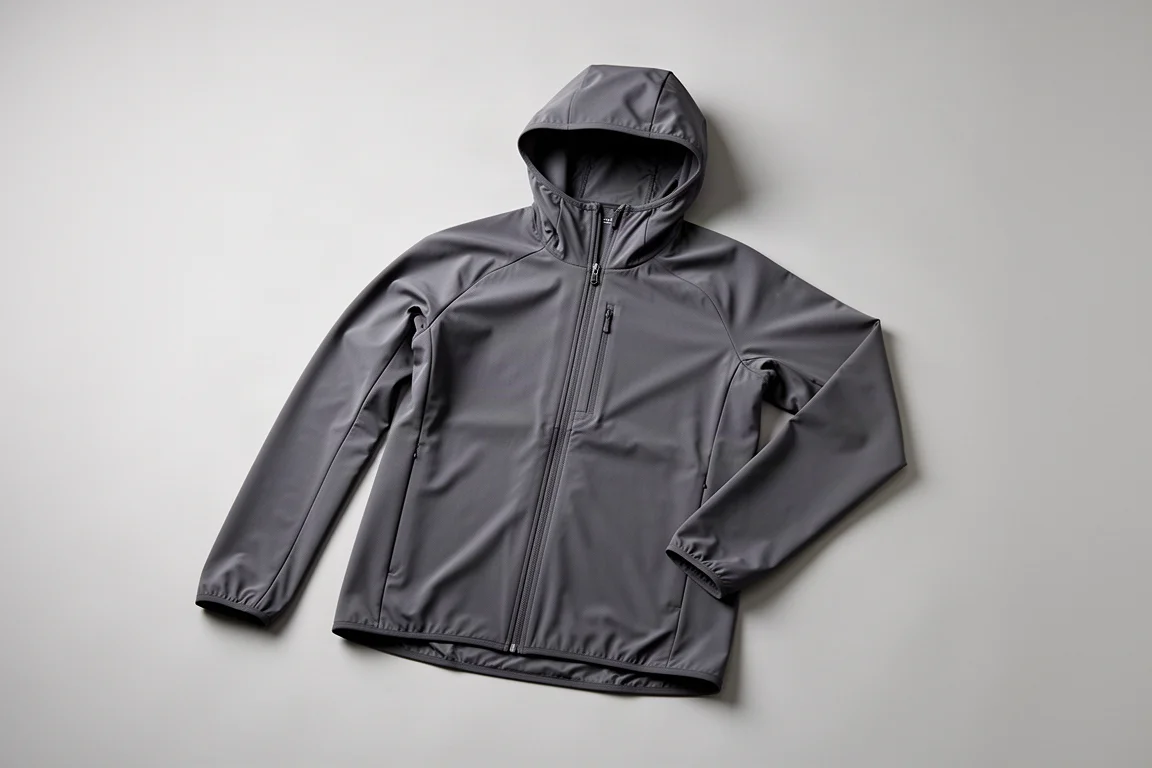
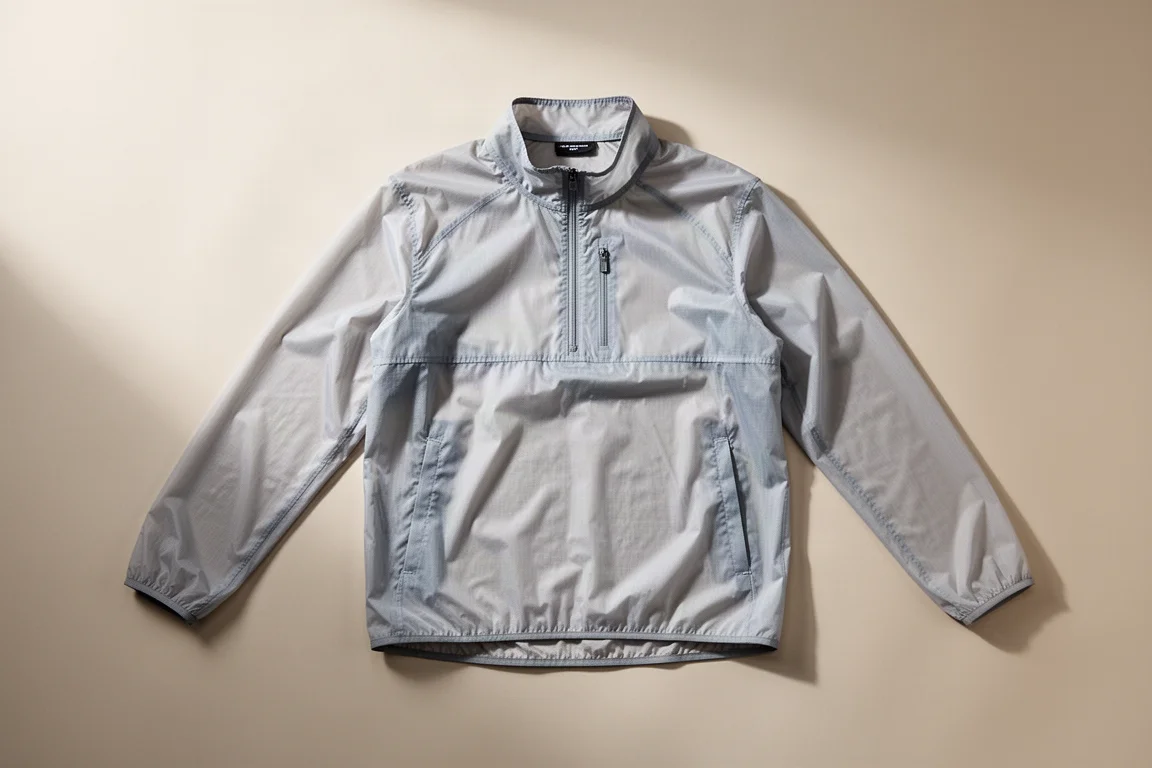
Best Wind Layer: Outdoor Vitals Nebo Wind Jacket
Wind is the most underrated source of chill in the backcountry. The Outdoor Vitals Nebo Wind Jacket is a lightweight wind layer that is slightly water resistant, so it takes the edge off without the weight or warmth of a full shell.
That makes it a useful middle step in a layering system: more protection than a base layer or mid layer alone, less commitment than a rain jacket, and easy to add or remove as the trail changes.
Best Sleep System: Zen Bivy Sleeping System
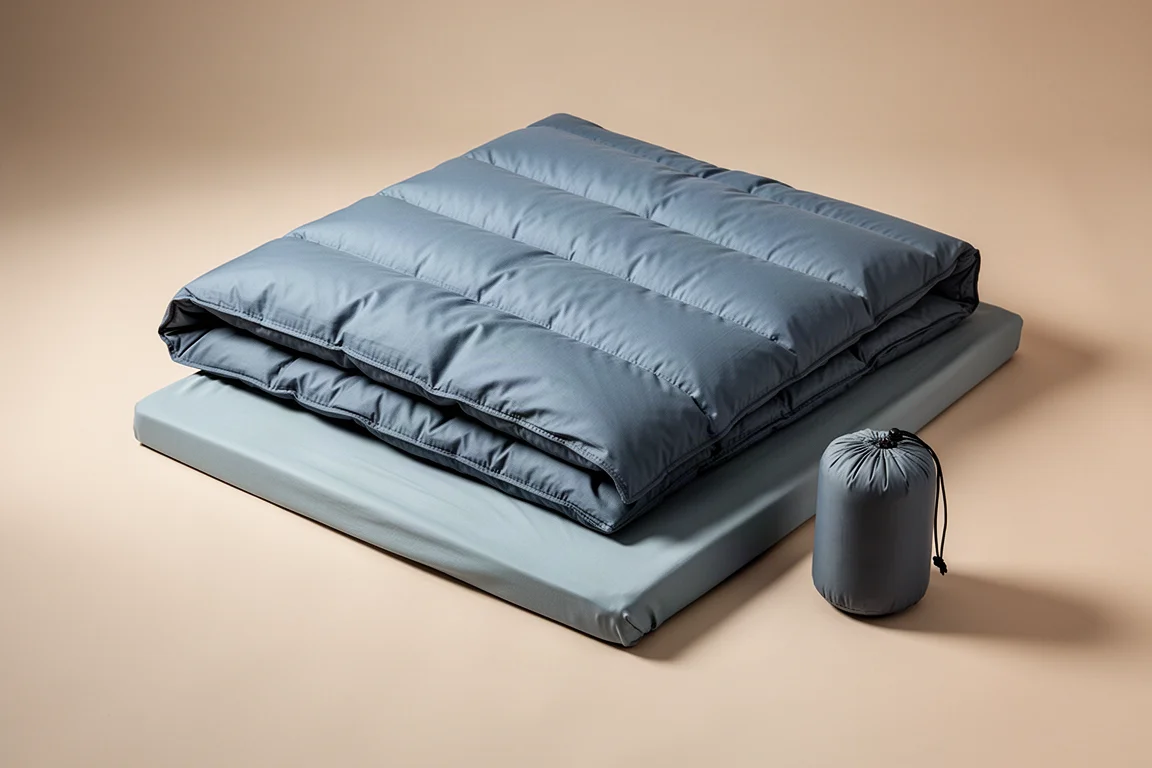
Warmth overnight comes down to two things: insulation that matches the temperatures you expect, and a setup you can actually get comfortable in. A bag rated for the wrong conditions, or a shape that fights the way you sleep, costs you the rest the next day depends on.
The Zen Bivy Sleeping System takes a different approach to that second problem. Rather than a narrow mummy cut, it pairs a quilt with a sheet in a more bed-like arrangement, which appeals to anyone who finds a traditional bag restrictive. For backpackers who sleep badly in a conventional bag, that change in shape can matter as much as the temperature rating does.
Buying Advice
If you are building or rebuilding a loadout, the order of spending matters less than the order of thinking. Start with the conditions you expect, then work outwards: what keeps you dry, what keeps you warm, what keeps you found, and what lets you sleep. A cheap layer that fails in wind is a worse investment than a mid-priced one that works.
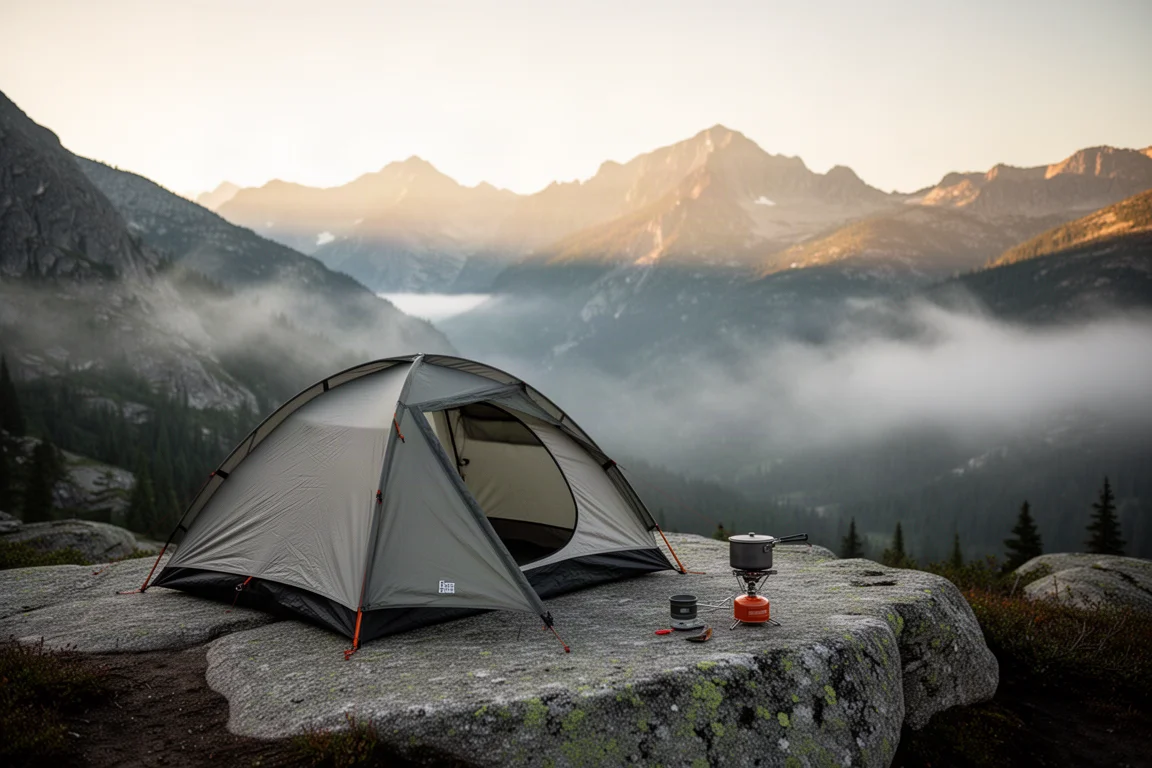
Two habits make any of these items work harder. First, test new gear on a short trip before a long one, so you learn how it behaves in real conditions. Second, keep the system modular. A rain shell, an insulated layer, a mid layer and a wind layer cover a wide range of weather when you can add and remove them independently. The best loadout is the one you understand.
Conclusion
The gear that matters most is rarely the most exciting gear. It is the shelter that holds up, the plan you can trust when the trail splits, the message you can send when there is no signal, and the layers and sleep setup that let you recover and go again the next morning.
Start with the items that match the conditions you actually travel in, and build the system around them. Everything else can wait.
Further reading
Related Reviews

Backpacking Gear
Building a 10 lb Base Weight: An Ultralight Backpacking Gear List
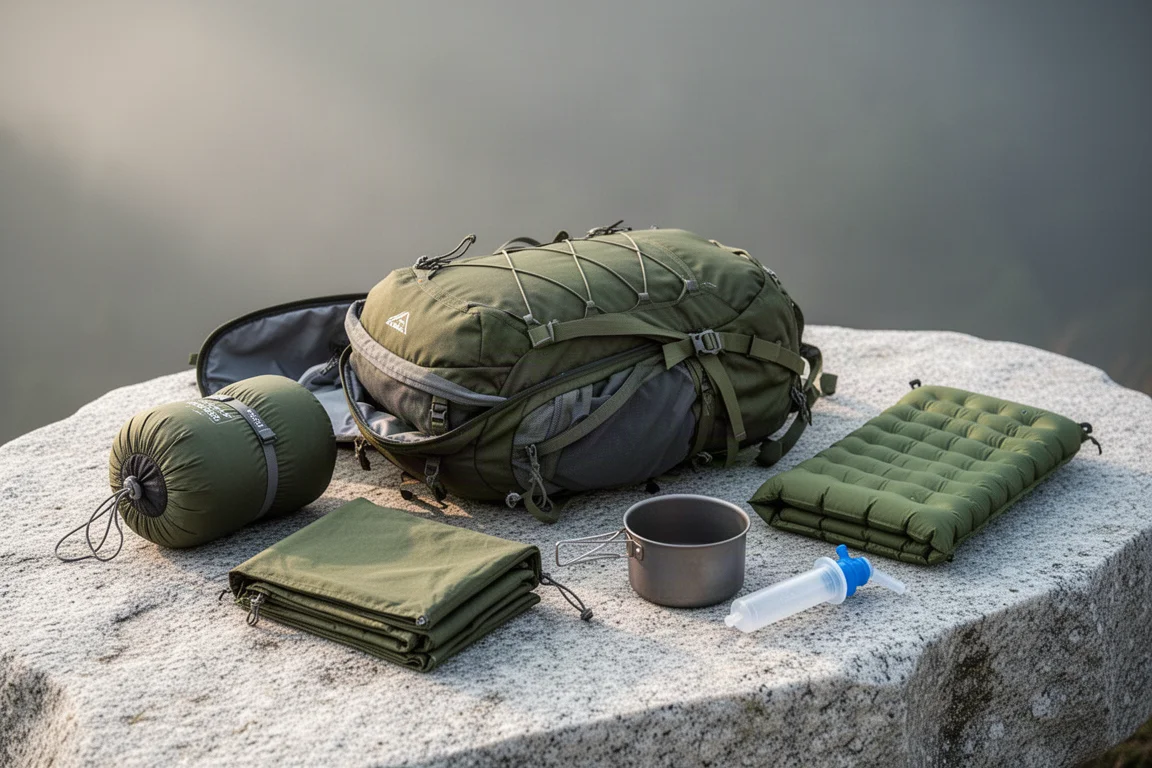
A practical walkthrough of the ultralight pieces behind a 10 lb base weight, from a 765 g pack and a roomy one-person tent to a full camp chair and a dependable water filter.
Backpacking Gear
A 15-Pound Lightweight Backpacking Gear List for Solo Trips
A beginner-friendly 15-pound backpacking setup built from easy-to-find gear, with notes on what each piece does, how it packs, and where to spend your attention.
Backpacking Gear
8 Ultralight Backpacking Gear Upgrades Worth Carrying
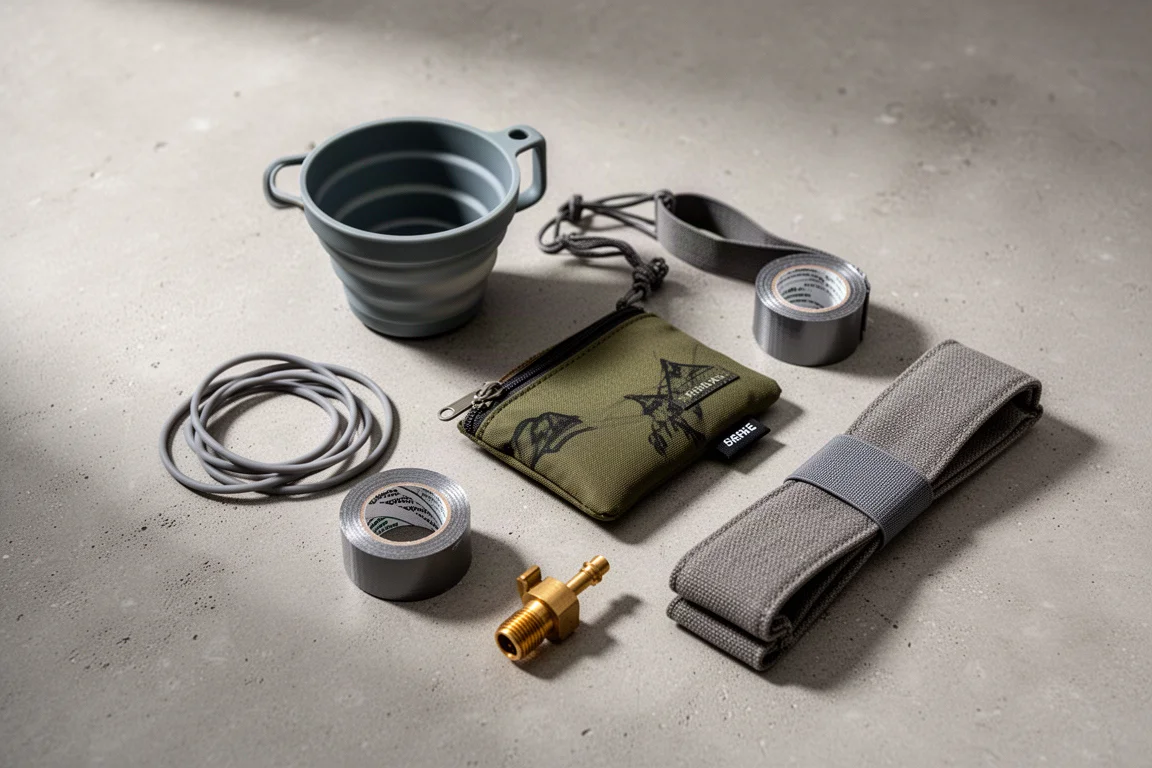
Eight small, affordable backpacking upgrades that solve real trail annoyances, from a pillow that stays put to a fuel valve that rescues leftover canister gas.