Sleeping Pads
Most Comfortable Sleeping Pads: Six Three-Season Options Compared
Six three-season sleeping pads compared on comfort, warmth, weight, and value, from ultralight favorites to the plushest option in the group.
Introduction
A comfortable sleeping pad does more for a backpacking trip than almost any other piece of gear. Some of the most miserable nights outdoors trace back to an uncomfortable pad, and the difference between a trip you enjoy and one you endure is often simply how well you sleep.
There are dozens of sleeping pads on the market from brands such as Therm-a-Rest, Nemo, Exped, Big Agnes, and REI. The six pads below are the three-season comfort options worth knowing about, covering everything from the lightest pad in the group to the warmest and the most comfortable overall.
How Comfort Was Judged
The benchmark for this list was simple. A pad had to allow a full night of sleep without waking up to toss and turn because of discomfort. That is the real test of comfort, and every pad here clears it.
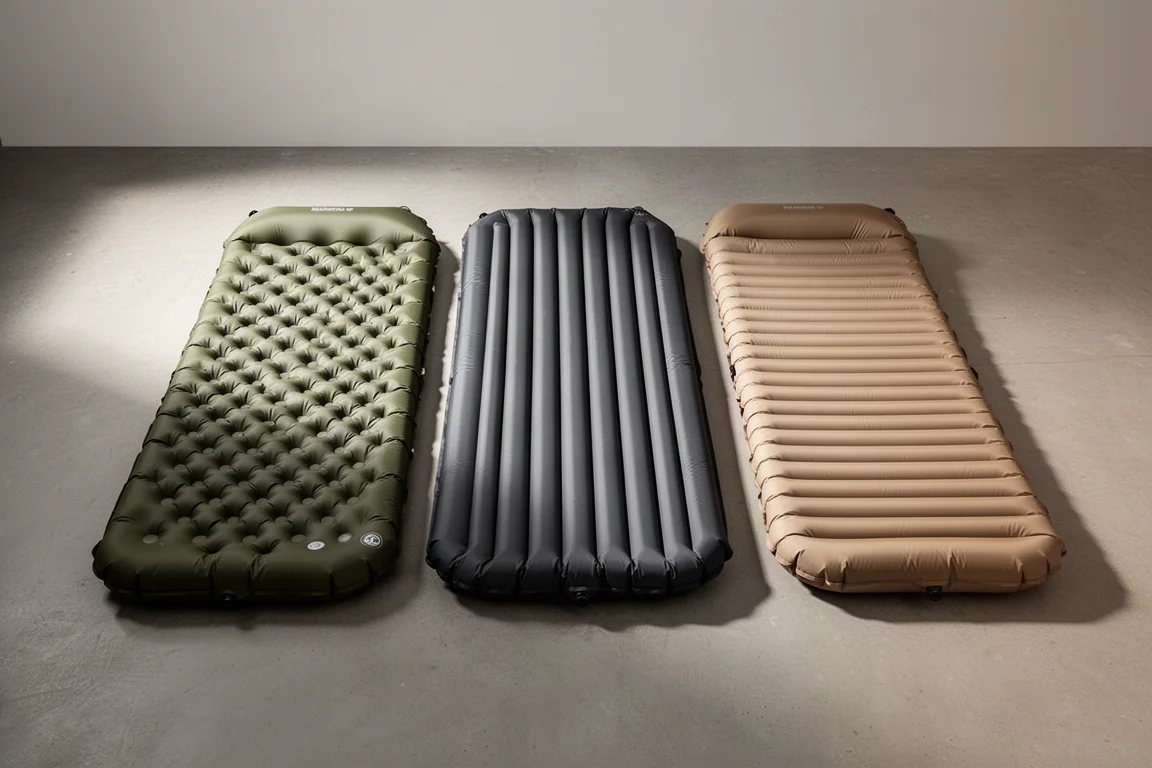
Baffle design matters as much as anything else. Three layouts appear in this group: horizontal baffles, vertical baffles, and dimpled baffles. Horizontal baffles, as used on the Therm-a-Rest pads, tend to let an arm go numb and lead to more turning during the night, which is especially noticeable for side sleepers. Back sleepers usually have an easier time with them.
Dimpled pads work differently. Each one has welded low points and raised areas between them, and those raised areas act like air springs, compressing under your body to relieve pressure points. How much travel those springs have decides how soft the pad feels. Springs with more travel relieve pressure more effectively, while shorter springs feel firmer.
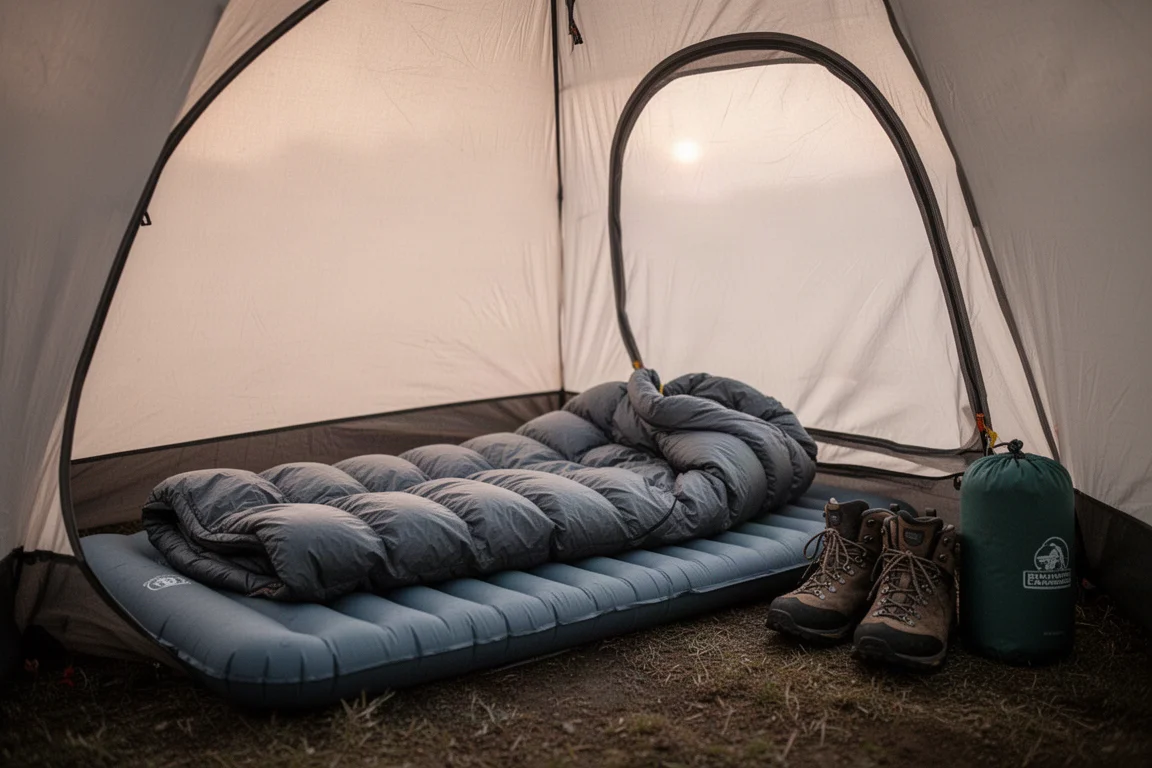
Real-world warmth is the other factor. An advertised R value is a useful starting point, but pads do not always sleep exactly as warm as the number suggests, so the notes below cover both the rating and how warm each pad feels in practice. Inflating a pad to roughly 80 percent is a good starting point for comfort, although some sleepers will want it softer. Keep in mind that as you deflate a pad, you also reduce its warmth.
Therm-a-Rest NeoAir XLite: The Warmth-to-Weight Benchmark
For years the NeoAir XLite has been the default choice for ultralight backpackers, and it still offers the best warmth-to-weight ratio in this group. That is the reason to buy it.
Comfort is the trade-off. After hundreds of nights on this pad, it remains one of the least comfortable options here. The horizontal baffles are the main culprit, leaving an arm numb and leading to more tossing and turning, particularly for side sleepers.
If warmth and pack weight are the priorities and comfort is secondary, the XLite still makes sense. Back sleepers who get along with horizontal baffles can take advantage of that warmth-to-weight ratio without much penalty.
Big Agnes Zoom UL: The Lightest Pad Here
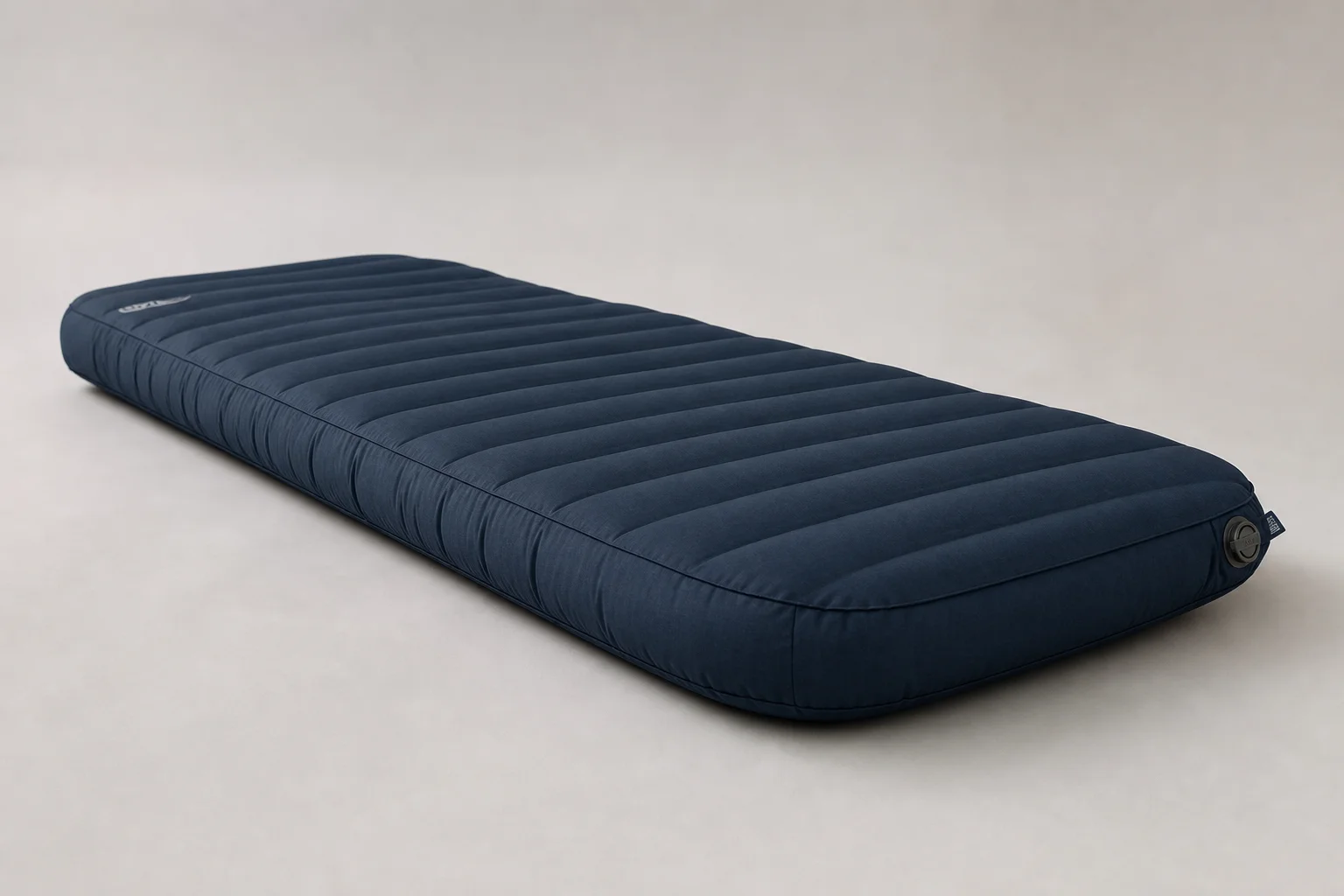
The Zoom UL is the lightest pad in this group, and it is comfortable enough to sleep through the night on. It is not the plushest option here, but it clears the comfort benchmark while staying remarkably light.
Its dimpled baffling uses shorter air springs than the softer dimpled pads on this list, which means less travel and a firmer feel. Sleepers on the lighter side, or anyone who prefers a firmer mattress at home, may find that it relieves pressure points well.
One caveat is warmth. The advertised R value is 4.3, but in practice it does not sleep as warm as that number suggests, closer to the 3 range. Treat the Zoom UL as a mild-conditions pad rather than a cold-weather one.
Exped Ultra 5R: Cold-Weather Confidence
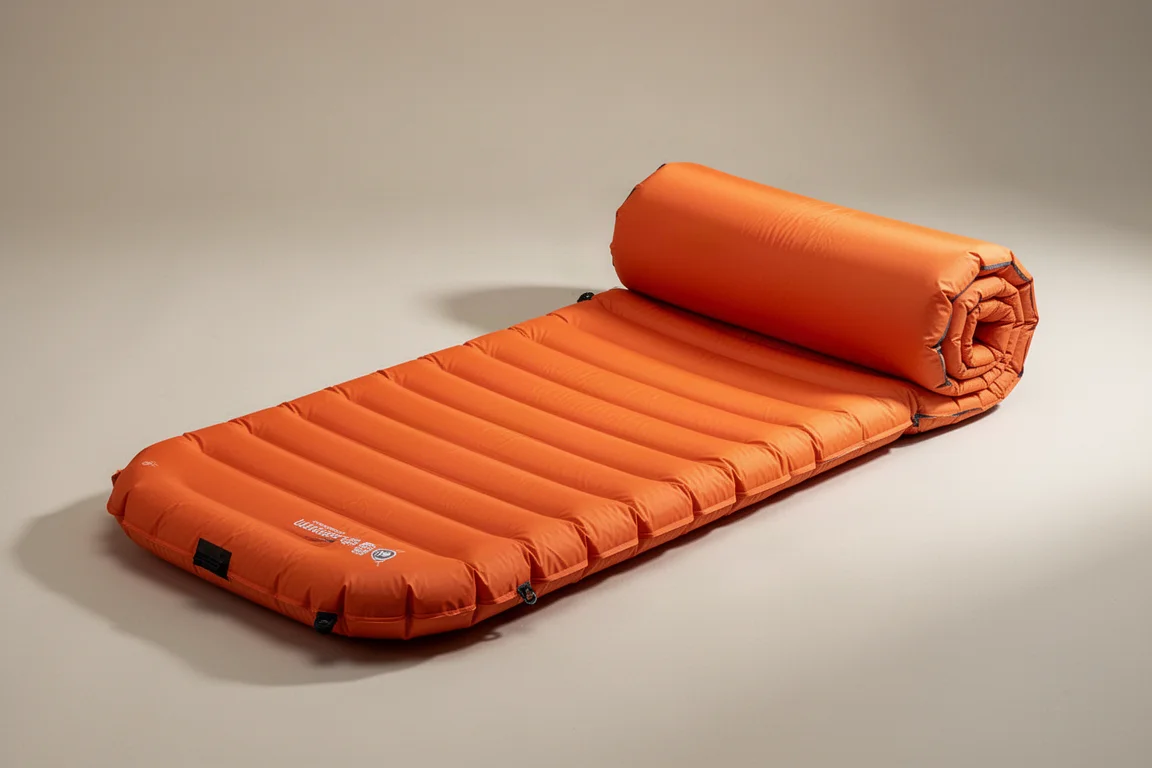
If cold conditions are the concern, the Ultra 5R is the pad to look at. Its R value is 4.8, and it sleeps a little warmer than that rating implies, which makes it a strong choice for the coldest three-season conditions you are likely to meet, with frozen ground and air temperatures at or just below freezing.
The warmth comes from synthetic insulation welded to both the top and the bottom of the pad, creating a robust insulating layer between you and the ground.
Vertical baffles are not the most comfortable layout for every sleeper, but this is one of the most comfortable vertical-baffle pads available. A 20-denier polyester shell helps here, because the fabric has a little give to it and feels soft against the body.
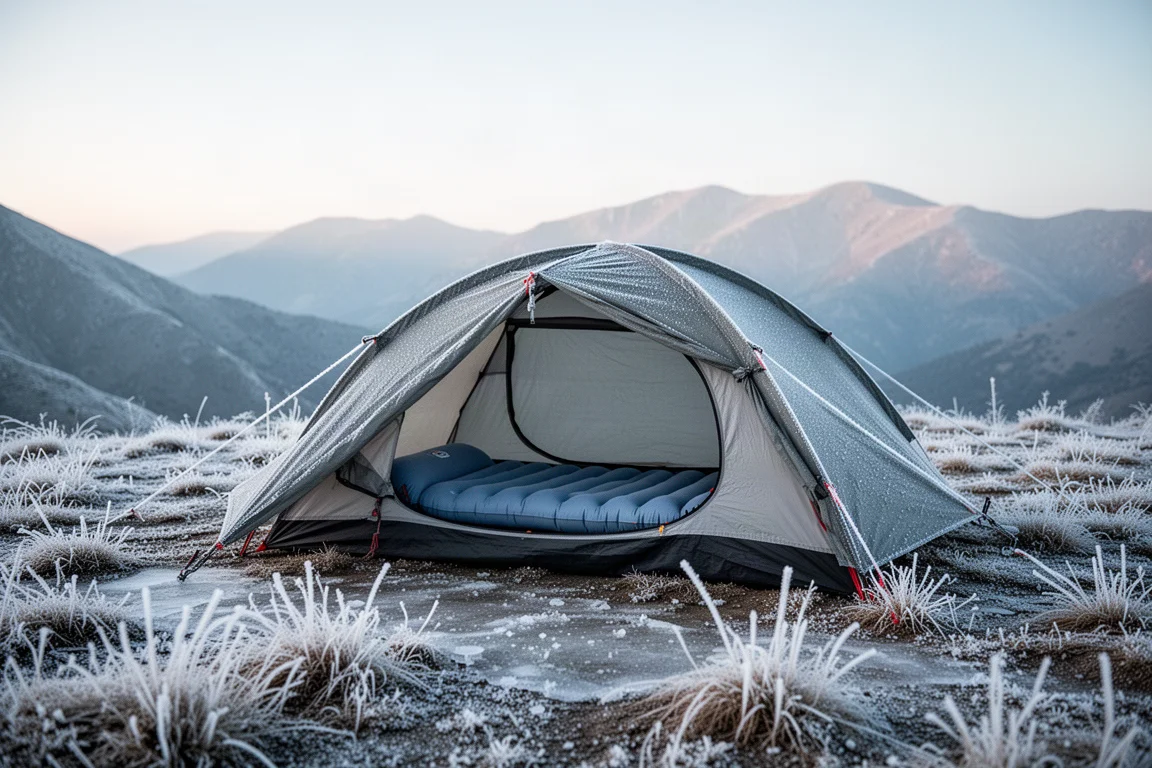
For anyone who runs cold, this is often the pad that gets picked for shared backpacking trips, since it keeps warmth a priority without giving up comfort.
Sea to Summit Ether Light XT: The Feature-Rich Pick
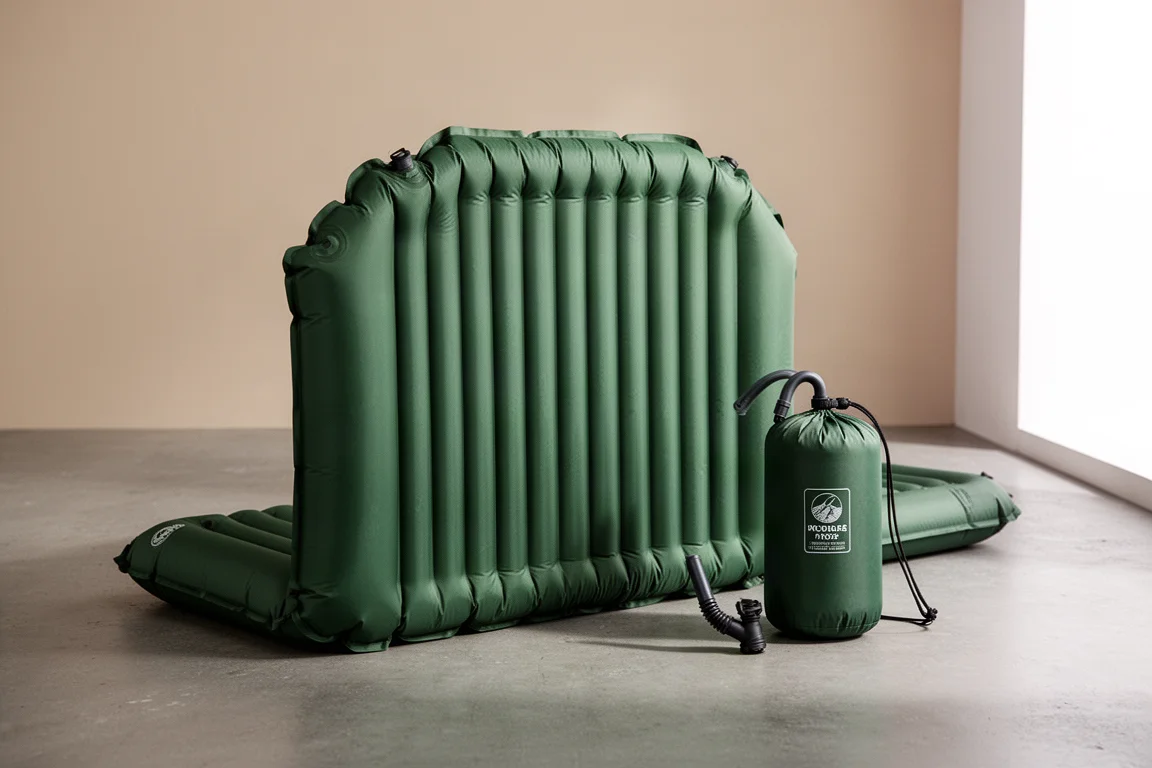
The Ether Light XT is one of the most comfortable pads here, and it pairs that comfort with the best set of usability features in the group. Ease of use contributes to comfort on a long trip, and this pad has plenty of it.
The valve system is the standout. It is a two-way design: open one flap, attach the inflation sack, and the pad fills easily. Open the second flap and the air dumps out very quickly, which makes packing up simple. Pressing on the valve releases air in small amounts so you can fine-tune firmness.
The pillow lock system is another practical touch. If you use a Sea to Summit pillow, velcro strips install on the pad and hold the pillow in place, so it stays where you put it instead of wandering around the tent overnight. The storage sack doubles as an inflation bag, so you need far fewer breaths to fill the pad.
The dimpled baffling here has generous travel and plenty of give, which is what makes it so comfortable. Warmth is the compromise. The R value is 3.2, and it sleeps below 3, so this is a pad for warmer three-season trips.
Big Agnes Divide: The Budget Comfort Pick
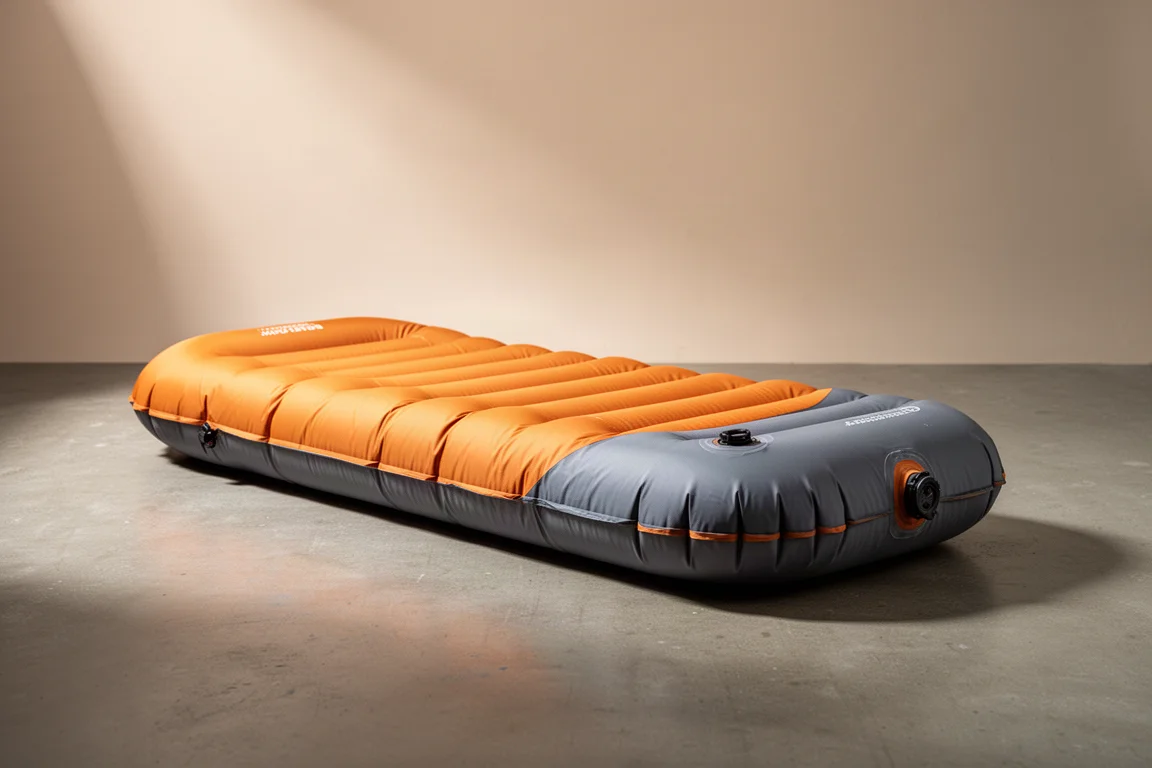
The Divide is the value option on this list, and it is a genuinely comfortable one. Its vertical baffles are comfortable, and with an R value of 4 it will sleep warm enough for most three-season trips.
The shell is nylon, so it does not have the same softness and give as the polyester shell on the Ultra 5R, but the baffle layout does most of the work.
Price is the headline. At $150 it is the lowest price of any pad here, and it frequently sells for $100 or less. The trade-off is weight, since this is the heaviest pad in the group at 851 g. That is the usual compromise at the budget end, and it is a reasonable one.
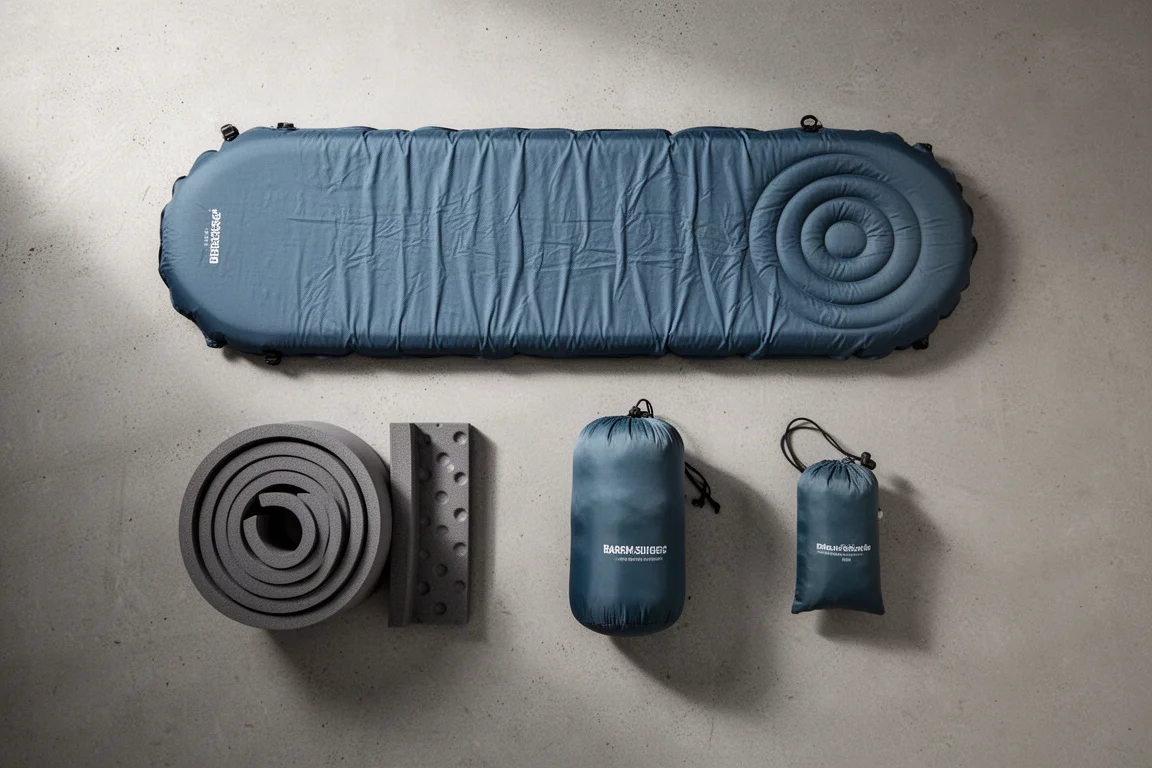
If you are getting into backpacking or upgrading an older pad, the 25-inch wide version is the one to choose. Most sleeping pad owners already use a 25-inch wide pad rather than a 20-inch one, and the extra width makes a noticeable difference to comfort.
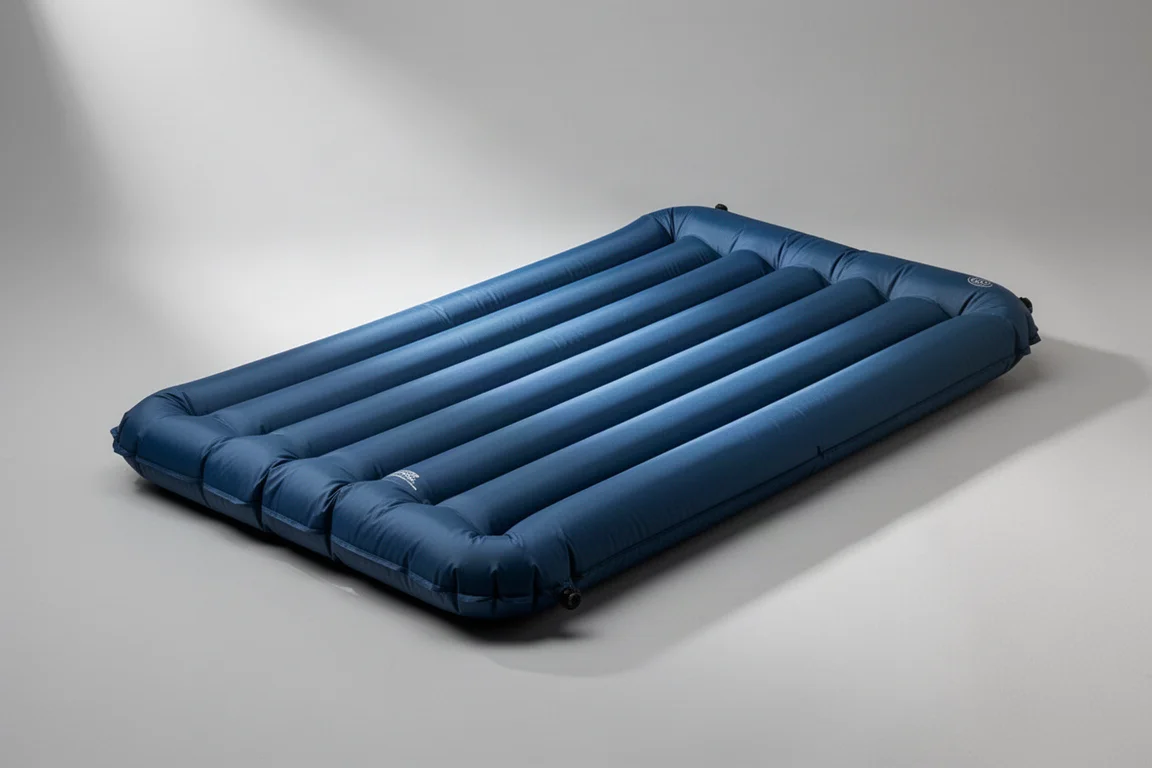
REI Helix: The Most Comfortable Pad Overall
The Helix is the most comfortable pad in this group, and it strikes the best balance of warmth, weight, and comfort for anyone who puts a premium on sleep quality.
Its dimpled baffling has more travel and more spring than the Ether Light XT, which means more pressure relief. On a recent trip without quilt straps, the pad was comfortable enough that no tossing or turning was needed at all: a full night on one side, no pressure points, eight hours of sleep. That has happened repeatedly rather than once.
Warmth is close behind the best here. The R value is 4.9, one of the highest in the group, and in real conditions it sleeps nearly as warm as the Ultra 5R, with the two essentially neck and neck. At 700 g for the pad alone it is on the heavier side, but the comfort and warmth justify the weight for sleepers who need pressure relief.
Overall Buying Advice
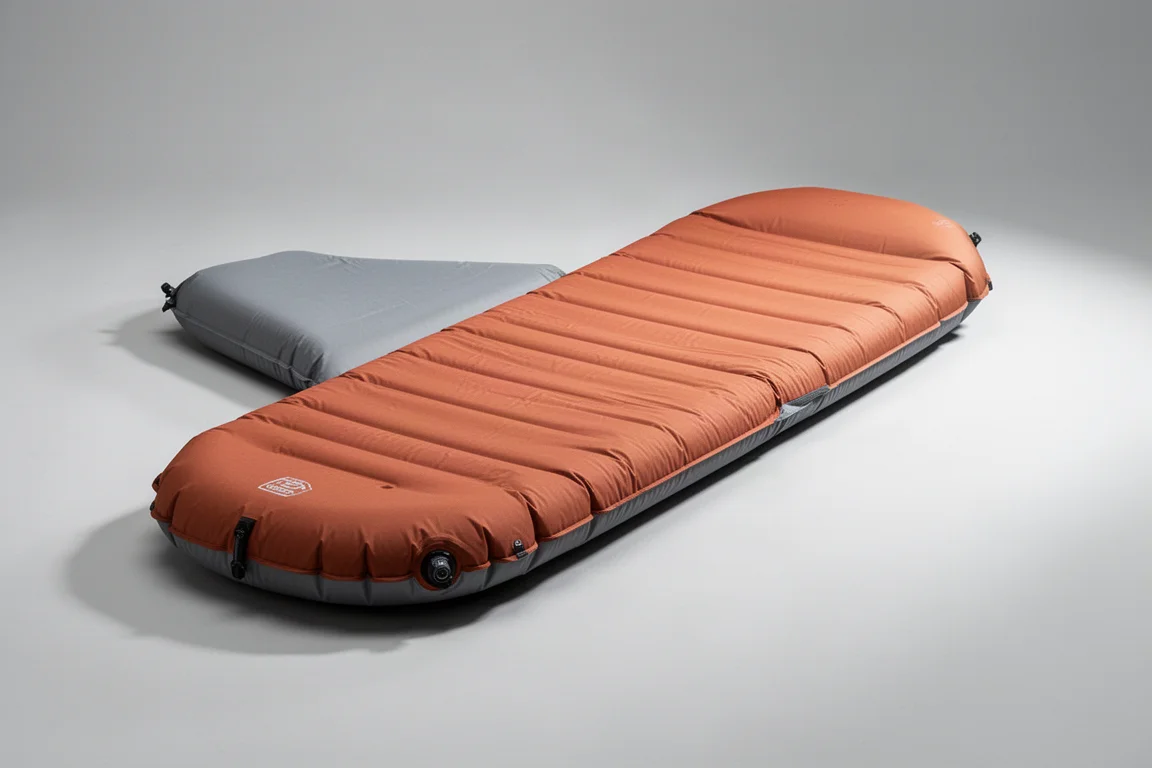
Comfort is subjective, so the right pad depends on how you sleep and what you are willing to carry.
Side sleepers should start with dimpled or soft-shelled pads, since horizontal baffles are the most common source of numb arms and restless nights. The Helix offers the most pressure relief in this group, and the Ether Light XT is the next softest while adding a much better feature set.
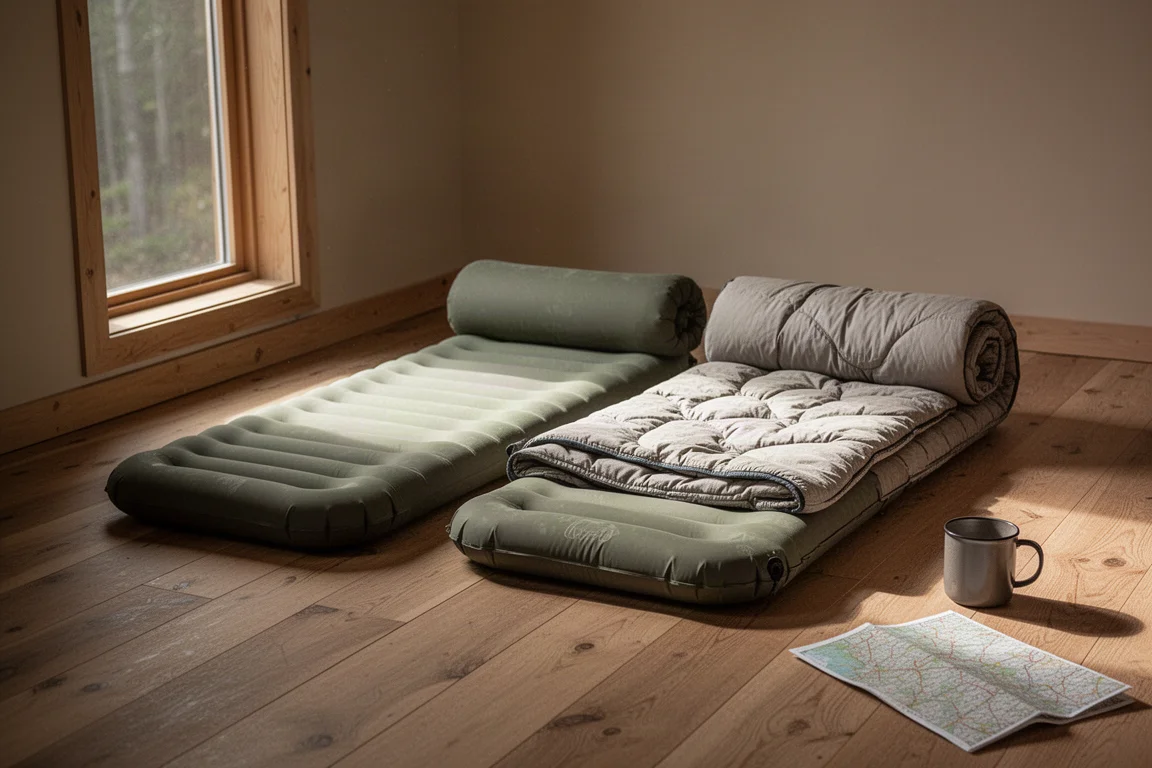
Back sleepers have more freedom. A pad like the NeoAir XLite can work well when warmth-to-weight is the priority, and the Zoom UL is a strong middle ground for anyone who wants a light, firmer pad for mild conditions.
If cold weather is likely, the Ultra 5R is the safest choice, while the Divide covers warm-weather trips on a tighter budget. Matching the pad to the conditions and to your sleeping position matters more than chasing the lightest option.
Conclusion
There is no single most comfortable pad for everyone, but there is a clear shortlist. The REI Helix is the most comfortable pad here for sleepers who want maximum pressure relief, the Exped Ultra 5R is the one to take into cold conditions, and the Big Agnes Divide delivers the most comfort per dollar. The Therm-a-Rest NeoAir XLite remains the pick for anyone who can sleep on anything and wants the best warmth-to-weight ratio, while the Big Agnes Zoom UL and the Sea to Summit Ether Light XT cover the lightweight and feature-focused ends of the range.
Further reading
Related Reviews
Sleeping Pads
Best Backpacking Sleeping Pads 2026: Nine Pads Rated on Price, Comfort, Warmth, and Weight
Nine backpacking sleeping pads compared on price, comfort, warmth, and weight, from a $65 summer pad to a year-round option rated at R-7.3.
Sleeping Pads
Best Backpacking Sleeping Pads: Comfort, Warmth, and Weight Compared
A practical comparison of the Nemo Quasar 3D, Therm-a-Rest NeoAir XTherm Max, and Big Agnes Rapide SL for backpackers choosing between comfort, warmth, and packed weight.
Sleeping Pads
Best Backpacking Sleeping Pads: Ultralight, Winter, Comfort and Budget Picks
A practical roundup of the sleeping pads that stand out for ultralight weight, winter warmth, pressure relief and value, plus three popular pads that fell short.