Sleeping Pads
Most Comfortable Sleeping Pads Compared: Four Thick Backpacking Pads
A side-by-side look at four thick backpacking sleeping pads, covering pressure relief, stability, real-world warmth and value.
Introduction
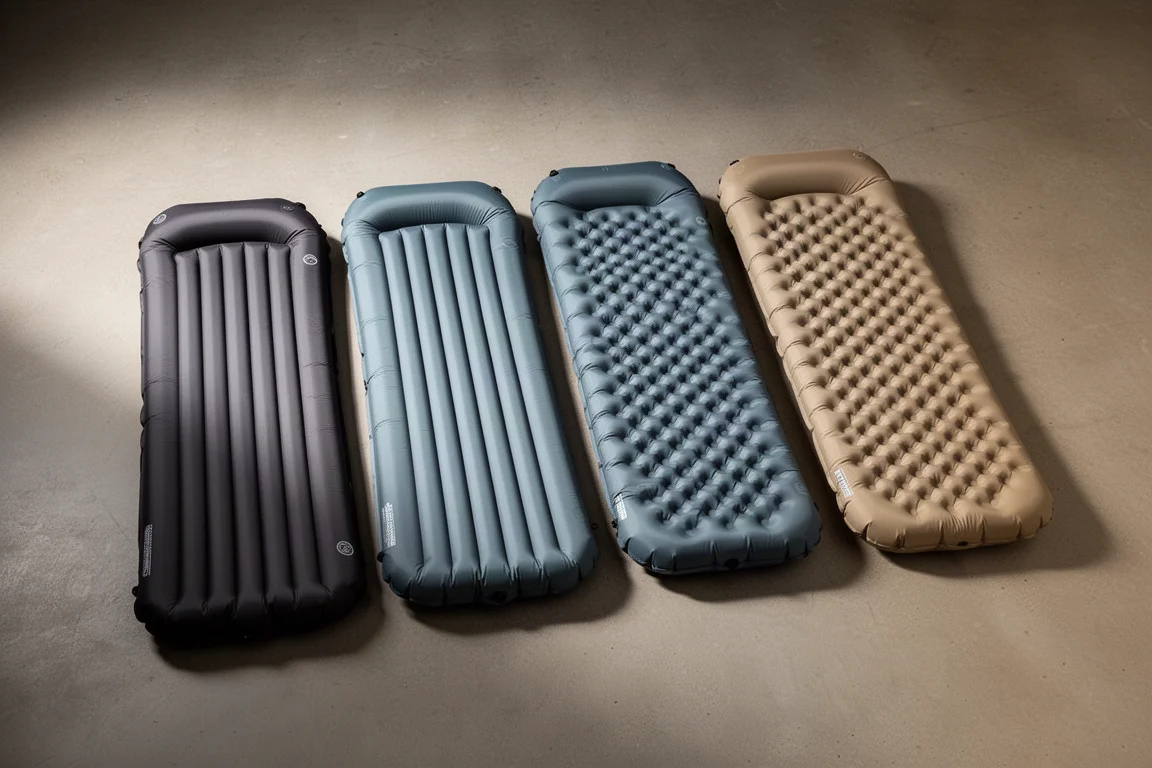
Sleeping pad comfort used to involve a trade-off. Thicker pads were heavier, and the lightest options asked you to accept a firmer night’s sleep. That has changed. Four current backpacking pads all claim at least four inches of thickness, and each one is built around the same promise: the most comfortable night you can get in the backcountry.
Because all four are relatively new, they have rarely been lined up against each other. This comparison covers the Therm-a-Rest NeoLoft, the Sea to Summit Ether Light XR, the Naturehike NKTR 8.8 and the Big Agnes Campmeister Deluxe, and it focuses on the two factors that decide how a pad actually feels under you: pressure relief and stability.
What Matters Most for Sleeping Pad Comfort
Pressure relief comes down to two elements working together: how much stretch the top fabric has, and how the baffles are shaped. A pad that scores well here keeps your arm from going numb when you lie on your side, and stops you from constantly shifting position when you lie on your back.
Stability is a separate question. It is about how much support you feel at the very edge of the pad, and whether moving around on it feels like lying on a balloon or on something solid.
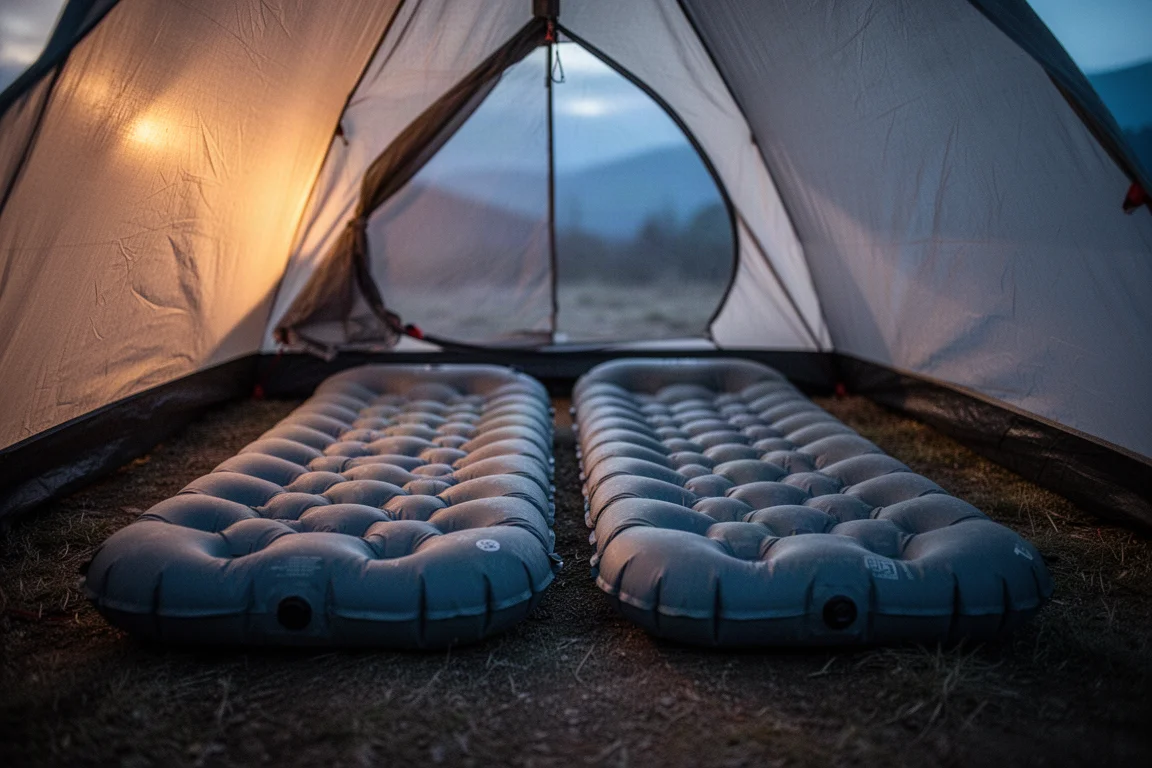
Warmth shapes comfort too, but it is hard to judge fairly in warm weather. All four pads have been used down to freezing and stayed warm at that temperature. One practical point applies to every pad here: inflating to roughly 70 percent of full capacity was the sweet spot for all four, and none of them became dramatically more comfortable with more or less air. Letting a little air out can add comfort, but it also reduces the pad’s effective warmth.
Therm-a-Rest NeoLoft: Best Pressure Relief of the Four
The NeoLoft is the thickest pad in this group at 4.6 inches, and it measures 26 inches wide in the Regular Wide size, which weighs 833 grams. It has an R-value of 4.7 and uses the brand’s established insulation, making it suitable well below freezing. At $250, it sits at the upper end of the group without being the most expensive.
The standout quality is the stretchy top fabric. Baffle design has traditionally been the main driver of pressure relief, but the NeoLoft shows how much difference a soft, giving surface makes when it is paired with real thickness. In practice, it is the most comfortable of the four for pressure relief.
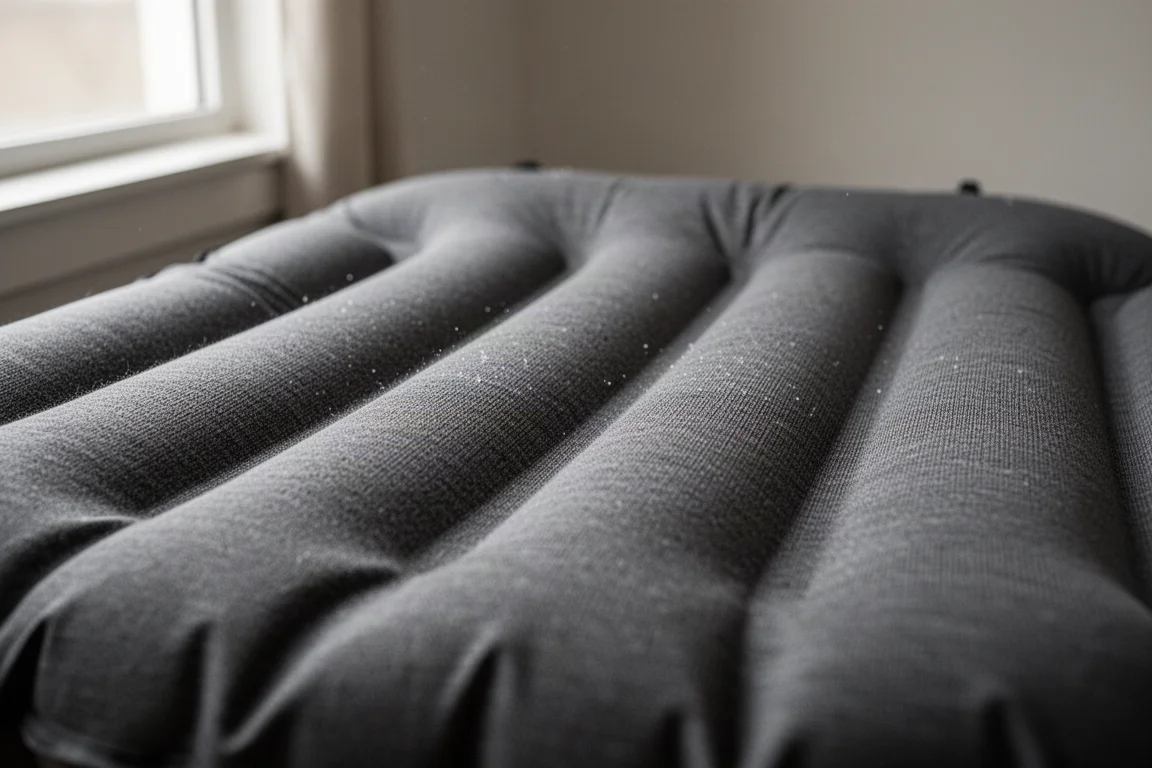
Stability is where the NeoLoft gives ground. Its thickness and stretch make the edges feel less supportive, and near the side it can feel as though you are about to slide off, particularly if the pad is only partly inflated. It also has more of a balloon feel when you move around than the other three.
Sea to Summit Ether Light XR: The Balanced All-Rounder
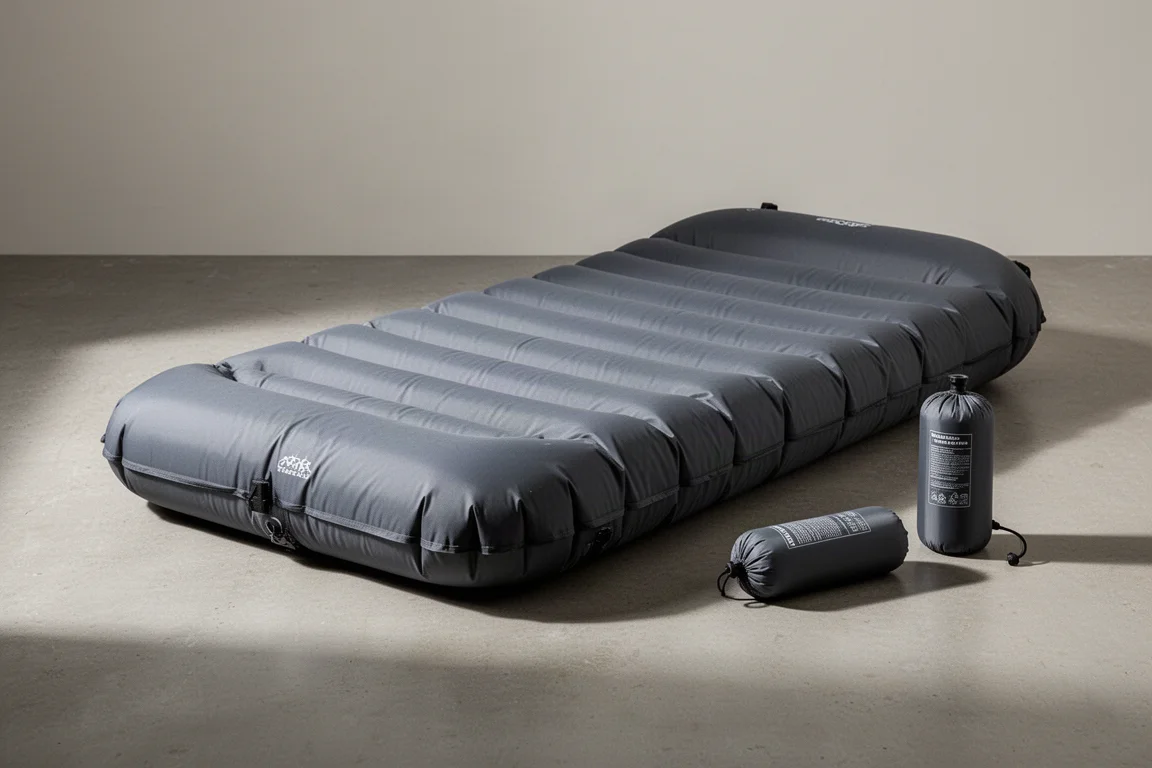
The Ether Light XR costs $240 and weighs 625 grams in the Regular Wide size. It is 4 inches thick and 25 inches wide, with an R-value of 4.1. It builds on the Ether Light XT, one of the first pads to use a dimpled baffling system and among the first to push comfort even at some cost in weight. The XR adds a new insulation type, is slightly lighter, and is much warmer than the XT, which addresses the XT’s biggest weakness.
Pressure relief is where it lands last of the four. The materials and baffling carry over largely unchanged from the XT, and while the dimpled system still relieves pressure well, the top fabric is the stiffest and firmest here. In this group, that firmness matters more than the baffle design.
Stability is much stronger. It ties with the Naturehike and the Campmeister for edge support, so you can use the full width of the pad and still feel supported at the edge. When you shift position it feels solid rather than bouncy.
Naturehike NKTR 8.8: Strong Value With a Caveat
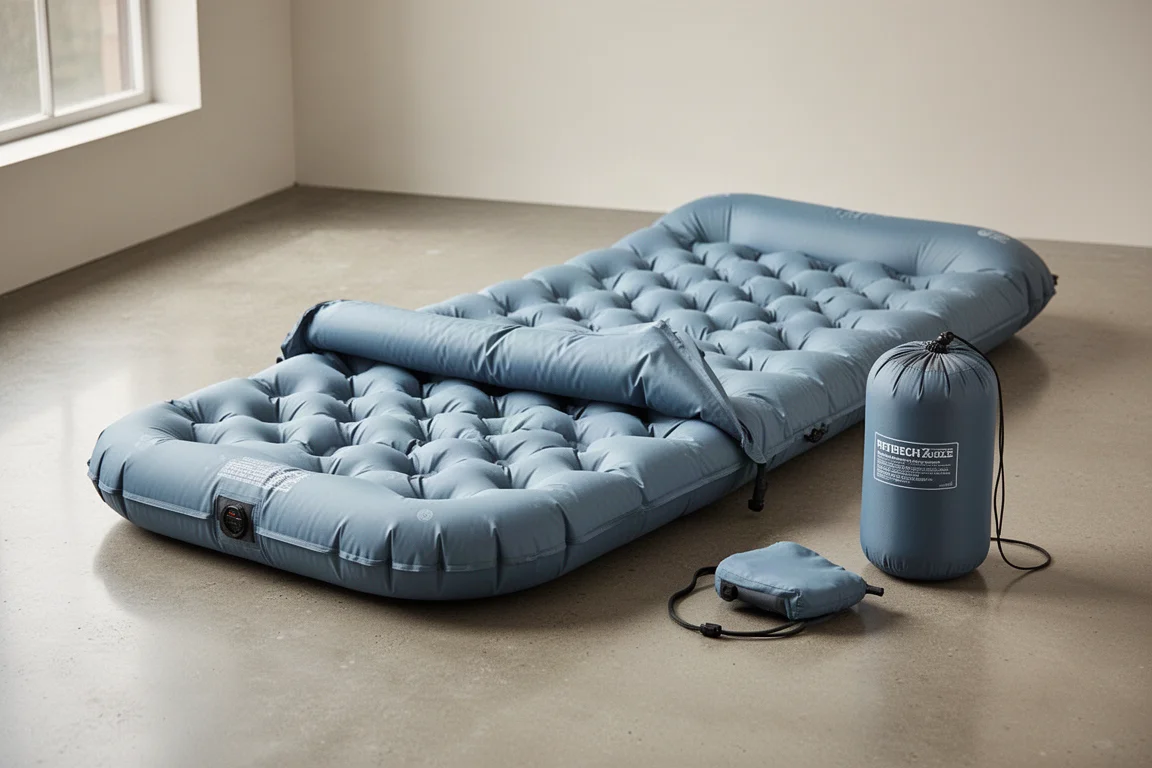
At $115, the NKTR 8.8 costs roughly half as much as the other three, which makes it the obvious value pick. The Long Wide version weighs 657 grams and measures 4.3 inches thick and 24 inches wide.
The caveat is the warmth rating. The claimed 8.8 R-value does not reflect real-world performance, and in practice the pad is closer to the NeoLoft, good to around freezing rather than to the temperatures an 8.8 figure suggests. It is best treated as a comfortable three-season pad.
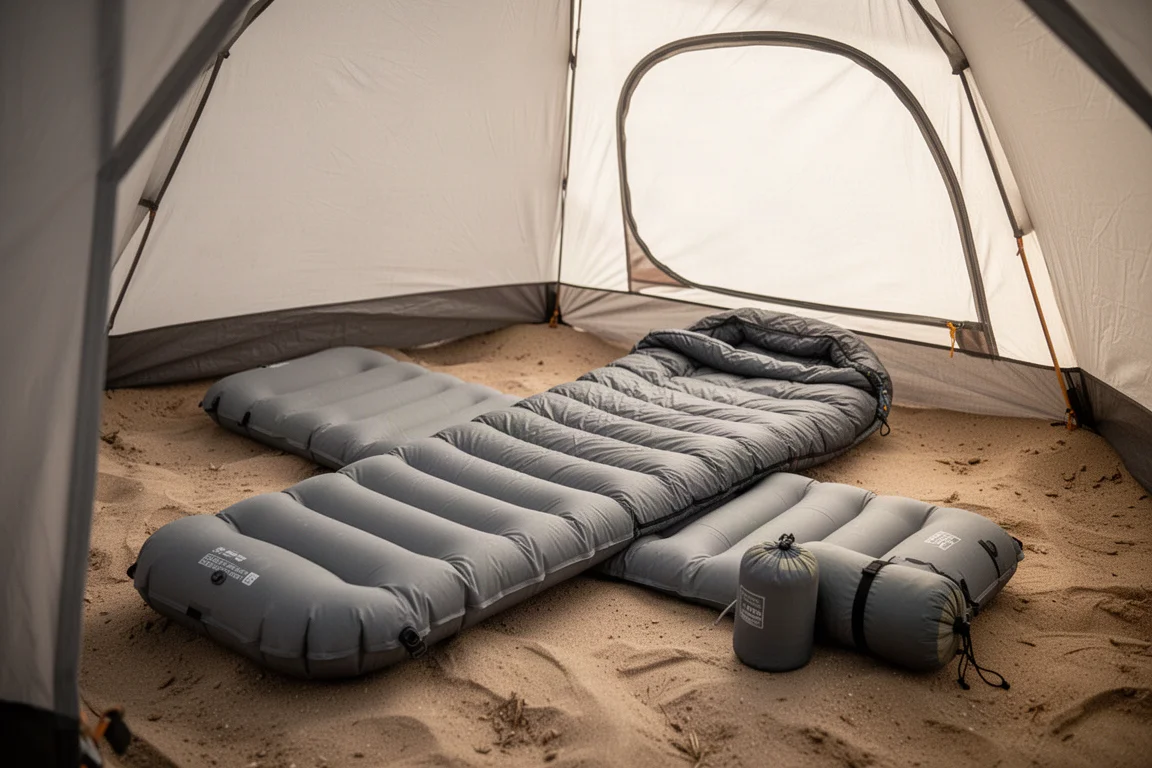
Everything else about the pad holds up well. The valve is good, it is genuinely thick, and it is comfortable to sleep on. For pressure relief it ranks third: the baffling is similar to the Ether Light XR but uses smaller raised areas, which move less, so it relieves less pressure. The top fabric has a little more give than the XR’s, which partly compensates. For stability it ties for edge support, though it feels slightly more balloon-like than the XR and the Campmeister when you move around.
Durability is the open question. There is not much long-term information available yet, and no issues have shown up so far, but that is a small sample rather than proof.
Big Agnes Campmeister Deluxe: The Widest Option
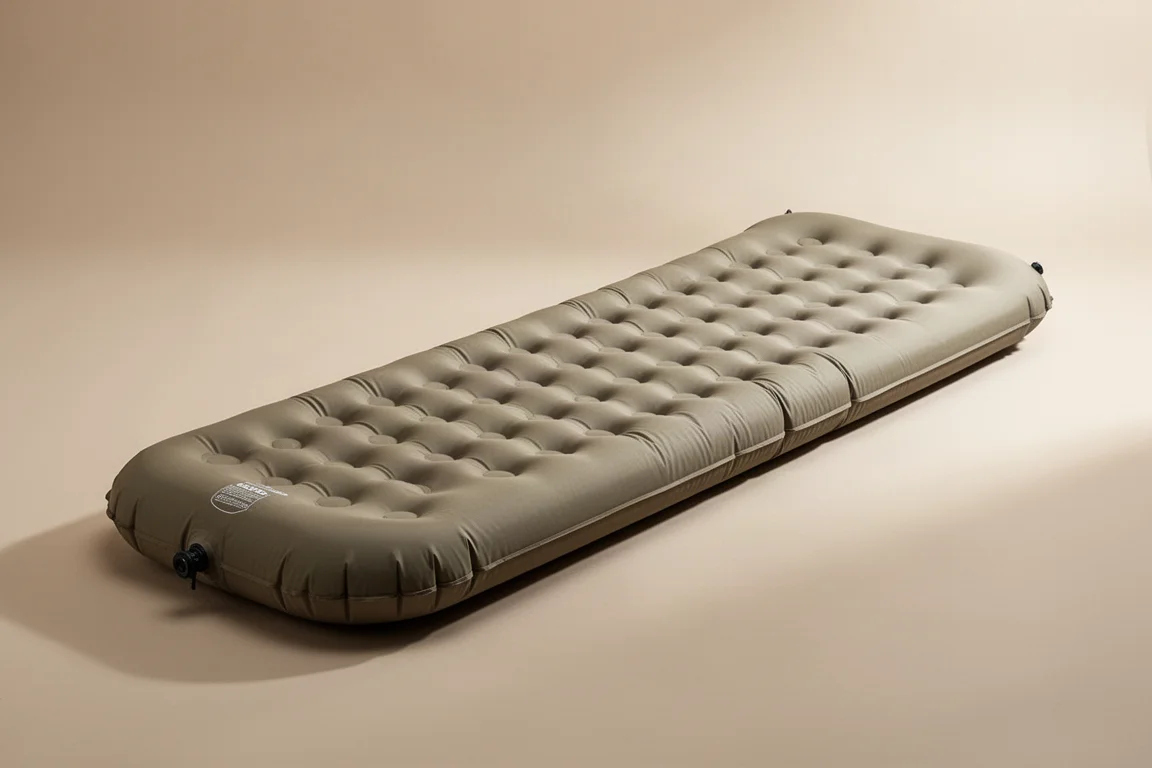
The Campmeister Deluxe is the most expensive pad here at $300, and it weighs 1,228 grams in the Long Extra Wide size. It is 30 inches wide and 3.5 inches thick, with an R-value of 7. It builds on the discontinued Boundary Deluxe.
Its reason to exist is width. At 30 inches it is the widest pad in this comparison and one of the few extra-wide pads made for backpacking, which matters if you are a larger sleeper or simply want more room to move. Pressure relief ranks second: it uses a modified dimpled baffling system paired with a top fabric that has real give, and the result is a genuinely supportive surface.
Stability is a strong point as well, tying with the Ether Light XR and the Naturehike for edge support and feeling solid when you change position.
The trade-offs are weight and thickness. It is by far the heaviest pad of the four, and despite being the biggest it is also the thinnest at 3.5 inches, so heavier sleepers could bottom out. Its R-value of 7 has not been verified below freezing.
Buying Advice: Matching a Pad to How You Sleep
Start with the question that matters most for your own sleep. If you want maximum pressure relief, and you sleep on your side or wake up with a numb arm, the NeoLoft is the clear pick, provided you can live with softer edges. If you shift position often, stability may matter more than pressure relief, and the Ether Light XR and the Campmeister Deluxe both feel much more planted when you move.
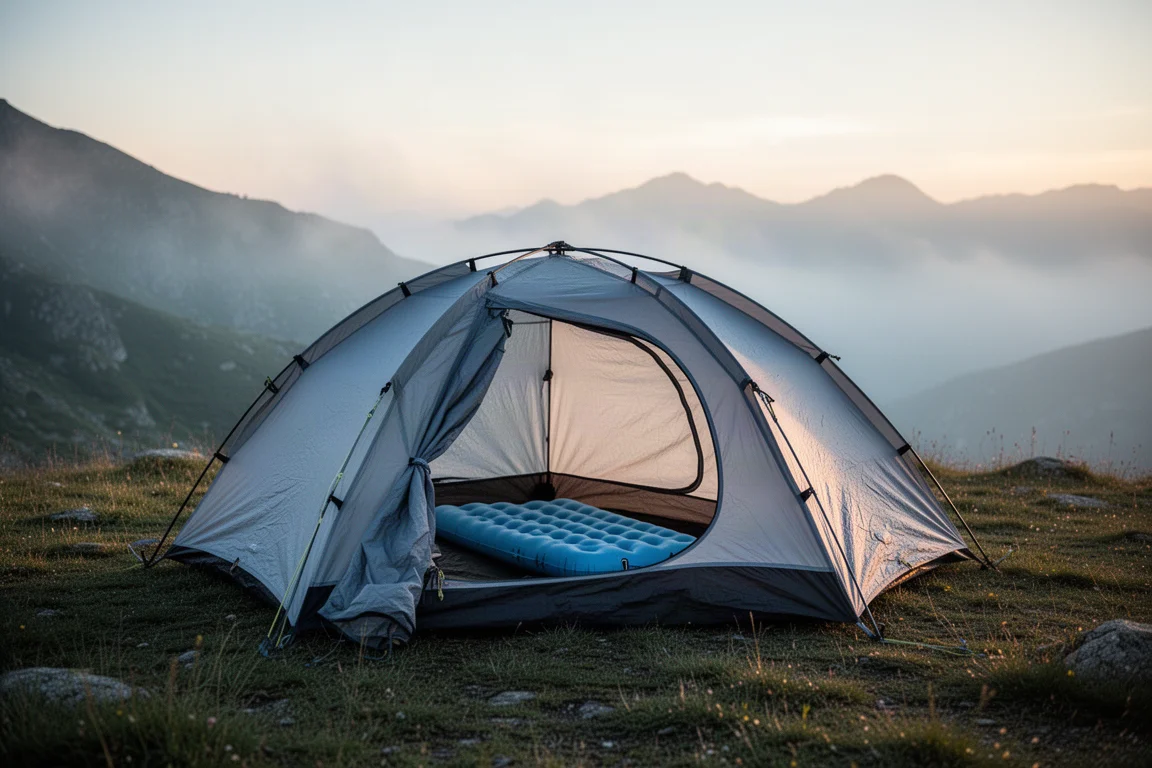
If space is the deciding factor, the Campmeister Deluxe is the only genuinely extra-wide option in this group, and for the right sleeper that width is worth the weight penalty. If budget leads, the Naturehike NKTR 8.8 delivers most of the comfort for about half the price, as long as you plan around its real warmth rather than the claimed rating. For a single pad that does everything reasonably well, the Ether Light XR is the most balanced choice.
Weight is worth checking against the size you actually need, since the figures here cover different sizes. The Ether Light XR is the lightest of the four in Regular Wide at 625 grams, the Naturehike is 657 grams in Long Wide, the NeoLoft is 833 grams in Regular Wide, and the Campmeister Deluxe is 1,228 grams in Long Extra Wide. A wider or longer pad will always cost you grams, so match the size to your body and your sleeping style before comparing numbers.
Conclusion
All four of these pads are comfortable, and none of them is a bad choice. The differences show up in the details. The Therm-a-Rest NeoLoft leads on pressure relief thanks to its thickness and stretchy top, while giving up some edge stability. The Big Agnes Campmeister Deluxe is the one to pick if you need a 30-inch wide pad and can carry the weight. The Naturehike NKTR 8.8 is the value option, with the important caveat that its claimed R-value overstates its real warmth. The Sea to Summit Ether Light XR is the most well-rounded of the group, warmer than the pad it replaces and solid at the edges, even if it no longer leads on pressure relief.
Match the pad to how you actually sleep, and any of the four will give you a better night out than a thinner mat.
Further reading
Related Reviews
Sleeping Pads
Best Backpacking Sleeping Pads 2026: Nine Pads Rated on Price, Comfort, Warmth, and Weight
Nine backpacking sleeping pads compared on price, comfort, warmth, and weight, from a $65 summer pad to a year-round option rated at R-7.3.
Sleeping Pads
Best Backpacking Sleeping Pads: Comfort, Warmth, and Weight Compared
A practical comparison of the Nemo Quasar 3D, Therm-a-Rest NeoAir XTherm Max, and Big Agnes Rapide SL for backpackers choosing between comfort, warmth, and packed weight.
Sleeping Pads
Best Backpacking Sleeping Pads: Ultralight, Winter, Comfort and Budget Picks
A practical roundup of the sleeping pads that stand out for ultralight weight, winter warmth, pressure relief and value, plus three popular pads that fell short.