Sleeping Pads
Most Comfortable Sleeping Pads for Backpacking: 6 Three-Season Options Compared
Six three-season sleeping pads compared on comfort, warmth, weight, and value, with practical guidance on matching a pad to how you sleep.
Introduction
There is no shortage of sleeping pads on the market, with brands such as Therm-a-Rest, Nemo, Exped, Big Agnes, and REI all offering multiple three-season models. What separates them is rarely the specification sheet. A pad that keeps you warm but forces you to wake up and shift position every hour will not make a trip enjoyable, and some of the least pleasant nights outdoors come down to exactly that.
This roundup focuses on three-season pads chosen for comfort first. Each one strikes a different balance of warmth, weight, baffle design, and price, and the right choice depends on how you sleep and what you are willing to carry.
How These Sleeping Pads Were Chosen
The benchmark for inclusion was simple: a pad had to make it possible to sleep through the entire night without waking up to toss and turn. That is a stricter test than a quick lie-down in a shop, and it filters out pads that only feel comfortable for the first twenty minutes.
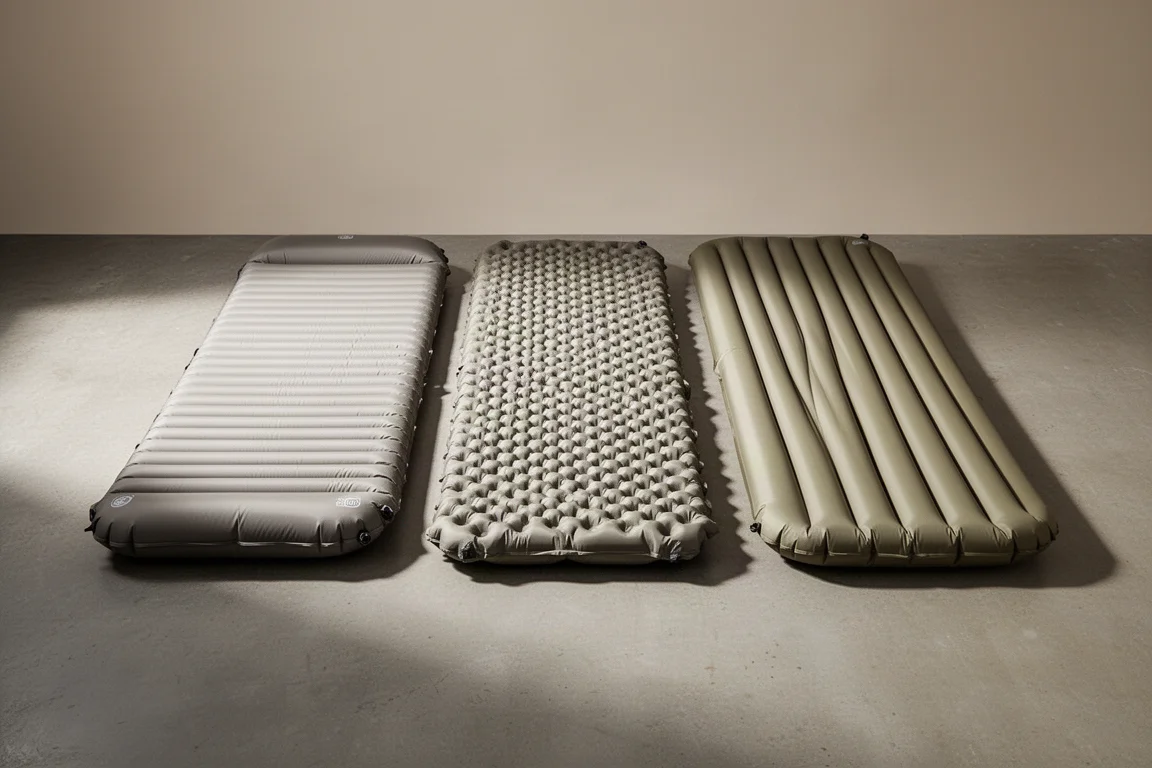
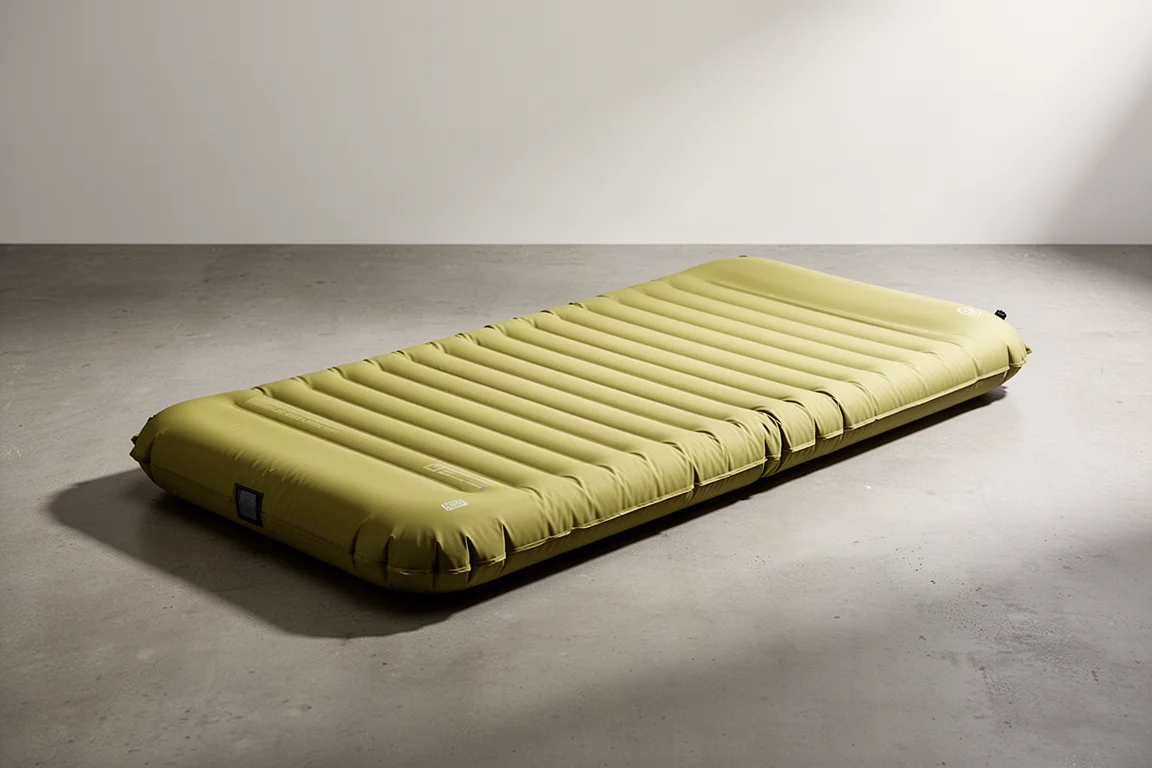
Baffle design turned out to be the strongest predictor of comfort. Two patterns made the cut: the vertical baffles used on some pads, and the dimpled baffle pattern used on others. Horizontal baffles, common on Therm-a-Rest pads, tend to let an arm go numb and lead to more repositioning through the night, which is especially noticeable for side sleepers.
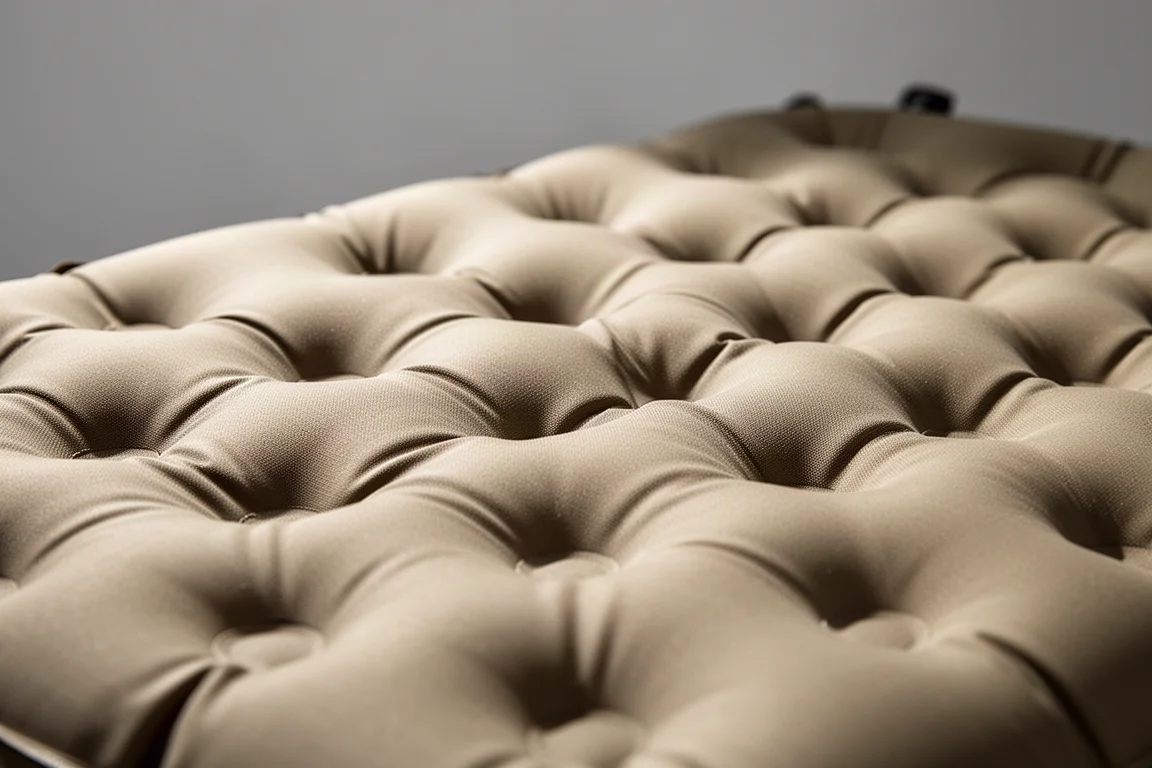
Dimpled pads work like a bed of air springs. Each pad has welded low points and raised cells between them, and those raised cells compress under load to relieve pressure points. The amount of travel in each spring, meaning the distance between the bottom of a dimple and the top of the cell beside it, decides how soft or firm the pad feels.
Pads with longer spring travel feel softer and relieve pressure more effectively, which suits heavier sleepers or anyone who prefers a plush mattress at home. Pads with shorter travel feel firmer and can work well for lighter sleepers. Vertical baffle pads sleep fairly similarly to one another, so the shell fabric often makes the difference: a softer face fabric with a little give feels noticeably more comfortable than a stiff nylon.
Therm-a-Rest Xlite: Ultralight Above All
The Xlite has been the default choice for ultralight backpackers for years, and it still offers one of the best warmth-to-weight ratios available. If your priority is carrying as little as possible, it remains a compelling option.
Comfort is where it gives ground. It is one of the least comfortable pads in this group, largely because of its horizontal baffles. Side sleepers in particular tend to feel numbness and pressure build-up in the shoulder and arm, and the pad encourages more movement during the night. Back sleepers have a much easier time with it.
Big Agnes Zoom UL: The Lightest Option
The Zoom UL is the lightest pad here, and it still manages to meet the sleep-through-the-night benchmark. It uses a dimpled baffle pattern with closely spaced weld points, so the air springs are shorter than on other dimpled pads. The result is a firmer surface, which suits lighter sleepers and anyone who prefers a stiffer mattress feel.
Warmth is worth checking carefully. The advertised R value is 4.3, but in real-world use it does not feel quite that warm, closer to around 3. For mild three-season trips that is usually fine; for shoulder-season nights it is not the pad to rely on.
That combination makes the Zoom UL a good fit for backpackers who count grams and mostly sleep in moderate conditions, and a less obvious choice for cold sleepers or anyone heading out early and late in the season.
Exped Ultra 5R: Cold-Weather Confidence
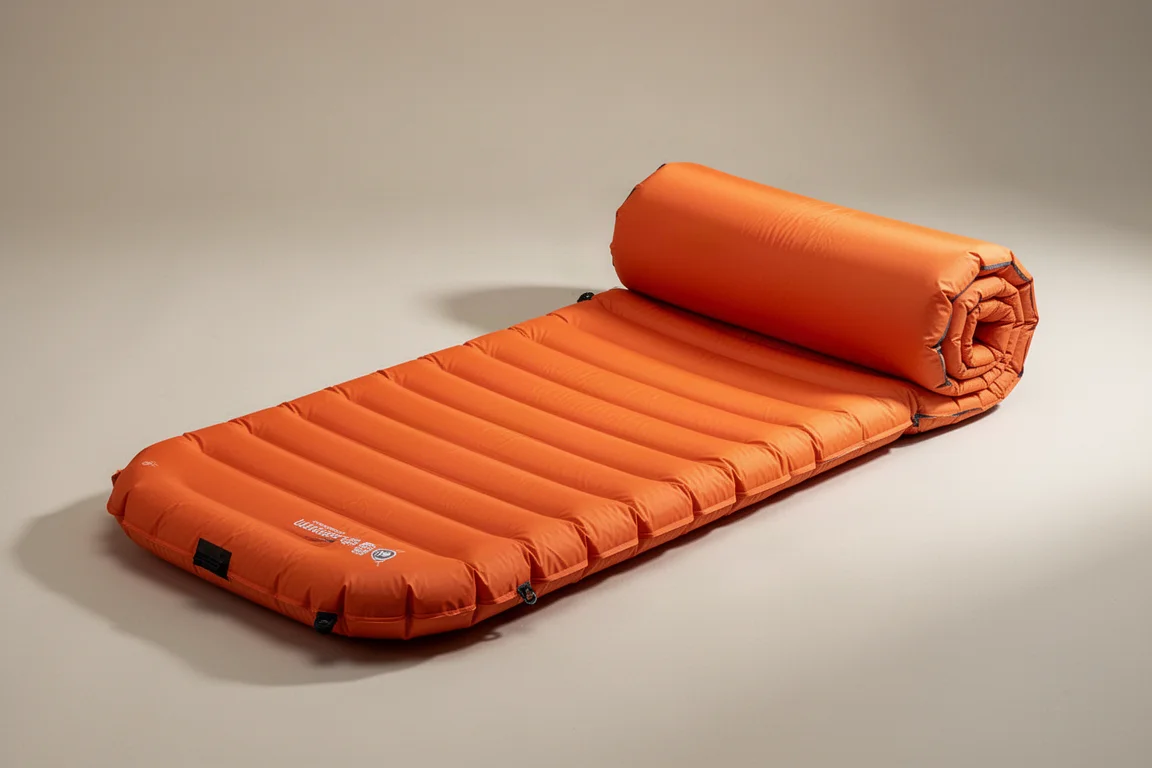
The Ultra 5R is the pad to look at if warmth matters most. Its R value is 4.8, and in practice it sleeps a little warmer than that number suggests. It has been used in the coldest three-season conditions you are likely to meet, with frozen ground and air temperatures at or just below freezing, and it performs well in them.
The reason is construction. A synthetic insulation layer is welded to both the top and the bottom of the pad, creating a robust insulative barrier between the sleeper and the ground. The baffles are vertical, which is not the most comfortable pattern for everyone, but the 20-denier polyester shell has some give and softness to it, and that makes this one of the most comfortable vertical-baffle pads available.
Sea to Summit Ether Light XT: Features That Add Comfort
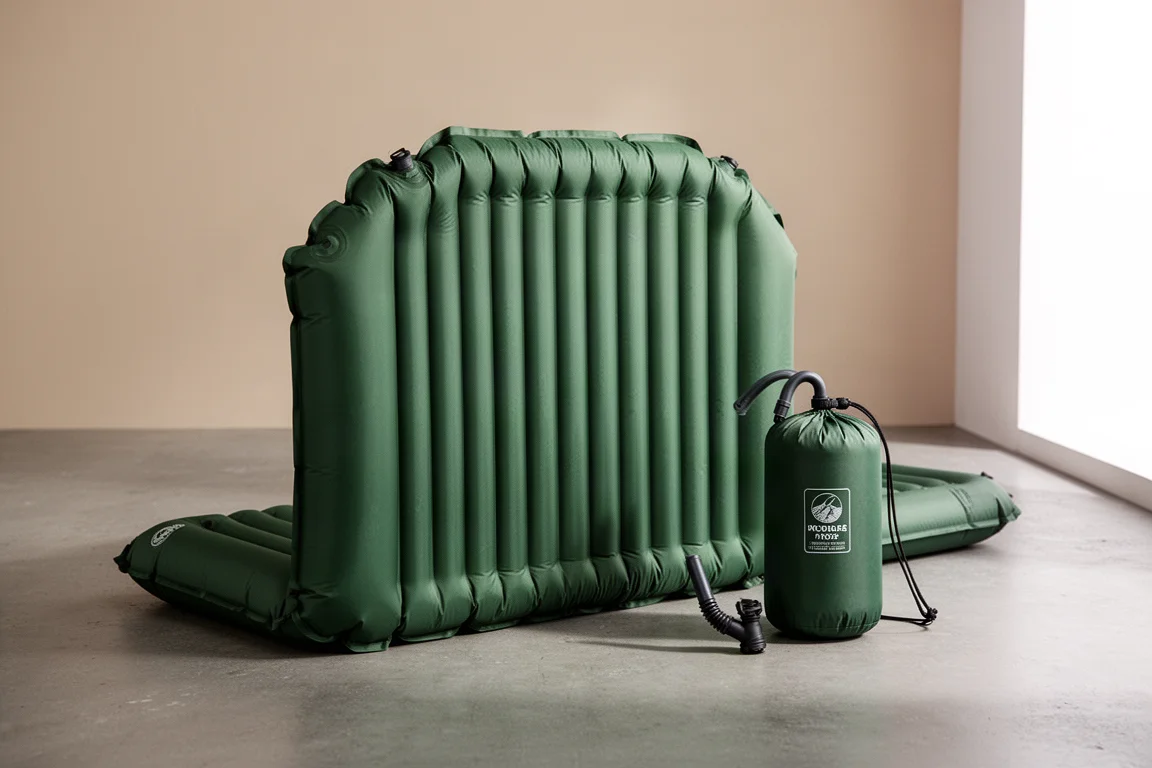
The Ether Light XT is one of the most comfortable pads in this roundup, and much of that comes from its dimpled baffle pattern. The springs have generous travel, so the surface compresses noticeably under pressure and relieves pressure points well. Warmth is the trade-off: the R value is 3.2, and in practice it sleeps under 3 because of the way the insulation is suspended inside the pad.
Ease of use also counts toward comfort, and this is where the pad pulls ahead. A pillow lock system uses velcro strips to attach a compatible Sea to Summit pillow directly to the pad, so it stays in place instead of sliding around the tent overnight.
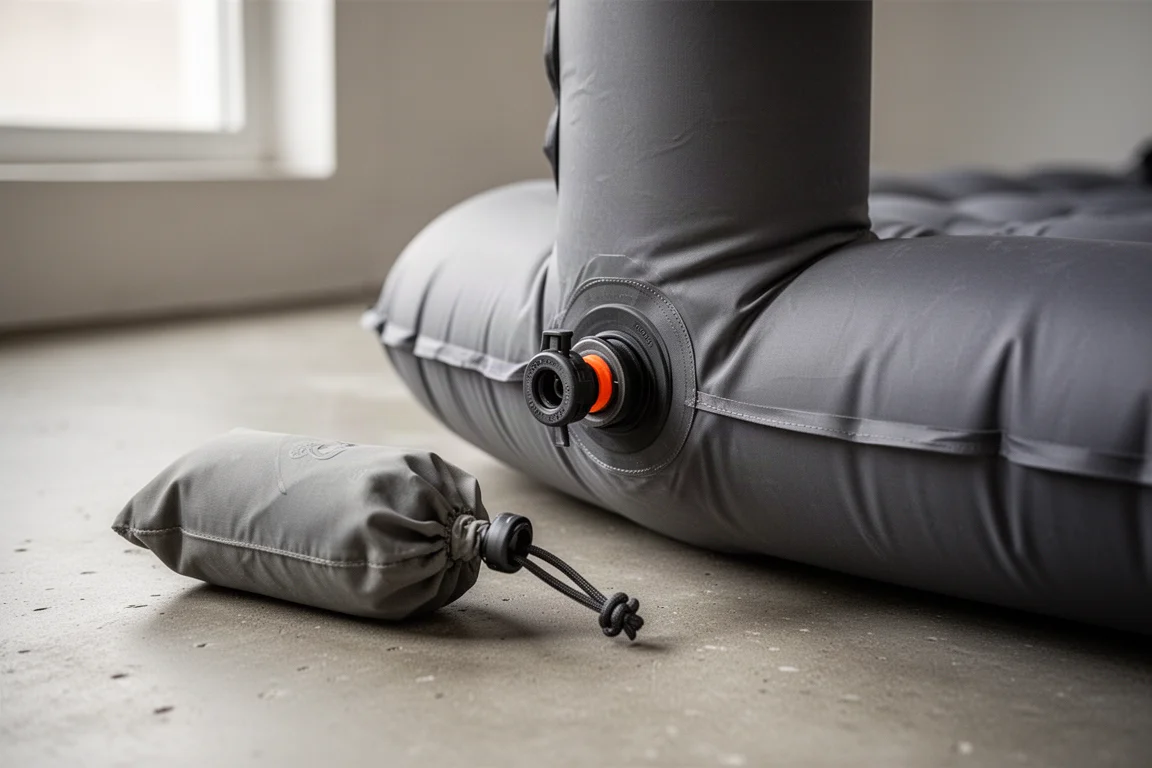
The valve system is the most user-friendly design here. It is a two-way valve: open the first flap to attach an inflation sack and fill the pad with minimal breath, then open the second flap to dump the air quickly when packing up. Pressing the valve releases a small amount of air so you can fine-tune firmness, and around 80 percent inflation is a good starting point for comfort. Keep in mind that letting air out also reduces warmth. The included storage sack doubles as the inflation bag.
Big Agnes Divide: The Budget Comfort Pick
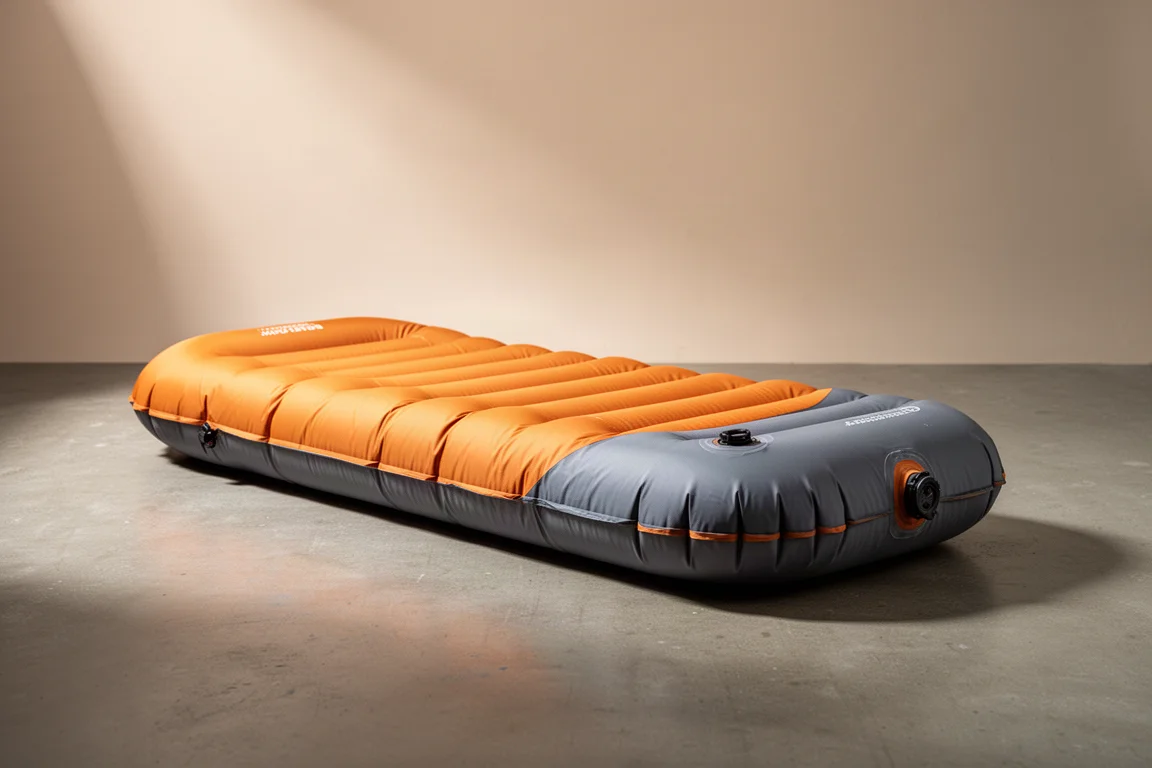
The Divide is the value option, and it is a genuinely comfortable one. It uses vertical baffles and a nylon shell, so it does not have the same softness and give as the Exped, but it still sleeps well. Its R value of 4 is respectable for three-season use.
Price is the headline. At $150 it is the least expensive pad here, and it frequently sells for $100 or less. The compromise is weight: at 851 g it is the heaviest pad in this group. If you are stepping up from an older pad or buying your first setup, that trade is often worth making. A 25-inch wide version is the one to choose if comfort is the goal.
REI Helix: The Most Comfortable Pad Overall
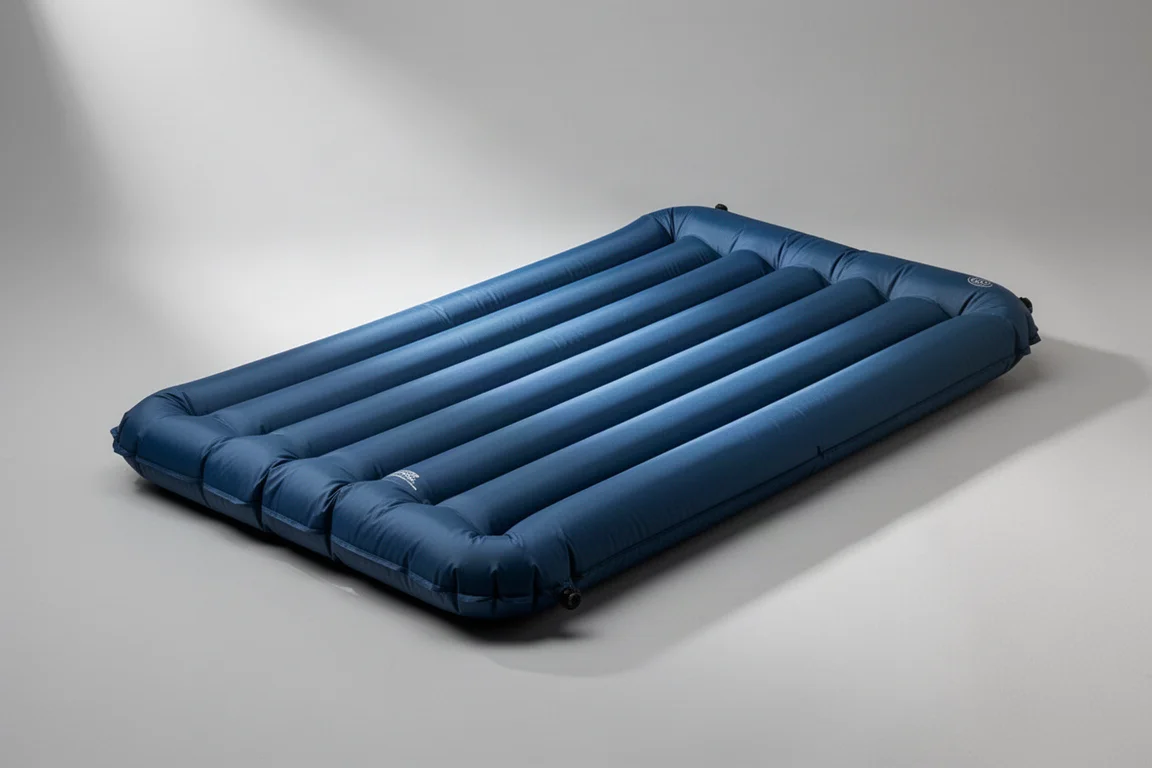
The Helix is the most comfortable pad in this roundup, and it earns that on baffle design. Its dimpled pattern has more travel and more spring than the Ether Light XT, so it relieves pressure points even more effectively and feels softer under a side sleeper.
Warmth is close behind the best here as well. Its R value of 4.9 makes it one of the warmest pads in the group, and in real-world conditions it sleeps only slightly behind the Exped. Weight is 700 g for the pad alone, which is on the heavier side, but the balance of warmth, weight, and comfort is what makes it a regular choice.
The clearest illustration is what happens when a quilt is used without pad straps, which normally allow air gaps and drafts to form as you move. On the Helix, sleeping through the night on one side without pressure points has become the norm rather than the exception.
Buying Advice: Matching a Pad to Your Sleep Style
Start with how you sleep. Side sleepers get the most benefit from dimpled pads with long spring travel, where the Helix and the Ether Light XT are the strongest options. Back sleepers have more freedom and can often use a lighter pad such as the Xlite and take advantage of its warmth-to-weight ratio.
Then weigh the conditions. If you regularly camp in cold three-season weather, the Ultra 5R is the safest pick, with the Helix close behind. If most of your trips are mild and you are counting grams, the Zoom UL is the lightest route to a full night of sleep.
Finally, decide what you are willing to trade. The Divide asks for extra weight in exchange for a low price. The Ether Light XT asks for a little warmth in exchange for the best valve and pillow system in the group.
Conclusion
Comfort is subjective, and no single pad will suit every sleeper. What the six options here show is that the choice comes down to a clear set of trade-offs: warmth against weight, firmness against softness, and features against price. The Helix is the most comfortable overall, the Ultra 5R is the warmest for cold conditions, the Zoom UL is the lightest, the Ether Light XT has the best features, the Divide is the best value, and the Xlite remains the ultralight reference point for anyone who can sleep on almost anything.
Further reading
Related Reviews
Sleeping Pads
Best Backpacking Sleeping Pads 2026: Nine Pads Rated on Price, Comfort, Warmth, and Weight
Nine backpacking sleeping pads compared on price, comfort, warmth, and weight, from a $65 summer pad to a year-round option rated at R-7.3.
Sleeping Pads
Best Backpacking Sleeping Pads: Comfort, Warmth, and Weight Compared
A practical comparison of the Nemo Quasar 3D, Therm-a-Rest NeoAir XTherm Max, and Big Agnes Rapide SL for backpackers choosing between comfort, warmth, and packed weight.
Sleeping Pads
Best Backpacking Sleeping Pads: Ultralight, Winter, Comfort and Budget Picks
A practical roundup of the sleeping pads that stand out for ultralight weight, winter warmth, pressure relief and value, plus three popular pads that fell short.