Backpacking Gear
The Most Comfortable Backpacking Gear List: 10 Items Worth Carrying
A comfort-focused backpacking kit built around a roomy shelter, a thick sleeping pad, and small items that make camp easier to live with.
Introduction
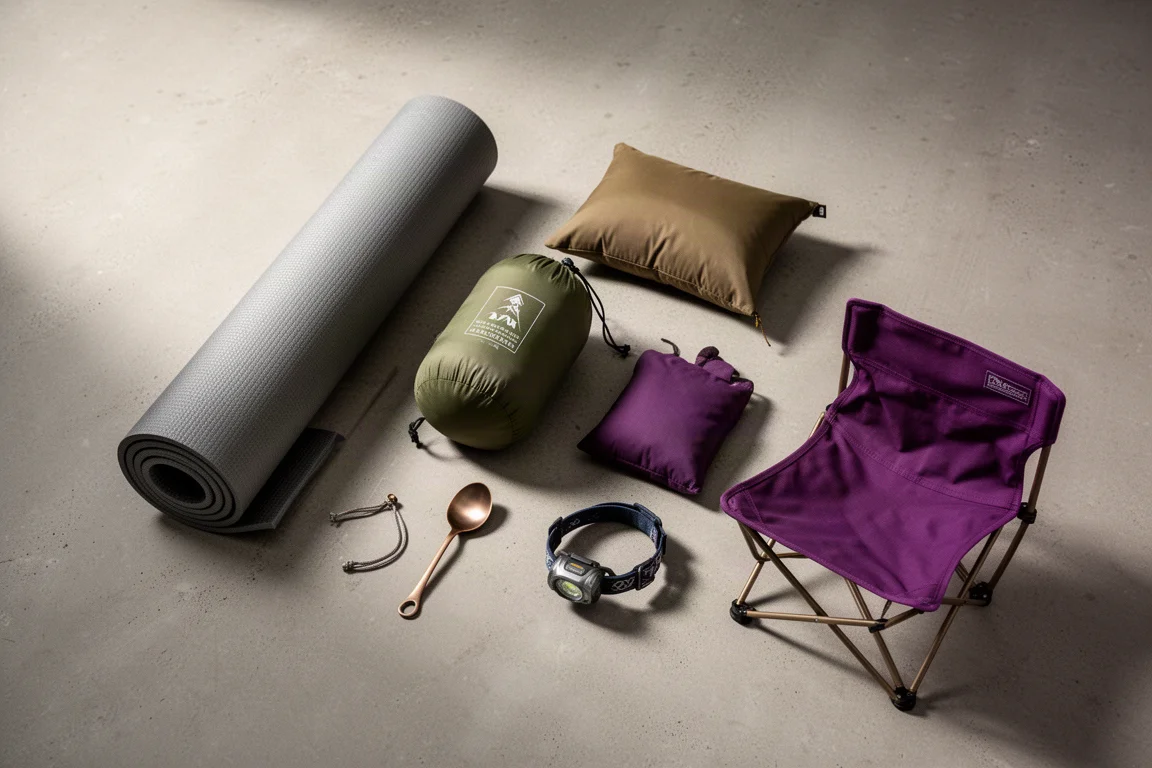
Comfort on a backpacking trip rarely comes from a single purchase. It comes from a shelter that pitches without a fight, a sleep system that lets you stay asleep, and a handful of small items that make camp feel less like a chore. The ten items below follow two priorities: comfort at camp and on the trail, and gear that does not weigh so much that the hiking itself becomes the hard part. Several picks are also budget friendly, so a comfortable kit does not have to be an expensive one.
What Makes This Kit Comfortable
The starting point for this list is the balance between weight and comfort. Every item here adds comfort in a specific way, whether that is a wider sleeping pad, a quieter stove, or a chair that makes a long evening at camp pleasant. The trade-off is that the most comfortable versions of a sleeping pad or a camp chair are rarely the lightest, so this kit works best on trips with moderate mileage where camp time matters more than a minimal base weight.
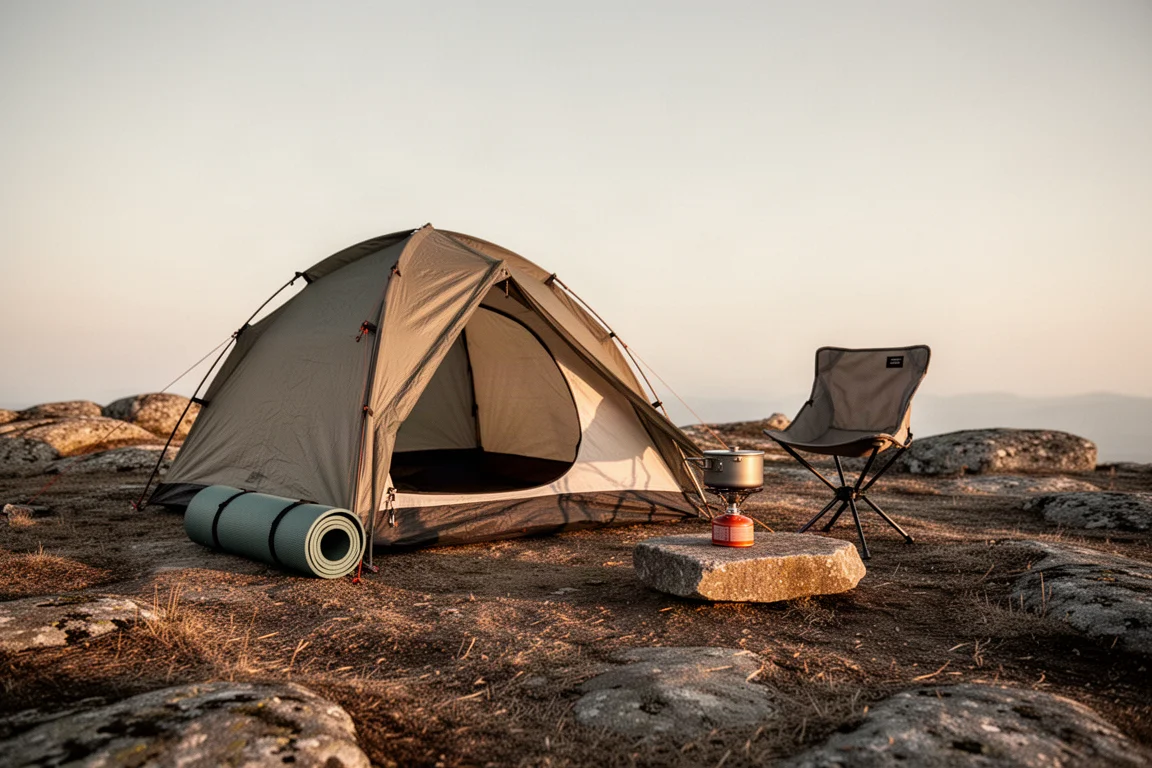
A second theme is simplicity. An all-in-one tent pitch, a stove that boils water without fuss, and a pillow that stays where you put it all reduce the small frustrations that add up over a multi-day trip. None of these items require a complicated routine, and most of them can be swapped for a lighter alternative later if your priorities change.
REI Flash 55: A Pack That Carries Weight Comfortably
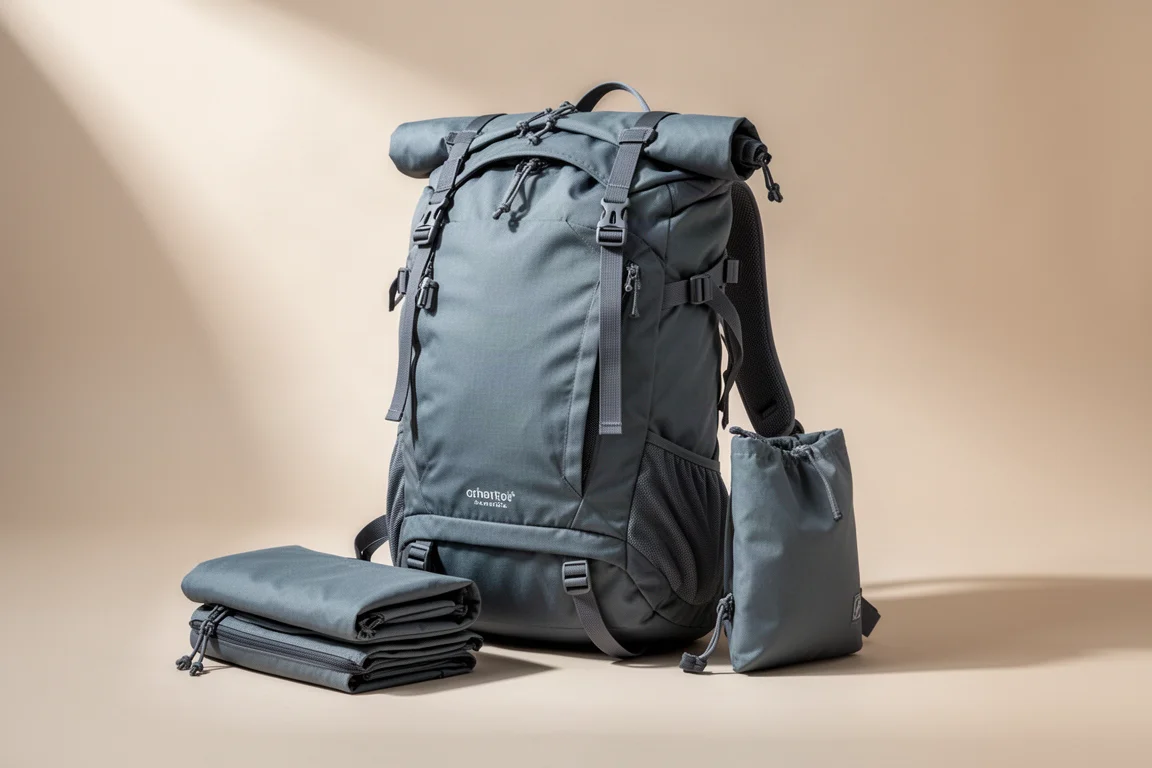
The REI Flash 55 is a relatively lightweight pack with an adjustable torso, and it is the pick here for trips where the load runs heavier than usual. It carries weight comfortably up to around 45 lbs, and the harness spreads that load well enough that the pack stays easy to live with on the move. The side water bottle pockets are genuinely usable, so reaching back for a bottle and returning it one-handed is not a struggle.
If you want to save weight, the Zpacks Arc Haul is lighter but considerably more expensive. When comfort under load matters more than the number on the scale, the Flash 55 is the more practical starting point.
Durston X-Dome 2: An Easy-Pitch Shelter for Two
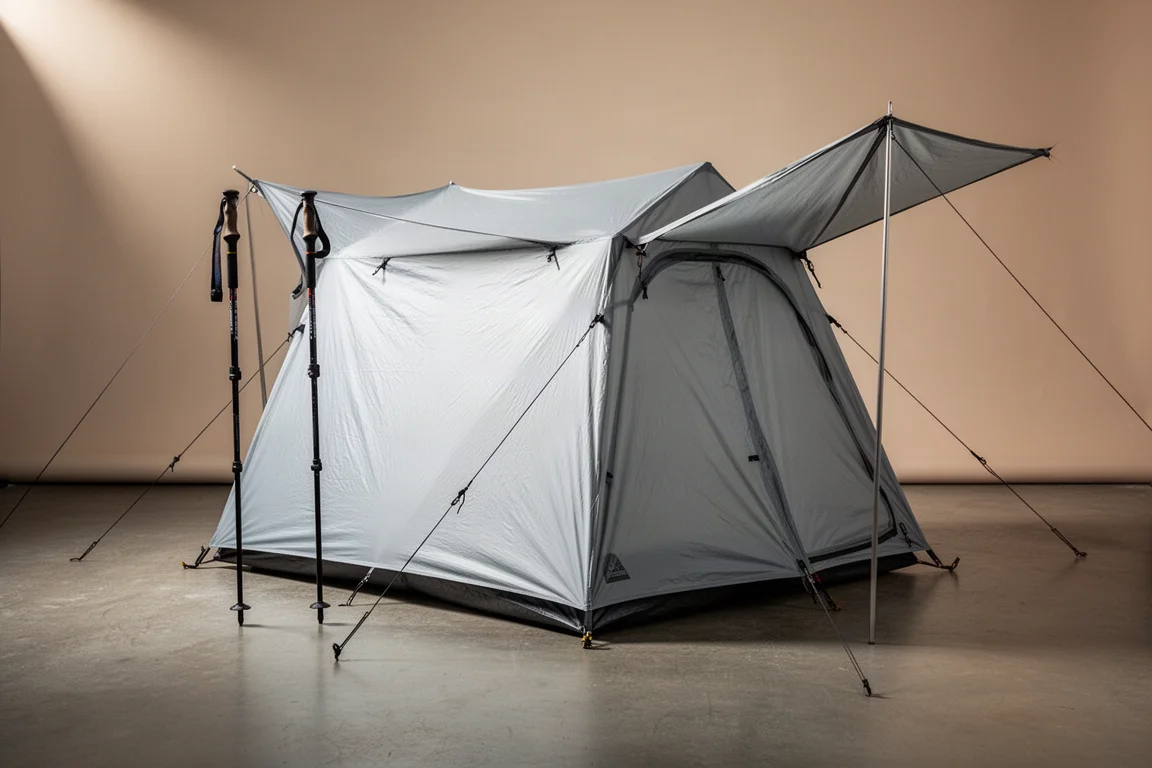
The Durston X-Dome 2 is a two-person tent that goes up in a single all-in-one pitch, which is a real advantage at the end of a long day or when weather is moving in. It uses carbon fiber poles and a silpoly fly, and it is stormworthy for its size: fully guyed out, with two trekking poles supporting the brow pole, it can handle winds of around 50 km/h.
Interior space is just enough for two people on 25-inch wide pads, with a little room left in the corners for gear. It is not the widest tent in this class, so anyone who spreads out at night should check the dimensions closely. Solo hikers have two related options: the smaller Durston X-Dome 1+ is more stormworthy because of its reduced size while still being roomy for one person, and the X-Mid Pro 2+ is a lighter Dyneema Ultralite tent that costs more.
Therm-a-Rest NeoLoft: The Most Comfortable Pad in This Kit
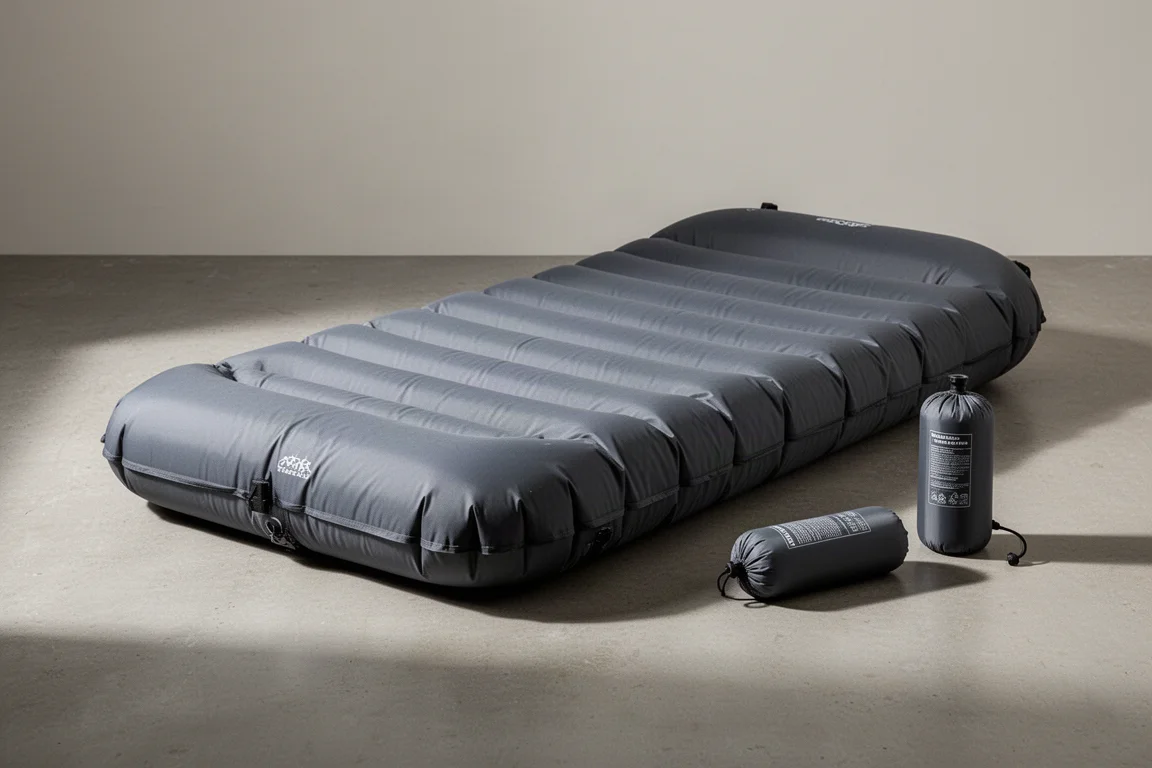
A sleeping pad is the keystone of a comfort-focused sleep system, and the Therm-a-Rest NeoLoft is the most comfortable pad in this kit. It measures 26 inches wide, wider than most pads sold in a wide size, and it is 4.6 inches thick with an R-value of 4.6 for three-season use. The stretchy face fabric gives noticeably under pressure, which helps relieve pressure points through the night.
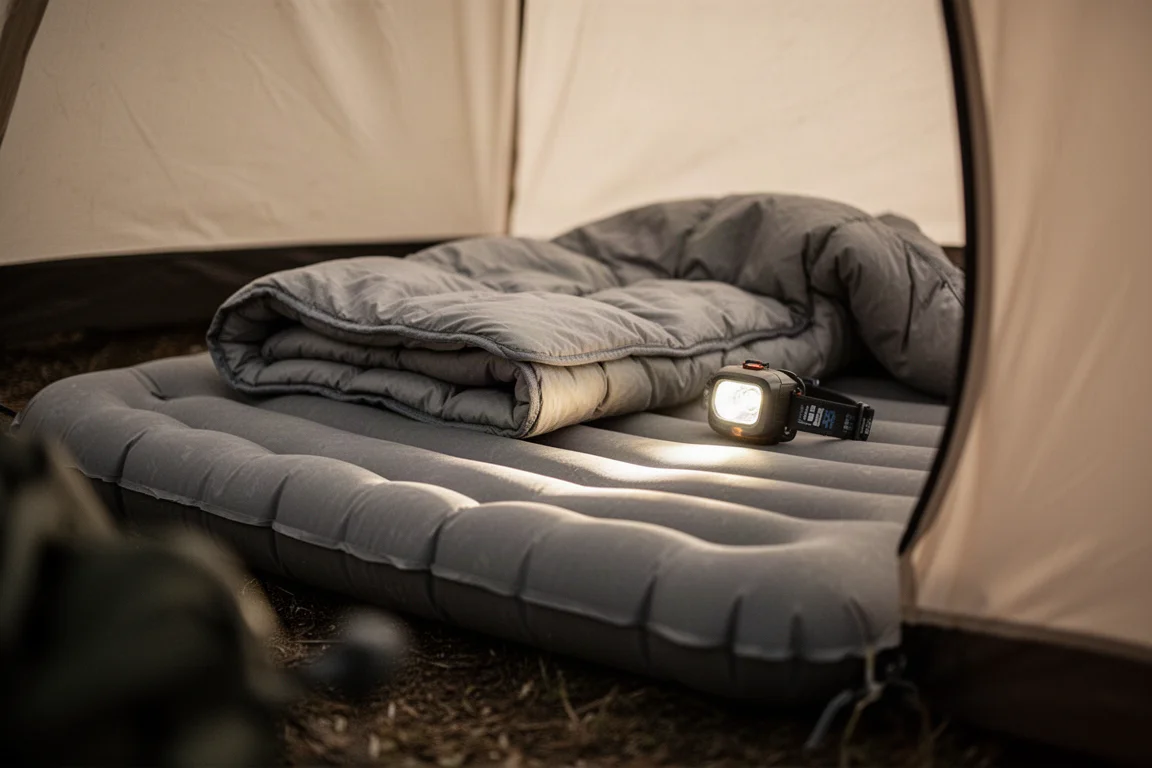
The trade-off is weight, since this is not a light pad. It suits low-mileage trips where carrying a little more is an acceptable price for better sleep. Two alternatives are worth knowing: the REI Helix is a comfortable pad at a lower price, and the Naturehike 8.8 is thick and very budget friendly, although its R-value should not be read as a below-freezing rating.
Exped Mega Pillow: Height and Width for Side Sleepers
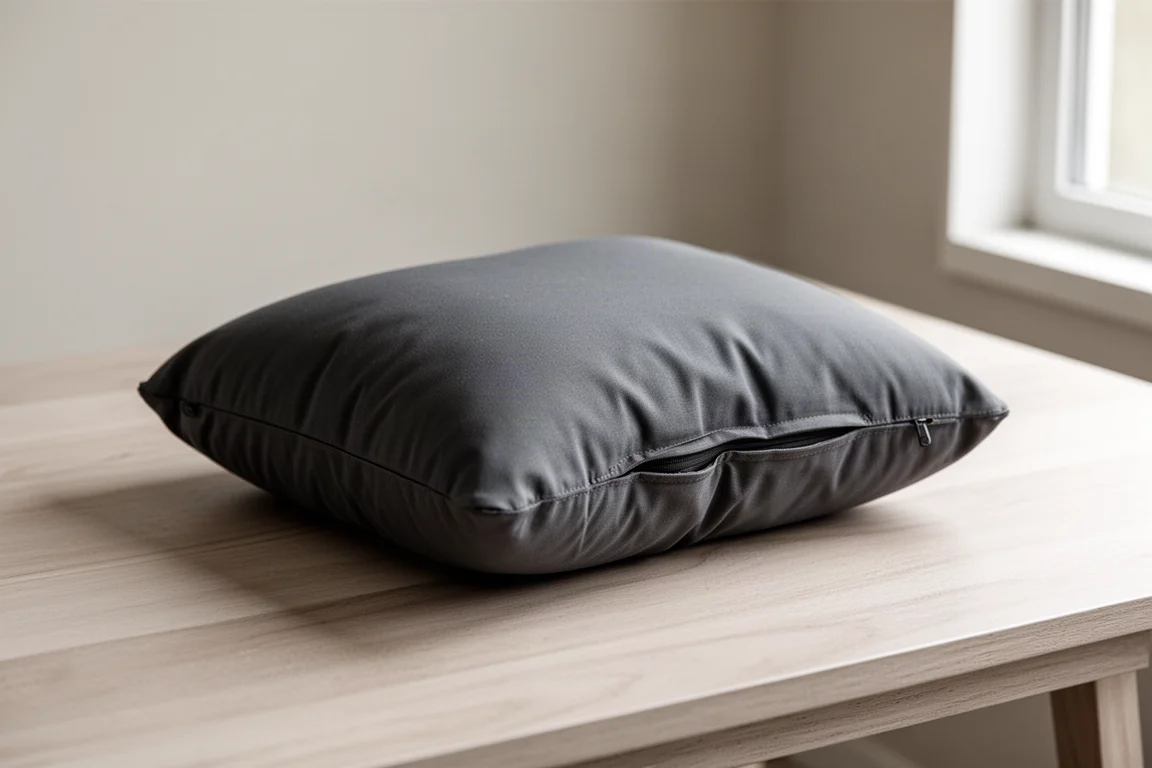
The Exped Mega Pillow is the comfort pick for your head. It is large, wide and tall, which makes it particularly useful for side sleepers who need more height to keep the neck aligned. Two loops on either side accept a pad strap, so the pillow can be locked to the sleeping pad instead of sliding away in the night. A little insulation on top and a soft face fabric round out the design.
If you use a quilt system with a pillow sleeve at the head end, the pillow can be held in place without a strap at all.
Rock Front 350: Draft-Free Insulation for Colder Nights
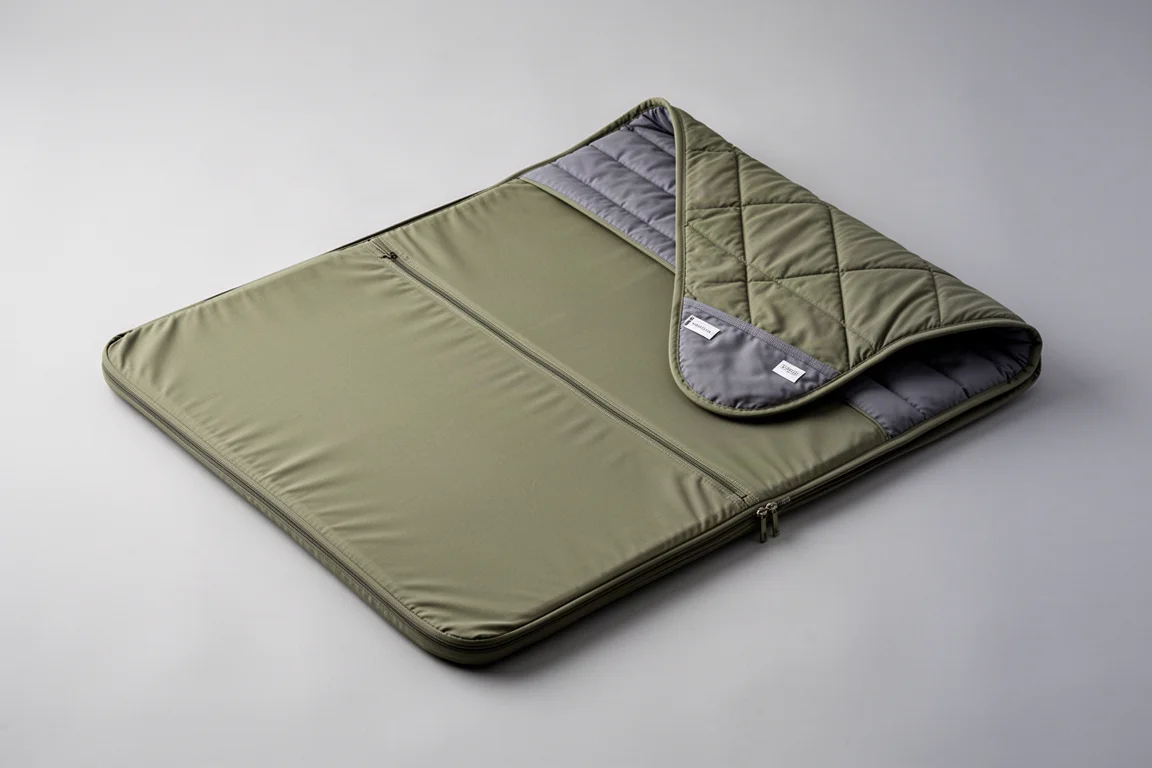
Top insulation is where the Rock Front 350 earns its place. A sheet attaches to the sleeping pad, and a top quilt zips to that sheet all the way around the perimeter. Because the connection runs the full way around, the quilt stays in position when you turn over, and the system does a good job of sealing out drafts. There is also a pillow sleeve at the head end to keep a pillow from wandering.
The system is rated for use down to about freezing. For trips in temperatures below that, the Zenbivy system carries lower temperature ratings and adds a hood that some sleepers prefer. Weight and price are what tipped the decision toward the Rock Front 350 for this kit.
MSR WindBurner: Quiet, Efficient Cooking
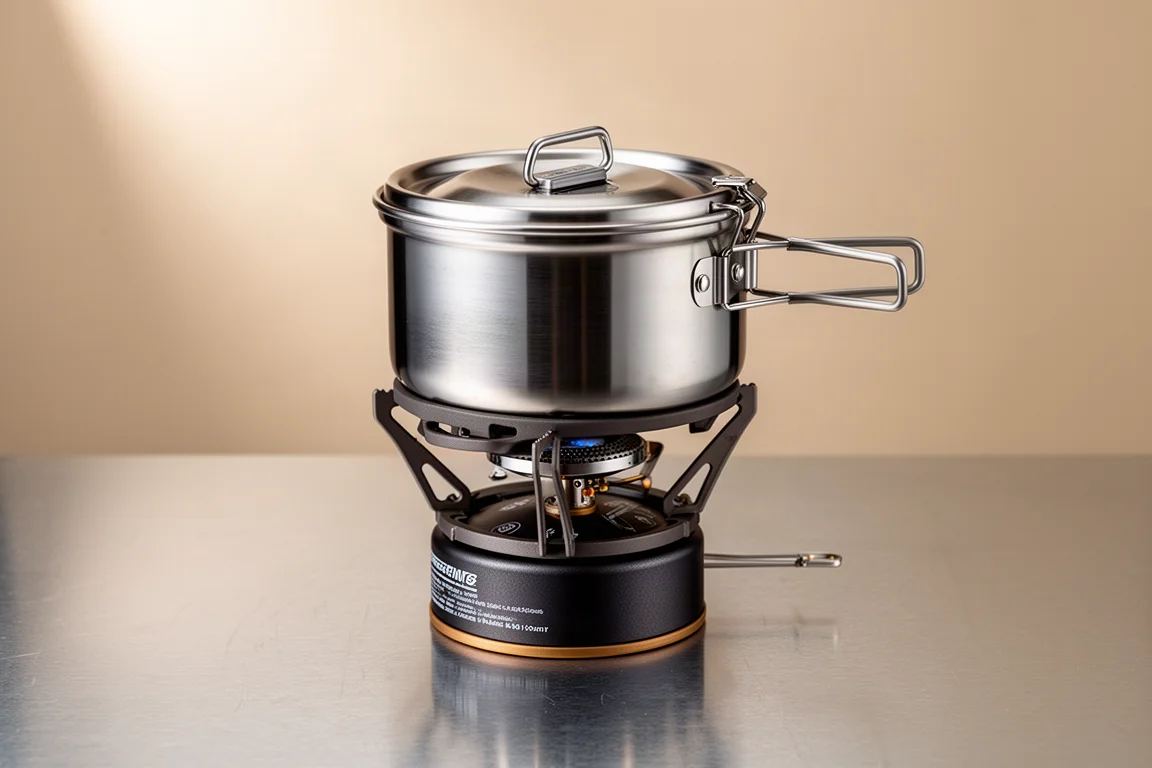
The MSR WindBurner is heavier and more expensive than most canister stoves, and it is still the stove in this kit for two reasons. It is very efficient and boils water quickly, and it burns quietly, which matters when the point of the trip is solitude. A quiet stove is a small detail that changes how camp feels.
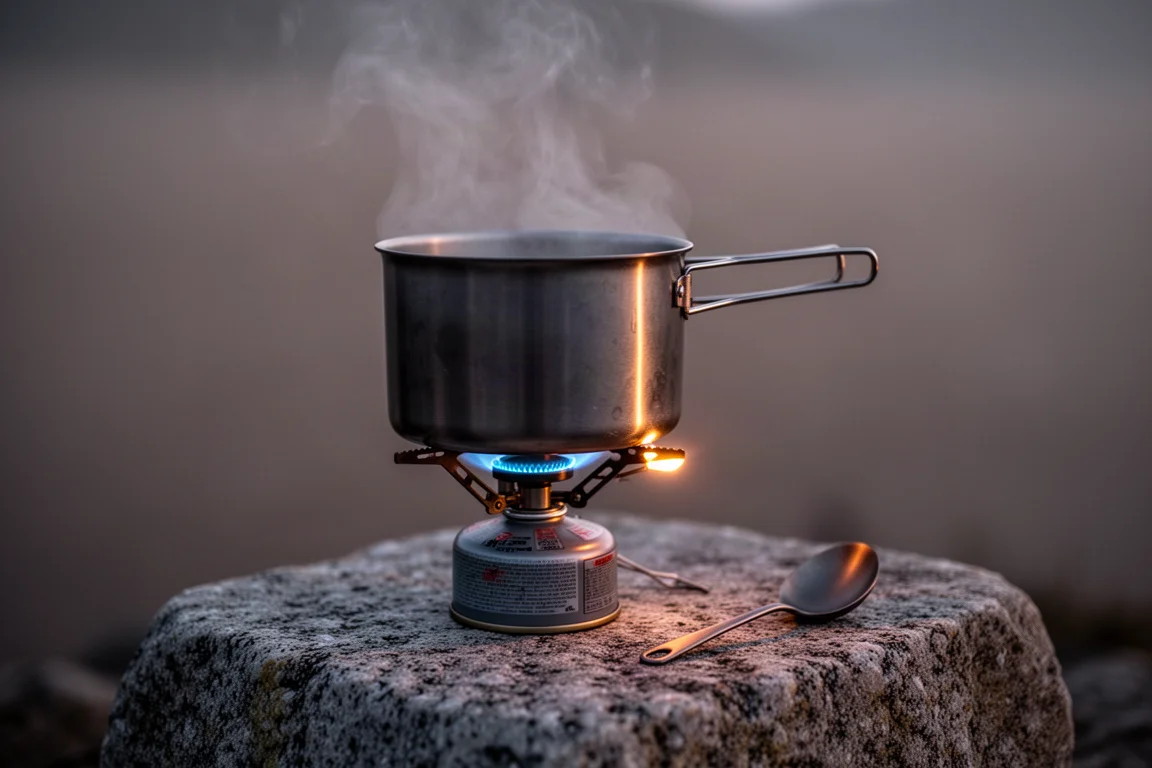
Lighter and cheaper options exist, including the MSR PocketRocket Deluxe and a basic canister stove that costs a fraction of the price. Those give up the efficiency and the quiet burn that make the WindBurner pleasant to use every day.
Garmin inReach Messenger Plus: Messages From Anywhere
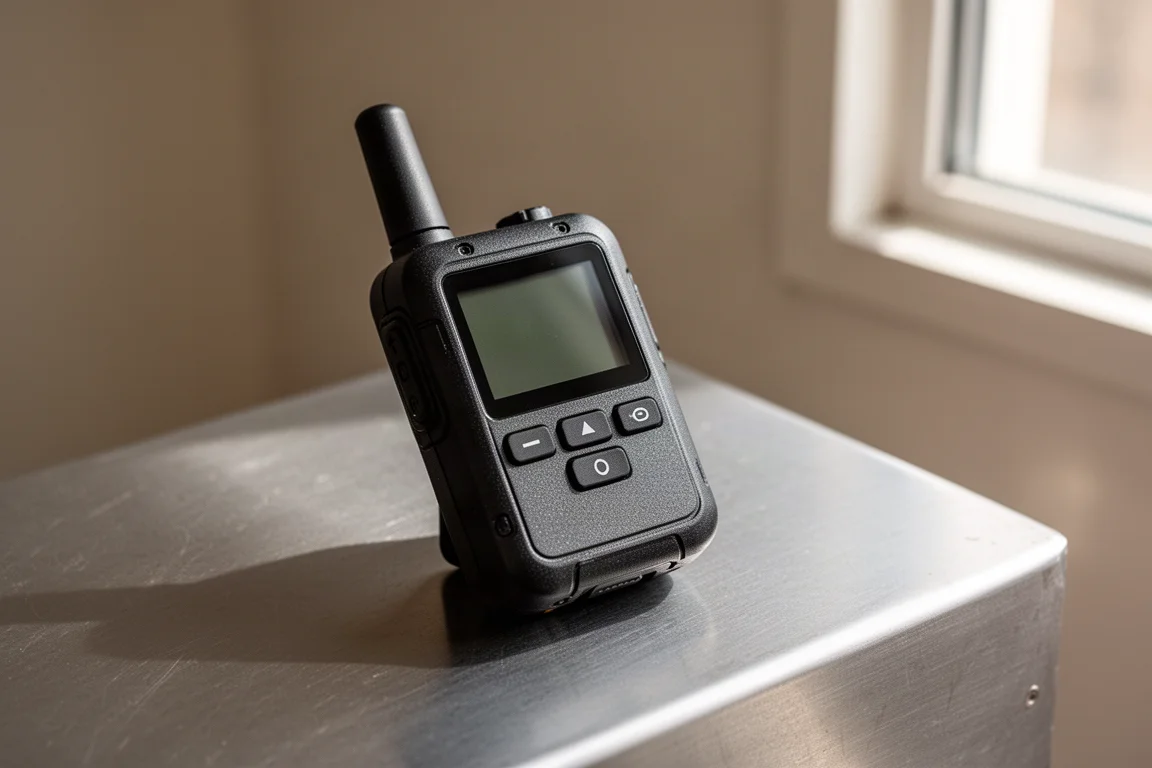
The Garmin inReach Messenger Plus covers communication and safety. The features used most are picture messaging, which makes it easy to share where you are with people at home and to receive photos back, and audio messages, which add tone and context that text cannot carry. Standard text messaging and SOS functions are part of the package as well.
On solo trips in particular, a dedicated satellite communicator is the dependable option when phone coverage is unreliable, which is why this device comes along every time.
Nitecore NU20: A Lightweight Headlamp With Two Buttons
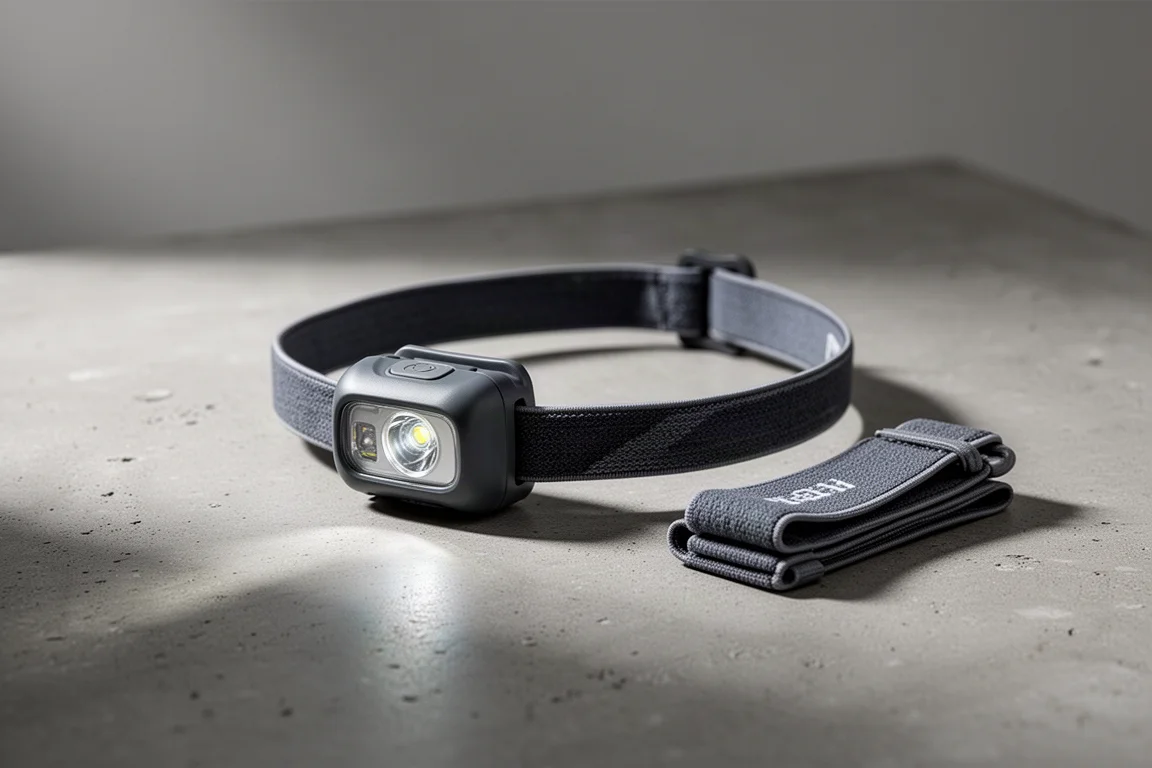
The Nitecore NU20 is the headlamp in this kit for its price, its weight, and one practical detail: separate buttons for the red light and the main light. That means no cycling through modes to reach the beam you want. It is light enough for ultralight trips and capable enough for winter use, so it works across a wide range of trips rather than only comfort-focused ones.
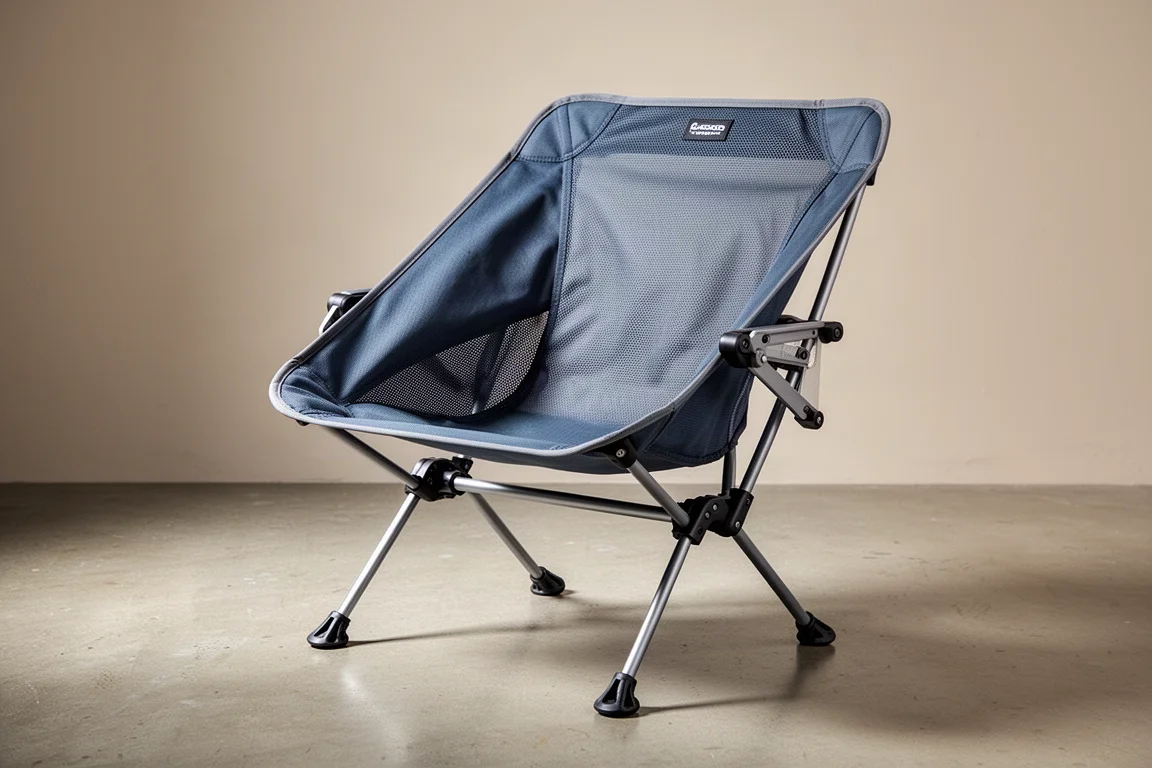
Nemo Moonlight Elite: A Camp Chair That Earns Its Place
A chair is a key comfort item on a relaxed trip, and the Nemo Moonlight Elite is the most comfortable chair in this kit. Adjusters on the sides let you recline and relax or cinch the seat forward for a more upright position. The carry case doubles as a footprint, which keeps the legs from sinking into sand and gives you somewhere to set a rock for stability in strong wind. It is also a lightweight chair for what it offers.
Decathlon MT 100: Warmth Without the Price Tag
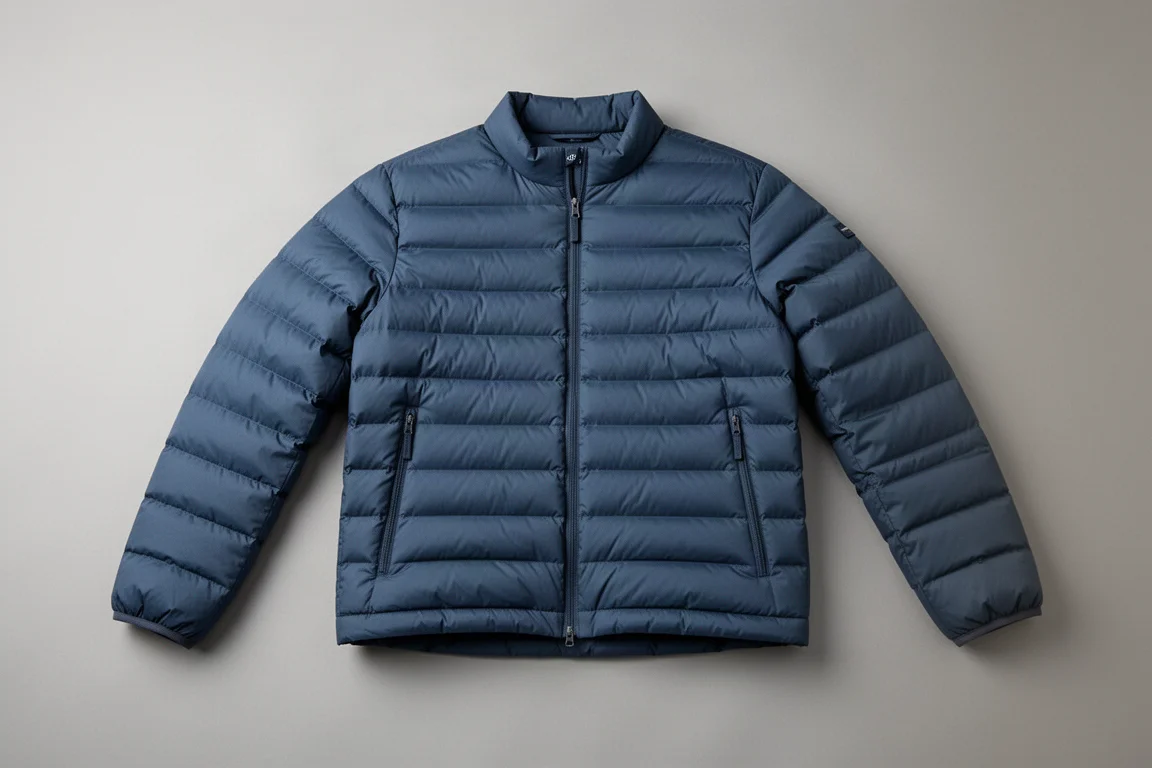
The Decathlon MT 100 is the down jacket in this kit. It is lightweight, it does not cost a lot, and it is warm enough for three-season use. For most trips there is little reason to spend more unless the goal is an extremely light pack. A fleece layer from the same brand is a cheap way to add camp insulation: the fleece jackets and pants run around $20 or less and are warm yet light, because they skip the extra features you do not need.
A rain layer completes the clothing. A non-breathable rain hoodie with a large chest zip and pit zips can dump heat when you are working hard, packs down small, and stays affordable.
Overall Buying Advice
Start with the sleep system, because a wide, thick pad and a pillow that stays in place do more for how a trip feels than almost anything else. If your trips are short and camp time is the priority, the NeoLoft, the Exped Mega Pillow, and a camp chair are worth the extra weight. If you cover more miles, the REI Flash 55 keeps a heavier load manageable, and the Nitecore NU20 and a 10,000 mAh power bank take care of the small electronics.
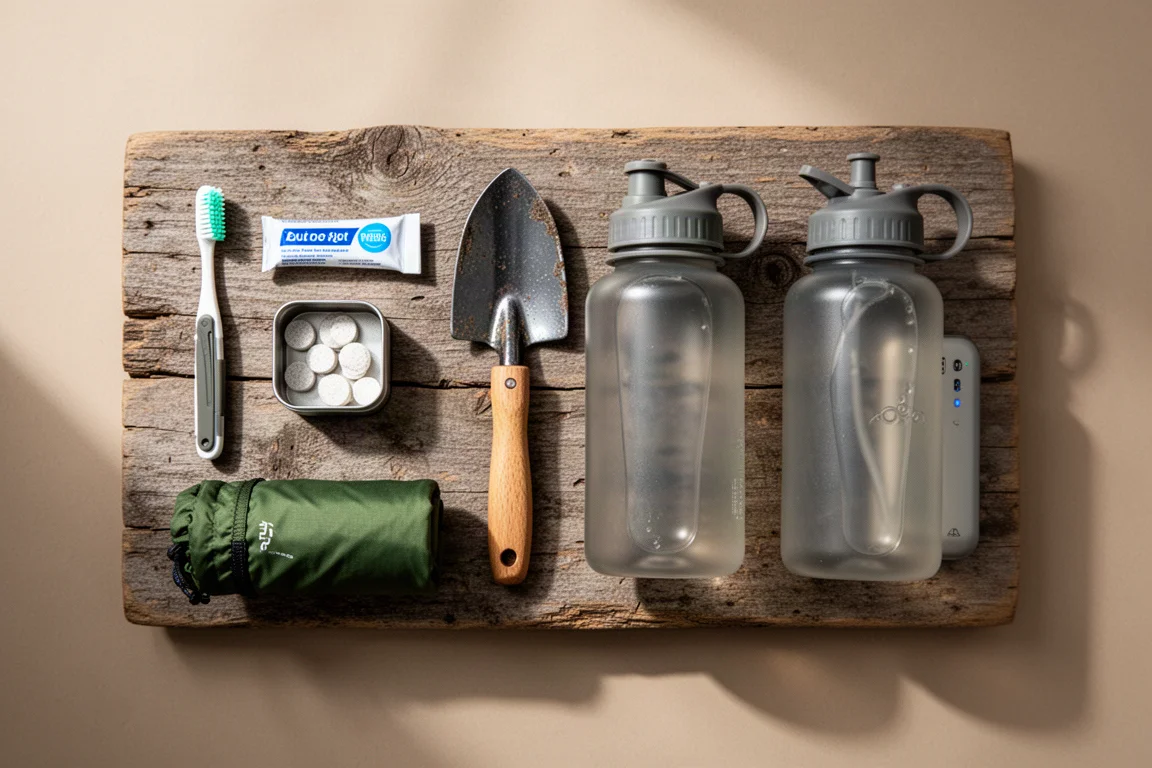
A quiet pump makes inflating a thick pad much less tedious, and a satellite communicator belongs in the kit on solo trips no matter how light you are travelling. Water and hygiene are the final pieces: one-litre bottles with flip caps and a fast filter cover hydration, while a lightweight trowel, powdered soap, and a folding toothbrush cover the rest.
Conclusion
A comfortable backpacking kit is less about one standout purchase and more about matching each item to the way you actually travel. The picks above lean toward camp comfort, with lighter and cheaper alternatives noted along the way. If sleep is your priority, start with the pad and the pillow. If you want a shelter that goes up in a single pitch, the X-Dome 2 is the first one to look at. Either way, the goal is the same: gear that lets you rest well and still enjoy the hike.
Further reading
Related Reviews

Backpacking Gear
Building a 10 lb Base Weight: An Ultralight Backpacking Gear List
A practical walkthrough of the ultralight pieces behind a 10 lb base weight, from a 765 g pack and a roomy one-person tent to a full camp chair and a dependable water filter.

Backpacking Gear
A 15-Pound Lightweight Backpacking Gear List for Solo Trips
A beginner-friendly 15-pound backpacking setup built from easy-to-find gear, with notes on what each piece does, how it packs, and where to spend your attention.

Backpacking Gear
8 Ultralight Backpacking Gear Upgrades Worth Carrying
Eight small, affordable backpacking upgrades that solve real trail annoyances, from a pillow that stays put to a fuel valve that rescues leftover canister gas.