Backpacking Gear
Most-Bought Backpacking Gear: 10 Practical Picks Worth Packing
Ten backpacking items that keep showing up in packs, from titanium cookware and blister tape to power banks, camp pillows and rain gear.
Introduction
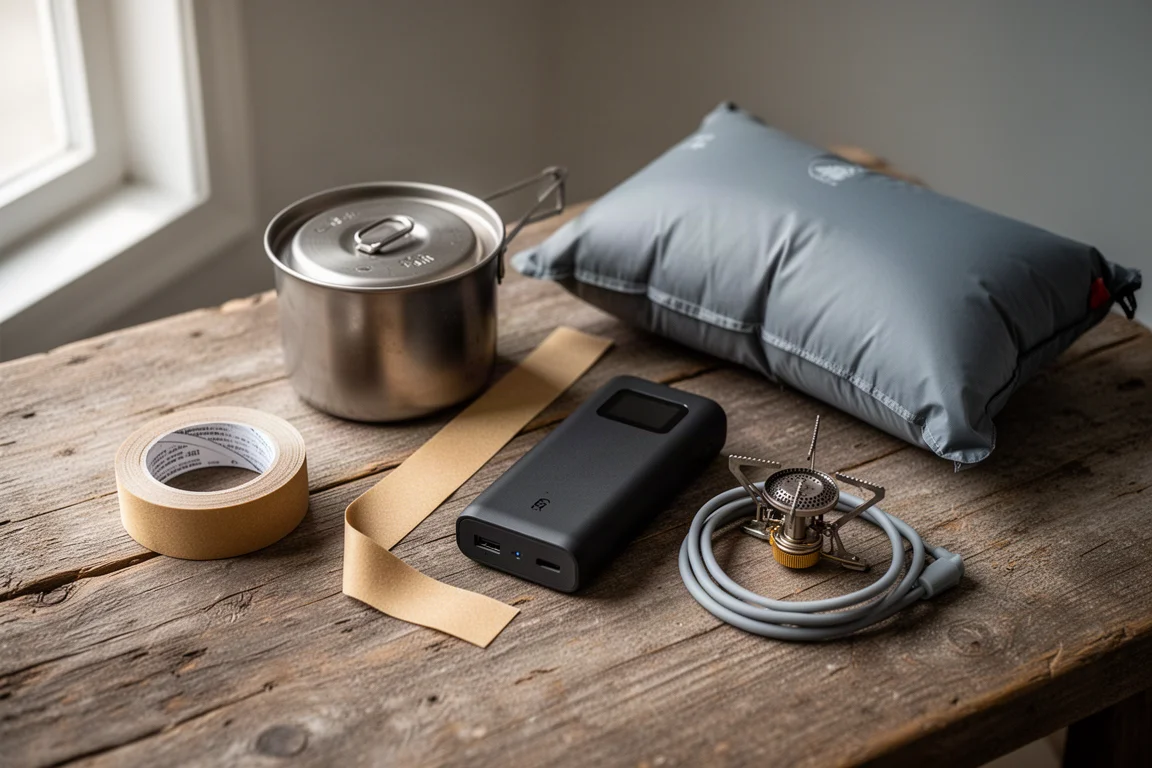
Some gear earns its place through clever design, and some earns it by being bought over and over again by people who actually sleep outside. This roundup covers ten backpacking items that have proven unusually popular with hikers, from a titanium pot that shows up in close to half of one community survey to a camp pillow that has been purchased in the thousands.
The mix says a lot about what matters on trail. There are ultralight staples, a few remarkably cheap electronics, and several items that exist purely to fix small, recurring annoyances. Almost none of them are exotic, and that is the point: these are the pieces people pack, use, and replace with the same model when they wear out.
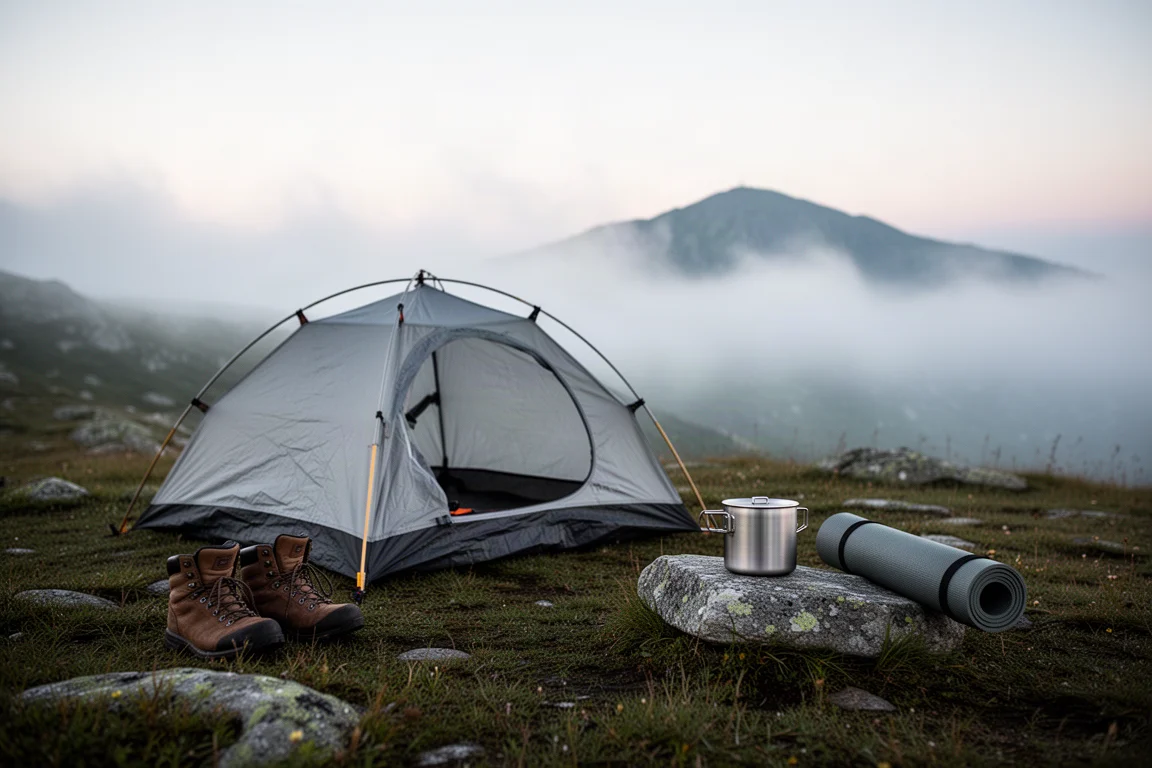
Below, each item gets the same treatment: what it does well, where it falls short, and the kind of trip it suits. Where a price was available, it is noted.
Toaks 750ml Pot
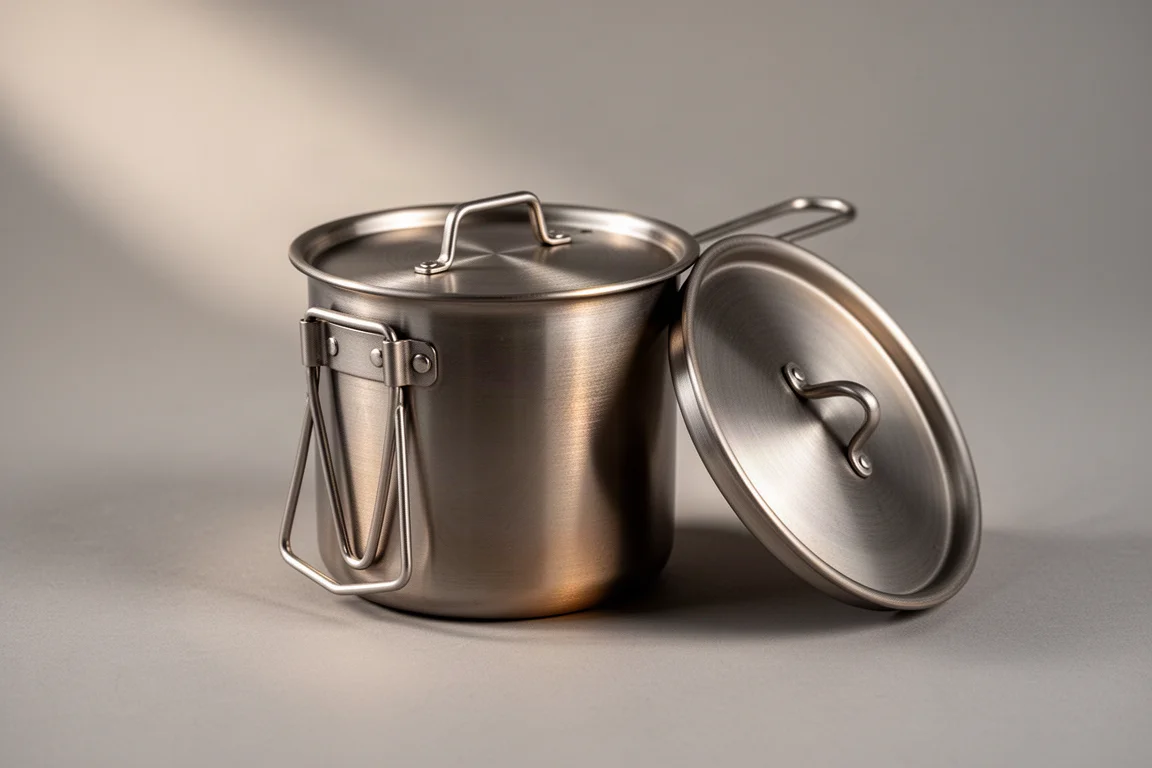
A 750 ml titanium pot sits in a useful middle ground. It holds enough water to rehydrate essentially any freeze-dried meal, and it often leaves a little extra for a hot drink at the end of the day. Titanium is also exceptionally durable, which explains why so many owners have been carrying the same pot for years rather than replacing it.
The recurring complaint is the lid. It does not stay seated, and it is easy to lose when the pot is being packed or emptied. It is a small flaw on an otherwise well-judged piece of cookware, and it suits solo hikers and lightweight campers who boil water rather than cooking elaborate meals.
Leukotape
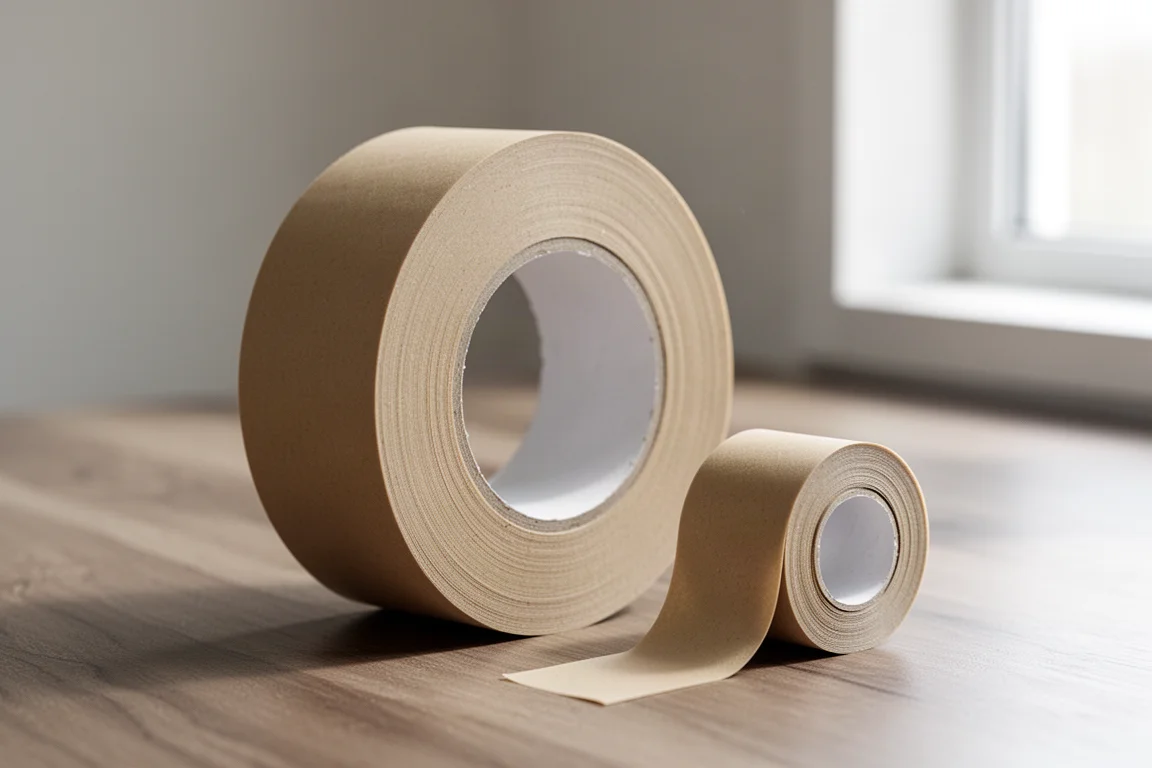
Few things end a trip faster than a blister, and good footwear only goes so far. Adhesive blister tape is the other half of the solution. This tape sticks firmly, stays in place for several days at a time, and resists folding or creasing underfoot, which is what makes it more effective than a general-purpose plaster.
Buying large rolls and re-rolling short lengths into small, packable spools keeps the weight and bulk negligible.
VTOX Power Bank
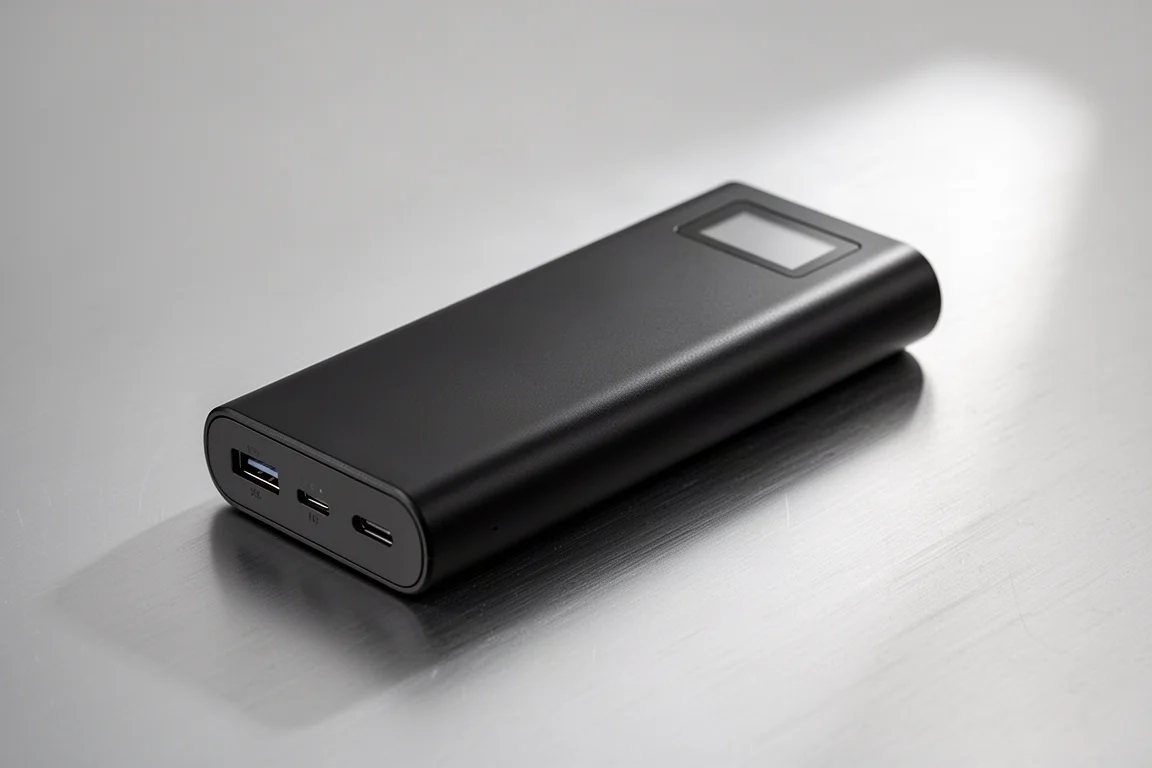
At 165 g and around $25, this power bank is aimed squarely at the middle of the market, and it covers the basics well. It offers a USB-A output, USB-C, and a micro-USB input that is largely redundant now, along with a small screen that shows the remaining charge. It is compact enough to disappear into a hip belt pocket.
Testing confirmed that both the stated capacity and the charging speeds hold up, with fast charging at up to 22.5 W. Lighter banks exist, and so do higher-capacity ones, but this sits in a sensible spot between the two. It also comes in purple.
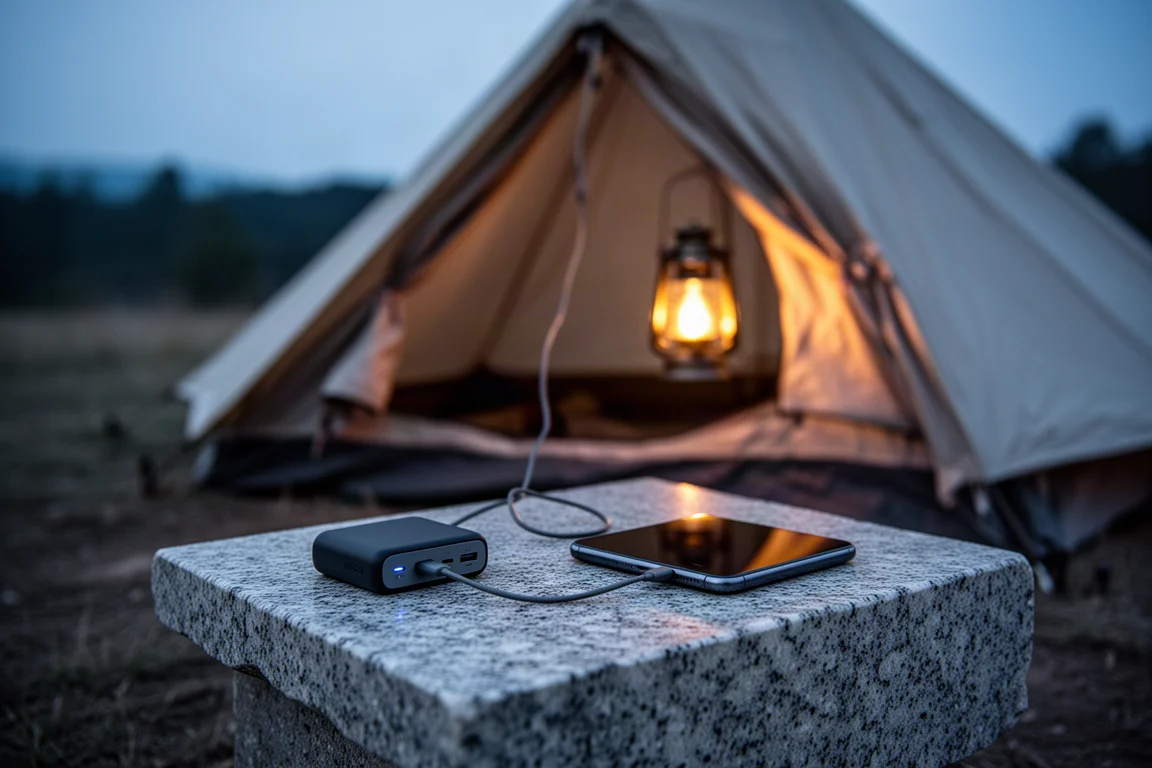
For weekend trips and multi-day hikes where a phone and a headlamp are the main draws, this is about as much battery as most people need.
Nikwax Down Wash
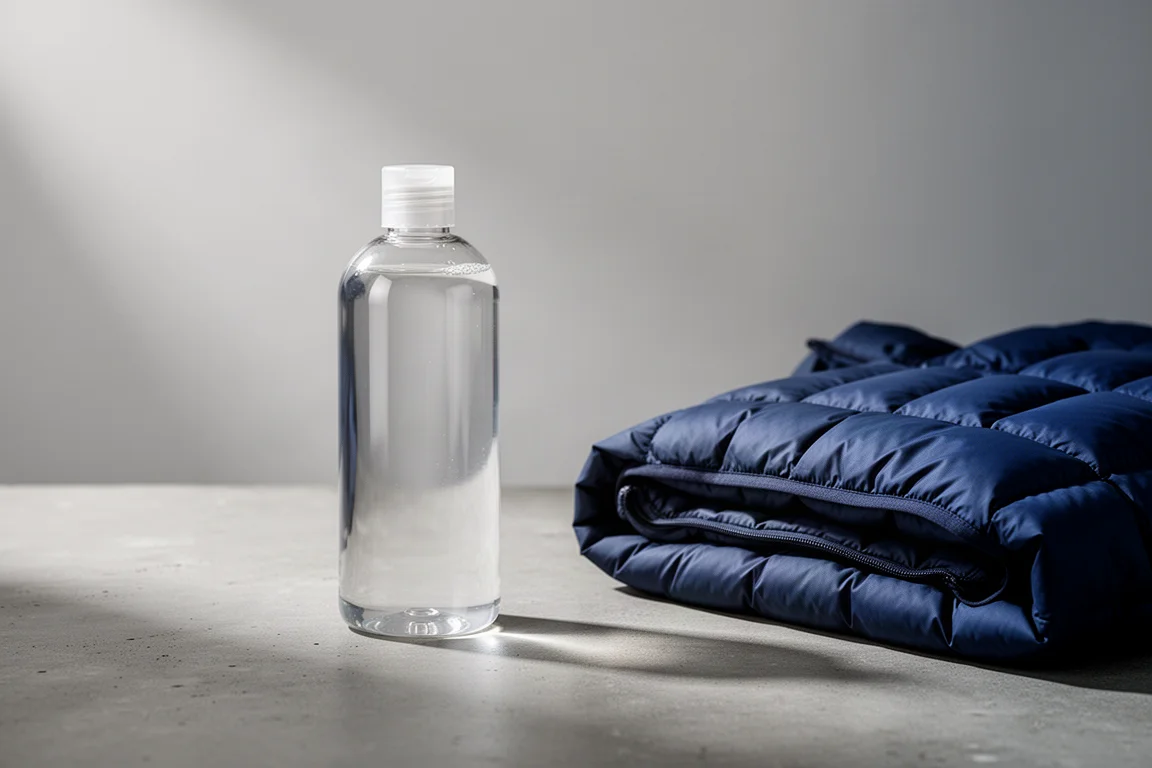
Down insulation loses loft with use, and washing it correctly is what brings it back. A dedicated down wash helps a sleeping bag or jacket recover so it can keep performing and keep you warm. Standard laundry detergent is not the right choice for down, and this is the product most often reached for instead.
Toaks Titanium Long-Handled Spoon
The long handle is the practical part: it reaches the bottom of a freeze-dried meal pouch without leaving your knuckles messy. The polished bowl is the detail that surprises people. It changes how the spoon feels in use, particularly with soup and other liquid meals, where a rough or thin edge is noticeable.
Titanium keeps the weight close to nothing, so it is an easy item to justify in a pack that is already close to its limit.

Hikenture Pillow
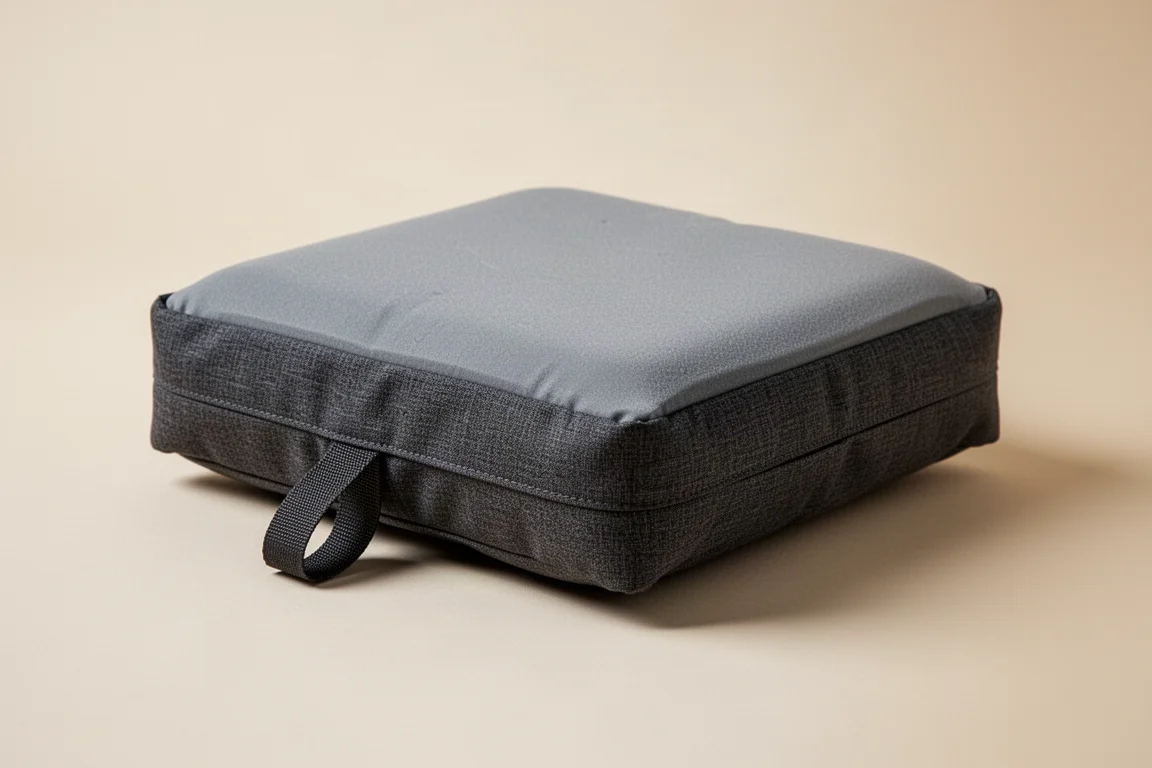
A good pillow is arguably as important as a good sleeping pad if the goal is to actually sleep well in the backcountry. This one attaches to a sleeping pad with a strap, which stops it sliding away overnight, and it offers a decent height for side sleepers and back sleepers alike.
Its pillowcase includes a small amount of foam, which adds a little insulation for colder trips. It is also very affordable, which makes it an easy first pillow or a spare for a second shelter.
Trekology Pillow
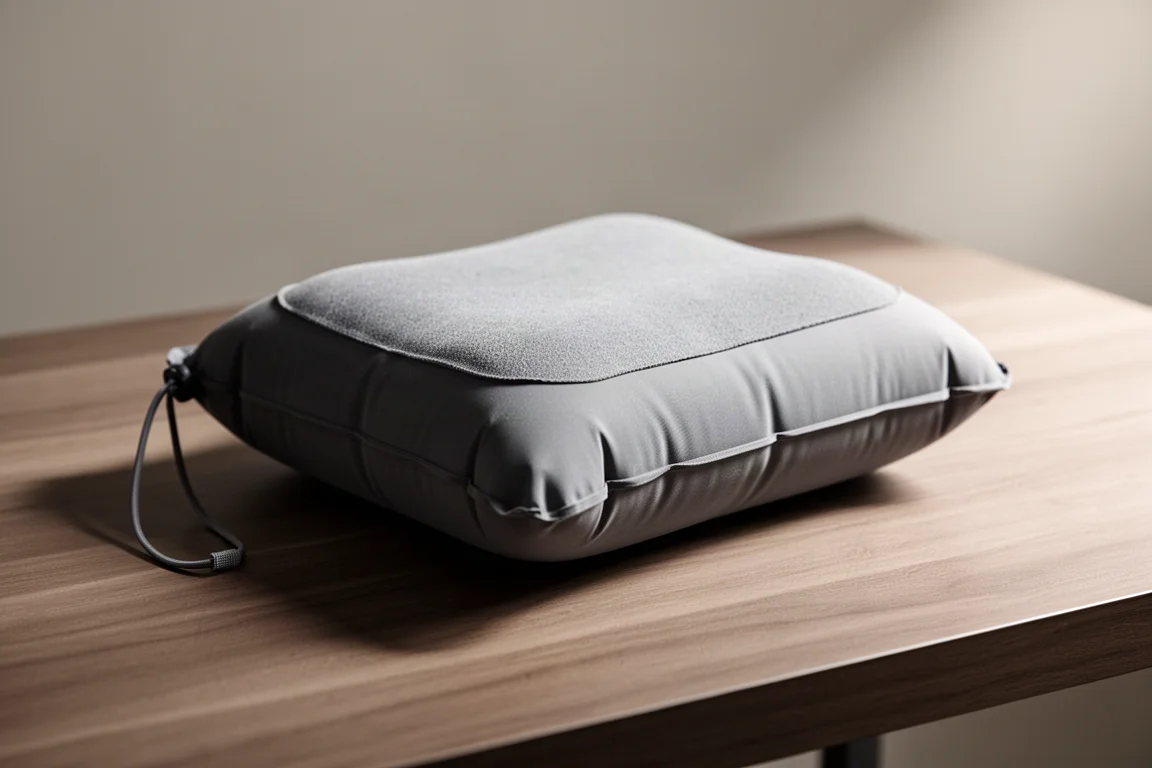
Lightweight, around $20, and fitted with both a pad strap and supportive baffling, this pillow has been a consistent recommendation for years. It is comfortable, packs down small, and does everything reasonably well rather than excelling at one thing.
The one caveat is height. Sleepers with broad shoulders may find it too low, and the simple fix is to slide a sit pad or a bundle of spare clothing underneath to raise it.
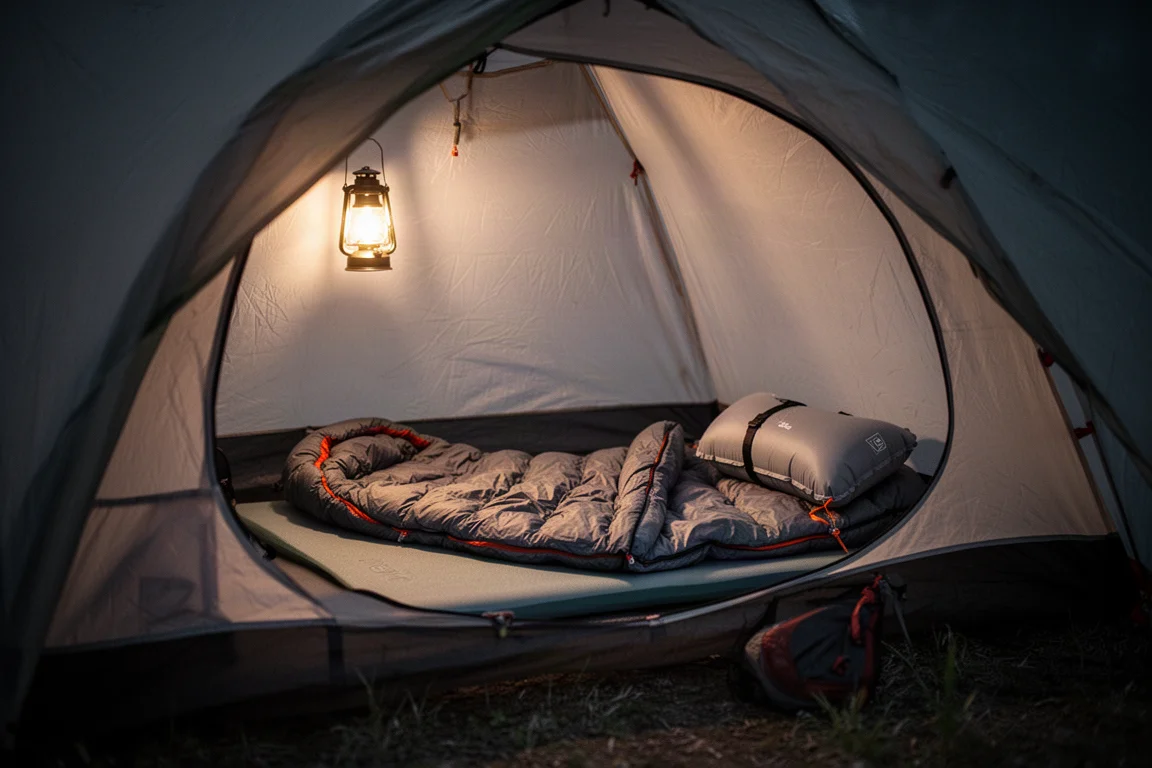
More comfortable options exist, and so do more ultralight ones, but few combine both as neatly at this price.
BRS 3000 Stove
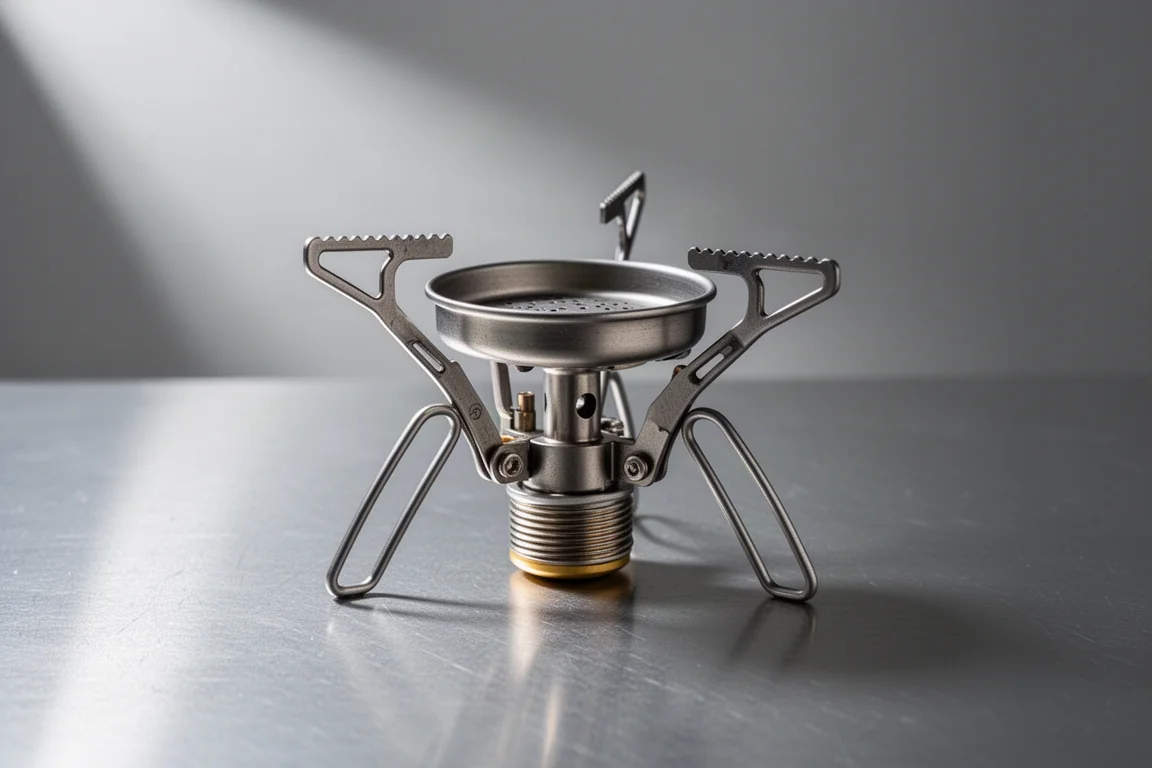
At around $20 and 25 g, this folding canister stove is a genuine bargain. It is functional, dependable for boiling water, and small enough to nest inside a pot. It remains a default choice for a majority of trips, which makes its absence from the most-purchased list a little surprising.
Anker Silicone USB Cable
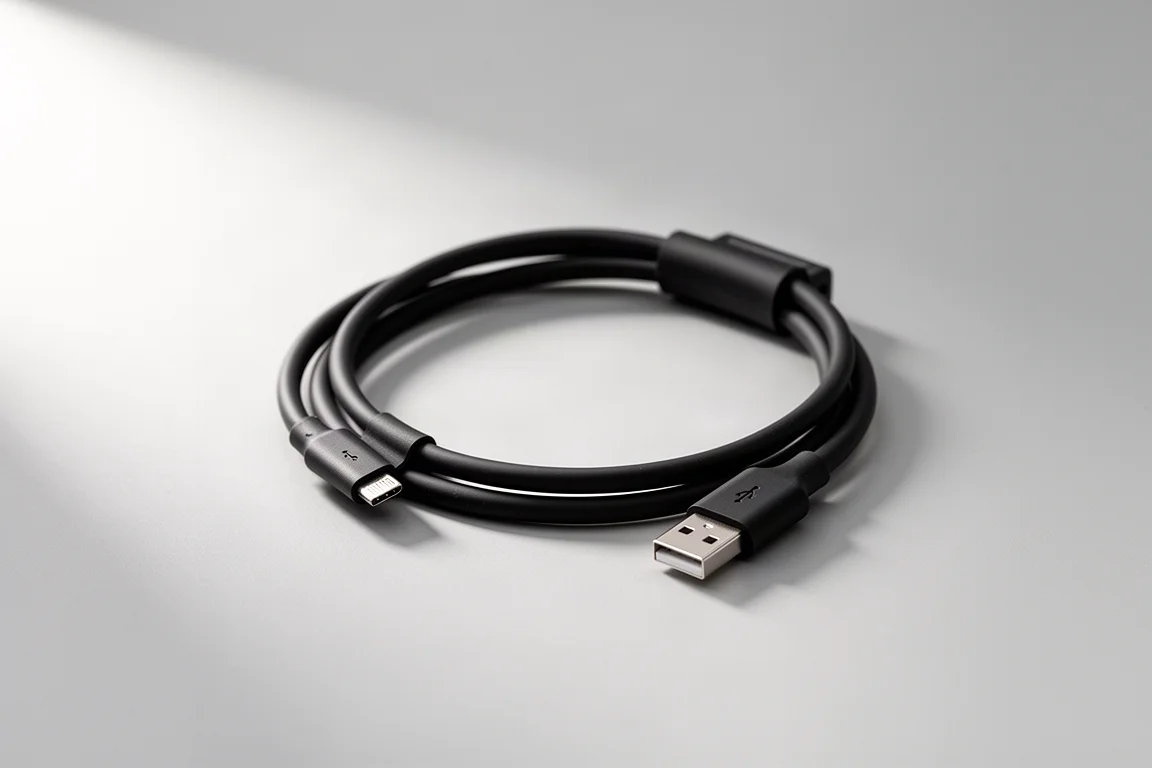
Silicone-jacketed cables are worth the small premium if you hike in cold conditions. Standard plastic cables stiffen and become awkward to coil in freezing temperatures, while silicone stays flexible and pleasant to handle. Very short one-foot cables are also a neat ultralight option for charging a phone from a power bank.
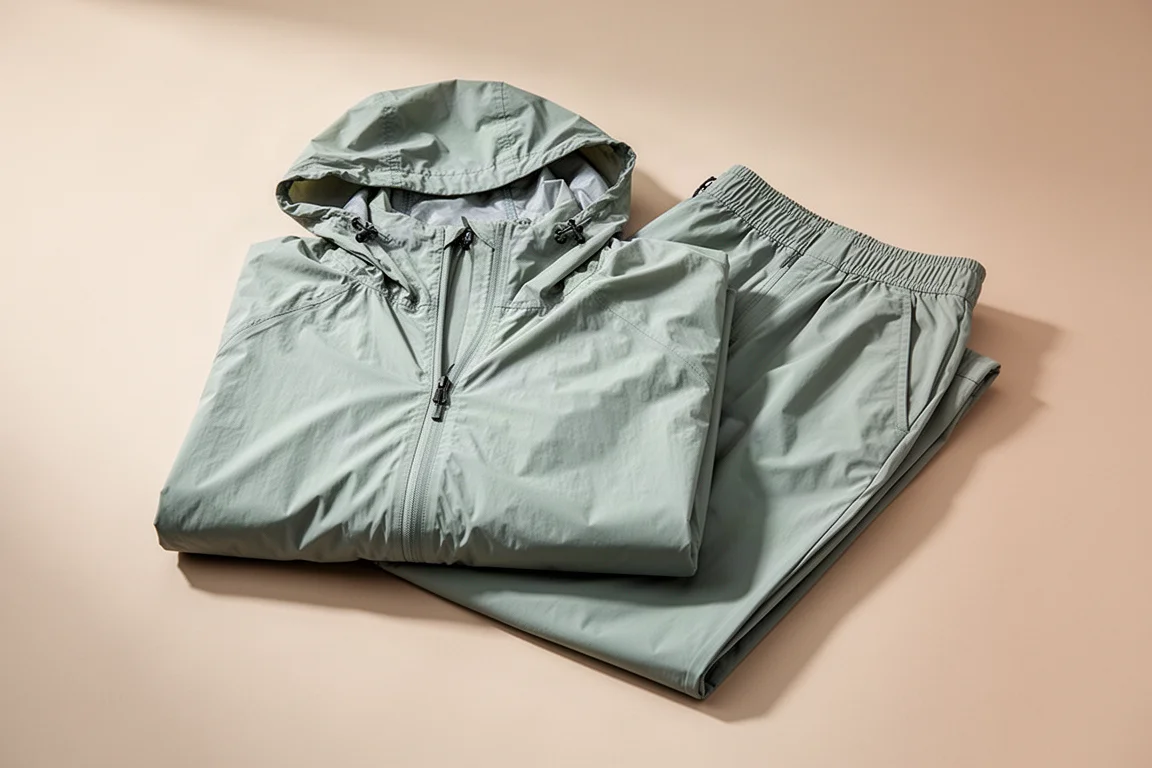
Frogg Toggs Rain Gear
This is the value pick in rain gear. It is affordable, it works, and it is fairly lightweight, which is a combination that is hard to find. There is better-performing rain gear available, but the step up in weather protection generally comes with a much higher price.
How to Choose What to Pack First
Start with the items that solve a problem you run into on almost every trip. Blisters, a cold night, and enough boiling water for dinner come up again and again, which is why tape, a pillow and a 750 ml pot sit so high on this list. Gear that only matters in narrow conditions can wait until a specific trip calls for it.
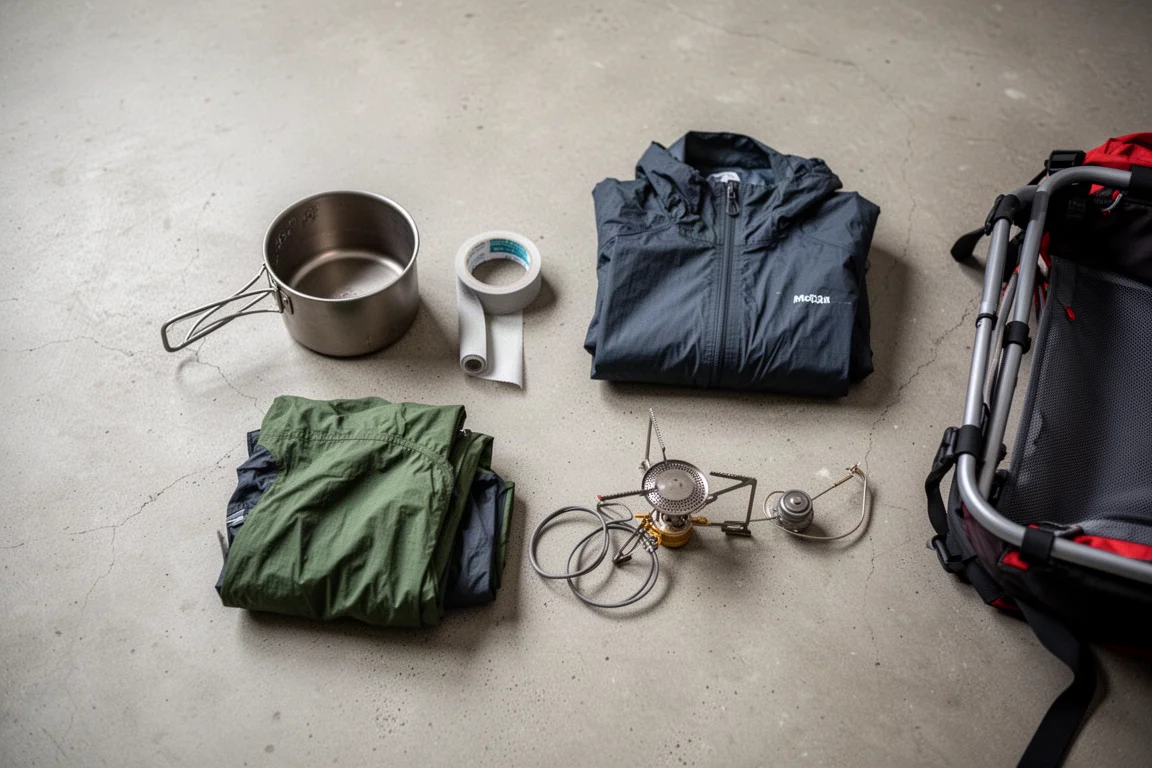
Weight and price rarely move together in a predictable way. Several of the items here are both the lightest and the cheapest option in their category, while the biggest gains in rain protection and insulation generally cost considerably more. If a cheaper item already does the job, an upgrade can wait.
With electronics, it pays to check real-world capacity and charging speed rather than trusting the label, since inexpensive power banks vary widely in how honest their specifications turn out to be.
Conclusion
The pattern across these ten items is consistency rather than novelty. A titanium pot, a strip of blister tape, a $20 pillow and a 25 g stove are not exciting purchases, but they are the ones that keep working trip after trip. That is a reasonable standard for any gear decision: buy the item that removes a recurring problem, keep it simple, and spend more only where the conditions genuinely demand it.
Further reading
Related Reviews

Backpacking Gear
Building a 10 lb Base Weight: An Ultralight Backpacking Gear List
A practical walkthrough of the ultralight pieces behind a 10 lb base weight, from a 765 g pack and a roomy one-person tent to a full camp chair and a dependable water filter.
Backpacking Gear
A 15-Pound Lightweight Backpacking Gear List for Solo Trips
A beginner-friendly 15-pound backpacking setup built from easy-to-find gear, with notes on what each piece does, how it packs, and where to spend your attention.
Backpacking Gear
8 Ultralight Backpacking Gear Upgrades Worth Carrying
Eight small, affordable backpacking upgrades that solve real trail annoyances, from a pillow that stays put to a fuel valve that rescues leftover canister gas.