Backpacking Gear
Most Asked-About Backpacking Gear: 15 Field-Tested Picks
A practical roundup of the backpacking gear that draws the most questions, from sleeping pads and stoves to folding knives and satellite communicators.
Introduction
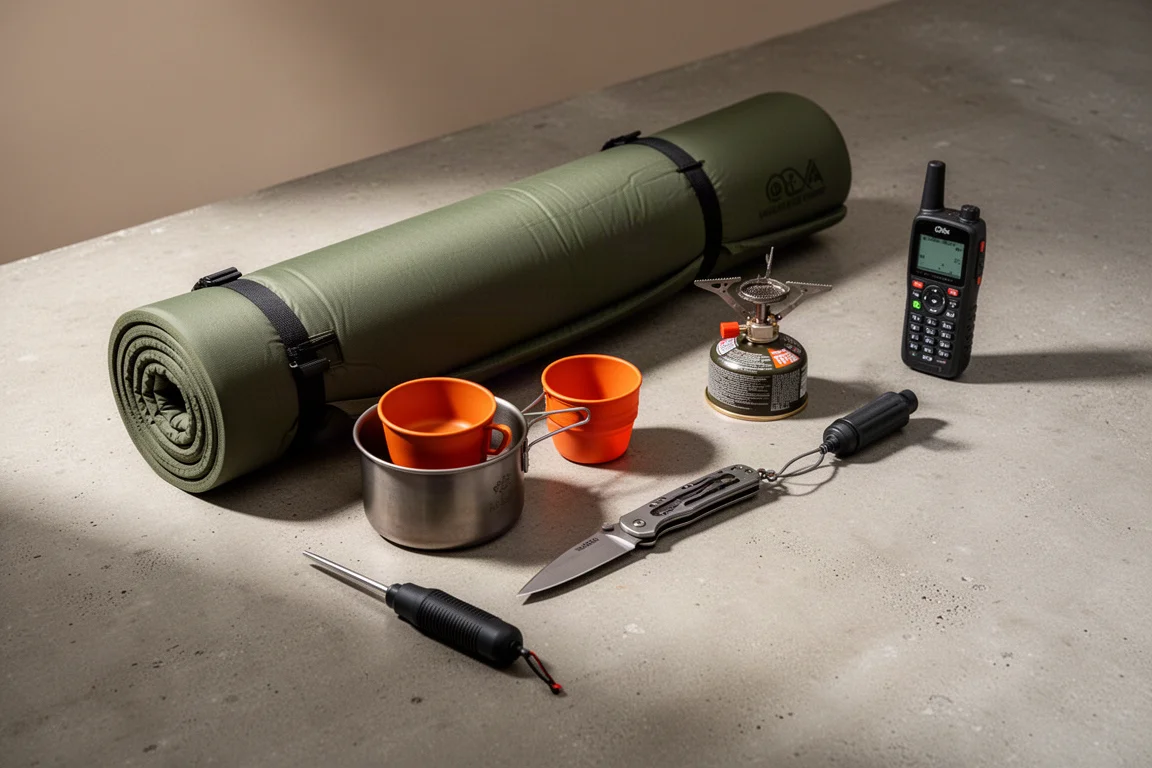
Some outdoor gear earns its reputation quietly. It turns up in loadouts again and again because it solves a real problem, and after enough trips it becomes the thing people ask about most. This roundup gathers those items into one place: two sleeping pads, a lightweight shelter, a cook set, five folding knives, a pump that doubles as a lantern, two satellite communicators, two backpacking stoves and a chest pack.
Each entry explains what the item does well, where it asks something of you, and who it tends to suit. Nothing here is included for novelty. These are pieces of gear that get carried, used and recommended repeatedly, and the notes below are meant to help you decide whether one of them belongs in your own kit.
Sleeping Pads
Sleeping pads are the clearest example of a comfort-versus-weight decision. The two pads below sit at opposite ends of that trade-off, and both are built for three-season use, so the choice is less about warmth and more about how much cushioning you are willing to carry.
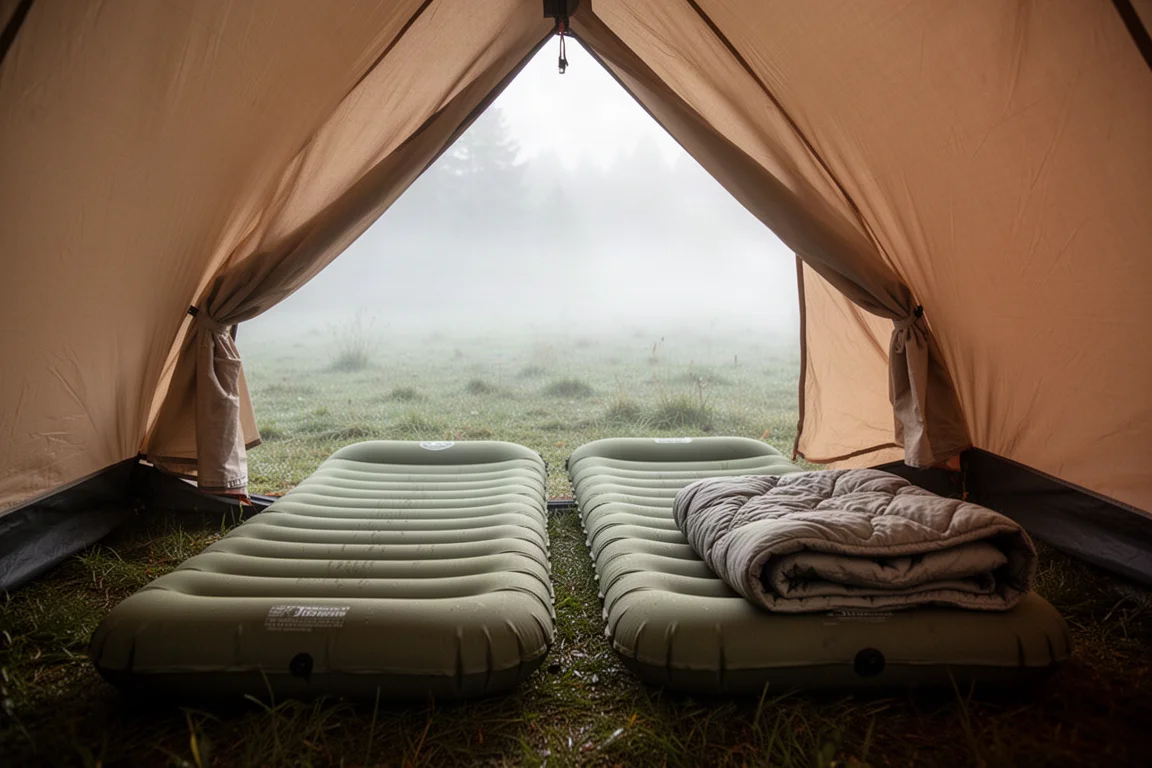
Both are proven options rather than experiments. One keeps weight low without giving up warmth, and the other puts comfort first. If you sleep cold or roll around on thin pads, that distinction matters far more than a few ounces.
Big Agnes Rapide SL
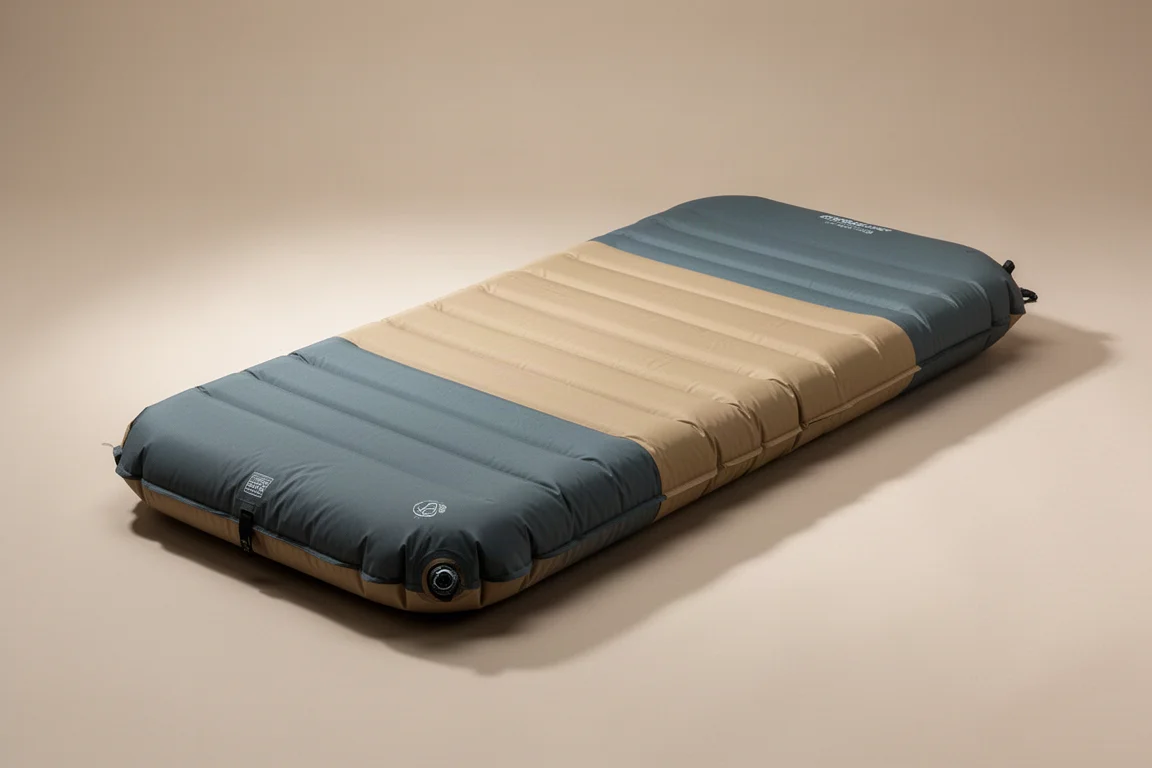
The Rapide SL arrived as a new model for 2022 and answers one of the most common backpacking questions: how do you stay comfortable without carrying a heavy pad? It keeps the comfort side of the equation intact while staying light enough for backpacking, and it holds warmth across a full three-season window without asking you to sacrifice value.
For most backpackers that combination is the whole point. It is a pad you can carry on long trips and still sleep well on, which is exactly what a lightweight three-season pad should do.
Nemo Quasar 3D Insulated
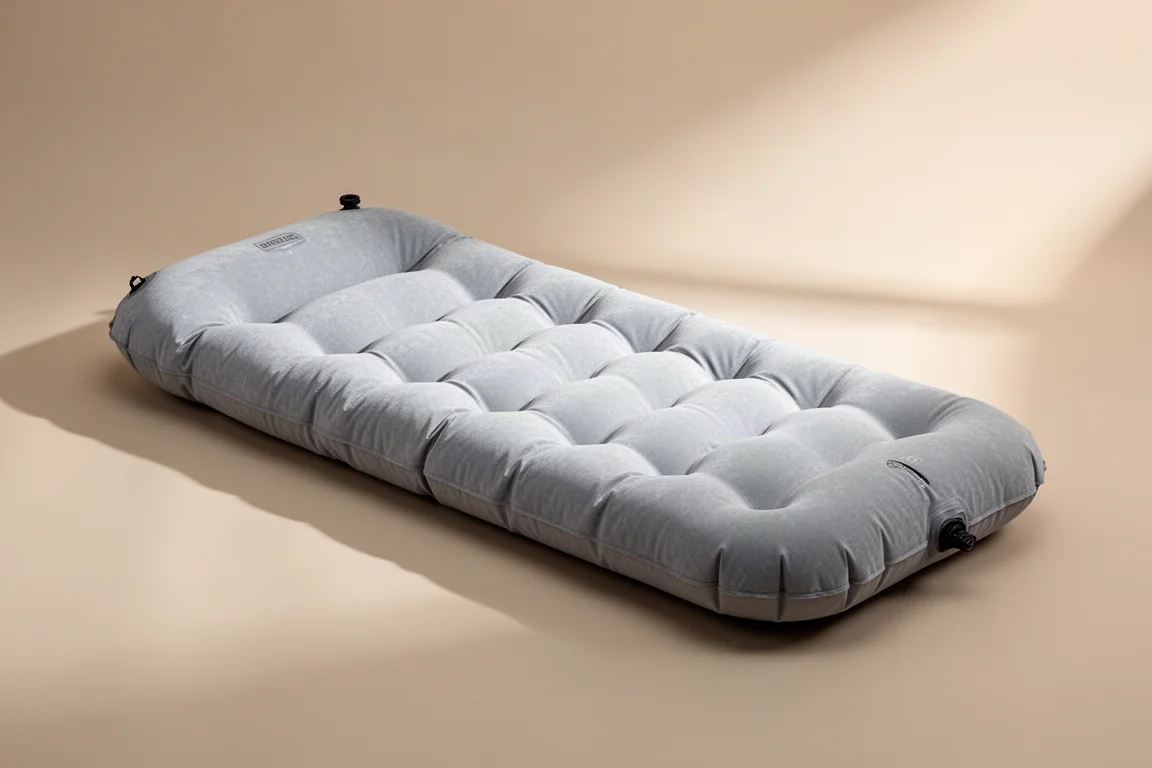
If comfort is the priority and weight is not, the Quasar 3D Insulated is the most comfortable sleeping pad in this list. It is generously padded and plush in a way that most backpacking pads are not, and it is the pad to choose when a good night of sleep matters more than a light pack.
The trade-off is straightforward: it weighs almost two pounds, which is a lot for a backpacking pad. Anyone counting every ounce will feel it. Everyone else gets a genuinely comfortable night.
Shelter
Shelter is the category where the questions get most specific, and one tent comes up more than any other.
Durston Gear X-Mid Pro 2
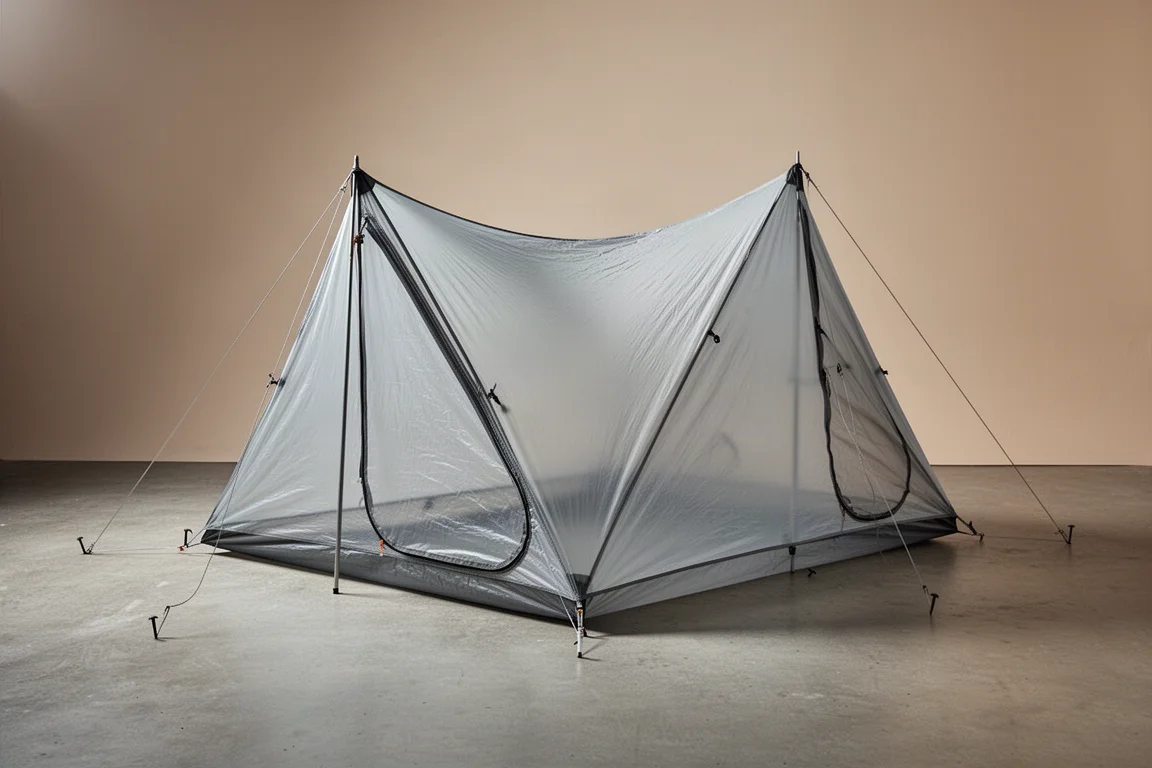
The X-Mid Pro 2 from Durston Gear is the single most asked-about piece of gear in this roundup. It is a two-person tent from a brand that backpackers follow closely, and it is the model to look at first if you are weighing a change in your shelter setup.
Because interest in it is so high, it is worth matching the tent to your actual trips: how you pitch, where you camp, and how much interior space you want. Those details decide whether a two-person shelter feels generous or cramped in practice.
Cookware
Cooking gear is where small details matter most, because a pot or cup that nests badly wastes space you have to carry anyway. The set below is worth knowing for one specific reason: the cup that comes with it fits neatly with the most common backpacking pot sizes.
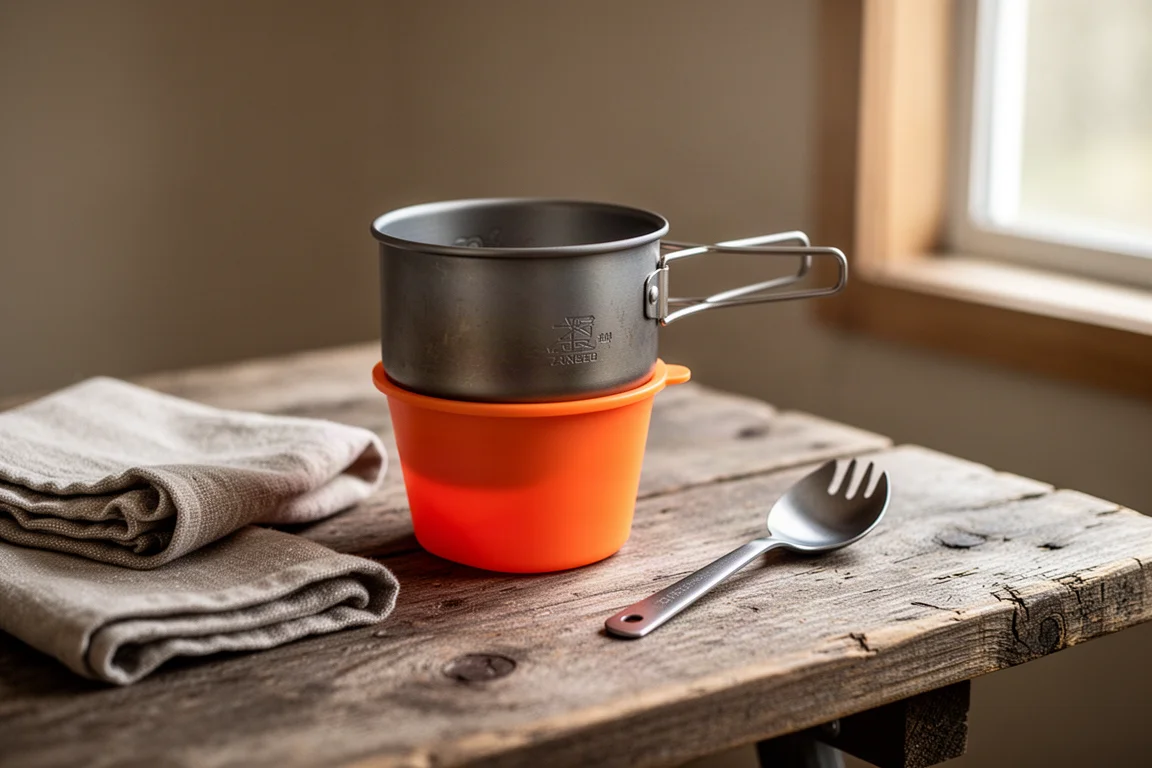
Nesting is not a gimmick. A cup that sits around the outside of a 550 ml pot or inside a 700 ml pot means one less loose item in your pack and one less thing to keep track of at camp.
GSI Pinnacle Soloist
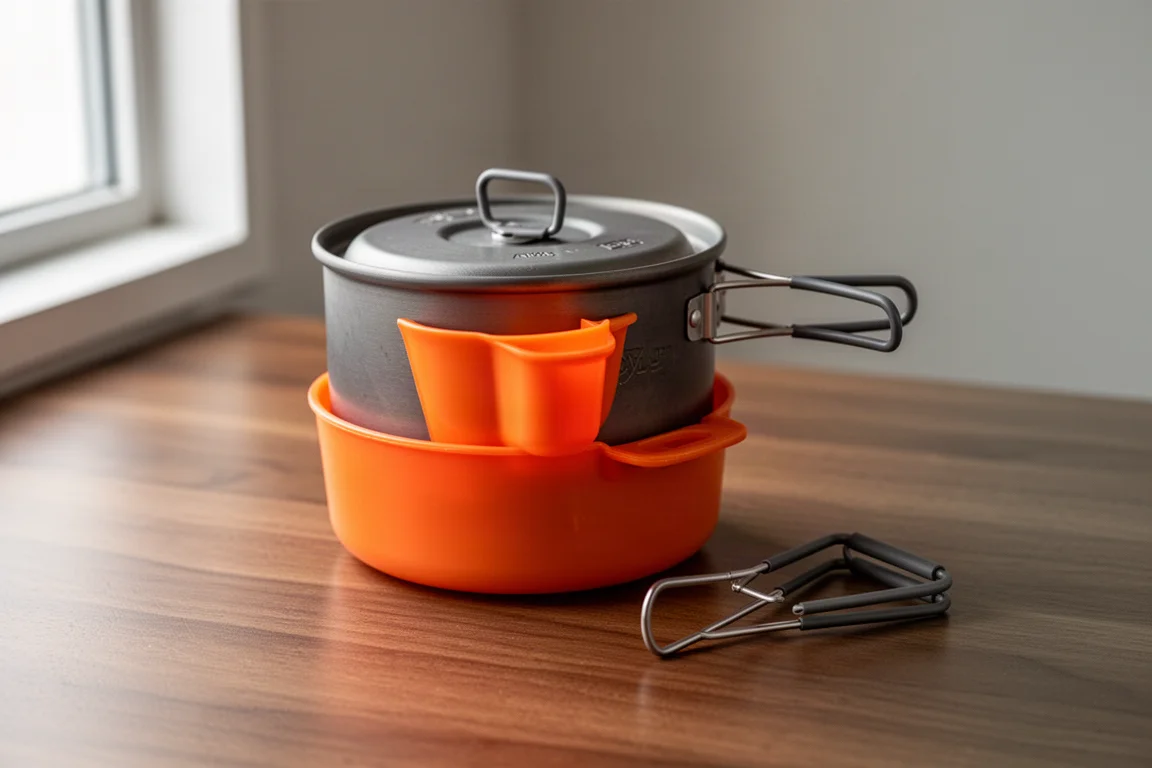
The GSI Pinnacle Soloist cook pot set is the origin of the orange cup that appears in so many backpacking loadouts. The cup nests around the outside of a Toaks 550 ml pot and also fits perfectly inside the 700 ml version, which are the two most common pot sizes used for backpacking.
Two practical notes. First, this is not the same cup sold separately on the GSI website, so buying the standalone cup will not get you the same piece. Second, the set may no longer be in production, which makes it harder to track down. What it does have going for it is longevity: this one has been in use for close to eight or nine years.
Folding Knives
A folding knife is one of those items people ask about more than you would expect, and the answers split cleanly by use. Some knives are for carrying every day and barely noticing, others are for camp chores that need more blade. The five below cover that range, from a budget-friendly everyday option to premium blades built for heavier work.
Knafs Lander
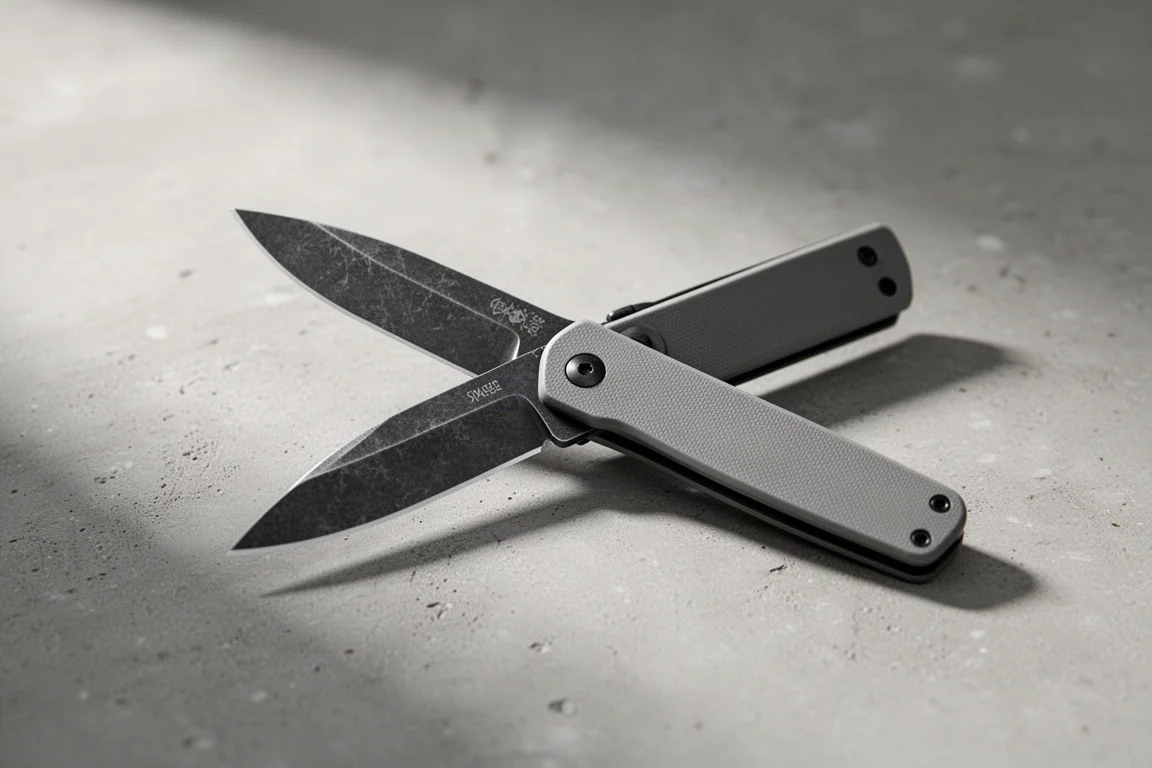
The Lander from Knafs is a budget-focused blade at around $60 with D2 steel, and it is an excellent option for anyone who wants something lightweight and small. It works well as an everyday carry knife and it is genuinely well designed for the money.
Benchmade Mini Bugout
The Mini Bugout in its CF Elite variant is one of the best small knives you can carry into the backcountry. The Axis Lock action is smooth and satisfying, and the size keeps it out of the way until you need it. If the goal is the smallest, lightest folding blade that still does real work, this is the one.
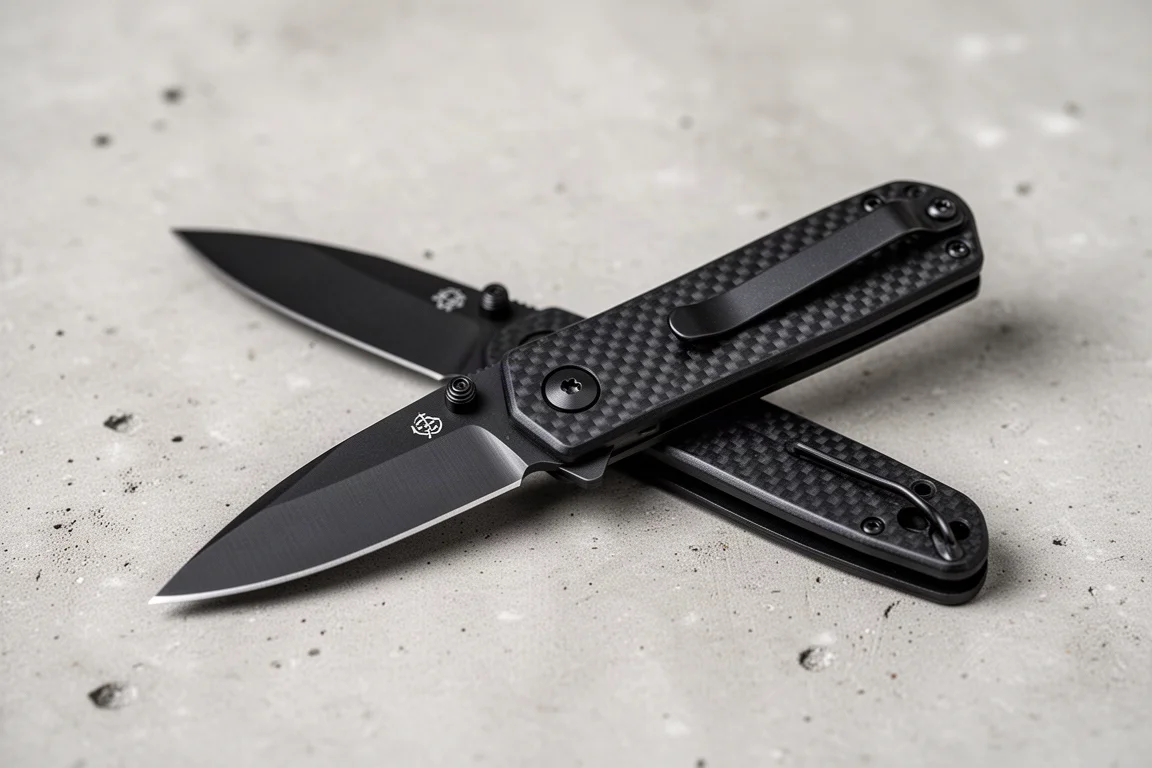
Benchmade Bugout
If your hands are larger, the standard-size Bugout is the better fit. This one is a custom build with 20CV steel and red G10 scales, and it adds usable length without much penalty. It is the same family of knife, scaled up for people who want more handle to hold onto.
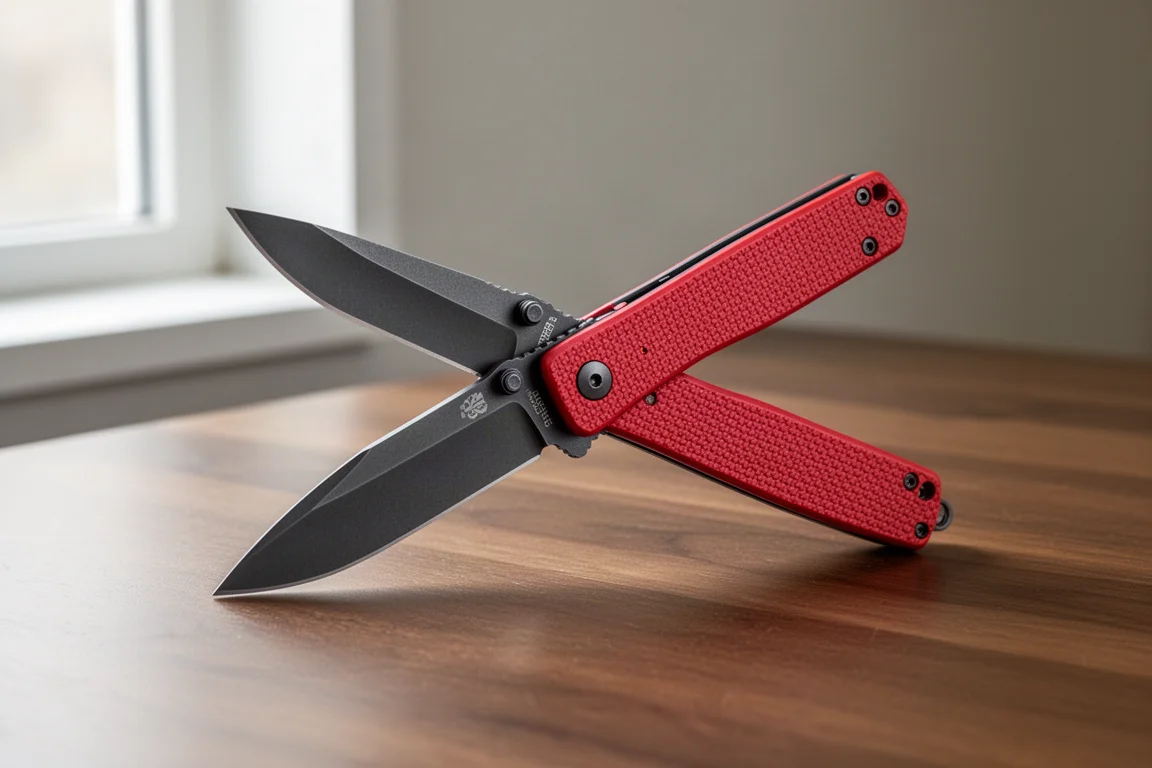
GiantMouse The Grand
The Grand from GiantMouse, in green Micarta, is a premium blade with real substance. It is beefy and heavy in the hand, which makes it the right tool for car camping tasks where you are processing more wood and need strength rather than a delicate edge. It is beautifully designed and built for heavier work.
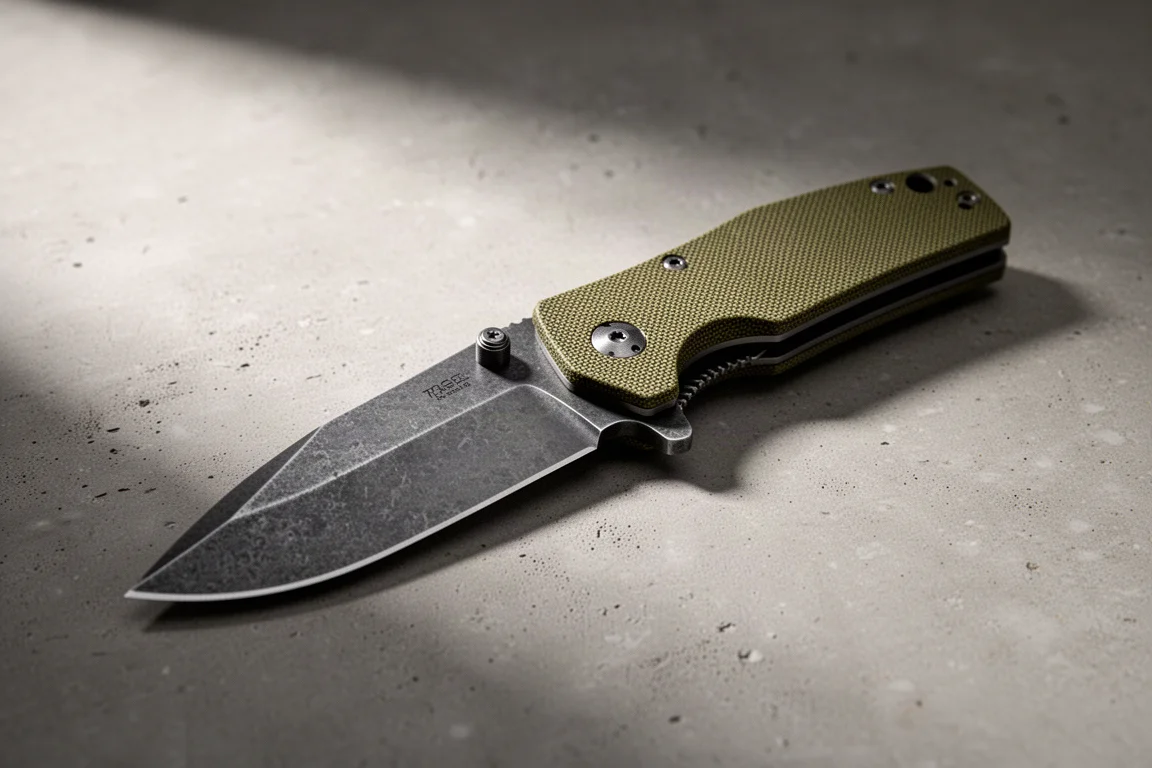
GiantMouse Nimbus
The Nimbus is the lighter of the two GiantMouse options, but it still carries more substance than a typical ultralight folder. The design details stand out, the spine is comfortable in the hand, and the steel is excellent. It handles camp chores well without feeling like a compromise.
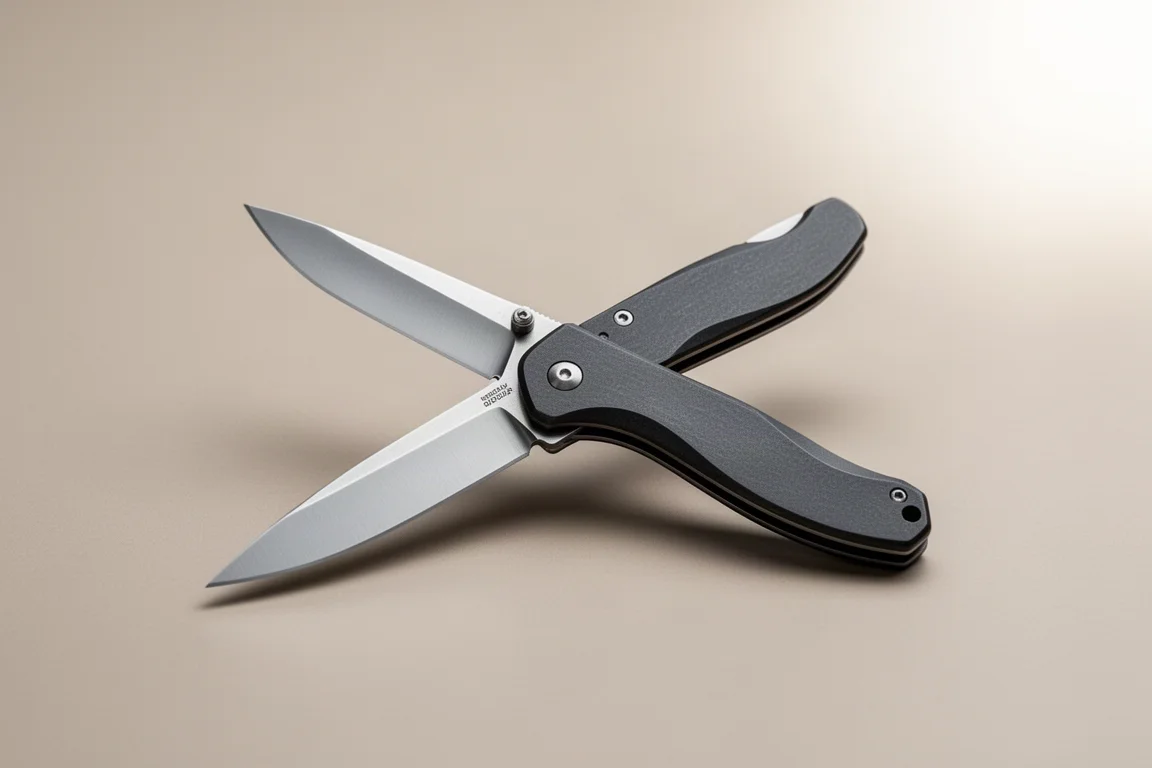
Pumps and Lighting
Small accessories that do two jobs are worth their space, and this one replaces two separate items in a pack.
Flextail Tiny Pump X
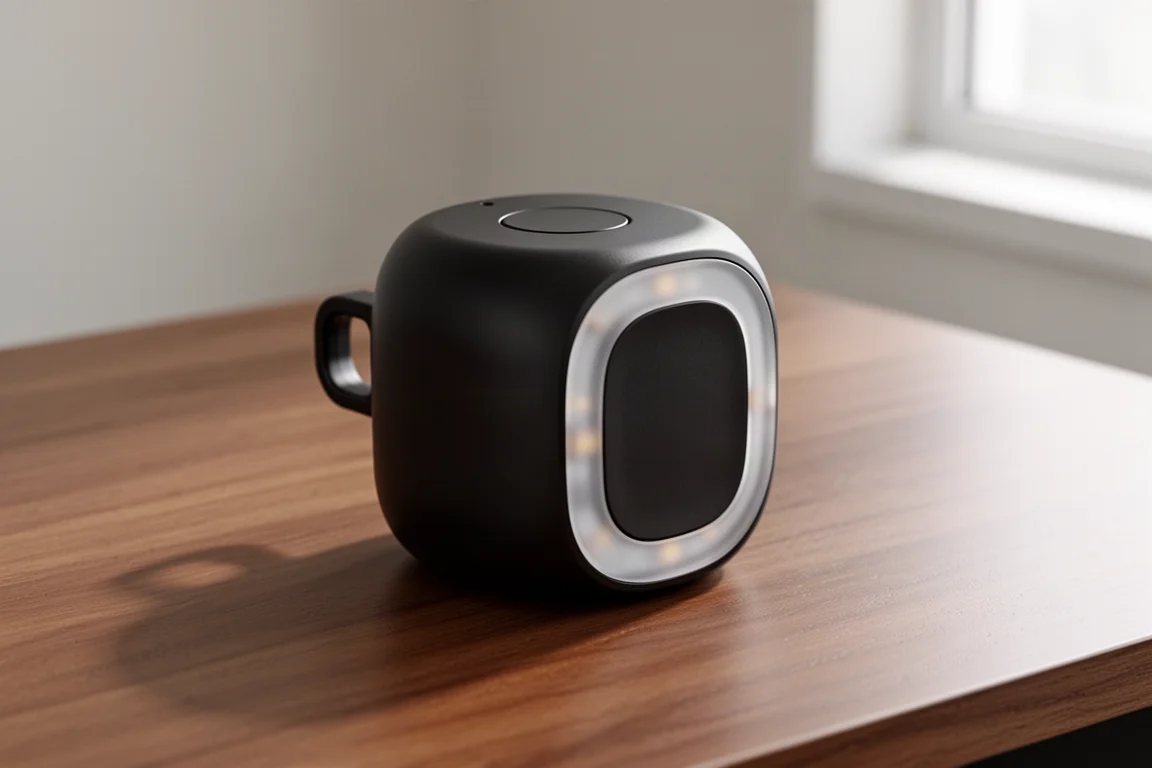
The Tiny Pump X from Flextail Gear is the small pump used to inflate sleeping pads, and it doubles as a lantern. That combination is the whole appeal: you no longer need to pack a separate lantern alongside your pump, which saves space and keeps your kit simpler.
Satellite Communicators
Satellite communicators are a category where the hardware matters less than the experience of using it. Both options below are capable devices, and either one would serve most people well. The difference shows up in messaging, where the two take noticeably different approaches.
Choosing between them comes down to how much you value a screen and how quickly you want to get comfortable with the app you will rely on in the field.
ZOLEO
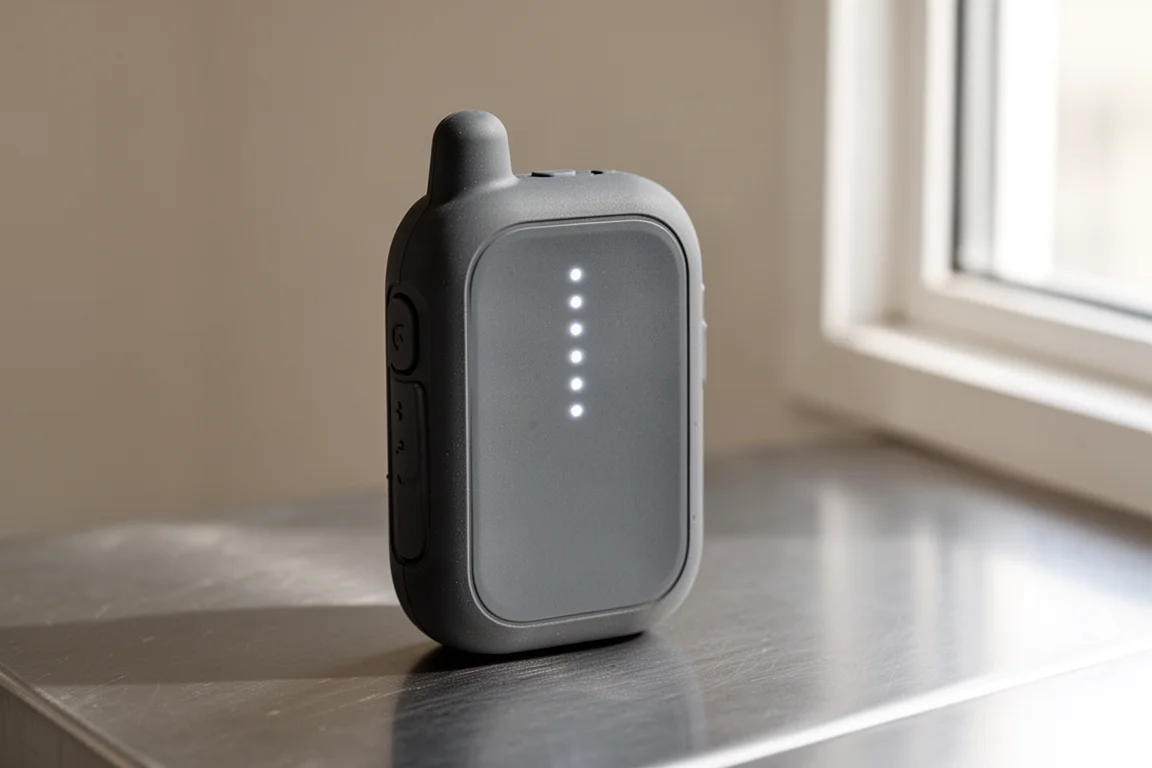
The ZOLEO is a satellite communicator built around messaging, and that focus shows. For sending and receiving messages it is the stronger of the two, and the experience is straightforward from the first trip rather than something you have to grow into.
Garmin Messenger
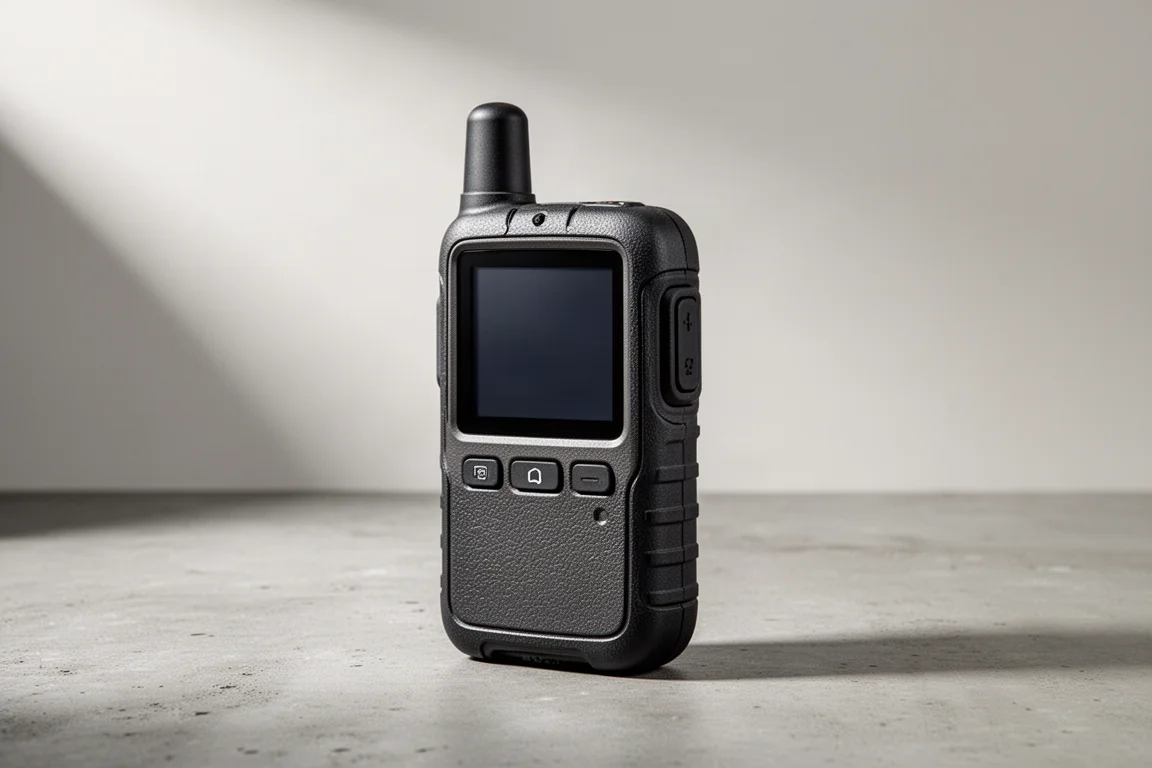
The Garmin Messenger is a newer GPS device and satellite communicator with a built-in screen. The screen is genuinely useful and makes some interactions easier. The trade-off is the messaging app and interface, which take considerably more time to learn and are less pleasant to use than the ZOLEO’s. It is a capable device, but it asks for more patience.
Stoves
Two stoves from Soto account for most of the questions about cooking, and the choice between them is less about raw performance than about fit and price.
Soto WindMaster
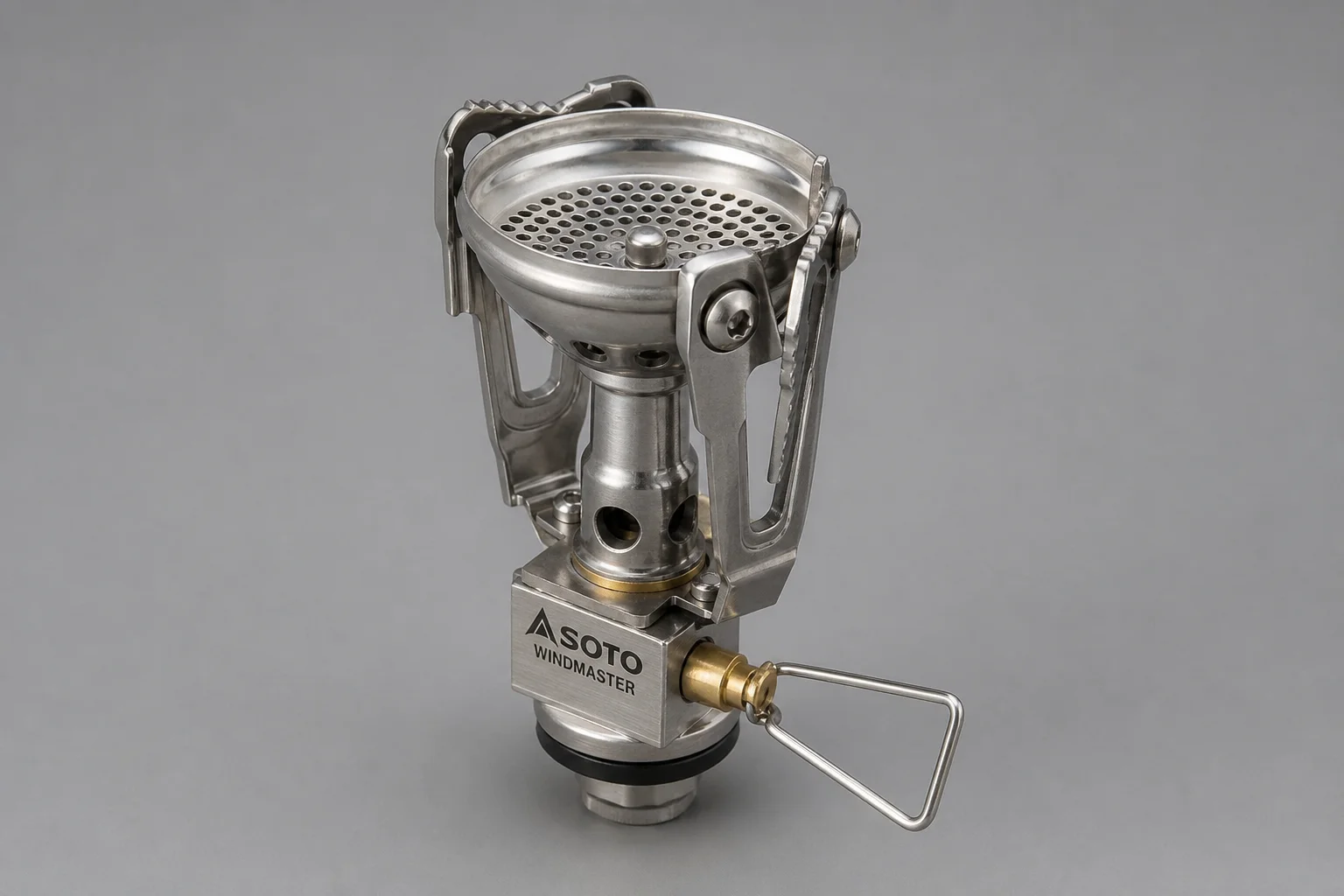
The WindMaster is one of the best backpacking stoves available, with swappable stands that let you change the setup to suit your pot. It works with a couple of different stands, including a TriFlex and a four-arm option. In colder conditions the regulator makes a real difference in how consistently it performs. The one thing to check is height: it is a tall stove, so it will not sit inside every pot system, and that affects how you pack it.
Soto Amicus
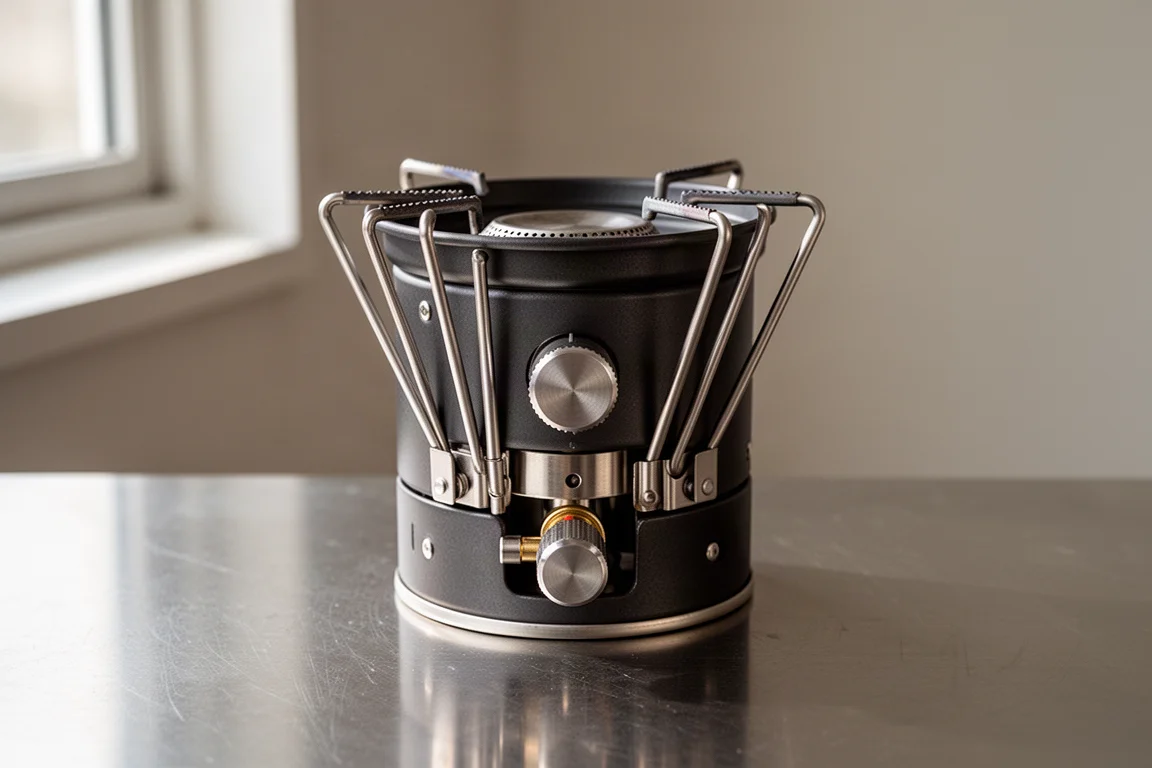
The Amicus is the budget option, and it performs well above its price. It has built-in pot stands, which keeps the setup simple, and for three-season backpacking in warm weather it does everything you need efficiently. It does not have the WindMaster’s regulator, so cold-weather performance is not its strength, but for most fair-weather trips the Amicus is the better buy of the two.
Chest Carry
Some pieces of gear solve a problem so specific that they are hard to explain until you have used one.
Hill People Gear Runner’s Kit Bag
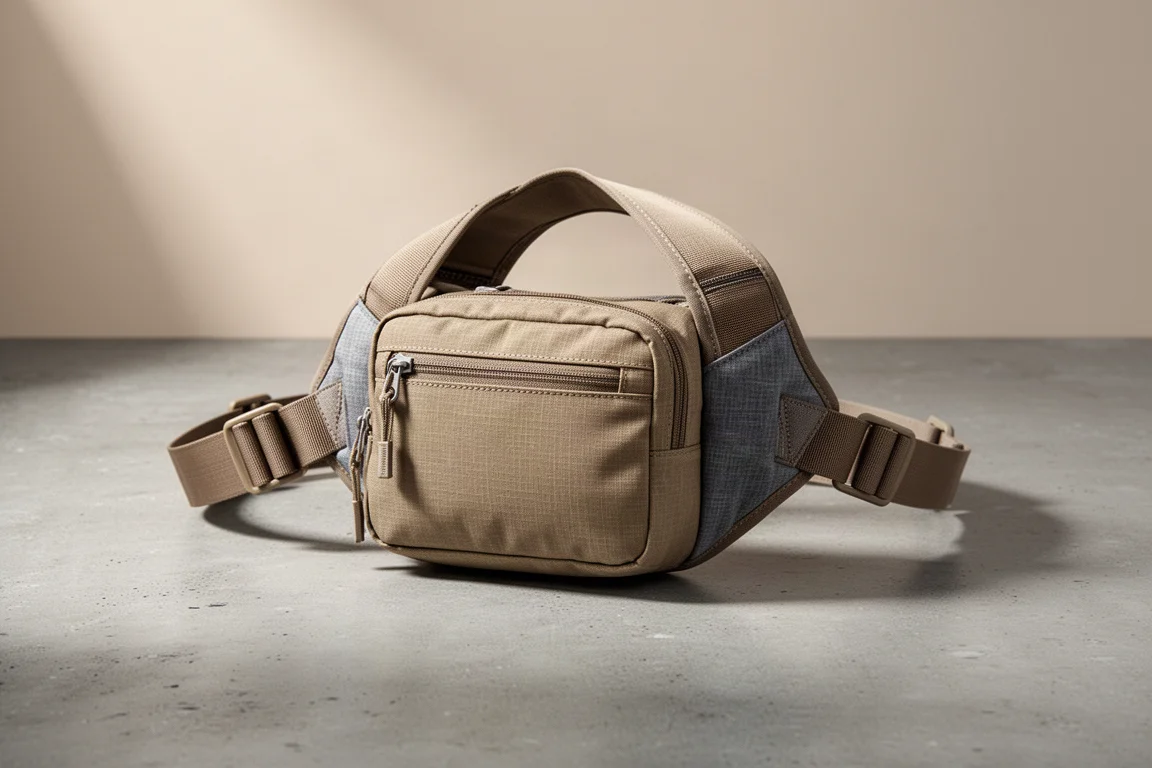
The Runner’s Kit Bag from Hill People Gear is a chest pack designed for concealed carry, and it is the item that prompts the most questions whenever it is worn. A rear pouch holds a firearm in close proximity with easy access, while a small front pocket keeps frequently needed items within reach, such as a flashlight, toilet paper, chapstick and a mini lighter.
It is also comfortable to wear with a backpack. The harness and straps work well together, and the bag stays put instead of shifting around. It is a specialised piece of gear, and it is one of the best-designed items in this roundup.
How to Choose What to Prioritize
With this much gear in one place, the useful question is not which item is best but which trade-offs you are willing to make. Sleeping pads are the clearest example: the lighter pad is the more versatile choice and the heavier pad is the more comfortable one. Neither answer is wrong, but they lead to different packs.
Knives follow the same logic. A small folder disappears into a pocket, while a heavier blade handles wood and camp tasks with less effort. Stoves split on fit and price rather than performance, and satellite communicators split on how much interface you want to manage in the field.
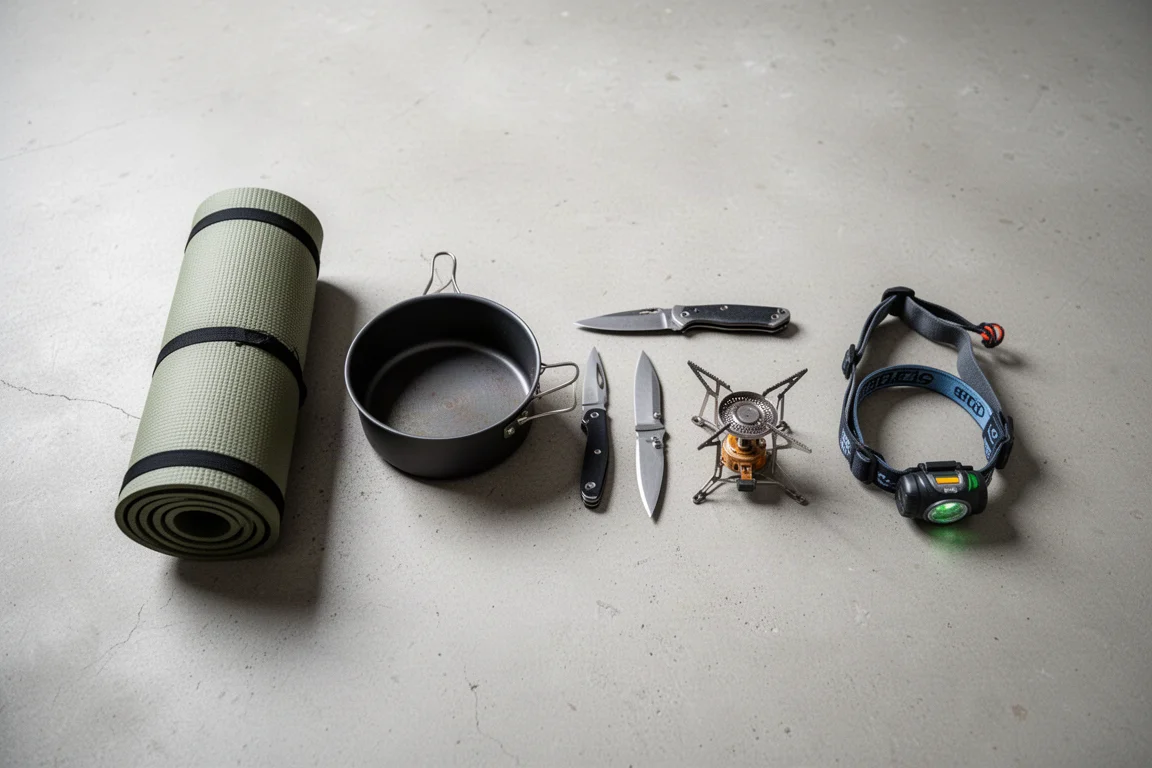
The practical approach is to start with the items you use every single day on a trip, because those are the ones where a small improvement pays off the most. Sleeping and cooking come first. Then look at the gear that solves a specific problem for you, whether that is a chest pack for quick access or a pump that replaces a lantern.
Conclusion
None of this gear is exotic. Each item is here because it has been used repeatedly and because it answers a question that comes up again and again. The Rapide SL and the Quasar 3D Insulated cover both sides of the sleeping pad trade-off, the X-Mid Pro 2 is the shelter most worth researching, the Pinnacle Soloist explains a cup that shows up everywhere, and the knife, stove, pump and communicator picks each reflect a clear preference rather than a compromise.
If you are building or refining a kit, start with the items that match how you actually camp. The gear that gets recommended most is usually the gear that gets used most, and that is the standard worth applying to your own setup.
Further reading
Related Reviews

Backpacking Gear
Building a 10 lb Base Weight: An Ultralight Backpacking Gear List
A practical walkthrough of the ultralight pieces behind a 10 lb base weight, from a 765 g pack and a roomy one-person tent to a full camp chair and a dependable water filter.
Backpacking Gear
A 15-Pound Lightweight Backpacking Gear List for Solo Trips
A beginner-friendly 15-pound backpacking setup built from easy-to-find gear, with notes on what each piece does, how it packs, and where to spend your attention.
Backpacking Gear
8 Ultralight Backpacking Gear Upgrades Worth Carrying
Eight small, affordable backpacking upgrades that solve real trail annoyances, from a pillow that stays put to a fuel valve that rescues leftover canister gas.