Backpacking Gear
Most-Asked-About Backpacking Gear: 15 Field-Tested Picks Worth Knowing
Sleeping pads, a lightweight tent, camp cookware, folding knives, satellite communicators, stoves, and a chest pack, with the strengths and trade-offs of each.
Introduction
Some gear earns its reputation slowly, through seasons of use rather than launch-day hype. The items collected here are the ones that keep coming up in conversations about backpacking kit, and each one has a clear reason for being on the list: it solves a specific problem, holds up over time, or offers an unusual amount of value for what it costs.
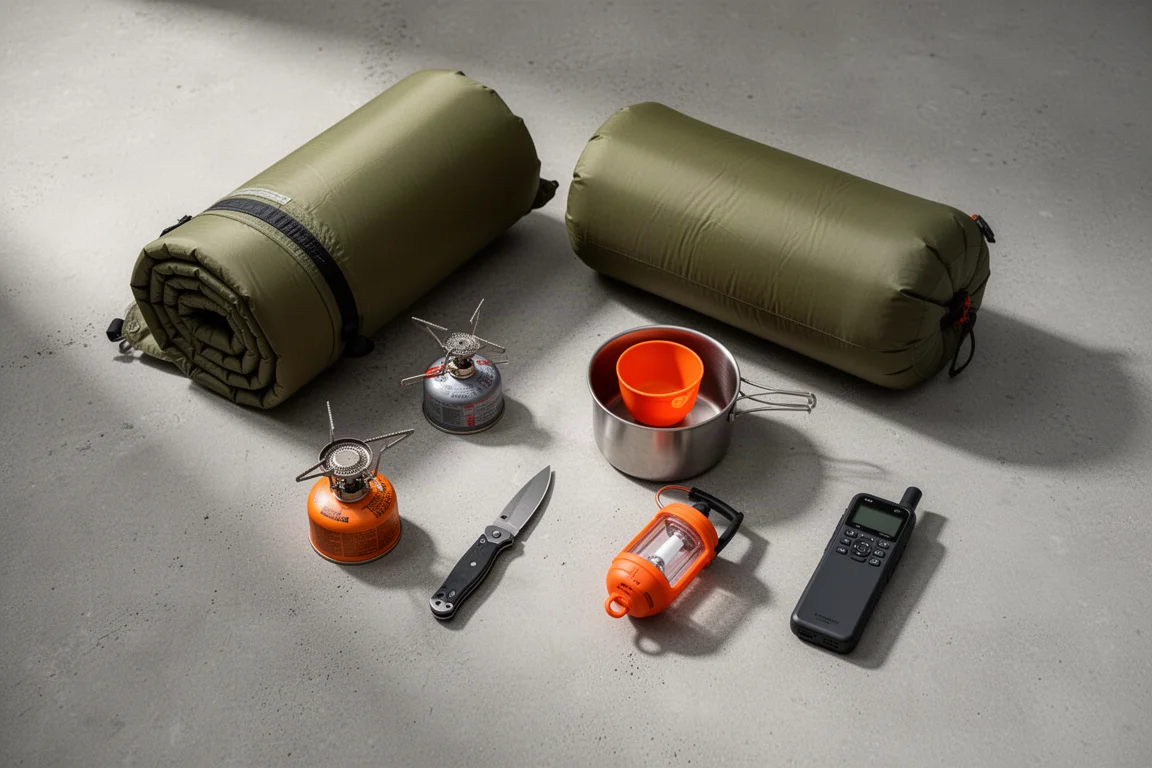
The selection spans sleeping systems, shelter, camp cooking, folding knives, electronics, stoves, and carry. Not every item suits every trip. A pad that feels luxurious at a drive-in campsite may be the wrong choice for a long thru-hike, and a premium folding knife makes little sense if a $60 blade does everything you actually need.
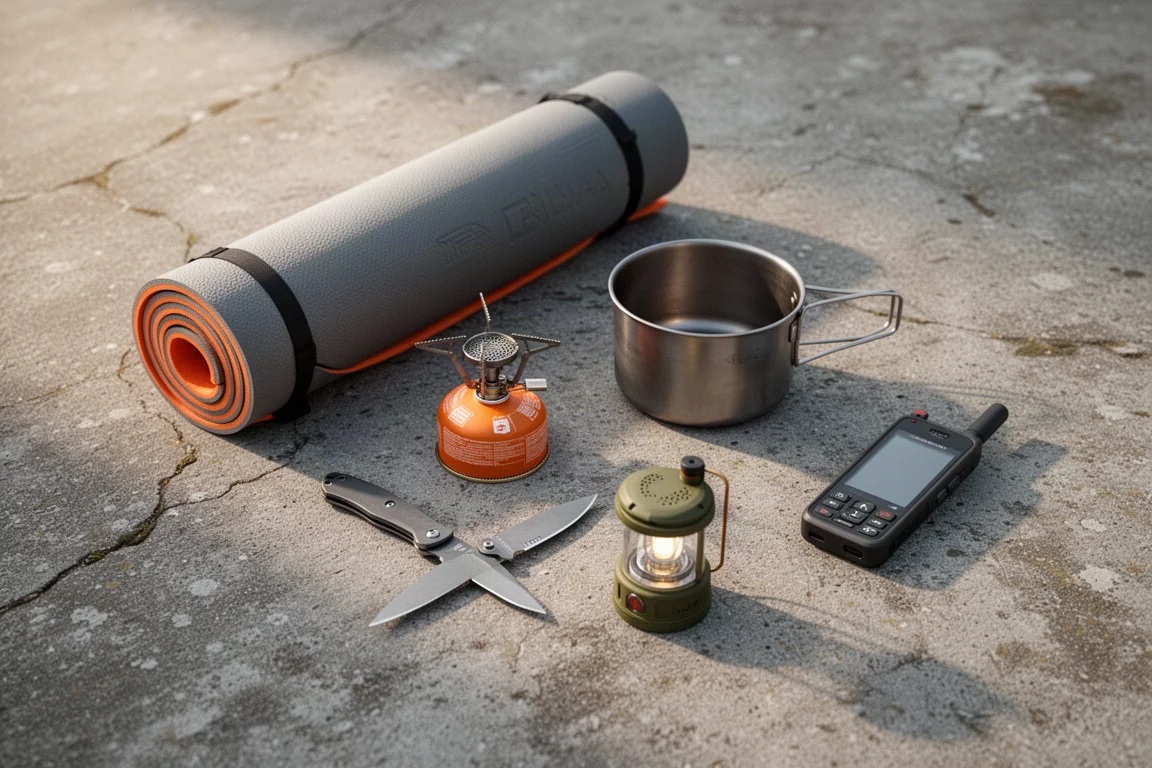
What follows is a practical look at each item: what it does well, where it makes compromises, and who it suits. Where price is relevant to the decision, it is noted alongside the product.
Big Agnes Rapide SL: A Light Three-Season Pad
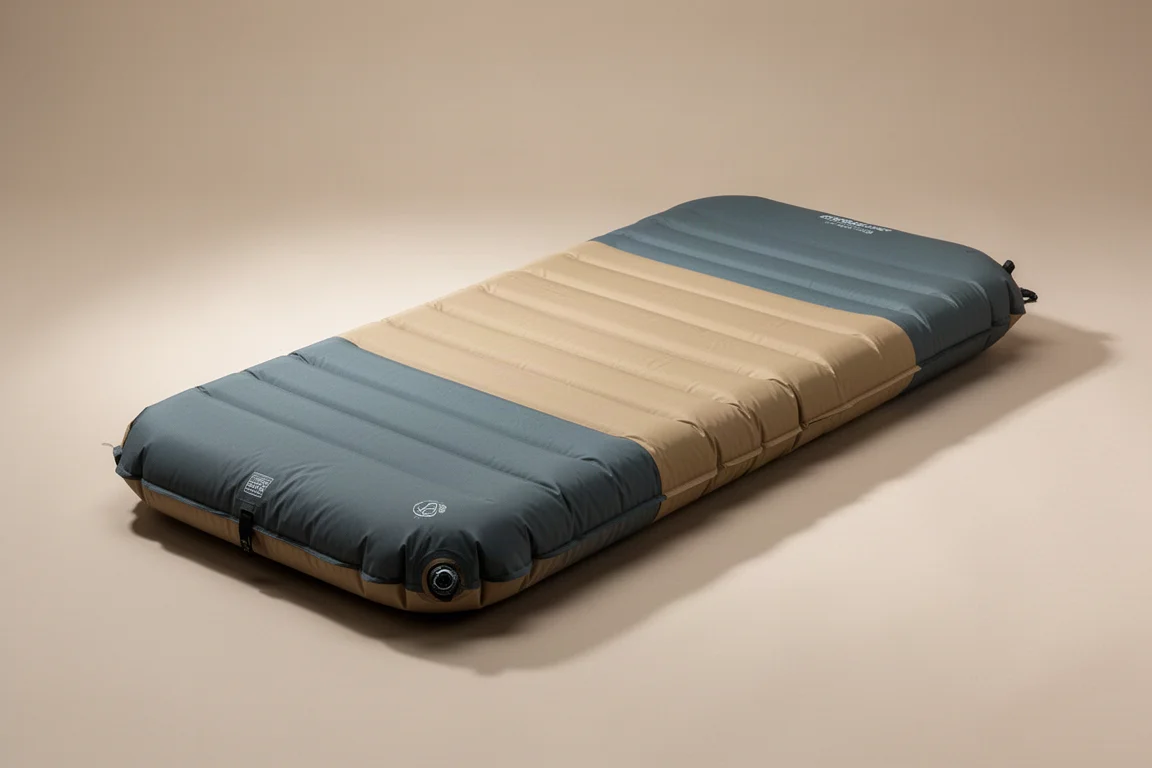
The Big Agnes Rapide SL is built for the backpacker who does not want to choose between comfort and pack weight. It is designed for three-season use, with enough warmth to carry a sleeper through spring, summer, and autumn conditions without the bulk of a heavier, more heavily padded design.
The appeal is balance. It delivers the cushioning most backpackers want while staying light enough to carry day after day, and it manages that without sacrificing value.
If you are building a single pad to cover most of your trips, this is a sensible place to start.
Nemo Quasar 3D Insulated: Comfort Above All
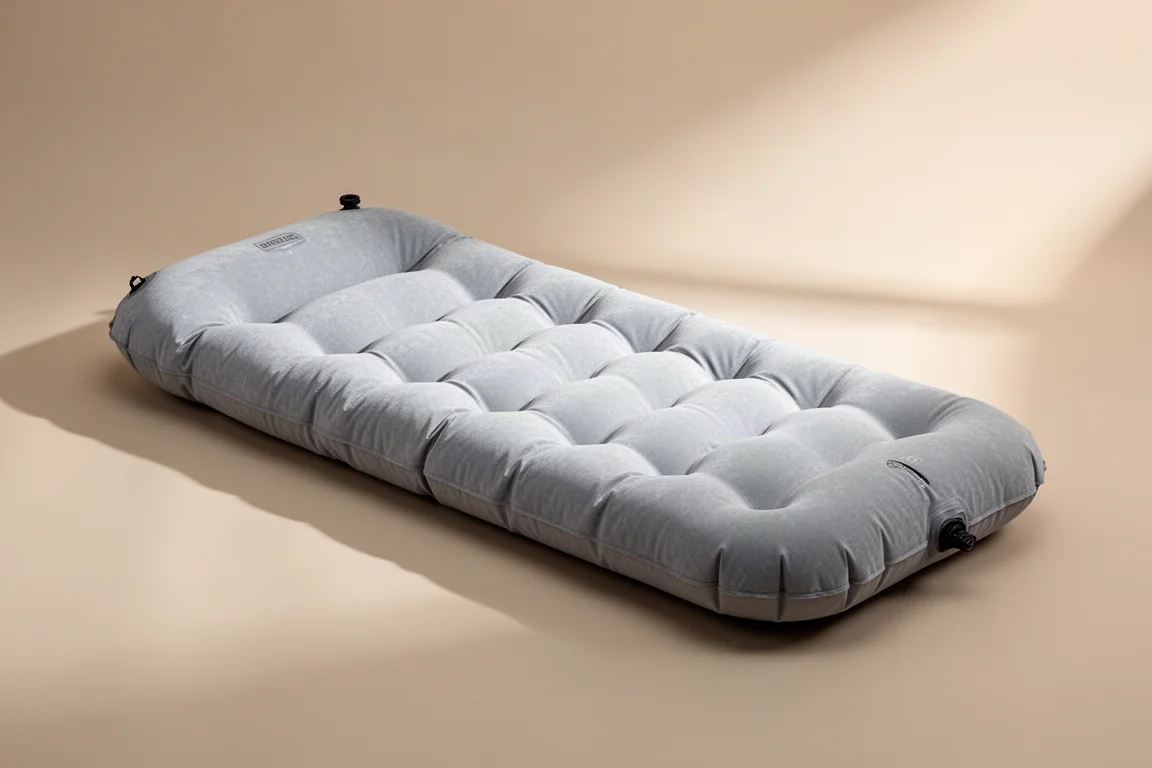
For pure comfort, the Nemo Quasar 3D Insulated is difficult to beat. Its insulated construction and generous padding make it one of the most comfortable sleeping pads available, and it is a strong candidate for anyone who sleeps poorly on thin mats.
The trade-off is weight. The Quasar 3D Insulated comes in at almost two pounds, which is heavy by backpacking standards. That makes it a better fit for shorter trips, basecamps, and car camping than for long-distance hiking where every gram is counted.
If comfort matters more to you than pack weight, put this pad at the top of your list.
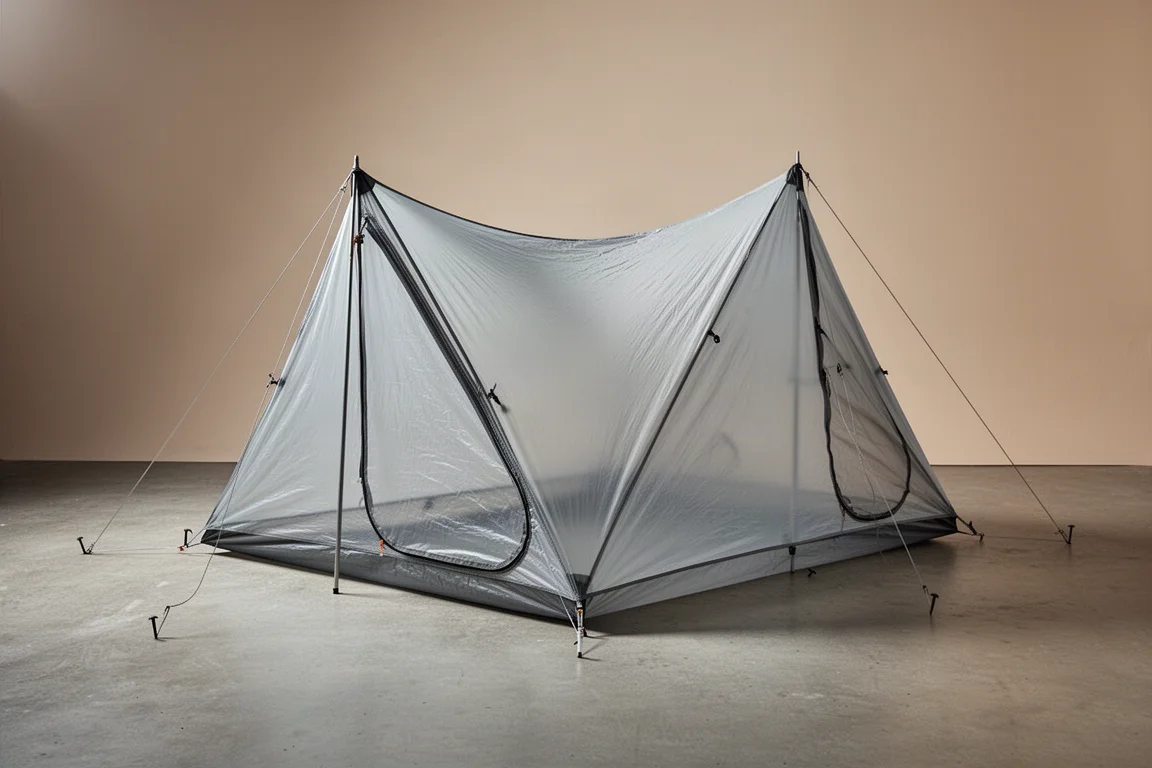
Durston Gear X-Mid Pro 2: The Tent That Draws the Most Interest
The Durston Gear X-Mid Pro 2 is the shelter that attracts more questions than anything else in this roundup. It sits at the lightweight end of the tent market, where small design decisions have a large effect on how a shelter performs over a long season.
That reputation is the main reason it appears here. It is a tent worth researching in detail before you commit, because lightweight shelters involve real trade-offs in interior space, pitching, and weather protection, and those trade-offs matter more than the headline specification.
If you are shopping in this category, the X-Mid Pro 2 belongs on your shortlist alongside the other lightweight options you are weighing up.
GSI Pinnacle Soloist Cook Pot Set: Where the Orange Cup Came From
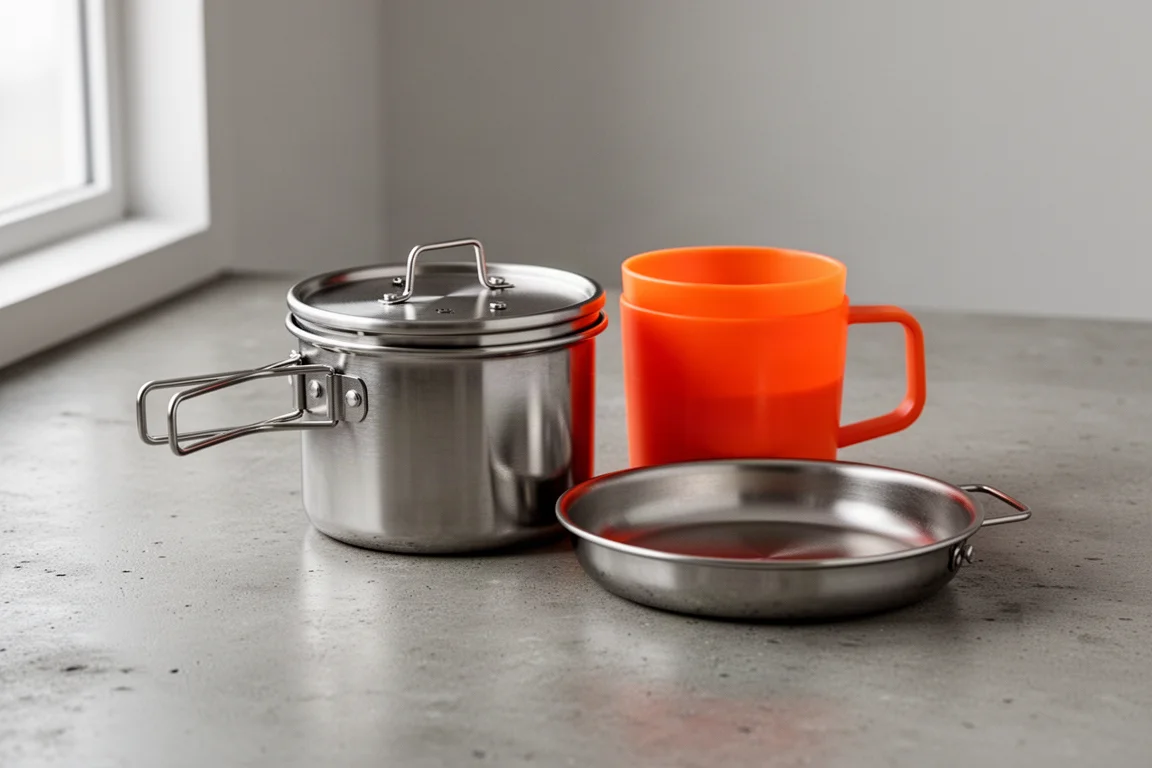
The orange cup that turns up in so many camp kitchen setups comes from the GSI Pinnacle Soloist Cook Pot Set. It is worth being precise about that, because the cup sold separately by GSI is not the same one.
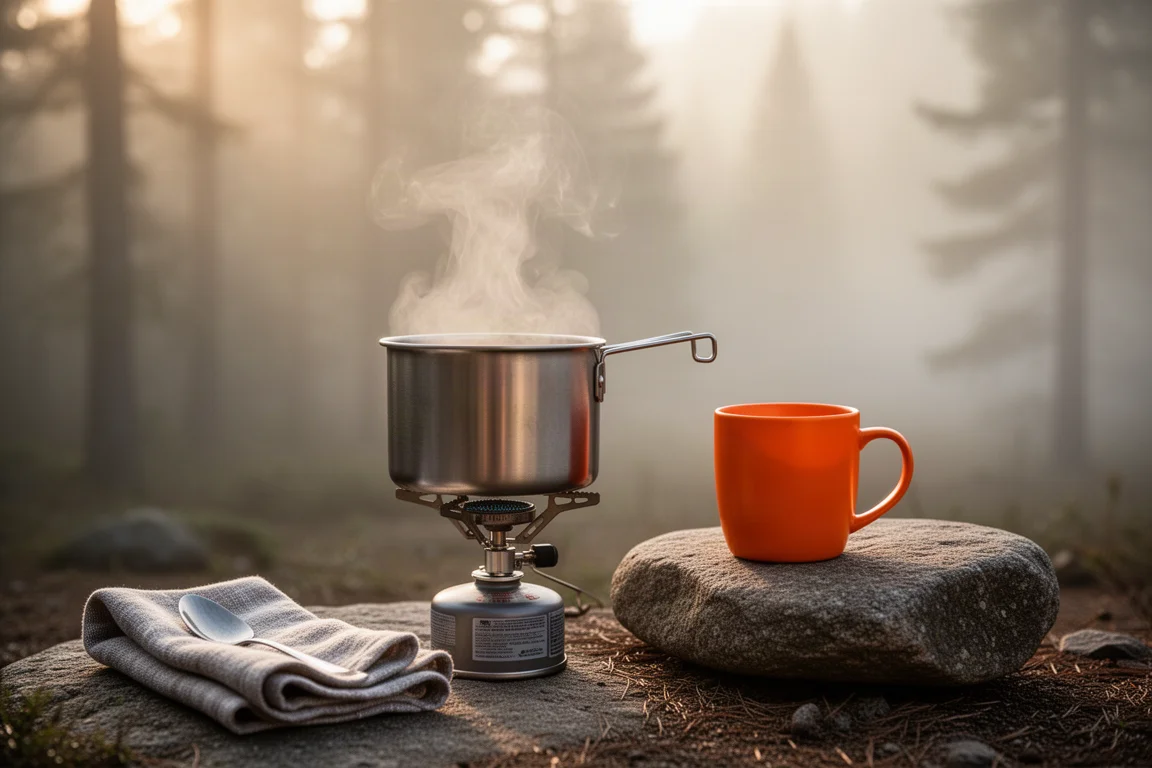
The nesting is the clever part. The cup fits around the outside of a 550 ml pot and drops neatly inside a 700 ml pot, which means you can carry it without giving up pack space. It is a small detail that makes a real difference in a tightly packed cook kit.
Durability has been proven over roughly eight to nine years of use. Availability is less certain, and the set may no longer be in production, so it is worth checking current listings carefully if the nesting cup is what you are after.
Knafs Lander: A Budget Folder That Punches Above Its Price
The Knafs Lander is a budget-focused folding knife that lands at roughly $60 and uses D2 steel. It is small, light, and designed with everyday carry in mind, which also makes it a sensible size to keep in a backpack.
The design is the standout. It looks and feels more considered than the price suggests, and it has become a genuine lightweight option rather than a compromise pick you settle for.
For anyone who wants a capable folder without spending premium money, the Lander is an easy starting point.
Benchmade Mini Bugout CF Elite: Small, Light, Quick
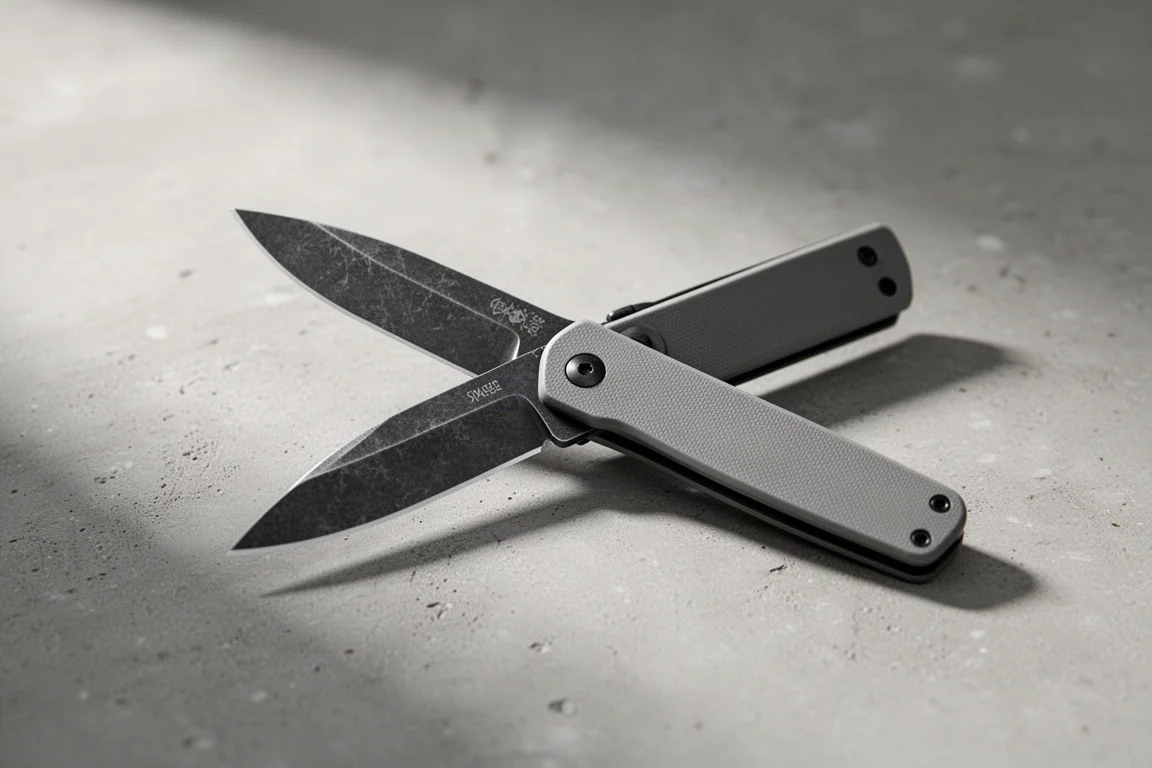
The Benchmade Mini Bugout CF Elite is the smallest and lightest of the Bugout family here, and for backpacking it is arguably the pick of the group. The CF Elite variant keeps the package compact and light in the hand.
The Axis lock is the reason many people stay with Benchmade. It opens and closes smoothly and feels secure in use. Combined with the small size, it makes a blade that is easy to carry and easy to trust.
If you want one small knife that handles camp tasks and everyday carry equally well, start here.
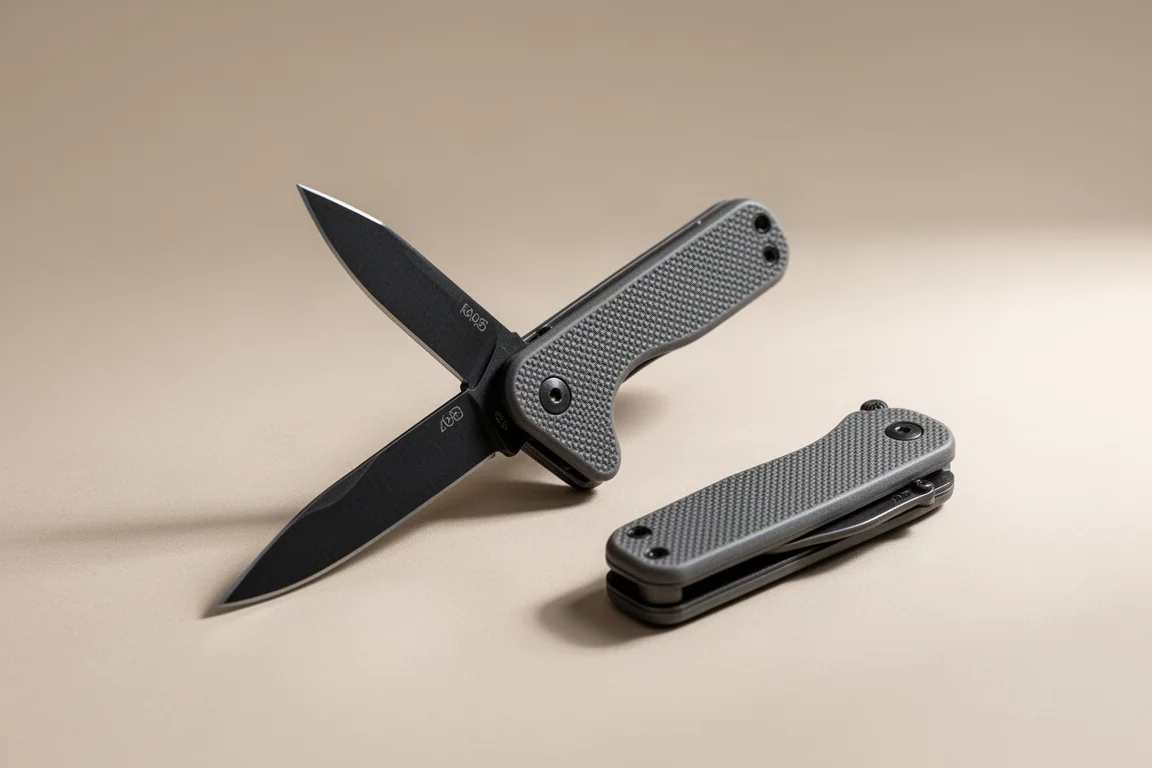
Benchmade Bugout: A Little More Blade in Hand
The standard-size Benchmade Bugout takes what works about the Mini and scales it up. It shares the same Axis lock action, but the larger handle and blade suit people with bigger hands or anyone who wants more purchase on the knife during longer tasks.
It stays light for a full-size folder, so the extra size does not come with much of a weight penalty in a pack.
Benchmade also offers the Bugout in a range of configurations. A custom build with 20CV steel and red G10 scales is one example of how far the platform can be tailored.
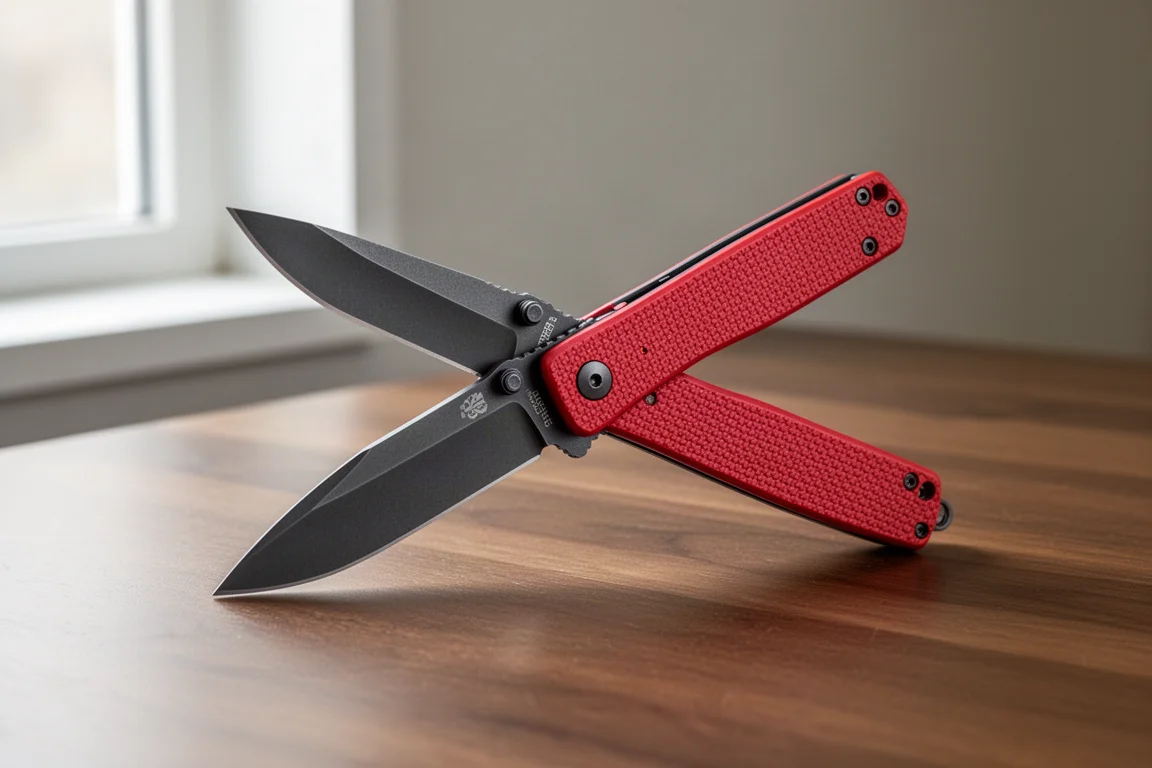
GiantMouse The Grand: Heft for Camp Chores
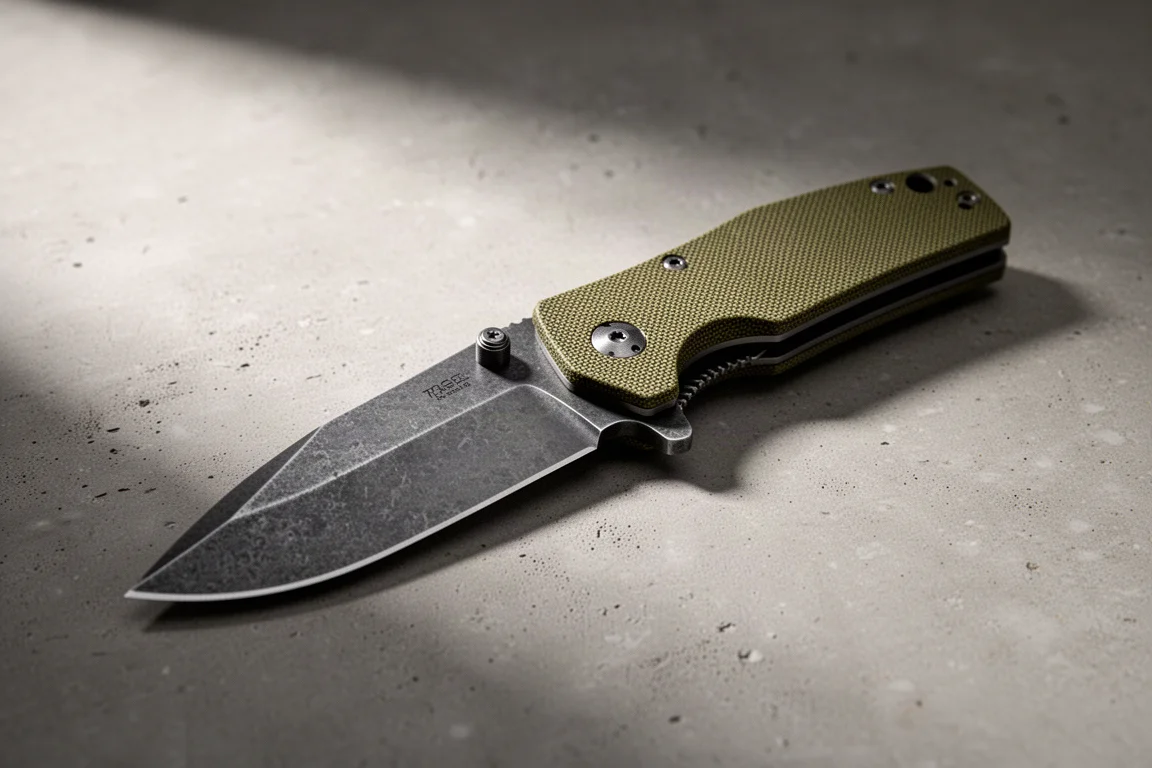
The GiantMouse The Grand is the heavyweight of this group. With green Micarta handles and a noticeably thick, substantial blade, it is built for tasks that ask more of a knife than opening packaging or trimming cord.
That makes it a natural fit for car camping, where wood processing and heavier camp chores are part of the evening routine. The extra mass and strength are the whole point, and the design is unmistakably premium.
It is more knife than a backpacker needs, and heavier than most people would want to carry on a long hike. As a dedicated camp and vehicle knife, though, it is excellent.
GiantMouse Nimbus: Lighter, With More Substance
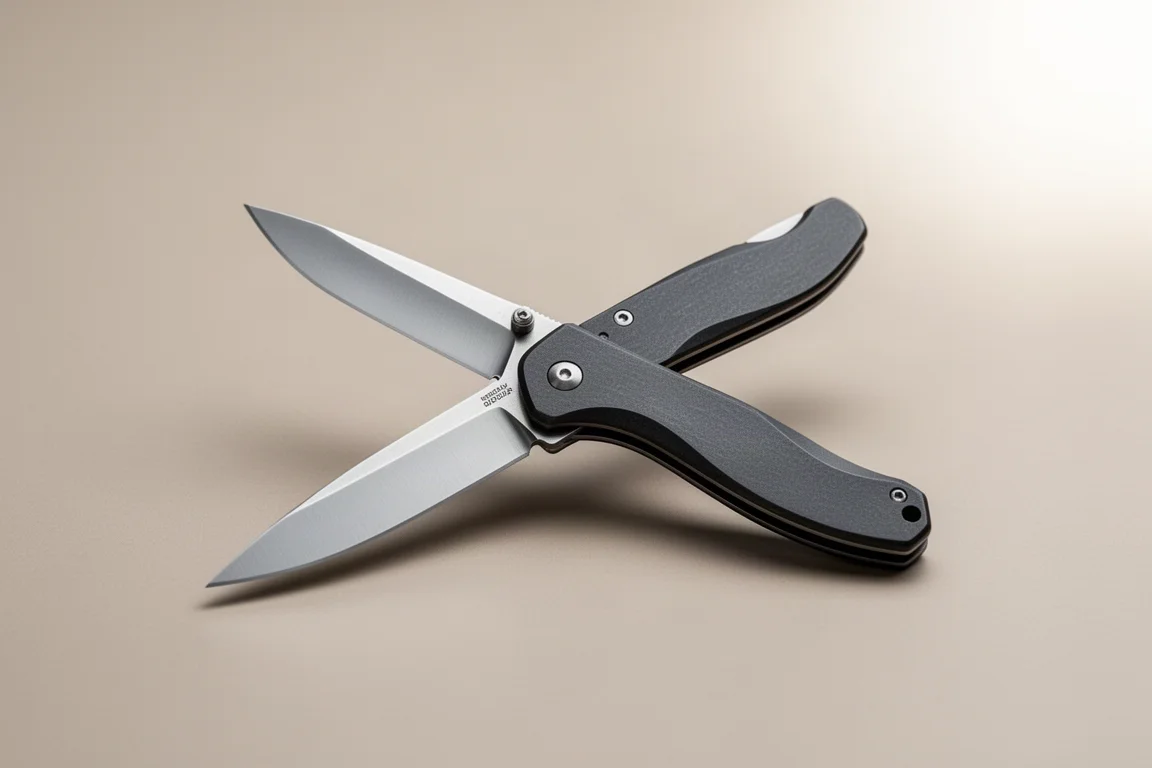
The GiantMouse Nimbus sits between the two extremes. It is lighter than The Grand but has more substance than a minimal everyday carry folder, which makes it a good all-rounder for camp chores.
The design cues are a big part of the appeal, particularly the spine, which is shaped to sit comfortably in the hand during longer cutting tasks. The steel choice is solid and the overall build feels refined.
For anyone who wants one quality folder for camping and general use, the Nimbus is a well-rounded answer.
Flextail Gear Tiny Pump X: Pump and Lantern in One
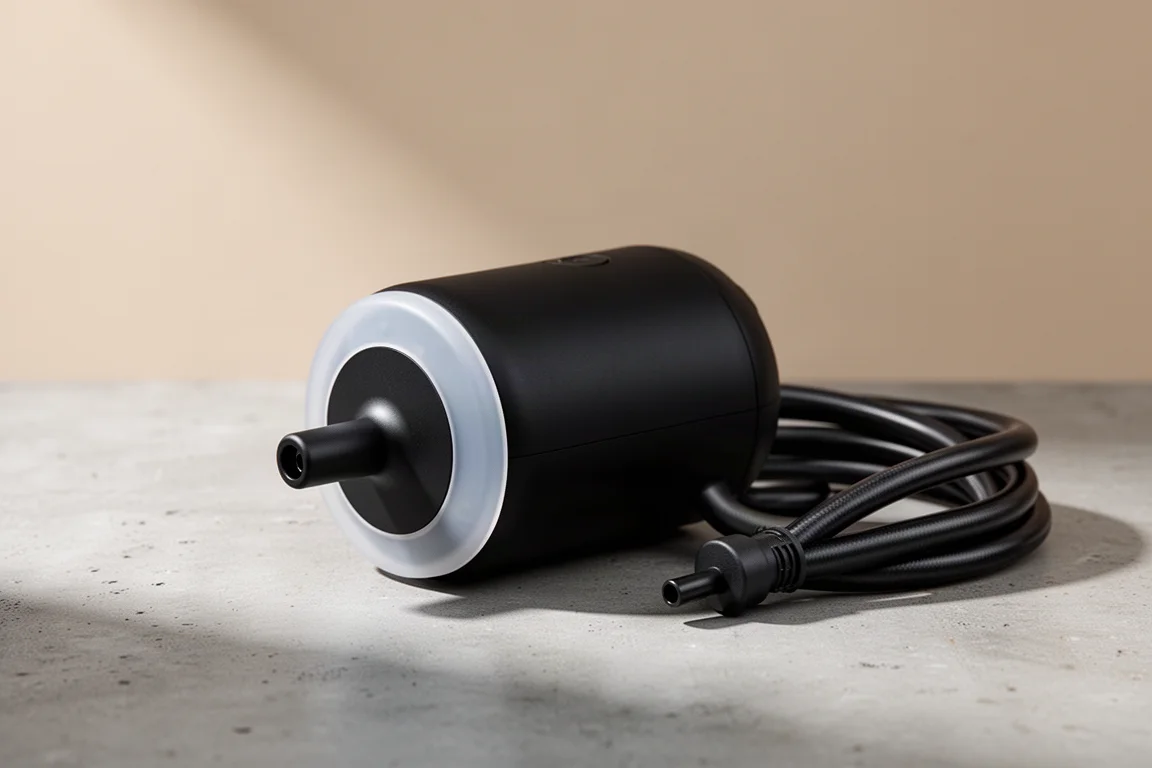
The Flextail Gear Tiny Pump X solves two problems at once. It is a small electric pump for inflating sleeping pads, and it doubles as a lantern, which means one compact item replaces two in your pack.
Inflating a pad by breath is tedious at the end of a long day, and carrying a separate lantern for evening camp tasks adds weight and bulk for no real benefit. Combining both jobs into a single device is a quietly smart piece of design.
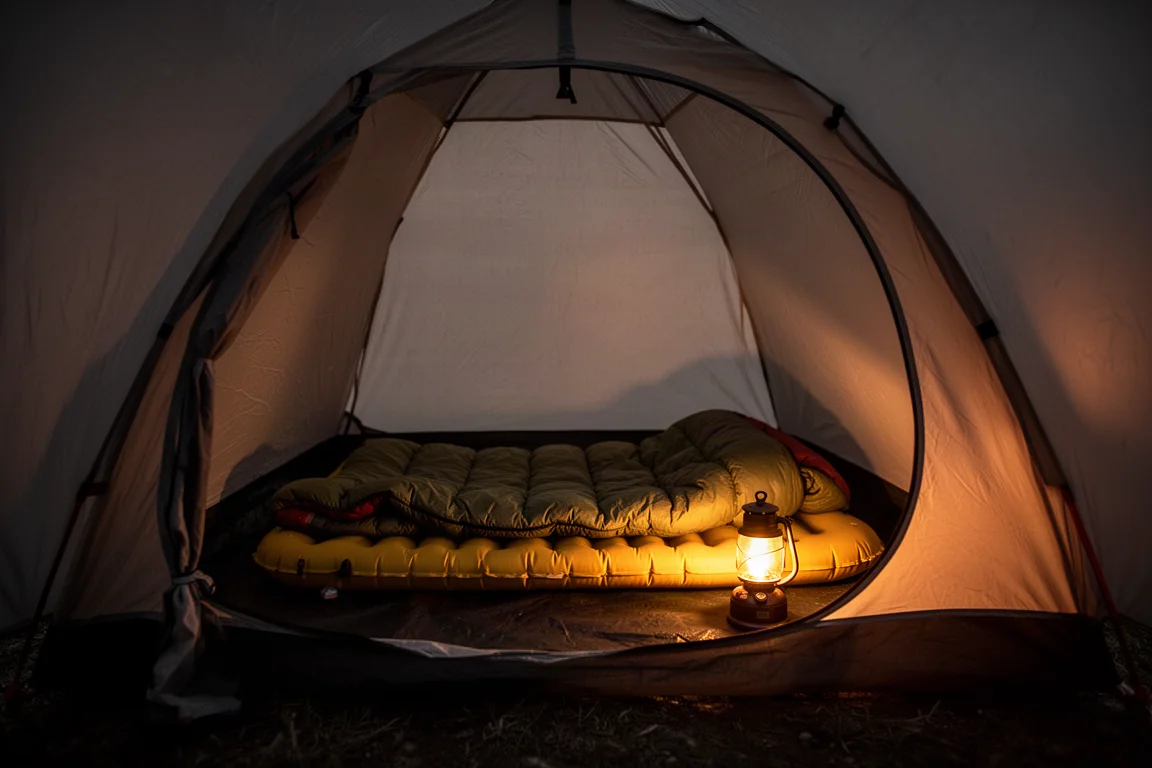
It is a small, inexpensive addition that improves camp routine, and it is easy to recommend for anyone using an inflatable pad.
Garmin Messenger: Satellite Messaging With a Screen
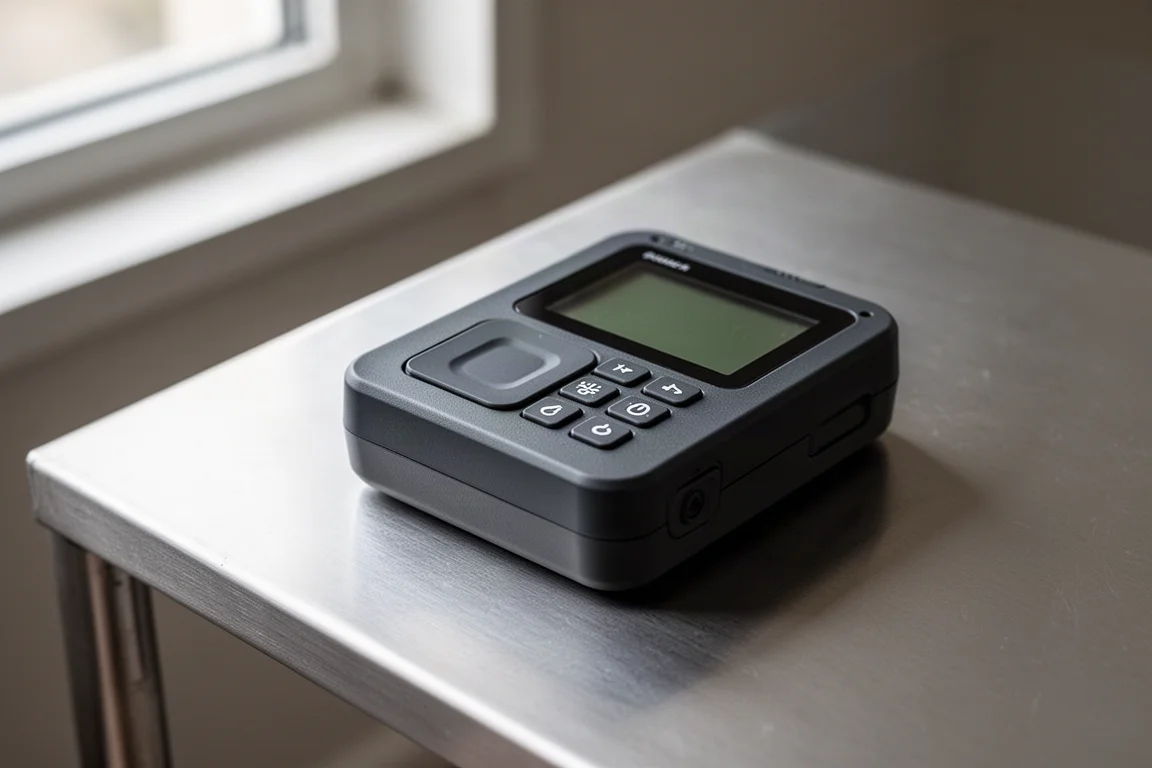
The Garmin Messenger is a satellite communicator with a built-in screen, which sets it apart from screenless devices that rely entirely on a paired phone. The display is genuinely useful for checking messages and status without reaching for your phone.
The learning curve is the trade-off. The messaging app and interface take more time to get comfortable with than the simpler alternatives, and that friction is worth weighing if quick, low-effort messaging is your priority.
As a piece of hardware it is capable, and the display gives it a distinct appeal for hikers and backpackers who want information at a glance.
Zoleo Satellite Communicator: Messaging Done Simply
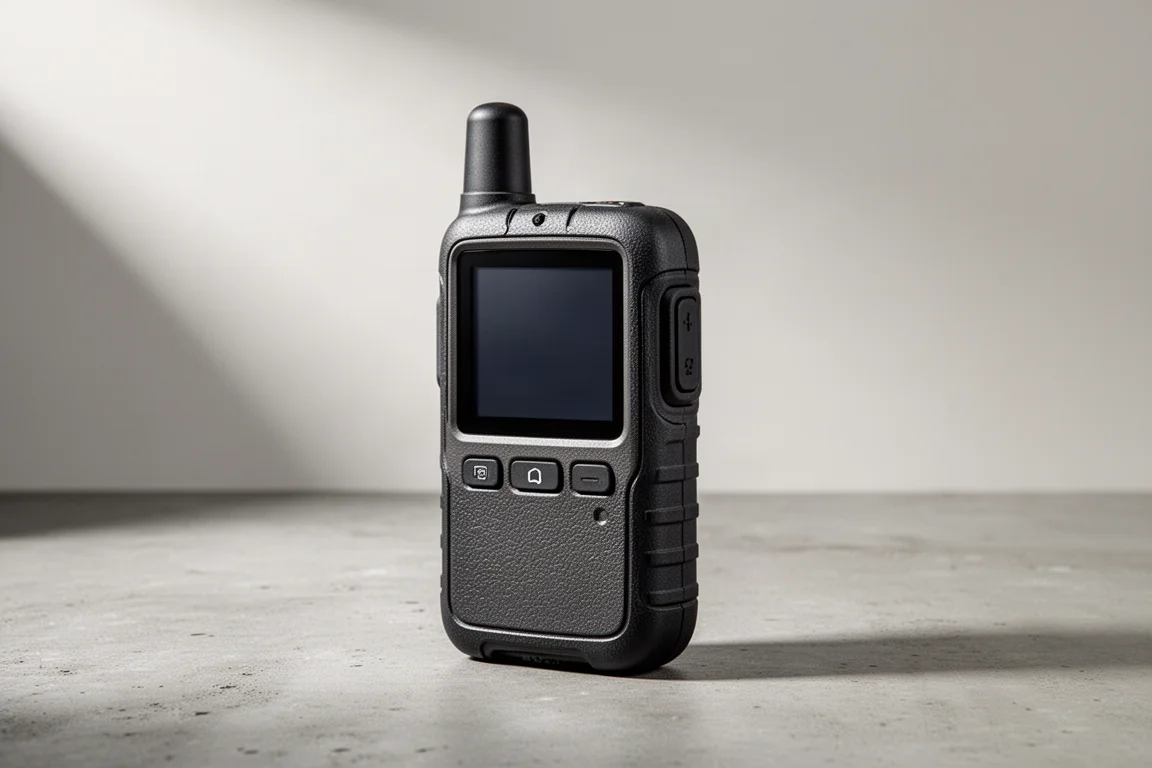
The Zoleo Satellite Communicator takes the opposite approach. There is no screen, and the experience is built around straightforward messaging through a paired phone.
That simplicity is exactly why it works. Messaging feels quick and uncomplicated, and for the core job of staying in touch from remote places, it is the smoothest option in this group.
If your priority is sending and receiving messages with as little friction as possible, Zoleo is the one to choose. If you would rather have on-device information, the Garmin Messenger makes more sense.
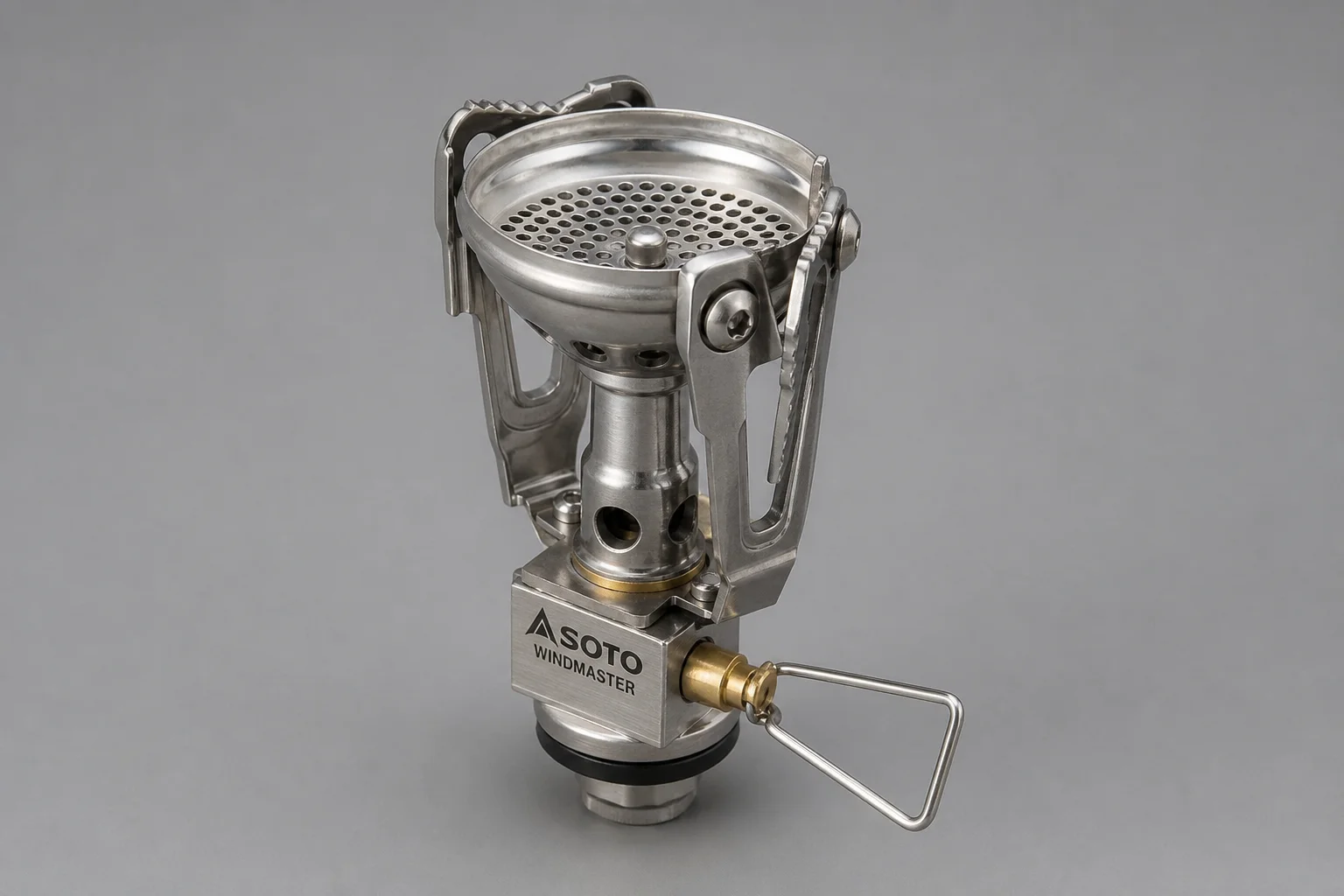
Soto WindMaster: Precise Control When It Gets Cold
The Soto WindMaster is a standout stove. It comes with interchangeable pot supports, so you can swap between configurations depending on the pot you are using, and its regulator helps maintain consistent performance when temperatures drop.
The main drawback is height. It is a tall stove, which means it will not sit inside every pot system, so it is worth checking the fit against your cookware before you commit.
For colder-weather trips where the regulator earns its keep, the WindMaster is an excellent choice. In mild conditions, most people will not need what it adds.
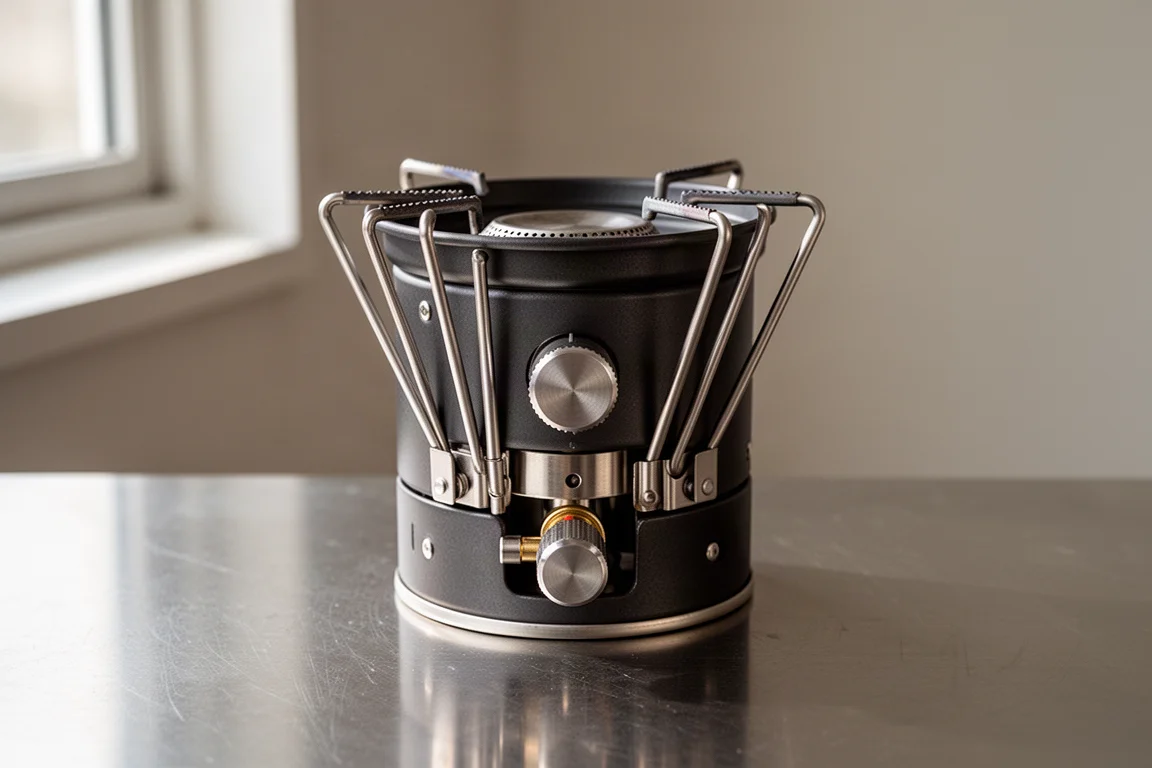
Soto Amicus: The Value Pick Between the Two Stoves
The Soto Amicus is the value pick between the two Soto stoves, and for most people it is the better buy. It delivers high performance for its price and has built-in pot stands, so there is nothing extra to assemble or keep track of.
Its shorter, more compact shape also means it packs into more pot systems than the WindMaster, which matters if you like a single nesting cook kit.
For three-season backpacking in fair weather, the Amicus covers everything a backpacking stove needs to do. The regulator on the WindMaster only becomes a meaningful advantage in genuinely cold conditions.
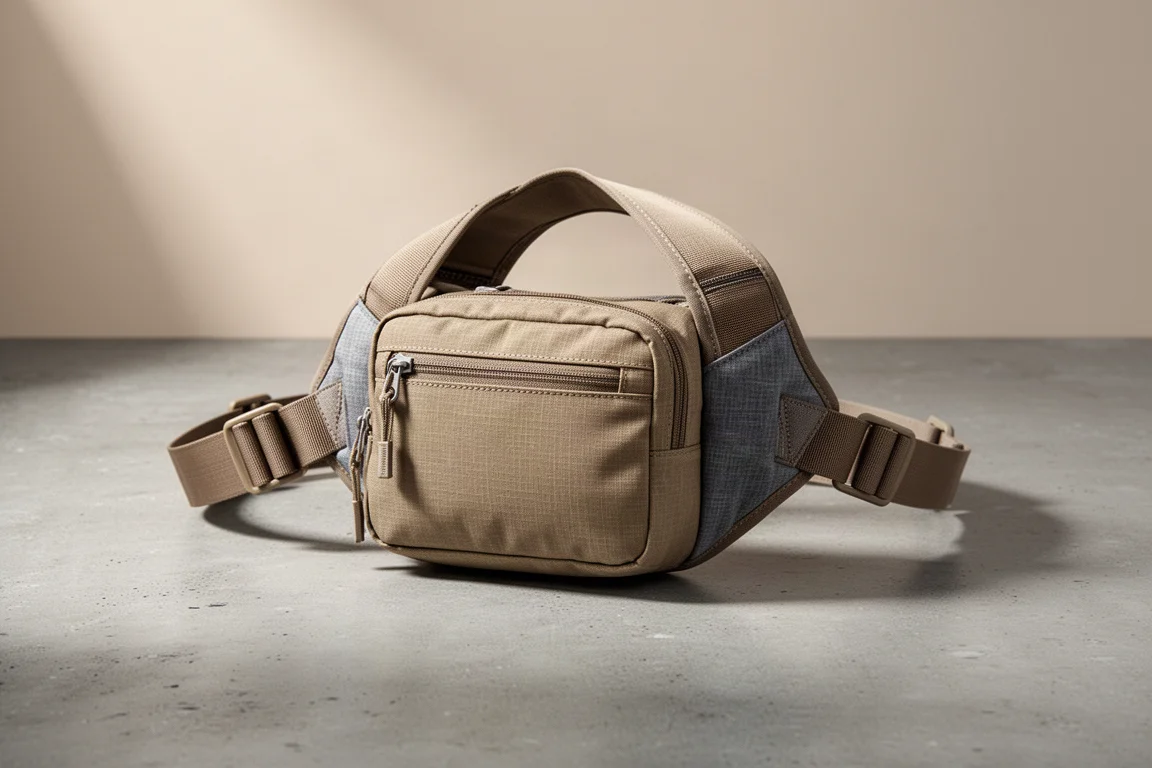
Hill People Gear Runner’s Kit Bag: Chest Carry That Earns Its Place
The Hill People Gear Runner’s Kit Bag is a chest pack designed around concealed carry. A rear compartment holds a firearm close to the body and within easy reach, while a front pocket keeps small essentials accessible.
That front pocket is more useful than it sounds. A small flashlight, some toilet paper, lip balm, and a mini lighter are exactly the things you want within arm’s reach around camp, and the bag keeps them organised without digging through a pack.
Comfort is the other strength. Worn over a backpack harness and straps, it sits securely and does not interfere with a loaded pack. Anyone considering this bag should make sure they understand and follow the firearms rules that apply where they live and travel.
Buying Advice: Matching Gear to Your Trip
Start with the trips you actually take. If most of your miles are long days with a pack on, weight should drive your decisions, and the Rapide SL, the Mini Bugout, the Amicus, and the Tiny Pump X all earn their place by staying light while still doing their job. If your camping is closer to the car, the Quasar 3D Insulated, The Grand, and the WindMaster make more sense, because the comfort and capability they add cost weight you are not carrying far.
Budget matters just as much. The Knafs Lander and the GSI cook set show that spending less does not mean settling, and the Amicus is the clearest example of a lower price delivering top-tier performance.
For satellite communication, the decision comes down to interface preference. Zoleo keeps messaging simple and screenless; the Garmin Messenger adds a display and a steeper learning curve. Neither is the wrong answer, but one will suit you better than the other.
The tent decision deserves the most research. Lightweight shelters involve real trade-offs, and the X-Mid Pro 2 is worth understanding fully before you buy.
Finally, check the details that are easy to overlook: whether the WindMaster fits your pot, whether the cook set you find is the one with the nesting cup, and whether the knife you choose is sized for your hands. Small compatibility questions cause most of the disappointment in gear purchases.
Conclusion
None of these items is essential for every trip, and that is the point. Each one is here because it does a specific job well: a pad that balances comfort and weight, a second pad that puts comfort first, a lightweight tent with a serious following, a cook set with a cult nesting cup, four folders covering different budgets and tasks, a pump that replaces a lantern, two satellite communicators with different philosophies, two stoves with different strengths, and a chest pack that keeps essentials close.
Choose based on the trips you take most often, and the gear will earn its place in your pack.
Further reading
Related Reviews

Backpacking Gear
Building a 10 lb Base Weight: An Ultralight Backpacking Gear List
A practical walkthrough of the ultralight pieces behind a 10 lb base weight, from a 765 g pack and a roomy one-person tent to a full camp chair and a dependable water filter.

Backpacking Gear
A 15-Pound Lightweight Backpacking Gear List for Solo Trips
A beginner-friendly 15-pound backpacking setup built from easy-to-find gear, with notes on what each piece does, how it packs, and where to spend your attention.

Backpacking Gear
8 Ultralight Backpacking Gear Upgrades Worth Carrying
Eight small, affordable backpacking upgrades that solve real trail annoyances, from a pillow that stays put to a fuel valve that rescues leftover canister gas.