Backpacking Gear
Most Anticipated Backpacking Gear: 10 Pieces Worth Watching
Ten backpacking items earning real trail time this season, from budget canister stoves and a memory foam camp pillow to two premium ultralight shelters.
Introduction
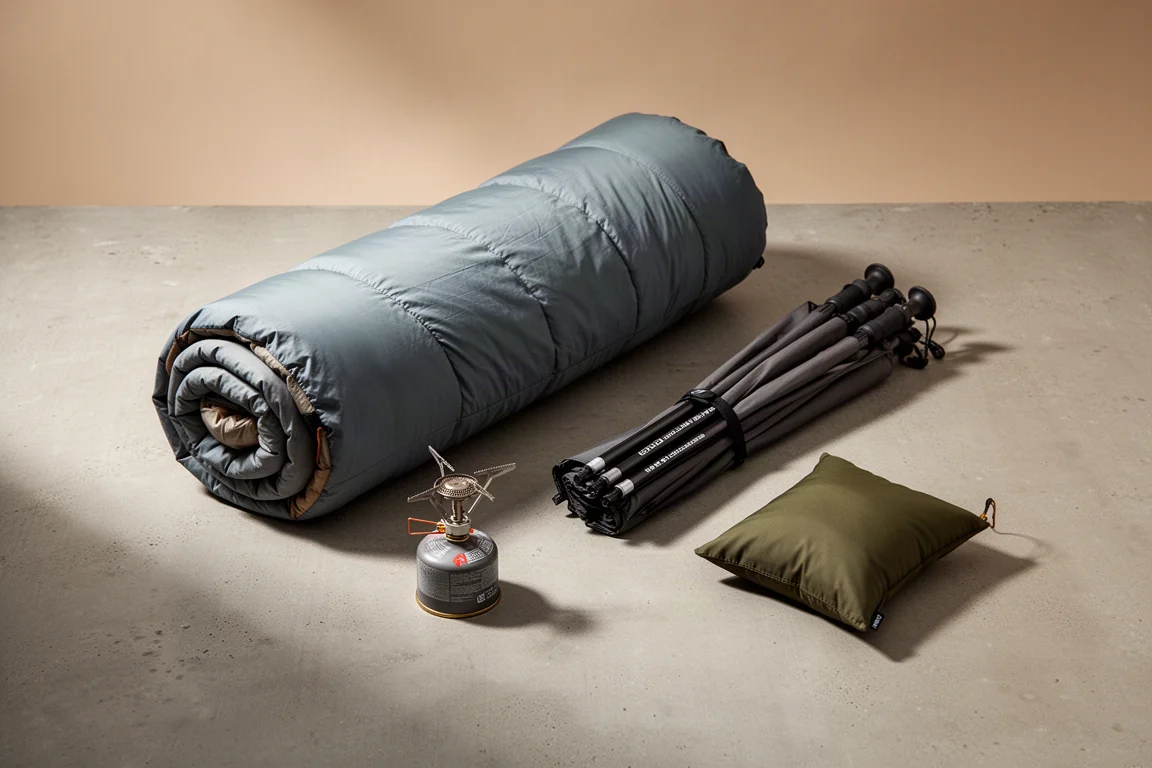
Every season brings a fresh batch of gear worth testing, and this list collects ten pieces that are already earning trail time rather than sitting on a shelf. They cover a wide spread of budgets and priorities, from a canister stove that costs less than a casual dinner to a premium trekking-pole shelter.
Some of these items have already been used on overnight trips, while others are only now beginning their field testing. The notes below focus on what each piece is, what stands out about it, and what remains unproven.
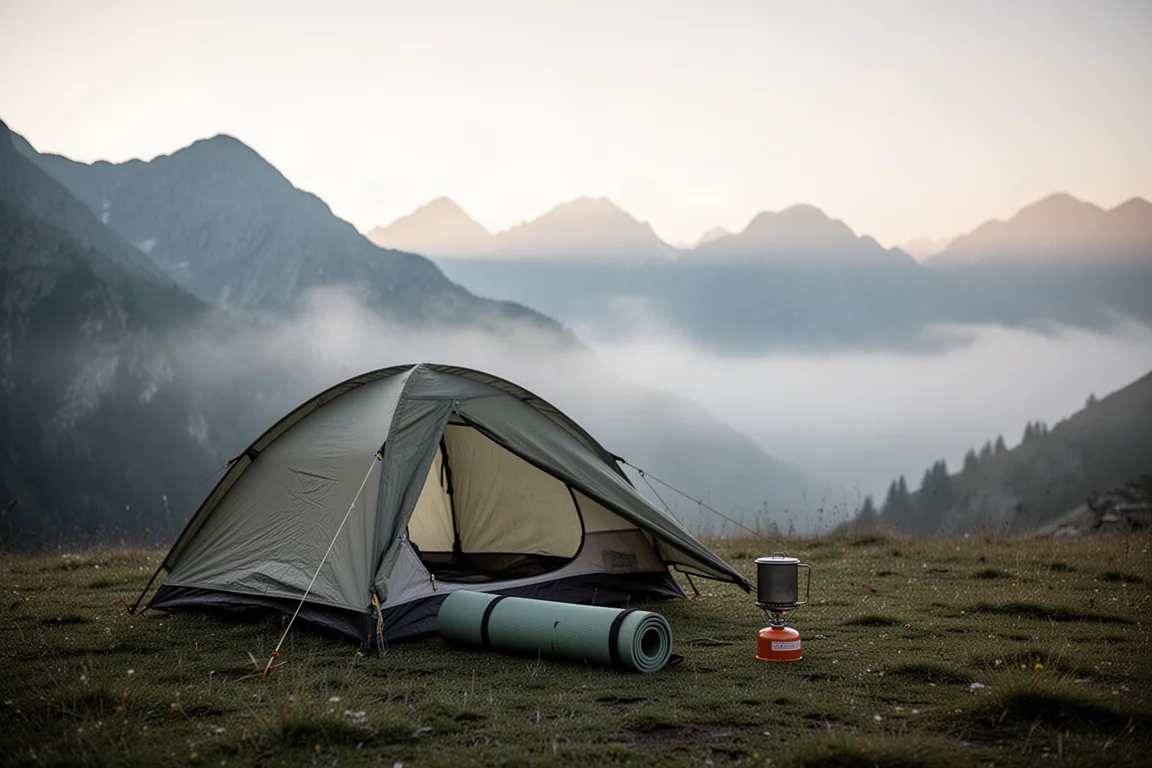
If you are rebuilding a kit or upgrading one weak spot, the sections that follow should help you decide where your money does the most work.
How These Items Were Selected
The thread running through this list is practical field time. Comfort, packability, and price are weighed against how often a piece of gear will realistically be used. A low-cost stove that works reliably can matter more than an expensive one with features you never touch, and a comfortable sleeping setup can be worth more than a few saved grams.
Each entry below notes the standout strengths and the trade-offs worth knowing before you buy. Where a product has only seen limited testing so far, that is called out rather than glossed over.
Nemo Riff Sleeping Bag
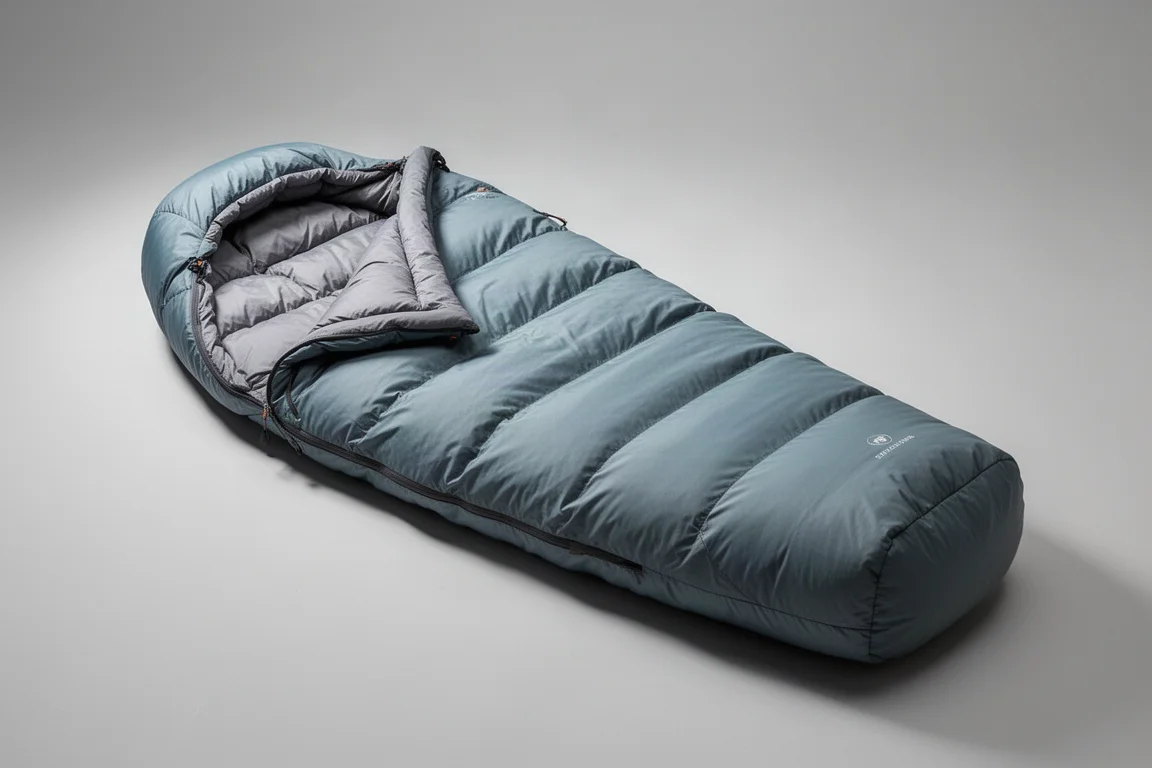
The Nemo Riff is a down sleeping bag built with high fill power insulation and a spoon shape instead of a traditional mummy cut. That roomier profile is the headline feature: it gives side sleepers more space to move and removes much of the closed-in feeling a tight mummy bag creates. It has already been out for a weekend trip and made a strong first impression.
For backpackers who have always tolerated a mummy bag rather than enjoyed it, the Riff is the kind of change that can affect how well you sleep. The trade-off is that a roomier cut is not the most compact option if your only priority is shaving grams.
Nemo Fillo Pillow
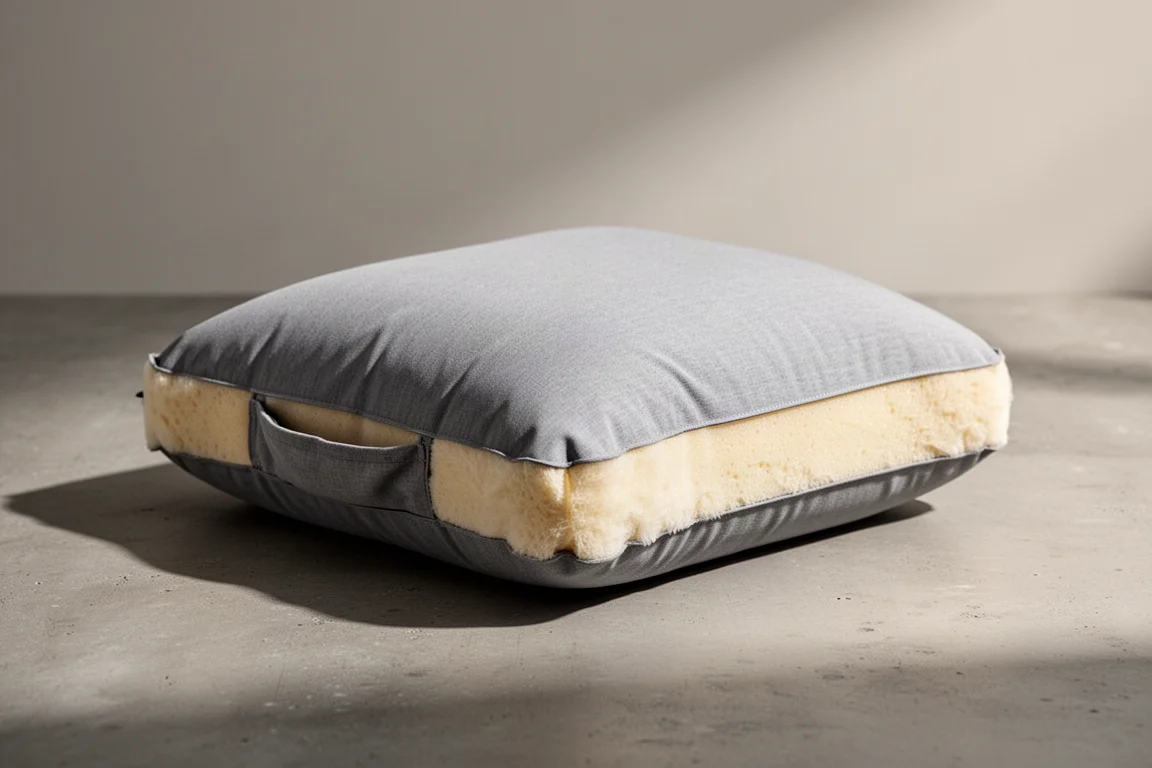
The Nemo Fillo is a camp pillow with memory foam inside. On paper it looks bulky next to a minimalist inflatable pillow, and that bulk is exactly why it is easy to dismiss. In practice, the memory foam changes the quality of sleep on a trip, and a single night was enough to make that clear.
If you are deciding between a pillow like this and a lightweight inflatable, the question comes down to what you value more: a smaller packed size or a night that feels closer to sleeping at home. Side sleepers in particular tend to notice the difference.
Big Agnes Skyline UL Chair
The Big Agnes Skyline UL is a lightweight backpacking chair with a taller seating position than many competitors, and that extra height is a big part of why it is so comfortable at camp. It has been a favorite piece of gear in the past and is back in rotation as a go-to chair.
The obvious catch is the price. At around $150 it is not a cheap chair, and it only makes sense if you actually sit down at camp and value that comfort. For backpackers who do, it is easy to justify.
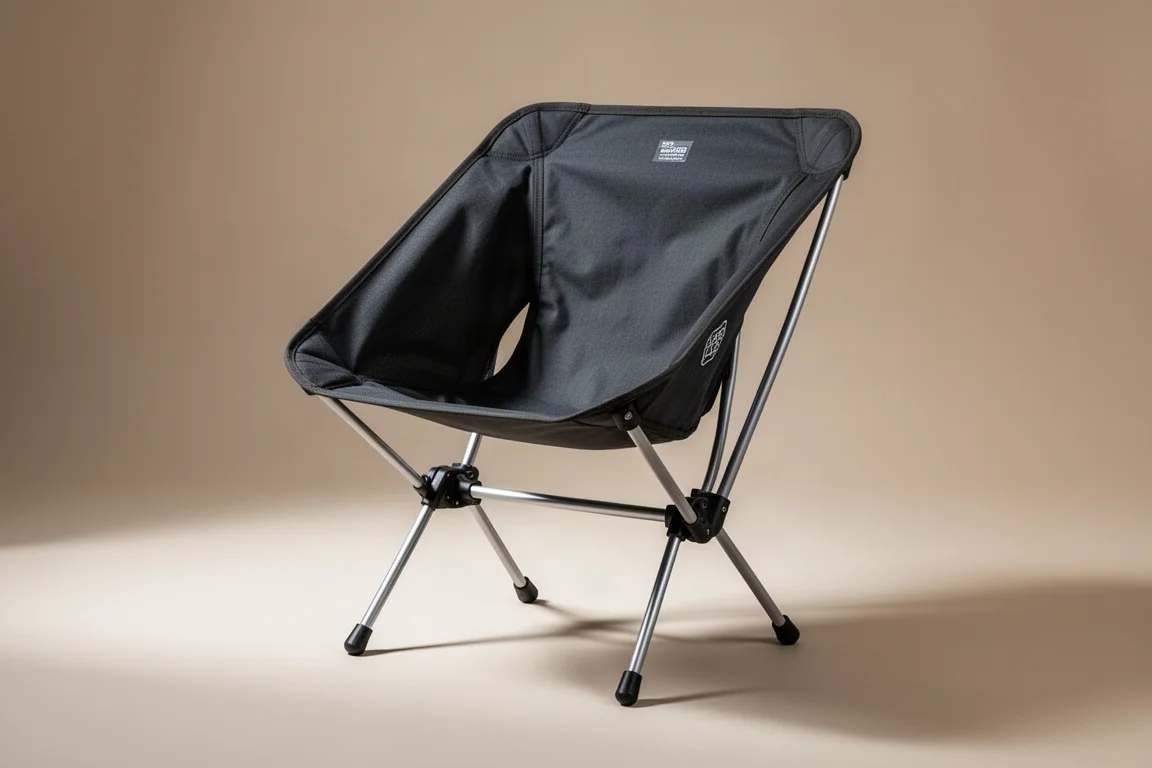
Fire Maple Burn Stove
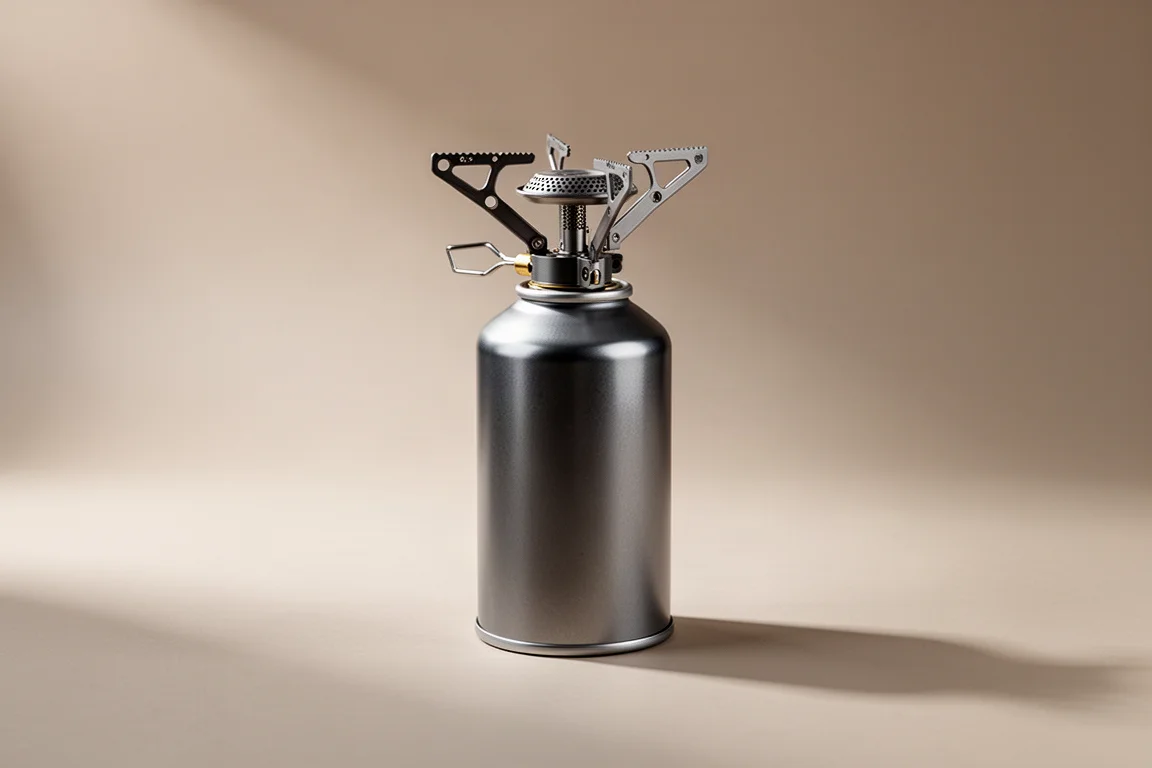
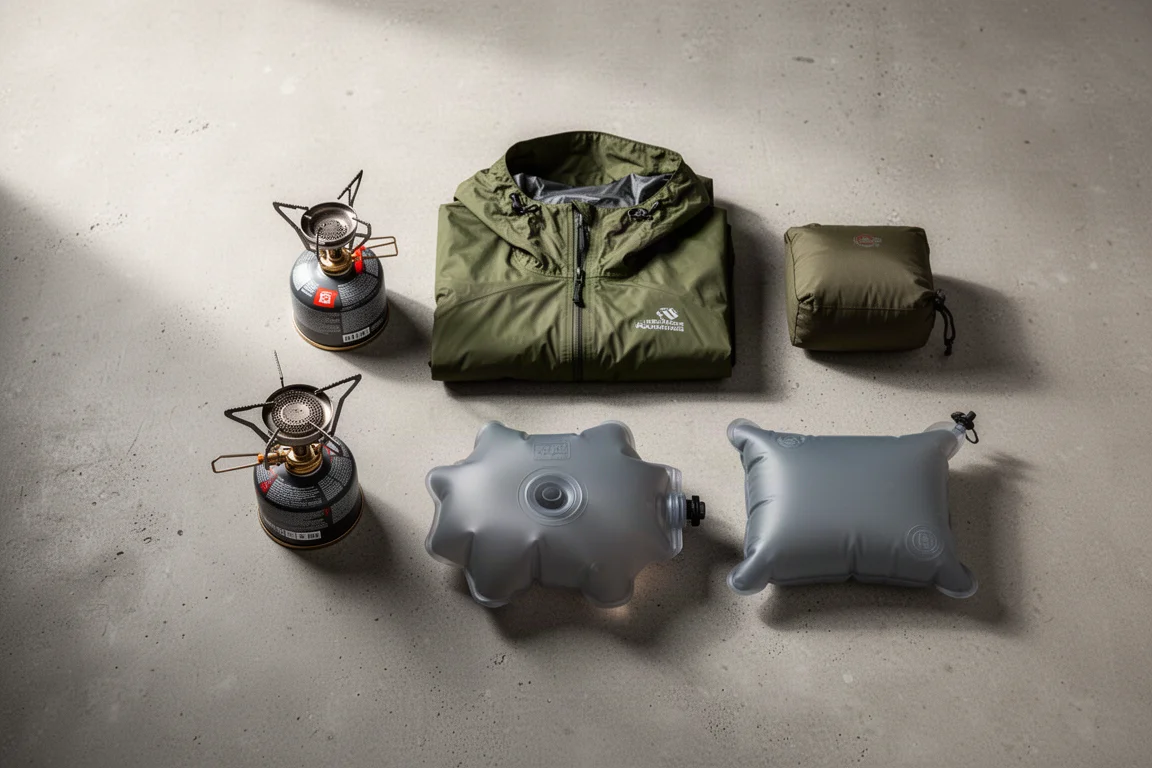
The Fire Maple Burn is a budget canister stove that sells for under $30. It is a deliberate change of pace from the higher-end stoves that usually dominate a gear kit, and the appeal is straightforward: see how a low-cost stove holds up against more expensive options in real use.
If you are new to canister stoves or want a spare, the Burn keeps the entry cost low. What it does not offer is the more advanced feature set found on the regulated models in the same lineup.
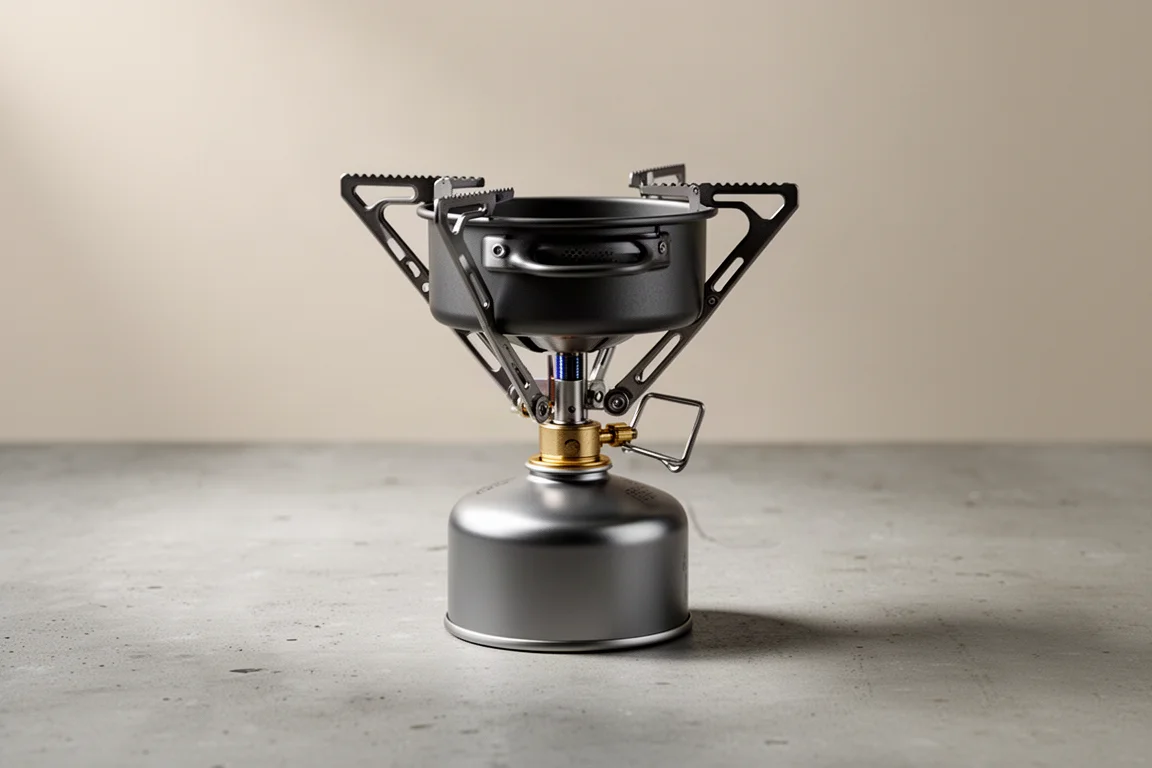
Fire Maple Polaris Stove
The Fire Maple Polaris steps up with a built-in regulator, the kind of design found on well-regarded regulated canister stoves, and it uses a similar burner design to those models. That regulator matters most when conditions change, since it helps the stove hold a steadier output as the canister cools.
It has already seen winter use and performed decently. Canister stoves are never perfect in genuinely cold temperatures, so expectations should stay realistic, but the early results are encouraging.
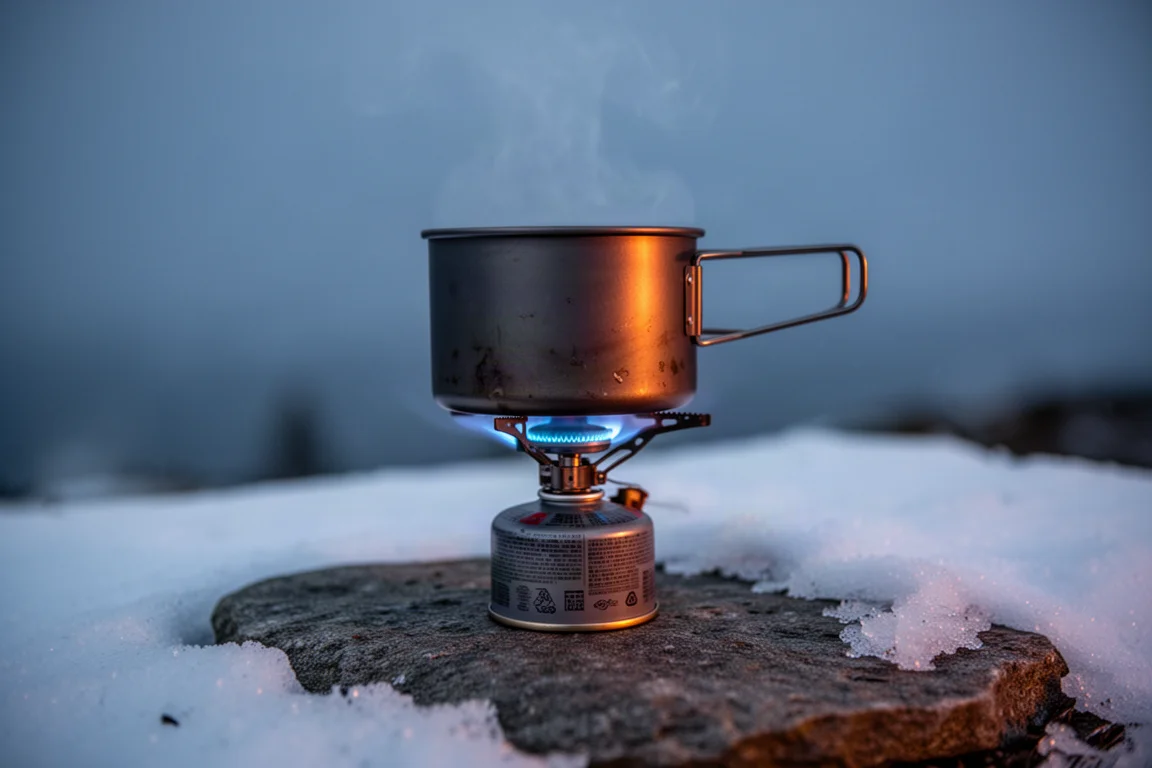
For three-season trips and shoulder-season outings, a regulated stove like this covers the majority of cooking needs without the premium price of the best-known alternatives.
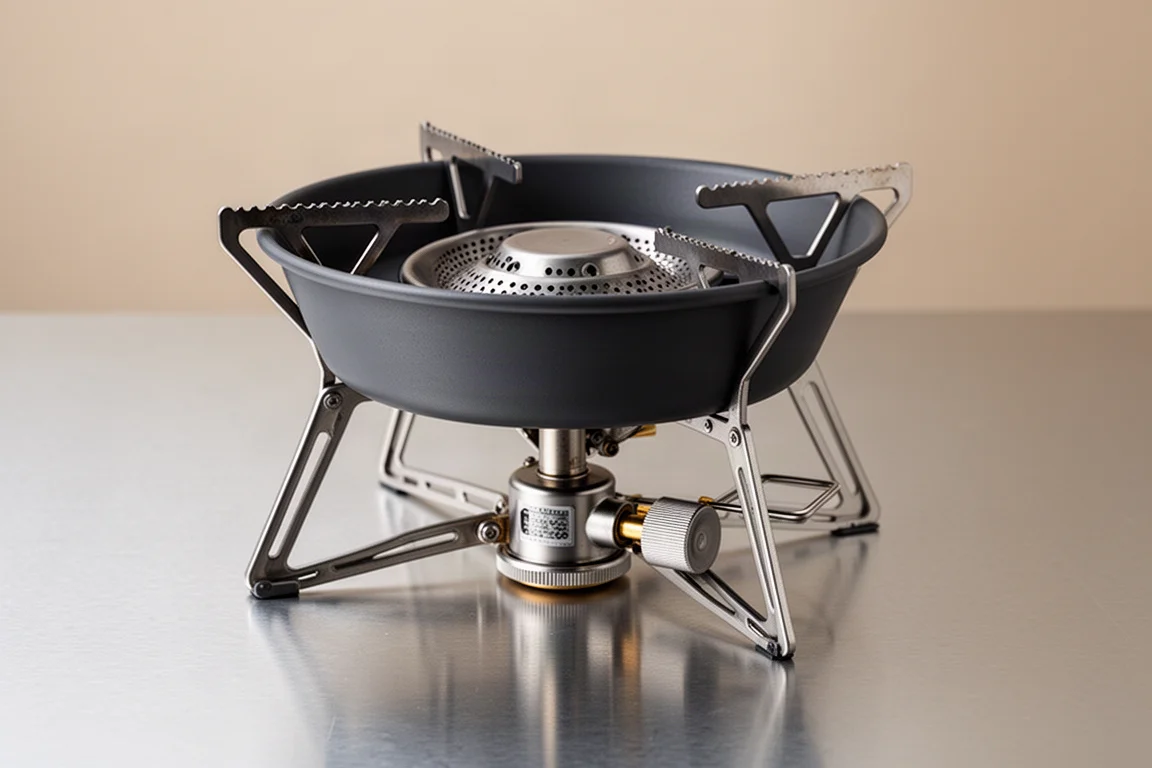
Fire Maple Hornet 2 Stove
The Fire Maple Hornet 2 rounds out the brand’s affordable stove lineup and is the model that stands out most for side-by-side comparison with the Burn and the Polaris. Fire Maple stoves generally land at a friendly price point, which is what makes the lineup worth testing as a group.
If you are shopping within a tight budget, comparing these three stoves against each other is a sensible starting point.
CNOC Vecto X Water Bag
The CNOC Vecto X is a thicker, more rugged version of the Vecto water bag. The original had a recurring problem with pinhole leaks, and the X answers that directly with a much heavier material. The goal is a water bag that simply keeps working, trip after trip.
It has not been put through extended testing yet, so long-term durability is still an open question. Even so, the change in material is the right kind of fix for the problem it targets.

Outdoor Vitals Tushar Rain Jacket
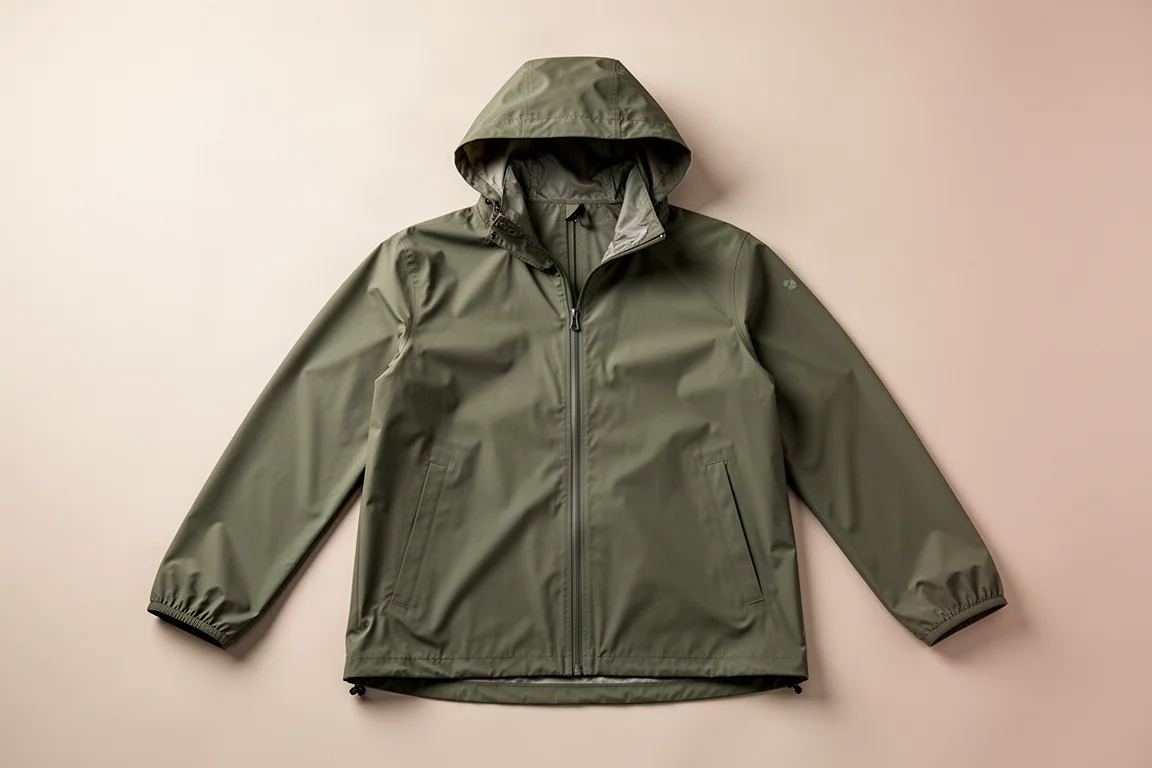
The Outdoor Vitals Tushar is a rain jacket that replaces a shell that had been used until it was finished. It has been on hand for several months, and the plan is to give it far more mountain time, which usually means far more rain.
A rain jacket lives or dies on how it handles sustained wet weather, and that is exactly what still needs to be established here. If you are comparing it against other lightweight shells, treat it as a promising option that has not yet been through a full season.
Nemo Hornet Elite OSMO 2P Tent
The Nemo Hornet Elite OSMO is a two-person tent built with OSMO fabric in a very lightweight package. Early impressions were not especially positive for a few reasons, and the price is a major drawback given how light the tent is.
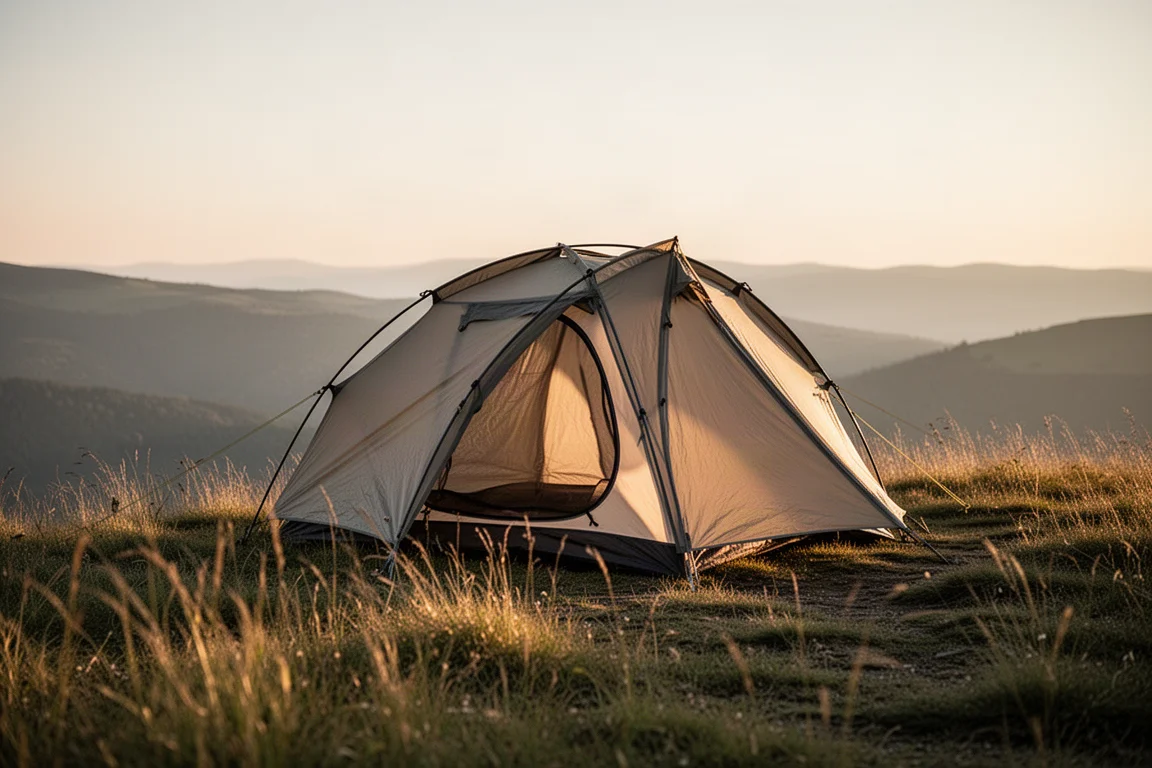
That said, a first look is not a verdict. The tent still needs a full round of testing across different conditions before it can be judged as a good option or a poor one for backpacking. If you are shopping in this category, it is worth watching for those results rather than buying on spec alone.
Durston X-Mid 2 Pro Tent
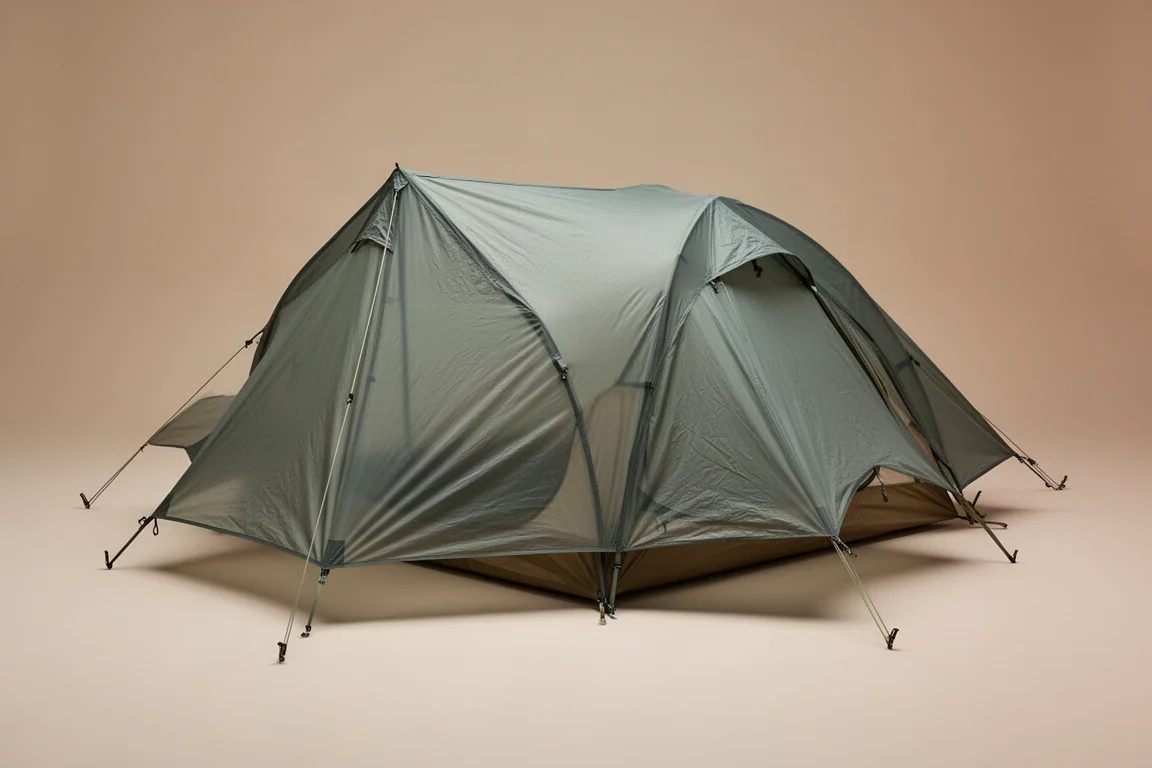
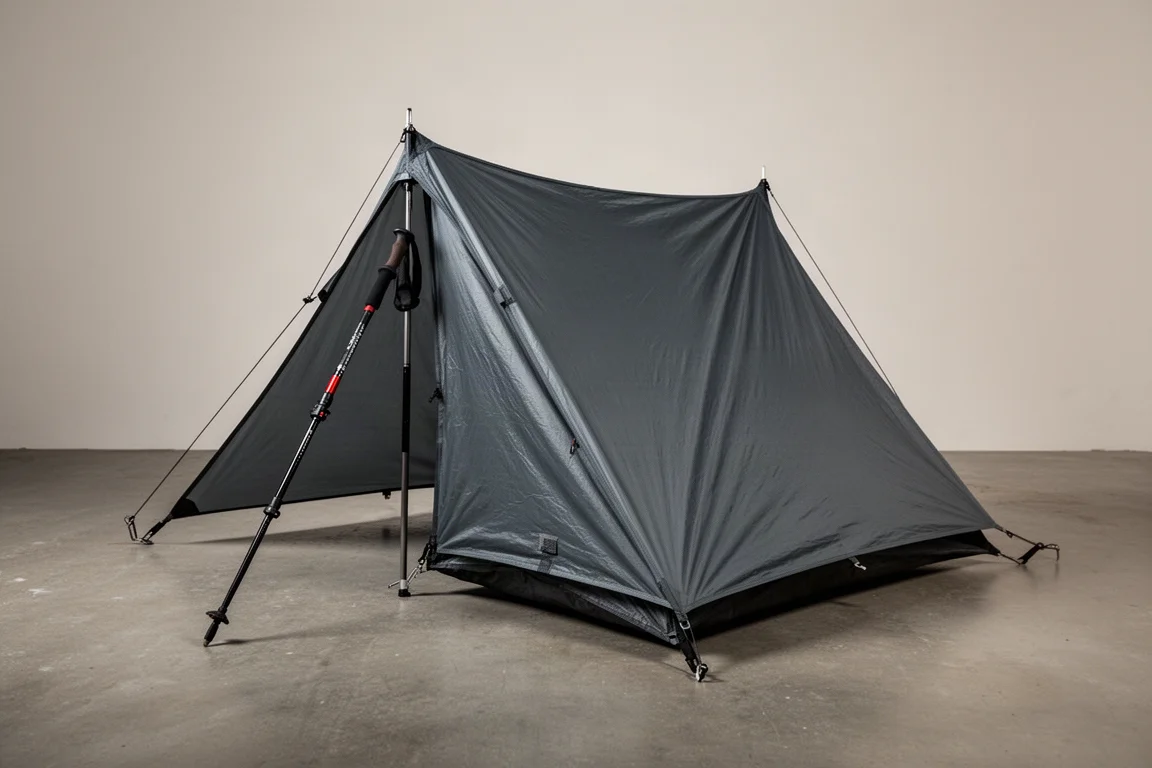
The Durston X-Mid 2 Pro is the standout of this list. It uses Dyneema construction and has already been used on two trips, including desert and snow conditions. The verdict so far is emphatic: it ranks among the best tents used in recent years.
Context matters here. An earlier standard X-Mid in a one-person size felt too narrow inside for the size of its footprint, which is why it was sold on. The Pro has been a completely different experience and is the piece of gear most worth following as testing continues.
Buying Advice
Where you spend money in a backpacking kit depends on which problems bother you most. Comfort items such as a roomier sleeping bag, a memory foam pillow, or a chair with a taller seat tend to pay off on every single trip, while a budget stove or water bag is an easy place to save without giving up much.
For shelters, the decision is mostly about weight and the price you are willing to pay for it. A very light two-person tent can be a serious investment, and the value depends on how many nights you actually spend under it. Paying more only makes sense when the weight saving and the design match the trips you take.
A practical approach is to upgrade one category at a time and give each piece a few real trips before moving on. Gear that survives a season of use tells you far more than a spec sheet ever will.
Conclusion
Ten pieces, one shared theme: gear that earns its place through use rather than marketing. The budget stoves and the Vecto X water bag show that low-cost options can still solve real problems, while the Riff, the Fillo, and the Skyline UL chair lean hard into comfort. The two shelters sit at the opposite end of the list, where low weight is the priority and the testing still in progress will decide how they stack up.
Whichever direction you go, the goal stays the same: gear that matches your trips and holds up over a full season.
Further reading
Related Reviews

Backpacking Gear
Building a 10 lb Base Weight: An Ultralight Backpacking Gear List
A practical walkthrough of the ultralight pieces behind a 10 lb base weight, from a 765 g pack and a roomy one-person tent to a full camp chair and a dependable water filter.

Backpacking Gear
A 15-Pound Lightweight Backpacking Gear List for Solo Trips
A beginner-friendly 15-pound backpacking setup built from easy-to-find gear, with notes on what each piece does, how it packs, and where to spend your attention.

Backpacking Gear
8 Ultralight Backpacking Gear Upgrades Worth Carrying
Eight small, affordable backpacking upgrades that solve real trail annoyances, from a pillow that stays put to a fuel valve that rescues leftover canister gas.